10 Remarkable Ways Cats Use Their Whiskers to Navigate and Understand Their World
You've probably noticed your feline companion effortlessly maneuvering through a darkened hallway or squeezing through impossibly tight spaces with an almost supernatural precision. While cats are undeniably mysterious creatures, there's actually a fascinating science behind these abilities. Those elegant whiskers adorning your cat's face aren't just decorative features that make them irresistibly adorable. They're sophisticated sensory instruments that help cats interpret their environment in ways you might never have imagined.
Let's be real, most of us think whiskers are just cute facial accessories. However, these specialized hairs serve as your cat's personal navigation system, communication device, and early warning detector all rolled into one. Ready to discover what makes these remarkable tools so essential to your cat's daily life? Let's dive in.
Detecting Air Current Changes Like Built-In Radar Systems
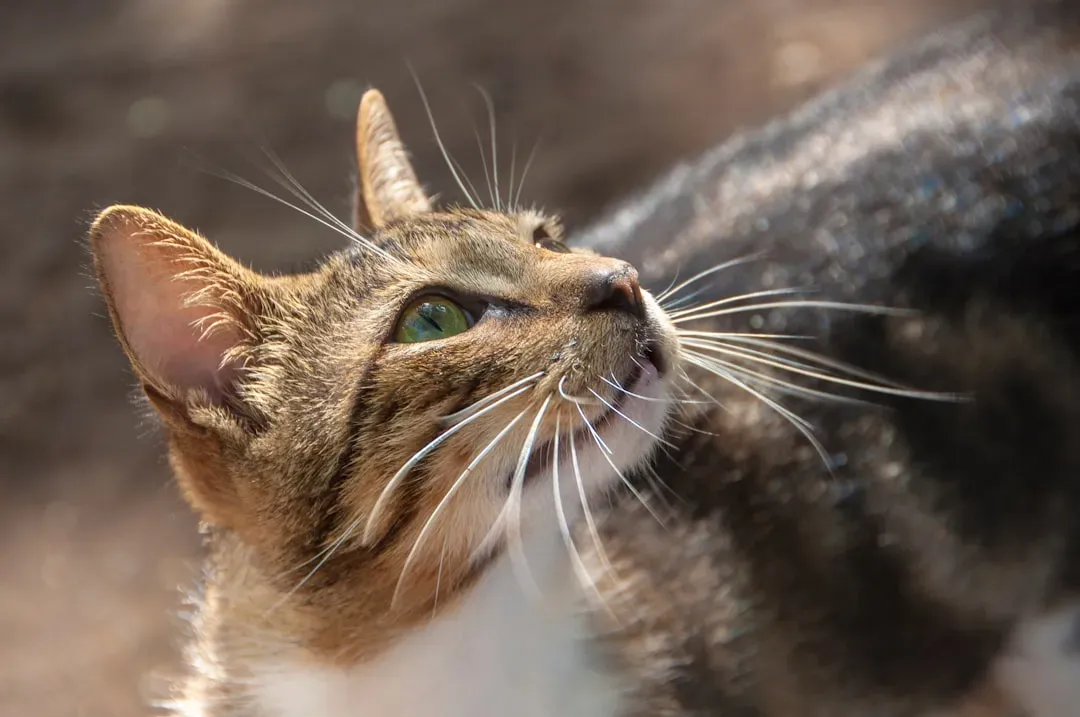
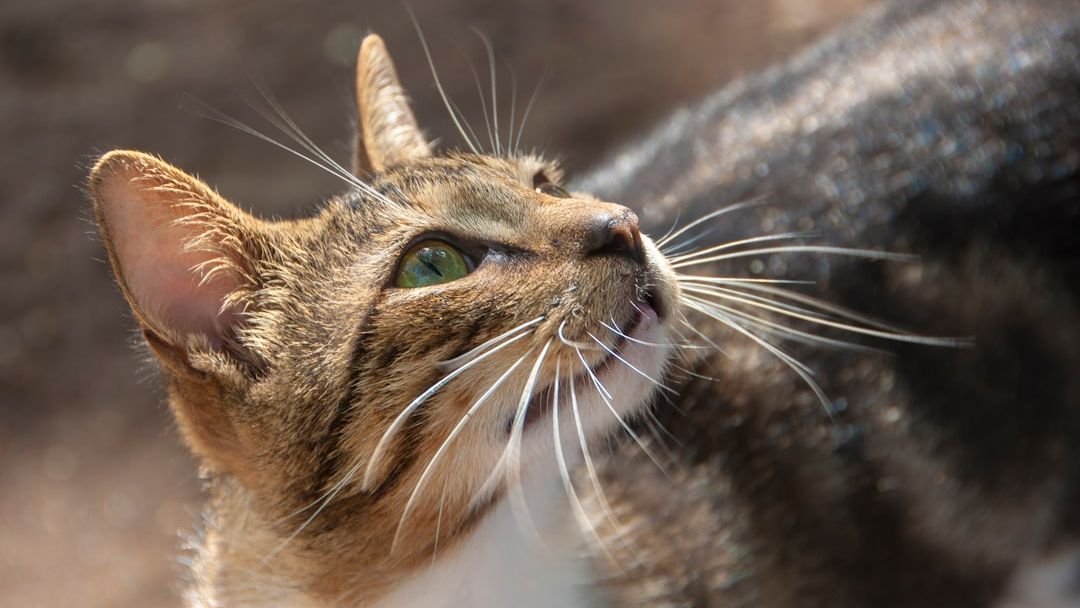
Your cat's whiskers function as incredibly sensitive touch sensors that provide additional sensory input, detecting vibrations and changes in their environment. When your cat walks through a room, objects nearby disturb air currents in predictable patterns.
As air currents are disturbed by nearby objects, whiskers vibrate and transmit these movements to the cat's brain. Think of it like an invisible force field around your cat's face. These whiskers act like radar detectors, constantly feeding information about nearby obstacles. The air currents in a room are different depending on where furniture is placed, and their intelligent whiskers pick up on this and tells their brain where things are.
Compensating for Poor Close-Up Vision
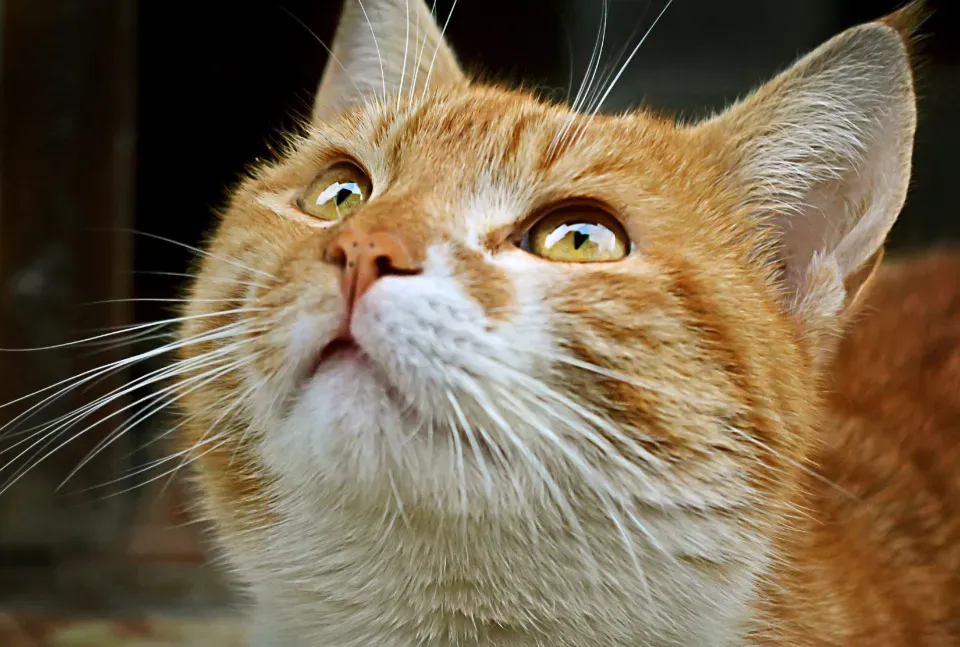
Here's something that might surprise you: your cat can't easily see anything closer than about 30 centimeters in front of them. Cats are actually somewhat farsighted creatures. While cats see better at a distance and have difficulty focusing on objects up close, whiskers help them "see" things that lie right under their noses.
Imagine trying to thread a needle while wearing reading glasses that are too strong. That's basically what your cat experiences when looking at something very close. By touching their whiskers against an object, they can tell where it is, its size and even the texture. It's essentially their way of feeling what they can't see clearly.
Navigating in Complete Darkness
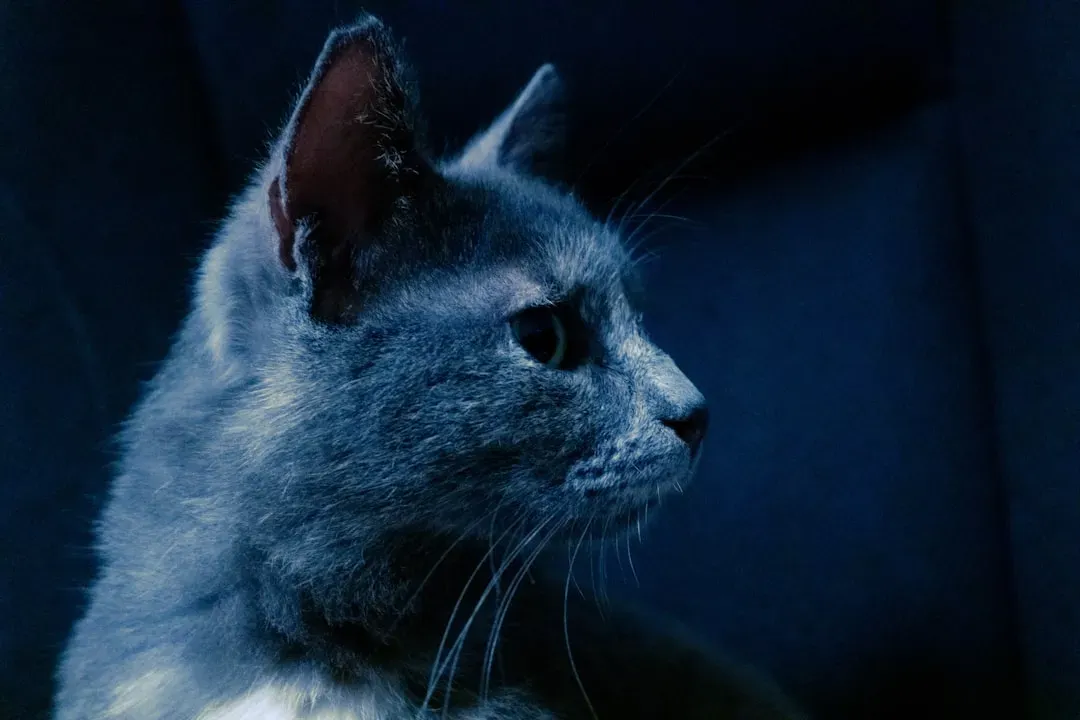
The sensitivity of whiskers enables cats to navigate in darkness, detect prey, and sense air currents. Your cat doesn't need a nightlight because those whiskers are constantly scanning the environment. Whiskers can aid cats in detecting vibrations in the air and changes in air currents, helping them navigate in a dark environment in the same way you would hold out your arms so your fingers could feel for objects.
This ability is absolutely crucial for their survival instincts. Whiskers can detect changes in air currents, helping cats anticipate the presence of nearby obstacles or prey - even in complete darkness. Even though your pampered house cat isn't hunting in the wild, these ancient adaptations still help them find their food bowl at three in the morning without waking you up.
Measuring Tight Spaces Before Squeezing Through
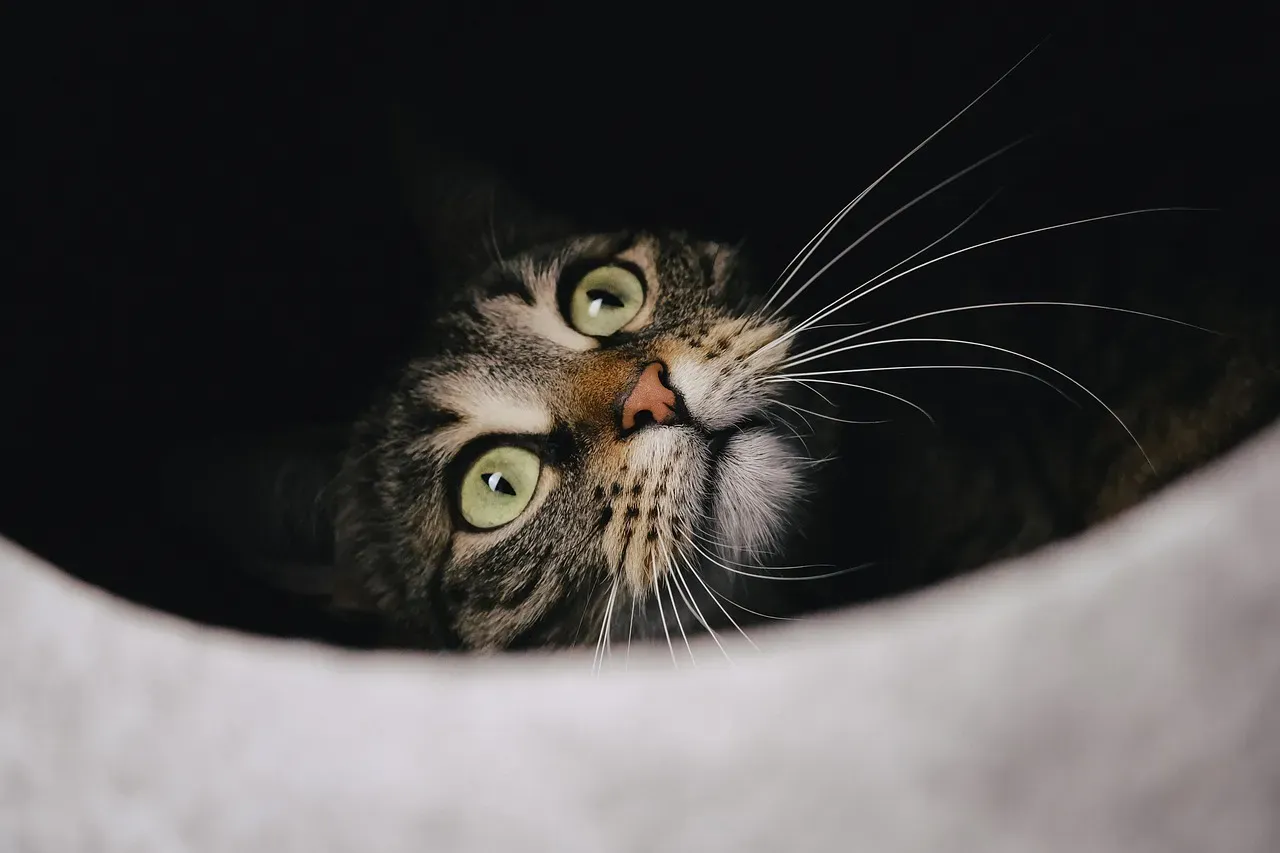
You've probably watched your cat methodically test an opening before attempting to pass through it. There's actually brilliant logic behind this behavior. The full spread of a cat's whiskers is roughly equal to the width of its body, so when a cat inserts its head into a tight opening, the whiskers help it determine whether the rest of its body can follow safely.
You may have seen your cat put their head into an opening before the rest of their body because their whiskers work as a built-in ruler, helping your cat gauge how tight a space is. It's like having a measuring tape permanently attached to your face. However, there's one caveat: if the cat is overweight that whisker function isn't always accurate. That's one more reason to keep your feline friend at a healthy weight.
Enhancing Hunting Precision and Prey Detection
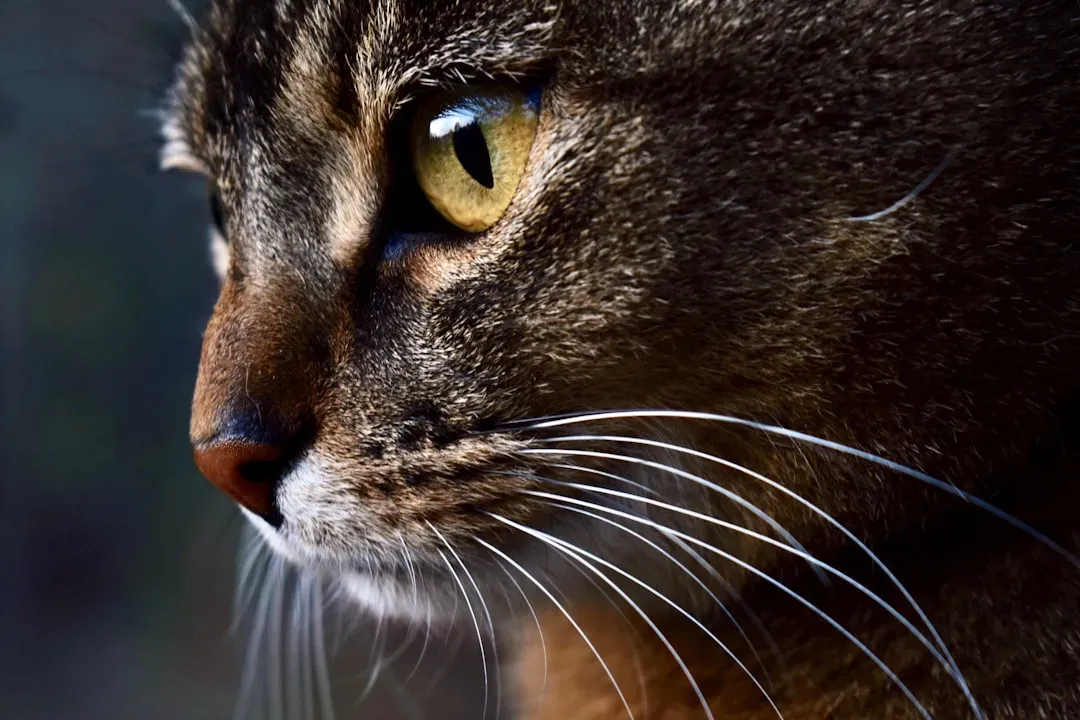
Whiskers assist in precisely locating prey, especially once it's trapped between their paws or in their mouth, and they detect quick movements around the cat - movements too fast for the eye to catch. Even your domesticated indoor cat retains these predatory abilities when chasing toy mice across the floor.
The carpal whiskers, located on the underside of the cat's wrist are very useful in hunting - when the cat has prey captured in their paws, the carpal whiskers help determine if there's any movement and help determine the position of the prey to help in delivering an accurate killing bite. When cats open their mouths to catch prey, they actually become partially blind to what's right in front of them, but their whiskers tell them where their prey is so they're less likely to miss. Nature really thought of everything.
Protecting Eyes from Injury and Debris
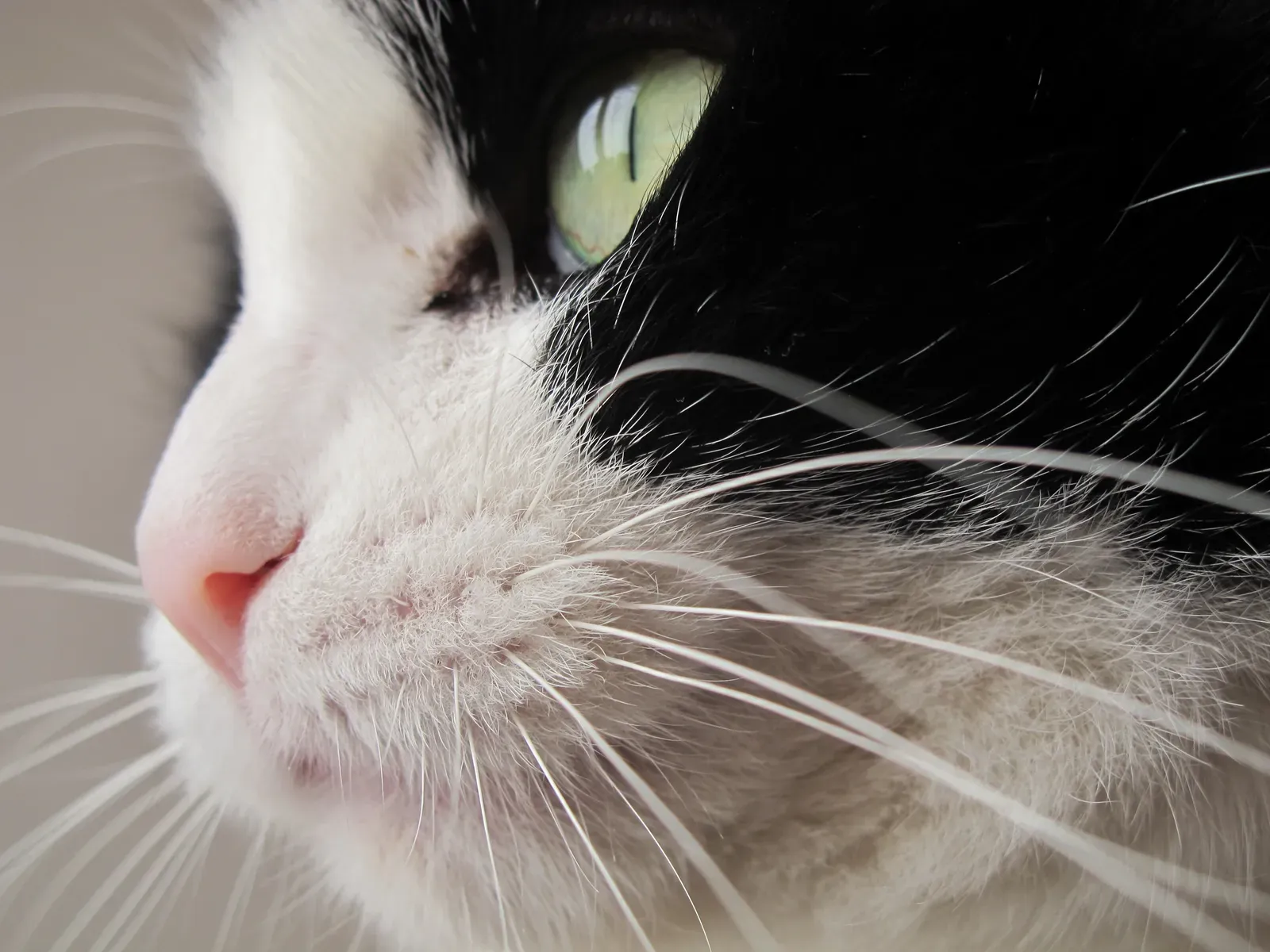
These sensitive hairs respond when touched by the smallest particles - when a tiny speck of dust falls on a whisker above a cat's eye, the cat will blink or shake their head to fling it off, protecting the eye which can be injured by even a tiny dust particle. It's like having an automatic defense system that never sleeps.
The whiskers above the eyes help when the cat is hunting in grass or bushy areas, triggering a protective eye blink if there's a branch or some brush that might get into the cat's eyes. The whiskers around their eyes respond to the tiniest touch, allowing your kitty to shake or blink to remove it, and when exploring outside, their whiskers will detect sharp things first, offering essential protection to their eyes and face.
Communicating Emotional States and Moods
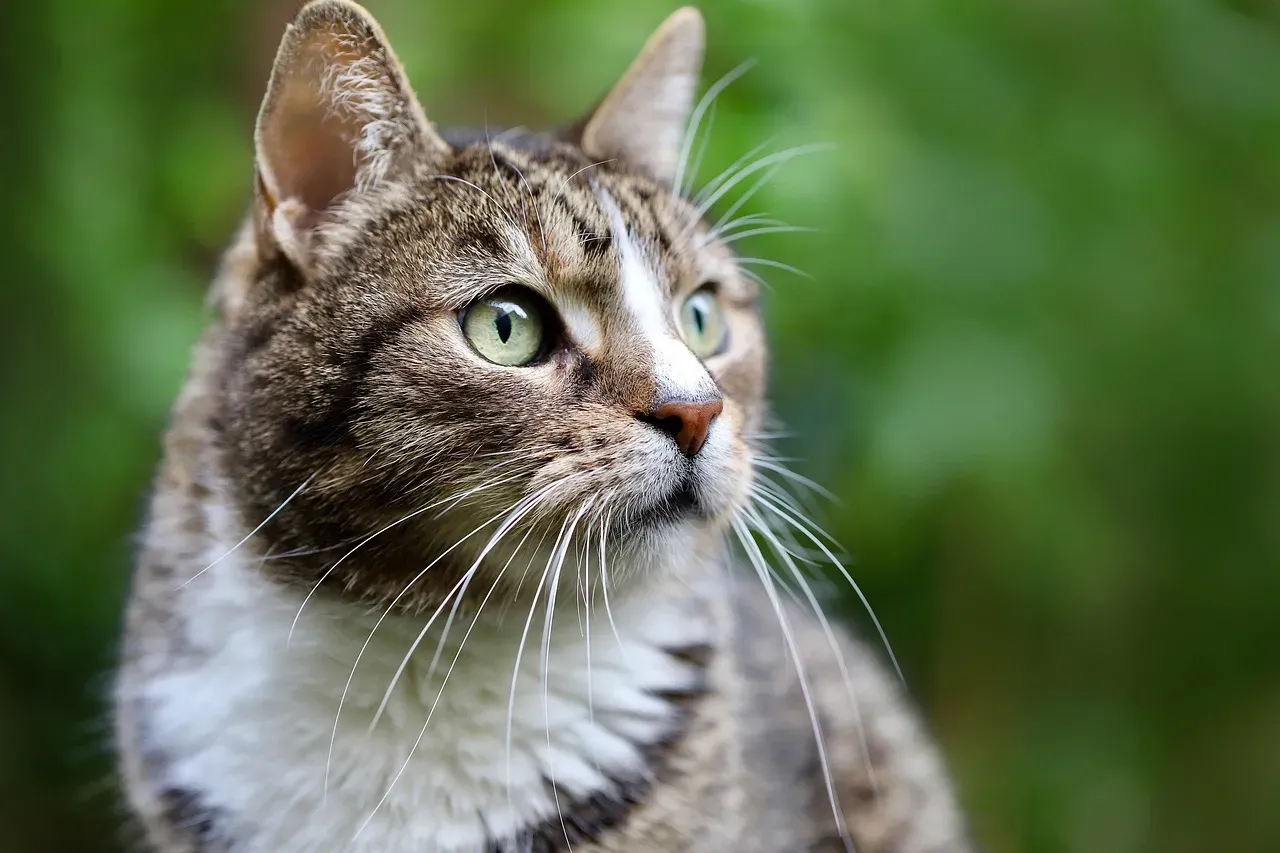
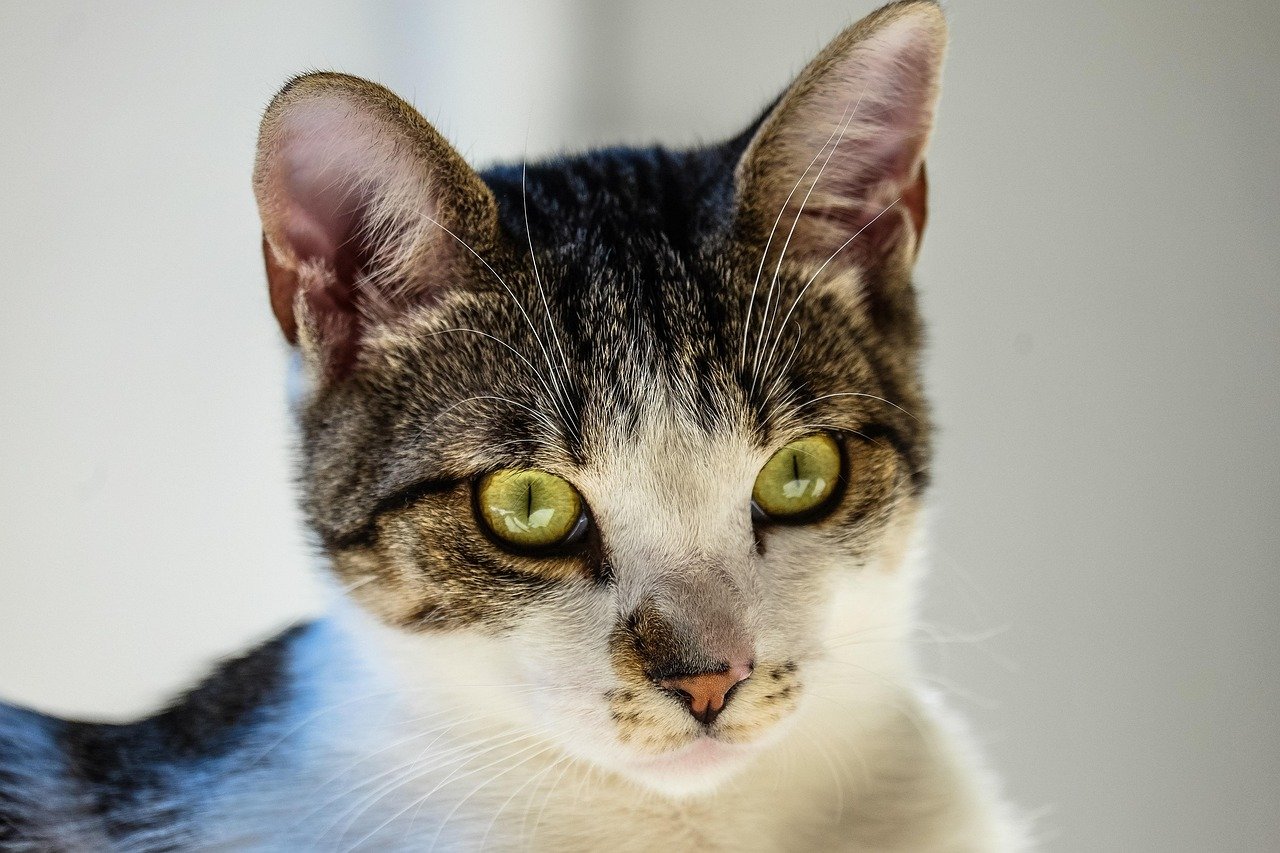
Your cat's whiskers are surprisingly expressive. In a happy, contented, or relaxed cat, whiskers are in a neutral position slightly to the side. When a cat's interest is engaged, whiskers pull forward and fan out, and whiskers also fan out and move forward when a cat is hunting.
On the flip side, when getting ready for battle or frightened, the whiskers are flattened against the face to prevent damage to them, and when on the alert or hunting, the whiskers are forward-facing. If their whiskers are rigid and pulled around their face it means they may feel threatened, whereas if their whiskers are relaxed, it indicates that your cat may be feeling happy and content. Learning to read these subtle signals gives you insight into what your cat is experiencing.
Helping Maintain Balance and Spatial Orientation

Propriocepters, which are sensory organs located at the end of the whiskers, relay information to the brain about the position of the body - this is one aid in how cats frequently are able to land on their feet. These specialized receptors are remarkably sophisticated pieces of biological engineering.
Proprioceptor cells surrounding the whisker follicles help your cat know whether they are the right way up or upside down, using gravity's effect on your cat's whiskers to determine their orientation. However, knowing how to land on their feet from a fall takes a lot more coordination than just whisker-sensing. Whiskers contribute to this famous feline ability, but they're just one component of a complex system.
Processing Sensory Information Through Dedicated Brain Regions
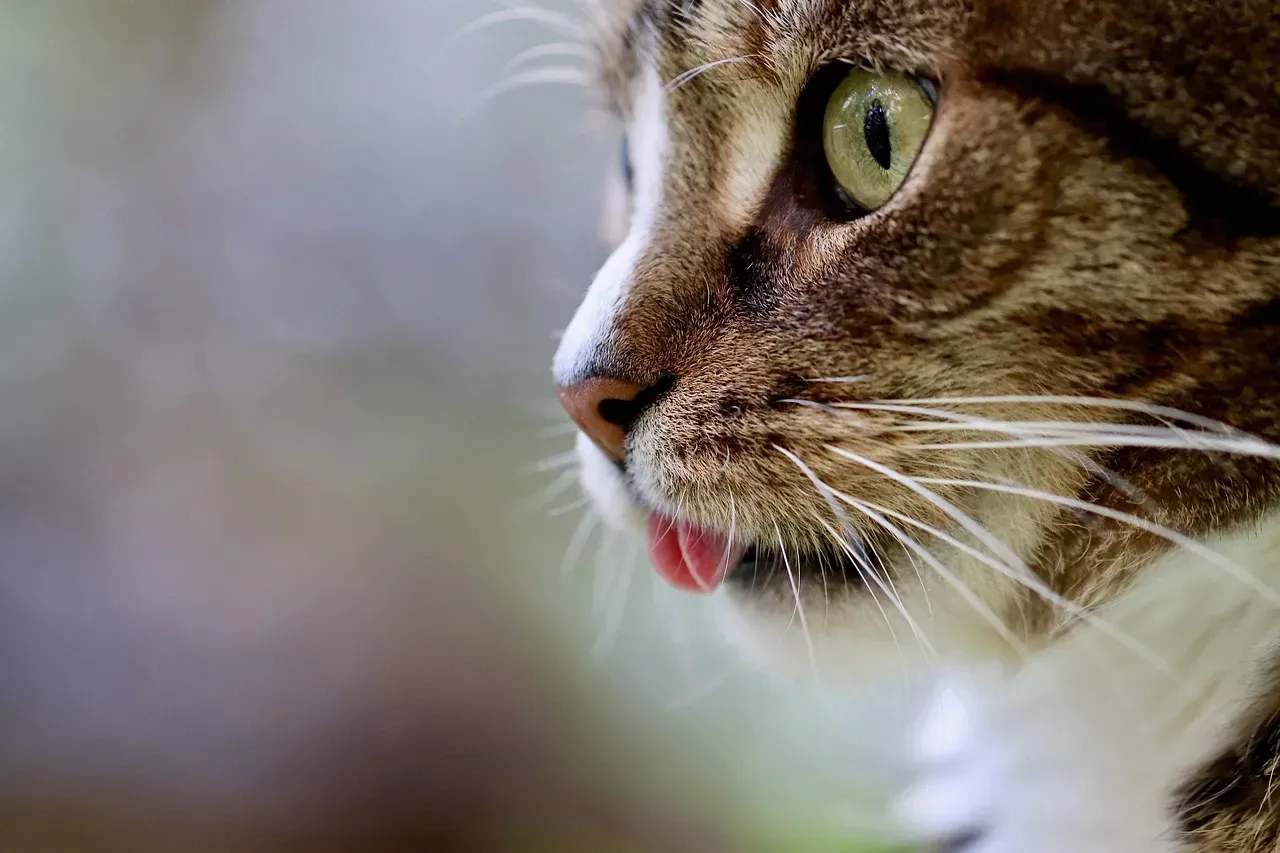
Almost 40% of the brain's sensory area aligns with body parts that have whiskers. That's an astonishing amount of neurological real estate dedicated to these specialized hairs. Each individual whisker can be traced back to a specific spot in the brain, which means that whiskers occupy valuable neurological real estate in the feline body.
Each cat whisker follicle can be associated with as many as 100-200 neurons. To put this in perspective, imagine if roughly half of your brain was devoted exclusively to processing information from your fingertips. That gives you some sense of how critical whiskers are to how your cat experiences and interprets the world around them.
Preventing Whisker Fatigue Through Environmental Awareness
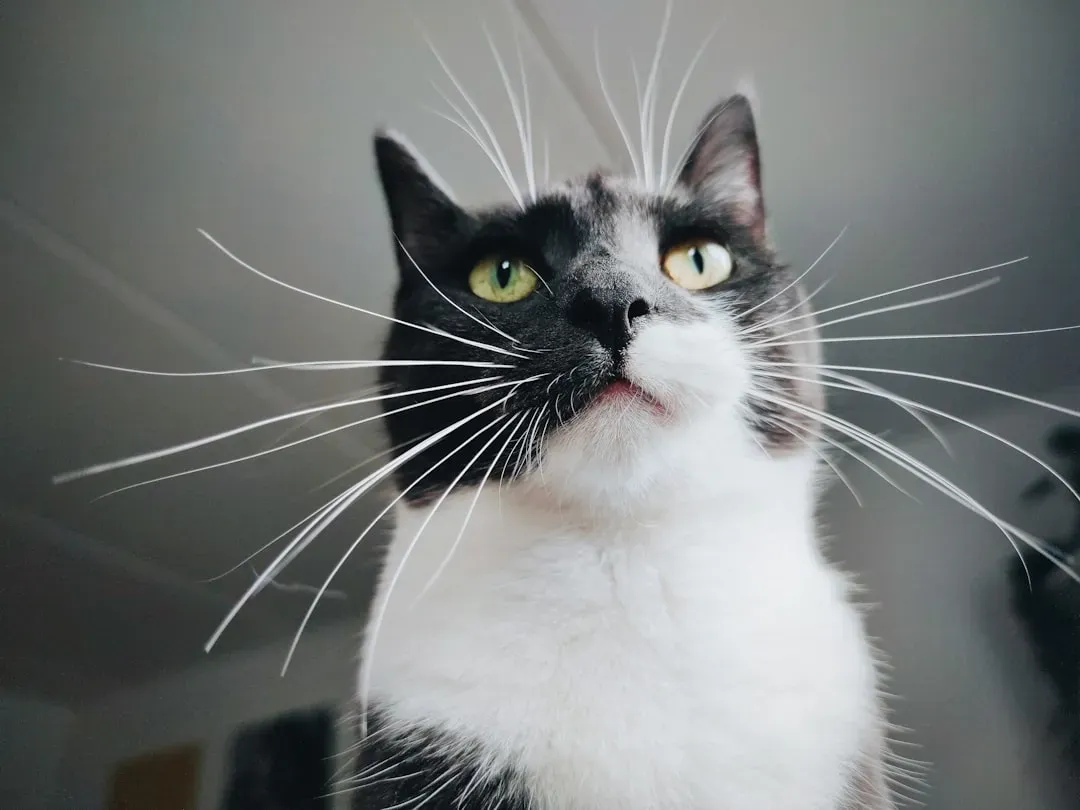
Whisker fatigue is a relatively newly recognized condition that occurs when cats' whiskers are over-stimulated, often by frequently touching against the sides of their food or water bowls. Whisker fatigue is usually caused by chronic, recurrent pressure on the whisker and firing of the neurons in a way that overstimulates your cat, often associated with inappropriately sized food and water dishes.
Think about how irritating it would be if someone kept tapping your fingertips against a hard surface all day long. That's essentially what happens when whiskers constantly brush bowl sides during meals. To prevent whisker fatigue, consider using wide, shallow bowls that will allow your cat to eat and drink without their whiskers touching the bowl sides. Your cat might seem picky, but they're actually responding to genuine discomfort.
Conclusion
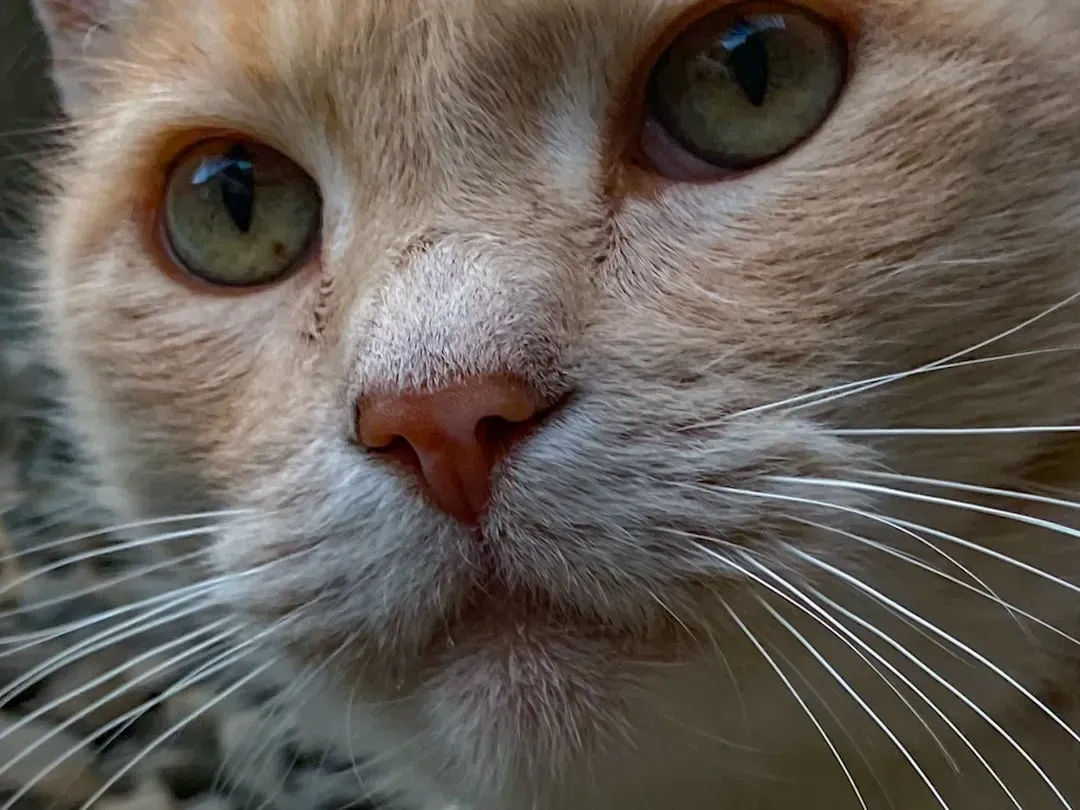
Your cat's whiskers are far more than just charming facial features. They're sophisticated biological instruments that provide constant streams of sensory information about spatial relationships, air movements, textures, and nearby objects. These remarkable tools help your feline companion navigate safely through their environment, hunt effectively, protect vulnerable areas, communicate emotions, and maintain spatial awareness.
Understanding how whiskers function gives you deeper insight into your cat's behavior and needs. Never trim or cut your cat's whiskers, as this can cause significant disorientation and stress. Instead, respect these incredible sensory organs by providing whisker-friendly bowls and appreciating the complex ways your cat uses them to experience the world. Did you notice your cat's whiskers twitching while reading this? They're probably picking up vibrations from your breathing right now. What do you think about these amazing feline features? Share your observations in the comments.