9 Little-Known Facts About Cat Communication That Will Astound Even Experienced Owners

You've probably been living with cats for years. You know their quirks, their favorite toys, and where they like to be scratched. Yet, here's the thing: your feline companion is sending you complex messages every single day that you might be missing entirely. Cats are far more sophisticated communicators than most people realize.
Think you understand what your cat is telling you? Recent research has uncovered surprising discoveries about how cats talk to us and each other. Some of these findings challenge everything we thought we knew about our furry housemates. Let's dive into the fascinating world of feline communication.
Your Cat Tailors Their Meows Specifically For Men
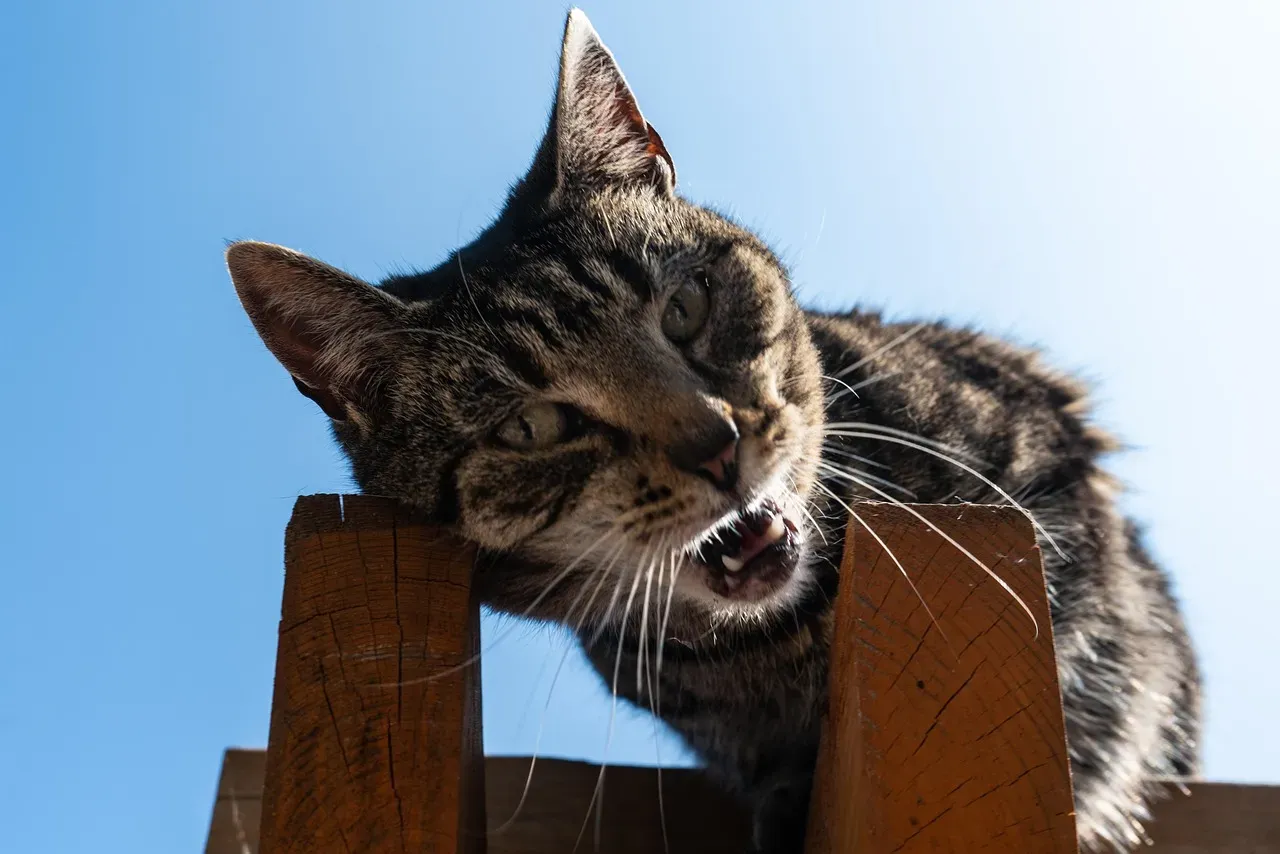
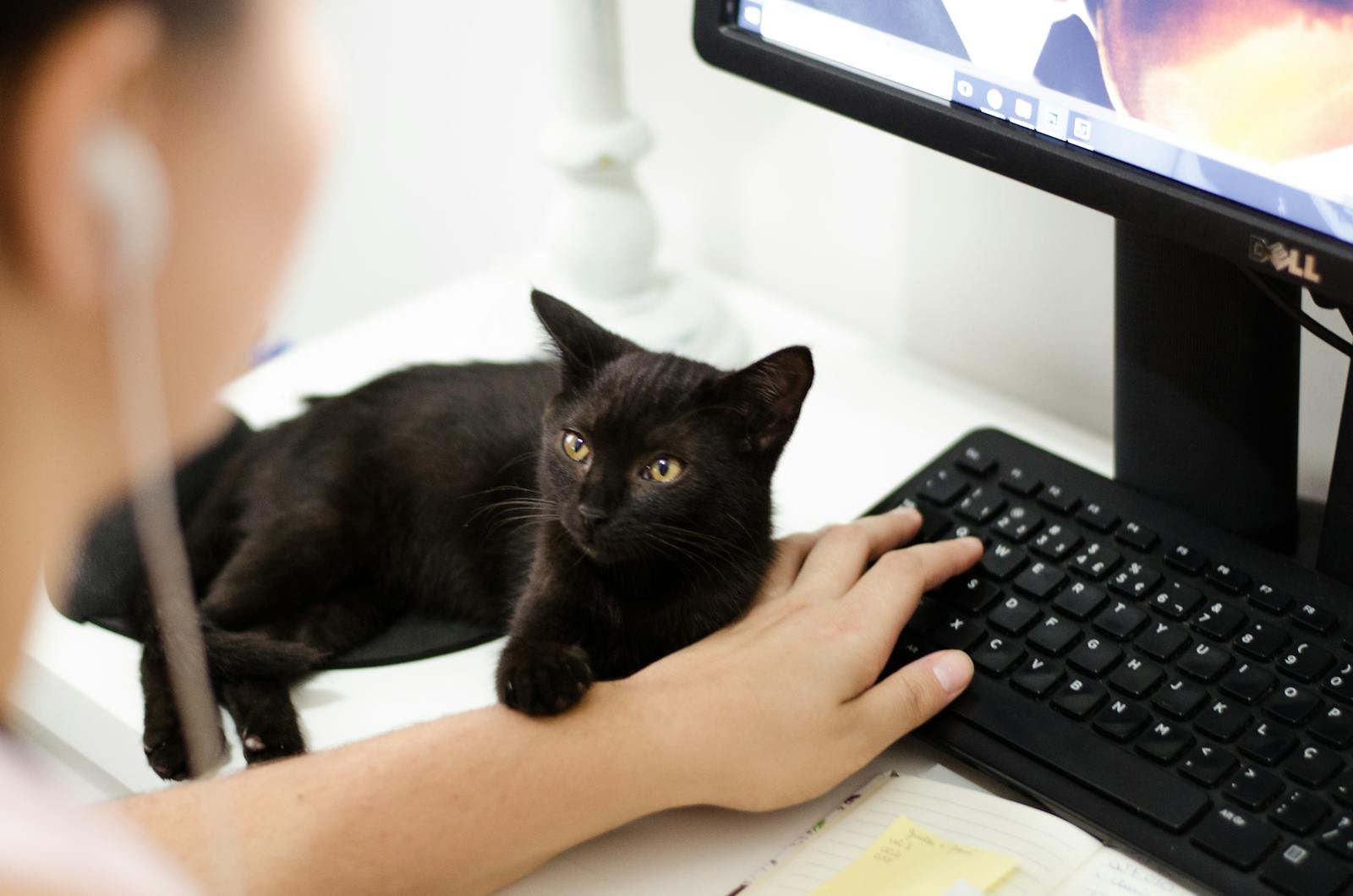
Cats actually adjust their vocal communication strategy based on the gender of their caregiver, meowing more frequently when greeting male caregivers than female caregivers. This isn't a random occurrence either. Research suggests cats do this because male caregivers tend to talk less to their cats and are generally less attentive, so cats adjust their communication to get their attention.
Your cat is basically figuring out what works to get a response from you. If you're a guy wondering why your cat seems more vocal than your partner's experience suggests, this is probably why. They've learned that extra meowing is what gets your attention. Pretty clever, right?
The Slow Blink Is A Scientific Fact, Not Just An Old Wives' Tale

Scientists confirmed in 2020 that the simple gesture of narrowing your eyes and blinking slowly makes cats more likely to approach and engage with humans. I honestly love this one because it feels like unlocking a secret code. Cats are more likely to blink back when you slow blink at them, and they're more likely to approach your hand after you've slow blinked.
When a cat slow blinks at you, they're expressing trust, contentment, and affection, since closing their eyes in the presence of another creature makes them vulnerable. Next time your cat gives you that sleepy-eyed look, try returning the gesture. You might just start a whole conversation without saying a word.
Ear Position Matters More Than Tail Position Between Cats
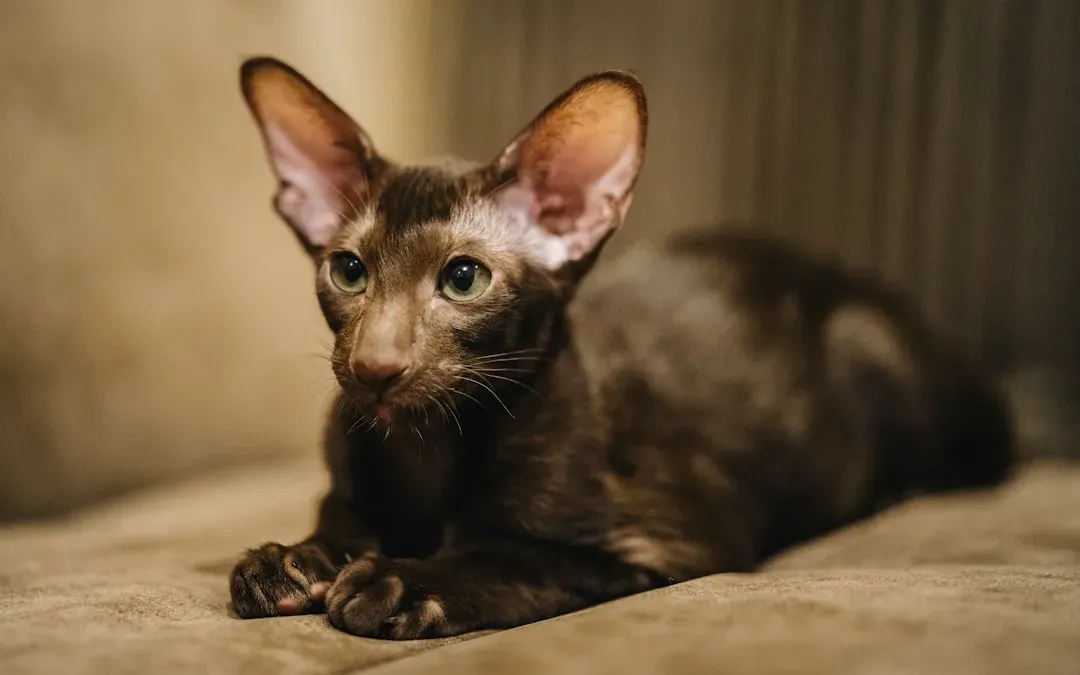
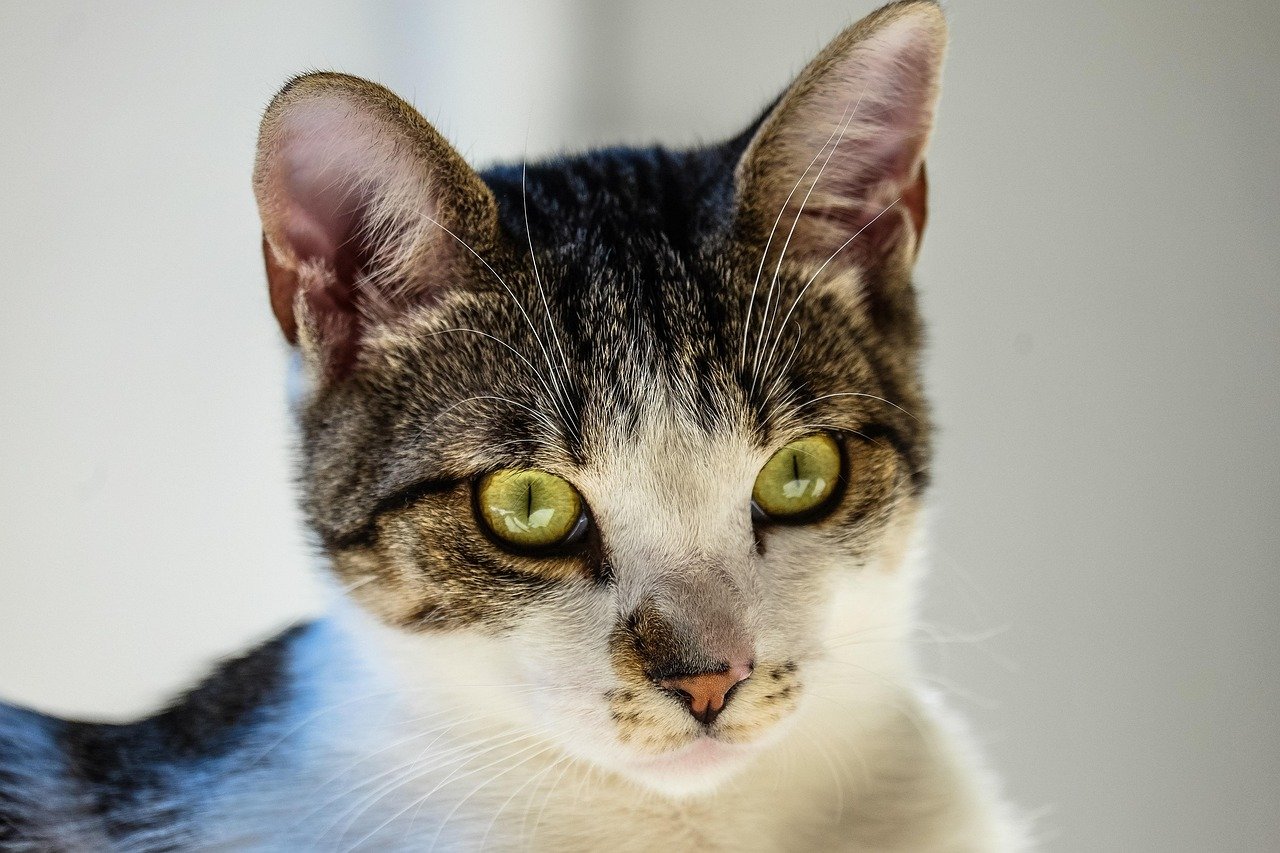
Most of us watch the tail to figure out what a cat is thinking. Turns out, we've been looking at the wrong end. Research shows that ear position is more important than tail position when cats interact with each other, and ear positions are the best predictor of outcomes in cat-to-cat interactions.
When both cats hold their ears erect, the outcome is significantly positive, such as rubbing or close proximity, while all other ear positions result in negative outcomes with increased distance. Yet interestingly, the tail-up display becomes important specifically when approaching humans. Your cat basically uses different communication strategies depending on whether they're talking to you or another cat.
That Silent Meow Isn't Actually Silent At All
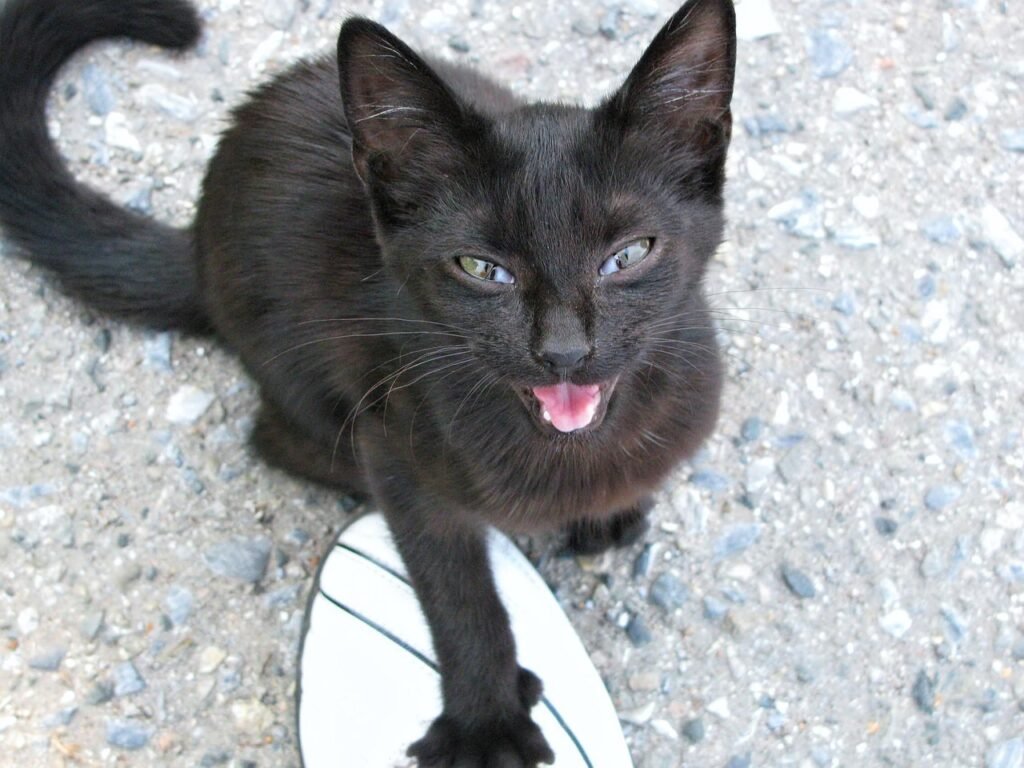
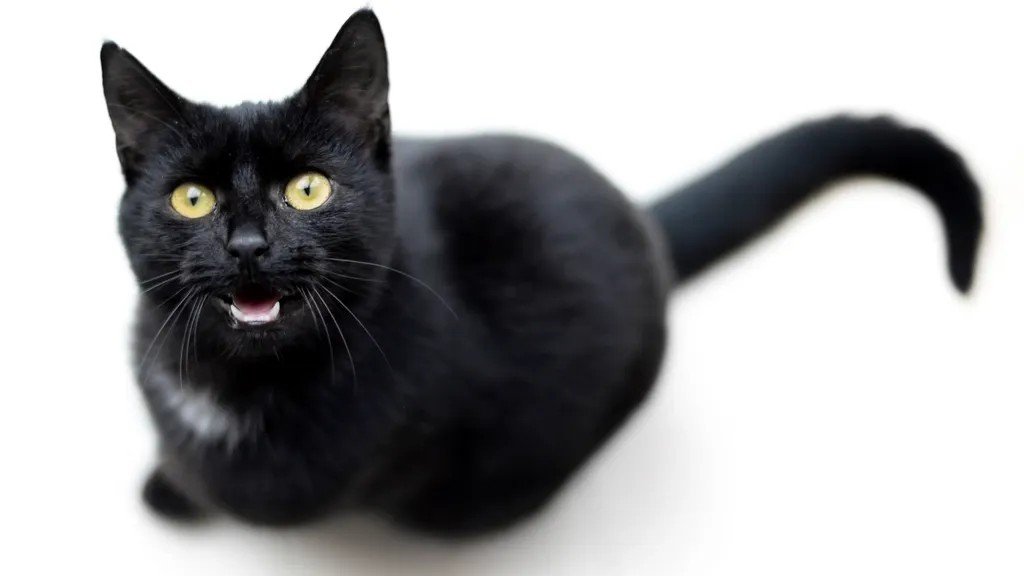
You know when your cat opens their mouth like they're meowing, but nothing comes out? Here's something wild: they are making noise. Silent meows have been recorded at as high as 22 kilohertz, and researchers believe they may go much higher. Your cat doesn't know you can't hear it.
Cats can make ultrasonic sounds that humans cannot hear, and when a cat opens its mouth without making an audible sound, it may be producing an ultrasonic call. Think about that for a moment. Your cat has been having full conversations with you in a frequency you literally cannot detect. They probably think you're the weird one for not responding.
Cats Use More Than 100 Different Vocalizations

Cats use more than 100 different vocal sounds to communicate. That's not a typo. More than a hundred. We tend to lump everything into categories like meows, purrs, and hisses, but the reality is far more nuanced. Each individual cat develops their own unique vocabulary based on their genetics and learning environment.
Research found that cat owners correctly identified the meaning of cat sounds about 40 percent of the time, while non-cat owners had little success, because individual cats vary considerably in the sounds they make. Your cat has basically invented their own dialect just for you and your household. No wonder understanding them feels like learning a foreign language sometimes.
Multimodal Signals Work Better Than Single Cues

Studies show that people decode information from cats better when it's presented as bimodal signals - combining visual and vocal cues - rather than visual or vocal alone. Your cat knows this instinctively. They don't just meow at you; they meow while doing a specific posture or tail movement.
Cats can integrate visual and auditory signals sent by humans and modulate their behavior according to the emotion perceived, though the specific patterns governing cat-to-human communication are still poorly understood. They're reading your body language and tone of voice simultaneously, creating a complete picture of what you're communicating. Maybe we should return the favor and pay attention to the whole package they're presenting.
Purring Doesn't Always Mean Happiness

Let's be real: most of us assume purring equals a happy cat. While purring usually indicates happiness and comfort, cats also purr when they're anxious, agitated, or sick because purring soothes them, and you can tell if it's a worry purr by checking if their ears are folded back or they seem tense. This is actually important for their health.
The low frequency at which sound waves oscillate when a cat purrs is believed to promote bone and tissue growth and lessen pain and swelling. Your cat might be self-medicating through sound vibrations. If your typically quiet cat suddenly starts purring a lot while hiding or acting strangely, that's worth a vet visit.
Greeting Behavior Combines Social Connection With Stress Management
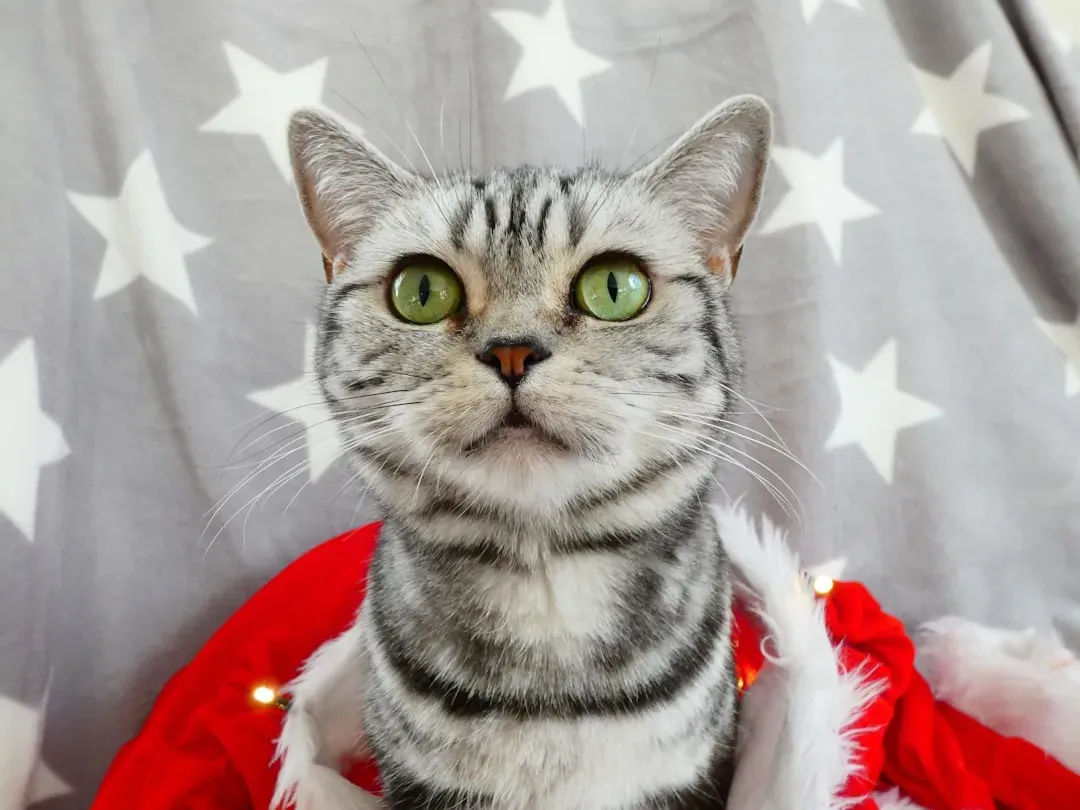
When cats greet their owners, they use several forms of communication including friendly social behaviors like tail-up posture and approaching, as well as coping behaviors like yawning and stretching. That yawn your cat gives when you come home? It's not boredom or tiredness.
Researchers interpret this as evidence that when a cat says hello, it's a complex form of communication that includes desire for connection as well as a way to manage stress. Your arrival is exciting but also a bit overwhelming for them. They're genuinely happy to see you while simultaneously needing to regulate their emotions about the change in their environment. Pretty relatable, honestly.
The Tail-Up Signal Is Reserved For Humans And Family

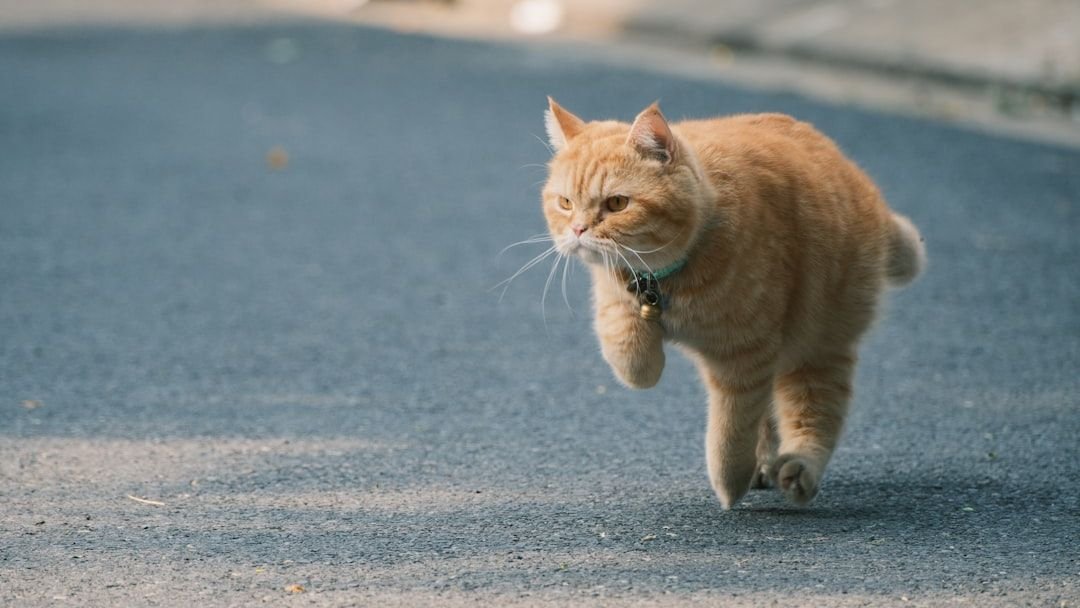
Although the tail doesn't play a significant role in visual configurations during cat-to-cat interactions, the tail-up display is important when a cat approaches a human, and in the vast majority of cases the cat rubs itself on the human's legs. That straight-up tail with the little curl at the tip? That's specifically for you.
The tail up signal, with the tail held vertically with the tip curled, has been identified as a friendly greeting signal between cats and from cats to humans. When your cat walks toward you with that confident, flag-like tail, they're essentially saying you're part of their trusted inner circle. It's one of the highest compliments a cat can give, and we should probably appreciate it more than we do.
Conclusion

Understanding your cat's communication goes way beyond just knowing they meow when they're hungry. These creatures have evolved sophisticated, multifaceted ways of expressing themselves that we're only beginning to fully understand. From gender-based vocal strategies to ultrasonic frequencies we can't even hear, your cat is constantly working to bridge the communication gap between species.
The more you learn to read their signals - those slow blinks, ear positions, and carefully chosen vocalizations - the stronger your bond becomes. You might even realize your cat has been trying to tell you something important all along. What surprising communication quirks have you noticed in your own cat? You might be witnessing something science hasn't even documented yet.