
You’ve probably noticed that not all cats behave the same way. Some felines will sprawl across your lap the moment you sit down, purring like tiny engines. Others would rather observe you from across the room, dignified and distant. Honestly, it’s one of the most intriguing puzzles in the cat world.
Let’s be real, you can’t just chalk it all up to individual personality. There’s something more at play. Certain breeds have been shaped over generations to behave in very specific ways, leading some to become cuddle monsters while others maintain a more aloof stance. So let’s dive in and explore what really separates the lap-warmers from the shadow-dwellers.
The Genetic Blueprint Behind Your Cat’s Cuddliness
Research shows that roughly forty to fifty-three percent of your cat’s temperament can be traced back to genetics. This means that when breeders select cats with certain traits, they’re not just choosing for appearance. They’re actively shaping behavior.
Your cat’s personality is influenced by their genetics and the environment they’re nurtured in, with genetics impacting how comfortable your cat is with people and other animals, how active and curious they are, and how they like to play. Think of it like inherited tendencies in people. Some folks are born extroverts, others naturally introverted. Cats work the same way.
Scientists have even found differences in personality and behavior between cat breeds, with these differences having been identified in multiple studies. This isn’t coincidence. It’s the result of centuries of breeding choices that have quietly sculpted temperament alongside physical features.
The Role of Domestication and Selection
The domestication of the cat likely occurred 10,000 years ago in the Near East, but in recent years, selection through intentional breeding has resulted in tens of morphologically differing breeds. Here’s the thing though: not all breeds were developed with the same goals.
Some breeds, particularly those meant to be companion animals, were specifically bred for docility and affection. The Ragdoll, for instance, was bred from kittens showing a docile, placid temperament, affectionate nature, and a tendency to go limp and relaxed when picked up. It’s hard to imagine a more deliberate attempt to create the ultimate lap cat.
Research suggests an association between a cat’s phenotype and personality is plausible, with the “domestication syndrome” observed in several species where physical changes occur as animals become tamer. Your cat’s coat color, body size, or ear shape might actually correlate with how snuggly they are.
Meet the Professional Lap-Warmers
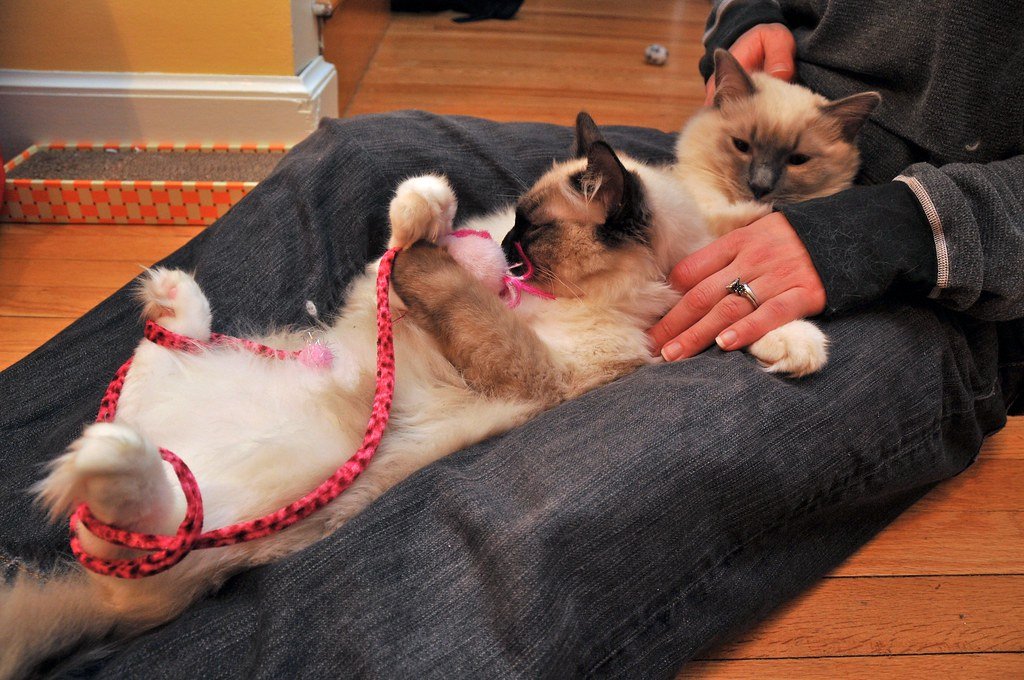
The Ragdoll is known for relaxing in your arms and going limp much like a ragdoll when picked up, and these blue-eyed beauties commonly boast the top spot on popularity lists as family-friendly and as cool, calm, and collected as they get. They’re basically the poster children of affectionate cat breeds.
Then you have the Persian. The Persian has been one of the most popular cat breeds in North America for many years, known for their calm personalities and are among the quietest and least active of all cat breeds, and they’re happy sitting on their owner’s lap. They’re less interested in adventure, more interested in napping near you.
Sphynx cats are anything but independent, will follow you from room to room, eager to show their love, and want to play and interact with you but they also enjoy cuddling on your lap under a fuzzy blanket. Despite their hairless appearance, they’re total cuddle bugs seeking warmth and companionship.
The Gentle Giants Who Love Human Contact
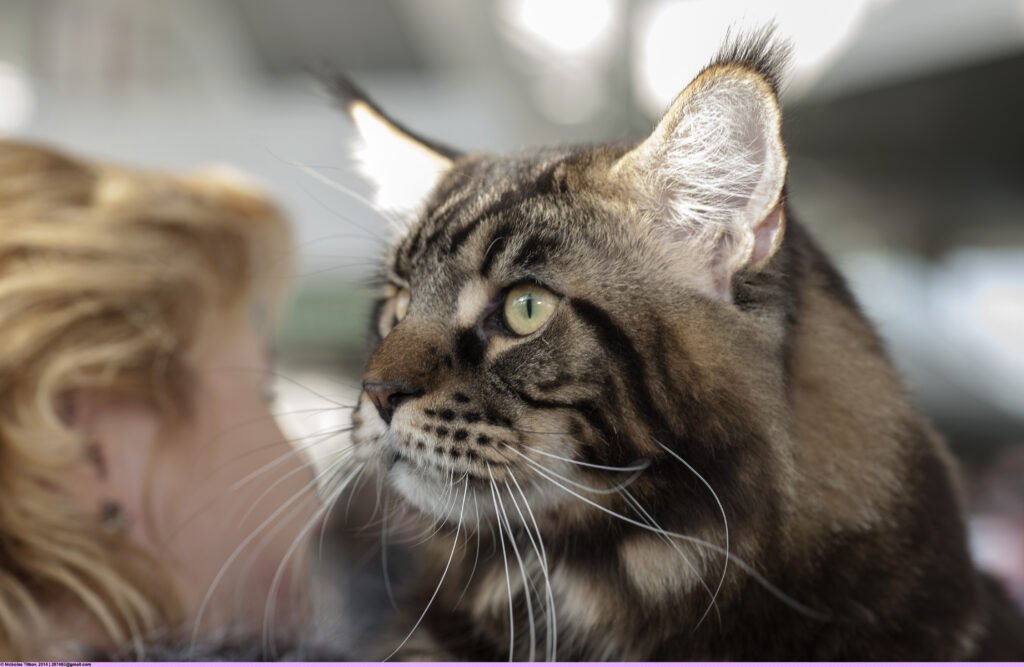
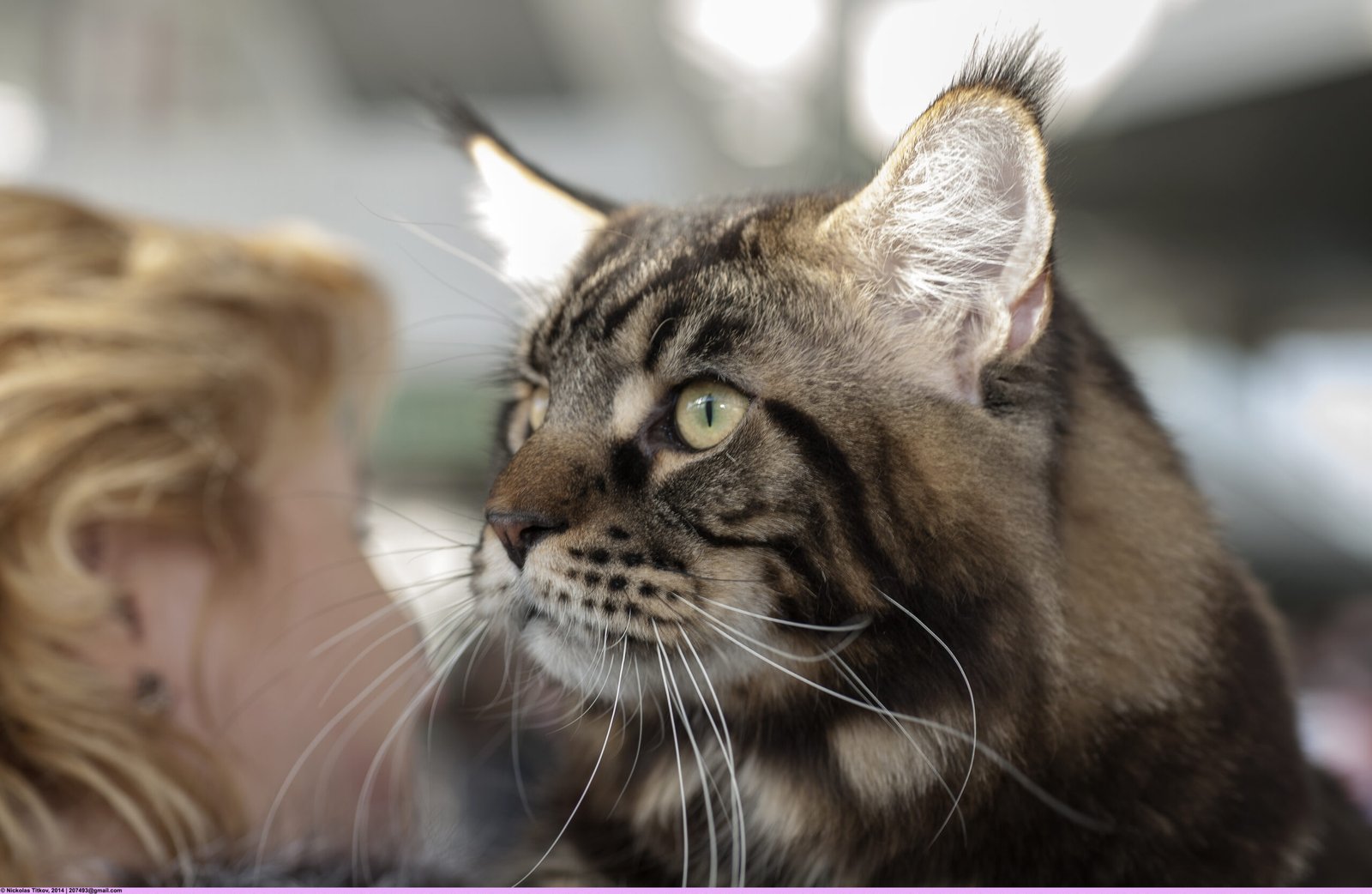
Maine Coons represent an interesting middle ground. Often called gentle giants, Maine Coons are one of the friendliest cat breeds with an affectionate temperament and do well with other pets and children, are playful companions who enjoy human interaction but don’t demand constant attention. They won’t be clingy, but they’ll certainly stick around.
Russian Blue cats are calm and smart kitties who can be shy at first but grow to be playful and loving once they feel comfortable, tend to bond deeply with just one person and become experts at reading their pet parent’s emotions, and when they sense their owner is sad, they’re always there with a cuddle. Loyalty looks different for different breeds.
Scottish Folds also fall into the affectionate category. Charming and easy-going, Scottish Folds love affection and their homebody nature means they prefer to be indoors with their owners, and they’re chatty with a soft and chirpy voice. They’re companionable without being overwhelming.
The Independent Thinkers
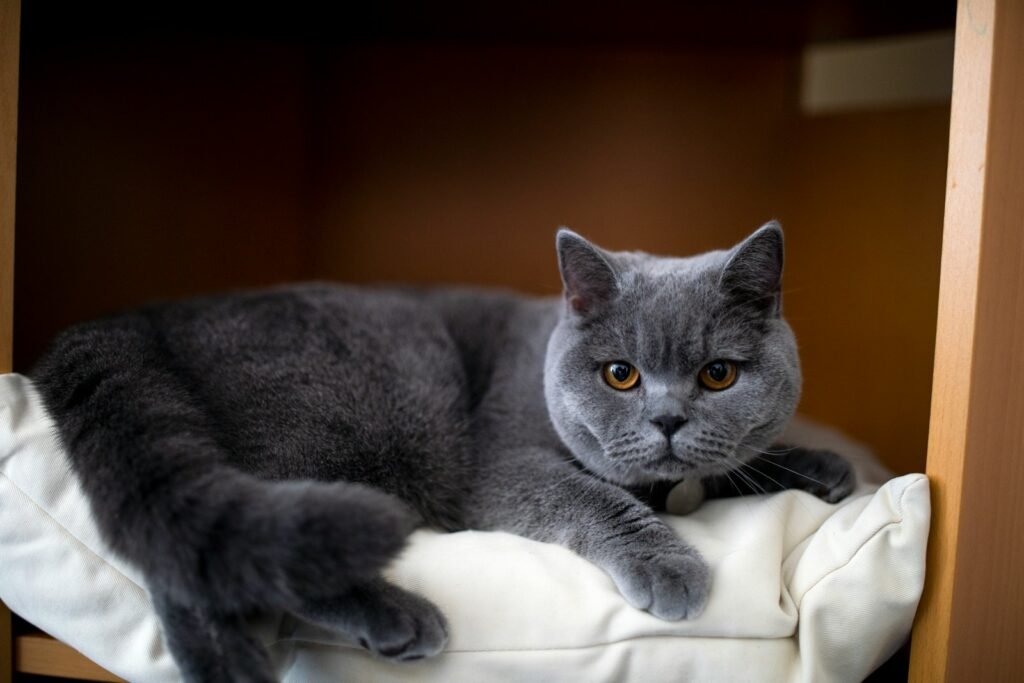
Not every cat wants to be in your face constantly. Russian Blues are known for their elegant blue-gray coat and as intelligent, curious, and independent cats, they are an excellent choice for pet parents who want a low-maintenance companion, typically reserved around new people but affectionate to their pet parents. They’ll love you on their own terms.
A British Shorthair is an independent cat breed with a laid-back, easygoing personality, and like Russian Blues, British Shorthairs often have a beautiful blue-gray coat. Independence in British Shorthairs shows up as confidence rather than distance, as they enjoy human company but prefer sitting beside you instead of on your lap, offering quiet companionship without constant demands for attention. That’s dignity right there.
Turkish Angoras are another independent breed. Another independent longhaired cat, the Turkish Angora is elegant, smart, and loyal, and true to their independent nature, Turkish Angoras typically don’t like to be held, but they’re known to be playful throughout their life. They’ll engage, but on their own schedule.
The Adventurous Shadow-Dwellers
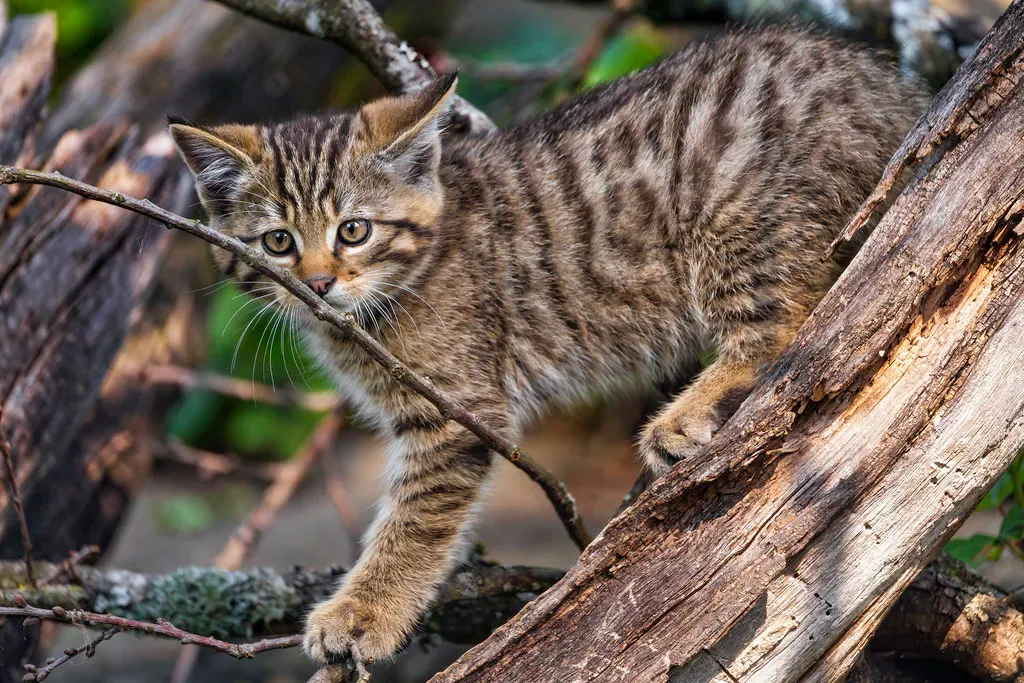
Bengal cats are athletic, striking, and definitely not your typical lap cat. Bengals have an exotic appearance and are very athletic and active, they’re not the most social cats and tend to form a strong bond with one or two people, and in general, Bengals do well being by themselves and playing on their own. They need space to climb, explore, and burn off energy.
The Norwegian Forest Cat is a hardy, robust animal that is as tough as the name sounds with a long, dense coat makes them cold-tolerant, a valuable trait in their native land. While they’re not a lap cat, they’ll still be a loving feline companion that truly enjoys interacting with family. They’re affectionate but not clingy.
Abyssinians are curious explorers. Abyssinians are very intelligent and curious cats, and they tend to have a lot of confidence, so rather than demanding your attention, they often prefer exploring their surroundings. You’ll find them investigating every corner of your home instead of curled up on your lap.
When Breeding Goals Create Unintended Consequences
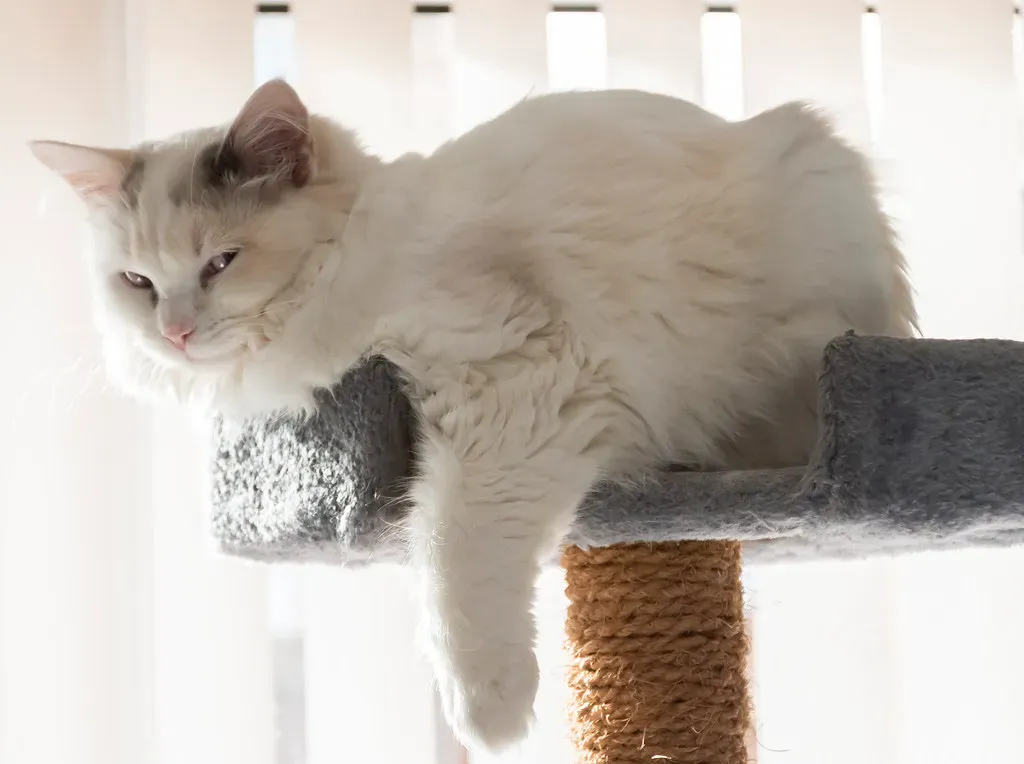
Here’s where it gets really interesting. Ragdoll breed is characterised by its calm and relaxed personality, so when preferring calm and inactive cats in breeding, Ragdoll breeders may unintentionally favour cats seeking little contact to people, and the low tendency to seek human contact correlates with low activity level and long hair. Wait, what? The calmest breed might actually be less contact-seeking due to breeding for low energy?
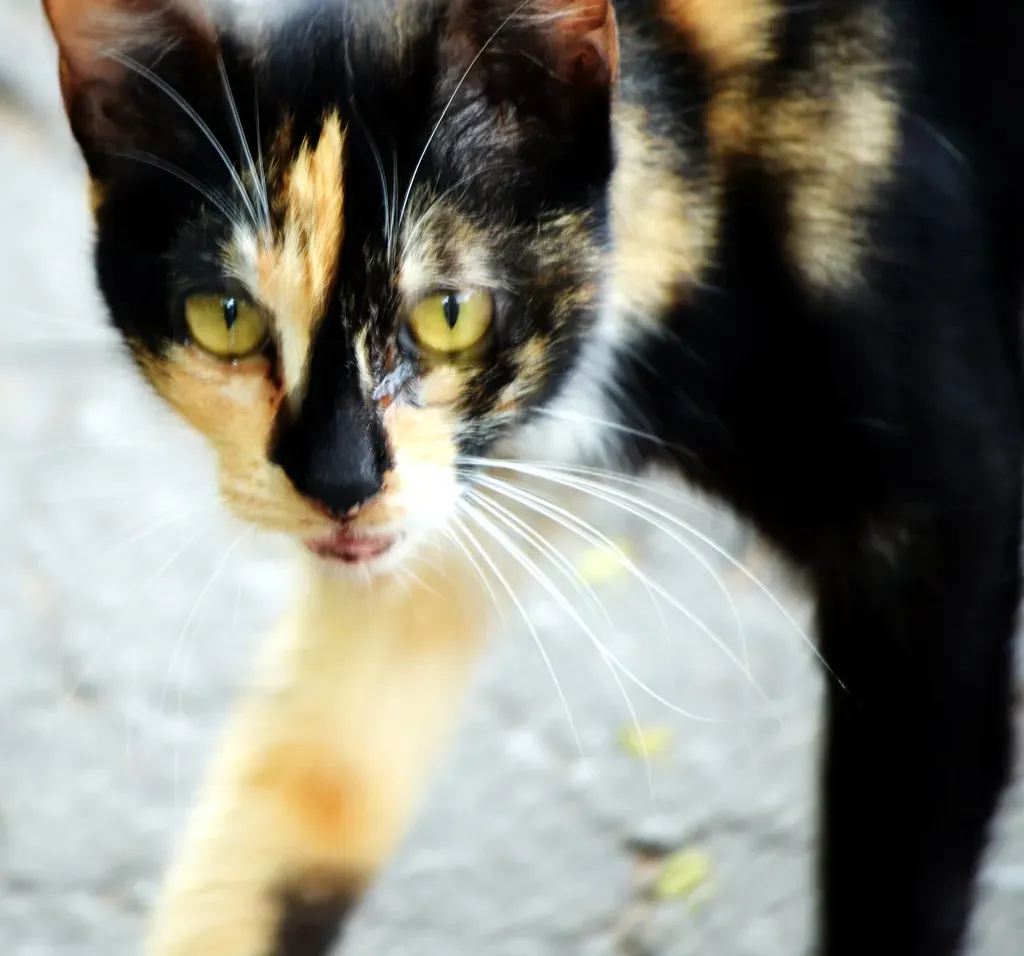
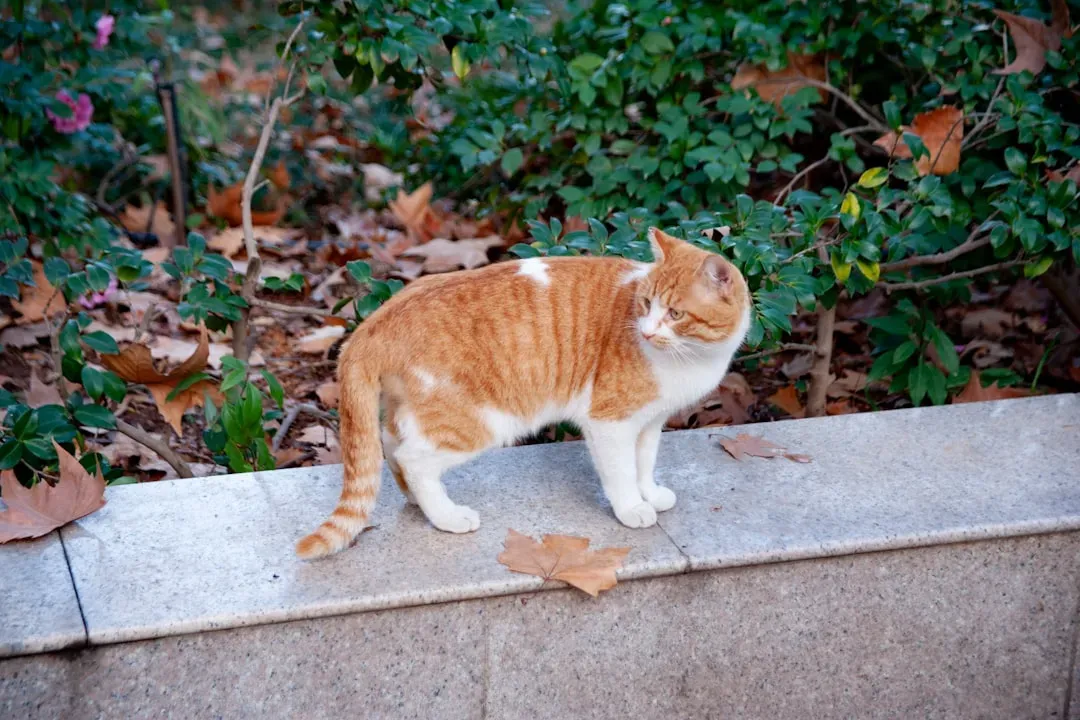
That’s the complexity of genetics. You can’t just select for one trait without potentially affecting others. Among cats, body size, coat color, and coat length might be associated with personality, with orange male cats potentially being larger and more socially dominant, and based on owner reports, orange cats are friendlier towards humans whereas tortoiseshell cats are more aggressive towards humans, with long-haired cats being less active. Even coat color might play a role.
Breeders today are more aware of these connections. Some are actively working to refine temperament alongside appearance, ensuring cats are not just beautiful but genuinely suited to family life.
The Critical Socialization Window
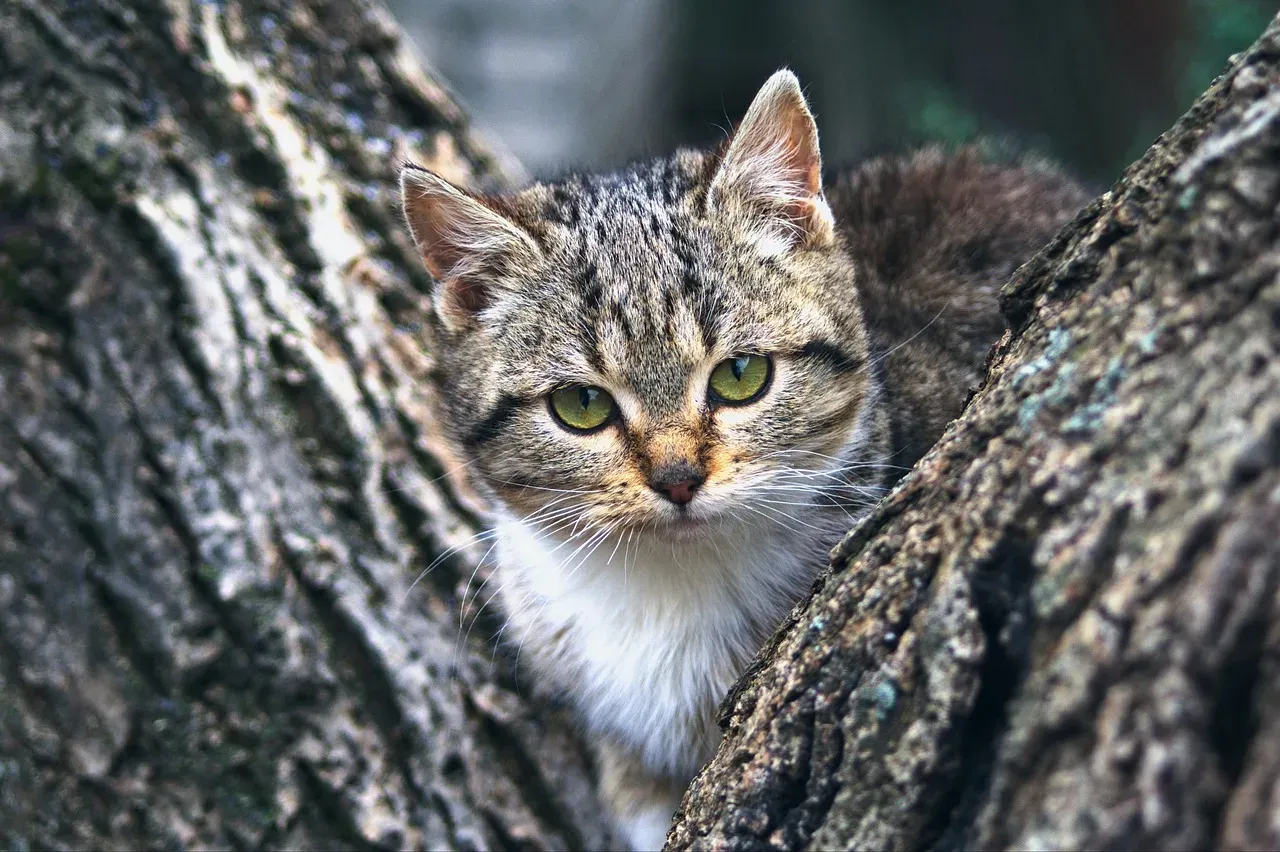
The first eight to sixteen weeks of a kitten’s life can greatly influence their personality and demeanor, during this period kittens tend to be fearless in exploring the world around them, it is important to provide them with an enriching environment, and the more they are exposed to something as a kitten, the less likely they will be to develop a fear or aversion toward that thing later in life. This window is crucial.
Kittens begin developing behavior between three to seven weeks old, building a foundation for the rest of their lives. Even the friendliest breed can become skittish if not properly socialized during this critical period. Conversely, a typically independent breed might become more affectionate with the right early experiences.
Genetics load the gun, but environment pulls the trigger. You can have the most genetically predisposed lap cat in the world, but without positive human interaction during kittenhood, they may never reach their cuddly potential.
Why Your Cat’s Ancestry Matters Today
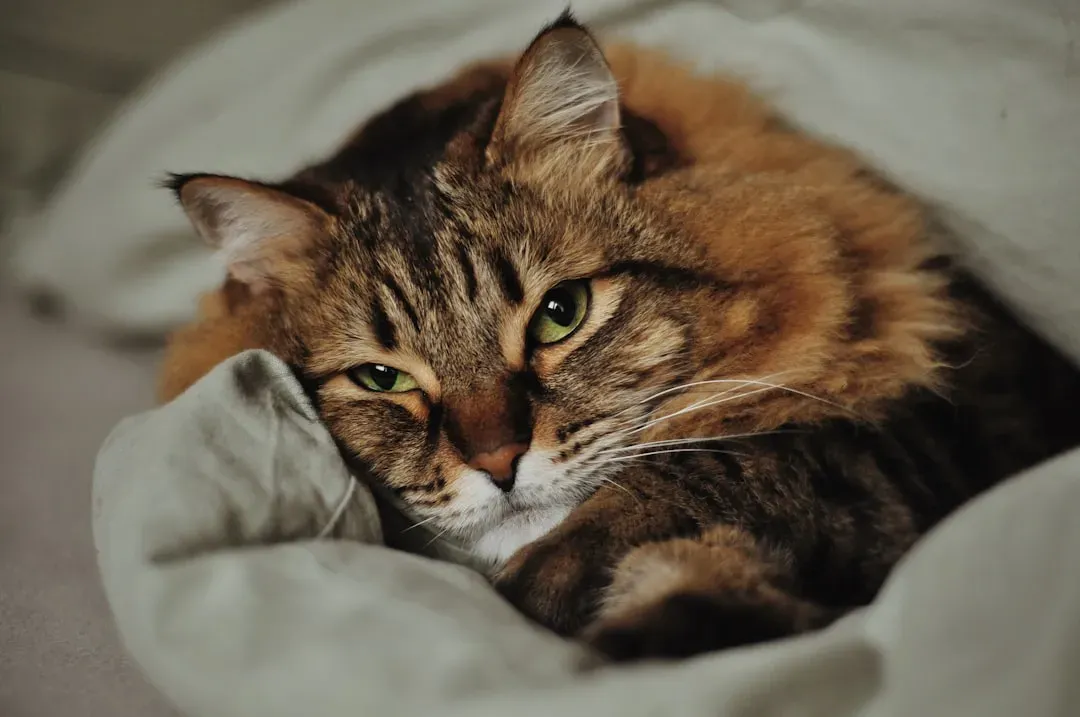
The breed differences in behaviour were detected in studies and these differences persisted even when controlling for many environmental factors, and results show that as often stated by cat enthusiasts, breeders, and organizations, cat breeds have diverged behaviourally. This matters because when you choose a breed, you’re choosing a behavioral package.
Want a cat that follows you everywhere? Pick a Ragdoll or Sphynx. Prefer a more reserved companion who respects personal space? Consider a Russian Blue or British Shorthair. Personality and behavioural traits vary greatly between individuals of the same breed, even more than between breeds, and you cannot generalise about a cat’s personality or predict behaviour based on their breed alone. Still, breed gives you a decent starting point.
In domestic cats many factors have been discovered to influence personality, including breed, coat colour, gender, rearing experience, number of cats within a household, owner age, owner gender and owner personality. It’s a complex tapestry. Your cat is a product of nature, nurture, and everything in between.
The Myth of the Aloof Cat
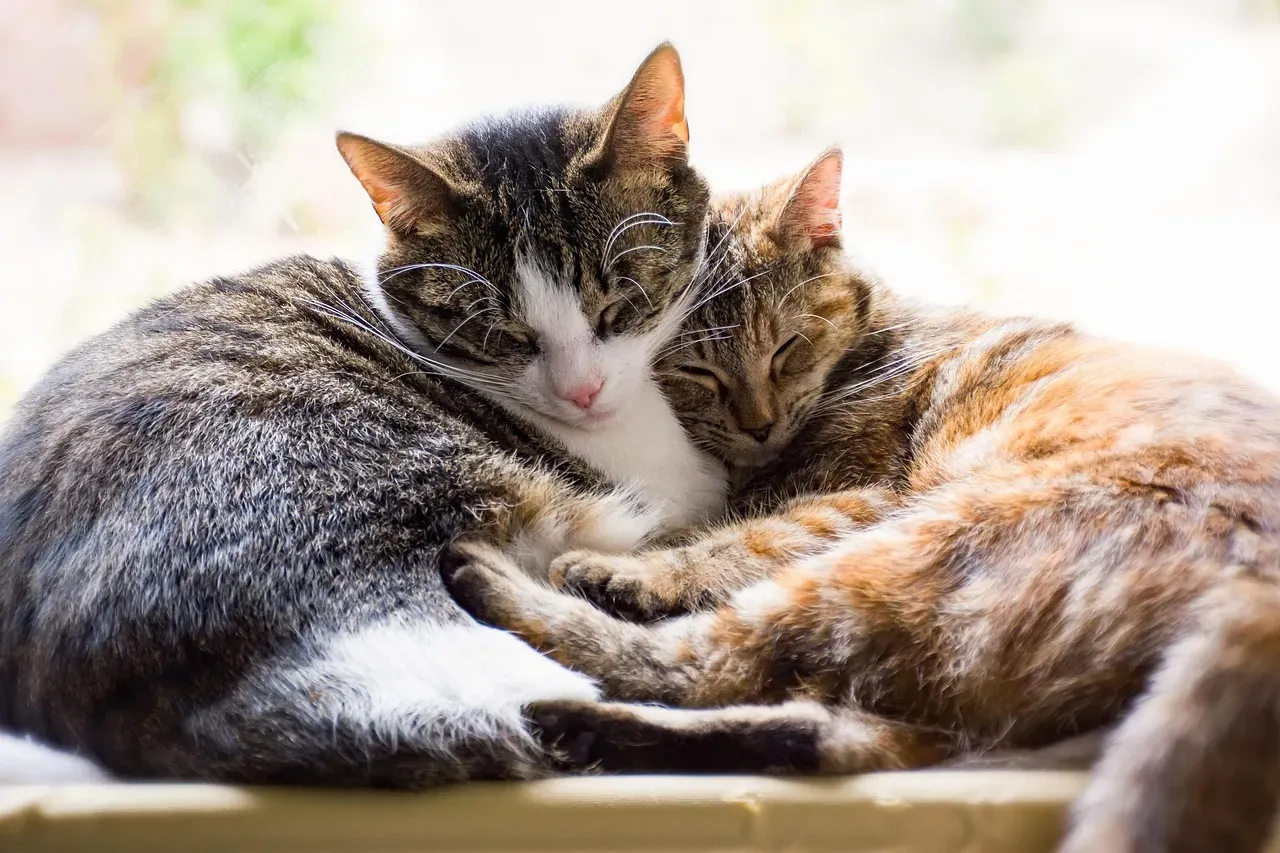
Let’s bust this myth once and for all. While cats may often be perceived or described as being aloof and independent, the truth is, in fact, much more complex, and most actually appear to have close attachments to their owners who they turn to as a source of safety and security, just the same as dogs do. Even independent breeds form deep bonds.
The difference isn’t whether cats love their humans. The difference is how they express that love. A Bengal might show affection by bringing you a toy for an interactive play session. A Persian shows it by gently snoozing on your lap all afternoon. Both are acts of love, just in wildly different styles.
Research found that of seventy kittens aged between three and eight months of age, more than sixty-four percent were classified as securely attached to their owners, and when thirty-eight adult cats were assessed with the same test, very similar results were obtained with almost sixty-six percent displaying secure attachment. The vast majority of cats are attached. They’re just not all lap cats.
Finding Your Perfect Match
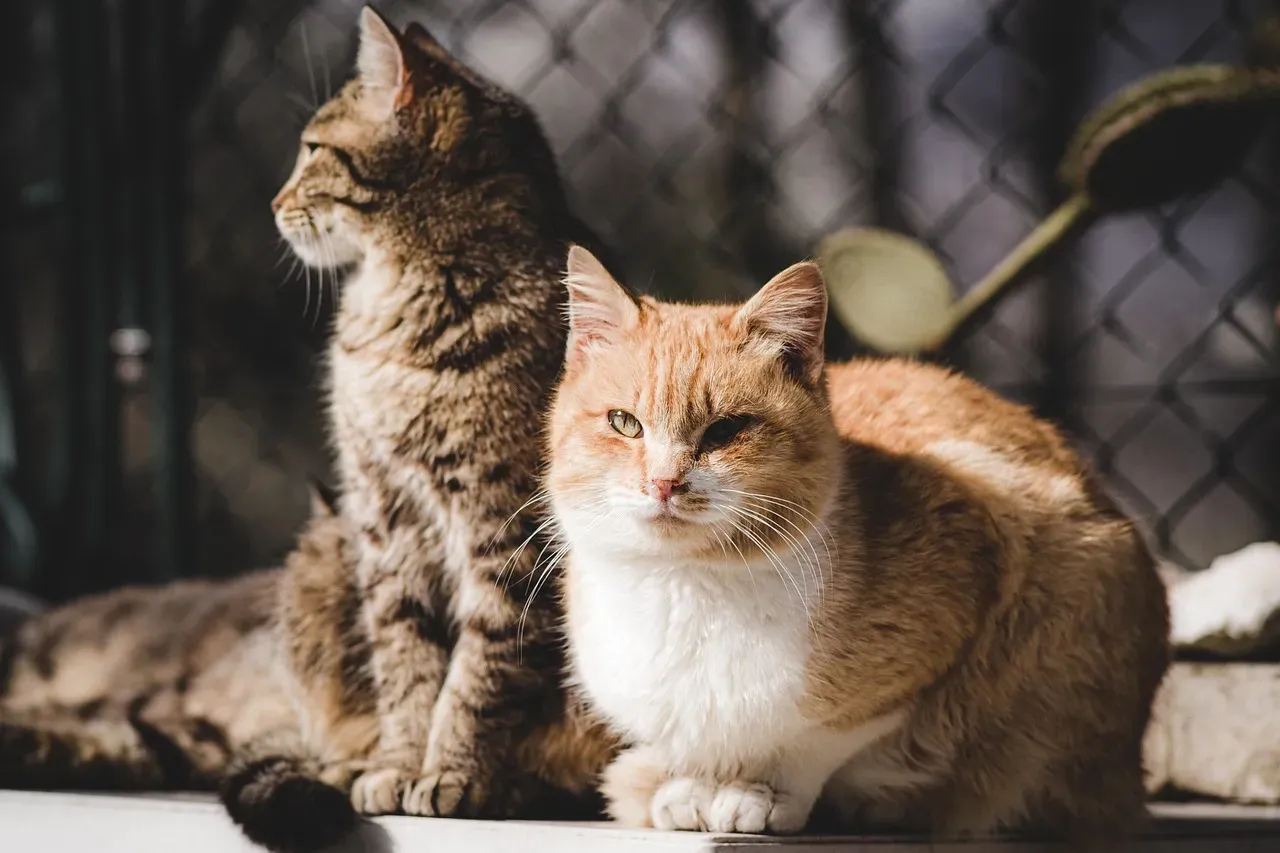
So what does all this mean for you? Understanding breed tendencies helps you find the right fit for your lifestyle. If you work from home and crave constant feline companionship, a Bombay or Burmese might be ideal. The Bombay cat never tires of being cuddled and petted and can be demanding of their owner’s attention, and will happily jump up on their lap to get it, but the flipside is that they hate being left alone.
For someone with a busy schedule who wants a companion that won’t suffer from separation anxiety, an American Shorthair or Norwegian Forest Cat would be better suited. British Shorthairs are easygoing cats considered to be more than content in their own company, making them excellent pets for active families and people who are frequently out of the house, and despite their independent streak, these cats also enjoy spending time in their owners’ laps when they are at home. Best of both worlds.
Remember that breed is just one piece of the puzzle. Individual personality varies enormously. Spending time with a cat before adoption reveals far more than any breed description ever could.
The great divide between lap-warmers and shadow-dwellers isn’t really a divide at all. It’s a beautiful spectrum of feline personalities, shaped by genetics, early experiences, and individual quirks. Whether your cat is velcroed to your side or prefers observing from a respectful distance, they’re offering you their version of love. The question is: which version speaks to you? What do you think about it? Do you prefer a cuddly lap cat or an independent companion?
Kristina is a young writer from India. An arts graduate and an avid content creator, Kristina is passionate about animals and wildlife. She enjoys exploring topics related to pet care, animal behavior, conservation, and nature, combining thorough research with engaging storytelling.