You’ve probably heard people say they understand their cats perfectly. They’ve lived with felines for years, maybe even decades, and they know exactly what makes their kitty tick. Yet even the most devoted cat lovers often carry around beliefs about their furry companions that are completely wrong. These misconceptions get passed down through generations, reinforced by movies and cartoons, and accepted as fact without much questioning.
The truth is, cats are far more complex than most people realize. Their behavior has been misunderstood for centuries, leading to ideas that not only misrepresent these fascinating creatures but can actually harm the bond between humans and their pets. Let’s be real, when you think your cat is being spiteful or aloof, you might be missing what they’re actually trying to communicate. Ready to challenge what you thought you knew? Let’s dive into some of the biggest myths about cat behavior that science has thoroughly debunked.
Purring Always Means Your Cat Is Happy
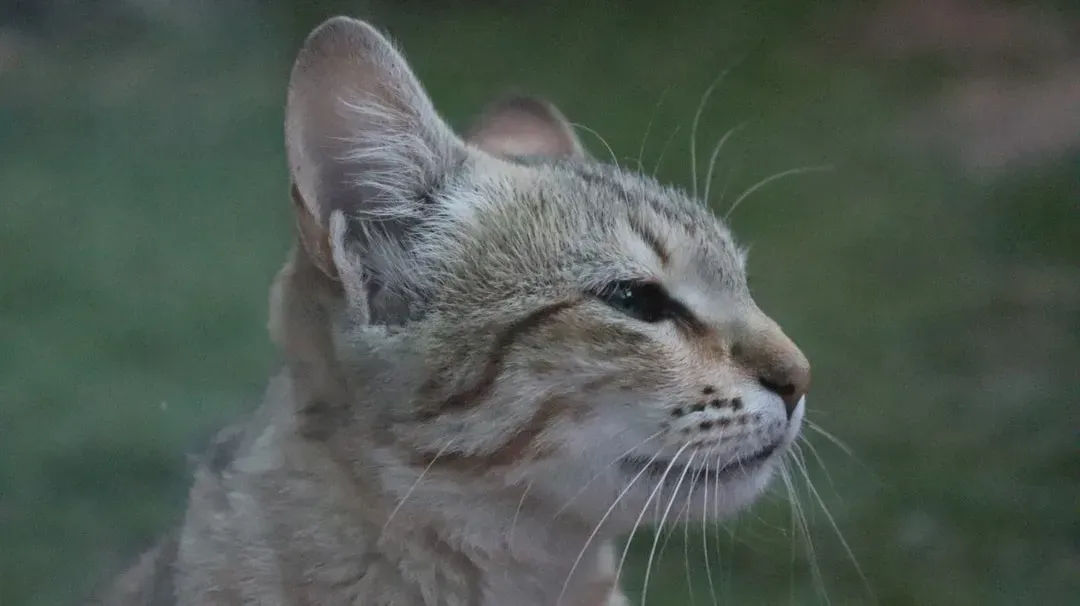
You might assume your cat’s purr is a surefire sign of contentment, but purring can actually be produced when a cat is either in a positive or negative emotional state. Think about it this way: your cat might purr when curled up in your lap, but they might also purr at the veterinary clinic or when they’re injured and in pain.
Some cats purr when they are anxious, and it may be a coping mechanism to help reduce their anxiety. Cats can purr when they are sick or in pain, and by purring, the cat may be asking for care – some cats may even purr before they die. The key is to look at the entire picture. Check your cat’s body language, ear position, and the situation they’re in to truly understand what that purr is telling you.
Cats Are Independent and Don’t Need Much Attention
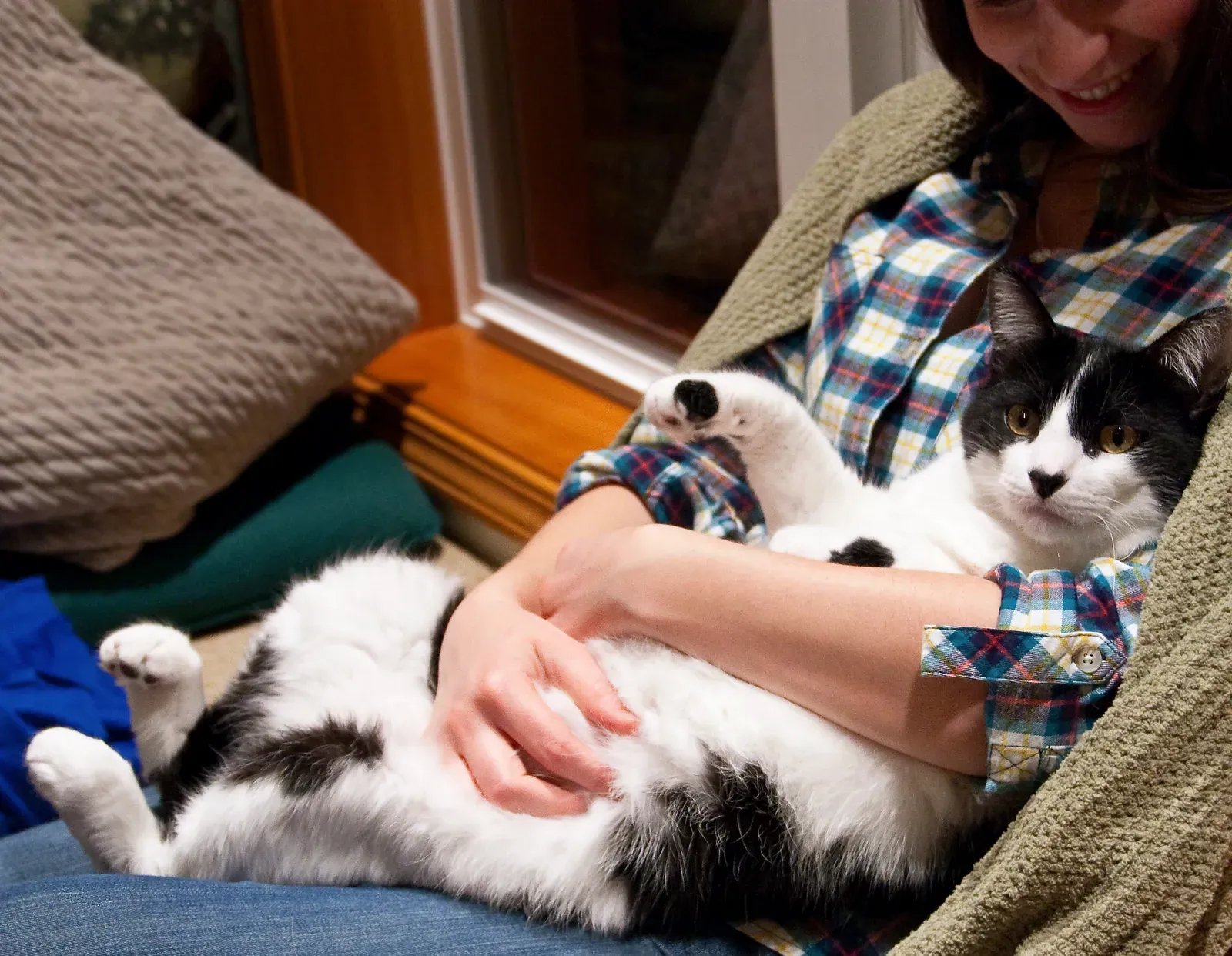
While cats have a reputation for being independent, they need just as much care as dogs do, including regular vet visits, daily exercise and mental enrichment, and plenty of positive attention from their guardians. This belief that cats are low maintenance has done real damage to feline welfare over the years.
Owners were inclined toward agreement that ‘cats are independent’ and ‘have less social needs than other animals,’ but these beliefs are not supported by scientific data on cat social behavior and may result in failure to meet cats’ individual social or environmental needs. Honestly, your cat craves interaction, play, and bonding time with you. Playing, snuggling, and spending time with your cat also increases the bond between you and your furry friend. Neglecting these needs because you believe cats prefer solitude can lead to behavioral issues and an unhappy pet.
Cats Can’t Be Trained Like Dogs
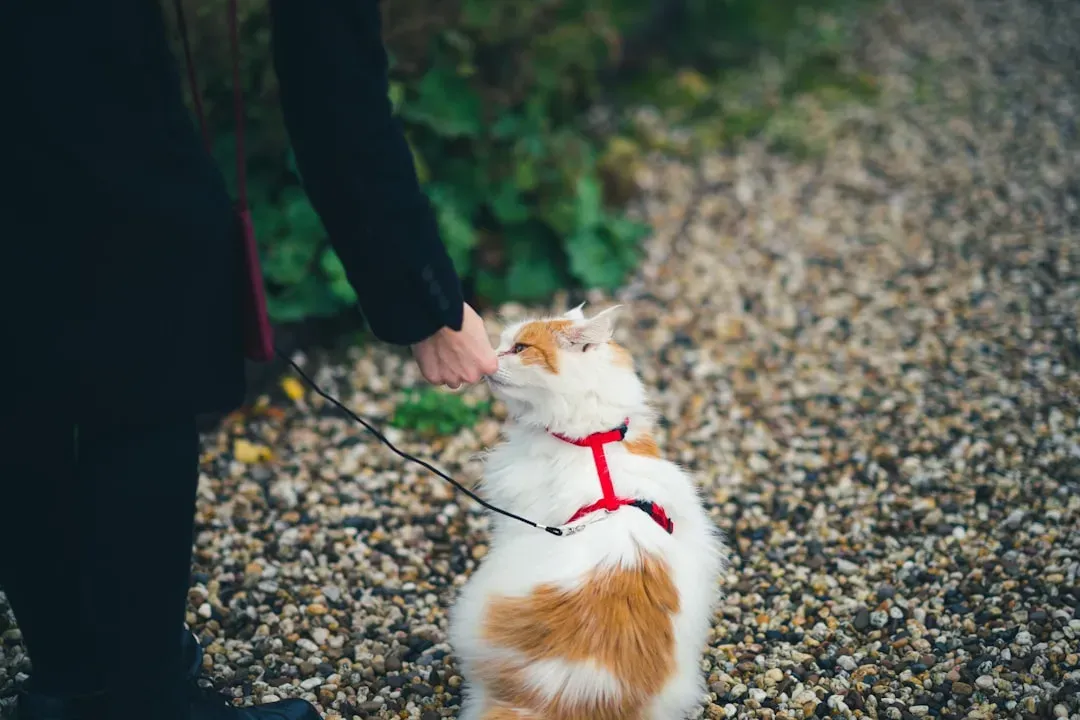
Here’s something that might surprise you. With some patience and positive reinforcement, your kitty can learn all sorts of tricks and good manners. The idea that training is only for dogs is one of those persistent myths that limits what cats can achieve.
Cats are trainable; the current world record for the number of tricks performed by a cat in one minute is 26. Let that sink in for a moment. Your fluffy companion has the cognitive ability to master complex behaviors if you take the time to teach them properly. Just like with dogs, short, fun training sessions work best, and when your cat displays the behavior you ask for, reward them with a treat or toy. The problem isn’t that cats can’t learn; it’s that people haven’t tried teaching them.
Cats and Dogs Are Natural Enemies

Despite the stereotypes, many cats and dogs can learn to live together peacefully, and some even develop strong friendships and bonds. This whole cats versus dogs narrative is mostly a cultural myth that doesn’t reflect reality in homes where both species coexist.
The key is patience and positive reinforcement – introduce your cat and dog slowly so they have time to become comfortable together, starting by keeping them separate and letting them get used to each other’s scent. I know it sounds crazy, but countless households prove every day that these animals can not only tolerate each other but genuinely enjoy each other’s company. Success depends far more on proper introduction techniques and individual temperaments than on some imaginary species rivalry.
Giving Your Cat Milk Is a Healthy Treat
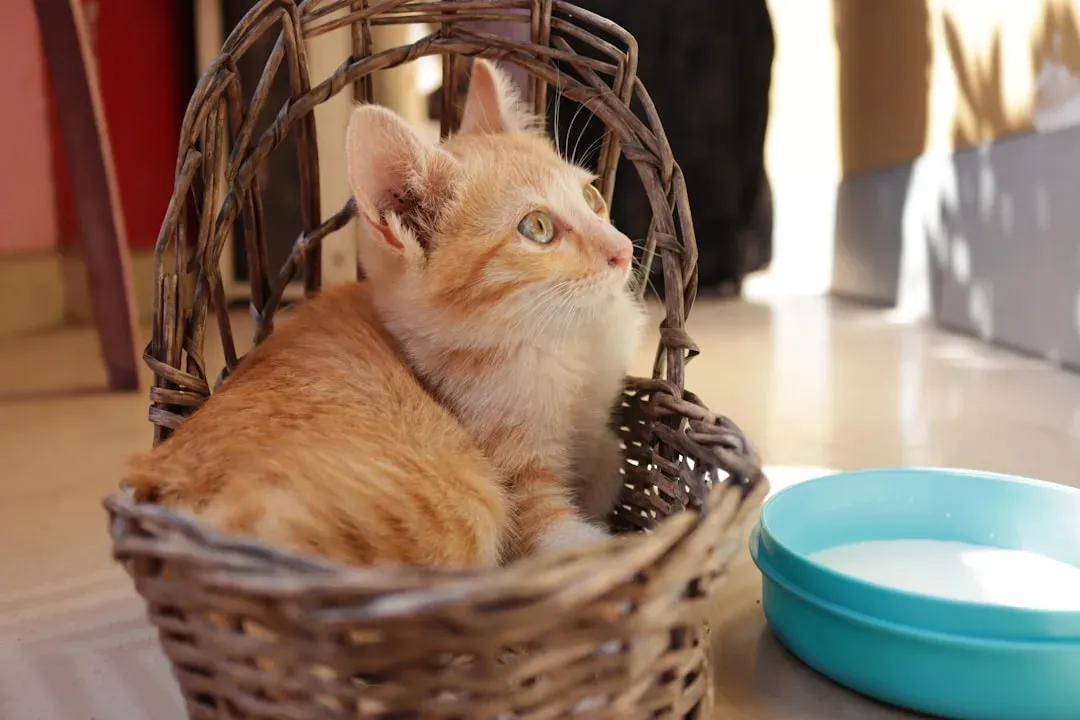
After weaning (around six to twelve weeks of age), kittens stop producing the enzyme lactase, required to digest lactose in milk. That adorable image of a cat lapping up a saucer of milk? It’s actually a recipe for digestive distress.
Most cats are actually lactose intolerant as they don’t have the enzyme in their intestines to digest the sugar in milk, meaning that milk which contains lactose can make them poorly – they can get vomiting, diarrhea and stomach pain from drinking it. In cats, the most common symptom observed is diarrhea, and chronic or persistent diarrhea can cause further complications such as dehydration, electrolyte imbalance and malnutrition – in some cases, it can even be life threatening. Your cat might seem to love the taste, but that doesn’t mean their body can handle it. Water is all they really need to stay healthy and hydrated.
Cats Always Land on Their Feet Unharmed
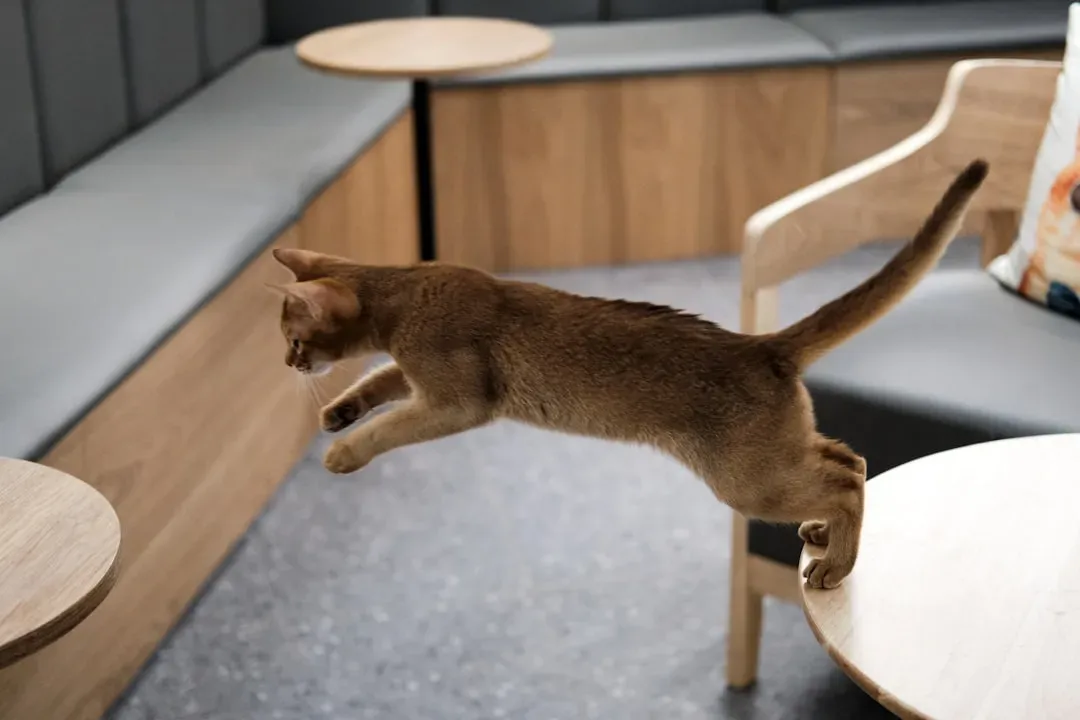
The cat righting reflex is a cat’s innate ability to orient itself as it falls in order to land on its feet, and the righting reflex begins to appear at three to four weeks of age and is perfected at six to nine weeks. However, having this reflex doesn’t make cats invincible superheroes.
With their righting reflex, cats often land uninjured, but this is not always the case, since cats can still break bones or die from extreme falls. The physical condition of the cat plays a role – cats who are overweight, uncoordinated or arthritic may not be able to move quickly enough to right themselves, and if cats don’t have time to fully rotate, they may land on their side, back or head, sustaining serious injuries. The height of the fall matters enormously too. Falls from very low heights don’t give cats enough time to rotate, while falls from extreme heights can still cause devastating injuries despite a proper landing. Never assume your cat is safe just because of this reflex.
Every Single Cat Needs a Feline Companion
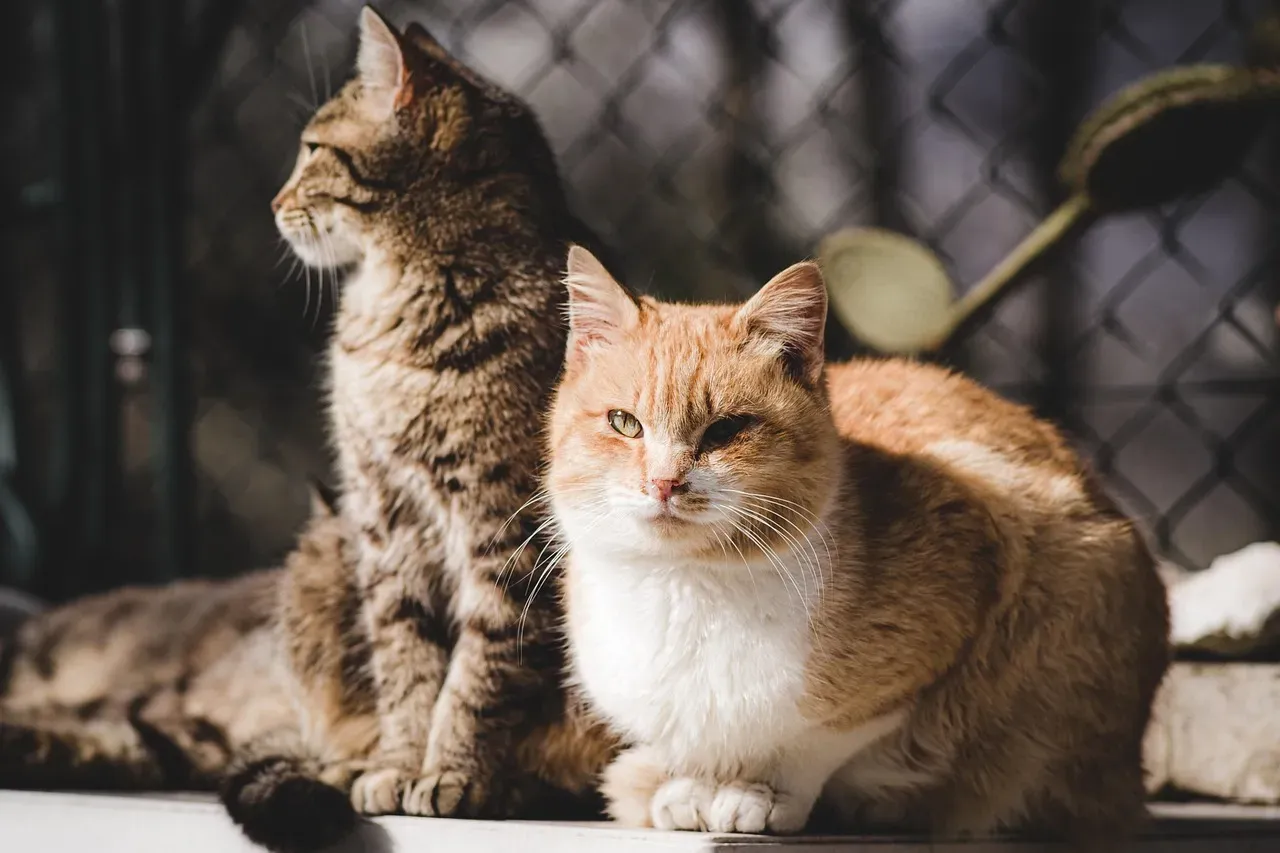
Domestic cats are not universally anti-social but rather they are facultatively social, meaning that their social behavior is flexible and heavily influenced by their genetics, early development, and lifetime experiences. The assumption that all cats are lonely without another cat is oversimplified at best.
It’s not true that every singly kept cat is lonely and in need of a feline friend – some cats form pair bonds and benefit from the presence of another cat, while for others, the company of an additional cat may be stressful. I’ve seen well-meaning owners bring home a second cat only to create tension and anxiety for their existing pet. Owners need to consider the preferences of their individual cat when deciding whether to add another cat to their household. Each cat has unique social needs, and forcing companionship on a cat who prefers solitude can actually decrease their quality of life.
Cats Are Nocturnal Animals

Cats are actually crepuscular, meaning they are most active at the beginning and end of the day. If you’ve ever been woken up at dawn by your cat racing through the house, this explains everything. They’re not deliberately trying to ruin your sleep schedule; they’re following their natural biological rhythm.
Cats are crepuscular, which means they are most active at dawn and dusk – some kitties are more active through the night, but that doesn’t make them nocturnal animals. The reason for this has to do with hunting patterns – birds and mice are very active at dawn, and cats evolved to take advantage of this by developing the ability to see in low-light conditions. Your indoor cat might not need to hunt for survival, but those instincts remain deeply ingrained. Understanding this can help you adjust feeding and play schedules to work with your cat’s natural tendencies rather than against them.
Cats Misbehave Out of Spite or Revenge

Owners who agreed with the sentiment that cats ‘often misbehave to get back at their owners for doing something that the cat doesn’t like’ were more likely to use positive punishment to deter unwanted behaviors, but positive punishment of cats is counterproductive, eliciting or exacerbating behavior problems such as biting or scratching. This misconception does serious harm to the relationship between cats and their humans.
Cats simply don’t have the cognitive capacity for revenge or spite. When your cat knocks something off the counter or eliminates outside the litter box, they’re not plotting against you. They might be bored, stressed, seeking attention, or dealing with a medical issue. Attributing human emotions like vindictiveness to cats prevents you from addressing the real underlying cause of the behavior. It’s hard to say for sure, but treating behavioral issues as communication rather than retaliation leads to much better outcomes for everyone involved.
Final Thoughts on Feline Myths
Understanding your cat means letting go of outdated beliefs and opening yourself to what science actually tells us about feline behavior. These misconceptions don’t just spread misinformation; they can genuinely impact your cat’s wellbeing and the relationship you share. When you believe your cat is spiteful, you might punish rather than investigate. When you think purring always means happiness, you might miss signs of distress.
A better understanding of cat behavior, and an appreciation for each cat’s individuality, will benefit cats as well as caretakers – the bond between people and their cats will be improved if people appreciate and invest in their cats. Your feline friend is a complex, intelligent creature with specific needs and ways of communicating. The more accurately you understand them, the deeper your connection becomes. So what do you think? Did any of these surprise you? Maybe it’s time to look at your own cat with fresh eyes.