Neighbors in a quiet Brooklyn neighborhood stumbled upon a heartbreaking scene just over a week ago. A small tabby cat, later named Brambleberry, had curled up in a shadowed corner outside a residential building, unmoving for days. Emaciated and dirt-streaked, she wore a collar but no identification, her wide eyes flashing fear at anyone who approached. This abandoned soul’s plight quickly rallied local rescuers from Flatbush Cats, turning a routine sighting into a viral tale of perseverance.
Here’s the thing: stories like Brambleberry’s shine a light on the hidden struggles of strays who once knew home comforts but now face street survival. What followed was a masterclass in patience, proving that even the most guarded hearts can soften with time.
A Desperate Discovery Sparks Urgent Action
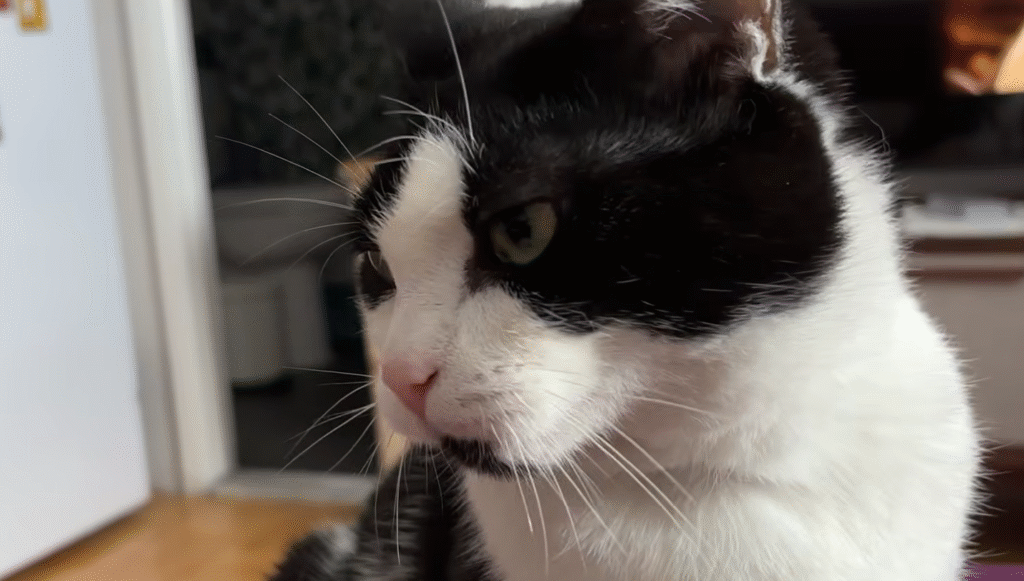
Residents first noticed Brambleberry huddled against cold concrete, her frail frame barely stirring despite days in the same spot. Visible ribs and matted fur told a story of neglect, while soft hisses warned off well-meaning passersby. Prolonged immobility and weight loss stood out as classic red flags for abandoned pets, often overlooked in busy urban settings. Calls flooded into Flatbush Cats, the nonprofit known for tackling Brooklyn’s stray population through hands-on intervention. Volunteers arrived swiftly, recognizing her collar hinted at a recent indoor life turned sour, perhaps from an owner’s sudden move. This initial sighting underscored how community vigilance can bridge the gap between despair and rescue.
Rescue Efforts Test Limits of Patience
Equipped with humane traps and food lures, rescuers faced a standoff as Brambleberry retreated deeper into her nook at every rustle. Days of quiet coaxing followed, with water and meals placed just within reach to foster familiarity without force. Persistence paid off when she finally entered the trap unharmed, her trembling revealing untreated wounds and parasites from rough street days. Flatbush Cats’ trap-neuter-return approach proved vital here, emphasizing humane management over harsher alternatives. Once secured, transport to a foster haven marked the end of her exposure to elements. Experts affirm such methods stabilize feral groups effectively when paired with adoption pushes.
Rehabilitation Unfolds in a Sanctuary of Safety
At the foster facility, soft bedding and nutrient-rich meals greeted a cat who hid under furniture, swatting at shadows of her past. Veterinary checks pegged her around two years old, unspayed and battling fleas alongside minor infections. Handlers launched a scent-based protocol, swapping blankets and toys to ease her into human presence gradually. Subtle changes appeared: a tentative sniff, ears twitching less aggressively at voices. Trauma responses like these demand months for adults, though many ferals respond well to consistent, pressure-free care. Brambleberry’s early days highlighted how structure and space rebuild shattered confidence.
Milestones Mark a Shift from Hiss to Harmony
Treats like Churu marked the first thaw, her caution yielding to hand-fed bites amid familiar tones. Gentle strokes evolved into purrs, playful chases with feather wands channeling pent-up energy. Neighbors tracked her saga online, sharing akin local triumphs that fueled morale. By weeks in, she lounged openly, nudging for pets and even snoring atop once-feared hands. These victories align with patterns where steady routines turn defensive ferals affectionate. Brambleberry’s arc captivated thousands on social media, her curiosity blooming into full trust.
Health Boost Paves Way for Forever Home
Targeted treatments zapped parasites and infections, while spaying halted overpopulation cycles plaguing shelters. A high-protein diet packed on pounds, transforming her gaunt silhouette into a healthy glow. Play therapy with catnip toys honed social skills, easing lingering shyness. Recent U.S. shelter data shows save rates climbing toward 82 percent, buoyed by tales boosting adoptions. Prospective owners queued up, vetted for calm homes suiting her needs. Flatbush Cats matched her with an experienced couple, sealing her new chapter.
Community Ripple Effect and Broader Lessons
Brambleberry’s journey ignited donation drives for traps and vet supplies, strengthening local efforts. Threads exploded with tips on spotting strays via weight dips or stillness, prompting policy chats on feeding stations. Officials eyed balanced colony controls amid compassion calls. Viral rescues like this correlate with fewer euthanasias, as intakes dipped four percent last year per national reports. Residents now scan shadows routinely, fostering proactive saves. Her story ripples, reminding all that one vigilant eye sparks chains of change.
Final Thought
Brambleberry embodies the quiet power of empathy in animal bonds, her purrs a victory over abandonment’s chill. Thousands of strays await similar chances each year – what signs have you spotted lately? Share in the comments below.
Source: Original YouTube Video
Kristina is a young writer from India. An arts graduate and an avid content creator, Kristina is passionate about animals and wildlife. She enjoys exploring topics related to pet care, animal behavior, conservation, and nature, combining thorough research with engaging storytelling.