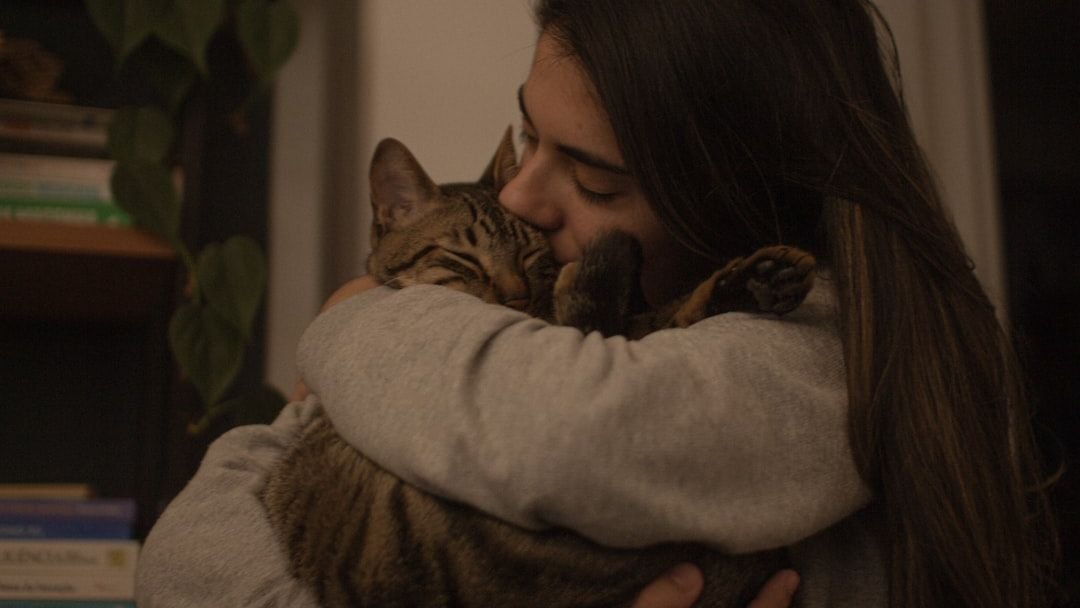
You’ve likely wondered why some cats act like tiny, furry shadows who can’t get enough of your company, while others prefer to observe you from the next room. Not all felines are created equal when it comes to showing love. Certain breeds have earned reputations as the ultimate cuddle enthusiasts, always ready for a lap session or a gentle headbutt. So what’s behind this adorable neediness?
Let’s be real here, the science is fascinating. Turns out, roughly two-thirds of all cats form what researchers call secure attachments to their humans, similar to how young children bond with parents. The way your cat approaches you, follows you around, or simply chooses to be near speaks volumes about the connection you share.
The Genetic Blueprint for Cuddles
Different breeds do in fact behave in different ways, with behaviors like activity level, shyness, aggression and sociability with humans being around half inherited. Here’s where things get interesting. Genetics matter more than you might think when it comes to feline affection.
It is possible to partition the observed variation in behaviour traits into genetic and environmental components, and substantial genetic variation exists within breed populations. The temperament your cat displays isn’t random chance. Through generations of selective breeding, certain physical and behavioral traits have been deliberately cultivated, creating breeds that are naturally predisposed toward seeking human companionship. Think of it like this: just as breeders selected for coat color or ear shape, they also inadvertently or purposefully selected for cats who genuinely enjoy being around people.
The fascinating thing is that these inherited traits don’t guarantee a clingy cat, yet they increase the likelihood. Your individual cat’s personality remains unique, shaped by both nature and early life experiences.
The Ragdoll: Masters of Going Limp With Love
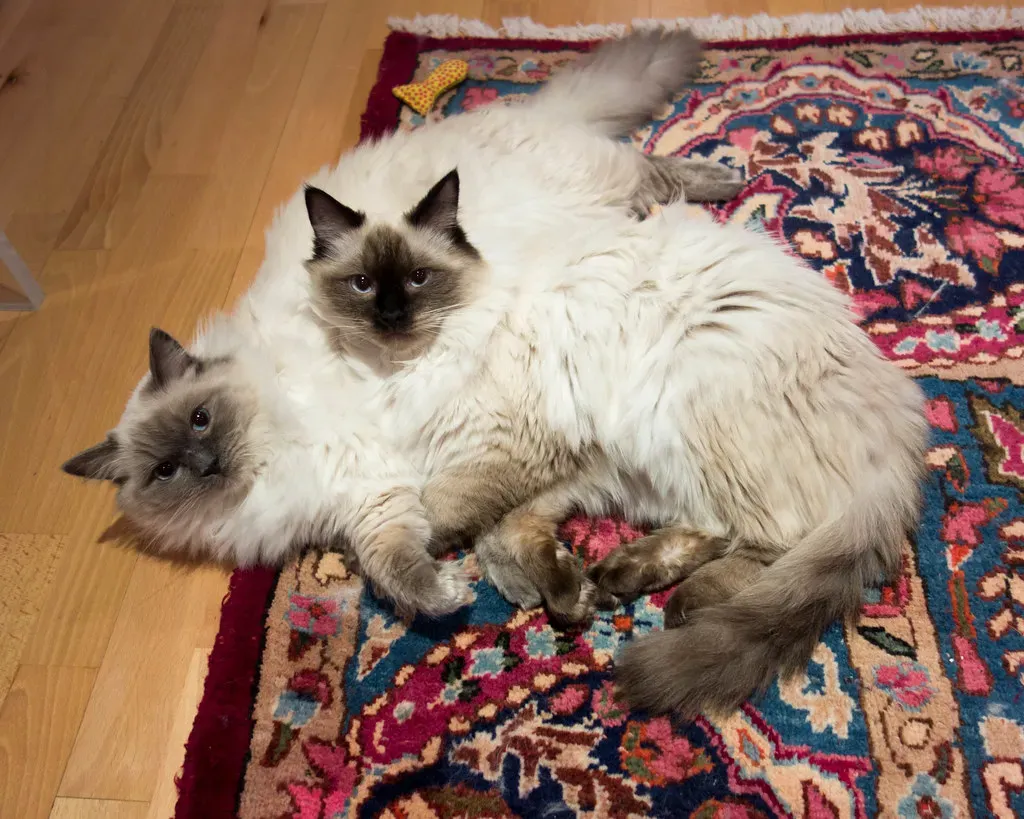
The Ragdoll has been bred to be affectionate companions, but also to be relatively low-maintenance and self-sufficient, and they love children and are likely to always see your lap as being their evening relaxing spot. These gentle giants didn’t earn their name by accident.
Ragdolls adorably get their name for going floppy when picked up or cuddled and are undeniably one of the sweetest cats. They’re the breed that literally melts in your arms, transforming into a puddle of purring contentment. Many Ragdoll owners describe the breed as almost dog-like in their devotion, following family members from room to room and greeting them at the door after work. Their relaxed temperament makes them ideal for families with children or first-time cat owners who want that stereotypical affectionate feline experience.
The Siamese: Vocal Lovers Who Demand Attention
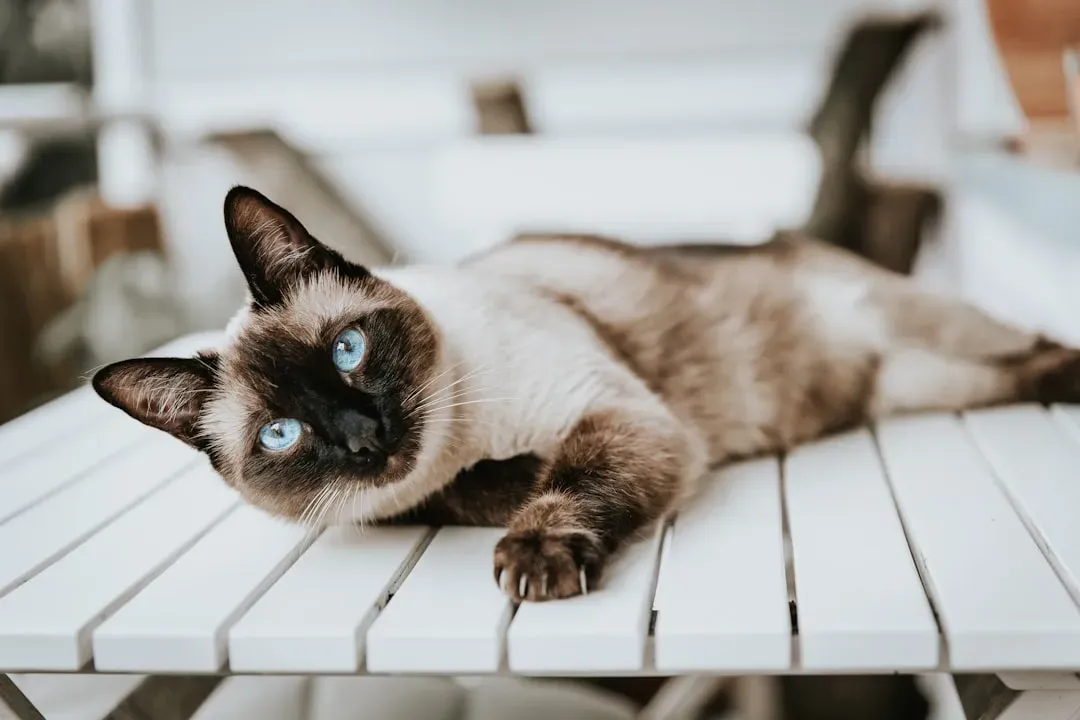
Siamese cats are vocal, social, and affectionate cats that demand attention, and they form strong bonds with their families and often follow their humans around the house. If you’ve ever met a Siamese, you know silence isn’t part of their vocabulary.
These striking blue-eyed beauties will tell you exactly what they think, when they want attention, and probably what they had for breakfast. Siamese are an intelligent, vocal, and affectionate cat breed that thrives on human interaction and attention. They’re the social butterflies of the cat world, constantly seeking engagement and refusing to be ignored. Some people find this level of neediness overwhelming, yet for those who crave an interactive companion, the Siamese delivers in spades. They don’t just want your attention – they require it, making them one of the most intensely bonded breeds around.
The Maine Coon: Gentle Giants With Big Hearts
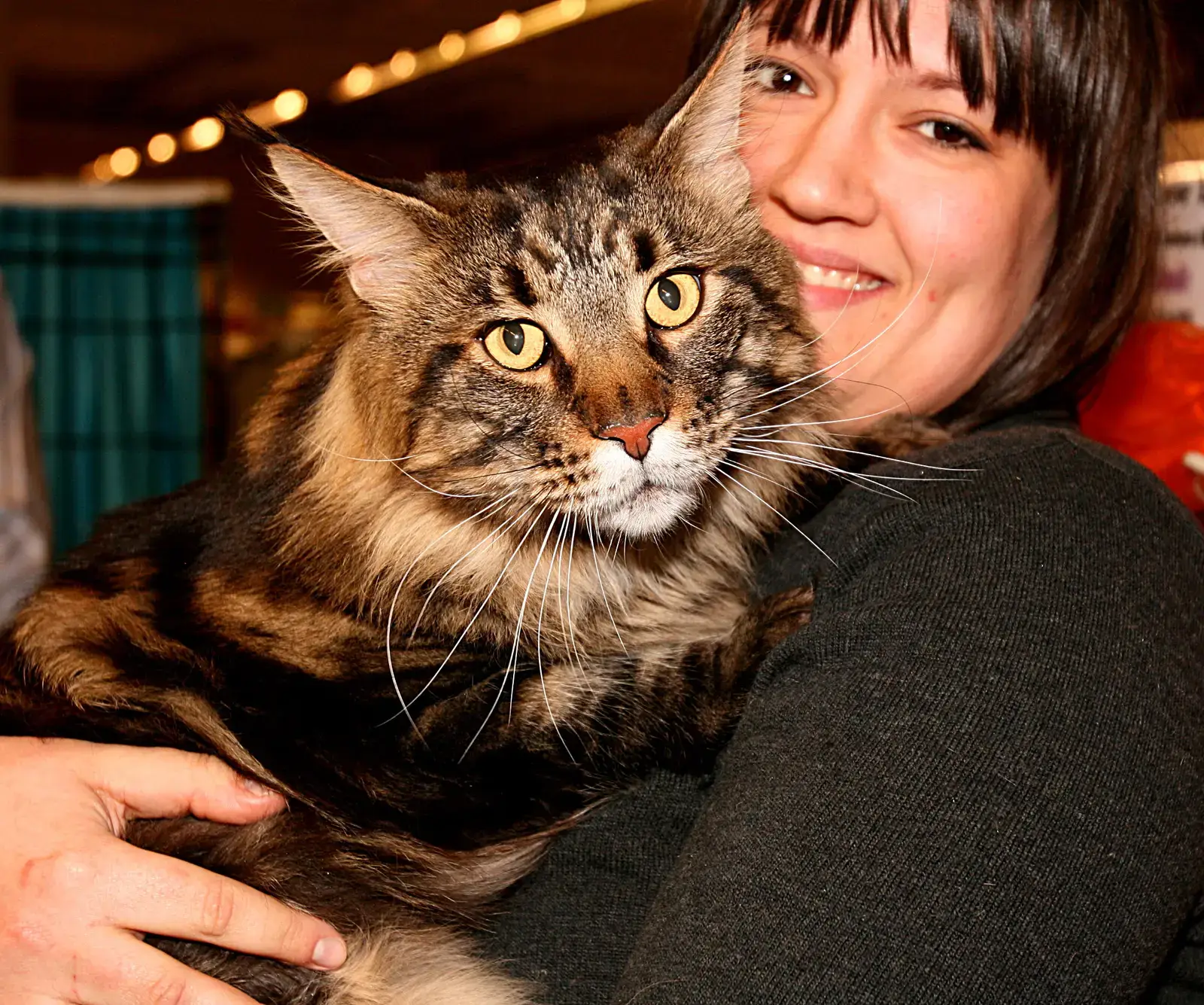
The Maine Coon is known to be a real gentle giant, and this is a big cat with a satisfyingly dense coat, the perfect combination for a cuddle and their high levels of affection mean that they rarely refuse. Don’t let their impressive size fool you into thinking they’re aloof.
Maine Coons are one of the friendliest cat breeds, and these large, furry friends have an affectionate temperament and do well with other pets and children, enjoying human interaction but don’t demand constant attention, making them a balanced choice. They tend to express affection differently than lap cats like Ragdolls. You might find a Maine Coon sitting beside you rather than on top of you, following at a respectful distance, or bringing you toys for interactive play. Their intelligence and playful nature mean bonding often happens through activities rather than constant physical contact. Still, their devotion is unmistakable.
The Sphynx: Hairless Heat-Seekers
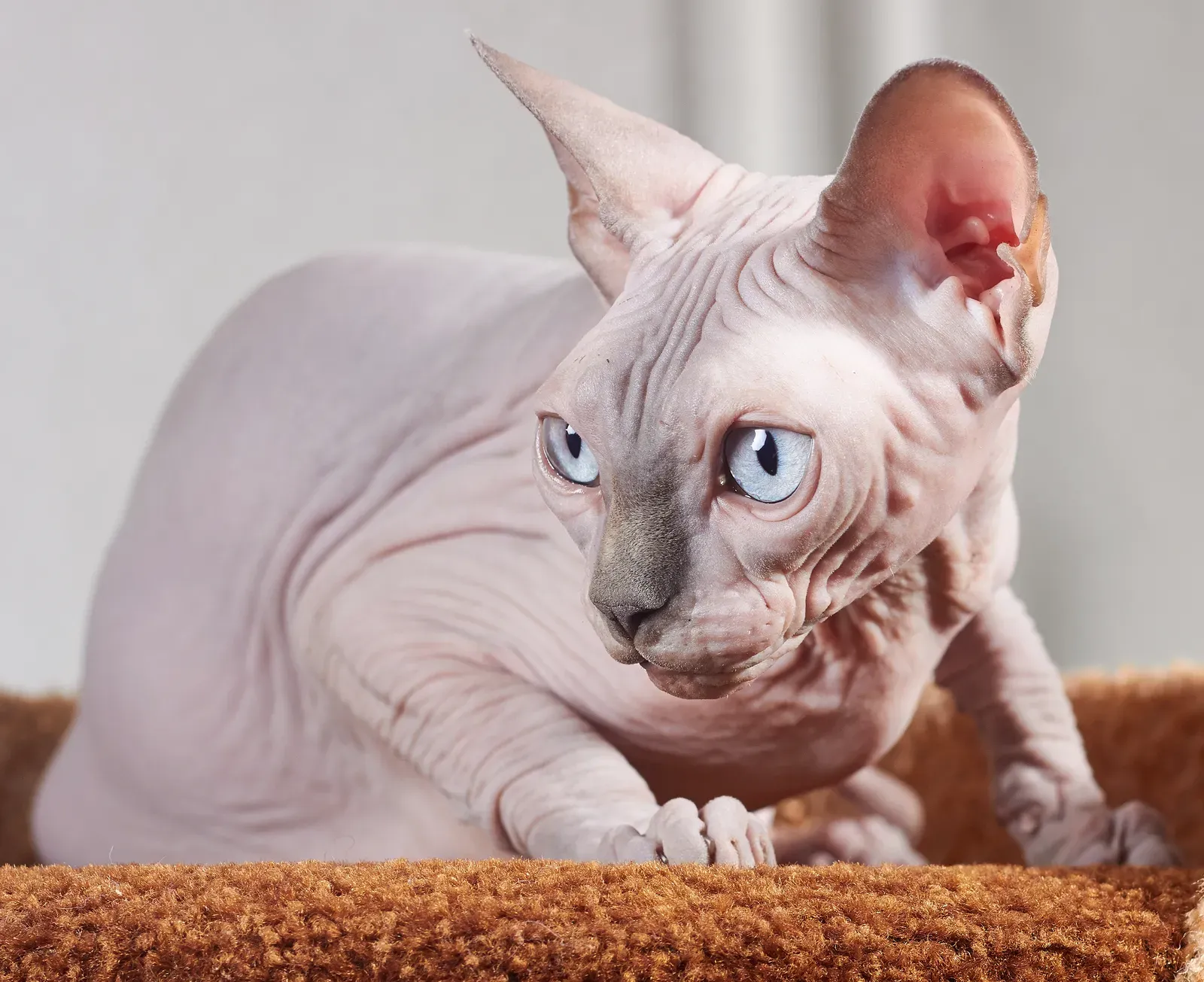
The fact that the Sphynx doesn’t have any hair means it can get a bit chilly and its owner’s body heat is just the ticket for it to warm up, which means there will always be cuddles, plus this breed of cat just naturally loves snuggles and play even if it’s warm enough. Honestly, these cats look like little aliens, yet their personalities are pure warmth.
These hairless kitties are anything but independent and will follow you from room to room, eager to show their love. Their lack of fur makes them genuinely crave physical warmth, turning your lap into prime real estate during all seasons. The Sphynx has been described as behaving more like dogs than typical cats due to their intense need for attention and interaction. They’re energetic, playful, and demand to be part of everything you’re doing. If you want a cat who acts like a permanent shadow, the Sphynx won’t disappoint.
The Persian: Quiet Lap Warmers
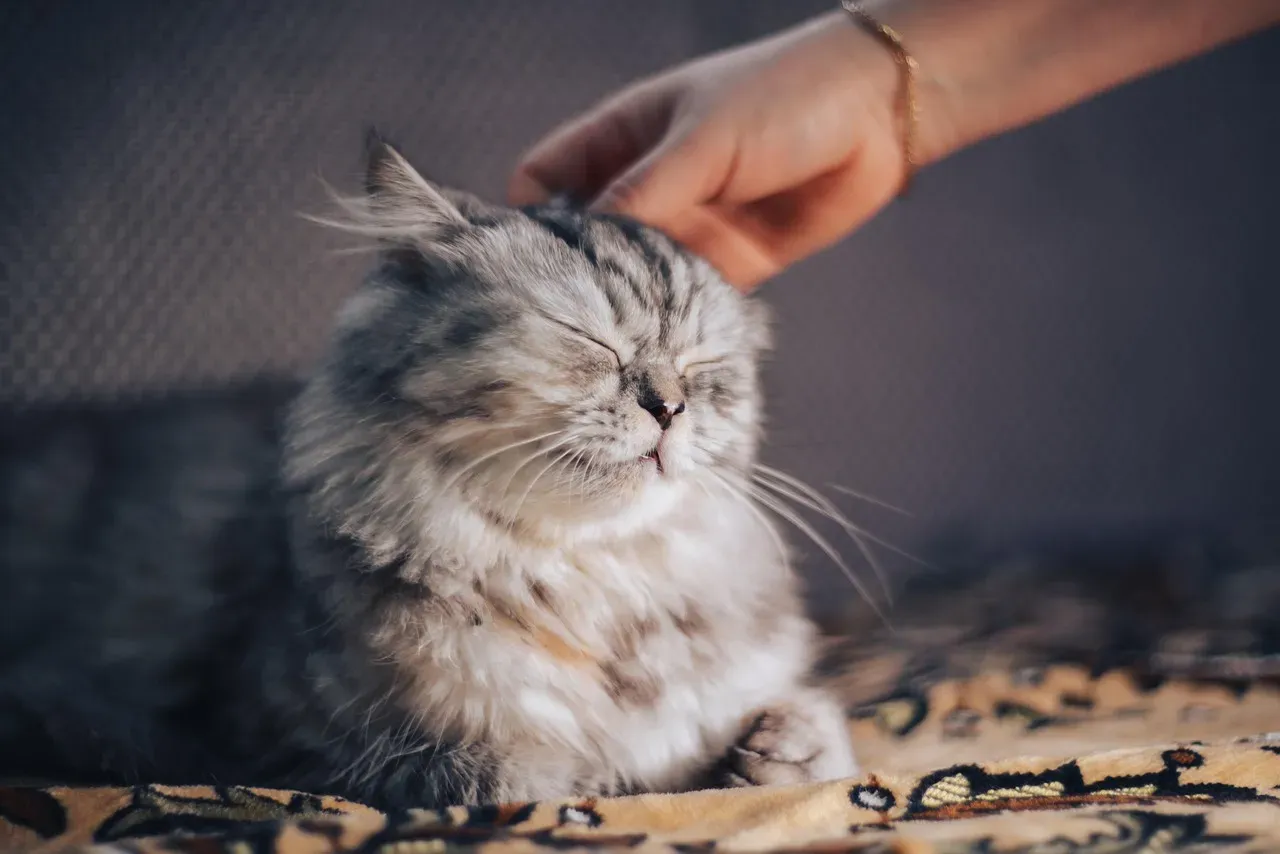
Persians are known for their calm personalities and are among the quietest and least active of all cat breeds, they are good-natured and have gentle personalities, and Persian cats are happy sitting on their owner’s lap and are friendly and affectionate and enjoy being petted. These fluffy, flat-faced beauties embody the phrase “couch potato cat.”
If you’re searching for a low-energy companion who prefers lounging to leaping, the Persian fits perfectly. Their affection manifests in a calm, peaceful presence rather than energetic playfulness. They’re content to spend hours in your lap while you read or watch television, requiring minimal stimulation beyond gentle petting and a quiet environment. Perfect for apartment living or anyone who appreciates a more sedentary feline friend.
The Burmese: Playful Attention Enthusiasts
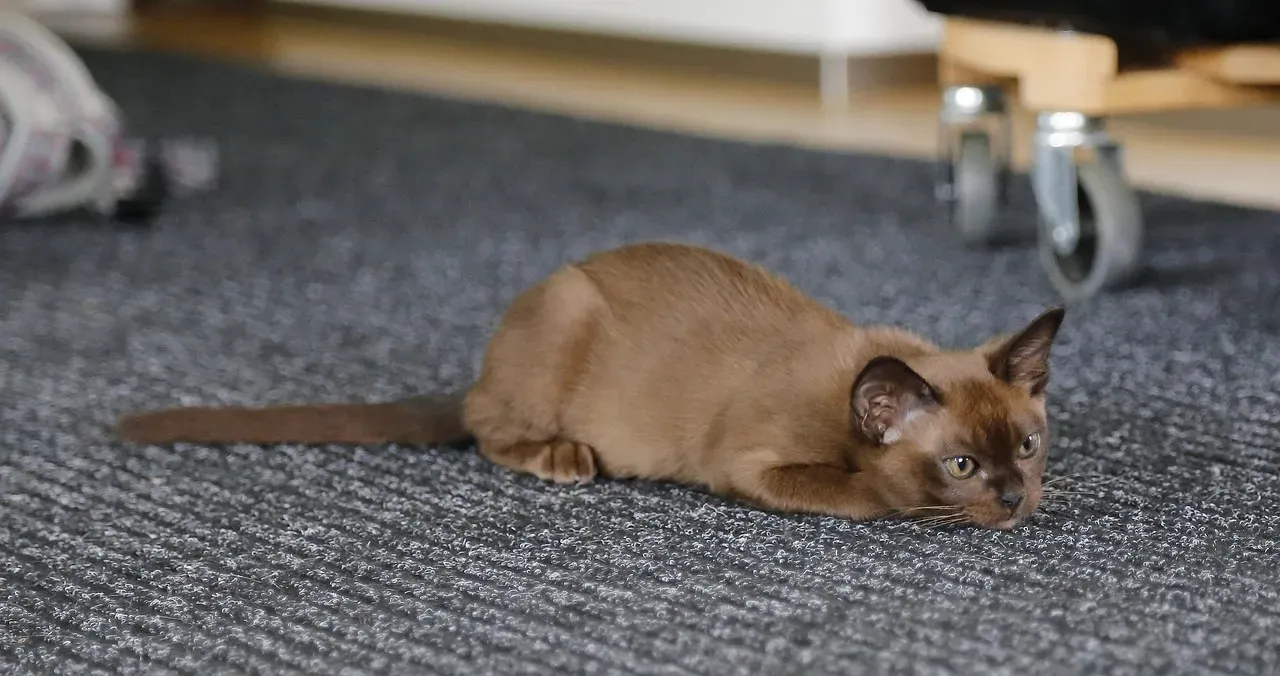
The Burmese cat breed is said to be the most affectionate, they love being with their human and enjoy close contact, and they love being with their human and enjoy close contact. These cats refuse to be background decoration in your life.
The Burmese combines the best of both worlds: they’re incredibly affectionate yet also playful and energetic. Burmese cats are people-oriented, very smart, playful, and loving, are relatives of the Siamese and have the same vocal tendencies, and they’re extremely social and known to form strong bonds with their people. You can expect a Burmese to greet you enthusiastically, follow you everywhere, and even play games like fetch. They thrive in active households and get along wonderfully with children and other pets, making them versatile family companions.
The Birman: Sacred Temple Cats With Gentle Souls
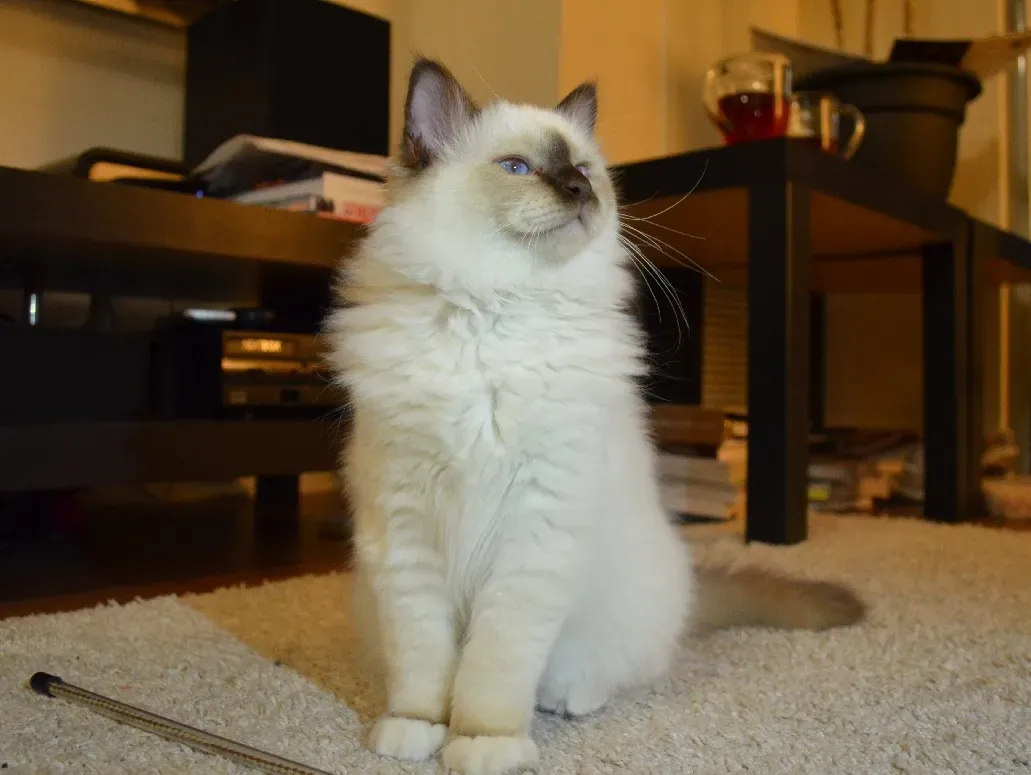
Birmans, with their striking blue eyes and color-point coats, emanate an air of mystique and sacredness, their history as temple cats in Burma adds to their divine allure, and Birmans tend to be gentle, loving, and companionable, often forming a close bond with their human families and other pets. Legend surrounds these beautiful creatures, yet their temperament is genuinely divine.
Birmans are the Sacred Cats of Burma, legend has it that these cats lived in temples with priests, and they are friendly and playful and have gentle personalities. They strike a perfect balance between affectionate and easygoing. Birmans enjoy being held and cuddled, showing high tolerance for handling without becoming overly clingy or demanding. Their social nature makes them excellent with guests and family members alike, adapting well to various household dynamics.
The Scottish Fold: Adorably Sweet Companions

Scottish Folds stand out due to their unique folded ears, but it’s their loving nature that captivates the hearts of cat lovers, and they are incredibly affectionate, have a sweet temperament, and enjoy being in every aspect of their owner’s lives. Those distinctive folded ears make them instantly recognizable, yet it’s their personality that steals hearts.
Scottish Folds are among the most affectionate cat breeds, and these cats are known for their quiet nature and deep loyalty to their owners. They’re not typically vocal or demanding, instead showing affection through constant companionship and a calm presence. Scottish Folds enjoy being involved in daily activities without being intrusive, making them ideal for people who want an affectionate cat that isn’t overly needy. Their sweet expressions match their gentle personalities perfectly.
Early Socialization: The Foundation of Affection
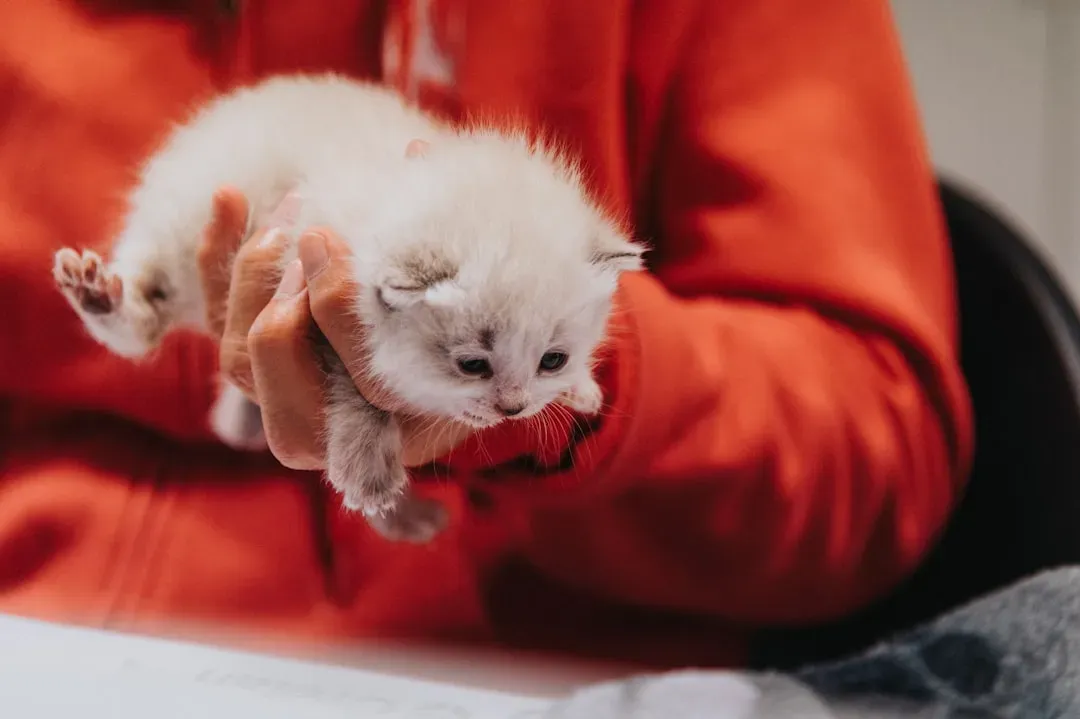
Early socialization plays a far more critical role in shaping a cat’s personality, and the first few months of a kitten’s life are a vital window for social development with every experience during this time leaving a lasting impact, and kittens who are gently handled, positively reinforced, and regularly engaged in play during this sensitive period are more likely to grow into confident, social, and emotionally resilient adult cats. Here’s the thing that many people overlook: genetics provide the blueprint, yet early experiences construct the building.
The key time for socialization is when a kitten is between 2 to 7 weeks of age (the ‘sensitive period’), and during this time, there is constant learning and the experiences they go through will have lasting effects on their behavior and personality. This critical window determines whether your cat will grow up to be confident and affectionate or anxious and withdrawn. Kittens who receive gentle handling, positive interactions with various people, and enriching experiences during this phase develop into well-adjusted adults. Even a naturally affectionate breed can become aloof if they miss proper socialization, while mixed-breed cats with excellent early experiences can be incredibly loving companions.
The Science Behind the Snuggles
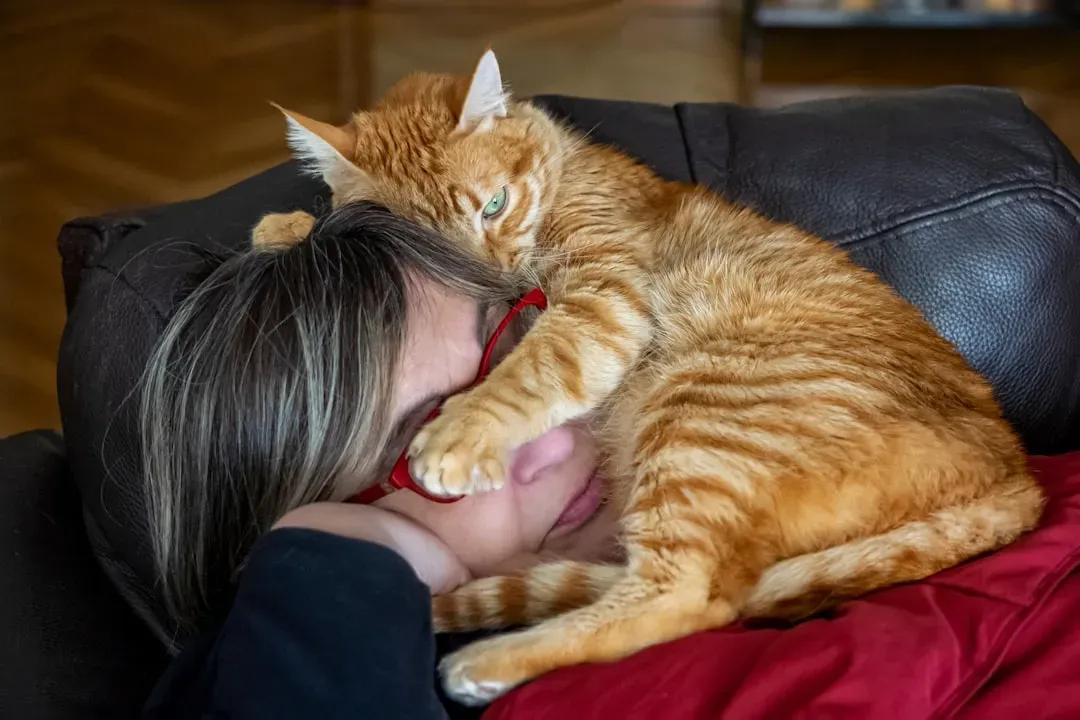
When cats cuddle, their bodies release oxytocin, often called the love hormone, and this same hormone is released in humans during positive physical interactions, creating a mutually beneficial bonding experience. The chemistry of cat affection is genuinely beautiful.
Indicators of attachment relationships between cats and humans, including proximity seeking, separation distress and reunion behavior, were present, and individual differences in response were consistent with attachment style categorizations, and cats show a similar capacity for the formation of secure and insecure attachments towards human caregivers previously demonstrated in children and dogs with the majority of individuals in these populations securely attached to their caregiver. Research reveals that cats form attachment bonds strikingly similar to those of human infants and dogs. When you interact positively with your cat, both of you experience neurochemical changes that strengthen your bond. The warmth you feel when your cat purrs on your lap? That’s oxytocin at work, creating a feedback loop of affection and trust between you.
What makes certain cat breeds so incredibly affectionate comes down to a blend of genetics, early life experiences, and the ongoing relationship you build together. Whether you choose a breed specifically known for their cuddly nature or adopt a mystery moggy from a shelter, remember that trust and affection can be cultivated through patience, respect for boundaries, and consistent positive interactions. Your cat’s love language might be different from what you expect, yet once you learn to read their unique signals, you’ll discover the depth of their attachment. What’s your experience with affectionate cats? Have you noticed breed differences in your own feline friends?