10 Cat Breeds That Love to Talk (And 10 That Prefer Silent Communication)
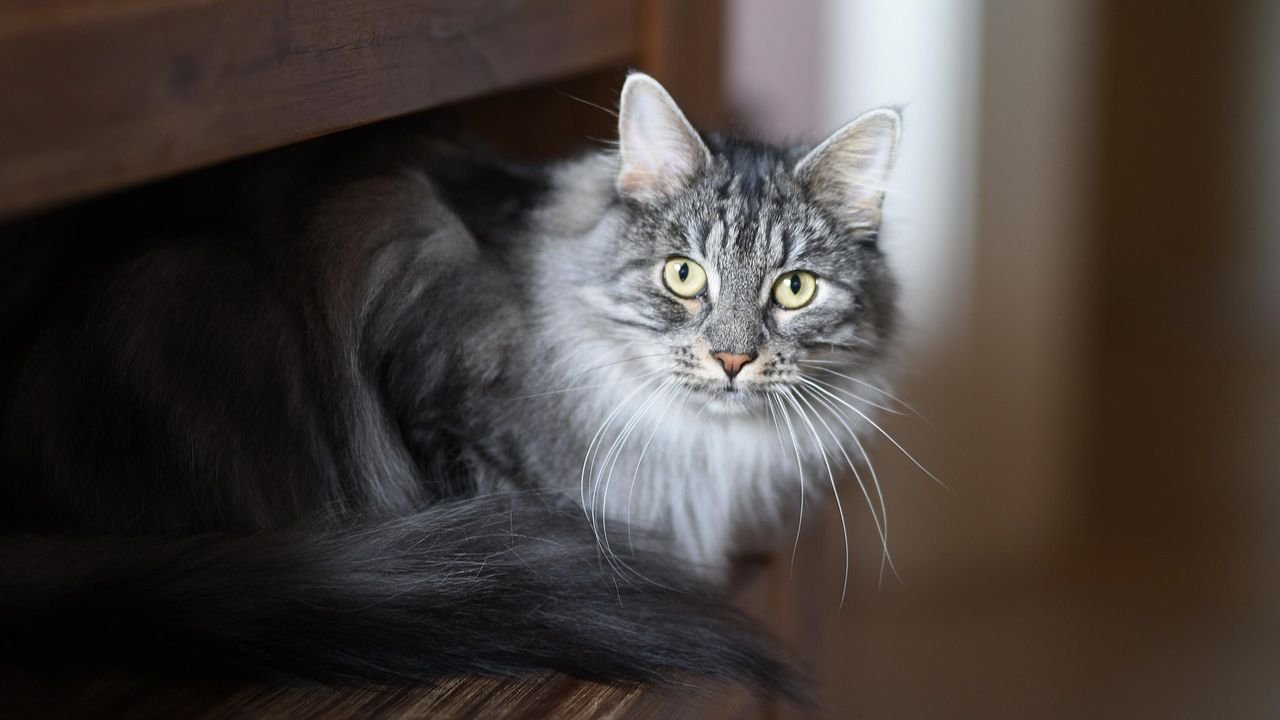
You've probably met at least one cat who seems to have an opinion about absolutely everything. Maybe they greet you at the door with a running commentary about their day, or perhaps they follow you around the house chirping and meowing as if you're having an actual conversation. Then there are the cats who barely make a sound, preferring to communicate with a gentle nudge or an intense stare that somehow conveys exactly what they want.
The truth is, cats have wildly different communication styles depending on their breed. Some are natural chatterboxes who seem genuinely offended if you don't respond to their elaborate monologues. Others are the strong, silent types who'd rather let their body language do the talking. Whether you're someone who enjoys a vocal feline companion or you prefer the peace and quiet of a more reserved cat, understanding these breed tendencies can help you find the perfect match. So let's dive into the fascinating world of feline communication styles and discover which breeds can't stop talking and which ones prefer to keep their thoughts to themselves.
1. Siamese: The Undisputed Champion of Cat Conversation
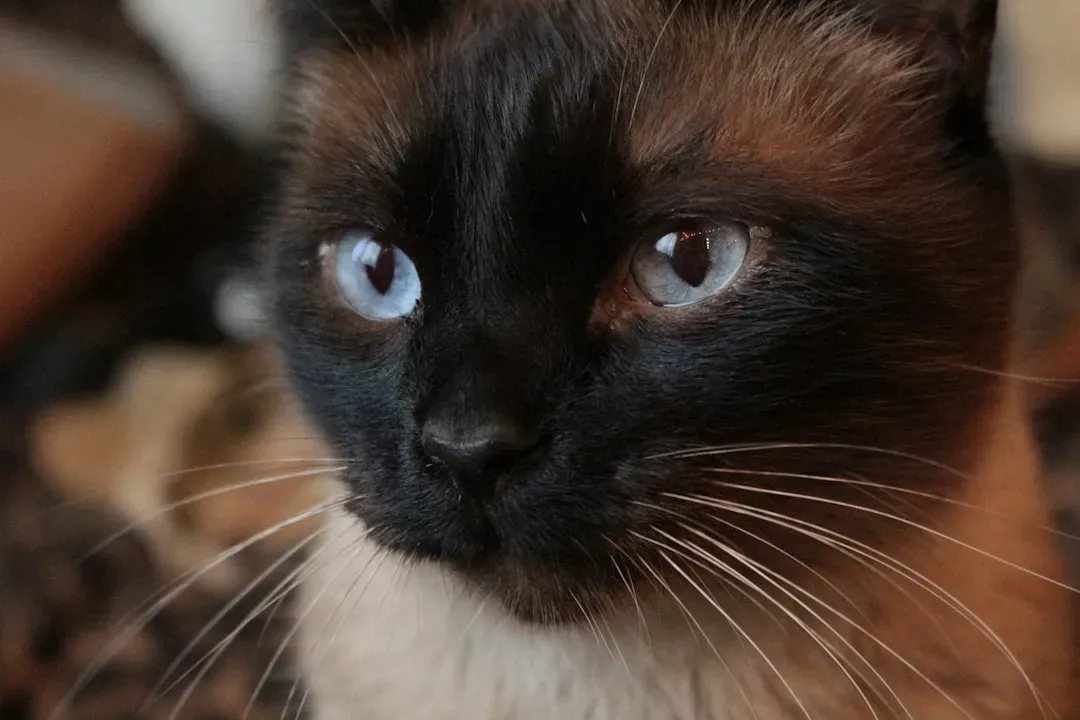
When it comes to having a lot to say, the Siamese cat ranks at the top of the chart, renowned for its loud, low-pitched, and somewhat human-like meows. The noise they make is distinctive, and Siamese cat meowing has often been compared to a baby crying. If you've ever heard one in full voice, you'll understand why some people describe it as less of a meow and more of a demand for attention.
The Siamese has a distinctively loud and piercing meow, often described as a "cry," and they are very chatty, using their voice to communicate feelings, desires, or frustrations. These cats don't just vocalize for basic needs like food or water. They genuinely seem to enjoy conversation and will talk to you about everything from the weather to their opinions on your life choices. Honestly, if you're looking for a quiet companion, the Siamese is definitely not your breed.
2. Oriental Shorthair: The Melodic Chatterbox
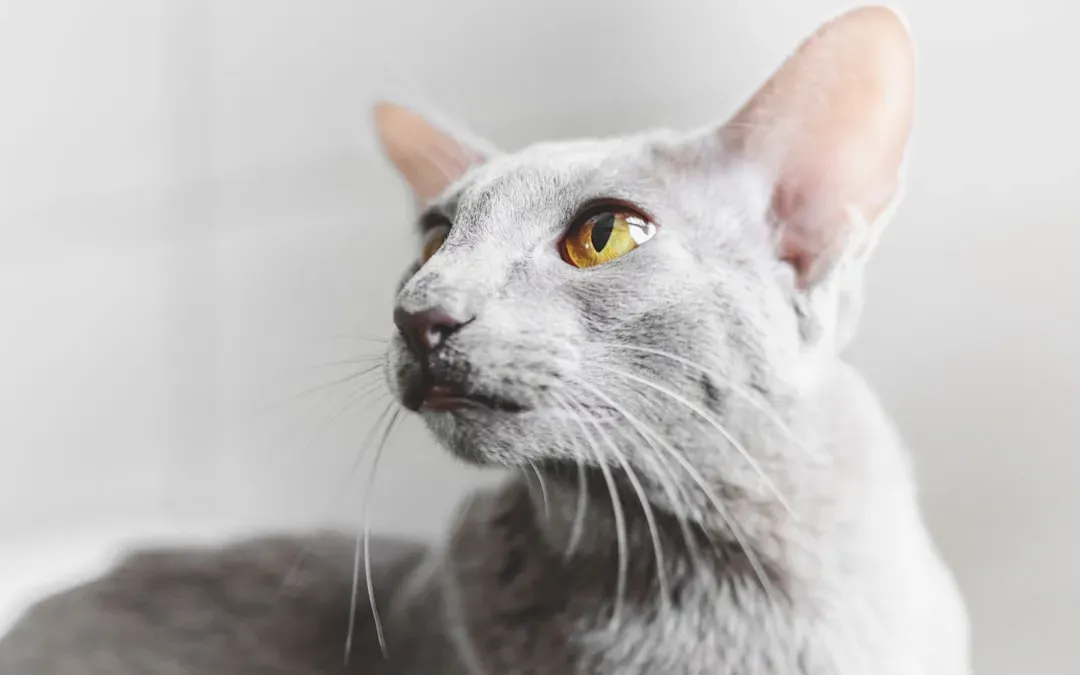
The Oriental is essentially a Siamese cat in different colors, so it shouldn't surprise you that this breed is also one of the most vocal, and they will insist on being heard, no matter how you feel about it. Their meows are often described as musical, with an almost melodic chirp that can sound quite different from other cat breeds.
These elegant cats with their large bat ears don't just make noise for the sake of it. The Oriental shares opinions about everything, from what happened while you were at work to the best way to do the dishes. Their gregarious personality means they thrive on social interaction, and if you're not paying attention to them, expect a chorus of meows and chirps to remind you that they're still there.
3. Balinese: The Long-Haired Conversationalist
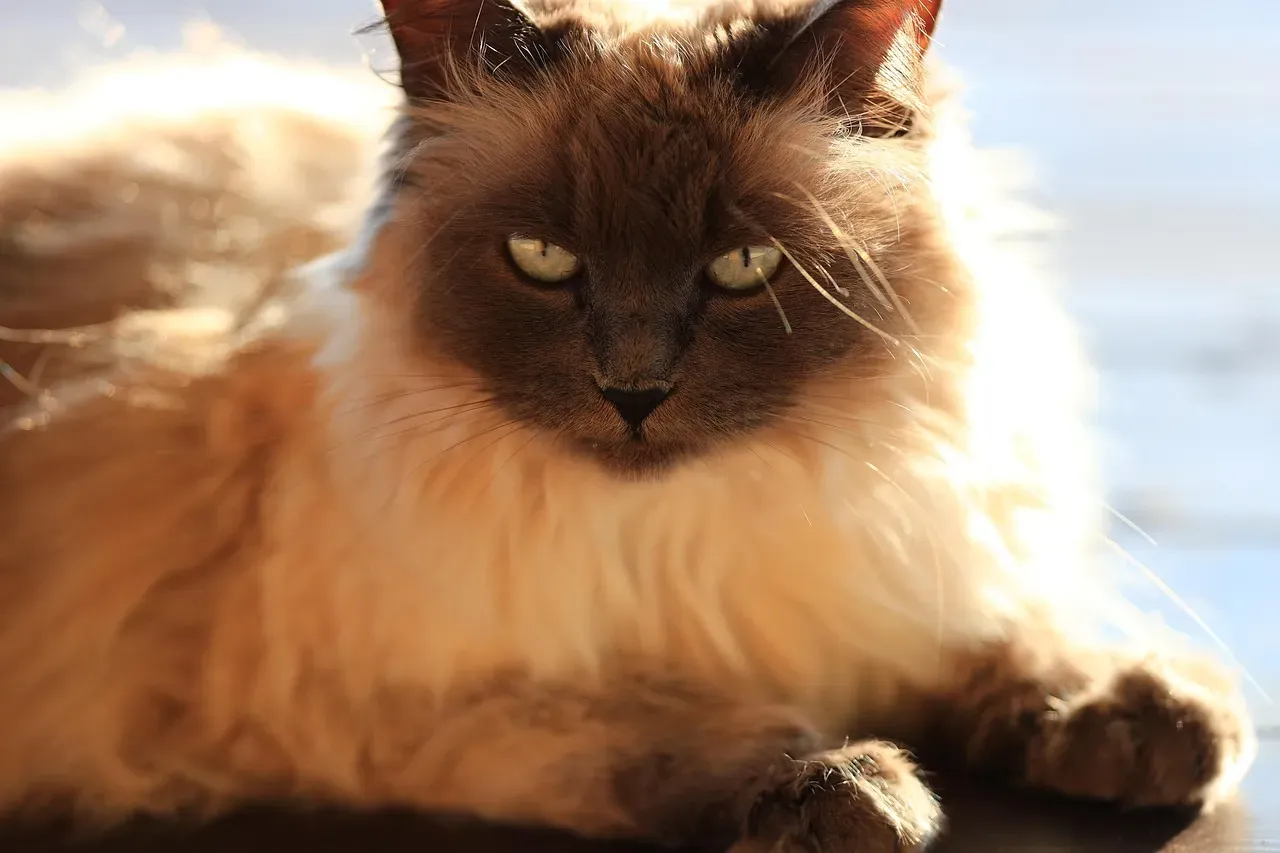
Due to their close ties with the Siamese, the Balinese are among the most vocal cats around, sharing many of the same personality and appearance traits, from their coat color to their chatty, follow-you-everywhere natures. Think of them as the slightly quieter cousin of the Siamese, though that's a relative term.
If you're not fond of the loudness of the Siamese but don't mind a chatty cat, the Balinese are talkative but not quite as noisy. They're also notorious for their intelligence, and they'll even supervise your household chores while providing running commentary. These gorgeous cats with their flowing coats love being involved in every aspect of your life, and they're not shy about letting you know their thoughts on the matter.
4. Burmese: The Soft-Spoken Supervisor
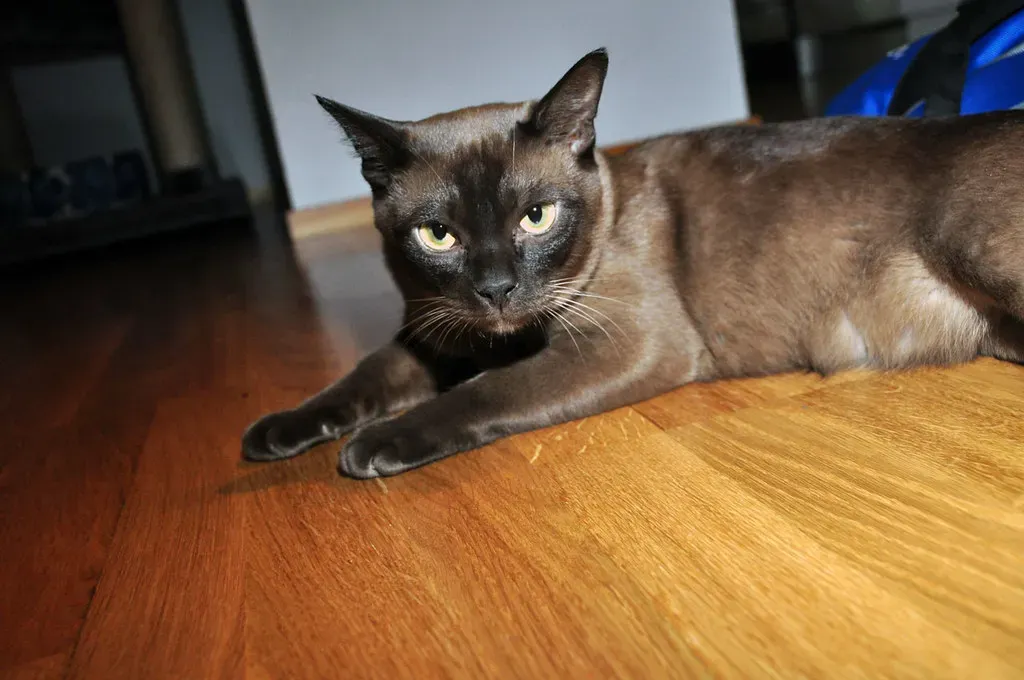
Another descendant of the Siamese, the Burmese cat is unsurprisingly talkative, although their voices are softer than the Siamese, they're still just as happy to tell you everything about their day. These cats take their supervisory duties seriously and will concern themselves with every aspect of your household.
While not known for being loud, a Burmese won't hesitate to alert you when something is wrong, and they will typically talk to anyone who will listen, brightening visitors' days with curious chirps that encourage interaction. As one of the most family-oriented breeds, they cope best in homes where people spend lots of time around, and they'll keep you company with their gentle conversations throughout the day.
5. Bengal: The Wild-Sounding Commentator
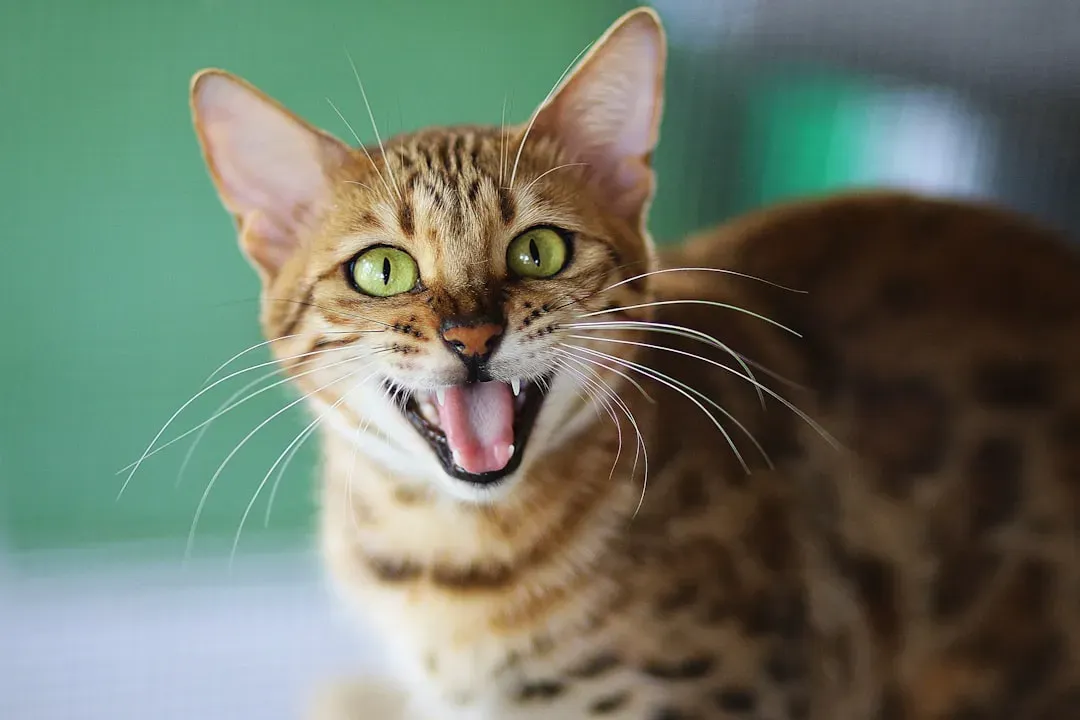
Bengals are vocal cats with a wide range of sounds, from coos and chirps to more traditional meows, and their vocalizations are often described as more wild-sounding, likely a nod to their Asian leopard cat ancestry. These striking spotted cats don't just look exotic; they sound exotic too.
Despite their wildcat appearance, Bengals are affectionate and love to run and play as much as they adore curling up with you. Their fearlessness gives them plenty of confidence, and they're not afraid to use their voice to express interest, demand attention, or initiate play. It's hard to say for sure, but their unique vocal repertoire seems to reflect their active and inquisitive nature.
6. Sphynx: The Hairless Conversationalist
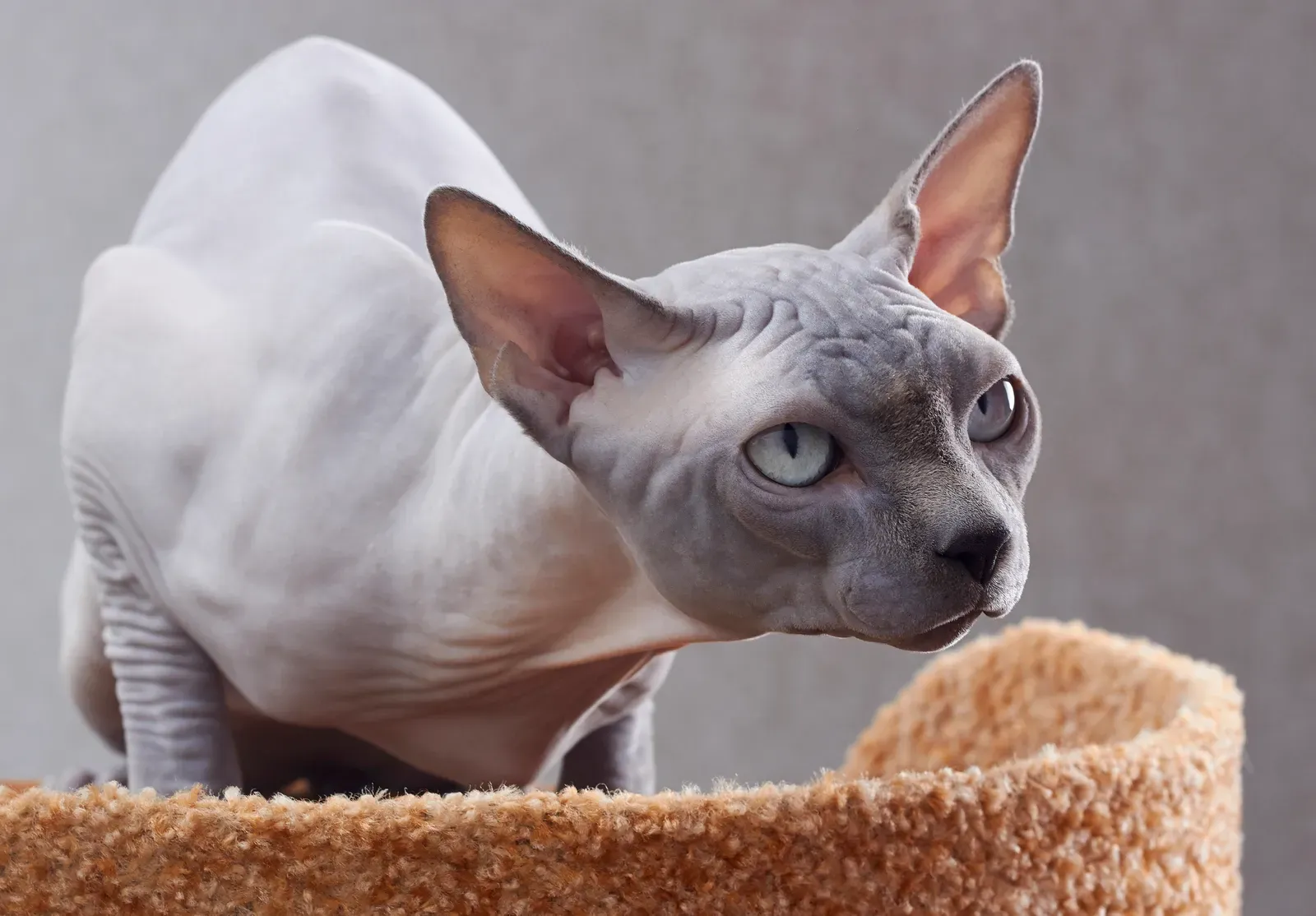
Sphynx cats are known to have a rather raspy voice, and this breed can be quite demanding and insistent with their vocalisation, purring, meowing, singing and chirping in a range of tones, being so warm and affectionate, they are very dependent on their owners and crave active involvement in their lives.
These distinctive hairless cats are far from silent observers. The distinctive Sphynx cat is known for its lack of fur and love of conversation, and these cats often meow to initiate interaction and keep the conversation going, reflecting their friendly and affectionate demeanor. Their raspy, unique voice matches their unusual appearance, and they'll use it frequently to make sure you're paying them the attention they deserve.
7. Maine Coon: The Gentle Giant with Soft Chirps
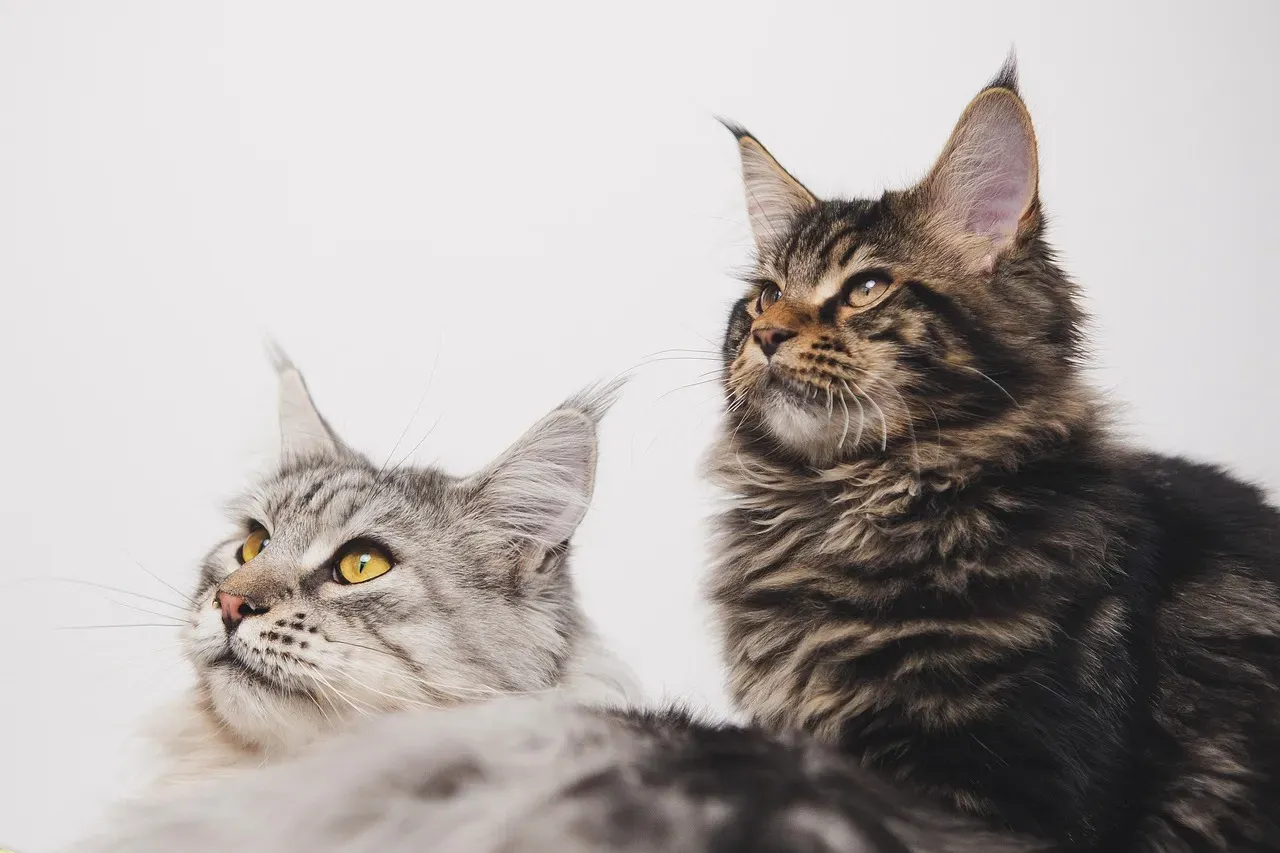
Despite their large size, Maine Coons have a surprisingly soft and melodious voice, and they are known for their chirps and trills, using these sounds to interact with their owners, tending to be less demanding than other vocal breeds but enjoying a good chat.
Although the Maine Coon is one of the most talkative cat breeds, their meows are typically soft and sweet despite their impressive size, and these large felines usually vocalize through trills, chirps, and soft-spoken meows. It's honestly quite endearing to see such a massive cat produce such delicate baby-like sounds. Their expressive lexicon alerts owners to their many whims and wants without being overwhelming.
8. Japanese Bobtail: The Pleasant Chatterer
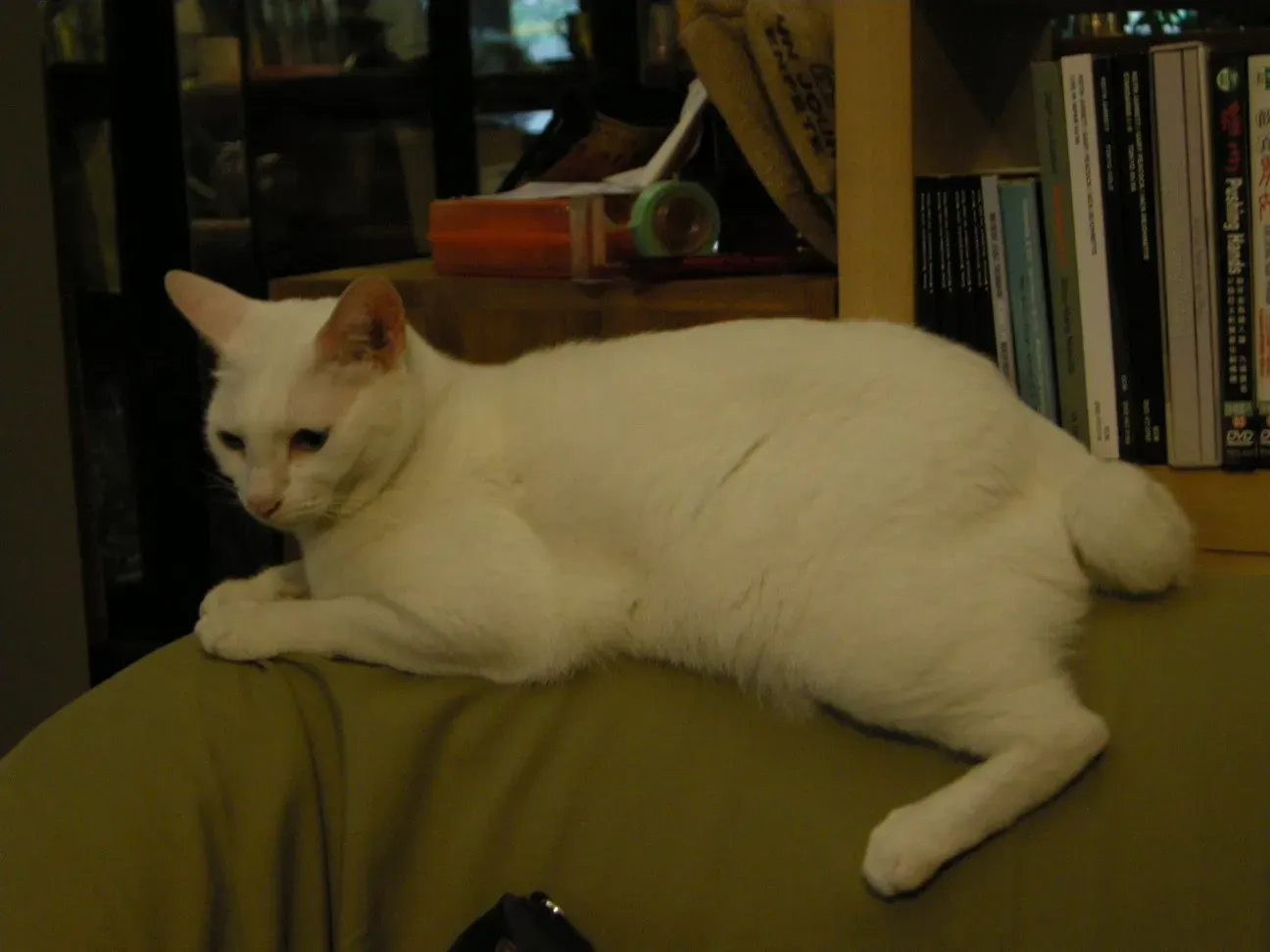
Like their American cousins, the Japanese Bobtail is more than happy to talk your ear off in a range of different tones, although despite their chattiness, they're quieter than many other breeds. These lovely Asian cats with their distinctive short, stumpy tails are not only chatty but also pleasant to look at.
These cats are recognizable by their unique tail and their willingness to engage in conversation. They'll use various tones and pitches to communicate different needs and emotions, making them fascinating companions for people who enjoy trying to decode what their cat is saying. The variety in their vocalizations makes each interaction feel like you're genuinely communicating.
9. Turkish Angora: The Social Vocalizer
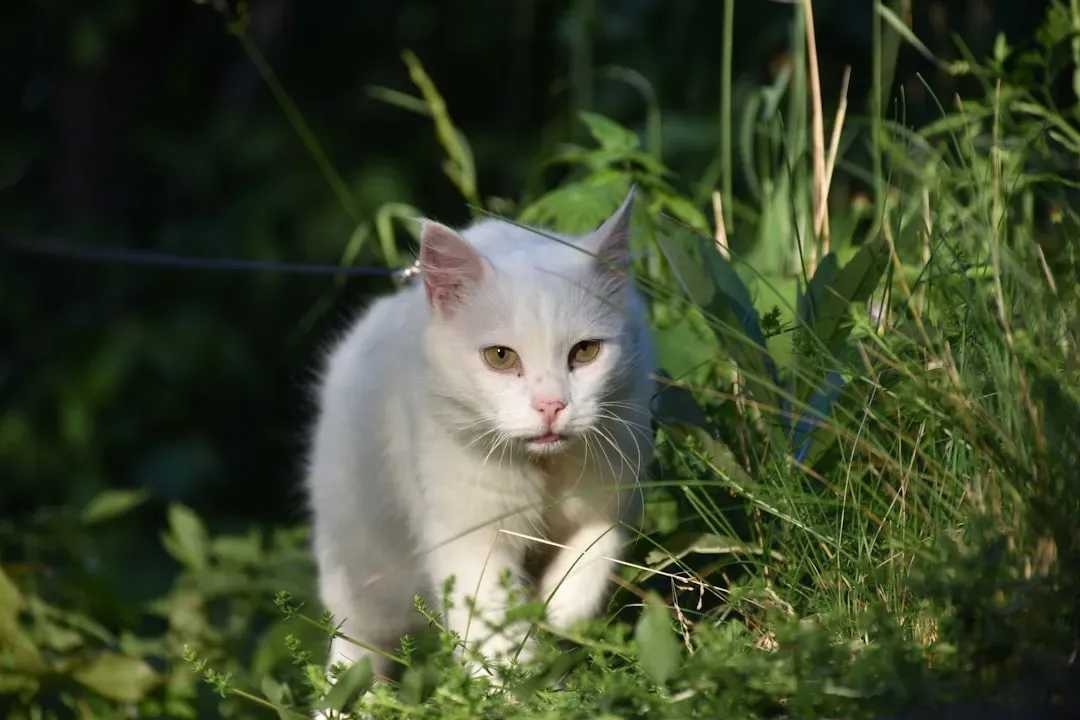
The Turkish Angora is a rare, beautiful cat that loves to socialize and vocalize while they're doing it. These pretty plumed-tail kitties of Turkey have long, graceful physiques, wedge-shaped heads, and a love for chatting, and they are also skilled climbers with a natural fascination with water.
This graceful but energetic breed enjoys climbing, jumping, and playing with toys, and they'll provide a soundtrack to all their activities. Their vocalizations are part of their social nature, and they use their voice to stay connected with their favorite humans. Many Turkish Angora cats will even fancy a swim, all while keeping up their running commentary on the experience.
10. Turkish Van: The Swimming Cat Who Never Shuts Up
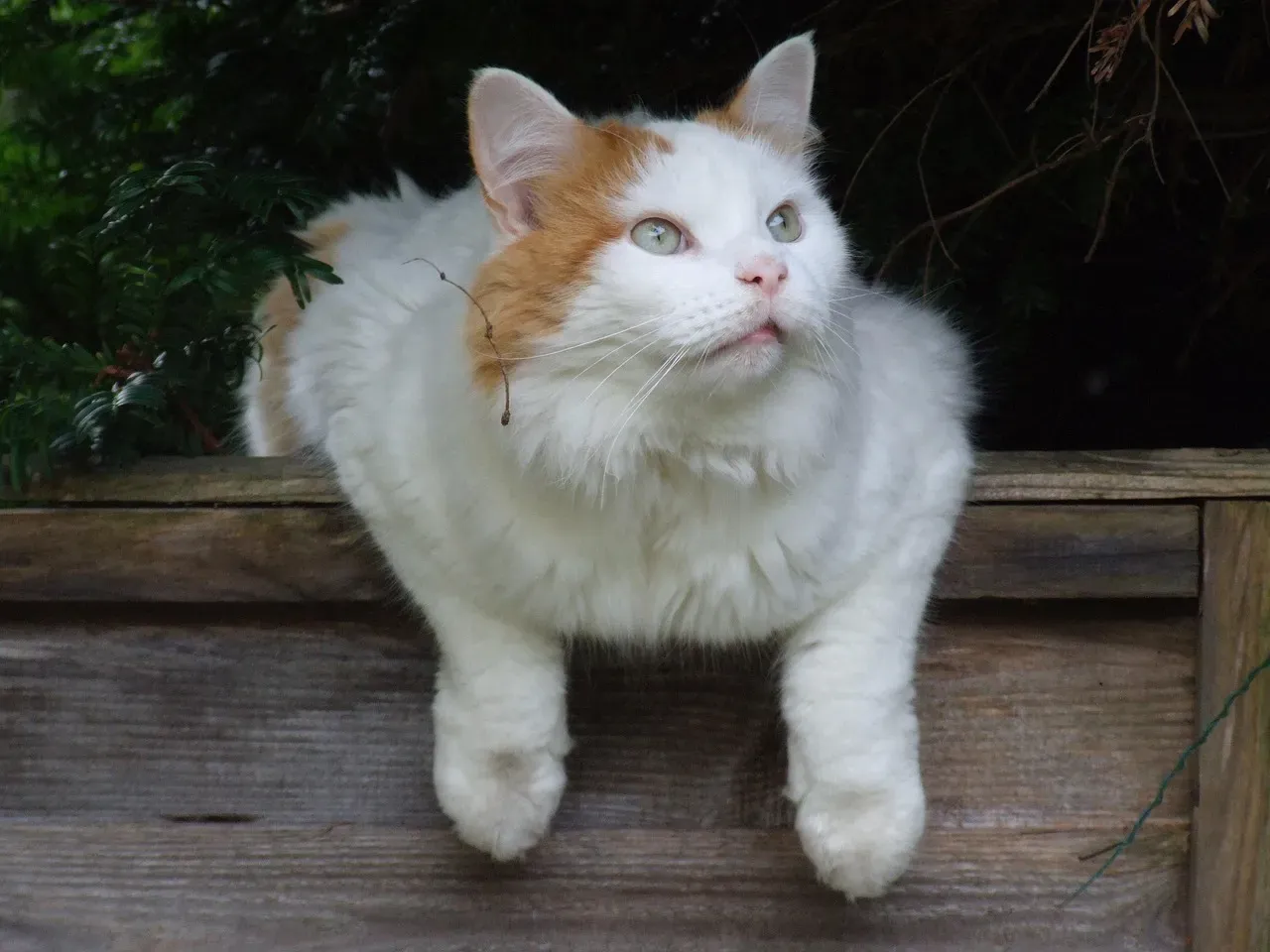
This curious cat is in constant motion and has plenty to say about what they are doing and discovering. Known as the "Swimming Cat," the Turkish Van's coat is water resistant. They're not just vocal; they're adventurous, which means double the entertainment.
These uncommon cats with their unique piebald coloring crave attention but only on their own terms. They may not enjoy living with children who may not understand kitty boundaries, but they'll certainly let everyone know their feelings on the matter. Their constant vocalizations match their energetic personality perfectly.
11. Persian: The Picture of Serene Silence
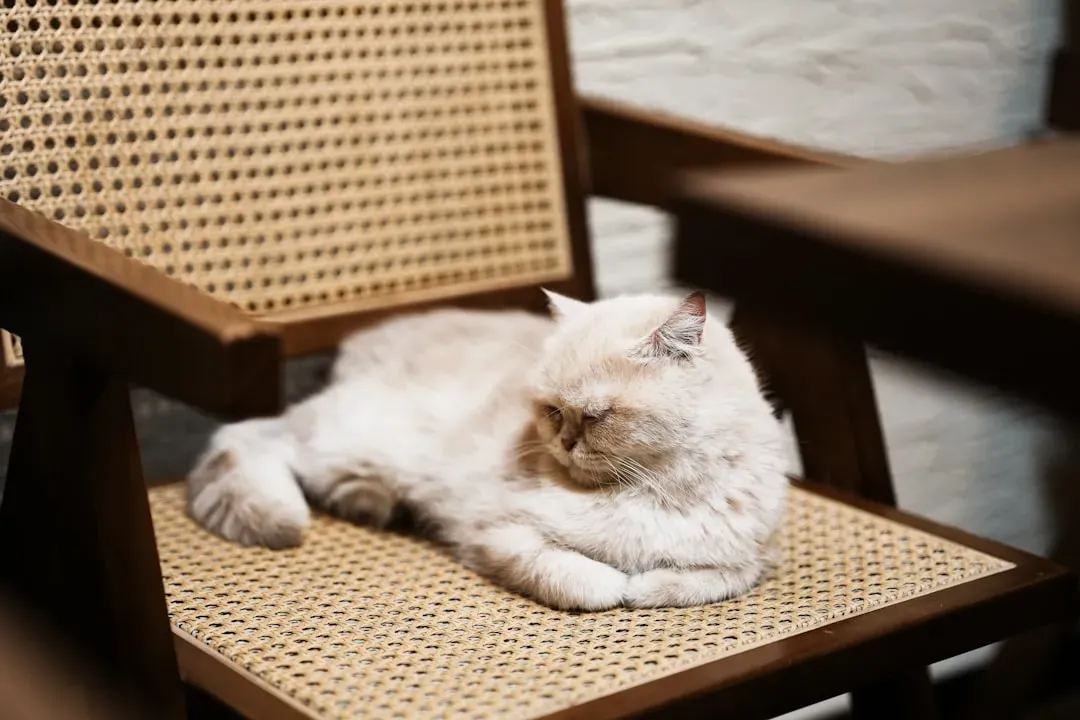
Persians rarely raise their voices and tend to communicate softly, and instead of loud meows, they rely on gentle purrs or subtle chirps when they want affection. They're content simply sitting nearby, observing their surroundings without needing constant interaction.
What makes this breed particularly quiet is its docile and selective nature, as Persians enjoy affection on their own terms and are just as happy lounging independently, though their luxurious coat does require frequent grooming. These cats communicate with meaningful looks and soft paws on your lap rather than demanding meows. Their calm demeanor makes them ideal for peaceful homes.
12. Russian Blue: The Reserved Observer
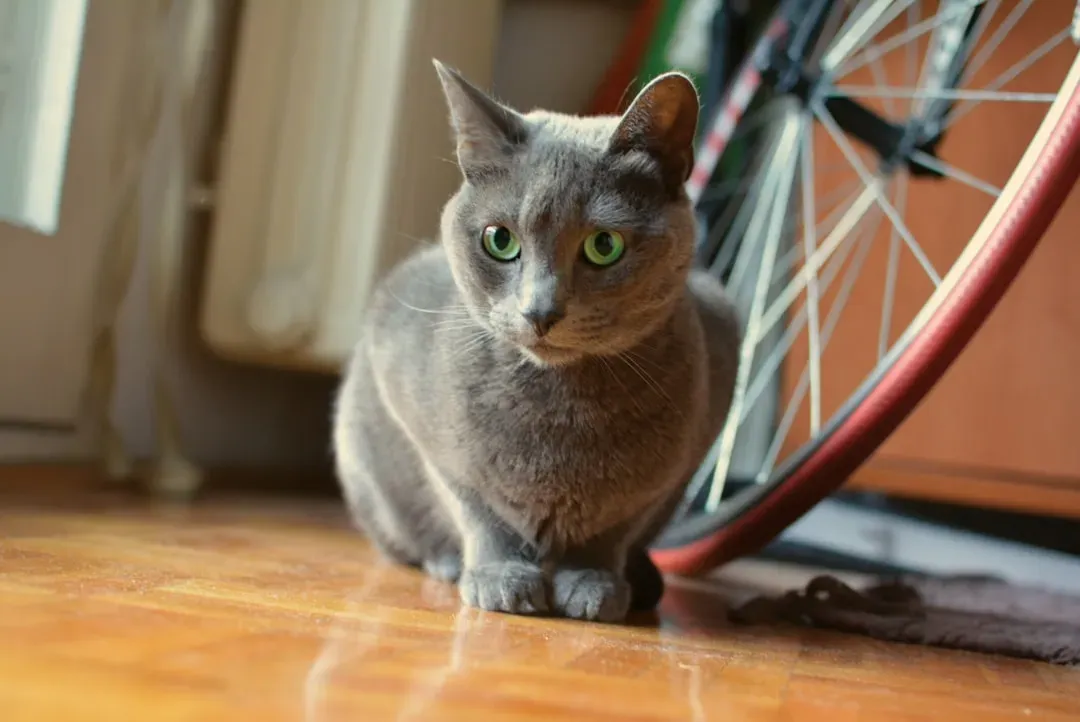
They are generally considered to be a quiet breed but there are always exceptions. Russian blues can be very vocal but are generally soft-spoken and will talk in quiet meows to let you know they need food, water, or attention.
The Russian Blue is gentle, quiet and even shy around strangers, but she's affectionate and loyal toward her people. These stunning cats with their silvery blue coats and bright green eyes prefer to express themselves through subtle body language and soft sounds. Their reserved nature around strangers means they're more likely to observe from a distance than announce their presence loudly.
13. Birman: The Silent Partner
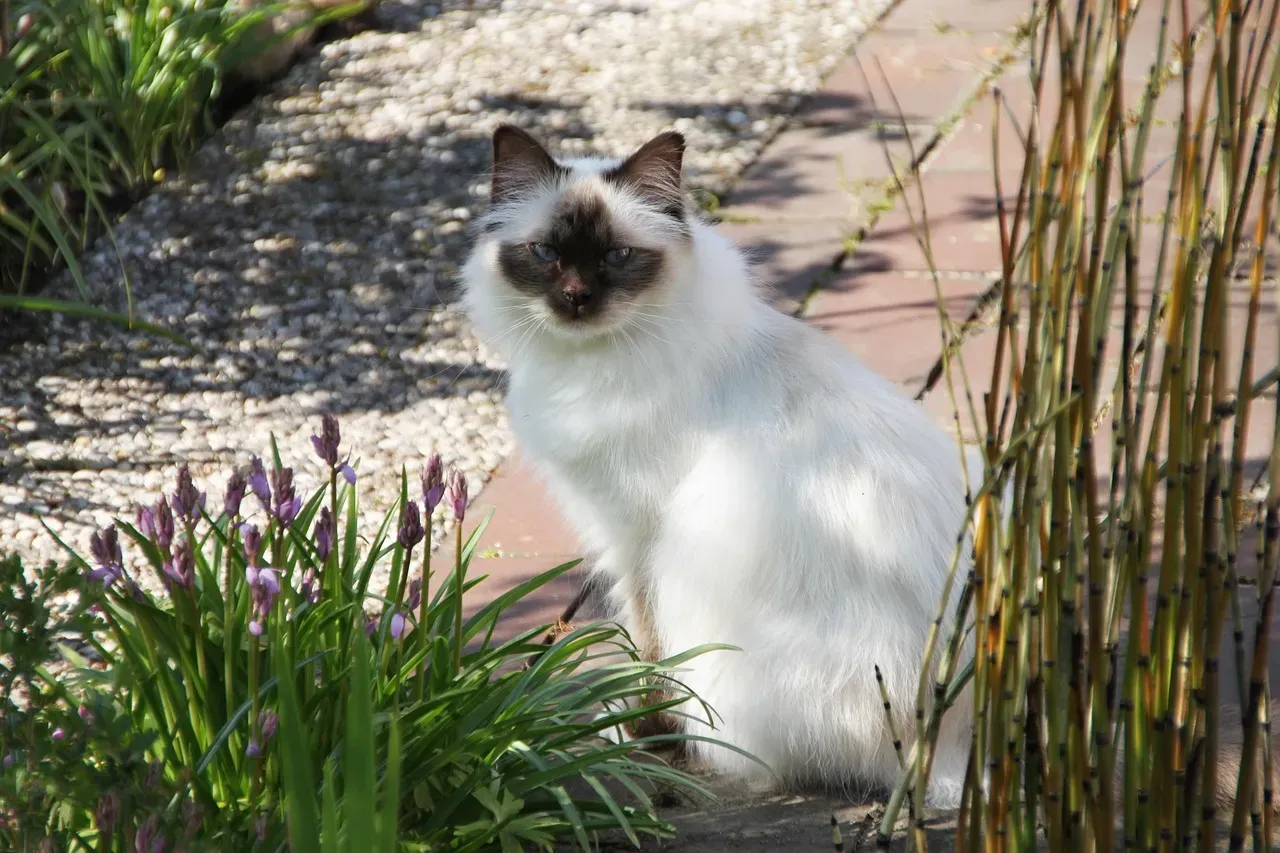
When it comes to quiet companionship, the Birman stands out, bred to be a relaxed household companion, these cats are naturally low-vocal and prefer gentle communication over loud meowing. They often rely on soft sounds and expressive body language to get their point across.
Also known as the Sacred Cat of Burma, these cats are admired for their silky coats, striking blue eyes, and signature white gloves on each paw. Affectionate and social, they enjoy being handled, cuddled, and staying close to their humans without demanding constant attention through noise, and while they may follow their favorite human from room to room, they do so silently, offering presence instead of noise.
14. Scottish Fold: The Quiet Cuddle Expert

When discussing quiet versus silent cats, the Scottish Fold fits comfortably in the "quiet" category, and these cats do vocalize, but their voices are soft and infrequent, making them ideal for owners who appreciate subtle communication. Those distinctive folded ears aren't just adorable; they're attached to genuinely peaceful cats.
Scottish Folds are known for their unique folded ears and tranquil personality, they tend to be very soft-spoken and rarely meow loudly, and they are content with simply being in the same room as their owners. Their calm demeanor plays a major role in their low-volume lifestyle. They express their needs and affections quietly, often preferring a cozy cuddle to a loud meow.
15. Ragdoll: The Floppy, Quiet Companion
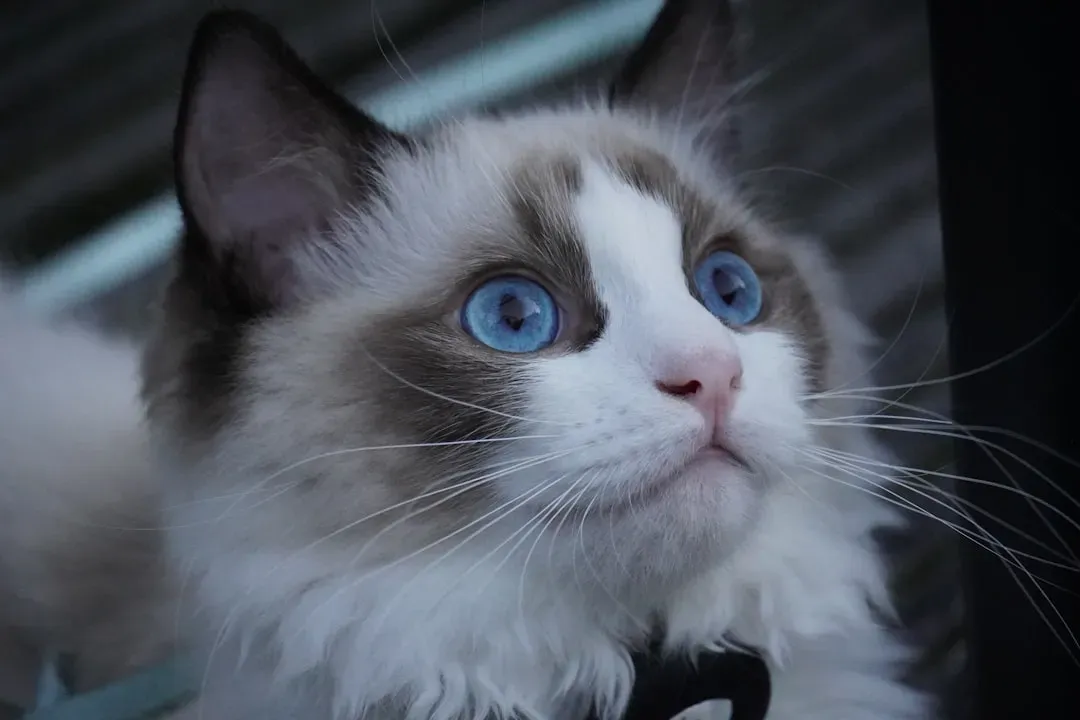
Ragdolls are widely admired for their quiet temperament, and while they aren't completely silent, their voices are soft and used sparingly, making them ideal companions for calm households that value peace. These cats are not silent by any means, but they do tend to have quieter voices than other felines out there.
Also called "puppy cats" or dog-like cats, these large, longhaired felines are famous for going limp when held, which inspired their name. Affectionate without being demanding, they're content to nap beside their people, communicating mostly through presence and body language instead of sound. Their relaxed nature extends to their communication style.
16. Chartreux: The Smiling Monk
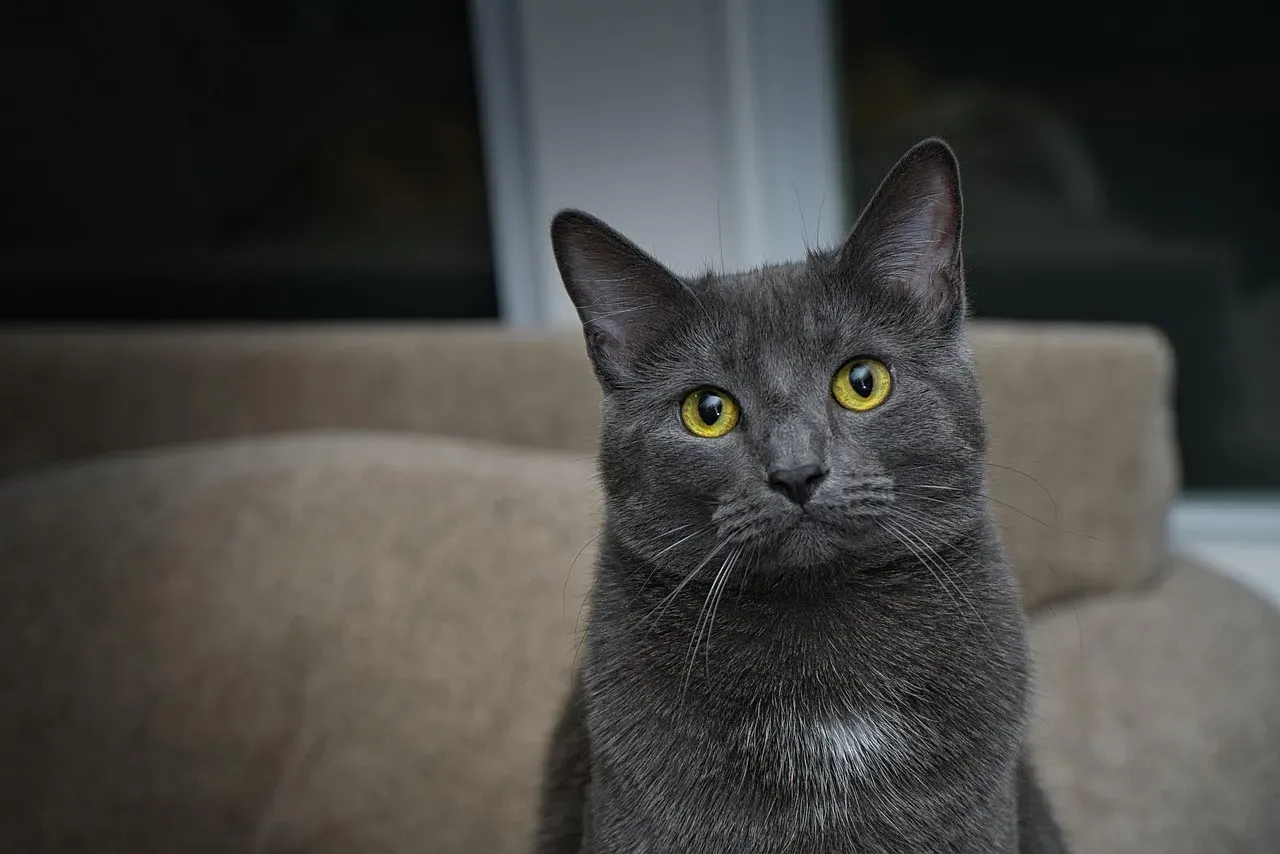
Chartreux, often referred to as the 'Silent Monks of the Cat World', are known for their quiet demeanor, and they might look like they're plotting something with their intense gaze, but they're probably just thinking about their next nap or meal. They communicate mostly with soft meows and body language, making them perfect for quieter spaces, and they're easily one of the quietest cat breeds.
These gray cats with their plush coats and permanent smile are known for being very calm and easygoing. They aren't as uptight as other felines and form strong bonds with one or two people, though they tend to be somewhat aloof compared to other breeds. Their intelligence means they can adapt readily to different living situations without making a fuss about it.
17. Abyssinian: The Stealthy Ninja
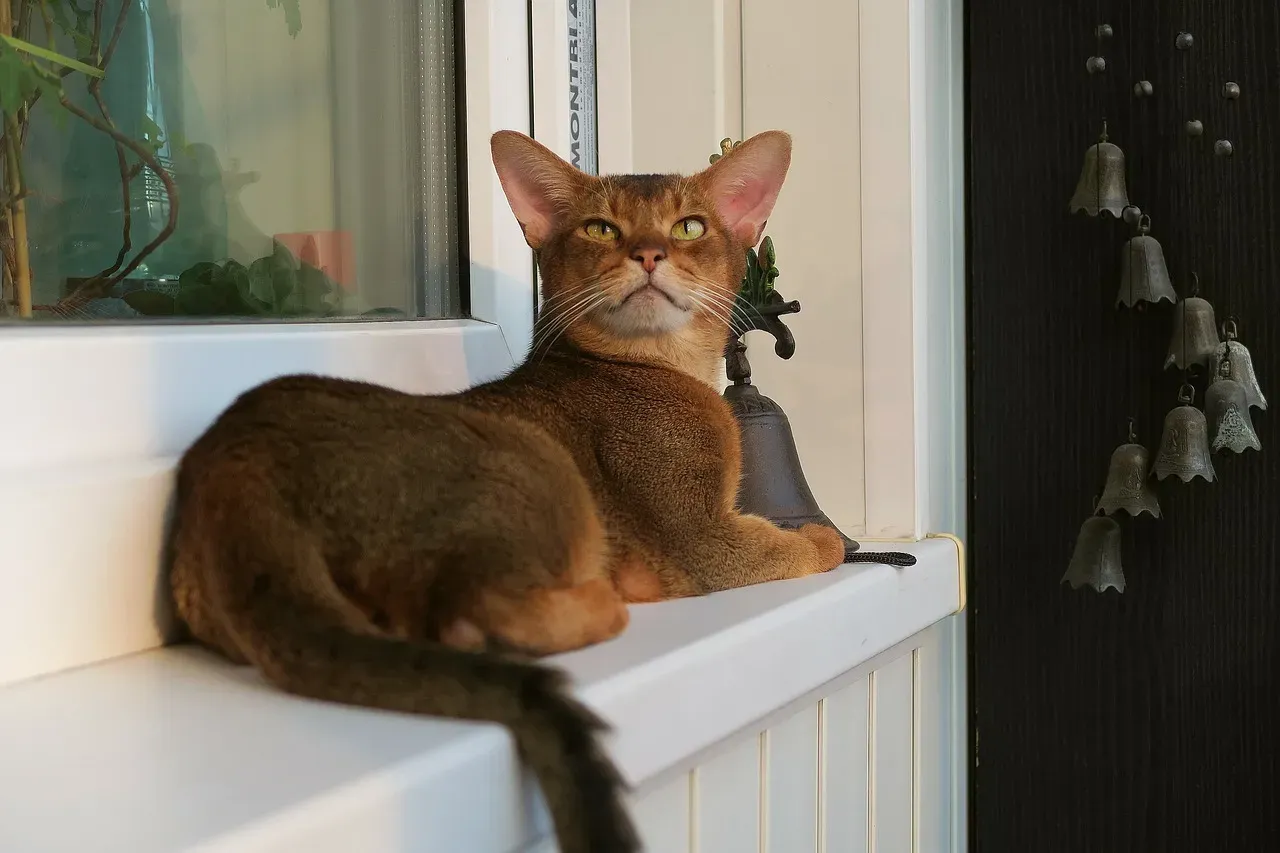
Abyssinians, often hailed as the ninjas of the cat world, are known for their remarkable stealth and quiet demeanor, and rather than vocalizing, they prefer to communicate through subtle body language and soft purrs, and this breed's ability to move silently and observe from the shadows makes them perfect for those who appreciate a less vocal companion.
These sleek, athletic cats are incredibly active and playful but manage to conduct their adventures without much commentary. Their silent nature doesn't mean they're unfriendly; they simply prefer to let their actions speak louder than their meows. You might not hear them coming, but you'll certainly notice their presence through their affectionate behavior.
18. Norwegian Forest Cat: The Strong, Silent Northerner
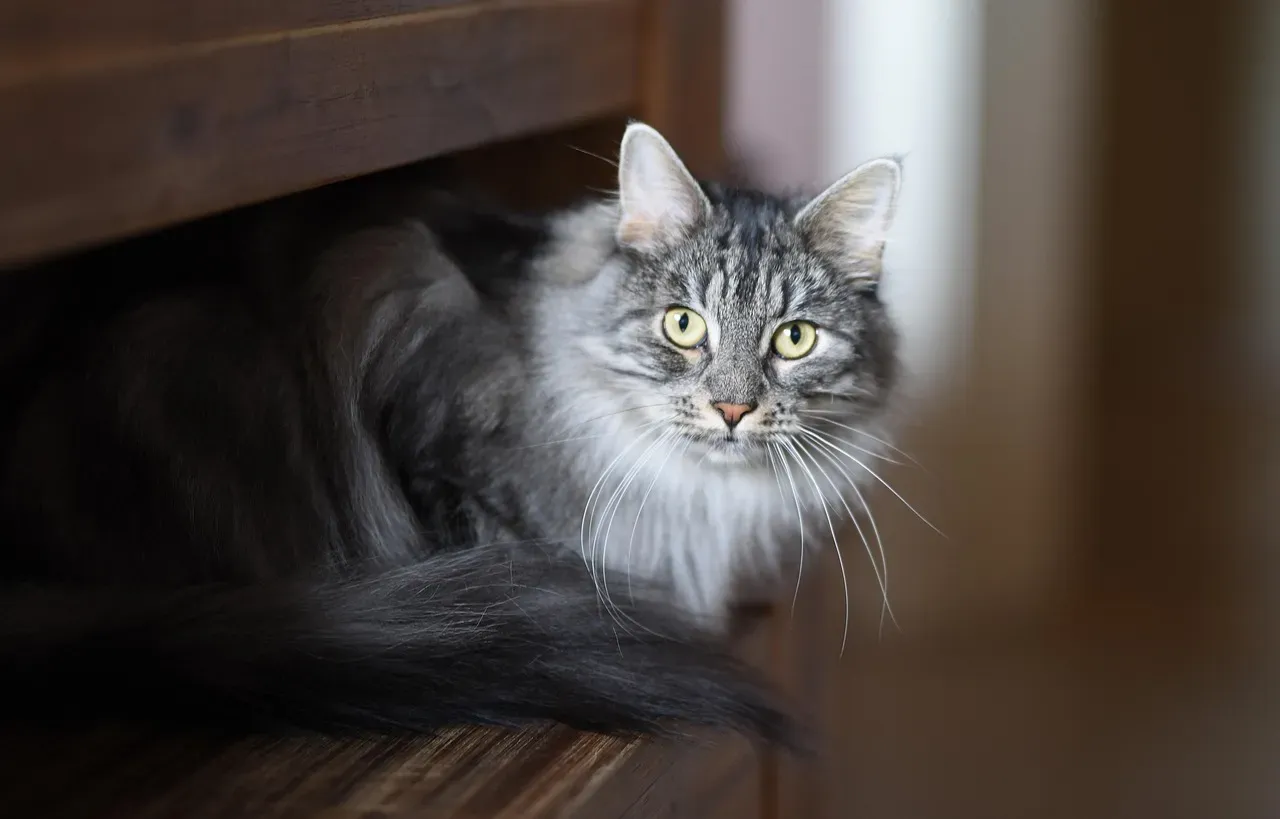
Norwegian Forest Cats are the strong, silent types, and originating from the Nordic forests, they're used to communicating through body language rather than vocalizations. Despite their large size, Norwegian Forest Cats are known to be very quiet, and they are gentle and prefer to express themselves through soft chirps and trills rather than loud meows.
These magnificent cats with their thick, weather-resistant coats were built for harsh Scandinavian winters, and their communication style reflects their rugged origins. They're more likely to show affection through gentle headbutts and quiet companionship than through elaborate vocal performances. Their size might be impressive, but their voice certainly isn't.
19. American Curl: The Quiet Charmer
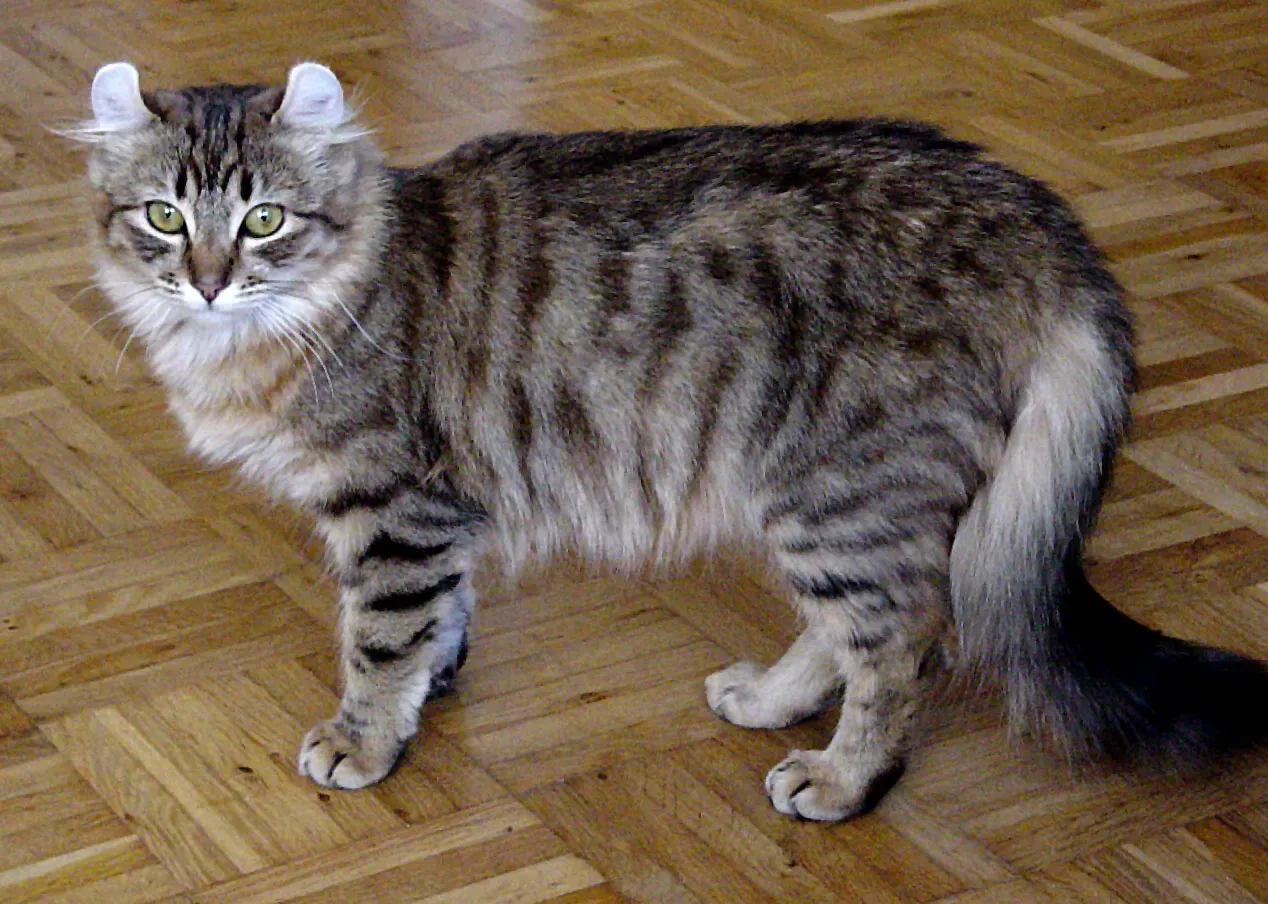
These unique felines, recognized by their distinctive curled-back ears, are as quiet as they are charming, and rather than vocalizing, they prefer to communicate through subtle body language and soft purrs, and they're the perfect companions for those who appreciate a quieter home.
These cats with their unusual ears look like they're perpetually surprised by life, but they handle everything with calm composure. Their gentle nature and preference for silent communication make them ideal for apartment living or homes where peace and quiet are valued. They'll show you love without waking the neighbors.
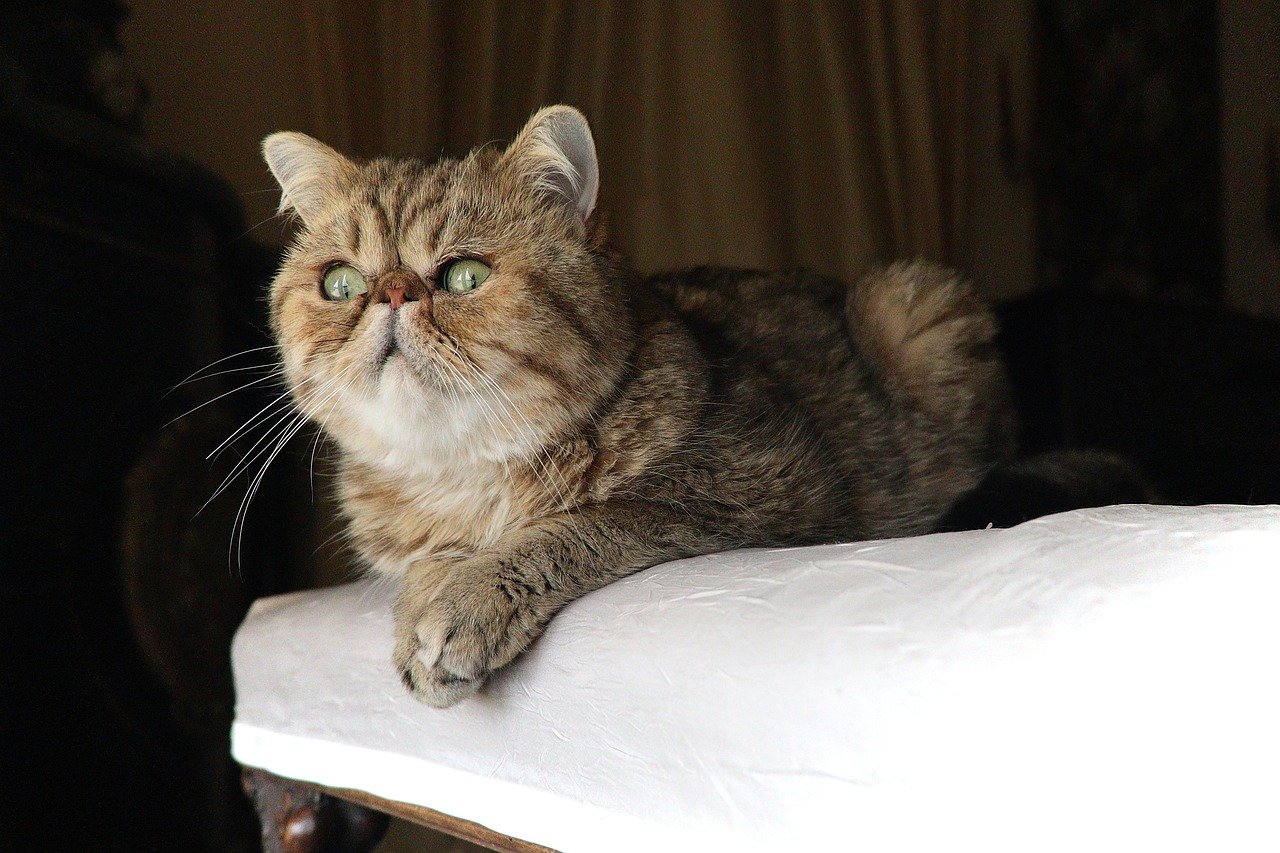
20. Exotic Shorthair: The Quiet Persian Cousin
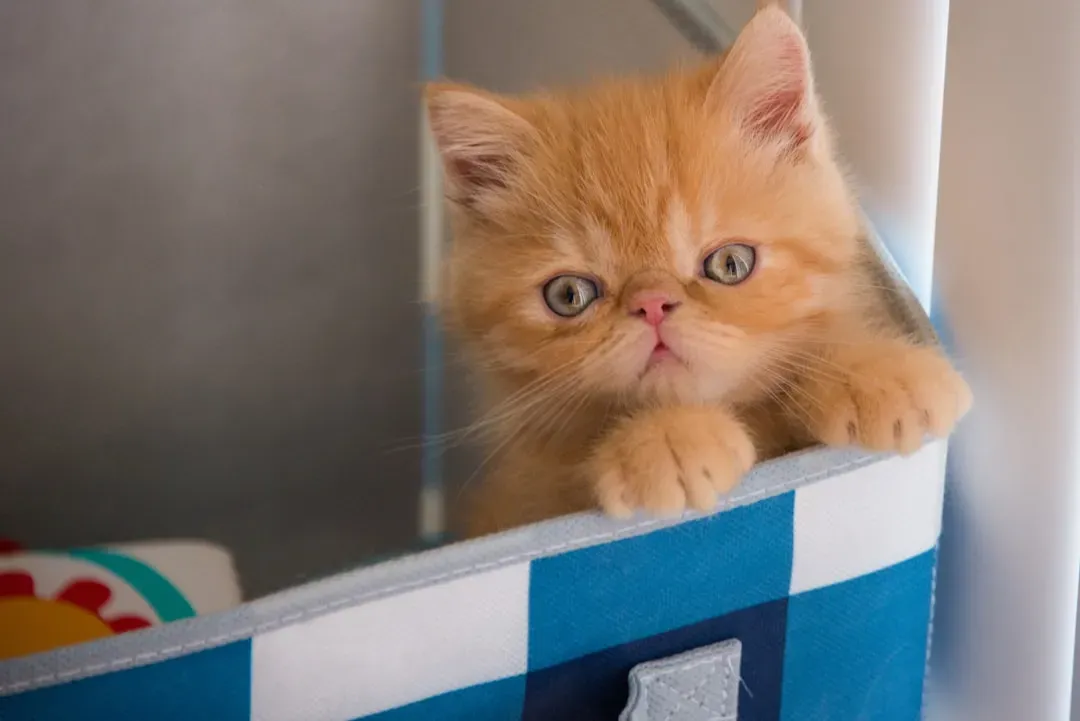
Sharing many traits with their Persian cousins, Exotic Shorthairs are not only adorable but also notably quiet, and they express their affection not through meows but through cuddles and constant companionship. Think of them as Persians in pajamas, with the same sweet temperament but slightly easier coat maintenance.
These cats with their round faces and large eyes are content to be near you without demanding constant vocal interaction. Their laid-back personality means they're perfectly happy to observe life from their favorite perch or bed on the floor. They prefer to let their physical presence convey their affection rather than announcing it to the world.
Conclusion
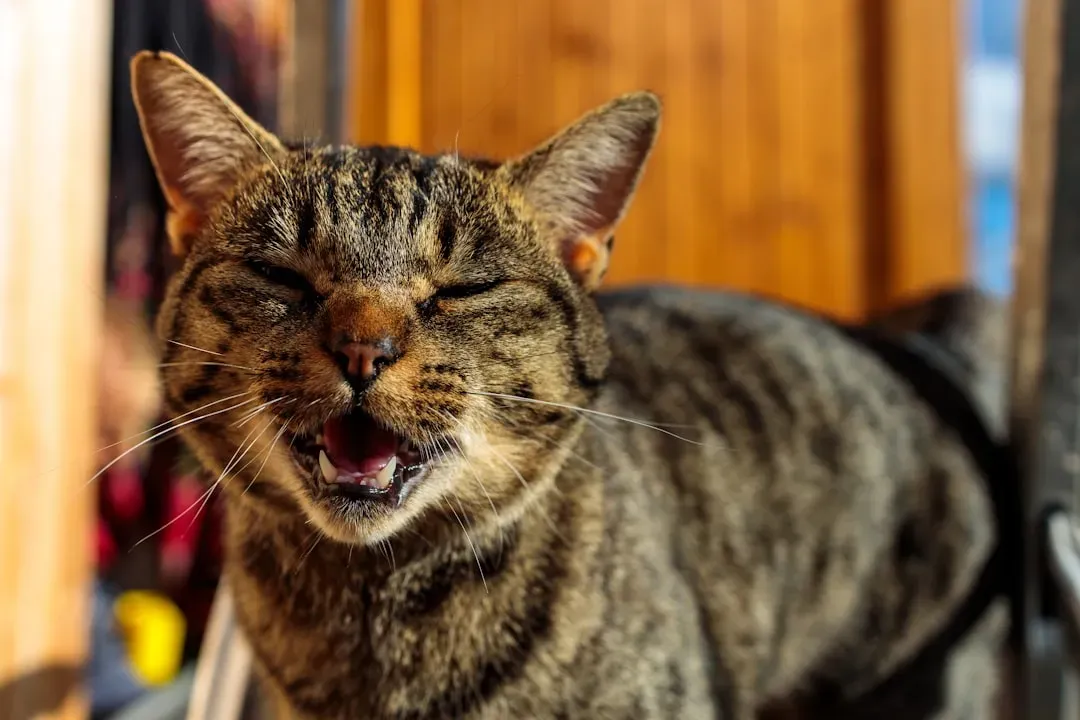
Choosing between a chatty cat and a quiet one really comes down to your personal preferences and lifestyle. Some people genuinely love coming home to a feline that greets them with a detailed account of their day, complete with opinions and commentary. Others prefer the peaceful companionship of a cat who communicates through gentle nudges, meaningful stares, and the occasional soft purr.
The fascinating thing about cats is that even within these breed tendencies, individual personalities can vary wildly. You might end up with a Siamese who's unusually reserved or a Persian who won't stop chattering. That's part of the beauty of sharing your life with these mysterious creatures. Let's be real, whether your cat talks your ear off or maintains a dignified silence, the bond you build will be special either way. What's your preference: do you want a chatty companion who keeps you entertained with constant conversation, or a quiet observer who expresses love through silent devotion? Tell us in the comments.