Ever wonder why some cats seem magnetically attached to your every move while others watch you from a respectful distance like tiny, aloof security guards? It’s honestly fascinating how much personality variation exists within our feline companions. The truth is, your cat’s tendency to follow you room to room or maintain their independence isn’t random behavior. It’s deeply ingrained in their breed characteristics, shaped by centuries of selective breeding and natural development.
You might have a furry shadow trailing behind you to the bathroom, or perhaps your kitty prefers to supervise your activities from a strategic perch across the room. Neither approach is better than the other, and understanding these distinct personality types can help you find the perfect match for your lifestyle. Let’s dive into the fascinating world of clingy versus independent cats, and discover which breeds fall into each camp.
Ragdoll: The Limp Puddle of Love
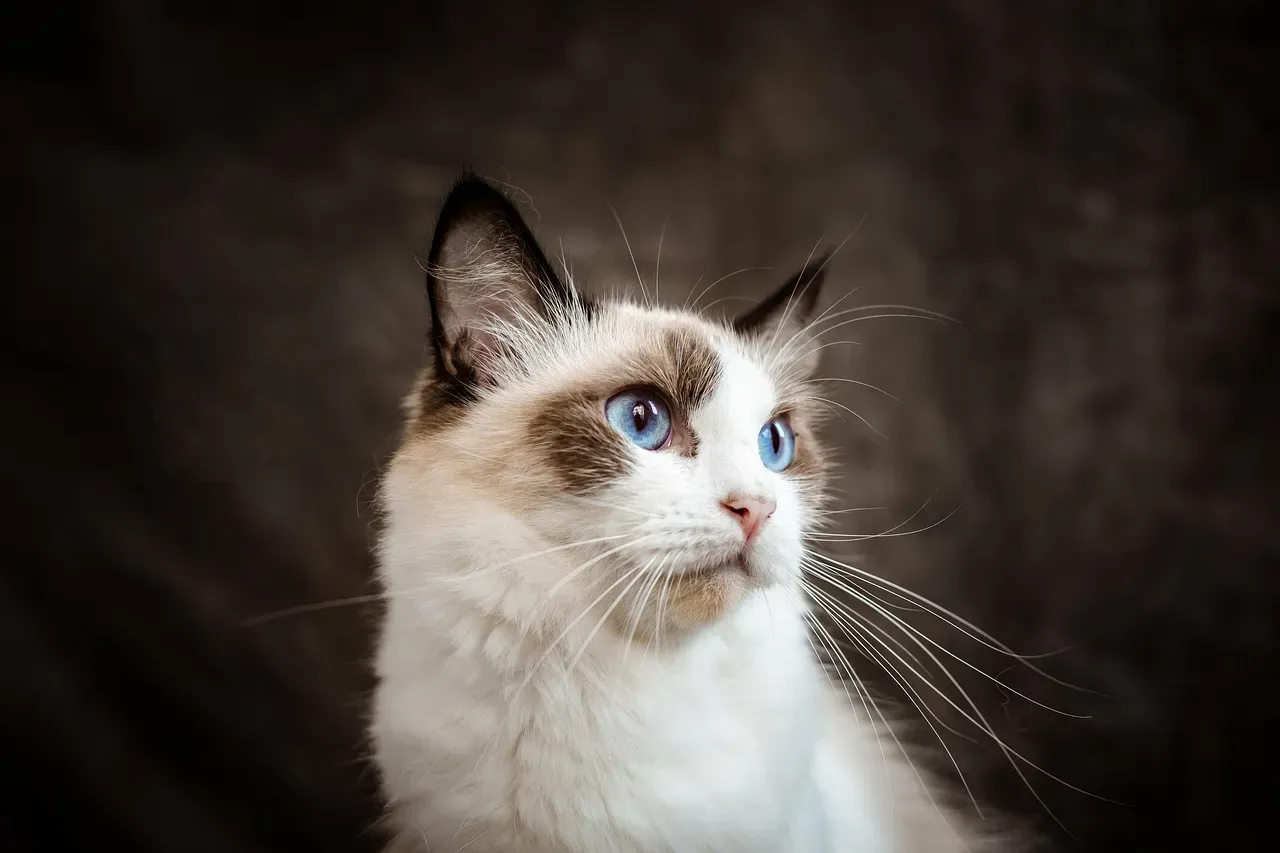
Your Ragdoll will earn their name by going completely limp in your arms, following you from room to room like they’re auditioning for the role of your personal assistant. These blue-eyed beauties will greet you after a long day out of the house and even play games like fetch. Their devotion runs so deep that leaving them alone for extended periods can genuinely stress them out.
While some cat breeds like to explore the house and get into mischief, Ragdolls like to stay close to their family at all times. Think of them as the ultimate lap warmers who refuse to accept that you might need personal space. Their mellow temperament combined with an almost dog-like loyalty makes them ideal for anyone who wants a constant feline companion rather than an occasional visitor.
Siamese: The Vocal Velcro Cat
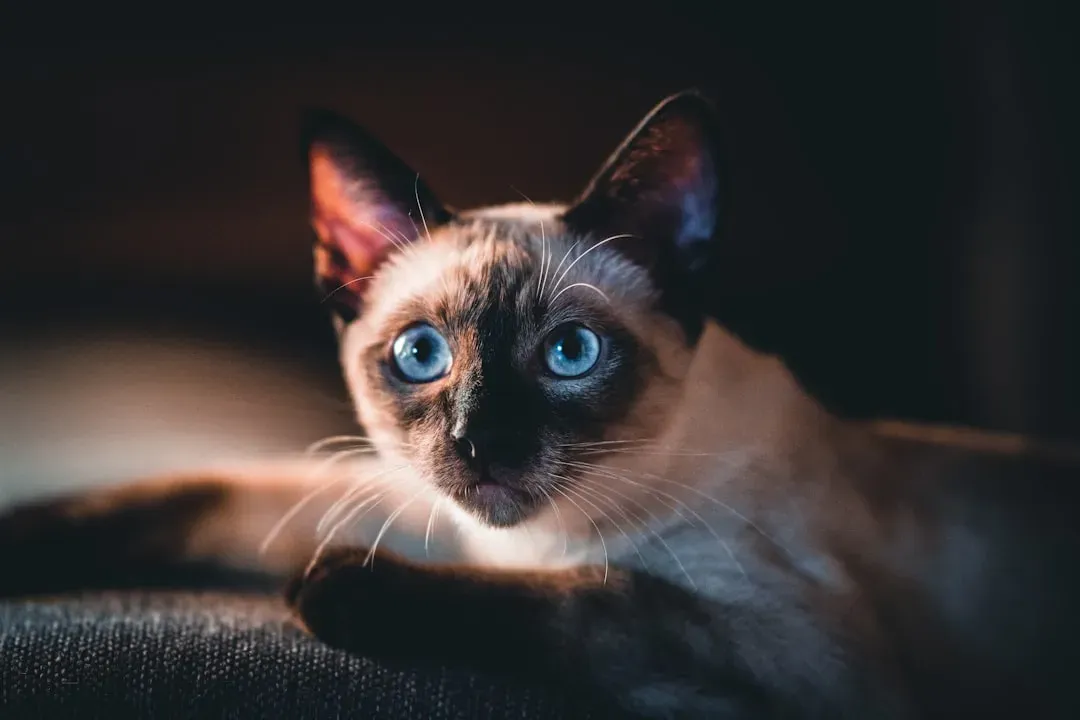
Siamese cats are intelligent, curious, and vocal, forming strong bonds with their families and disliking being left alone. If you’ve ever wanted a cat who will commentate on your every activity with melodious meows and chirps, the Siamese is basically the sports announcer of the feline world. They don’t just follow you around, they engage with you constantly.
A Siamese cat often wants to know what you are doing and why, which naturally leads to close following behavior. These cats tend to bond intensely with one person in particular, though they’ll happily socialize with the entire household. Let’s be real, their need for interaction borders on demanding, so they’re best suited for people who genuinely enjoy constant feline companionship rather than occasional cuddles.
Burmese: The People-Oriented Shadow
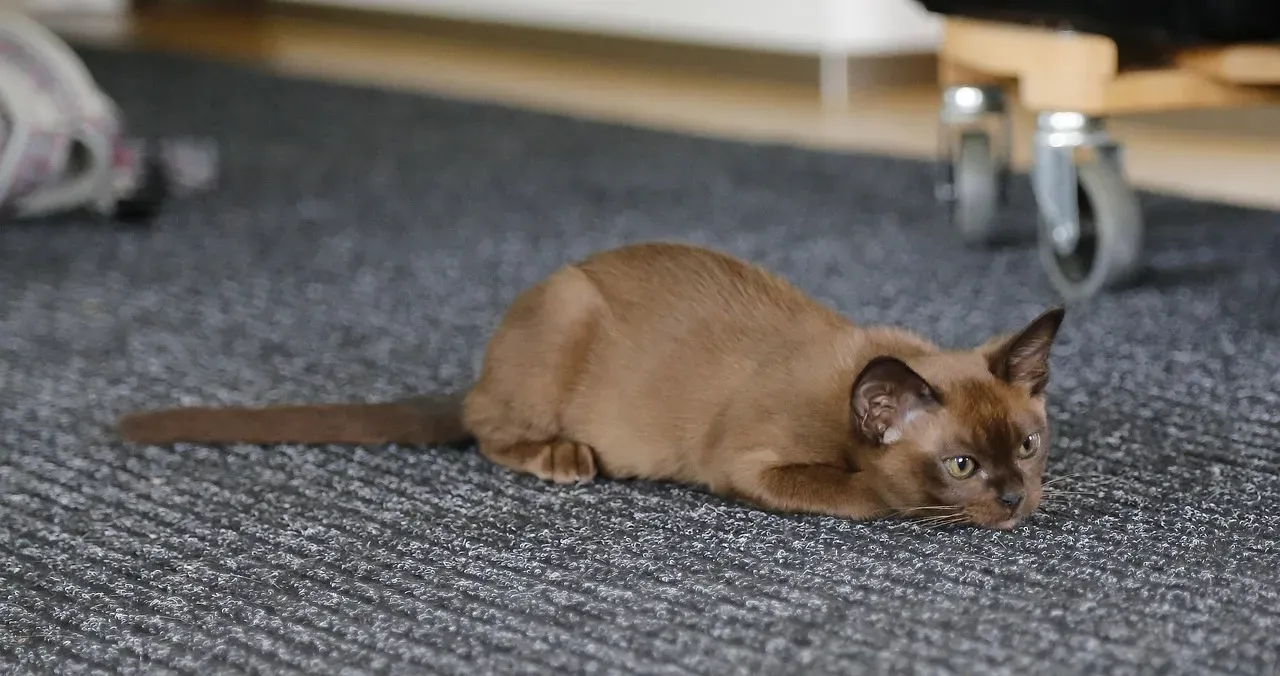
Burmese cats are known for their strong connection to human companionship, being very people-oriented and enjoying involvement in whatever is happening around them, commonly following their owners from room to room. Picture a cat who treats your daily routine like must-see television and you’ll understand the Burmese mentality perfectly.
These social and outgoing cats crave human interaction and love being involved in every aspect of their family’s life. They’re curious about everything you do, whether that’s folding laundry, working on your laptop, or trying to enjoy a peaceful moment in the bathroom. Their affection isn’t subtle either. They’ll seek out laps, conversations, or simple proximity rather than independent play, making them perfect for active households where interaction is part of daily life.
Sphynx: The Hairless Heat-Seeker
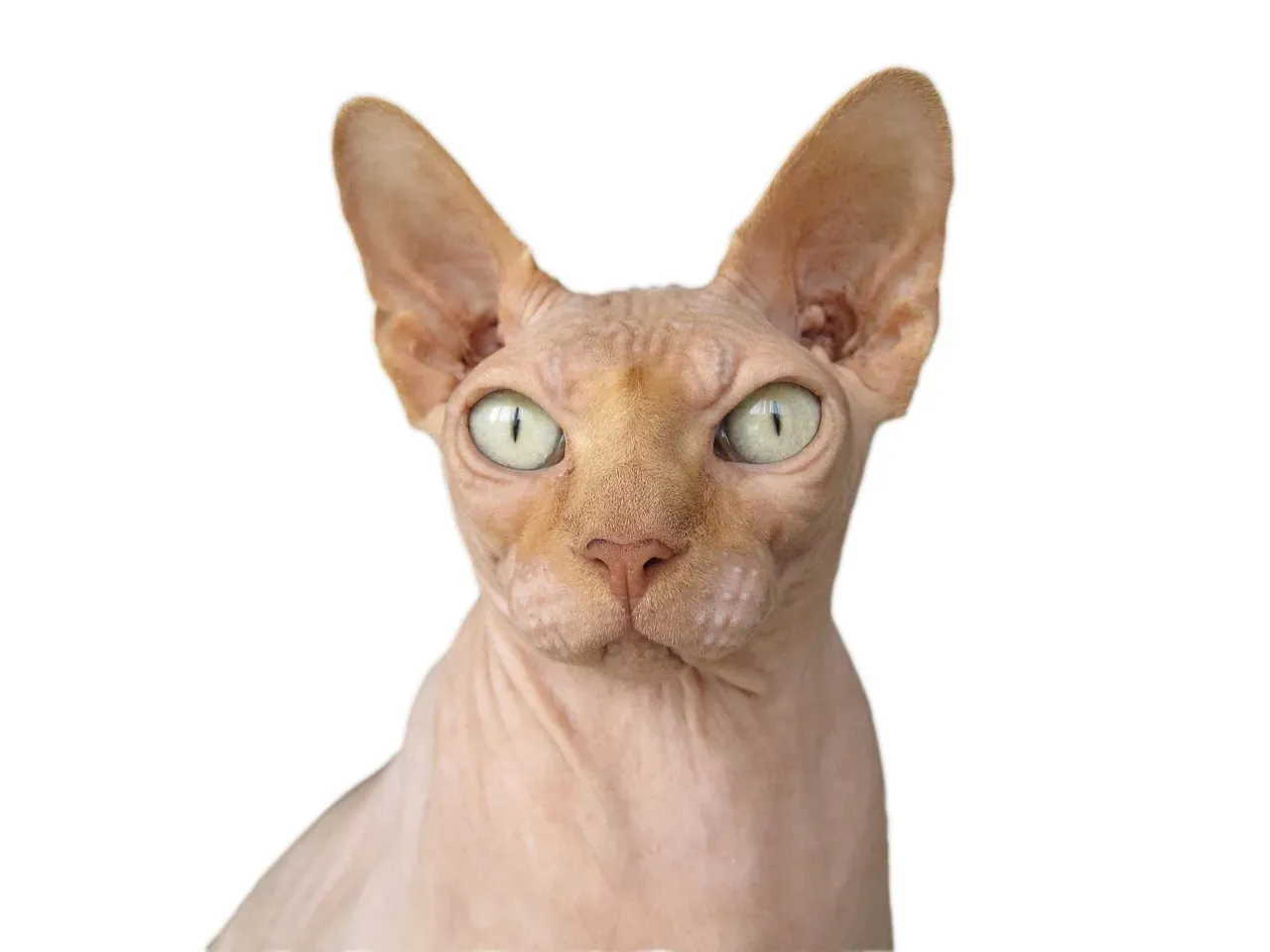
These hairless kitties are anything but independent, following you from room to room, eager to show their love and wanting to play and interact with you while also enjoying cuddling on your lap under a fuzzy blanket. Without fur to keep them warm, Sphynx cats have evolved into professional snugglers who view your body heat as a premium resource.
Many people describe the Sphynx breed as behaving more dog-like than most cats in how affectionate and needy they are, and if the Sphynx wants your attention, you’ll certainly hear about it with their meows and chirping. They’re energetic, active, and need entertainment constantly. Their neediness isn’t for everyone, honestly, so you’ll want to consider whether you’re ready for a cat who essentially acts like a very vocal, slightly demanding toddler in a wrinkled cat suit.
Bombay: The Mini Panther Shadow
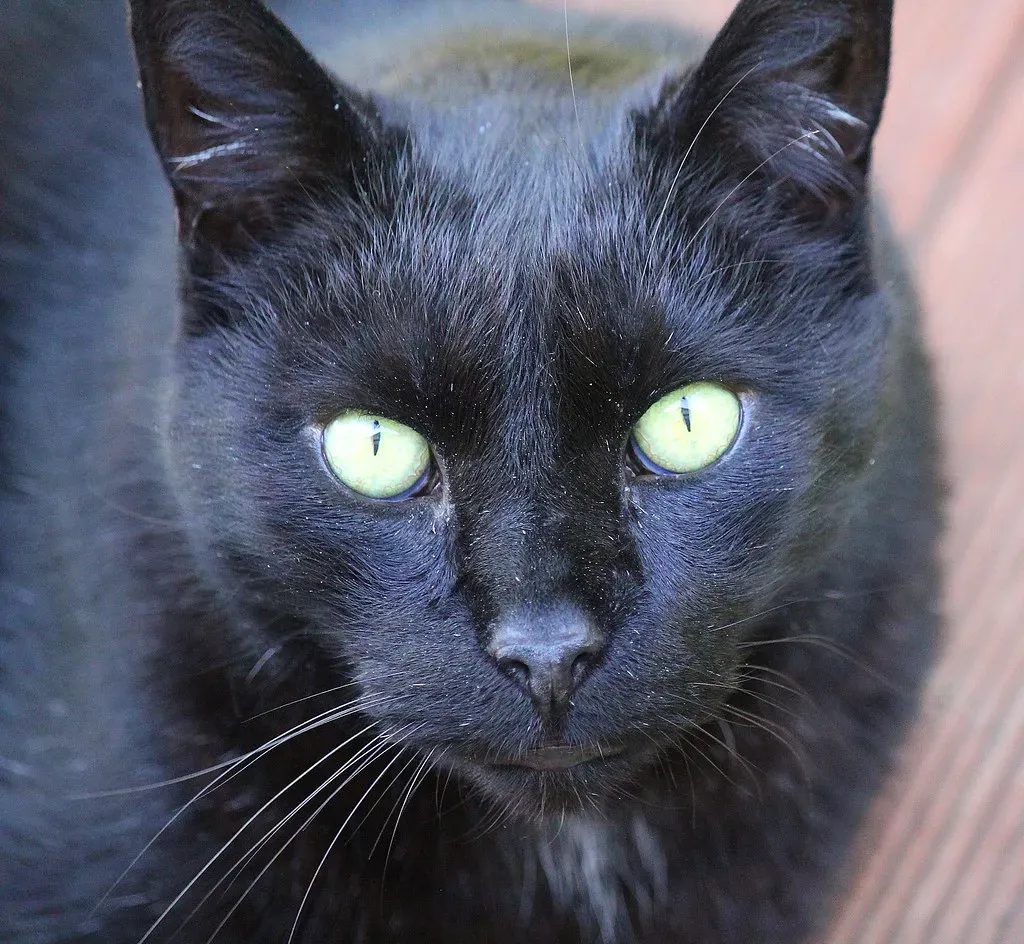
This panther-like kitty is known for both looking and acting like a shadow, following their humans from room to room. It’s not uncommon for a Maine Coon to greet you at the door when you come home, ready to follow you from room to room like a loyal shadow. Wait, wrong breed there. Let me correct that.
The Bombay follows their humans from room to room, happily jumping onto your lap and sprawling out, begging for scratches and cuddles, thriving on attention. The Bombay cat will become withdrawn and anxious when left alone for too long, doing better with another furry friend or staying by your side all day long. Their sleek black coat and golden eyes give them that miniature panther aesthetic, though their personality is pure lapcat rather than wild predator.
Maine Coon: The Gentle Giant Guardian
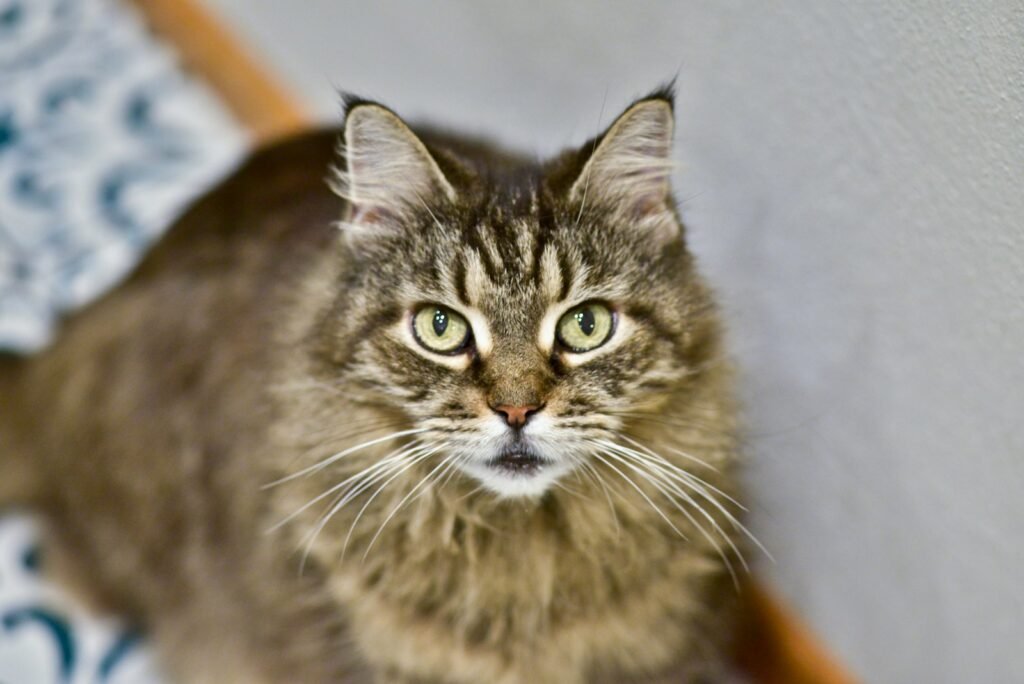
These large, intelligent, affectionate pets are known for their friendly demeanor and love for their humans, often greeting you at the door when you come home, ready to follow you from room to room like a loyal shadow. Despite their impressive size, Maine Coons are surprisingly gentle and affectionate without being overly demanding about it.
Their calm and laid back nature means they are not too demanding, but they do enjoy following their owners from one room to another. Think of them as your friendly neighborhood giant who happens to live in your house. They’re social enough to want your company but independent enough not to require constant interaction, striking a nice balance that works well for many households.
Scottish Fold: The Quiet Companion
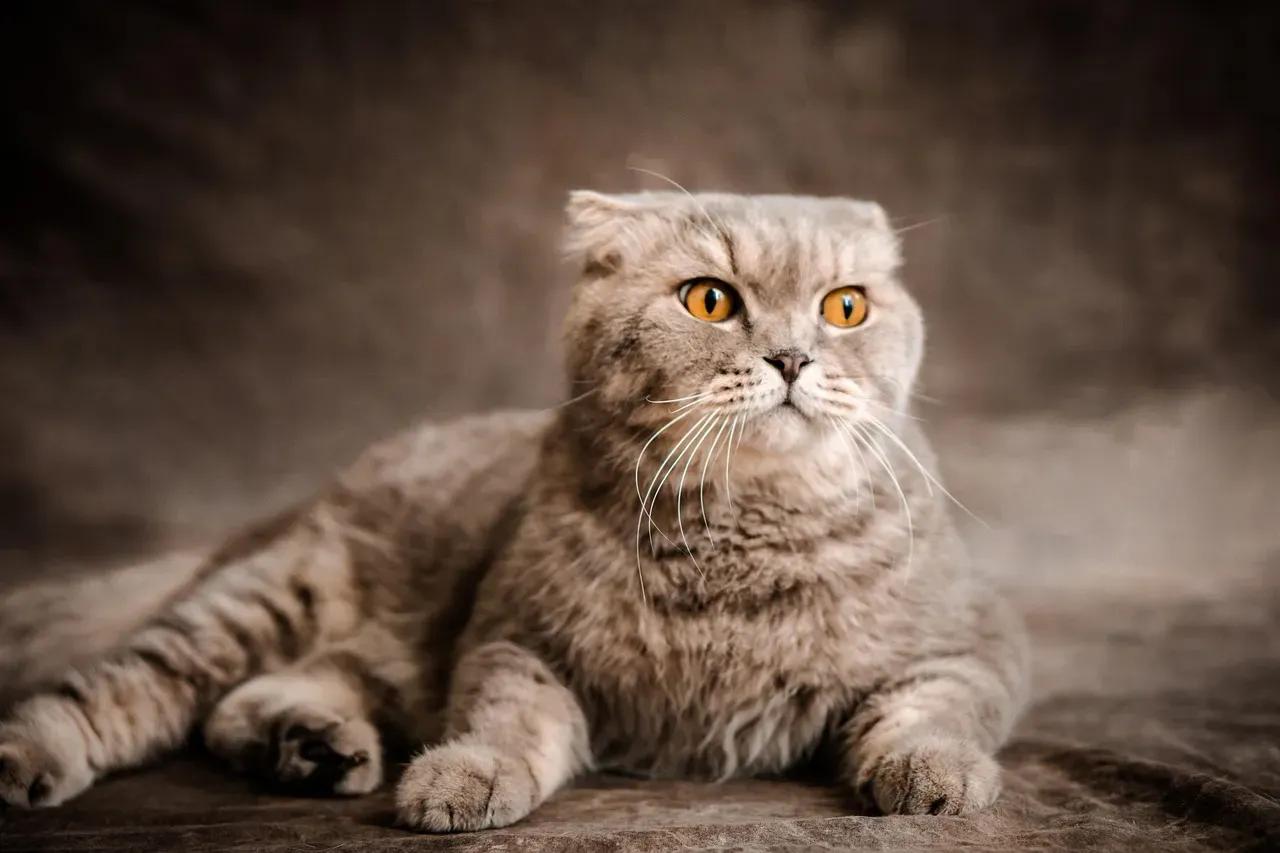
Instantly recognised by their folding forward ears, the Scottish Fold is an affectionate and gentle companion breed that gets along with both children and other pets, lovable, friendly and gentle, craving companionship and attention. Their distinctive appearance matches their sweet temperament perfectly, and they’re known for forming deep bonds with their owners.
With their folded ears and sweet expressions, Scottish Folds are among the most affectionate cat breeds, known for their quiet nature and deep loyalty to their owners. They love being near their humans and often curl up for long, relaxing sessions on their owner’s lap. Their affection is consistent without being overwhelming, making them ideal for people who want a devoted companion that doesn’t constantly vocalize their needs.
British Shorthair: The Independent Observer
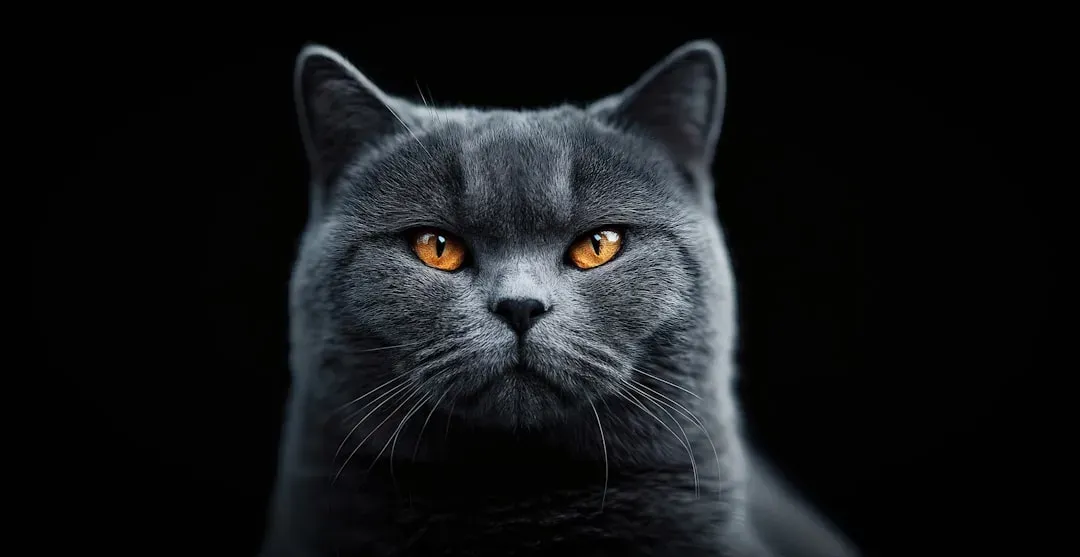
A British Shorthair is an independent cat breed with a laid-back, easygoing personality. The British Shorthair is a rather mellow cat, happy to snooze the day away while you’re at work, and even when awake, British Shorthairs are content to hang out by themselves when alone, gladly warming your lap when you come home for the day.
These sturdy cats are content with their own company, often preferring to observe rather than engage constantly, and are affectionate on their terms, providing companionship without demanding attention. Picture a cat who’s perfectly happy to be your roommate rather than your clingy best friend. They’ll show affection when the mood strikes them, which usually coincides with your arrival home from work, but they won’t follow you into the bathroom or demand constant interaction like some breeds do.
Russian Blue: The Elegant Introvert
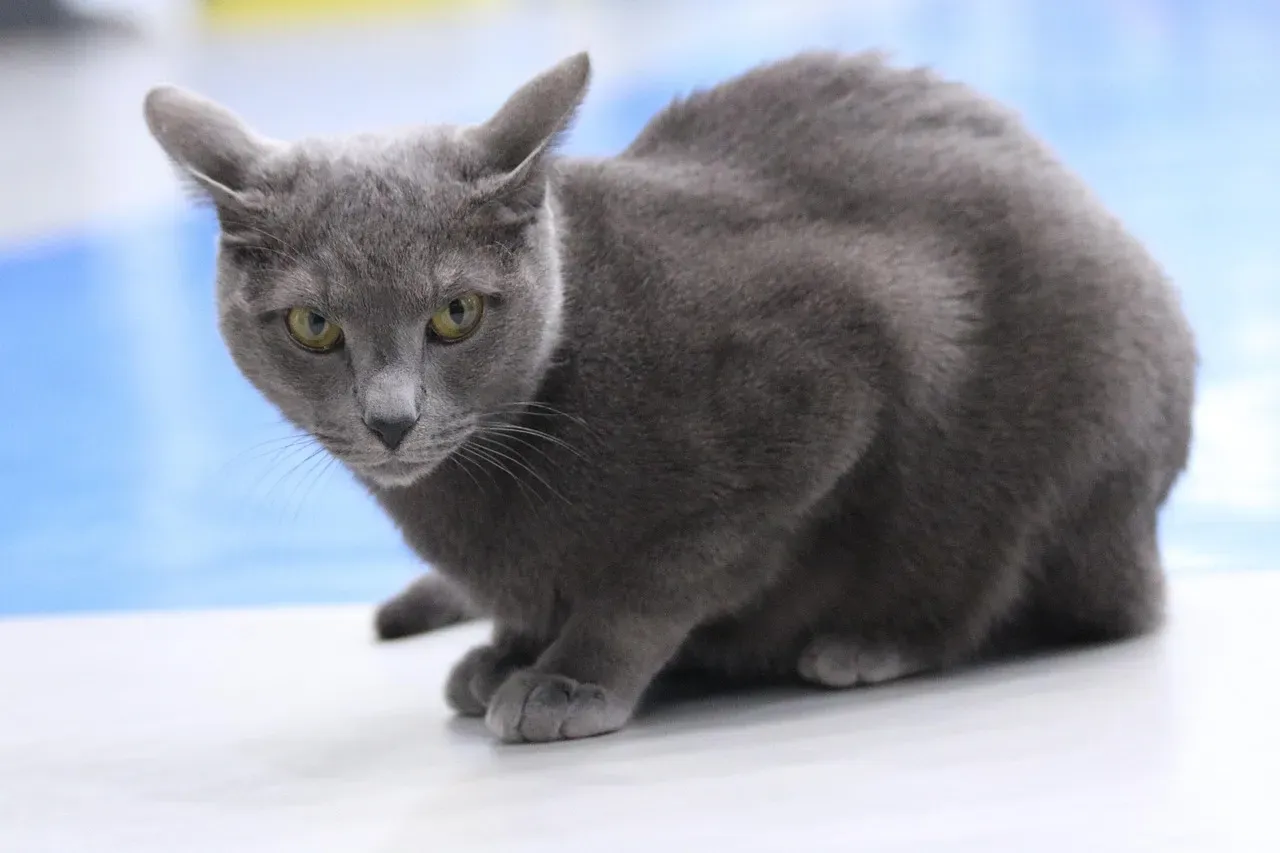
Russian Blues are known for their elegant blue-gray coat and as intelligent, curious, and independent cats, they are an excellent choice for pet parents who want a low-maintenance companion, typically reserved around new people but affectionate to their pet parents. These cats take their time warming up to strangers but form genuine bonds with their chosen people.
The Russian Blue is a beautiful cat breed with a shimmering silver-blue coat, elegant, gentle, and known for their independent nature, bonding with their human companions while happy entertaining themselves when left alone. They’re the introverts of the cat world, honestly. They enjoy your company on their own terms but don’t require constant reassurance or interaction to feel secure.
Norwegian Forest Cat: The Semi-Wild Wanderer
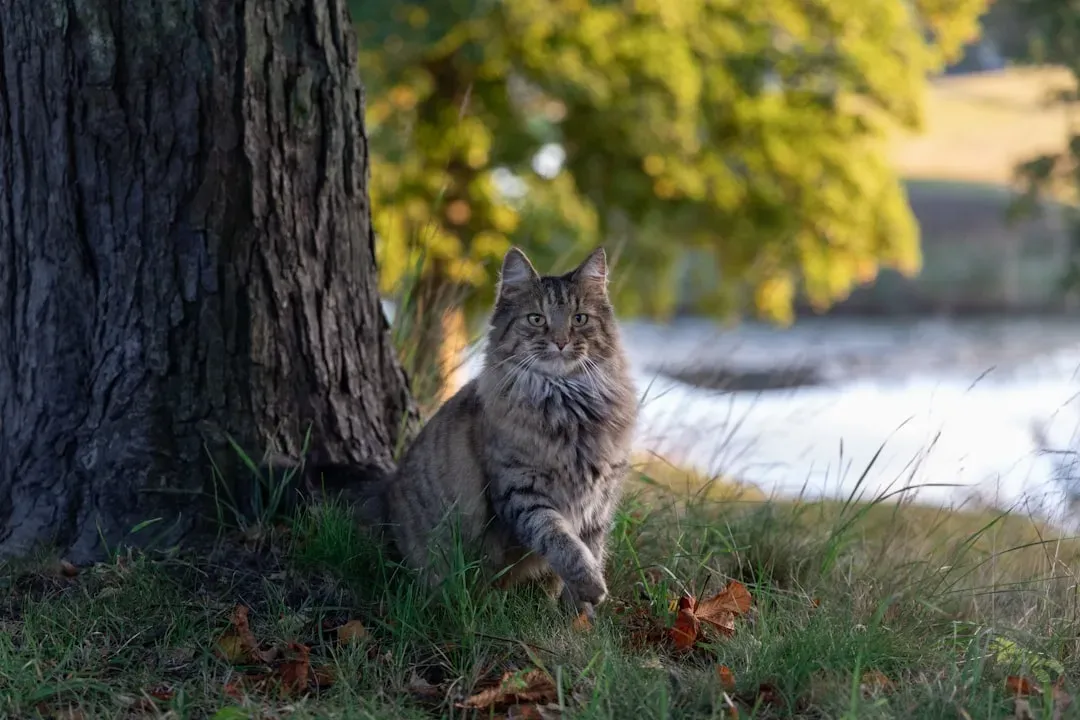
This undemanding cat breed developed naturally in Scandinavia is well known for its gentle and friendly demeanor, and because of their semi-domestic nature, the Norwegian Forest Cats can cope well if their owners are often away. Their thick, weather-resistant coat reflects their hardy, self-sufficient nature.
Adaptable and self-reliant, the Norwegian Forest Cat is built for both indoor and outdoor living, enjoying exploring their environment but equally happy to retreat to a cozy spot alone. A friend to all, the Wegie (as they’re affectionately known) is sociable while still retaining a strong streak of independence. They’re patient and mild-mannered without being needy, making them perfect for people who appreciate and nurture independence in their pets.
Persian: The Luxurious Lounger
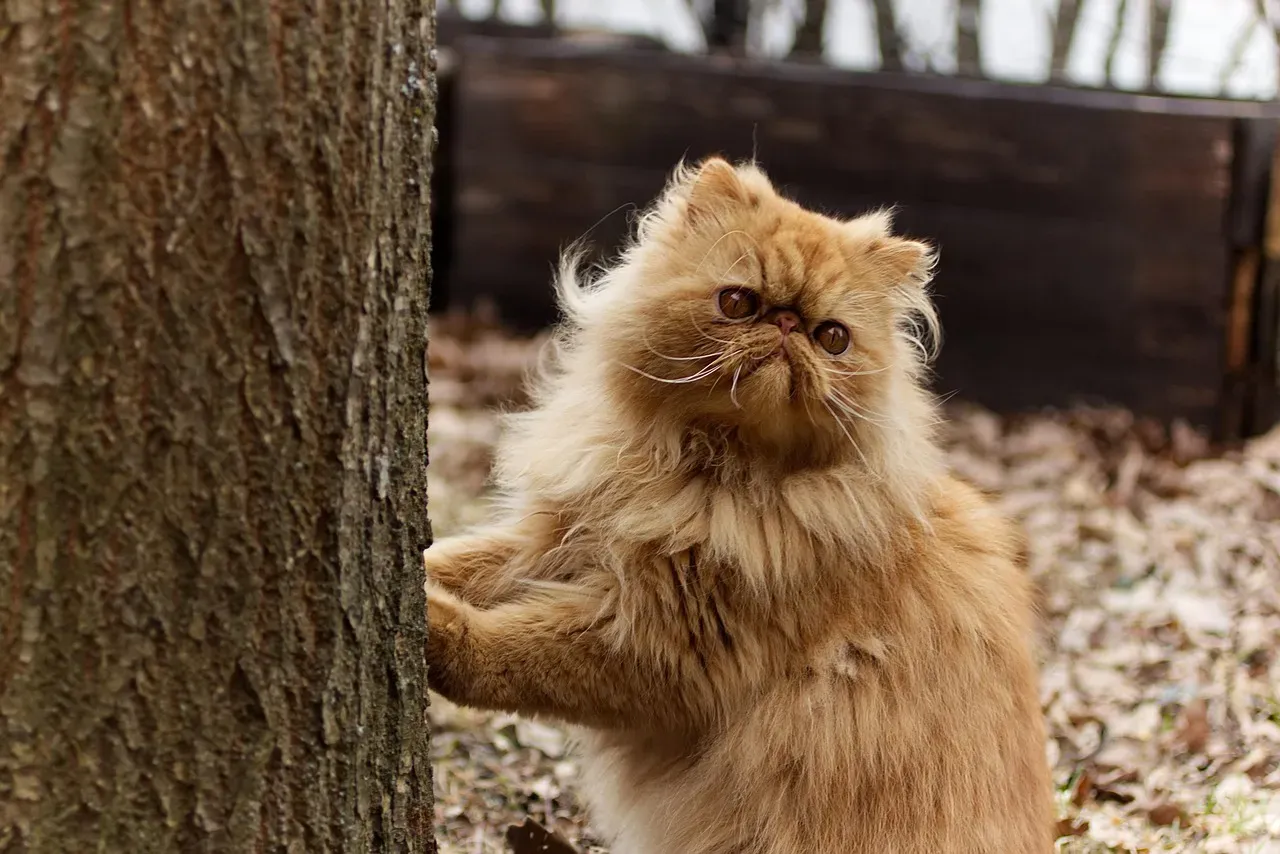
Persian cats are known for their luxurious, long coats and sweet, expressive faces, popular for their affectionate yet independent nature, enjoying the company of their owners but also perfectly content to spend time alone, grooming their magnificent fur or lounging in a favorite spot. Despite requiring significant grooming maintenance, their personality is surprisingly low-key.
The Persian is a placid breed that is prone to bursts of kitten-like energy, liking to stretch out next to their owner, sleep in their family’s beds and sit on their laps when they are in a relaxed mood. They’re calm enough to be content without constant stimulation, making them excellent companions for quieter households or people who work from home but can’t be constantly interactive.
American Shorthair: The Balanced Buddy
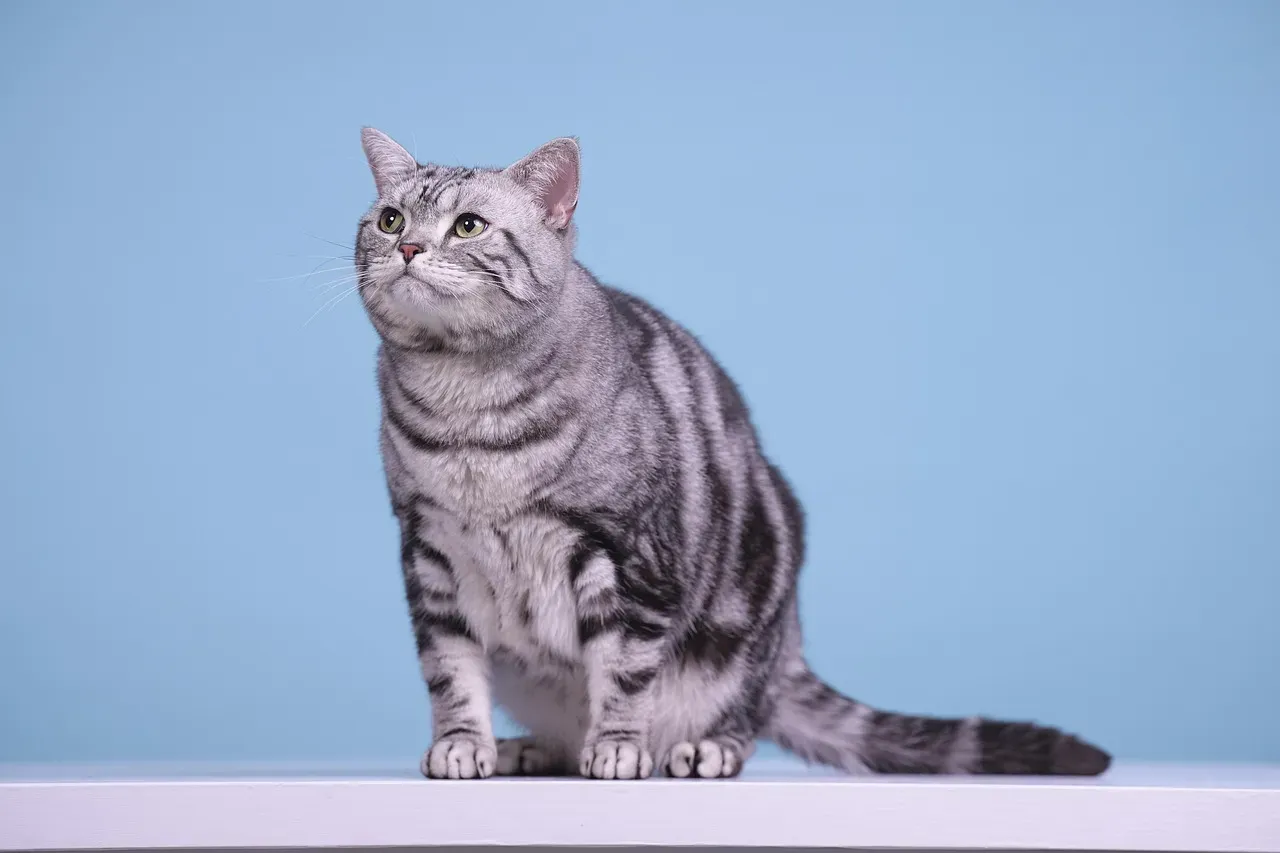
The American Shorthair is the best of both worlds for people who want a snuggle buddy who is also not too clingy, liking to come and get their attention on their terms but also perfectly happy with being left alone occasionally to pursue their own activities. They represent that perfect middle ground between affectionate and independent.
American Shorthairs have a long history with humans showing they’re very resilient and independent, and while many are known to be very affectionate with their owners, they do well by themselves and don’t mind spending time alone. Think of them as the diplomats of the cat world. They’ll happily engage when you’re available but won’t hold grudges or become anxious when you need to focus on other things.
Bengal: The Active Explorer
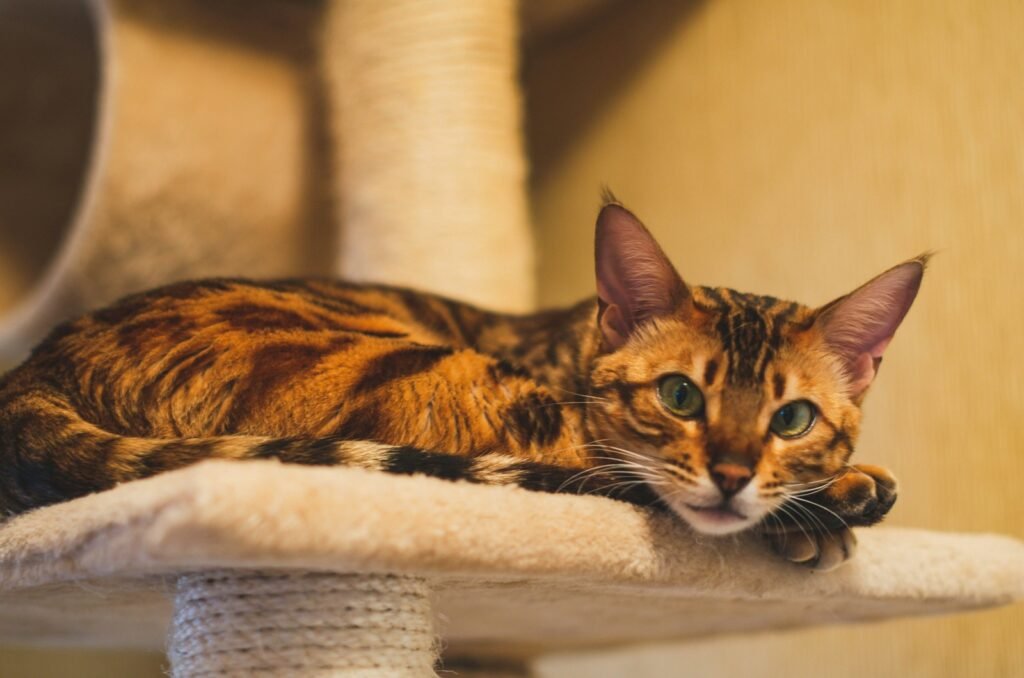
Bengal cats are an independent-minded breed that is remarkably unfazed by fellow pets, young children, or generally hectic homes, though potential owners should take care to first introduce these cats to new things gently. Bengals are active and intelligent, often engaging in solitary play and exploration, and while they enjoy interaction, they also need ample alone time to satisfy their curious minds.
Their wild-looking spotted coats reflect their energetic, independent spirits. These cats need environmental enrichment and plenty of space to explore, climb, and hunt (even if it’s just hunting toy mice). They’re social on their own terms but equally content to entertain themselves with puzzles, toys, and exploration rather than demanding your constant attention.
Abyssinian: The Curious Self-Entertainer
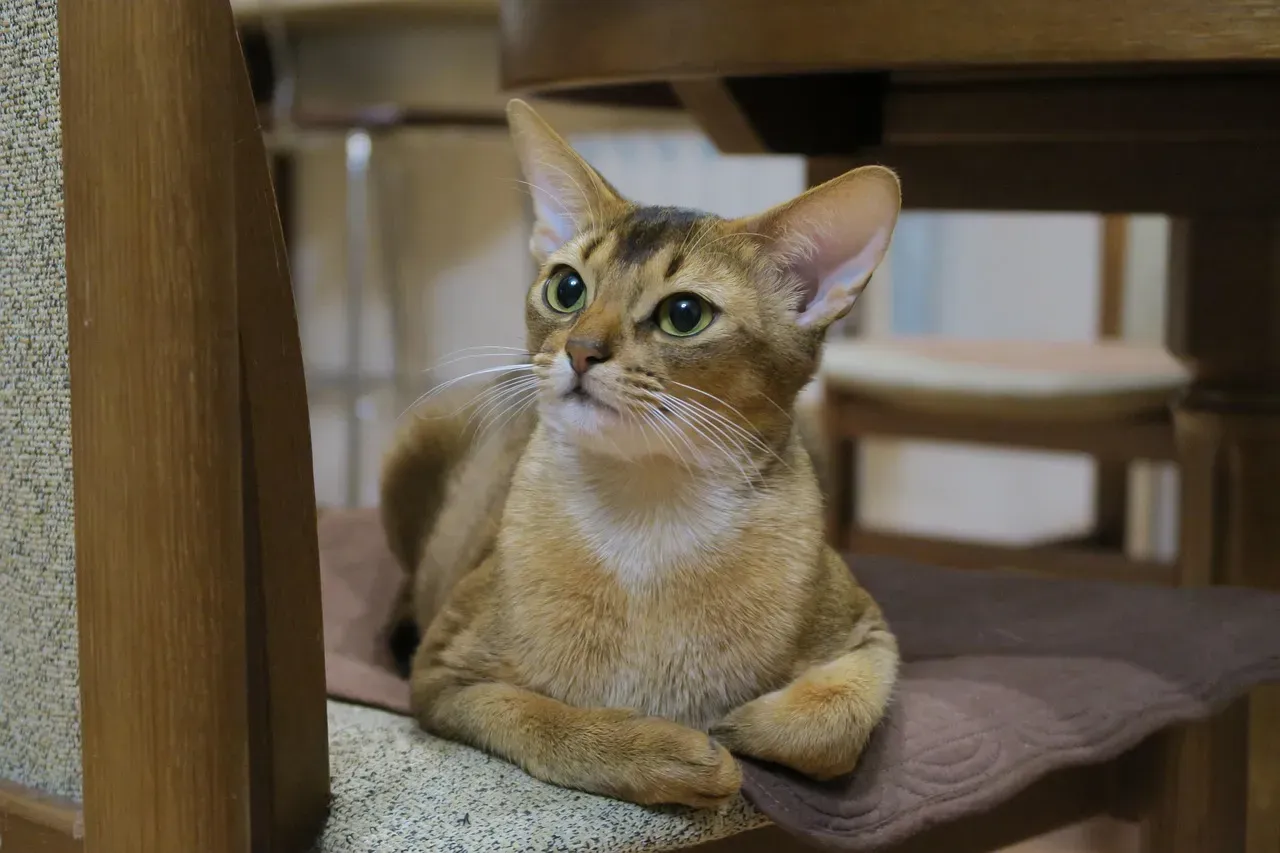
An ancient breed that retains its instincts as a solitary hunter, the Abyssinian is affectionate and enjoys spending time with their humans, but their independent streak keeps them from being clingy. Abyssinians are very intelligent and curious cats, tending to have a lot of confidence, so rather than demanding your attention, they often prefer exploring their surroundings.
Engaging companions for people of all ages, Abyssinians prefer to be in the presence of their humans, but they won’t hold it against you if they’re left to their own devices. Their high energy levels mean they need plenty of interactive playtime and environmental enrichment, yet they’re perfectly capable of entertaining themselves when you’re busy. They’re the adventurers who happen to share your space rather than cats who need your constant supervision.
Finding Your Perfect Match
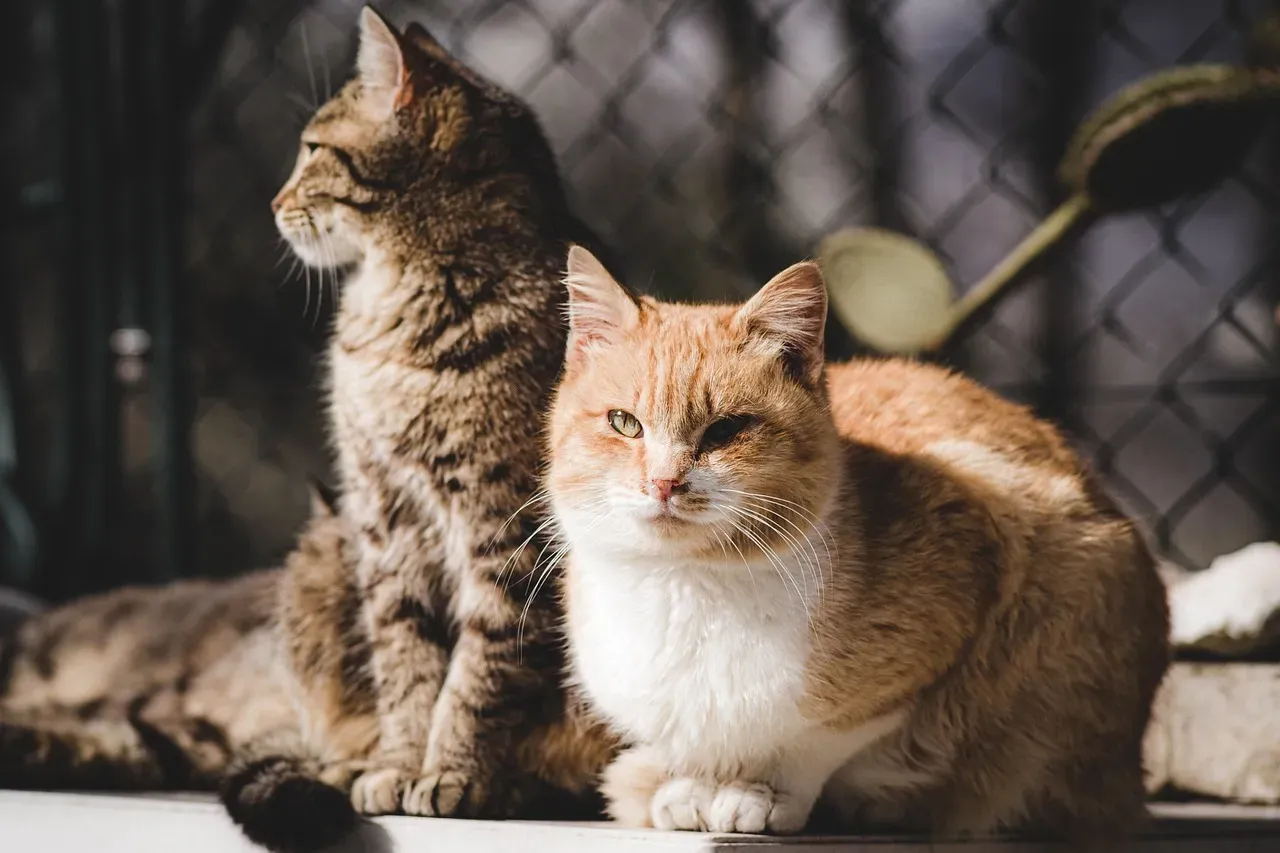
Choosing between a shadow cat and an independent guardian really comes down to your lifestyle and what you need from a feline companion. If you work from home, live alone, or simply adore constant feline interaction, those clingy breeds will fill your life with warmth and companionship. Their devotion is genuine and unwavering, even if it sometimes means sacrificing bathroom privacy.
On the flip side, if you travel frequently, work long hours, or simply value your personal space, the independent breeds offer affection without the guilt trip. They’re equally loving but respect boundaries in ways that clingy breeds simply cannot. Neither personality type is superior, honestly. It’s about matching energy levels and expectations. Your perfect cat is out there waiting, whether they’re planning to become your shadow or your dignified observer from across the room. What matters most is choosing a breed whose natural tendencies align with what you can realistically provide. Have you figured out which type matches your lifestyle? The right choice will make all the difference in creating a harmonious household where both you and your feline friend can thrive.