Have you ever wondered why your feline friend pounces on feather toys like their life depends on it, while your neighbor’s cat barely lifts a paw? Here’s the thing: your cat isn’t being difficult or lazy. They’re simply revealing their unique play personality, a fascinating aspect of feline behavior that more owners are beginning to understand.
Your cat’s play behavior is more than just entertainment – it’s instinct, exercise, and communication all rolled into one. Just like us humans have different hobbies and interests, your whiskered companion has their own preferred way of engaging with the world around them. Some are natural born athletes who can’t resist a fast-moving target, while others prefer the patient art of observation. Understanding which category your furry friend falls into can transform your relationship and make playtime infinitely more satisfying for both of you. So let’s dive in and discover what makes your cat tick.
The Science Behind Feline Play Styles
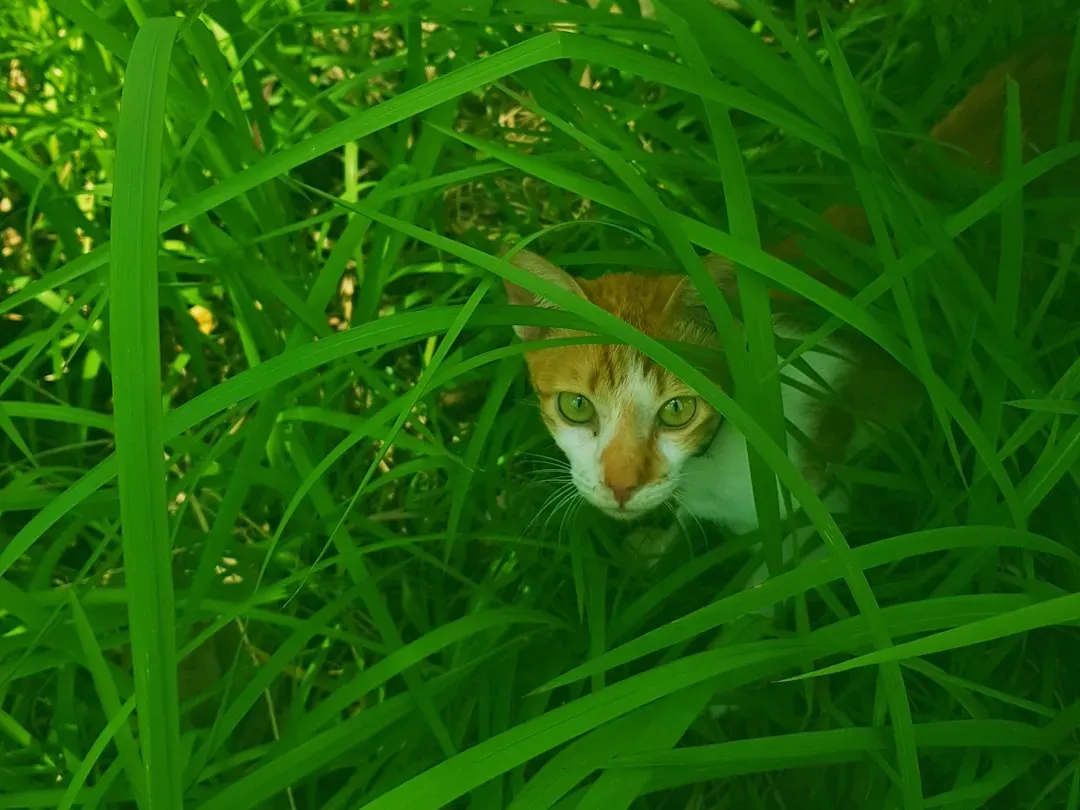
Cats are predators, which means exploring methods of play that engage their hunting instincts is essential, and cats all have different hunting styles with their individual style eliciting the best response if you cater to their specific preferences. Think of it this way: not every cat hunts the same way in the wild, so why would they all play identically in your living room?
Predatory play is the most common type, involving stalking, chasing, and pouncing on toys – or sometimes your toes, and this predatory play is instinct-driven and crucial for mental stimulation. Your cat’s brain is literally wired for the hunt, even if the closest they’ve come to catching real prey is nabbing that catnip mouse from under the couch. The beauty lies in recognizing that each feline expresses these instincts differently based on their individual personality.
Meet the ‘Chasers’: High-Energy Hunters
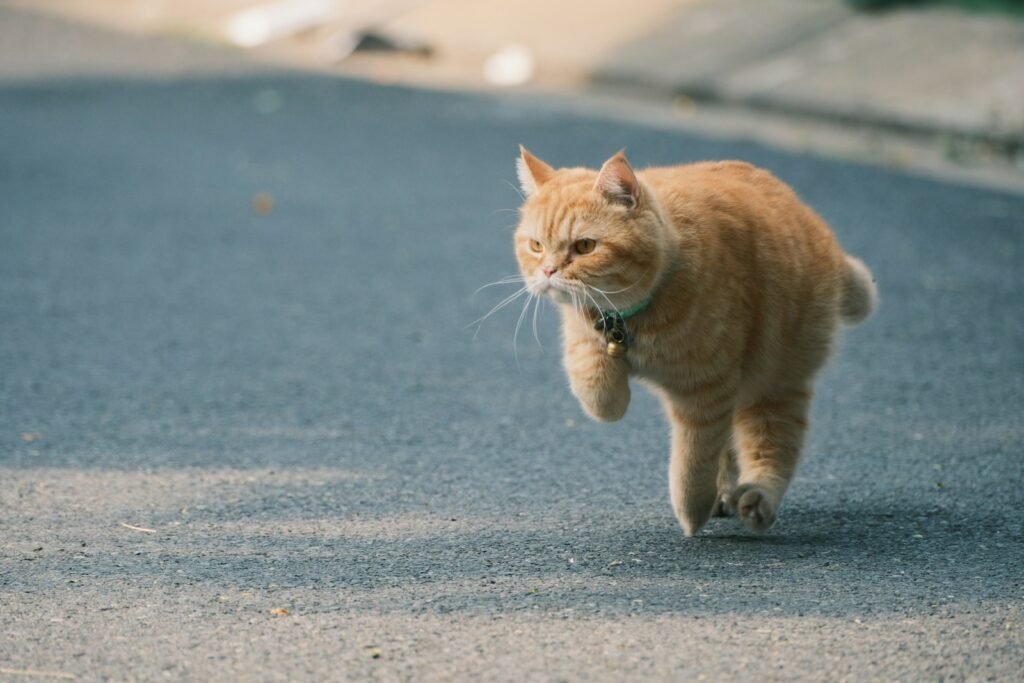
Chasers are the athletes of the cat world. When potential prey is spotted, the cat gets low to the ground and creeps toward it trying to remain undetected, and once the cat believes it is within striking distance, or if the prey notices and bolts, the cat will give chase at full speed. If your cat loses their mind over anything that moves quickly across the floor, congratulations, you’ve got yourself a chaser.
These are the cats who become absolutely electric when you pull out a wand toy. Some cats are excited by toys waved through the air, while others prefer to play with toys they can chase along the ground, and experimenting with different toy types and movements helps find the best fit for your cat. They’re the ones doing parkour off your furniture at three in the morning, practicing their hunting skills on imaginary prey. Let’s be real, living with a chaser means accepting that your home has become their personal racetrack.
The ‘Watchers’: Patient and Strategic
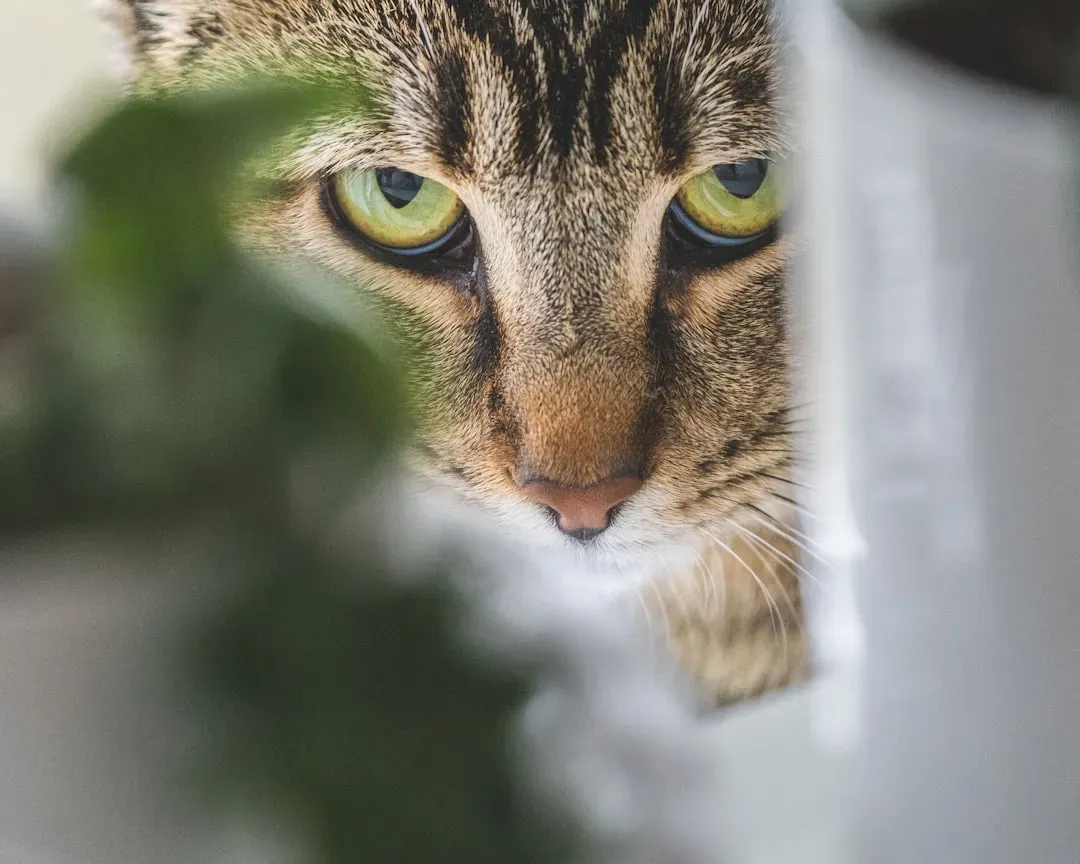
On the flip side, you’ve got the watchers. Sometimes a cat prefers ambush and will crouch in a likely spot – perhaps with eyes glued to the mouse hole – and wait with infinite patience for prey to appear, and cats may return time after time to areas where their hunts have been successful. These are your contemplative felines, the ones who seem to spend hours staring at absolutely nothing.
Watchers aren’t lazy or disinterested. They’re strategic. Some cats prefer to ambush their prey, hiding and waiting patiently for the right moment before leaping onto their prey. If your cat’s favorite game involves lurking behind furniture and surprise-attacking passing ankles, you’ve got a classic watcher on your hands. They’re playing chess while the chasers are playing tag.
The ‘Acrobats’: Vertical Hunters Who Love Heights
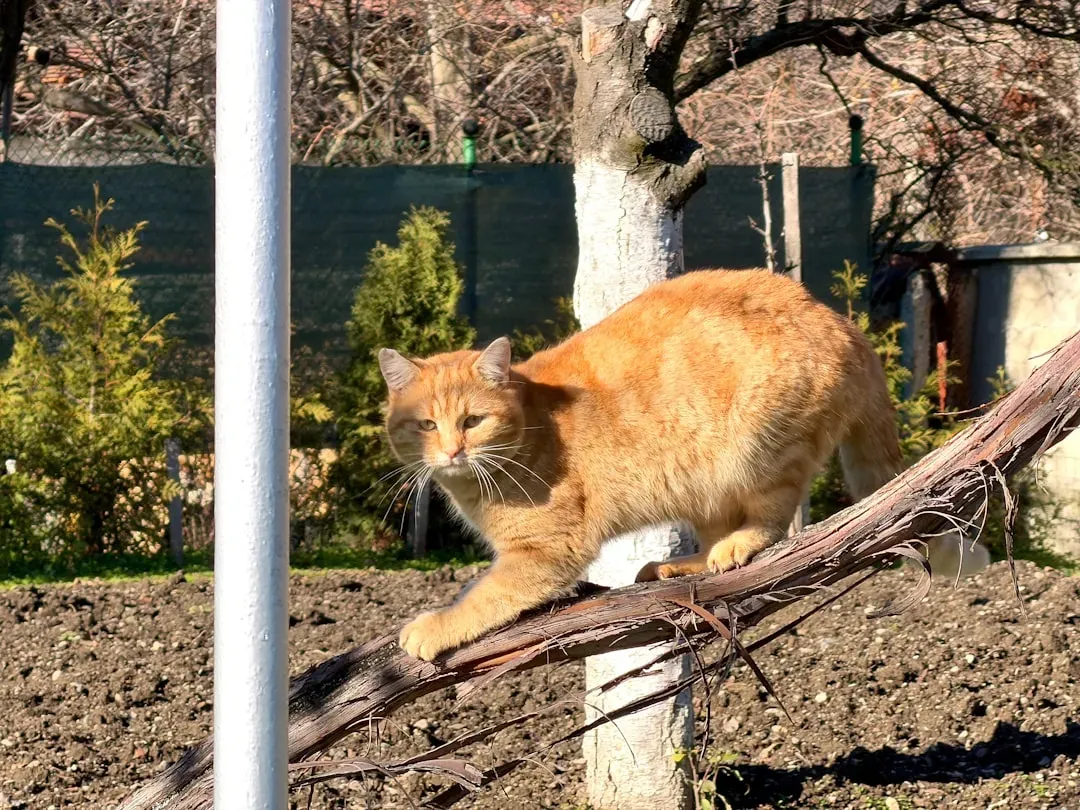
Acrobats are household gymnasts who scale bookshelves, chase shadows across the wall, and leap midair to snatch dangling toys, being agile, energetic, and sometimes a little mischievous as they love showing off their athletic skills. Does your cat treat your curtains like a climbing wall? You might have an acrobat.
These cats need vertical space to truly thrive. They’re not satisfied with ground-level entertainment when there’s a perfectly good bookshelf to conquer. Wand teasers, feather toys, climbing towers, and wall-mounted play gyms are perfect for Acrobats. Honestly, I think acrobats see your home as one giant jungle gym, and who are we to argue with that level of enthusiasm?
The ‘Lurkers’: Masters of Hide and Seek
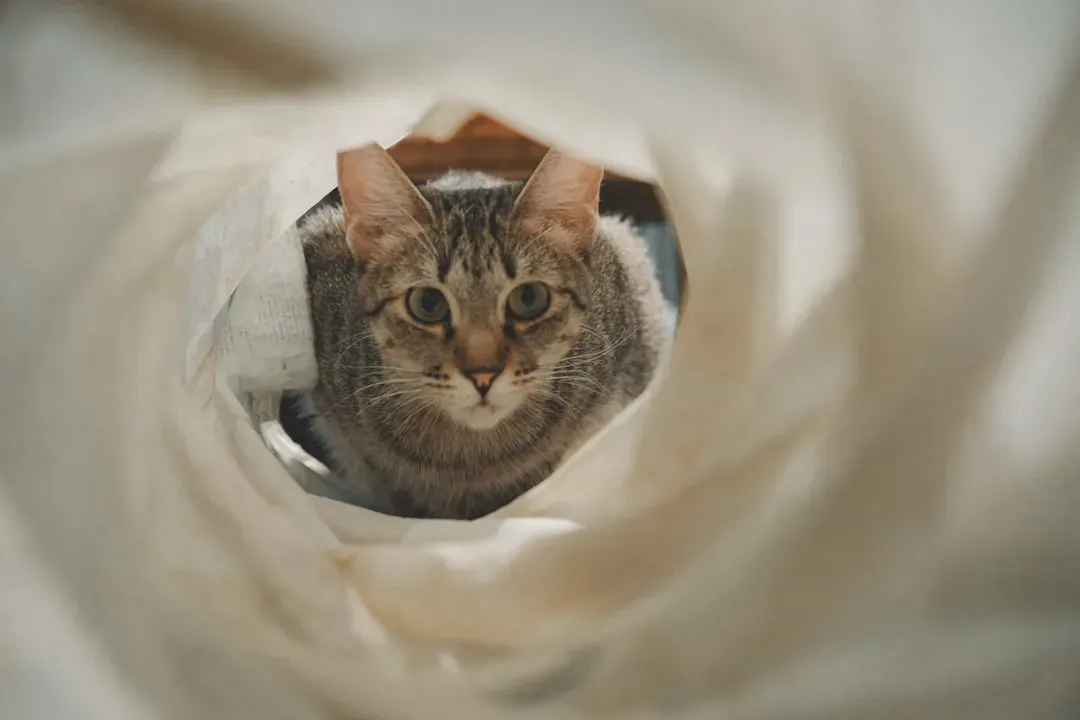
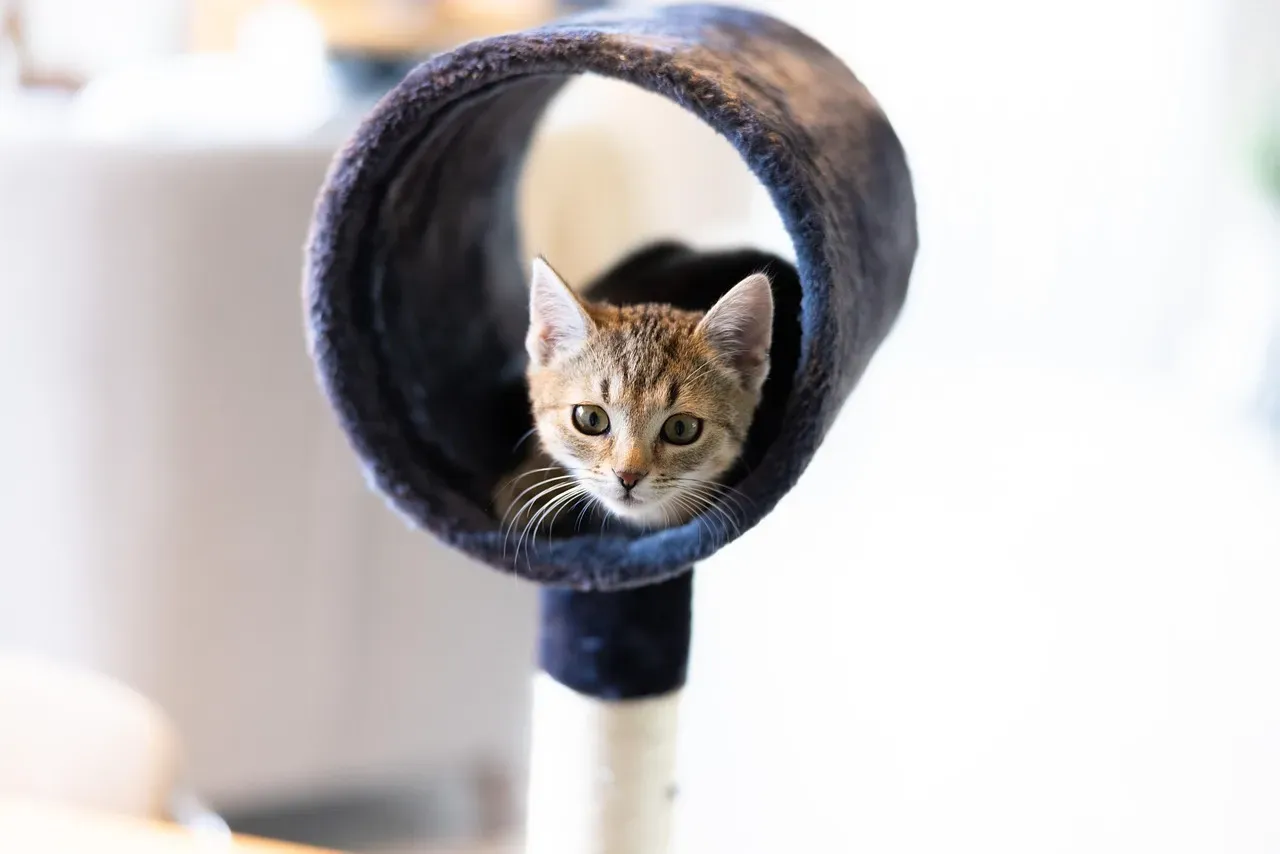
Some cats are excellent at hiding and bursting out to ambush a playmate or prey, and for these types of personalities, you should choose cat furniture that lets them hide, such as a tunnel, cat condo, or even a cardboard box or blanket fort. Sound familiar? These are your lurkers, the cats who’ve turned hiding into an art form.
Lurkers absolutely adore having multiple hiding spots throughout your home. Tunnels are a feline favorite – providing mystery and unpredictability as well as an opportunity to pursue prey into a burrow, and it’s also the perfect place to stage an ambush on an unsuspecting passer-by. A simple cardboard box can become their command center for hours of entertainment. The appeal lies in the element of surprise, that split second before they pounce that makes their whiskers quiver with excitement.
The ‘Wrestlers’: Close-Combat Specialists
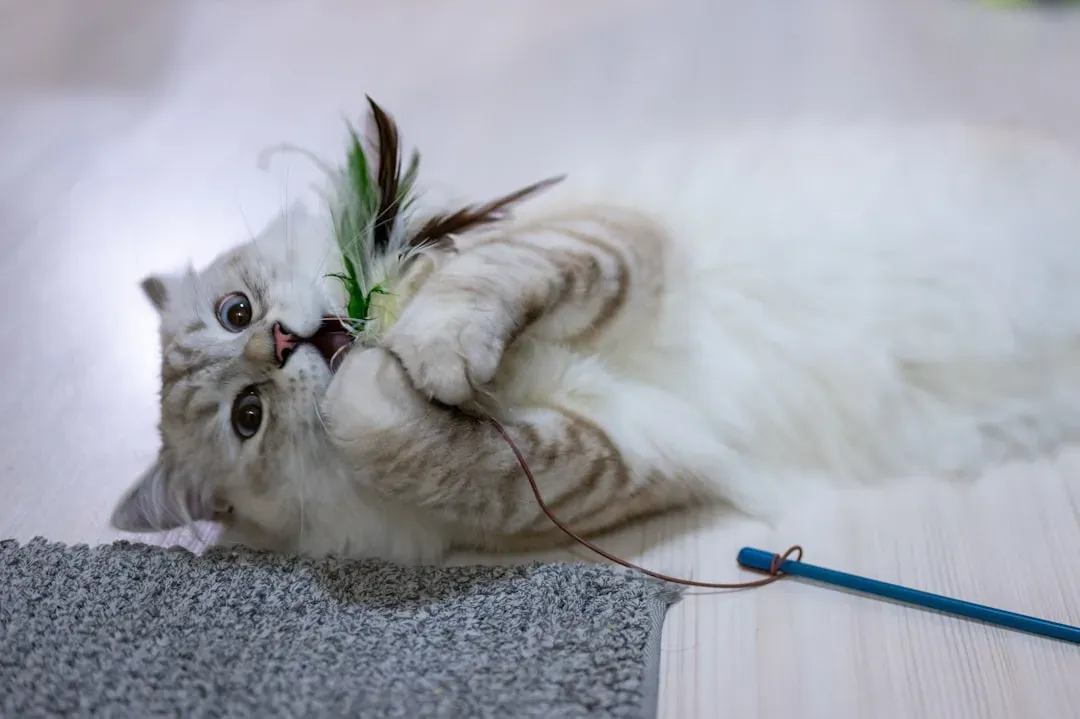
Some cats prefer getting up close and personal with their toys. Their forelegs extend with claws unsheathed to deliver the signature feline killing bite to the neck, and domestic cats often inhibit this bite during play, but the head-shaking motion they use with toys mimics the wild behavior used to snap prey’s spines, explaining why cats prefer toys they can grip between their front paws while killing. These wrestlers want tactile engagement.
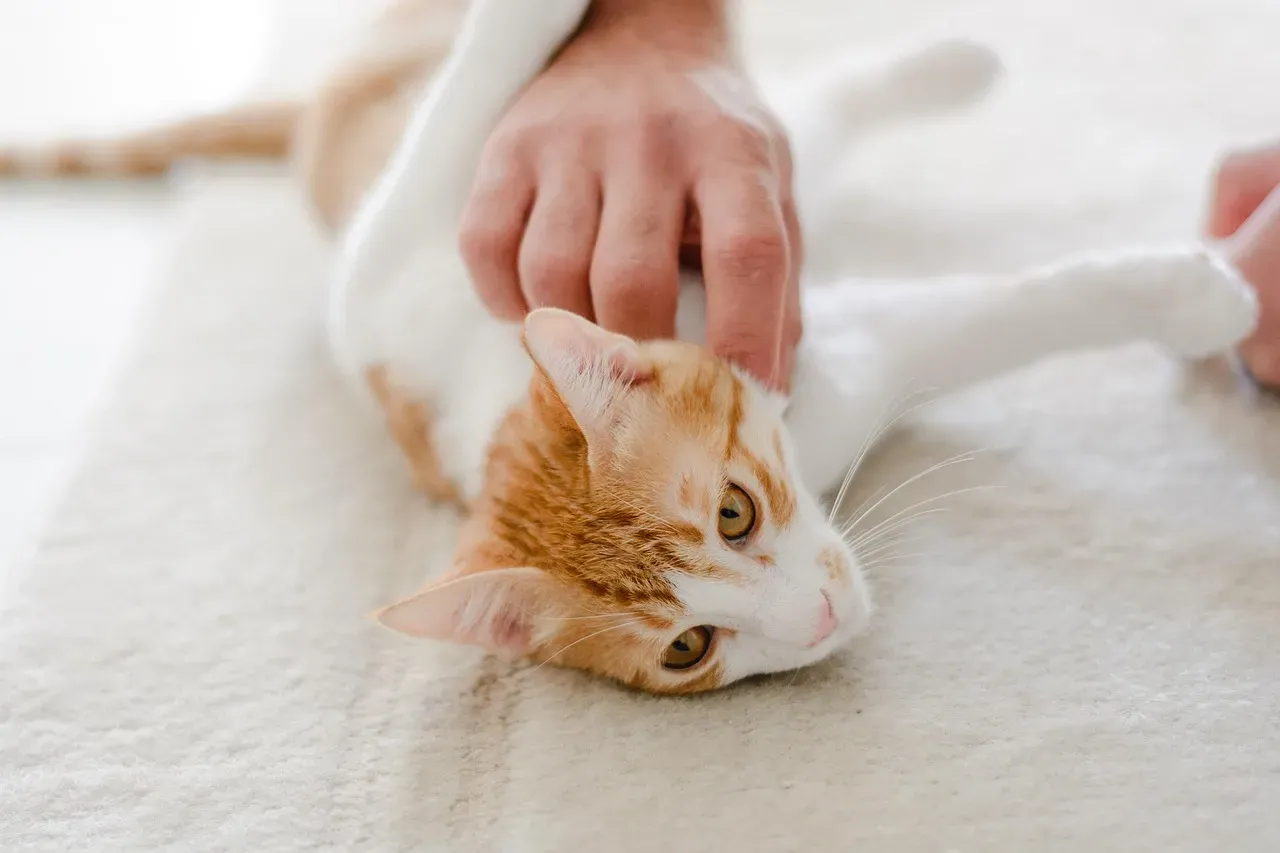
During play, some cats pull a toy into their tummy while on their back, kicking with the back legs and shaking and biting a toy, with the ever-popular toy mice and lightweight furry toys being good choices simply tossed across the floor for your cat to grab and then kick with their rear legs. If you’ve ever witnessed your cat performing this bunny-kick maneuver, you know exactly what we’re talking about. It’s simultaneously adorable and slightly terrifying.
Recognizing Your Cat’s Individual Preferences
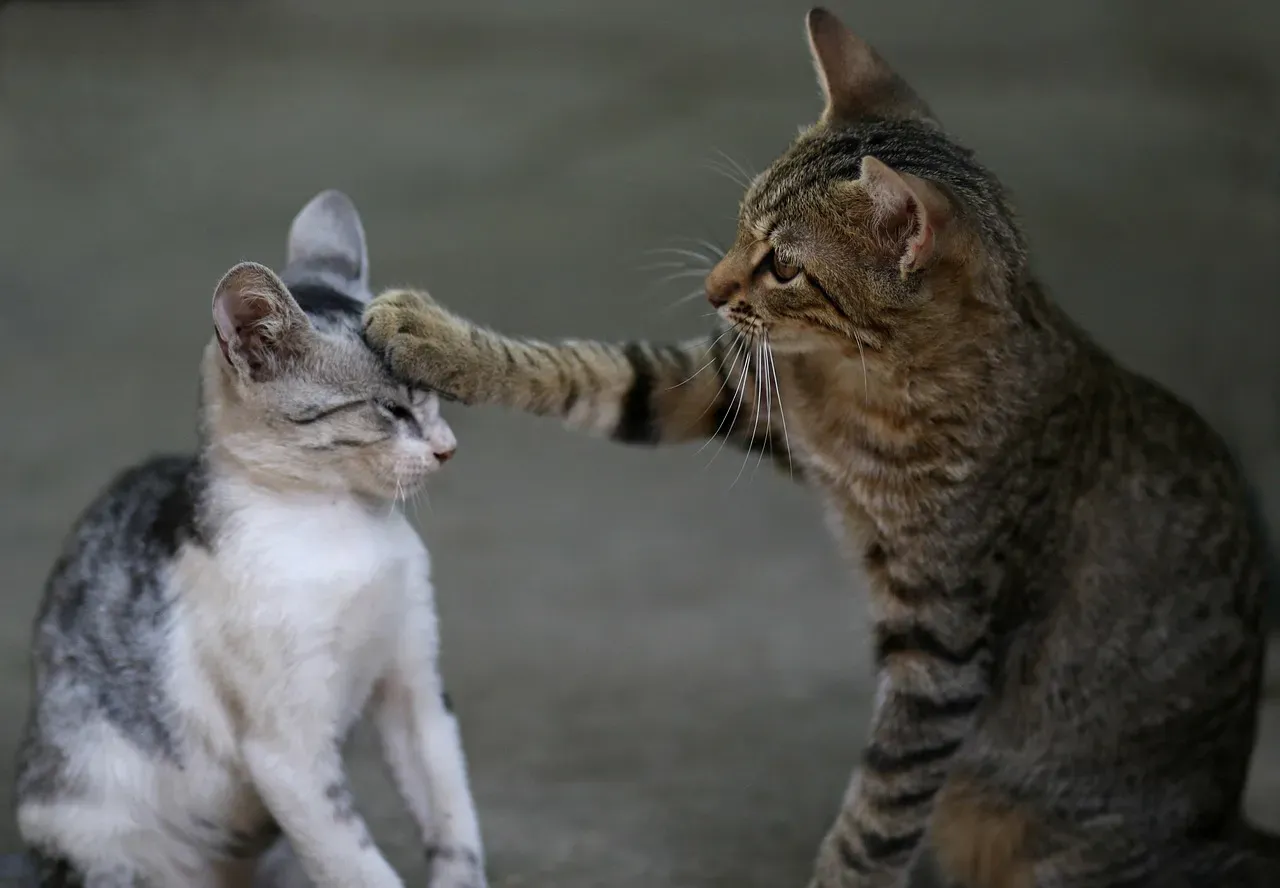
Most cats aren’t just one personality – they often show a mix, but usually lean toward one or two dominant styles. Your cat might be primarily a chaser but occasionally embrace their inner lurker when the mood strikes. That’s completely normal.
Each cat has his or her own individual preference regarding the context for play, and the type of play they most frequently choose to engage in, and understanding your cat’s individual personality and preferences will help you better assess when and how they want to play. Pay attention to what genuinely excites your cat, not what you think should excite them. The difference between tolerating playtime and genuinely loving it often comes down to matching activities to their natural inclinations.
How Play Preferences Change With Age
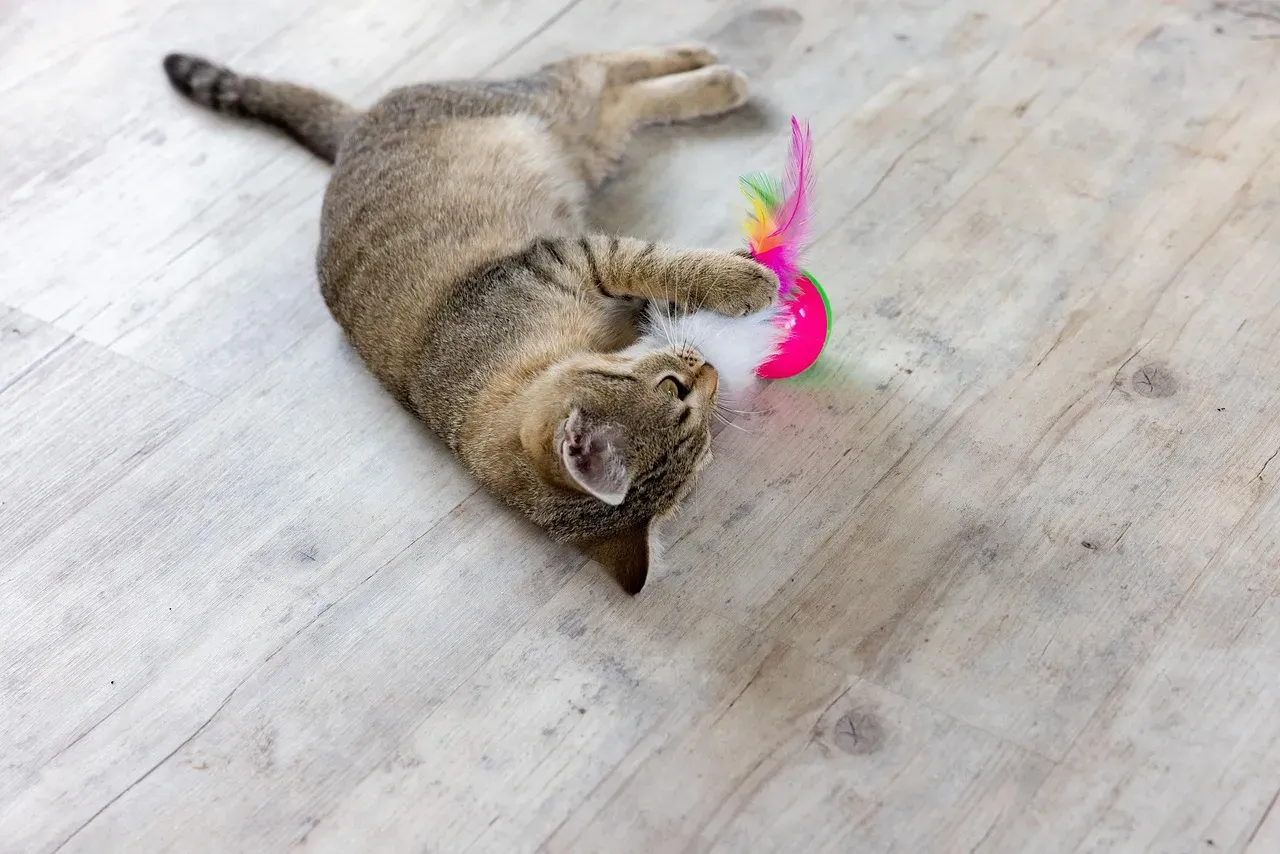
Kittens have endless energy with short, frequent play sessions helping build coordination and trust, adult cats need consistent play to maintain health and reduce boredom, while senior cats still enjoy gentle activity but may prefer slower, shorter sessions. Your sixteen-year-old cat probably won’t be doing backflips off the refrigerator anymore.
Adult cats develop more refined preferences, often favoring toys that match their individual hunting style and energy levels, and senior cats might find gentler movements more appealing while still craving the mental stimulation of successful hunts, with understanding these age-related differences helping explain why the same toy might delight one cat while stressing another. It’s hard to say for sure, but I think many behavior issues in older cats stem from owners not adjusting their play approach as their feline ages.
Why Understanding Play Personalities Matters
Interactive play is so important because it provides exercise, prevents boredom, and helps reduce unwanted behaviors like scratching furniture or nighttime zoomies. You’re not just entertaining your cat, you’re fulfilling a biological need that’s been hardwired into them for millions of years.
A higher number of games regularly engaged with is associated with higher cat-guardian relationship scores, and it’s possible that guardians who report having a low relationship score were less likely to interact with their cat, or that regular engagement in a variety of play is beneficial for improving cat-guardian relationships. The connection between appropriate play and your bond with your cat isn’t just anecdotal – it’s backed by research. When you play with your cat in ways that genuinely resonate with their personality, you’re speaking their language.
Practical Tips for Every Play Personality Type
For chasers, invest in toys that move unpredictably and quickly. Wand teasers, motorised prey toys, kickers, and interactive feeders that mimic the hunt work well, and anything that taps into their instincts will light them up, as hunting-style play is deeply satisfying. Keep sessions relatively short but intense – these cats burn bright and fast.
Watchers benefit from puzzle feeders and toys that reward patience. Puzzle feeders turn snacking into a game – getting their paws moving and their gears spinning, and looking for puzzle feeders that offer a variety of challenges and multiple difficulty levels keeps your cat engaged as their skills improve. Give them problems to solve rather than just things to chase. They’ll appreciate the mental workout just as much as physical activity.
Conclusion: Celebrating Your Cat’s Unique Play Style
When you match play to personality, something magical happens – playtime becomes more than entertainment and becomes a way of truly connecting with your cat. Understanding whether your feline is a chaser, watcher, acrobat, lurker, wrestler, or some delightful combination thereof transforms those daily play sessions from routine obligations into genuine bonding experiences.
The truth is, there’s no right or wrong play personality. Your cat isn’t broken if they don’t go wild for laser pointers or if they ignore that expensive automated toy you bought. They’re simply showing you who they are. The question isn’t whether your cat fits into some predetermined category – it’s whether you’re willing to meet them where they are and play the games they actually want to play. What type of player is your cat? Tell us in the comments below.