Why Do Cats Knead? Unpacking The Comforting Mystery of 'Making Biscuits'
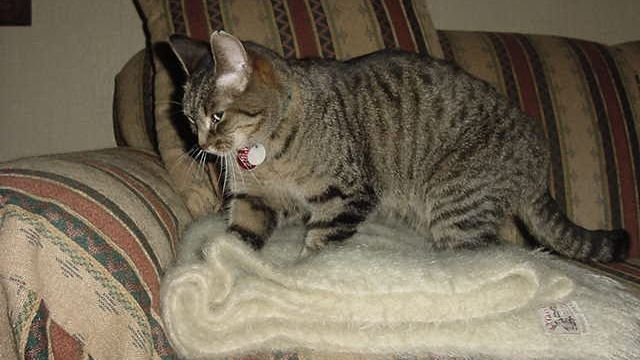
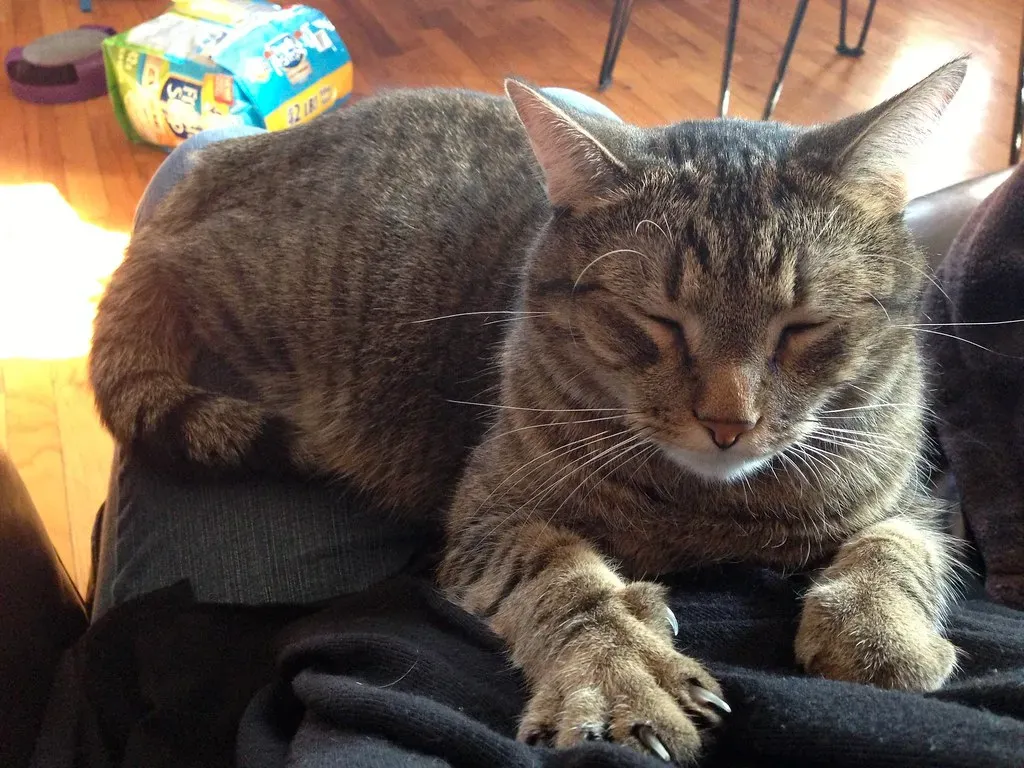
Have you ever settled onto the couch with a warm cup of tea, only to have your cat jump onto your lap and begin rhythmically pressing their paws into your thighs? That adorable yet sometimes painful behavior has puzzled cat lovers for ages. Sure, it looks like your feline friend is preparing dough for an invisible bakery, but what's really going on behind those soft paws and half-closed eyes?
The truth is, while we've shared our homes with cats for thousands of years, some of their quirks still baffle us. Kneading ranks high on that list of charming mysteries. Yet the more scientists and animal behaviorists study this curious habit, the more fascinating explanations emerge. Let's dive into the heartwarming world of cat kneading and discover what your furry companion is really trying to tell you.
The Instinct That Started It All
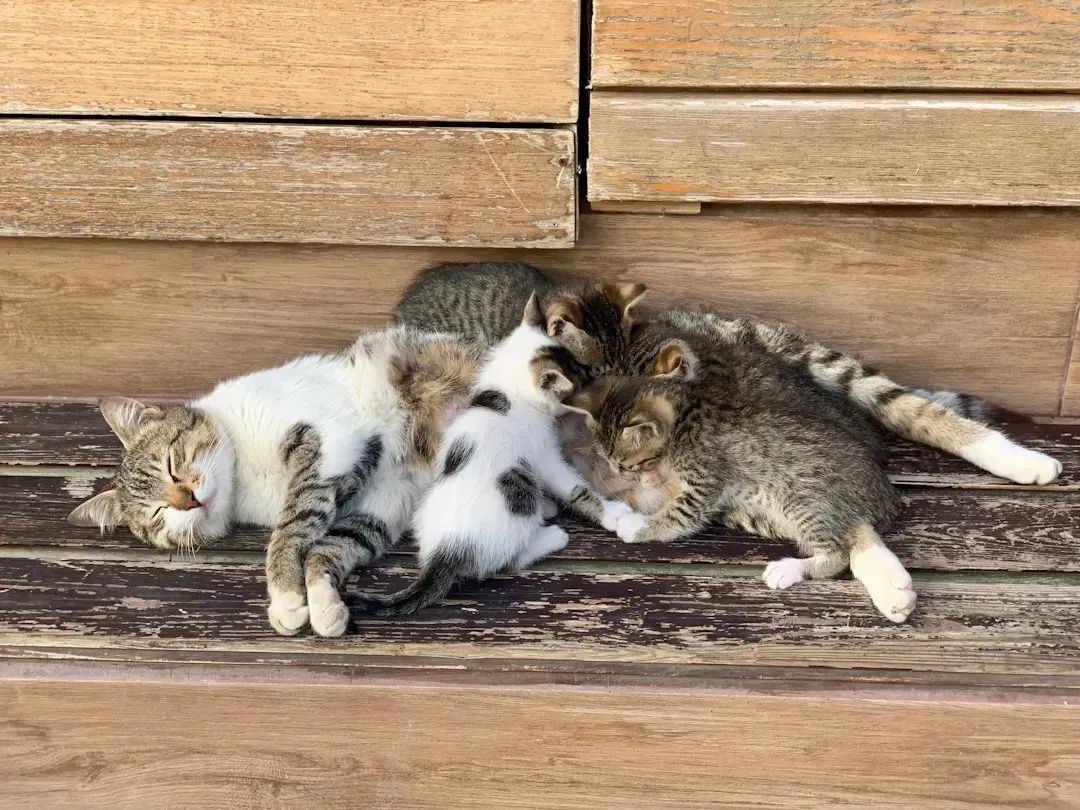
Kittens use a kneading action to stimulate milk production from their mother cat when nursing. This behavior appears almost immediately after birth. Tiny paws press against the mother's belly, creating pressure that encourages milk to flow more freely. It's one of the first survival skills kittens learn, and honestly, it's a pretty clever biological trick.
The kitten's kneading stimulates milk flow and may also release oxytocin, a social bonding hormone, in the mother. So not only does this action help kittens feed, but it also strengthens the emotional connection between mother and babies. Because nursing and being around a mother cat's calming pheromones encourages a sense of contentment in young kittens, many cats will continue to knead into adulthood to create a similar sense of calm and relaxation. That warm, fuzzy feeling from kittenhood sticks around, which explains why your adult cat still hasn't outgrown the habit.
A Soothing Ritual for Anxious Moments
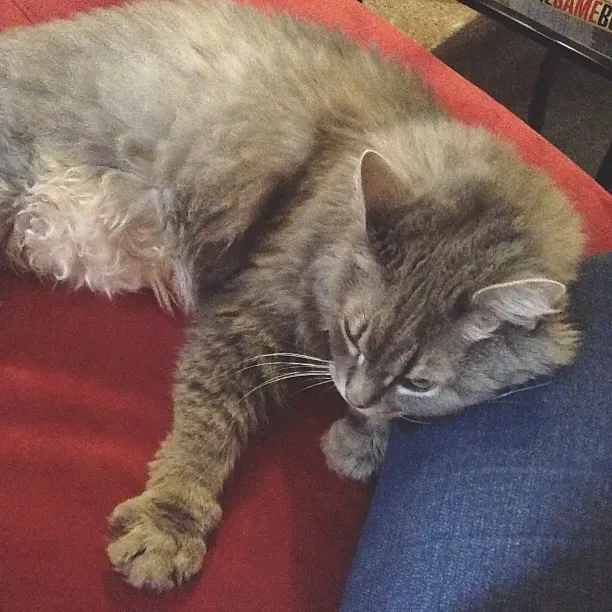
Let's be real, life can be stressful for cats too. Changes in routine, new furniture, unfamiliar guests, or even a rearranged living room can throw them off balance. Many cats knead when they're feeling relaxed, happy, or content. Much like a person might unwind by curling up with a good book under a warm blanket, cats use kneading as a way to relieve tension.
The action of kneading in cats causes the release of the pain-relieving, feel-good chemical dopamine in the brain. Think of it as your cat's version of meditation or a spa day. The repetitive motion offers comfort and helps them self-soothe when they're feeling out of sorts. However, if you notice excessive kneading that seems obsessive or unusual, it might signal underlying anxiety that deserves attention from your vet.
Marking Territory with Invisible Ink
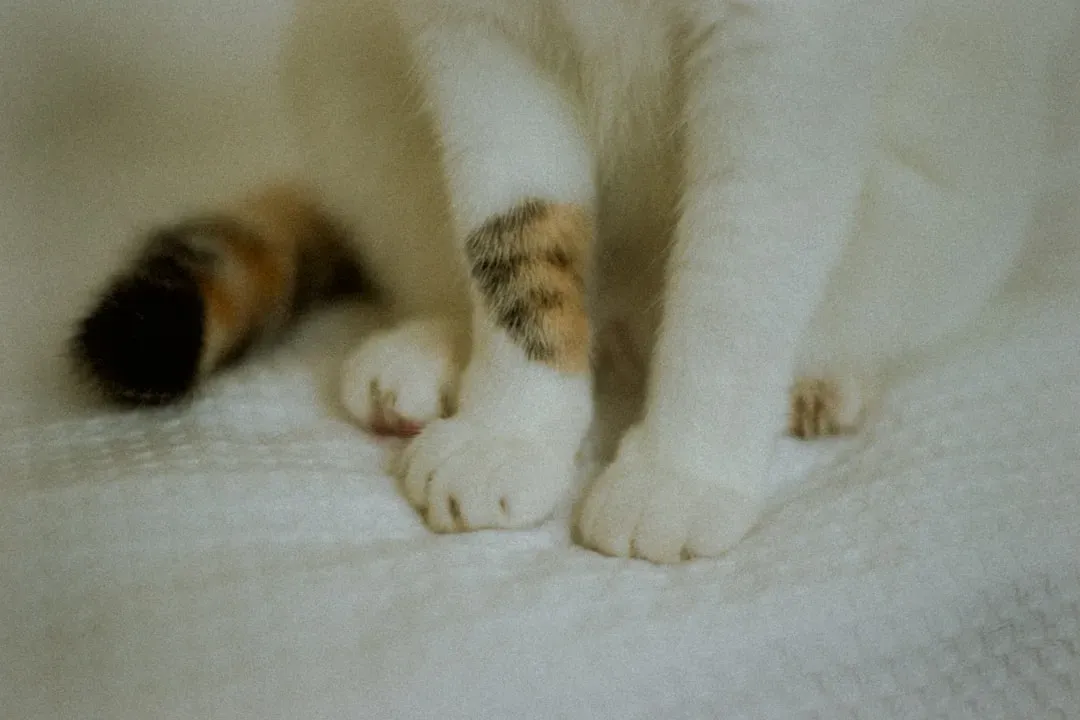
Here's something you probably didn't realize: your cat's paws are equipped with their own signature scent. There are scent glands that release pheromones in their paws. When your cat kneads, they're not just enjoying the moment. They're also leaving behind their unique calling card.
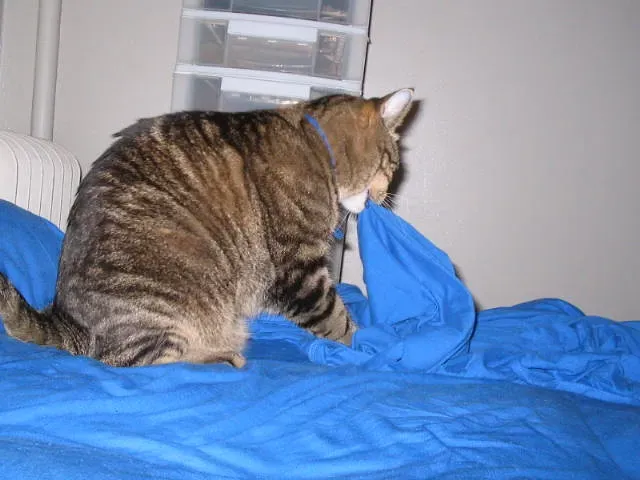
Cats claim blankets and other soft objects as their own by depositing their unique pheromones from the scent glands between their toes on these objects. So when your cat settles onto your favorite blanket and starts making biscuits, they're essentially putting up a tiny "Property of Whiskers" sign. Your cat may also knead to mark you with the pheromone glands in his paws, claiming you as his with his unique scent. Congratulations, you've been officially claimed!
Preparing a Cozy Nest for Naptime
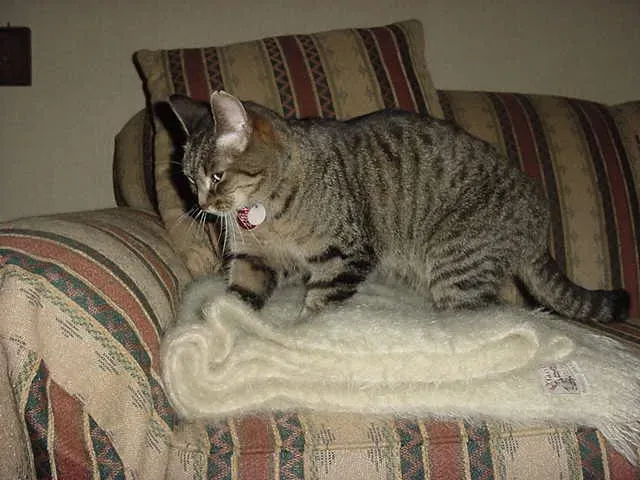
Long before cats became our pampered house companions, their wild ancestors had to make do with whatever sleeping spots nature provided. Kneading may have an origin going back to cats' wild ancestors who had to tread down grass or foliage to make a temporary nest in which to rest. Imagine trying to sleep in tall, scratchy grass without first patting it down into something more comfortable.
Wild feline species will sometimes knead soft grasses and other bedding materials in their natural habitats as they prepare for rest. Even though your modern cat has access to plush beds and heated blankets, that ancient instinct remains hardwired. They're essentially fluffing their pillows, just like you might before settling in for the night. It's hard to say for sure, but this instinctual nesting behavior probably gave wild cats a survival advantage by creating safer, more hidden resting spots.
The Ultimate Compliment from Your Feline Friend
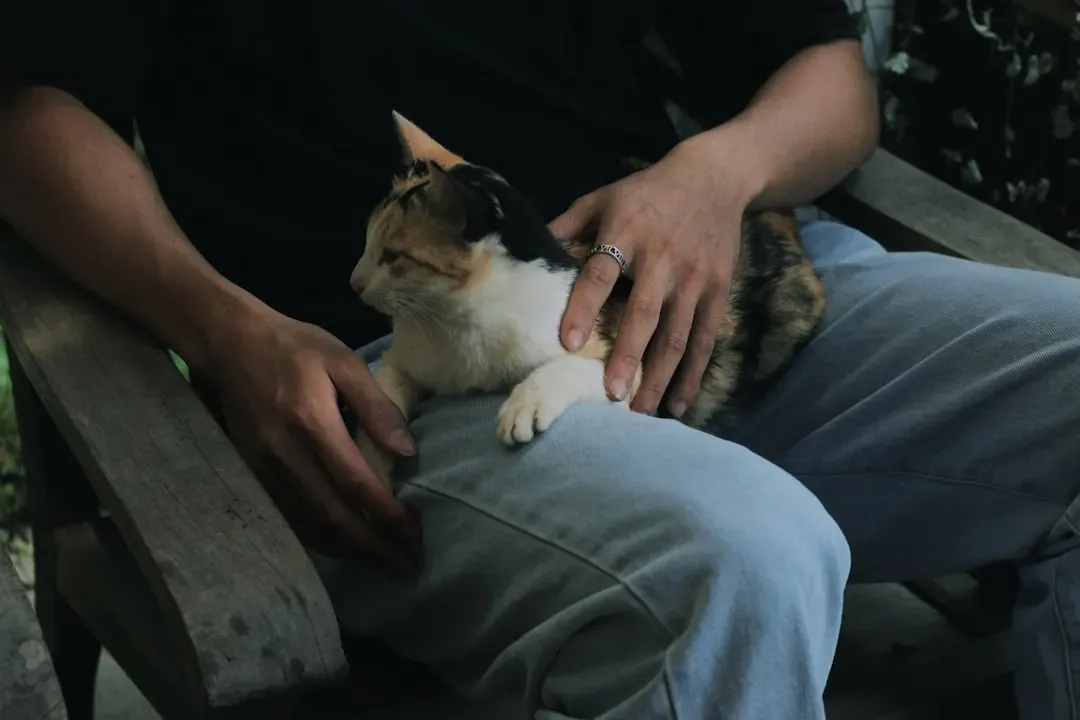
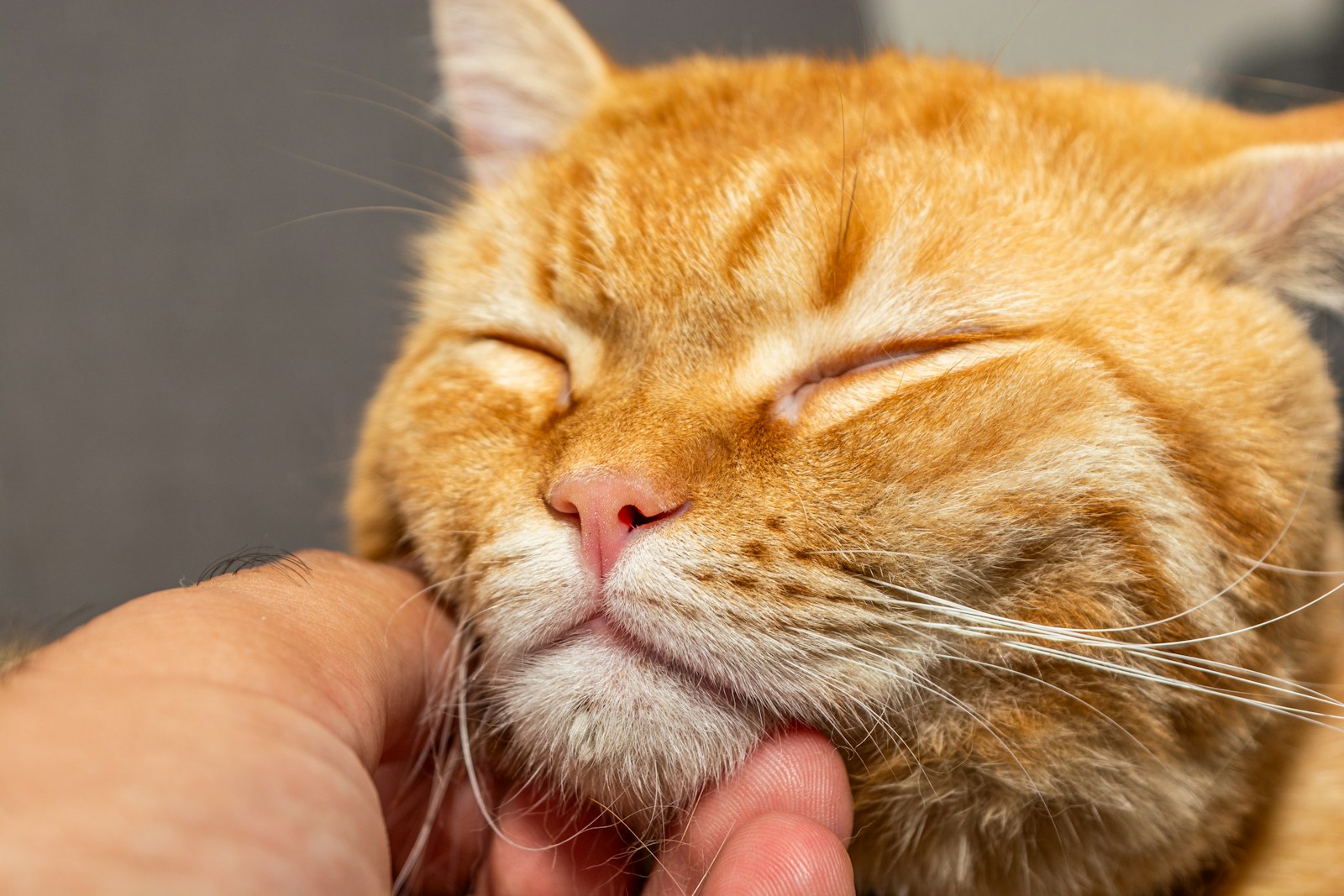
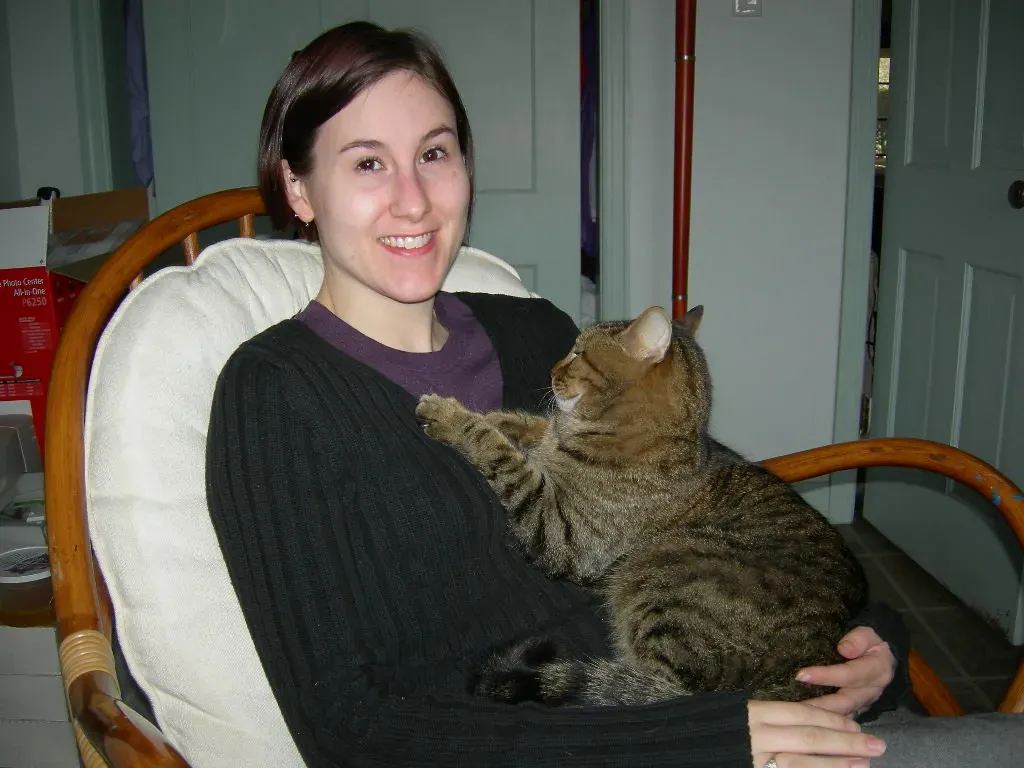
When your cat climbs onto your lap and begins their rhythmic paw pressing, take it as high praise. When your cat kneads you, it can also be a sign of affection, since kneading is a behavior that he performed as a kitten with his mother. Kneading can thus convey a sense of comfort and security with you. Your cat essentially sees you as a source of safety and love.
If a cat kneads on your lap, it's likely because it feels safe around you. Not all cats knead their humans, and that's perfectly normal too. Some felines express their devotion through other behaviors like purring, slow blinking, or simply choosing to sit nearby. The key thing is recognizing that when your cat does knead you, they're sharing something deeply personal and meaningful from their earliest days.
When Kneading Gets a Little Too Enthusiastic
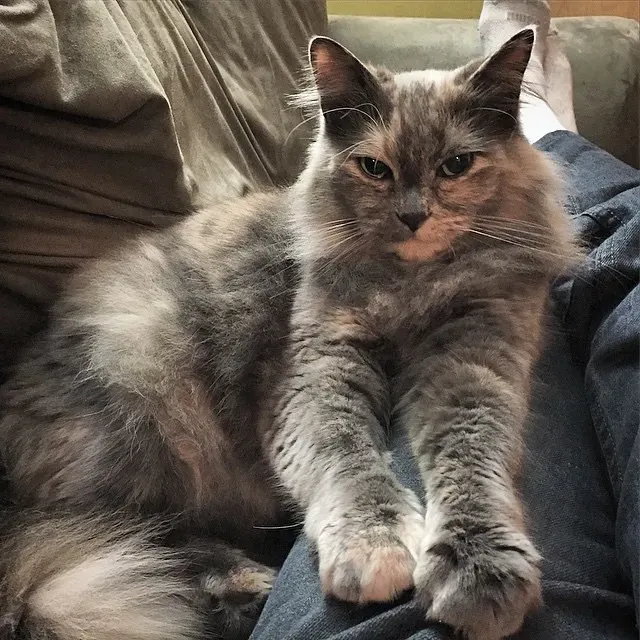
Let's talk about the elephant in the room, or rather, the claws in your lap. The better a cat feels, the harder he or she is likely to knead. It's a bittersweet situation, really. Your cat loves you so much they're practically drilling holes through your jeans, and you're torn between feeling honored and wincing in pain.
Thankfully, you don't have to suffer in silence. If a cat's caregiver finds kneading painful, they can place a thick blanket or cushion on their lap for the cat to sit on and knead, which will help protect them. Keeping your cat's nails trimmed also makes a world of difference. Your cat should never be punished for kneading; do not yell, hit, or spray him with a squirt bottle. Remember, they're not trying to hurt you. They're just enthusiastically expressing their happiness.
The Science of Retained Baby Behaviors
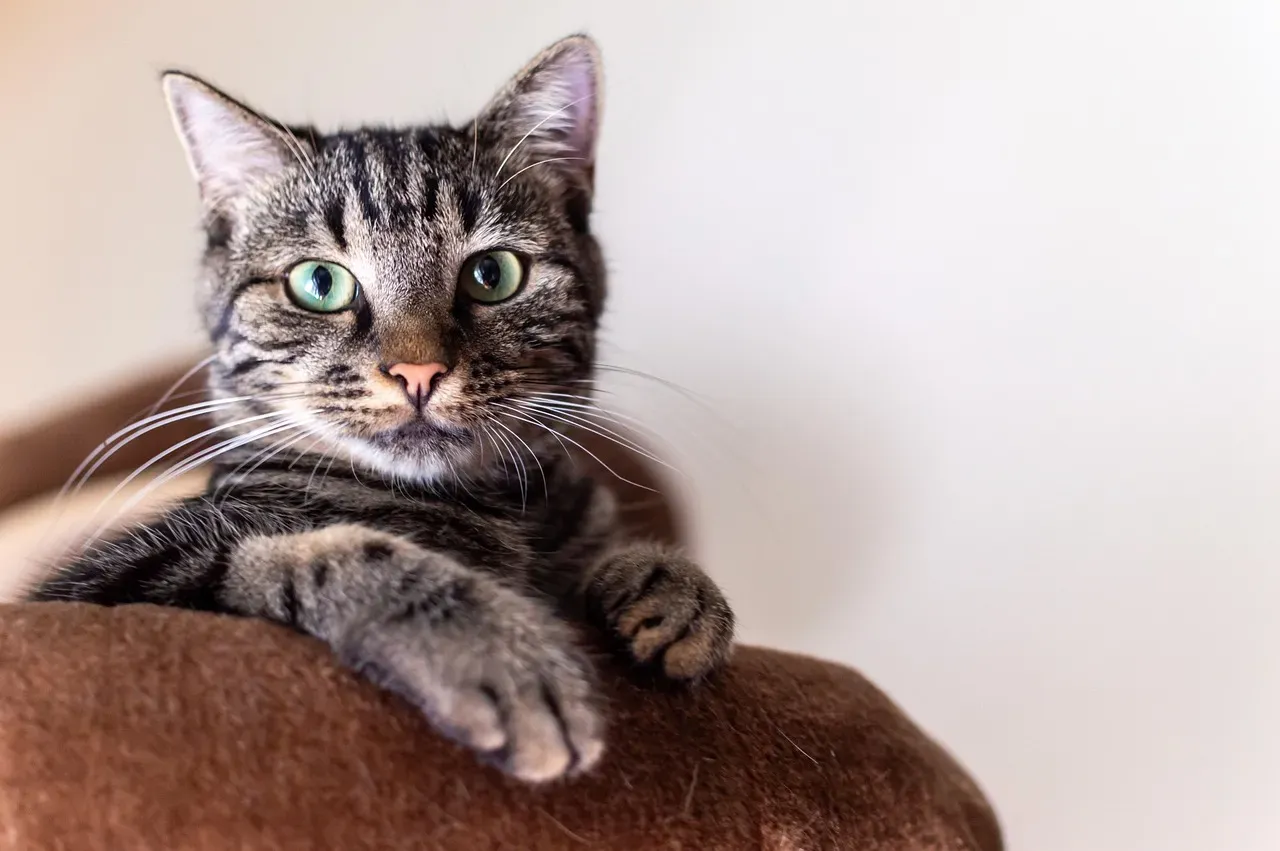
Why do adult cats continue a behavior that was meant for nursing kittens? It's not unusual for domesticated animals to retain juvenile traits into adulthood - a phenomenon called neoteny that also explains, for example, why dogs look and act more like wolf cubs than adult wolves. Living with humans has essentially allowed cats to stay young at heart.
Humans unknowingly encourage cats to maintain behaviors in their repertoire. Free-living domestic cats that aren't socialised towards humans don't tend to perform these behaviours when they leave the nest. To them, those behaviours are something that they mostly only do when they're around their littermates and their mother - not as independent adult cats. In a way, your cat sees you as family, which is why they feel comfortable continuing these kitten-like behaviors well into their adult years.
Kneading and Female Cats in Heat
There's another reason some female cats knead more intensely during certain times. When female cats knead, it can also be for mating reasons. You may see a female cat who is going into heat purring, stretching, and kneading the air while laying on their side to tell male cats that it is okay to approach for possible mating. This behavior is accompanied by other telltale signs like increased vocalization and restlessness.
Female cats may also knead when they go into heat. They may display other behaviours along with this such as being overly vocal, displaying more affection than usual and begging to go outside. Neutering or spaying may decrease these behaviours if they are related to oestrus. If your unspayed cat suddenly becomes a biscuit-making machine with some extra yowling thrown in, that's likely what's happening. Spaying can help reduce this behavior while also preventing unwanted litters and certain health issues.
When Kneading Might Signal a Problem
While kneading is generally adorable and harmless, sometimes it can indicate something's off. Increased or excessive kneading can be a sign that your cat is uncomfortable or anxious, and his kneading could be an attempt to soothe himself. This release of dopamine also motivates your cat to continue kneading to receive additional bursts of the hormone, so excessive kneading can be a sign of a compulsive behavioral disorder.
If your cat kneads excessively or suddenly kneads less than usual, it could mean that they don't feel well. Because kneading is a comforting action, cats who feel stressed or are experiencing pain may knead to soothe themselves. If you notice a significant change in your feline friend's behavior, schedule a visit with your veterinarian to rule out a medical or behavioral problem. Pay attention to other signs like changes in appetite, litter box habits, or overall demeanor. It's always better to err on the side of caution when your cat's behavior changes dramatically.
Making Peace with Your Little Baker
At the end of the day, kneading is a natural, instinctual behavior that deserves celebration rather than discouragement. Feline experts agree that kneading is completely normal. Allowing your cat to express their instinctual behaviors in a healthy and non-destructive way can help keep them happy and content. Your cat isn't trying to ruin your favorite sweater or wake you up at dawn with their enthusiastic paw pressing.
Kneading usually means the cat feels happy, friendly and safe. Some cats even drool a little when they're really in the zone, which might seem odd but is actually a sign of pure bliss. So the next time your furry friend settles in for a biscuit-making session, take a moment to appreciate the deep trust and affection behind those rhythmic paws. After all, you've been chosen as their safe harbor in an unpredictable world.
What's your experience with your cat's kneading habits? Do they have a favorite blanket or time of day for their biscuit-making sessions? Share your stories in the comments below!