10 Everyday Sounds That Are Actually Terrifying to Your Sensitive Feline
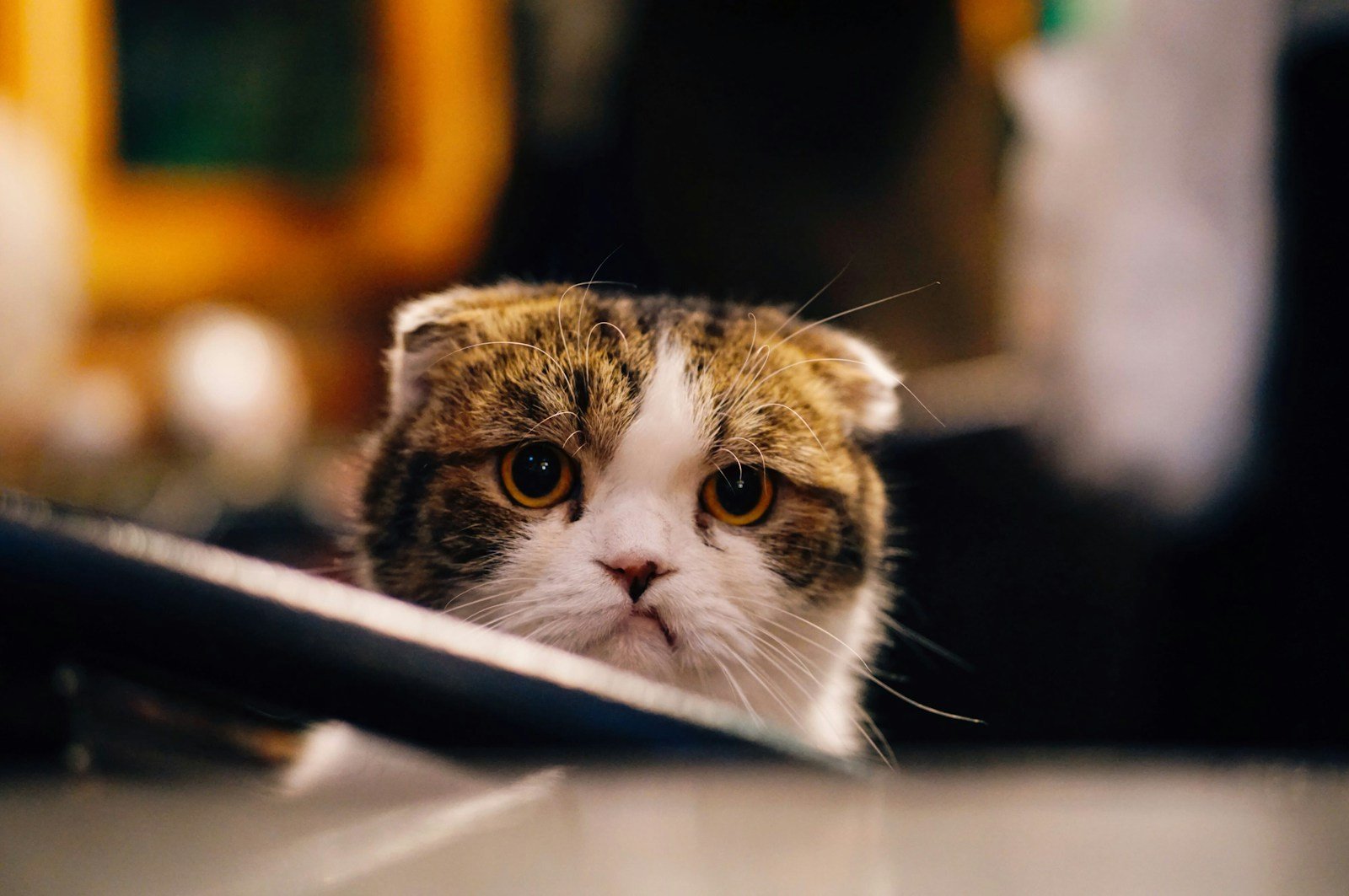
Have you ever noticed your cat suddenly bolt from the room when you turn on the vacuum cleaner? Or maybe you've seen your furry companion dive under the bed the moment the doorbell rings. If this sounds familiar, you're not alone. Your cat isn't just being dramatic or overly sensitive.
The truth is, your feline friend experiences sound in a completely different way than you do. Cats can hear sounds that humans can't, detecting frequencies up to around 80 kHz while humans max out at just 20 kHz. This means that what seems like an ordinary household noise to you might feel like an overwhelming assault on your cat's delicate ears. Let's explore the common sounds lurking in your home that could be secretly terrifying your beloved pet.
The Vacuum Cleaner Roar That Sounds Like a Monster

Let's be real, if there's one household appliance that strikes fear into the heart of nearly every cat, it's the vacuum cleaner. When the vacuum roars to life, it creates shrieks and whirs that overlap a cat's most sensitive hearing ranges, and the unpredictability makes it even more frightening. One moment it's silent, and the next it's chasing them from room to room.
The noise, movement, and strange smell that accompanies a vacuum cleaner can be very frightening for cats, compounded by their perception that this large appliance has suddenly emerged on their territory and is chasing them. Think about it from your cat's perspective. They see this giant, noisy beast that lives in the closet suddenly come alive and move unpredictably around their safe space. No wonder they scatter.
Kitchen Blenders That Shriek Without Warning
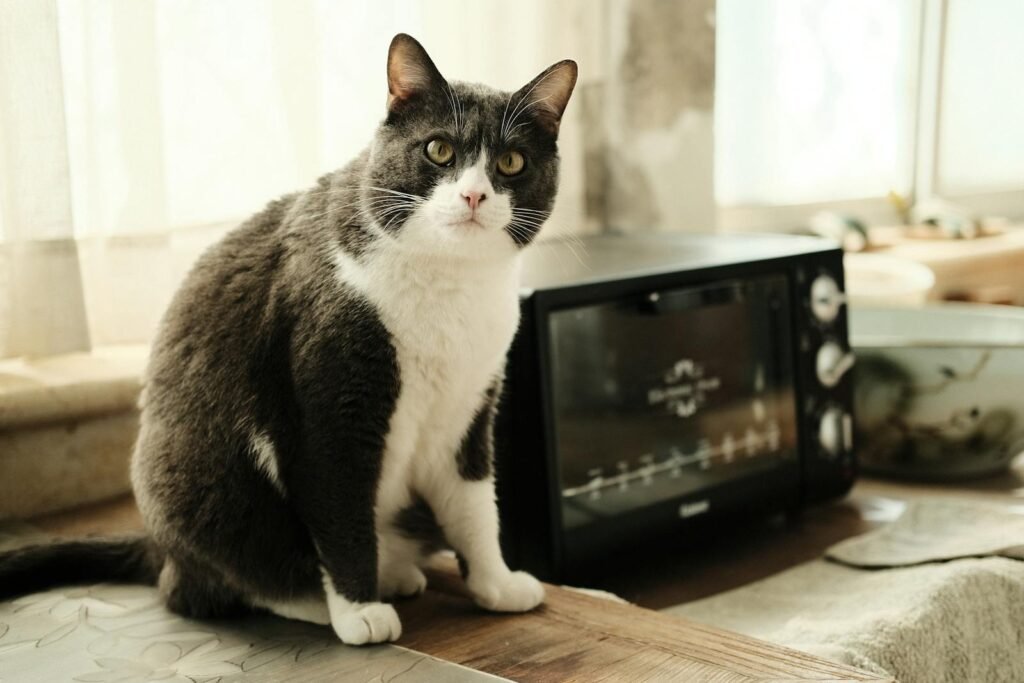
Your morning smoothie routine might seem harmless, but to your cat, it's a nightmare. Blenders produce those high-pitched, grinding noises that fall right into the frequency range where your cat's hearing is most sensitive. Here's the thing: you know when the blender is about to start, but your cat doesn't.
A cat hanging around the kitchen for a treat gets a nasty surprise when its owner unpredictably turns on a kitchen appliance, and blenders create shrieks and whirs that overlap a cat's most sensitive hearing ranges. The sudden burst of noise can send them running for cover faster than you can say "protein shake." Even when the blender sits quietly on the counter, some cats remain wary, remembering that terrifying sound from before.
The Doorbell That Signals Chaos
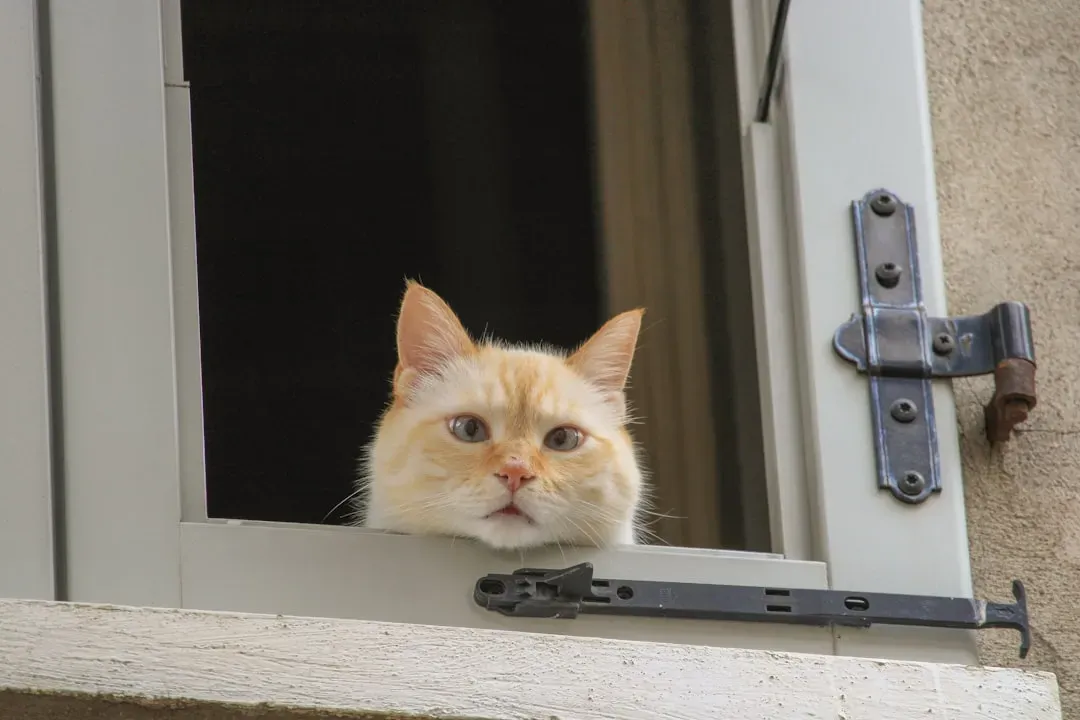
You might think the doorbell is just a pleasant chime announcing a visitor, but your cat has a completely different interpretation. The doorbell signals disruption, strangers, and possibly danger entering their territory, which can be reinforced if sometimes that ringing bell is followed by a lot of people coming over for gatherings. To your cat, it's an alarm system warning of an impending invasion.
Cats are territorial creatures by nature, and they thrive on routine and predictability. When that doorbell rings, it announces the arrival of unknown people with unfamiliar scents and voices. A cat who's shy around strangers might become especially anxious when the doorbell rings or someone knocks. Even the most confident cats can feel unsettled by this sudden interruption to their peaceful domain.
Slamming Doors and Sudden Bangs
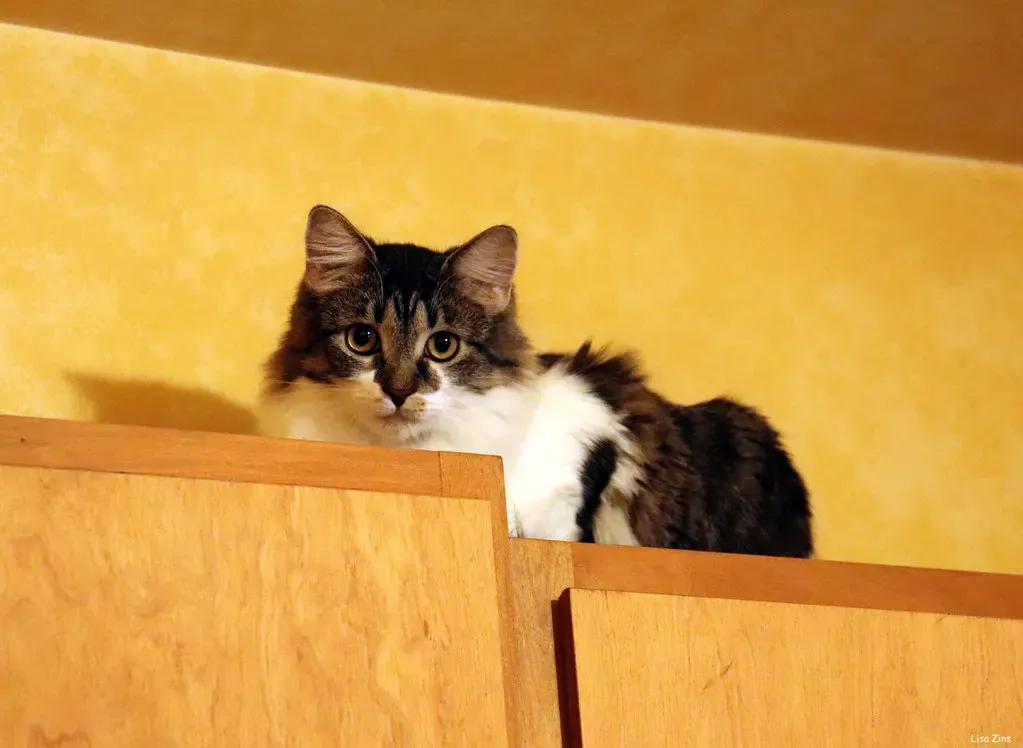
The sudden slam of a door can send vibrations through the whole house, startling a cat into hiding. It's not just the noise itself that bothers them. Cats can actually feel the vibrations from these loud sounds, which adds another layer of distress. Imagine if every time a door closed, you felt it reverberate through your entire body.
Cats startle very easily, and any loud, abrupt sound is bound to stress them out because they aren't expecting the noise and aren't ready for it, and there are also vibrations that cats can feel. These abrupt, unpredictable sounds flip a switch in your cat's brain from "relax mode" to "danger mode" in an instant. They're hardwired to interpret sudden loud noises as potential threats from their wild ancestry.
High-Frequency Electronic Hums You Can't Even Hear
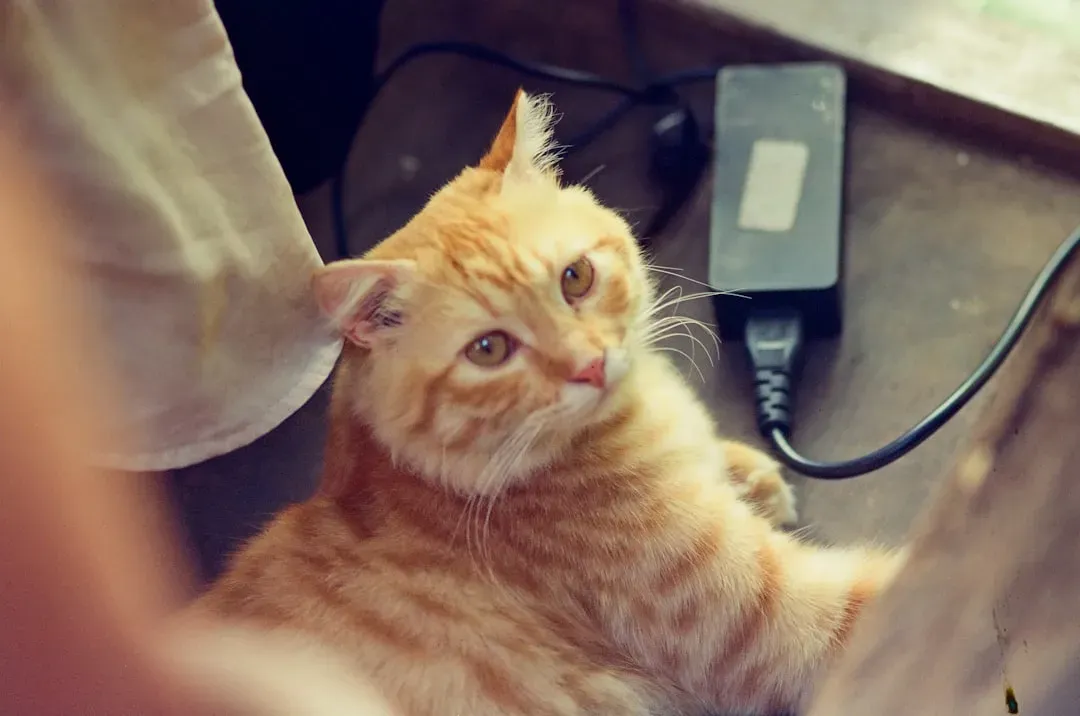
This one might surprise you because you probably don't even notice it. Many electronic devices emit annoying high-frequency sounds that cats can hear but humans cannot, and cats hear sounds at a much higher frequency than we can. Your television, computer, fluorescent lights, and even your smartphone can produce sounds in the ultrasonic range.
High-frequency noises that occur in and around our homes can be a source of chronic stress for cats, with cats able to hear up to 84,000 Hz, which is inaudible to the human ear, and continual exposure can cause irritability and annoyance. You might wonder why your cat seems agitated for no apparent reason. Honestly, it could be that constant electronic hum driving them crazy, even though you're completely oblivious to it.
Sirens and Emergency Vehicle Sounds

When an ambulance or fire truck passes by with its sirens blaring, your cat's reaction might seem over the top. Ambulance, police, and fire sirens ramp up in pitch and volume, often echoing across neighborhoods, and to a cat, these resemble distress calls that trigger an ancient survival instinct. The unpredictability and shrillness make these some of the most frightening sounds in the urban landscape.
Your cat can't rationalize that the siren is just a vehicle passing by and poses no actual threat. Their instincts interpret these high-pitched wails as danger signals. The sound builds in intensity, reaches a crescendo as it passes, then fades away, keeping your cat on edge the entire time.
Babies Crying and Children Shrieking

If you have young children or are expecting a baby, you should know this sound can be particularly challenging for your cat. The screams of babies and children pierce a cat's most sensitive hearing range, and to cats, a baby's cry can feel like a piercing alarm, with these sounds falling directly in their most sensitive hearing range, making them impossible to ignore.
Children's shrieks carry the same effect, adding unpredictability and suddenness to the mix. I know it sounds crazy, but what we perceive as a normal childhood sound or a baby needing attention registers as an emergency-level noise to your cat's sensitive ears. It's hard to say for sure, but this might be one reason some cats initially avoid new babies in the household.
Thunderstorms and Their Overwhelming Rumble
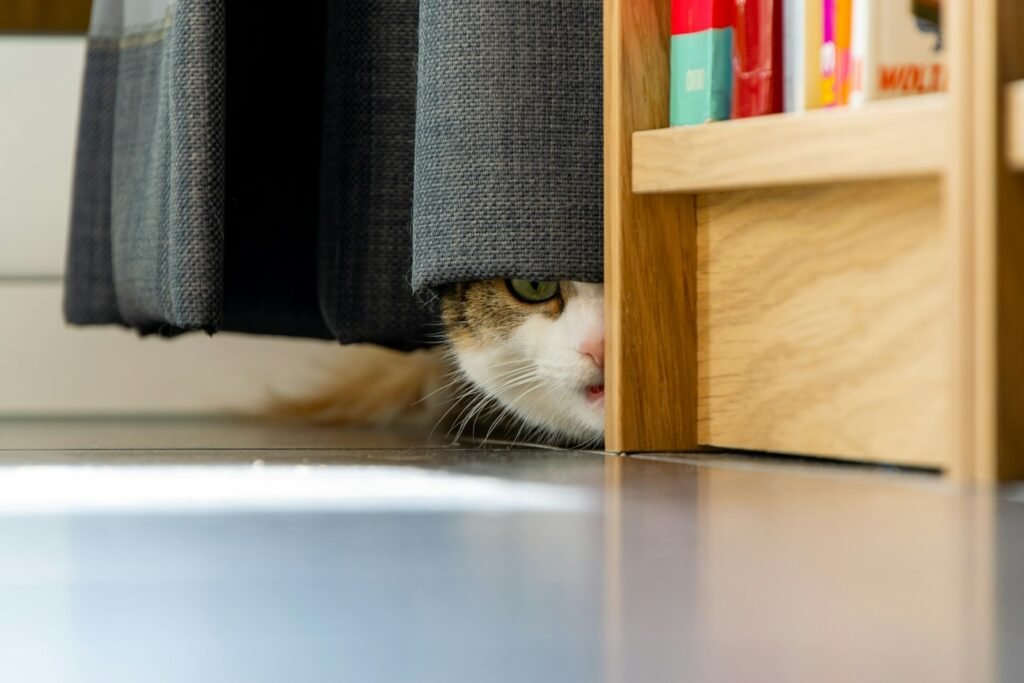
Normal human conversation is at a volume range from 60-80 decibels, and cats hear sound comfortably at this range, but thunderstorms create decibel levels at approximately 120 dB, almost twice your cat's hearing comfort zone. That's a massive difference that helps explain why storms send so many cats into hiding.
In addition to these acute sensitivities, the intense vibration of sound felt through their bodies and paws adds to their agitation. The low-frequency rumbles, the bright flashes of light, the sudden cracks of thunder, and the changes in barometric pressure all combine to create a genuinely frightening experience for your feline. They're not being cowardly; they're responding to a legitimate sensory overload.
Hissing Sounds From Aerosol Cans and Plastic Bags

Cats hiss to let others know when they're pissed off, so it shouldn't come as a shock that your cat hates hissing noises, and a rustling plastic bag, spraying an aerosol can, and even a swishing windbreaker can freak out your feline friend. Your cat associates that hissing sound with aggression and warning signals from other cats.
When you spray air freshener or grab a plastic shopping bag, your cat might interpret those sounds as threatening. It's actually fascinating how their brains are wired to recognize these patterns. Even though they know logically that a plastic bag isn't another cat, that instinctive reaction still kicks in, putting them on high alert.
Hair Dryers and Other Personal Appliances
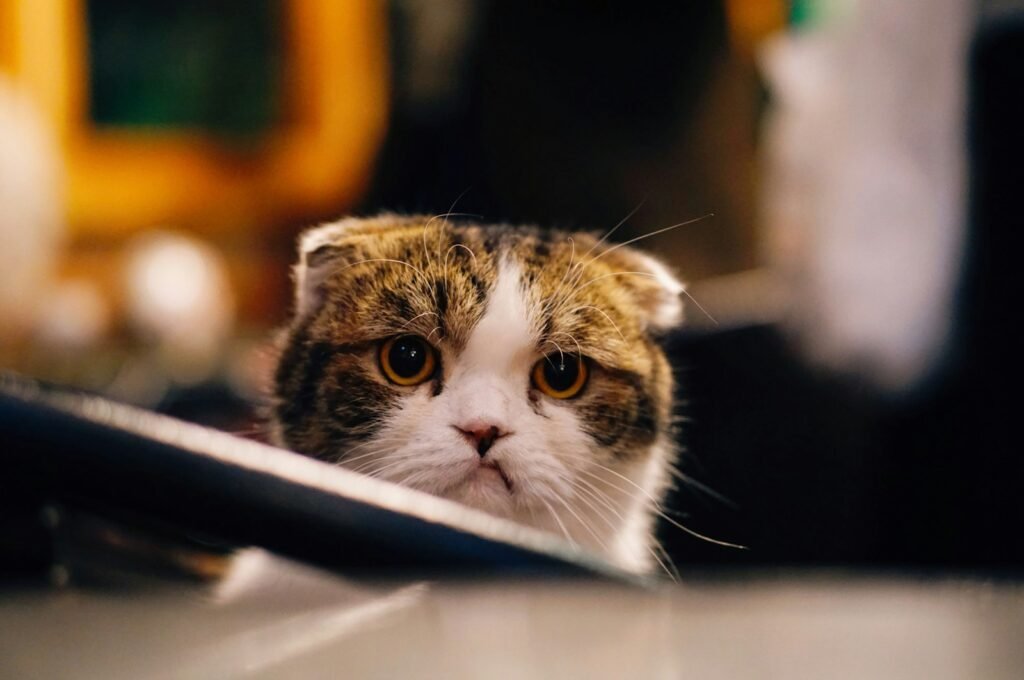
Your morning beauty routine might be causing your cat more stress than you realize. Hair dryers, electric razors, and similar appliances produce loud, continuous sounds that many cats find intolerable. The combination of the motor noise, the airflow sound, and the unpredictable on-off patterns creates an unpleasant experience.
Household appliances like hairdryers and washing machines can be distressing for a noise-sensitive cat. Like the vacuum, these devices can seem to appear randomly from your cat's perspective. One moment you're peacefully grooming yourself, the next you're wielding a loud, hot-air-blowing device. Some cats will actually leave the bathroom entirely when they hear these appliances start up, choosing to wait out the storm from a safe distance.
Finding Peace in a Noisy World
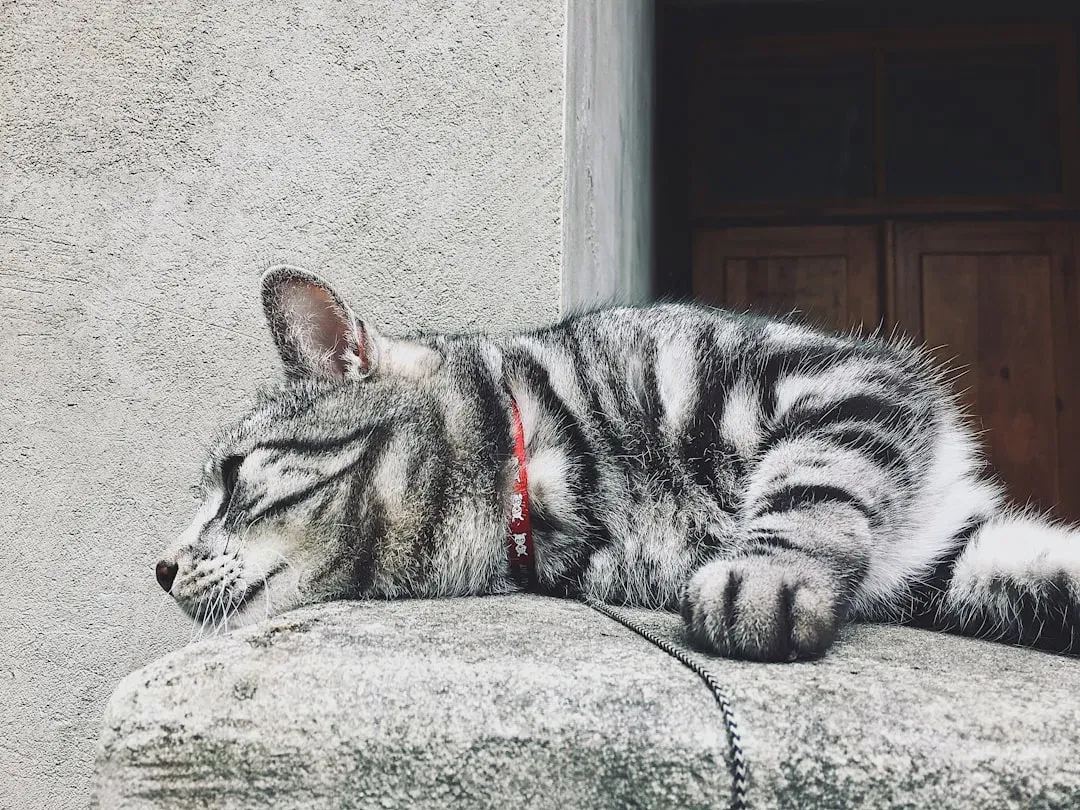
Understanding these sound sensitivities is the first step toward creating a more comfortable environment for your cat. Cats naturally like to hide in cupboards and under beds, so make sure that there are plenty of accessible places that your pet can go to when they are feeling scared of loud noises. Think of it as giving them their own safe room where they can retreat when the world gets too loud.
In most cases, it just takes time for a cat to become accustomed to strange sounds, and as they hear them more frequently, they slowly come to realize that nothing bad happens to them after they hear it, a process known as desensitization. Be patient with your feline companion and remember that what seems ordinary to you might feel overwhelming to them. Creating quiet spaces, minimizing unnecessary noise when possible, and respecting your cat's need to hide during scary moments will help them feel more secure in their home. What strategies have you found helpful for calming your cat during noisy situations? Share your experiences in the comments.