So, you’ve got a cat and you’re thinking about adding a dog to the family. Sounds perfect, right? Maybe you’ve seen those adorable videos of dogs and cats cuddling together or playing like best friends. Let’s be real though, that picture perfect harmony doesn’t always happen naturally.
The truth is, some dog breeds just weren’t designed to share their living space with felines. It’s not about being mean or aggressive necessarily. It’s about instinct, energy levels, and sometimes just plain old jealousy. If you’re a cat parent considering bringing a pup into your home, you absolutely need to know which breeds might turn your peaceful household into a stressful situation for your feline friend. Let’s dive into the breeds that might not be the best match for your whiskered companion.
1. Siberian Husky
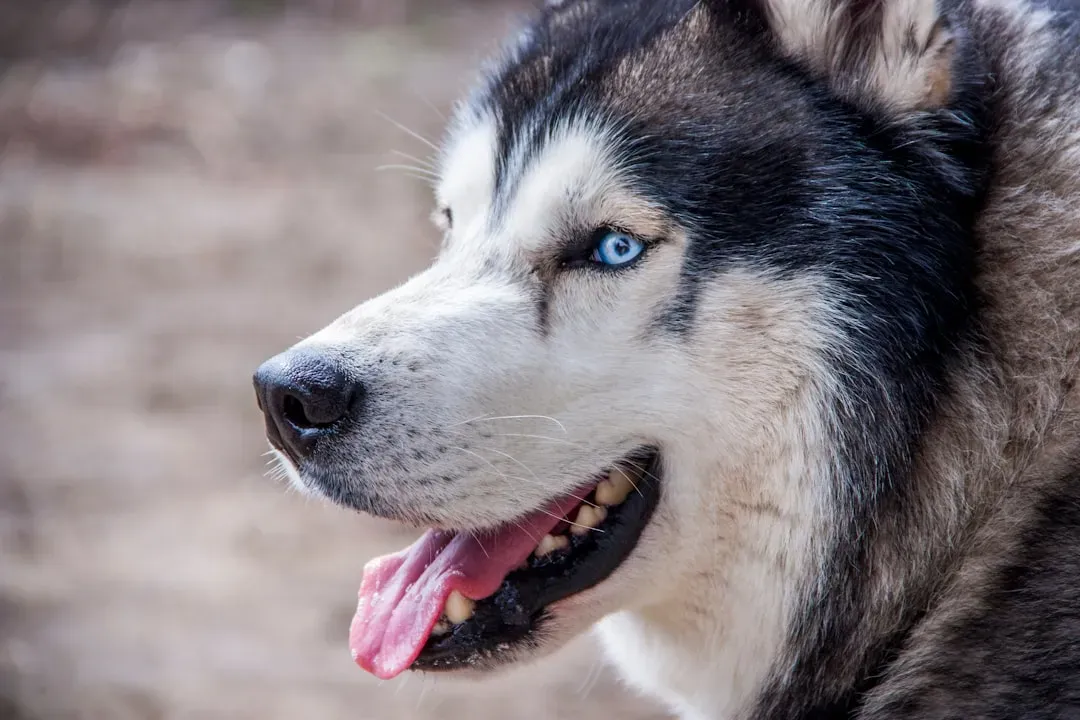
The Siberian Husky has a high prey drive that makes it difficult to keep with a cat. When Huskies weren’t working as sled dogs, they often roamed freely and hunted small animals to supplement their diets. That ancient instinct hasn’t just disappeared because they now live in suburban homes.
Huskies are intelligent and stubborn, which makes them difficult to train, so having a cat around them is not advised, especially around an adult one. Even if you raise them together from puppyhood, there’s always that lingering risk that their hunting instincts will kick in. Your cat deserves better than to live in constant fear of being chased.
2. Jack Russell Terrier
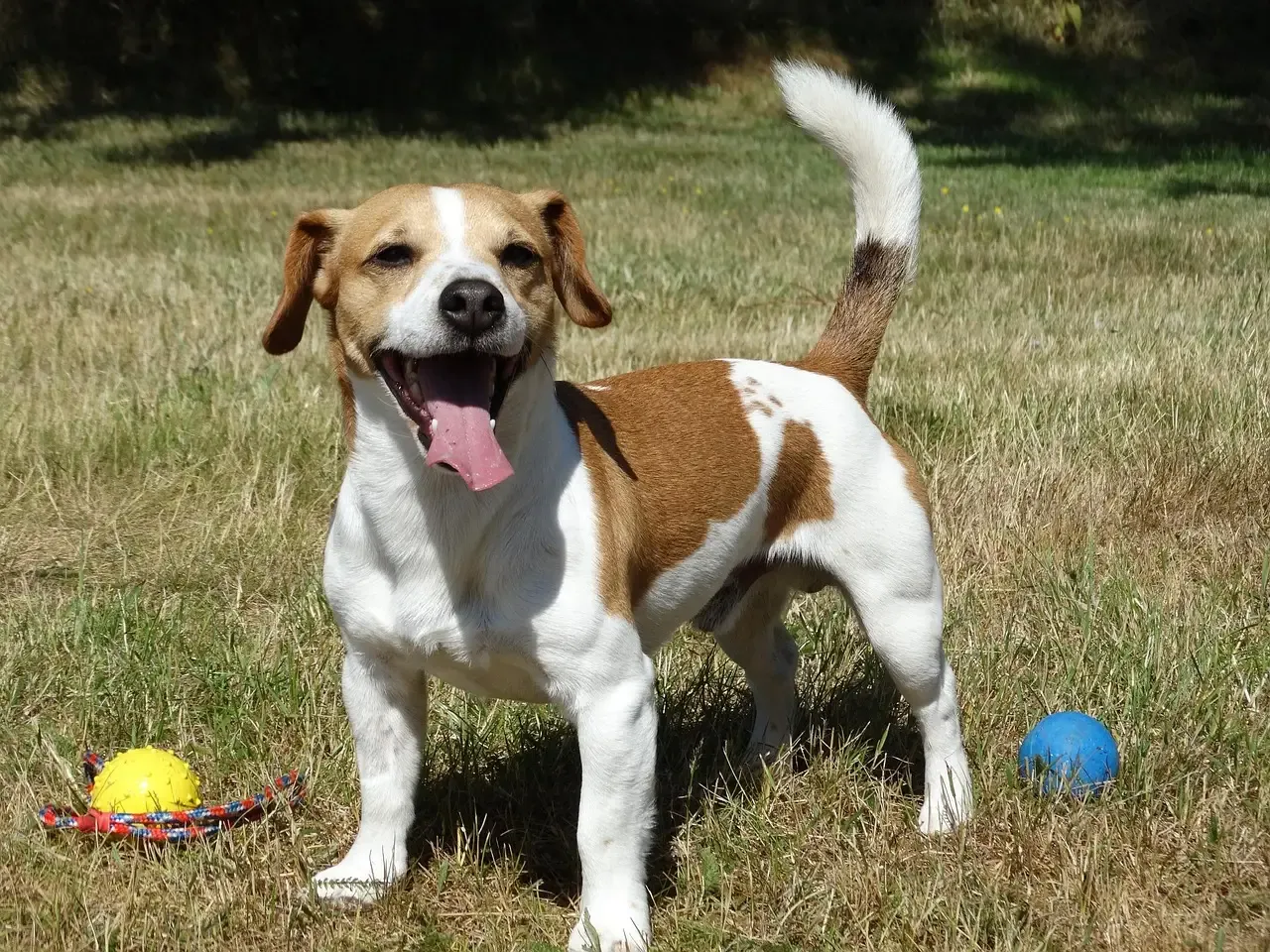
Don’t let the small size fool you. Jack Russell terriers were bred to hunt small game and have a very strong tendency to chase small animals. These feisty little dogs are basically bundles of energy wrapped in fur, and they see your cat as the perfect outlet for their hunting instincts.
The Jack Russell Terrier has plenty of energy for chasing cats across long distances and is very determined and stubborn, able to hound a cat it has trapped for several hours. Honestly, your cat doesn’t need that kind of stress in their life. These terriers are relentless when they lock onto a target.
3. Greyhound
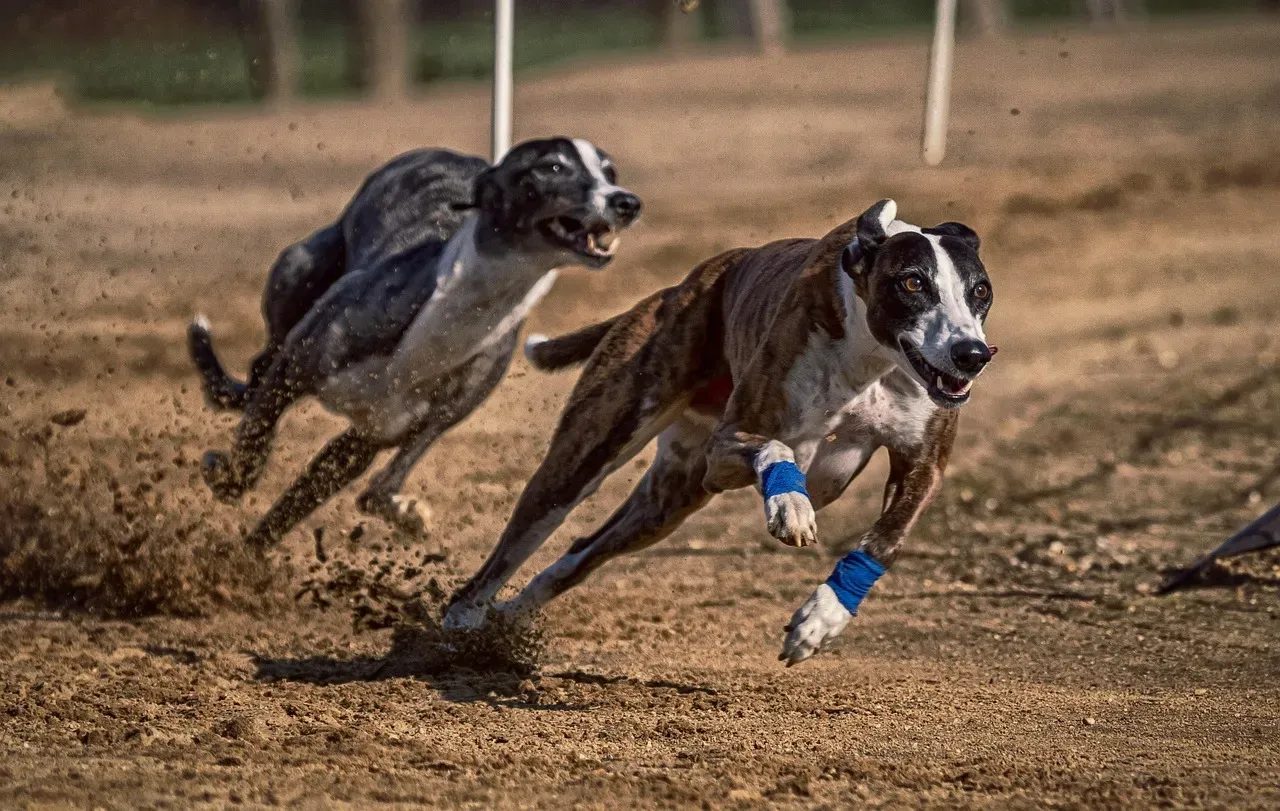
Greyhounds can sprint up to 45 miles per hour when in pursuit of prey, so they aren’t typically a good fit for households with cats. These elegant dogs were literally bred for one thing: chasing down fast-moving prey. It’s hard to say for sure, but your cat probably won’t appreciate being viewed as a moving target.
This sighthound has been bred over the years for coursing, greyhound racing and hunting, resulting in a very high prey drive that remains incredibly active. Even though they can be gentle couch potatoes indoors, that switch can flip the moment something small and furry moves quickly past them.
4. Australian Cattle Dog
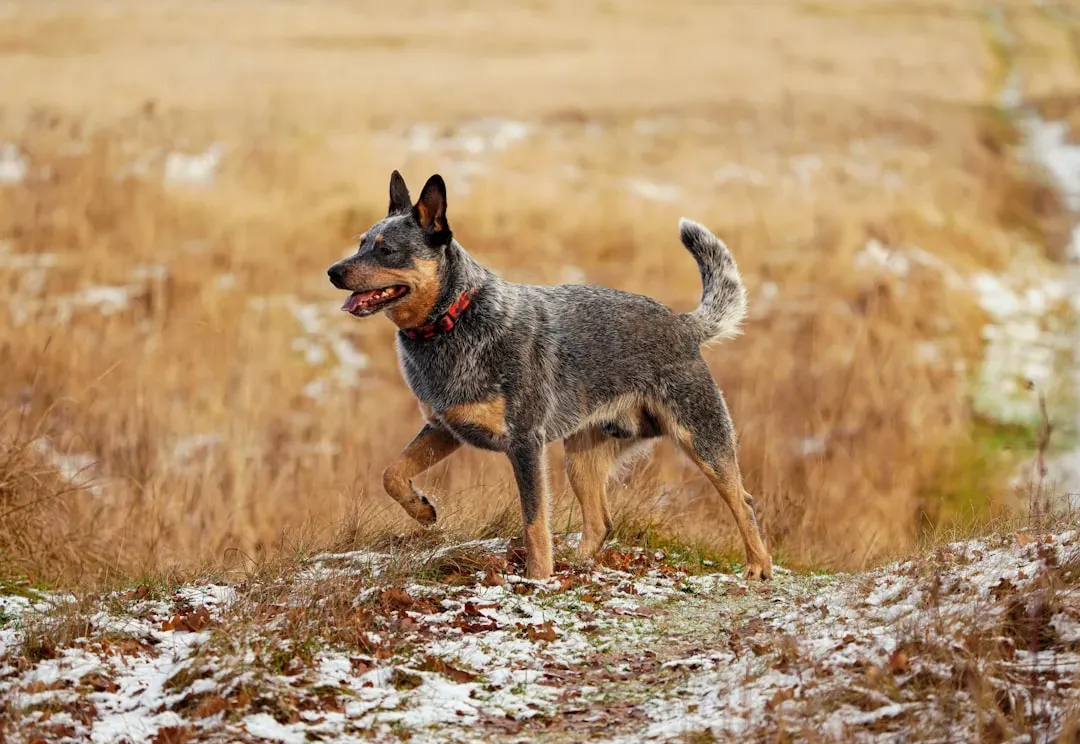
Australian Cattle Dogs have a high prey drive and will chase small animals such as cats, and may also try to herd animals, something cats will not appreciate. Here’s the thing: these dogs were bred to control cattle by nipping at their heels. Your cat is definitely not going to enjoy being herded around your house.
The Australian Cattle Dog is a medium-sized muscular dog that is extremely fast and has endless energy, and will often try to herd your other pets, which can be quite disruptive to them, causing increased tension. The constant harassment can turn even the most patient cat into a stressed-out mess. They need jobs to do, and if you don’t provide one, they’ll decide herding your cat is their new career.
5. Weimaraner
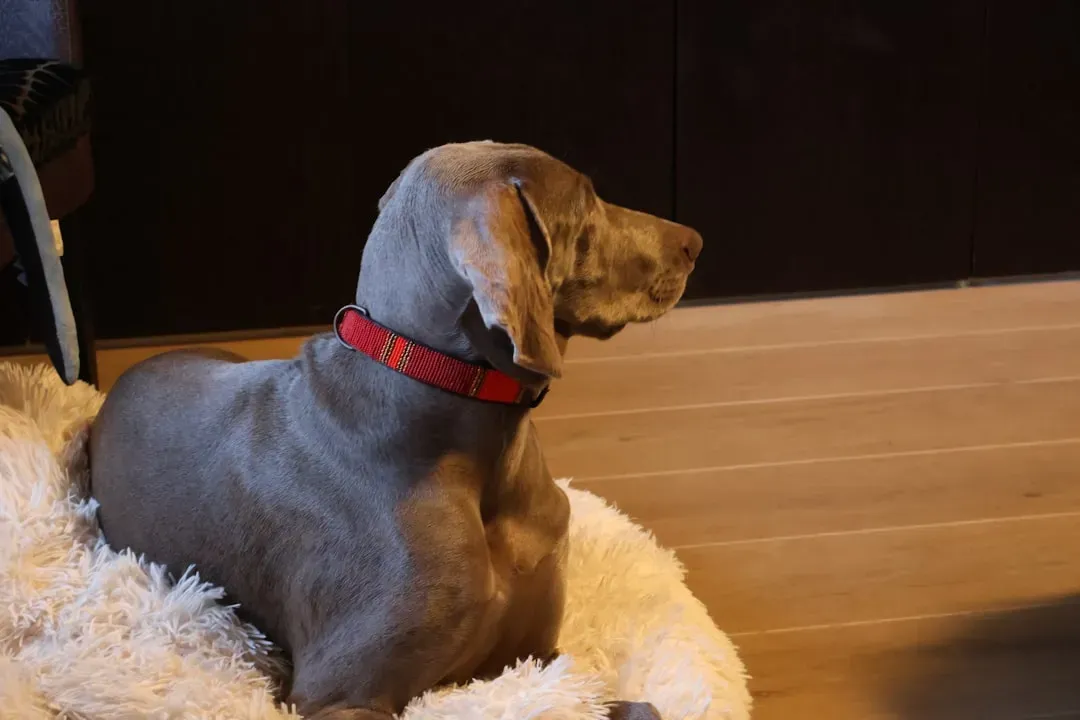
The Weimaraner is a large and slender hunting dog that’s extremely fast and has an instinct to hunt small animals, often chasing squirrels and rabbits in your yard with an impressive number of successes. These silver ghosts were bred to hunt deer and even larger game, so a cat is absolutely within their strike zone.
Due to its hunting instinct, the Weimaraner does not do well with cats. They’re beautiful dogs with sleek coats and striking eyes, but that beauty comes with a price if you’re a cat owner. Their prey drive is deeply ingrained after centuries of selective breeding for hunting purposes.
6. Beagle

Beagles were traditionally bred to hunt small game like rabbits, and the prey instinct typically carries over to other small animals as well, so if you have a cat in your home, the chances are high that a beagle would find great joy in chasing it. Those adorable floppy ears and soulful eyes hide a determined hunter underneath.
The Beagle is a small yet determined breed that may not be as fast as the Greyhound or the Weimaraner, but it can fit in much smaller places, and your cat will have a difficult time finding a hiding place. I know it sounds crazy, but their compact size actually makes them more dangerous to cats in some ways. They can follow your feline into all their usual safe spots.
7. Border Collie
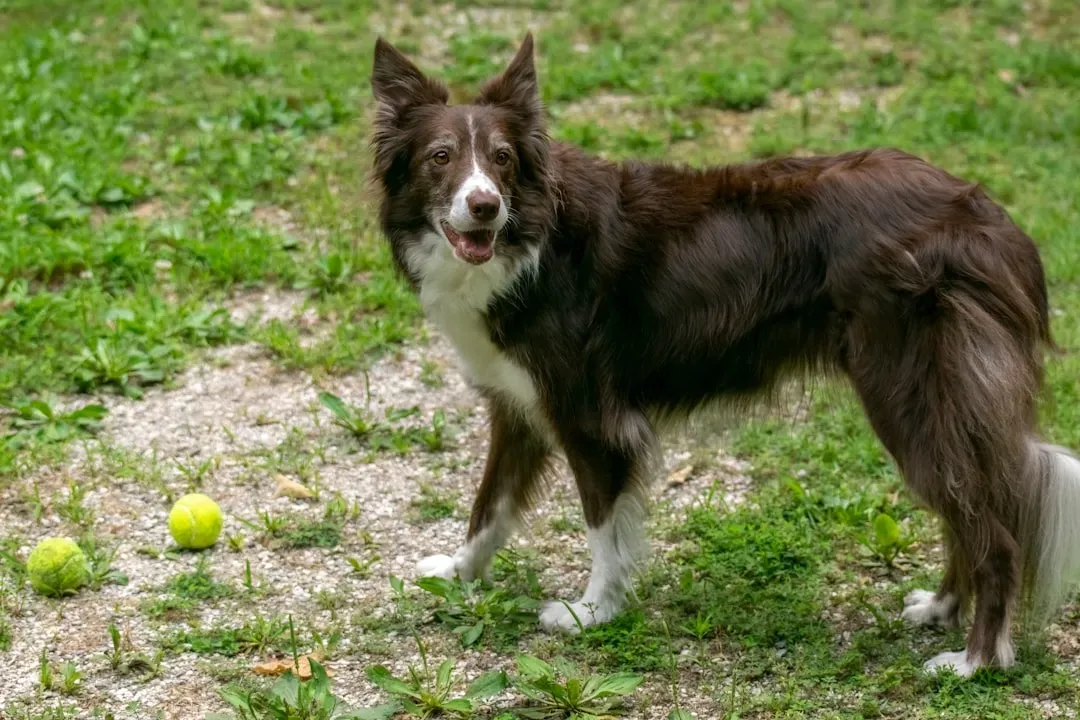
Border Collies are highly energetic and intelligent dogs that make excellent working dogs, but they do not do well with other pets at home, especially cats, due to their high prey drive, which makes them dangerous around cats and other smaller animals. These are arguably the smartest dogs on the planet, but that intelligence was honed for one purpose: herding livestock.
Your cat isn’t livestock, obviously, but try telling that to a Border Collie’s instincts. Originally bred for herding sheep, Border Collies have an instinct that’s basically a turbo-charged version of keeping the flock in line, and in modern life, the flock might be your kids, the neighbor’s cat, or even joggers passing by. They’ll fixate on your cat with laser focus, which is absolutely exhausting for any feline.
8. Miniature Schnauzer

Miniature Schnauzers are known for their high energy and intelligence, and are constantly searching for an outlet for their seemingly boundless energy, and chasing cats may appeal to them. These little dogs with their distinctive beards are adorable, I’ll give you that. However, they’re also territorial and protective.
The Schnauzer is an affectionate but often high-strung breed that also tends to be a bit barky, making a great watchdog but spending a lot of time barking and chasing small yard animals, which can add a lot of stress to a house cat. The constant barking alone can make your cat’s life miserable, even if the dog never actually catches them.
9. German Shepherd
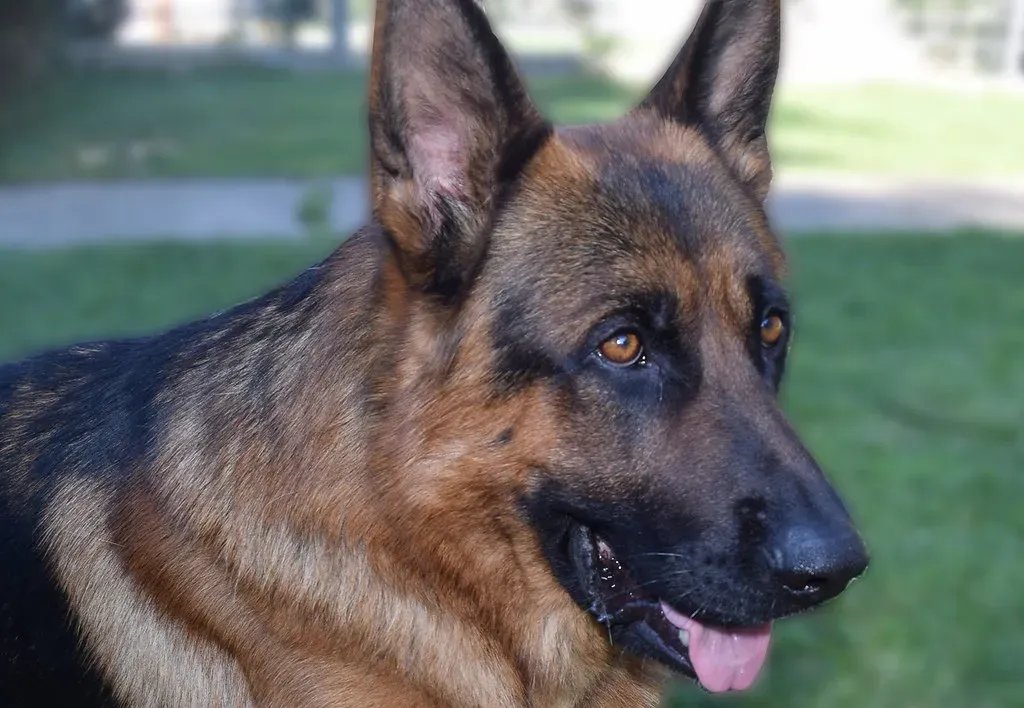
German Shepherds are friendly and adorable, but they can be territorial and overprotective as well, and their strong instinct for protecting what’s theirs can make them dangerous to be around other animals. These loyal dogs are wonderful family companions and working dogs, but their protective nature doesn’t always extend to feline housemates.
The intense loyalty that shepherd owners adore in their pet predisposes this breed to being territorial and frequently reactive toward any person or animal whom they don’t consider to be an immediate and accepted part of their household, and unless extremely well socialized with cats from a very young age, the majority of shepherds do not tend to view cats as one of the family, resulting in a dog who is lowkey obsessed with keeping the cat cornered. That’s not a living situation any cat should have to endure.
10. Shih Tzu
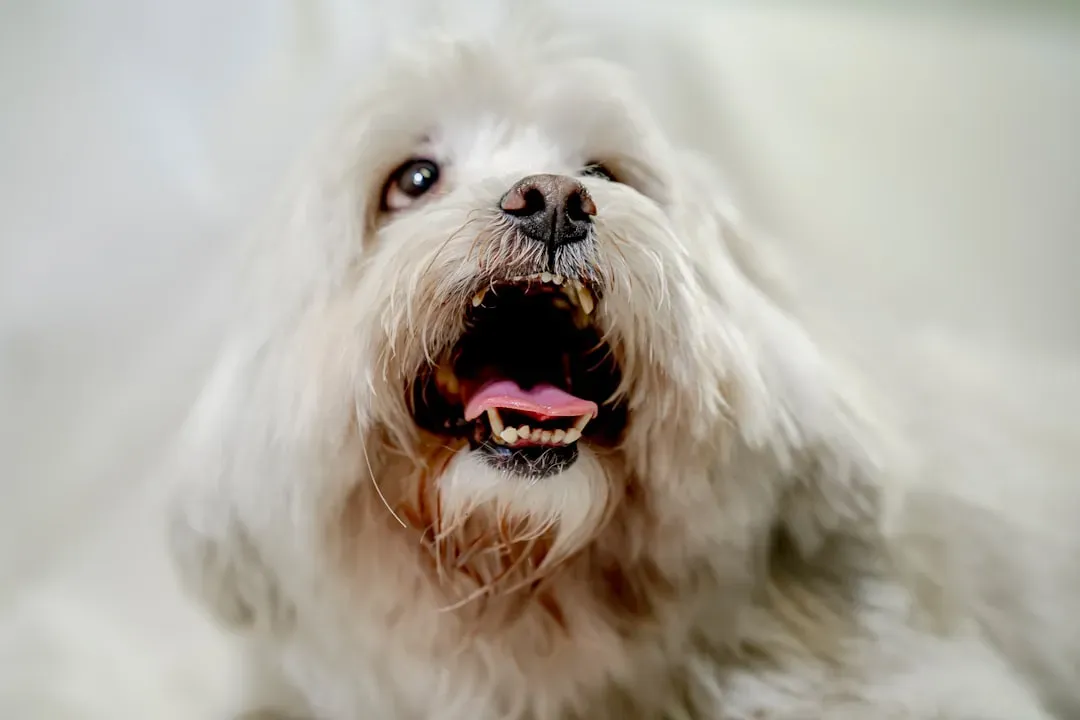
Now this one might surprise you. The Shih Tzu is a small dog breed that can easily fit into many of the cat’s hiding places, causing it to be a larger threat than you might think, and unlike other breeds, the motivating factor for aggression in Shih Tzus is jealousy, as Shih Tzu dogs like a lot of attention and will not be happy about you petting a cat.
Shih Tzus belong to a non-hunting group of dogs and they love attention, but they get easily jealous if you pet another animal in front of them, and this jealousy can turn into aggression really quickly. It’s not about prey drive with these little fluff balls. It’s about competition for your affection, which can actually be just as problematic for your cat’s wellbeing.
Final Thoughts
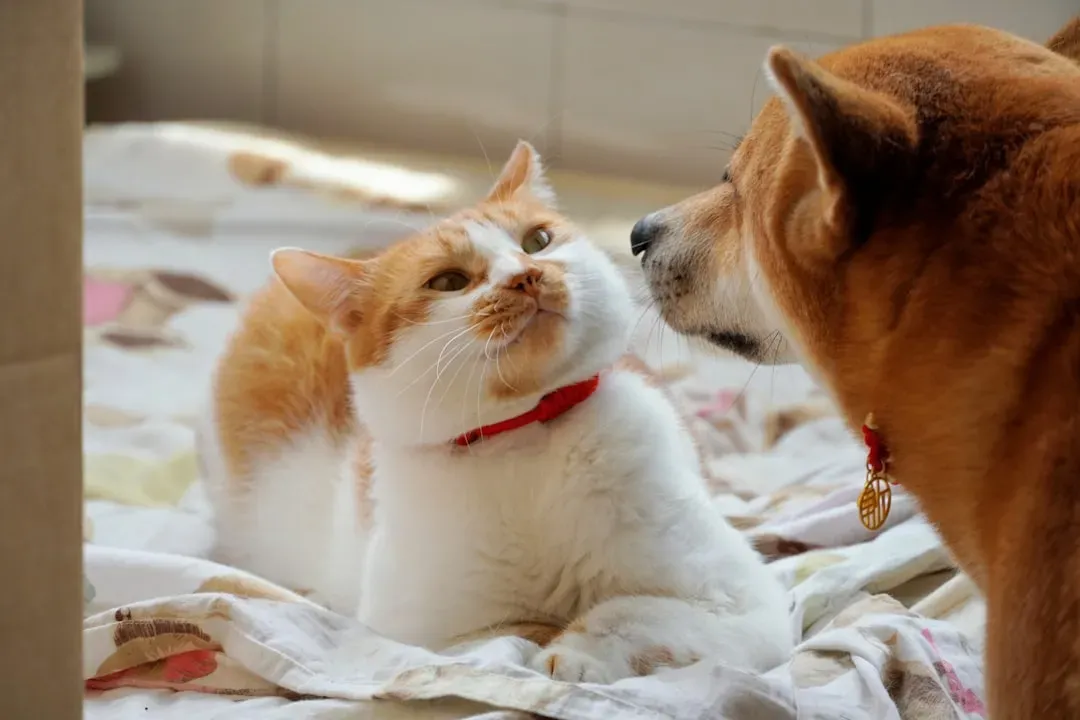
Choosing to bring a dog into your cat-friendly home is a big decision that shouldn’t be taken lightly. Some dog breeds just do not naturally get along with cats because they have a high prey drive, high energy, or because they can get jealous. It’s not about labeling certain breeds as bad or mean. It’s about understanding their natural instincts and what drives their behavior.
While these breeds are not expected to make good companions for cats, there are exceptions to every rule, as every dog is different and different circumstances may yield different results, and if you adopt one of these breeds as a puppy and work diligently with a trainer to desensitize it to your cat, you may never experience issues. Still, why take the risk when there are so many other breeds that naturally get along better with felines? Your cat’s safety and peace of mind should always come first. Have you ever experienced a challenging dog-cat dynamic in your home? Share your thoughts in the comments.
Kristina is a young writer from India. An arts graduate and an avid content creator, Kristina is passionate about animals and wildlife. She enjoys exploring topics related to pet care, animal behavior, conservation, and nature, combining thorough research with engaging storytelling.