You’ve probably heard them all. The tales passed down from neighbor to neighbor, the firm beliefs about feline friends that have somehow become universal truths. Maybe you believe a few of them yourself.
Here’s the thing though: most of what people think they know about cats is utterly wrong. These misconceptions aren’t just harmless folklore either. They actually affect how you care for your whiskered companion, potentially impacting their happiness and wellbeing. Let’s dive into the real story behind these persistent myths and discover what your cat actually needs from you.
Cats Are Independent Loners Who Don’t Need Much Attention
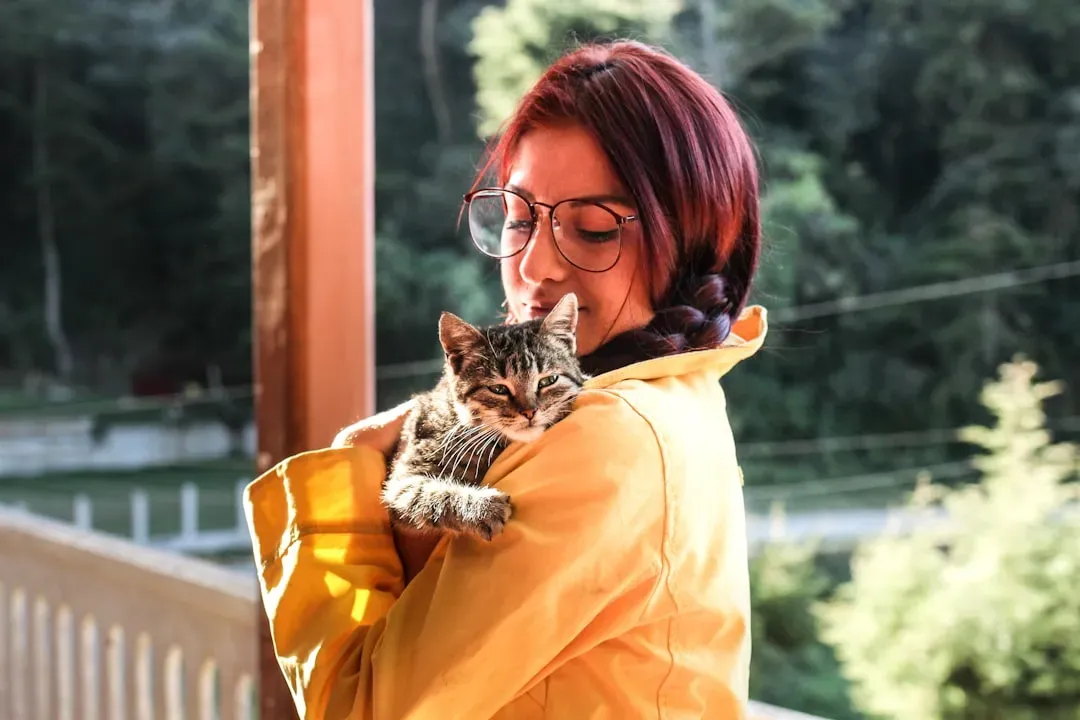
This widespread belief paints cats as low maintenance and self sufficient animals, distinctly different from their canine counterparts. Yet cats need just as much care as dogs do, including regular vet visits, daily exercise and mental enrichment, and plenty of positive attention.
The truth is far more complex. Cats are facultatively social, meaning their social behavior is flexible and heavily influenced by genetics, early development, and lifetime experiences. Some cats adore company while others prefer solitude, similar to how human personalities vary wildly. Your cat might not greet you with the enthusiasm of a golden retriever, yet that doesn’t mean they don’t desperately crave your companionship in their own subtle way.
Your Cat Can Be Left Alone for Days With Just Food and Water
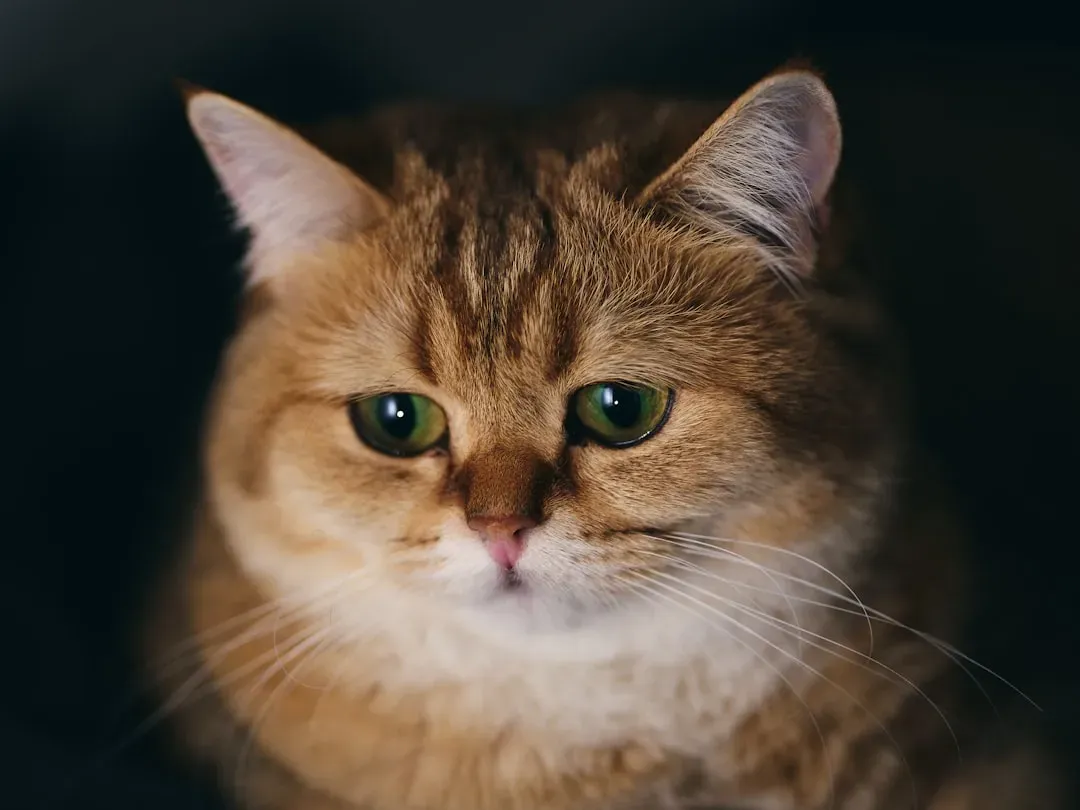
This myth probably stems from that whole independent loner misconception. Separation can be stressful for cats, manifesting in behaviors such as urination outside the litterbox, vocalization, vomiting, excessive grooming, lack of appetite, and anxiety at departure.
Think about it from their perspective for a moment. You wouldn’t want to be abandoned for multiple days, right? Cats can get separation anxiety just like dogs and crave attention and love having their family around, even though they may not show it in the most obvious way. If you’re planning to be gone longer than a full day, arrange for someone to check in on your feline companion regularly.
Purring Always Means Your Cat Is Happy
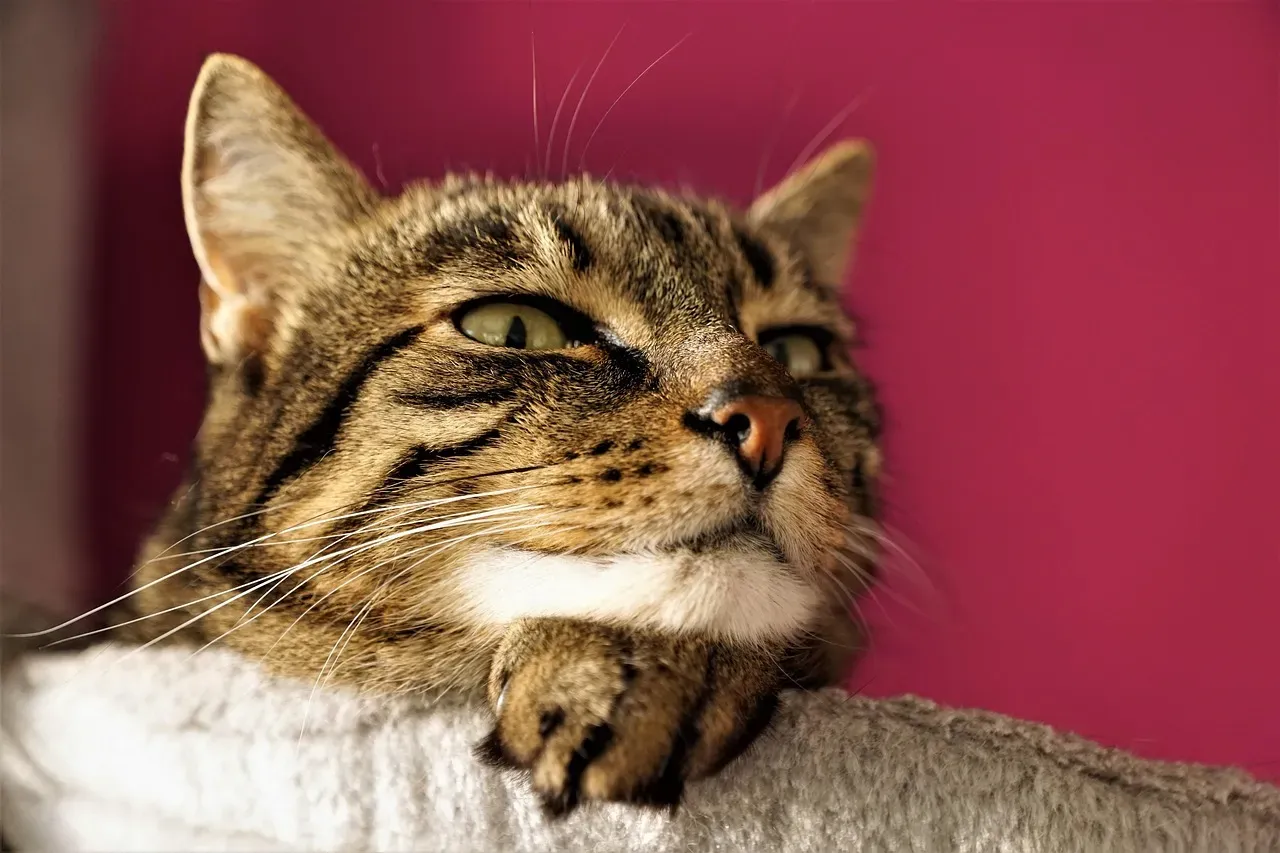
Listen, purring is adorable. It feels like a little motor running in your lap, and yes, it often signals contentment. Yet that’s not the whole story. Purring can express contentment but can also mean other things; in some cases cats purr when they’re stressed as a way of self soothing, and cats also purr when they’re in pain.
I know it sounds crazy, but your cat might actually be telling you something’s wrong when they purr. Pay closer attention to the context and their body language. Are they relaxed and sleepy, or do they seem tense? The purr might sound the same, but the meaning can be completely different.
Cats Are Impossible to Train
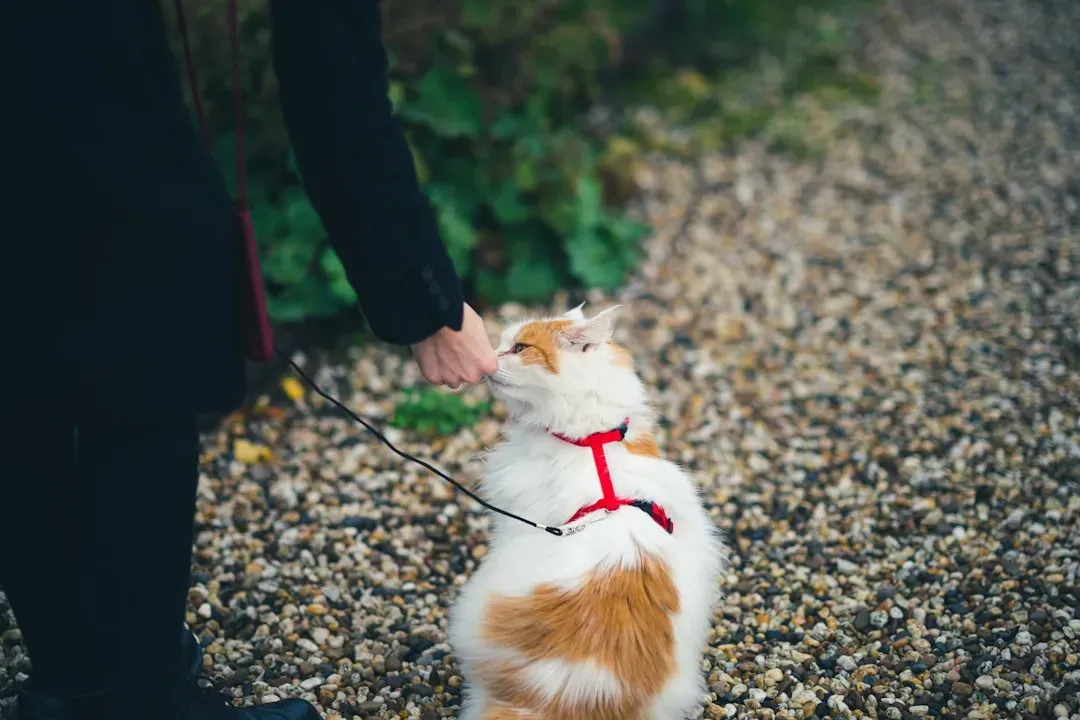
Cats are just as trainable as dogs, though most people don’t train their cats because they don’t know how or have heard the myth that cats don’t listen or learn, when cats actually love training and learning just like dogs. Let that sink in for a second.
The difference isn’t ability. It’s motivation. With patience and positive reinforcement, your kitty can learn tricks and good manners, and short fun training sessions work best, rewarding them with treats or toys. The current world record for the number of tricks performed by a cat in one minute is 26. So much for cats being untrainable, right?
Cats Always Land on Their Feet
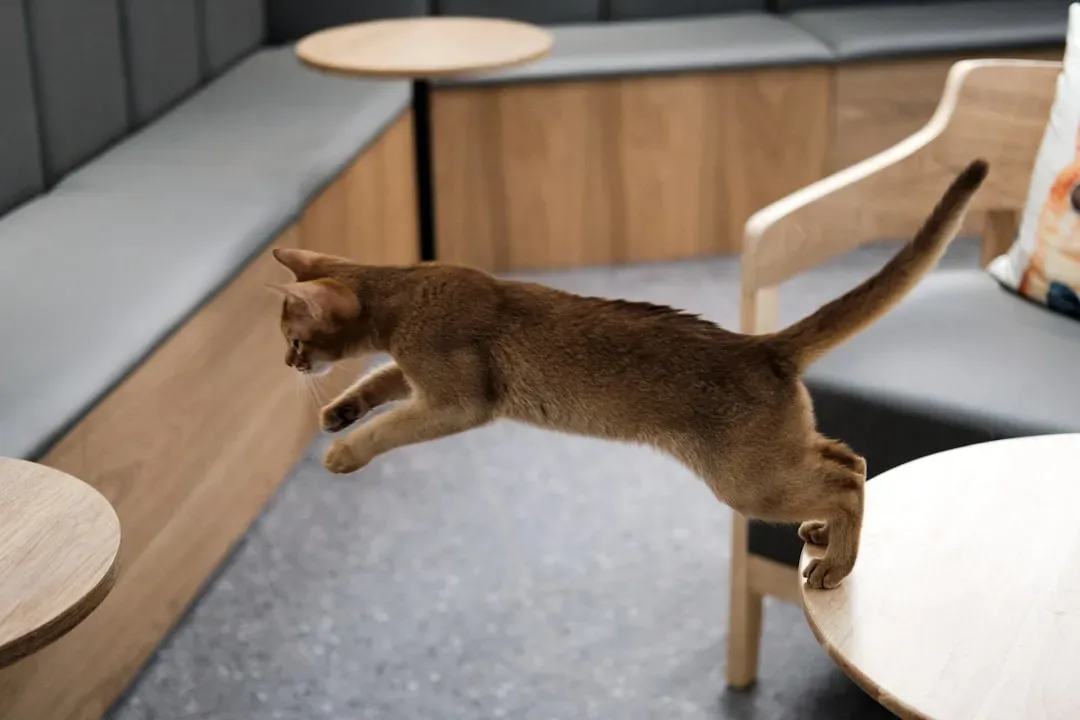
This one’s persistent, probably because cats do have remarkable aerial abilities. Cats have a righting reflex and flexible backbones allowing them to twist midfall, plus a vestibular apparatus in their inner ears enabling them to discern up from down, but these systems are not foolproof and during a short fall a cat may not have enough time to react.
Cats are more apt to be injured from low heights than high because they don’t have time to turn or twist their bodies into the necessary position for a safe landing. Honestly, the myth is dangerous because it might make you complacent about keeping windows secured or preventing falls altogether.
Milk Is a Perfect Treat for Cats
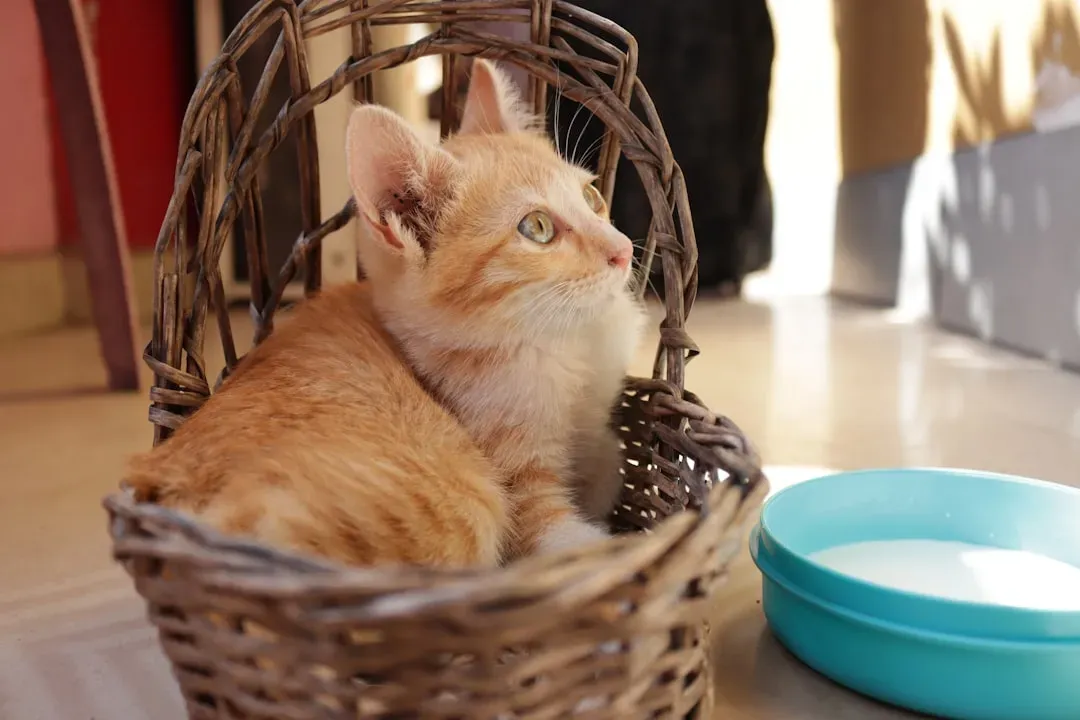
The image is iconic: a cat lapping contentedly from a saucer of milk. Forget everything you’ve seen in cartoons though. Many cats are lactose intolerant, and when cats wean off their mother’s milk they typically lose the ability to digest milk, so cow’s milk would upset their stomach.
Even cats who can technically tolerate dairy shouldn’t have much of it. Cats do not need milk if they’re fed a balanced diet, and once weaned many cats become lactose intolerant meaning milk can upset their stomach. Save yourself the cleanup and skip the milk altogether.
Cats and Dogs Are Natural Enemies

Despite the stereotypes, many cats and dogs can learn to live together peacefully and some even develop strong friendships and bonds, with patience and positive reinforcement being key. The whole cats versus dogs narrative is more Hollywood fiction than reality.
Sure, some cats and dogs don’t mesh well. Sometimes cats and dogs don’t get along, but it’s the same as two humans not getting along, and it’s all about knowing how to communicate with one another. With proper introductions and understanding of body language, these supposed enemies can become the best of friends.
Cats Are Nocturnal Creatures
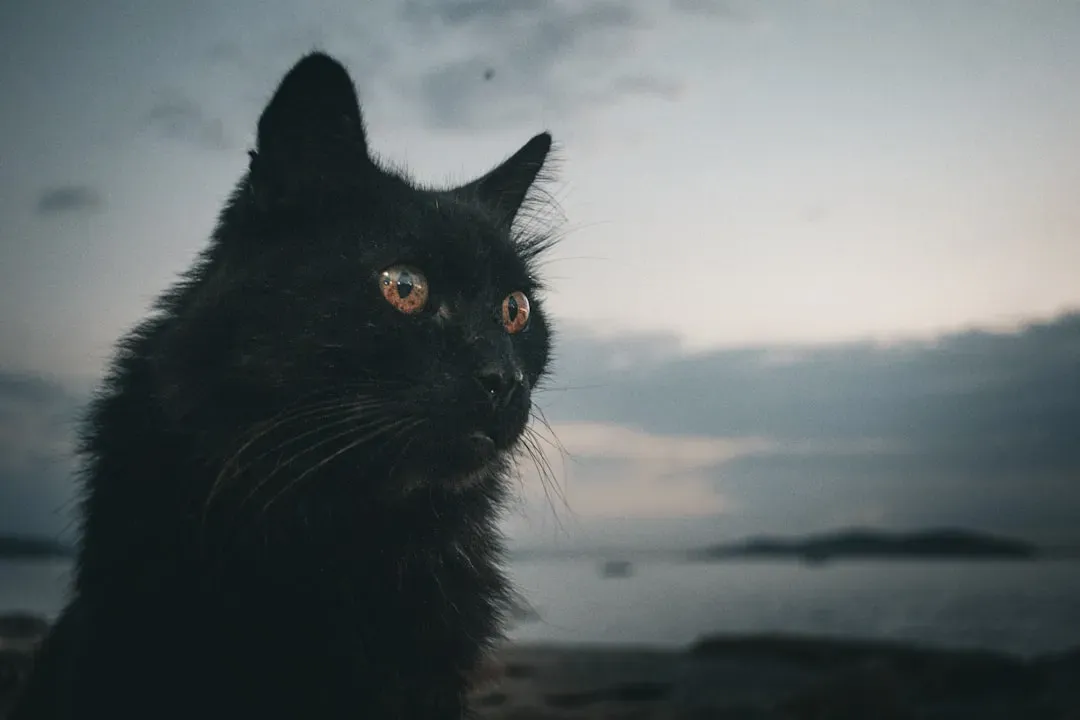
Cats are not nocturnal but are actually crepuscular, which means they are most awake at dusk and dawn, because in nature their natural prey is awake at dusk and dawn. We probably think they’re night owls because of those delightful three AM zoomies across our faces.
Your cat’s internal clock is wired differently than yours, though you can work with it. Establishing consistent feeding times and engaging them in evening play sessions before bed can help sync their rhythm closer to yours. It takes patience, yet it’s definitely possible to get some uninterrupted sleep.
All Cats Hate Water

While most cats hate baths, many find running water fascinating and spend time pawing at dripping faucets or demanding their guardians turn on the water for a fresh cool drink. The blanket statement that cats hate water simply isn’t accurate.
Most cats dislike water because their coats do not dry very quickly leaving them uncomfortable and cold, and the weight of water weighs them down meaning they cannot escape perceived danger as quickly. Some breeds, like the Turkish Van, actually adore swimming. It really depends on the individual cat and their experiences.
Every Cat Needs a Feline Companion
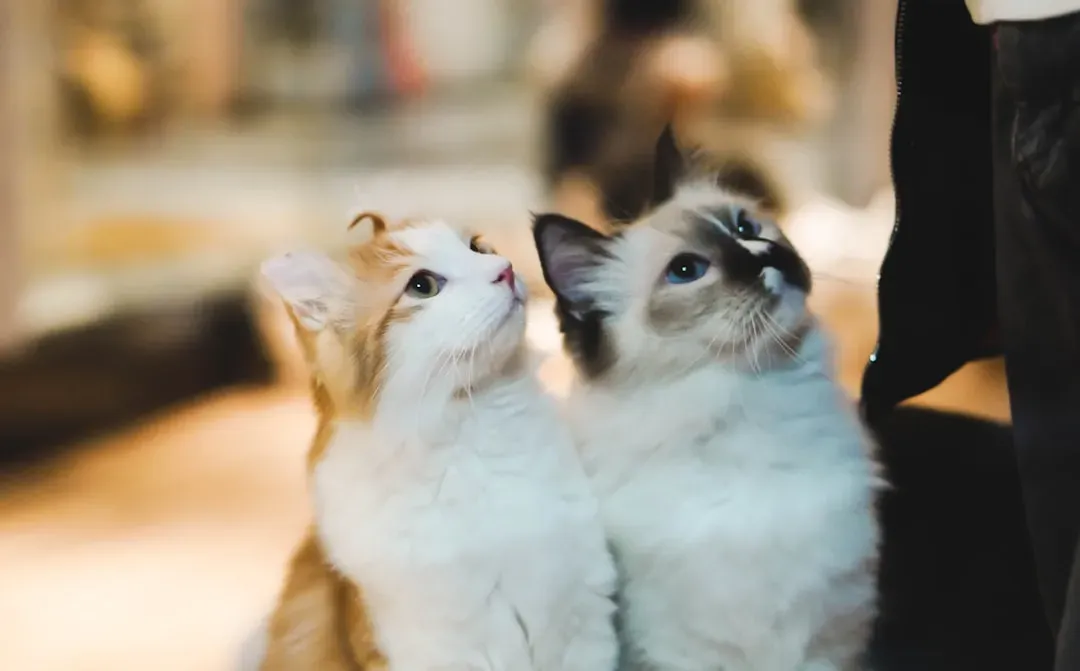
It’s not true that every singly kept cat is lonely and in need of a feline friend; some cats form pair bonds and benefit from another cat’s presence while for others the company of an additional cat may be stressful. This misconception causes well meaning owners to inadvertently stress out their perfectly content solo cat.
Owners need to consider the preferences of their individual cat when deciding whether to add another cat, as preferences may be influenced by the relatedness of the cats, their previous experiences, and whether the home provides adequate access to resources. Not every cat wants a roommate, and that’s completely okay.
Cats Don’t Form Emotional Bonds With Their Owners

Cats bond with their people often just as much as dogs do, and studies show that most cats create strong attachments to their guardians and experience feelings of comfort and safety by being around them. The perception of cats as aloof and uncaring couldn’t be further from reality.
Research from 2019 shows cats develop attachments to their caregivers in much the same way dogs do, with the study indicating that when cats live in dependency with a human attachment behavior is flexible and the majority use humans as a source of comfort. They just express affection differently than dogs do, which doesn’t make it any less genuine or profound.
Indoor Cats Don’t Need Much Stimulation or Exercise
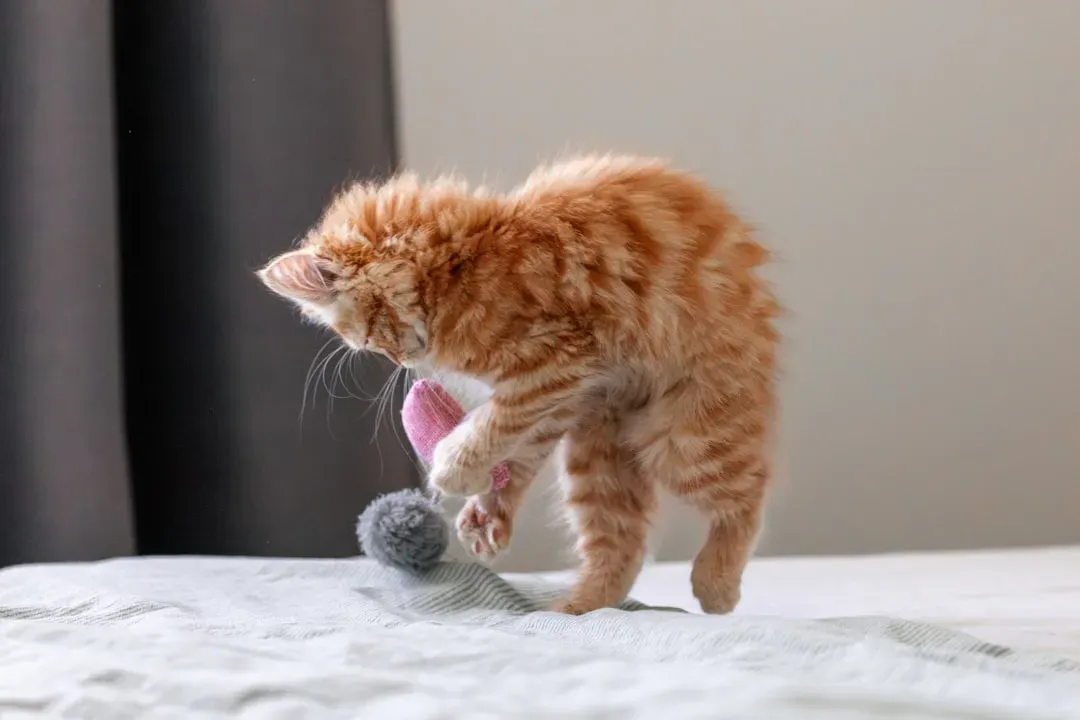
The myth that cats don’t need exercise is not only false but is a big reason for the large percentage of obese cats today, as cats are hunters and climbers by nature needing exercise for both physical and mental health. Letting your cat lounge around all day without engagement isn’t doing them any favors.
Cats thrive when given daily activities, and sharing playtime with your cat for a few minutes several times a day will cut down on nuisance behavior such as waking you up early in the morning. Think puzzle feeders, climbing trees, interactive toys, and dedicated play sessions. Your cat’s body and mind need regular workouts just like yours do.
Conclusion: Understanding Your Cat Beyond the Myths
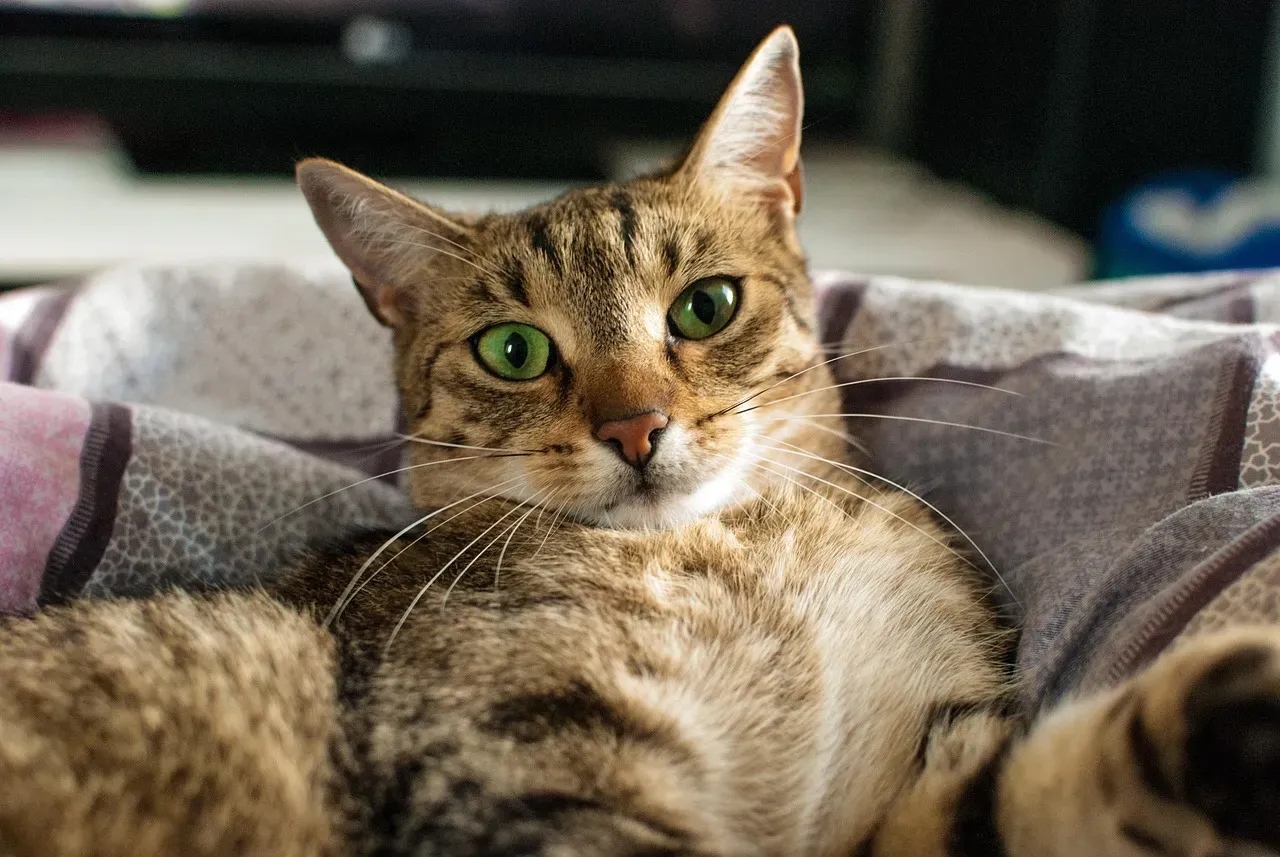
Breaking free from these misconceptions transforms how you relate to your feline companion. Cats aren’t mysterious creatures operating on some unknowable frequency. They’re complex, social, emotionally intelligent animals with individual personalities and genuine needs.
The more you understand the truth behind their behavior, the stronger your bond becomes. You’ll recognize their subtle communications, respect their boundaries, and provide enrichment that actually matters to them. Stop believing the myths and start seeing your cat for who they really are: a unique individual deserving of informed, attentive care. What myths did you believe before reading this? Share your thoughts in the comments below.
Kristina is a young writer from India. An arts graduate and an avid content creator, Kristina is passionate about animals and wildlife. She enjoys exploring topics related to pet care, animal behavior, conservation, and nature, combining thorough research with engaging storytelling.