10 Common Cat Behaviors That Mean Something Entirely Different Than You Think
You've probably spent years thinking you understand your feline companion perfectly. That purring means she's happy, the tail wag signals a warm greeting, and when she shows you her fluffy belly, she's inviting a good rub. Here's the thing though. Cats are far more complex communicators than most of us realize, and those behaviors you've been interpreting one way might actually mean something completely different.
Think of it like learning a new language where every gesture counts. Let's dive into some of the most commonly misunderstood cat behaviors that could completely change how you interact with your furry friend.
1. Tail Wagging Doesn't Mean They're Happy to See You
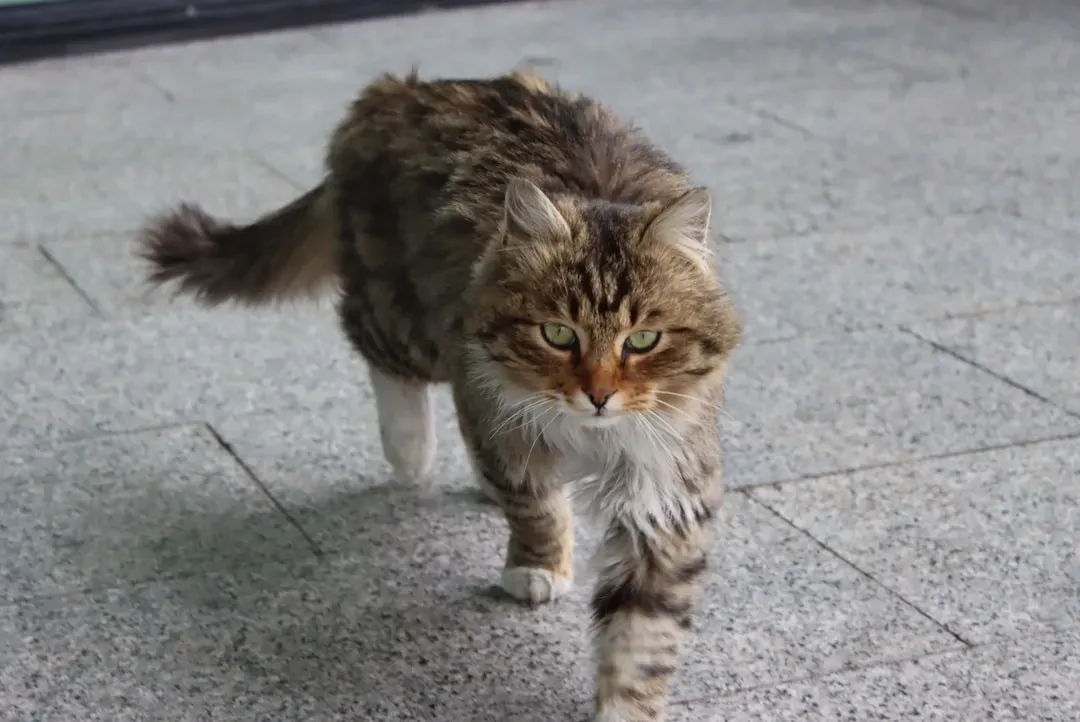
Unlike dogs, cats usually don't wag their tails as an indication that they want to interact; for cats, tail wagging can be a sign of agitation. If your cat's tail is swishing back and forth while you're petting her, she's probably not enjoying the moment as much as you think. When your cat thrashes their tail or is thumping it on the ground, they are irritated, annoyed, or angry, which tells you that something is bothering your cat.
A cat with their tail twitching means they are experiencing a lot of stimulation, and while tail wagging sometimes means frustration, a stimulated cat is more often than not a frustrated one. The intensity matters too. A gentle, slow swish might just mean your cat is focused on something interesting, but rapid, aggressive whipping? That's your signal to back off and give them space.
2. Showing Their Belly Isn't an Invitation for Belly Rubs
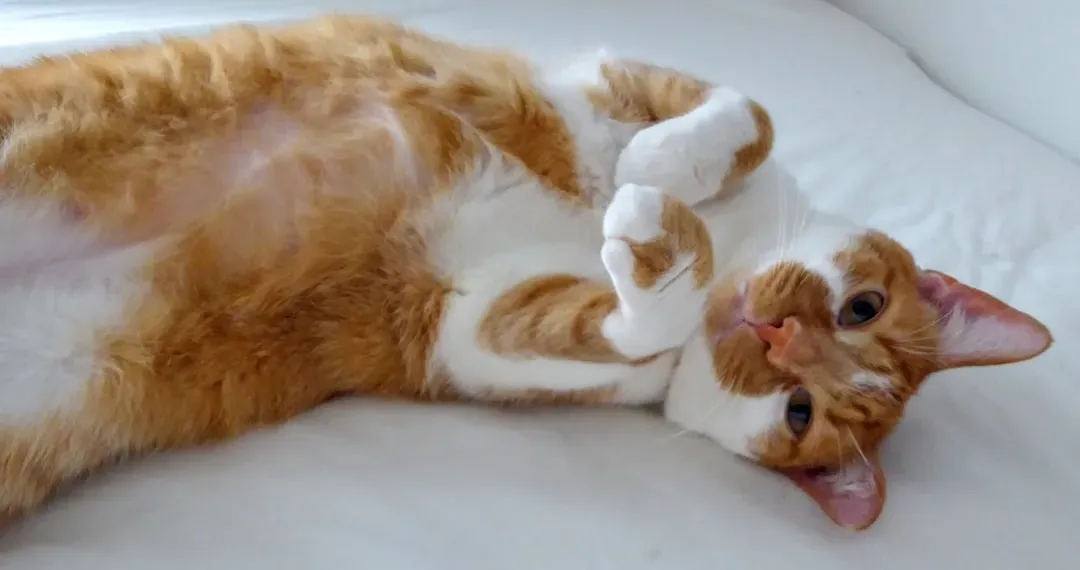
When cats expose their bellies to us, they are saying they trust us, but when we take them up on this offer by rubbing their bellies, they may retract it with a bite or a scratch, as it was only meant as a form of communication. Let's be real, this one catches nearly everyone off guard at least once. Cats know their stomachs are their most vulnerable areas, which is why they guard them so fiercely; by exposing her stomach to you, she's saying she is comfortable with you and trusts you.
I know it sounds crazy, but that exposed fluffy belly is essentially your cat saying "I feel safe enough around you to be vulnerable." It's not a request for physical contact. Most cats will react defensively if you actually try to touch their belly because you've just touched their most vulnerable spot. Think of it as a compliment you should admire from a distance.
3. Purring Isn't Always a Sign of Contentment
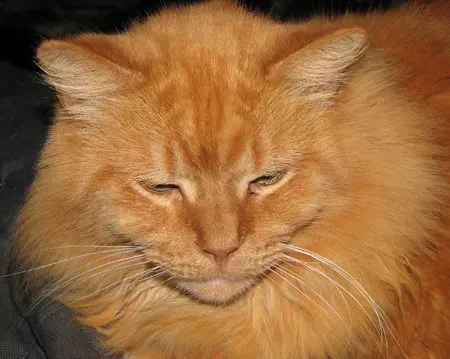
Most of us think of cats purring when they are happy or content, but cats also purr at times of fear, stress and pain; it's possible the act of purring when less than happy is a bit like humans whistling in the dark. Your cat might purr while getting a cozy pet session, sure. Yet they might also purr when they're anxious, sick, or even injured.
Cats purr in order to reduce stress, so while your cat may be purring around you because they love you and want you to not be stressed when you are cuddling, they can also purr when they are injured or experiencing distress of their own. Pay attention to the context. If your cat is purring but also hiding, not eating, or showing other concerning behaviors, that purr might be a self-soothing mechanism rather than a sign of happiness.
4. Kneading Means More Than Just Affection
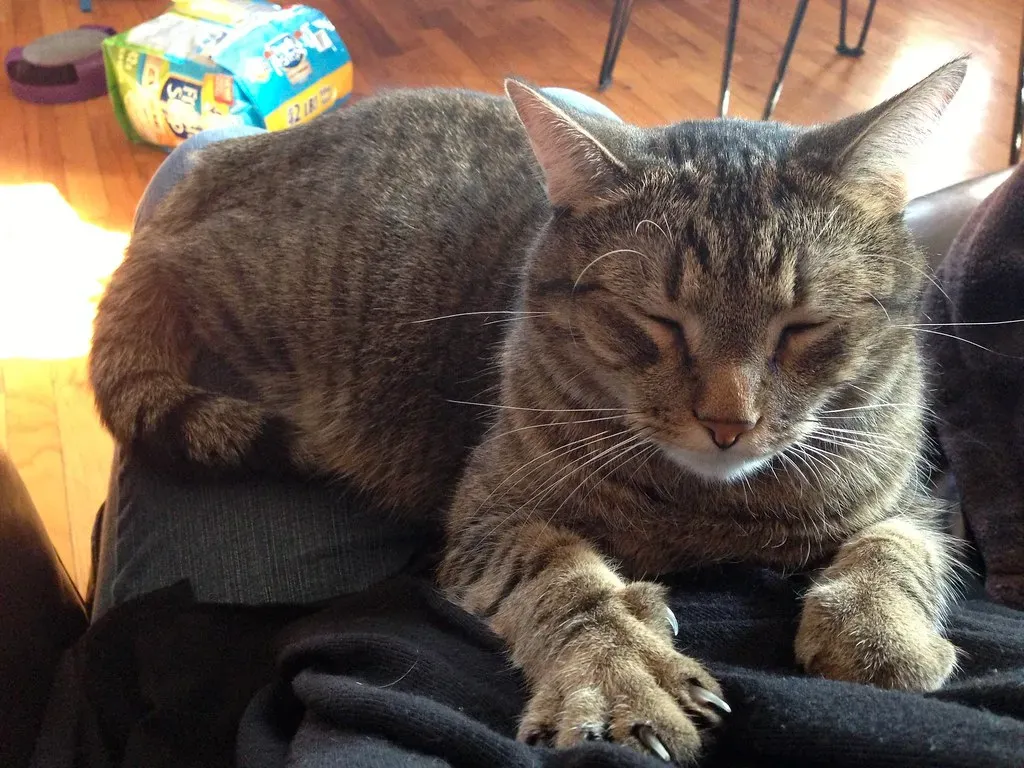
Kittens use a kneading action to stimulate milk production from their mother cat when nursing, and because nursing and being around a mother cat's calming pheromones encourages a sense of contentment in young kittens, many cats will continue to knead into adulthood to create a similar sense of calm and relaxation. Those rhythmic paw presses into your lap definitely show love, but there's more to the story. Cats have scent glands between their toes, so when they knead an object or a person, their scent is deposited onto that surface, allowing the cat to mark his territory.
Honestly, when your cat is making biscuits on your stomach, they're not just showing affection. They're also claiming you as their own property. It's like leaving a little "This Human Belongs to Me" sign for any other cats who might come sniffing around.
5. Rubbing Against Your Legs Isn't Buttering You Up
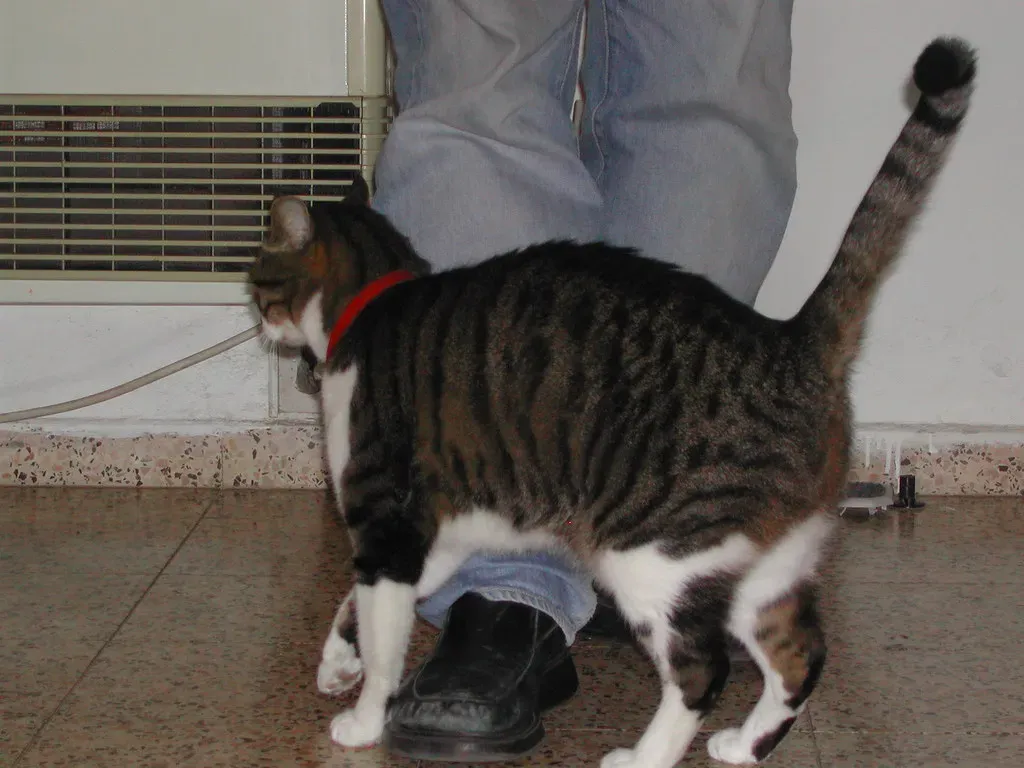
You might think that your cat is rubbing against your legs to butter you up when they want something, but that's not the case; it's more likely a sign of affection and ownership, as when they rub against you, they transfer their pheromones onto you, thus marking you as theirs. Those head bumps and leg rubs feel like sweet greetings, and they are. But they're also territorial markers.
Cats have scent glands on their face that deposit unique identifying odors on the object they rub against, so when they rub against you they are affirming that you are part of their family. Think of it like your cat putting a little invisible name tag on you that says "Property of Mr. Whiskers." It's affectionate, sure, but also deeply possessive.
6. Slow Blinking Is Actually a Kitty Kiss
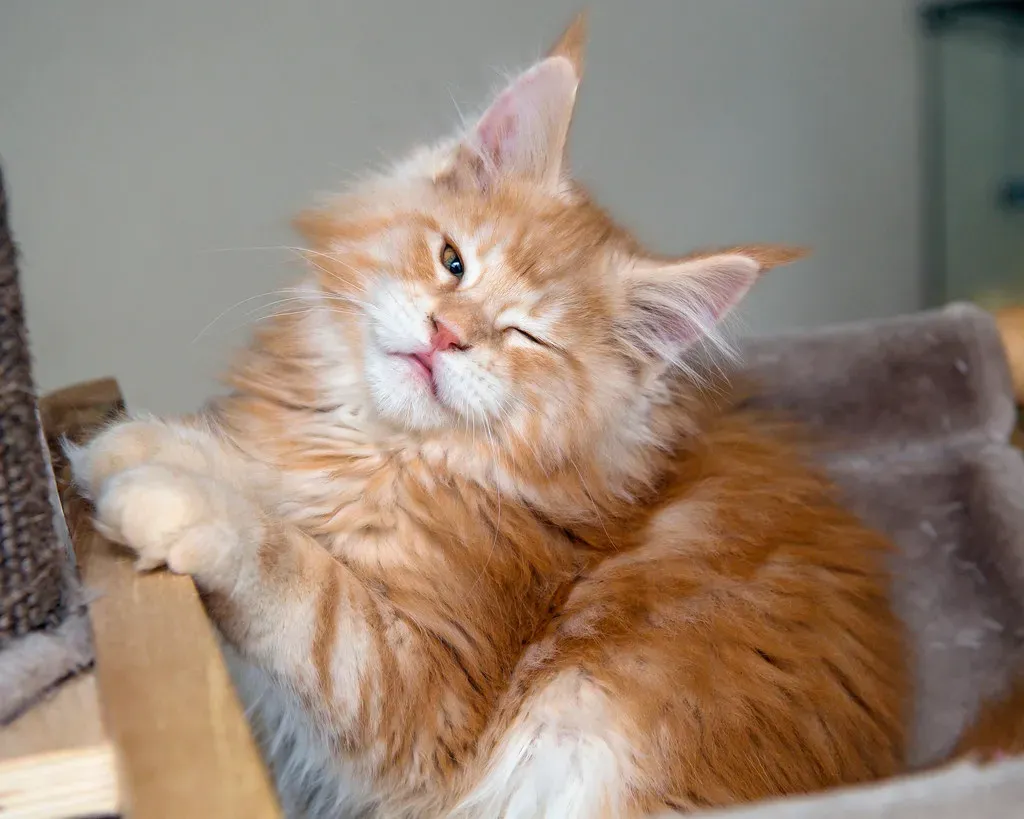
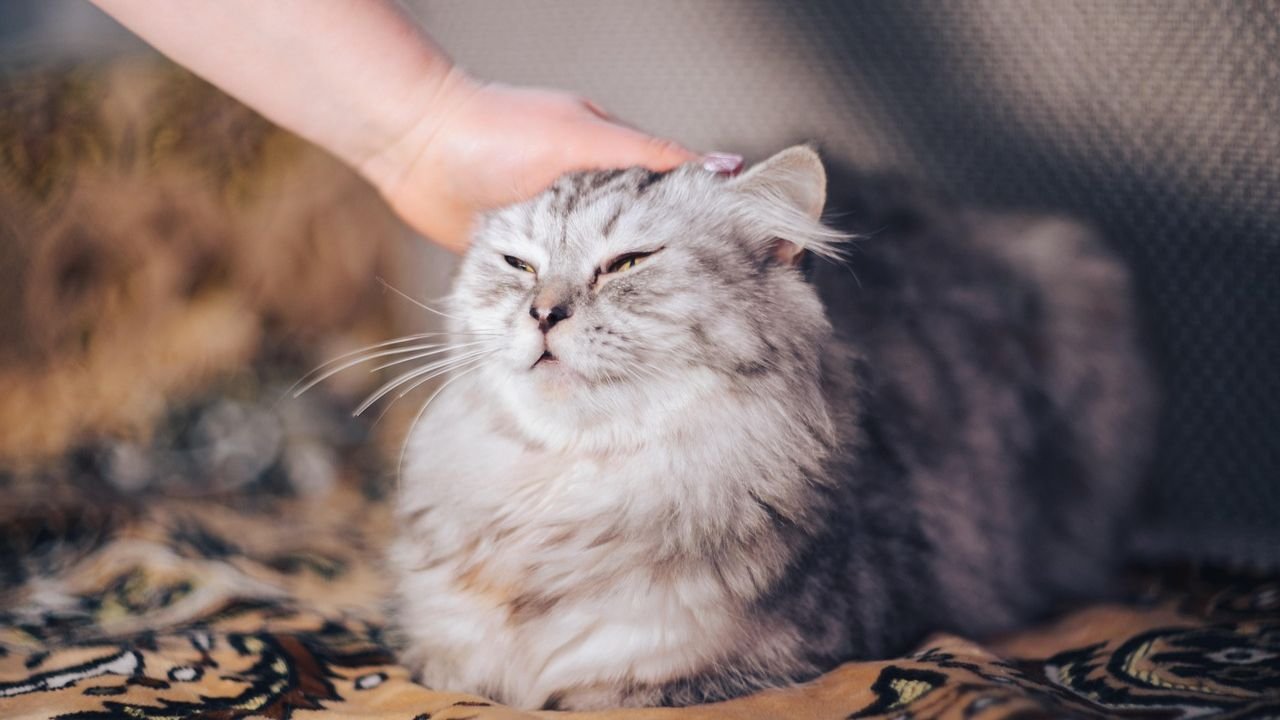
When your kitty slowly blinks at you, behaviorists call this act kitty kisses, and these slow blinks are your feline's way of showing affection and telling you that they like and trust you. This is one of those behaviors that's actually more meaningful than most people realize. Slow blinking is one of the ultimate signs of trust that your cat can give you, and when your cat looks at you and slow blinks, they are relaxing their guard; after all, a cat in the middle of a slow blink is vulnerable at that moment.
In a study, researchers found that cats were more likely to slow blink after their owners slow blinked at them, and they took it a step further by leaving the cat alone with a researcher whom the cat didn't know; the researcher slow blinked at the cat, which led to the cat approaching the researcher's outstretched hand. You can actually use this to communicate back. Try giving your cat a slow blink next time they're looking at you. It's like sending them a little "I love you too" message in their own language.
7. Bringing You Dead Animals Is Their Version of Gift Giving
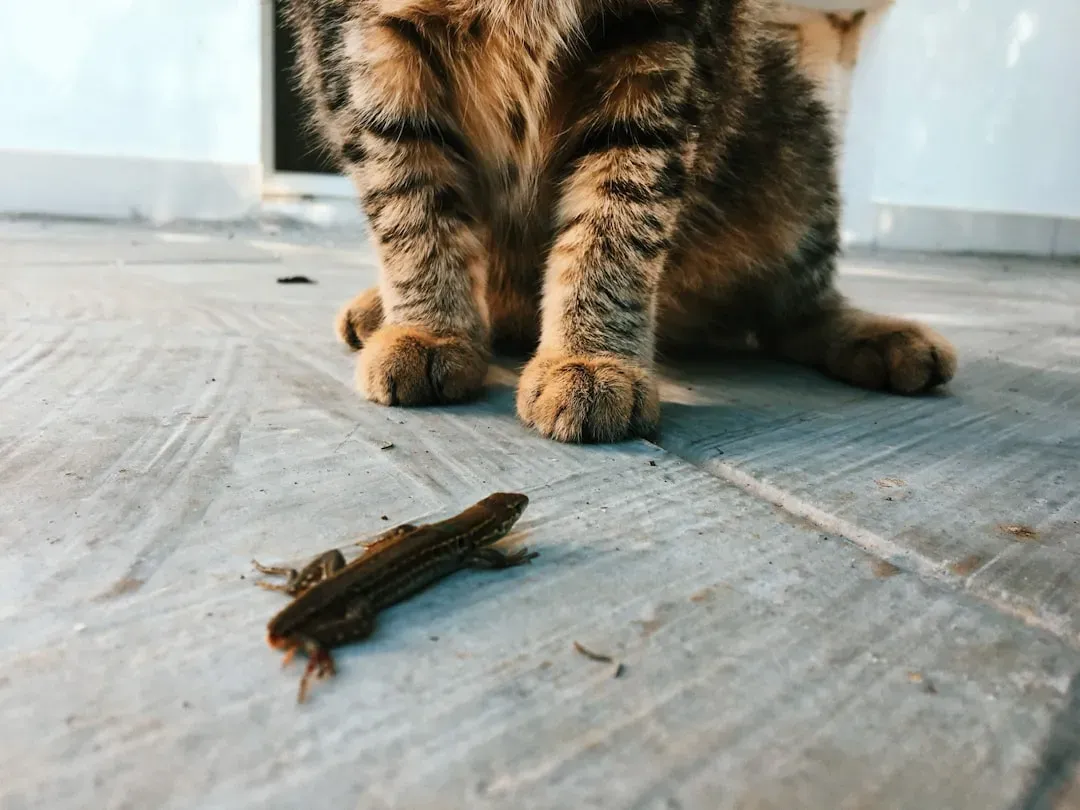
Cats have an innate hunting instinct, which can sometimes manifest in them bringing their humans dead birds, rodents, or bugs; this behavior is a way for cats to show their affection and regard their human family as part of their pack, as by presenting these items as gifts, cats are demonstrating their desire to contribute to the group's wellbeing. I know nobody wants to wake up to a dead mouse on their pillow. It's genuinely gross.
Yet from your cat's perspective, they're being incredibly thoughtful. Behaviorists have a few theories on why your cat is persistent in their pursuit of leaving you their kills, and even though this habit may be perceived as a gross one, your kitty is acknowledging you as a member of their group and sharing their hunting success with you. They might even think you're a terrible hunter who needs help getting food. It's weirdly sweet when you think about it that way.
8. Chattering at Birds Isn't Frustration, It's Practice
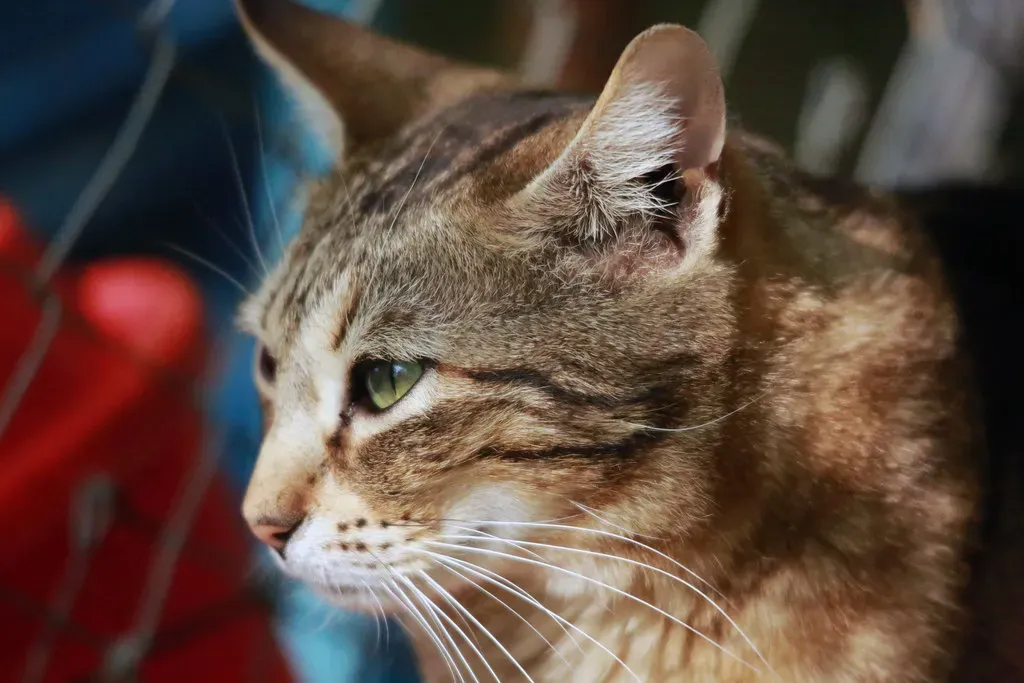
You have probably heard your cat emit a fast and intense teeth chattering, especially when they spot a bird while gazing out of a window, and behaviorists speculate that this is because your cat is frustrated that they cannot get outside to hunt prey; they also may be excited and slightly aggravated. That rapid clicking sound your cat makes while staring at birds through the window is fascinating. Others say that this strange jaw movement may be your kitty's natural instinct that allows their muscles to prepare for the act of killing prey.
Some experts believe the chattering is literally your cat practicing the killing bite they'd deliver to that bird if they could reach it. It's like they're doing a little rehearsal, running through the motions in their mind. Pretty intense for such a cute behavior, right?
9. Staring at You Isn't Creepy, It's Communicative
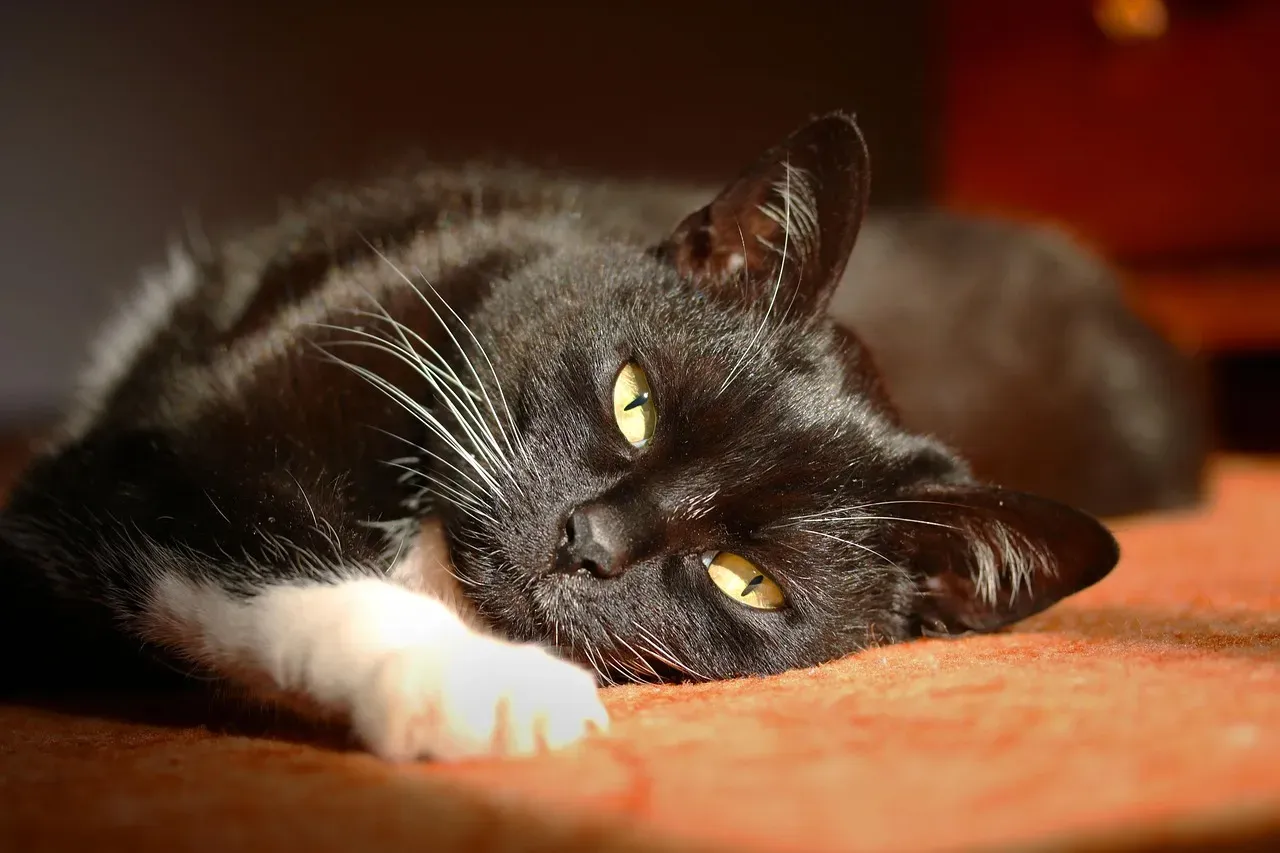
When your cat is staring you down, they're probably just trying to get your attention, but if the stare is intense, this staring contest could mean that they are on high alert about someone or a situation. Cats don't blink as much as we do, which can make their stares feel unsettling. It is advised to not look at your cat directly in the eyes, as with any animal, cats see this as an act of aggression in preparation for a fight.
Direct, unblinking eye contact between cats is essentially a challenge. If your cat is staring at you without blinking, they might be trying to communicate something specific, like hunger or the need to play. Soften your gaze or give them a slow blink to show you're friendly rather than challenging them.
10. Avoiding the Litter Box Isn't Spite, It's a Distress Signal
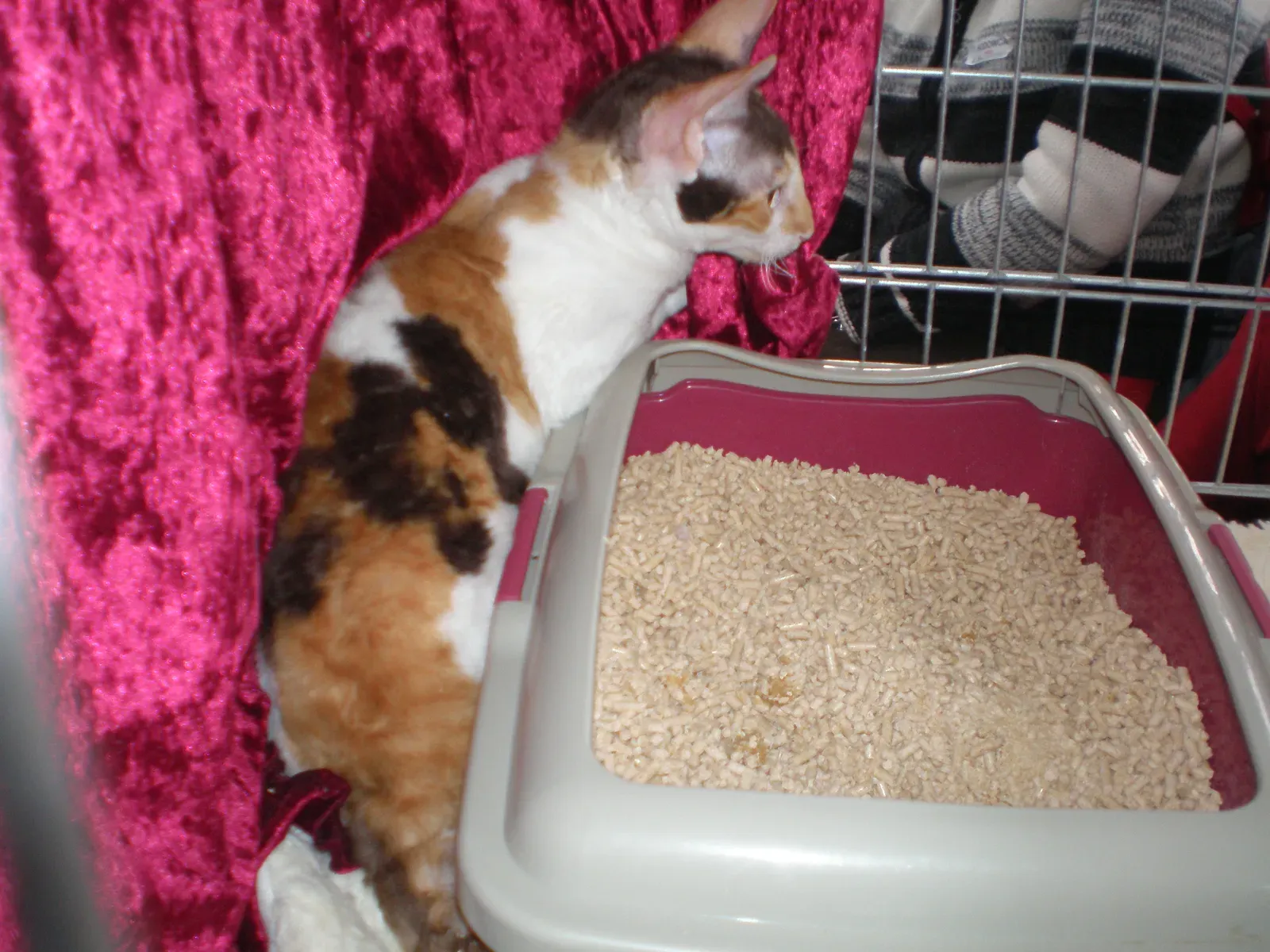
Cats don't do this to annoy us, and if your cat has previously been great at using their box and then suddenly starts urinating or defecating in inappropriate places, this is often a sign of a health issue or stress. This is probably the most misunderstood cat behavior of all. So many people think their cat is being vindictive or acting out. Cats simply don't work that way.
Urinating outside the litter box or on the bed can be a frustrating behavior for pet owners, but cats may engage in this behavior due to stress or a dislike for their litter box. Medical issues like urinary tract infections or kidney problems can make using the litter box painful, so your cat associates the box with pain and avoids it. Stress from changes in the household, a dirty litter box, or even the type of litter can trigger this behavior. It's a cry for help, not an act of revenge.
Conclusion
Understanding what your cat is really trying to tell you changes everything about your relationship with them. These little furballs are constantly communicating through body language, vocalizations, and behaviors that we often misinterpret through a human lens. Once you start seeing their actions for what they truly mean, you'll find yourself responding to their needs more effectively and building a deeper bond of trust.
The next time your cat wags their tail or shows you their belly, you'll know exactly what they're really saying. What surprising cat behavior have you been misreading all along? Share your stories in the comments.