Do Cats Choose Their Humans? Unpacking the Mystery of Feline Affection
Have you ever felt like your cat decided you're the one, not the other way around? Maybe you're sitting quietly on the couch and your feline friend jumps onto your lap, completely ignoring everyone else in the room. Or perhaps you've watched with a bit of jealousy as your cat chooses your partner's lap over yours, even though you're the one filling the food bowl every morning. There's something mysterious about how cats form bonds with people.
It turns out your instincts aren't wrong. Cats loving and choosing a favorite human caregiver stems from a combination of personality, human-cat communication, routine, and environment. Unlike dogs, who often love everyone enthusiastically, cats seem to have their own criteria for selecting their special person. Let's explore the fascinating science and behavior behind how these enigmatic creatures decide who gets their affection.
The Science Behind Feline Attachment
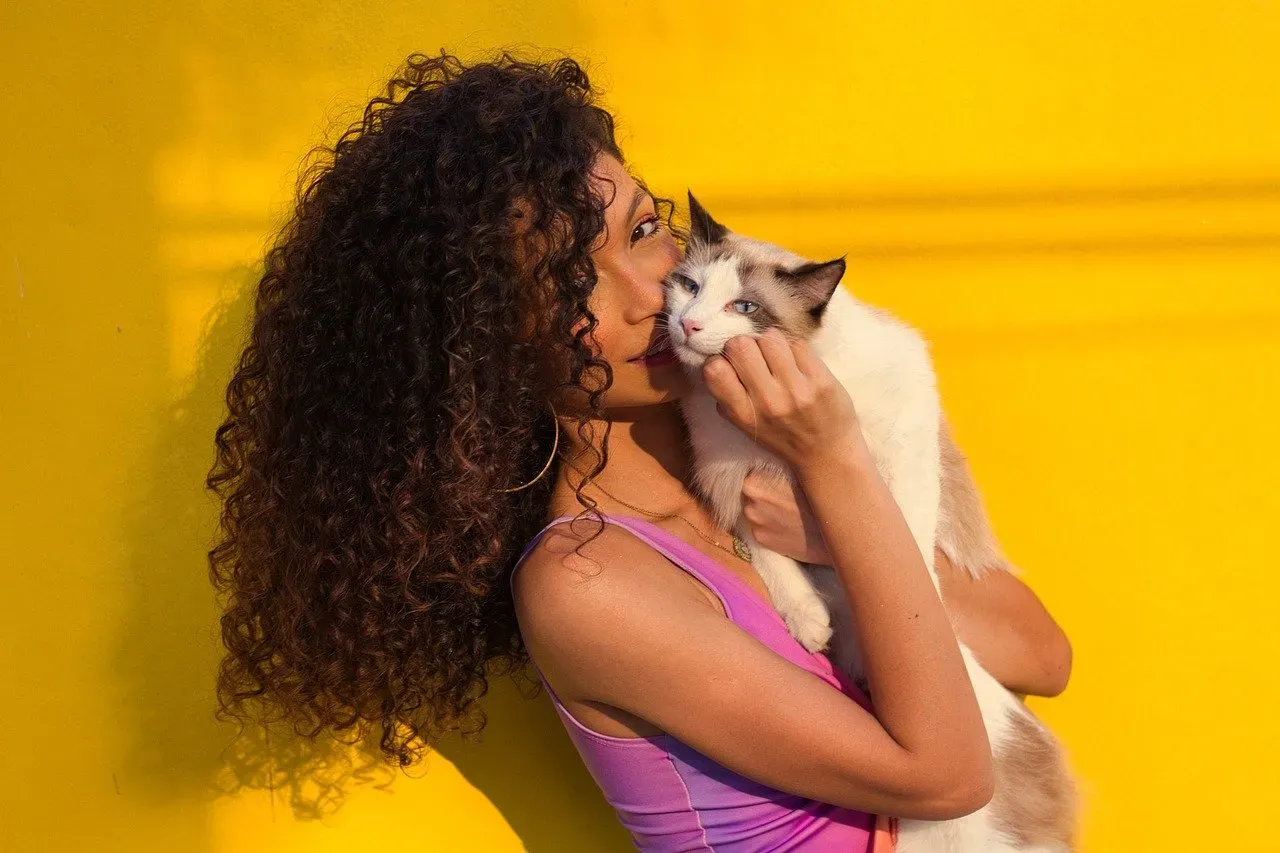
Let's be real, for years people believed cats were too independent to form real attachments to humans. That myth has been thoroughly debunked. About 65 percent of both cats and kittens are securely bonded to their people, and the findings show that cats' human attachments are stable and present in adulthood. Researchers used behavioral criteria similar to those used to study attachment in human infants, and the results were striking.
Research has shown cats can form secure attachments to their owners, like infants with caregivers and they recognize human emotions, read tone and gesture, and exhibit behaviors linked to empathy and social awareness. Think about that for a moment. Your cat isn't just tolerating you or sticking around for the food. They're forming genuine emotional bonds, reading your moods, and responding to your energy. The attachment is real, even if it looks different from the enthusiastic tail wagging you'd get from a dog.
Effort and Communication Matter Most
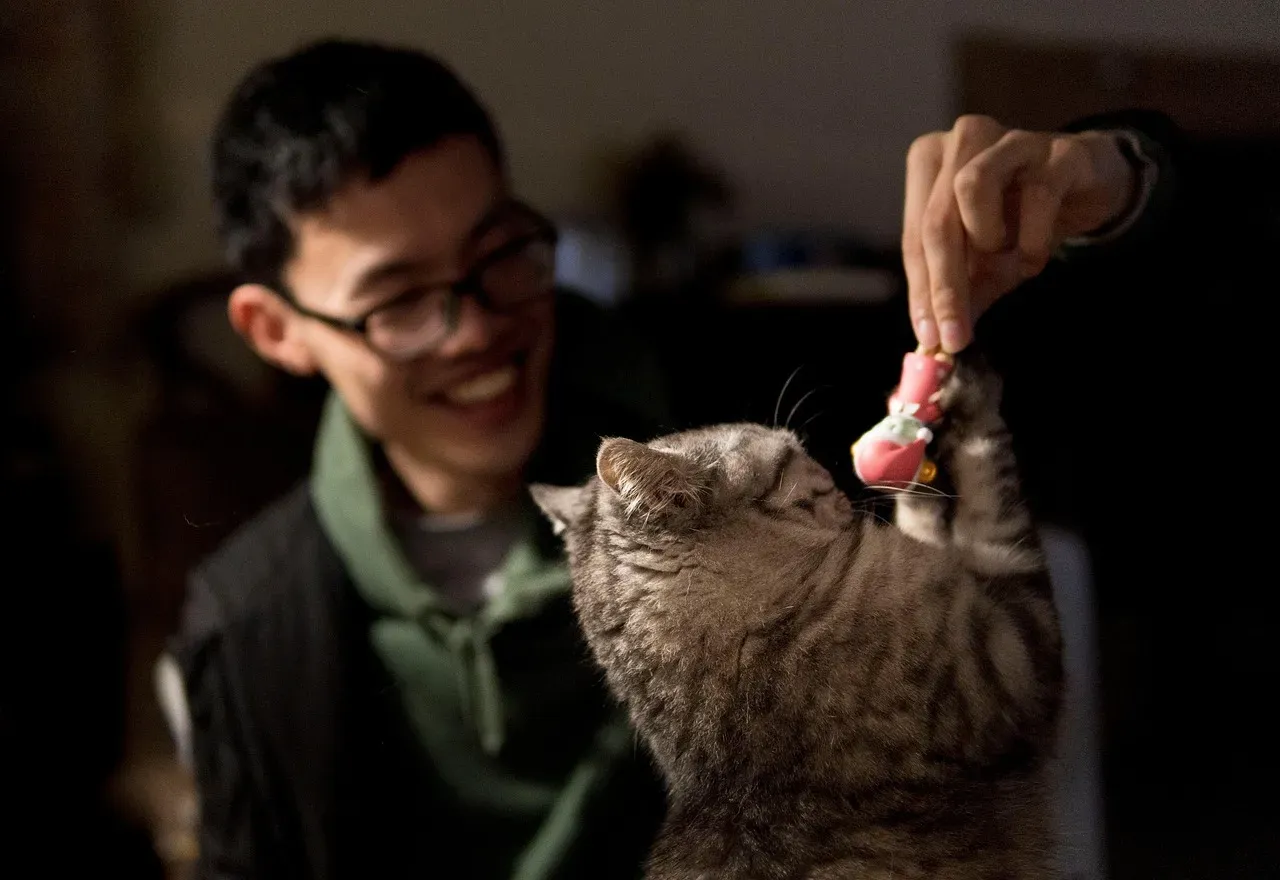
The person who makes the most effort is the favorite, and people who communicate with their cat by getting to know their cues and motives are more attractive to their cat companions. Here's the thing: cats reward understanding. If you're the person who notices when your cat's tail starts twitching before they get annoyed, or who recognizes that particular meow means they want to play, you're speaking their language.
Communication between cats and humans is largely nonverbal. They're observing your body language, your tone of voice, and your energy levels constantly. If one human consistently feeds, pets, plays with, snuggles, and pays attention to a cat, it's only natural that the two will become better attuned to each other's body language and mood. The volume of positive interactions creates a nuanced communication system that's almost like having a secret code between you and your cat.
Personality Matching Is Key
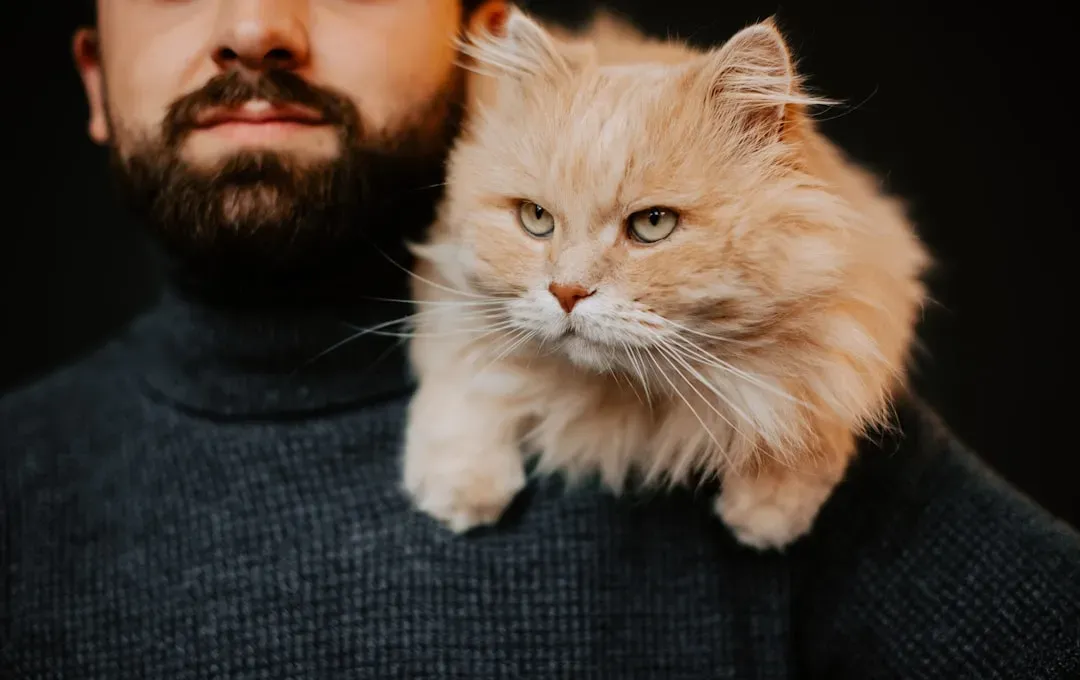
Not every cat wants the same things from their human companion. If your cat is the sort who just wants to be chill and relax, they will probably go for the family member who is calm and quiet, while playful, energetic cats who love to stay active will likely choose a friend who gives them this exercise and attention. It's honestly fascinating how cats seek out people whose energy matches their own preferences.
This means you can't force your cat to love you the way you want to be loved. If you're naturally high energy and loud, a shy, nervous cat probably won't choose you as their favorite person. Similarly, if you prefer quiet evenings and minimal interaction, an active cat who wants constant play might bond more strongly with someone else in the household. The chemistry has to work both ways.
The Paradox of Ignoring Cats
Here's something that might surprise you: Cat experts have noted that cats often gravitate towards the visitor that ignores them over the one that pursues them, and it makes sense because who likes their personal space being invaded? I know it sounds crazy, but the person who doesn't really care about cats often ends up being the chosen one.
Sometimes, the cat's chosen one is the person who pays them the least attention, and a person who doesn't immediately try to engage often feels calmer and less overwhelming. When you're not chasing your cat around trying to pet them or pick them up, you're giving them the control they crave. They can approach you on their terms, which makes them feel safe. This is probably why so many cat allergic people joke about cats always coming to them.
Early Socialization Shapes Preferences
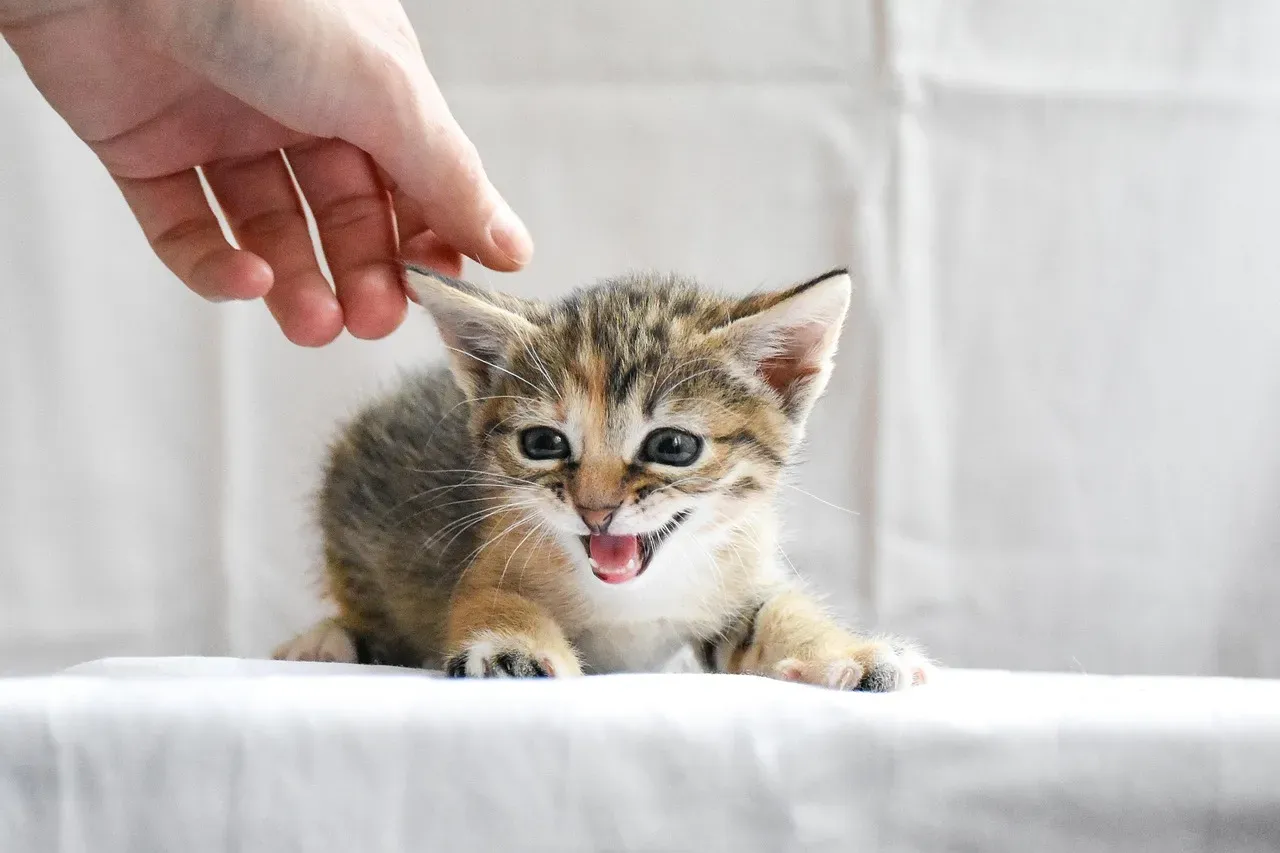
The first three to seven weeks of a kitten's life play a significant role in how kittens respond to people, and regular handling and exposure to different sounds and smells can help kittens grow into well-adjusted, human-bonded cats. Those early weeks create a foundation for how comfortable a cat will be with humans throughout their life.
Kittens who don't have positive human interaction during this critical window often remain more cautious or even fearful of people. It's not impossible to win over an under-socialized cat, but it takes considerably more patience and time. The good news? Anything a cat didn't experience during that development window in their kittenhood will take time to learn they can trust it. With consistent positive experiences, even wary cats can eventually choose a favorite person.
Food Isn't Everything
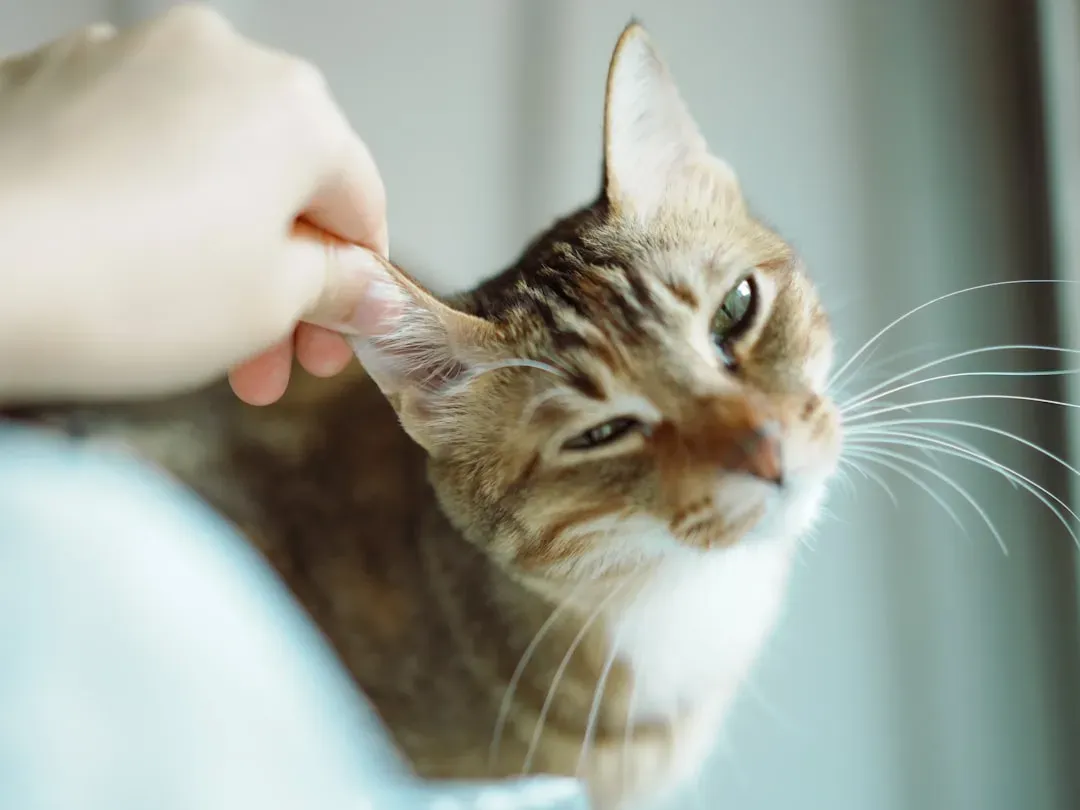
You might assume the person who feeds the cat automatically becomes the favorite. A cat's favorite person is often the one who feeds them. While food definitely helps establish a positive association, it's not the whole story. Survival instincts do play a role in how cats form bonds, yet many cats choose someone other than their primary caretaker as their special person.
The person who gets up every day and feeds the cat their favorite food is going to be in the running for the cat's favorite person, and if that person also spends time with the cat and has a few minutes for games before heading to work, it's almost a lock. Food combined with quality interaction creates a powerful bond. Still, I've seen plenty of households where one person does all the care but the cat prefers someone else who just happens to vibe better with them.
Routine Creates Trust and Security
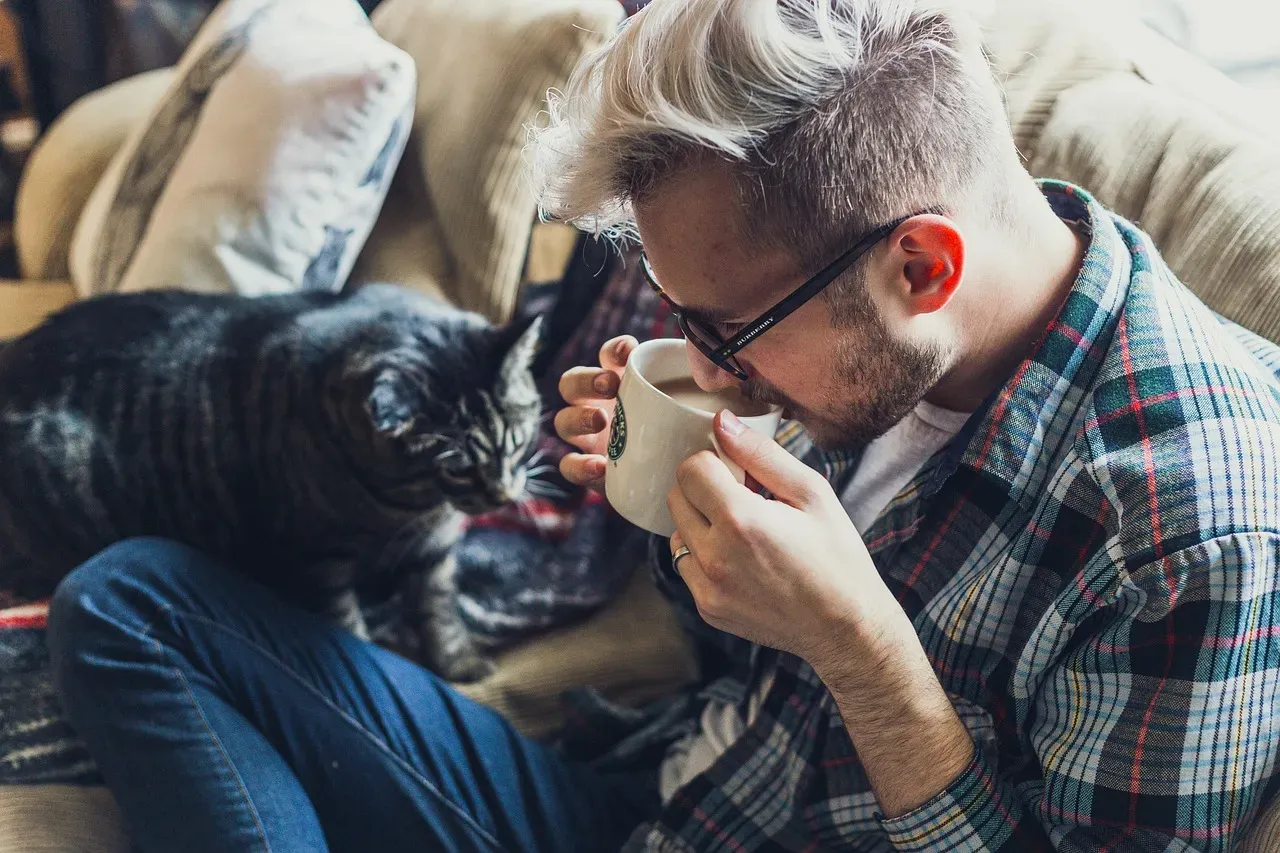
Cats are creatures of habit, and keeping a regular schedule is one of the simplest ways to help you bond with your cat and become their favorite person. Predictability makes cats feel safe. When you wake up at the same time, feed them at consistent hours, and maintain regular play sessions, your cat learns they can rely on you.
Cats thrive on routine, and they bond with the person who wakes up at the same time, comes home consistently, and feeds or interacts predictably, because consistency creates trust and trust creates attachment. This is why cats often seem to know exactly when you're supposed to come home or when it's mealtime. They're reading patterns, and those reliable patterns build their sense of security with you.
Respecting Boundaries Wins Affection
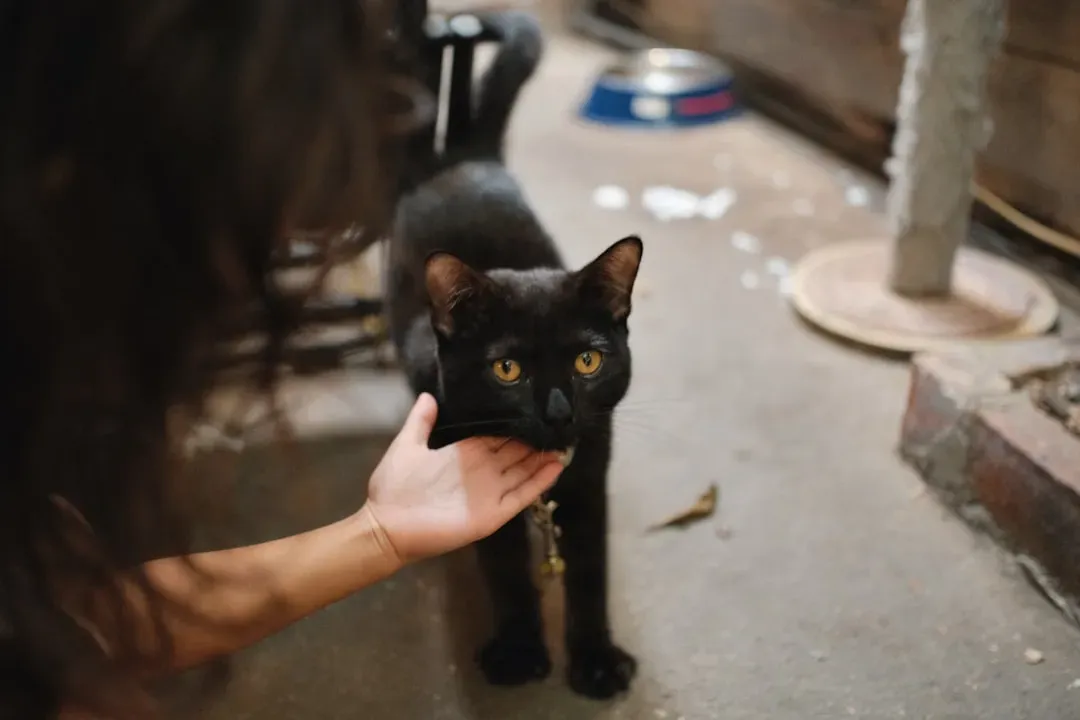
Cats value autonomy more than almost anything else. Cats prefer to feel in control, so allow your cat to come to you and initiate interactions, and don't forcibly touch or pet them in places they dislike. The more you respect your cat's choices, the more they'll choose to be around you. It's counterintuitive for people who are used to dogs, who generally tolerate or enjoy being handled whenever.
One of the best ways to respect your cat's boundaries and become their preferred person is to understand and honor their uncomfortable zones, which means keeping your hands off their "no petting places," like their bellies, legs, and paws, and over their heads. Pay attention when your cat moves away or shows signs of irritation. Those boundaries aren't rejections - they're your cat communicating their preferences. Honor them, and you'll build trust.
The Chemistry Factor You Can't Fake
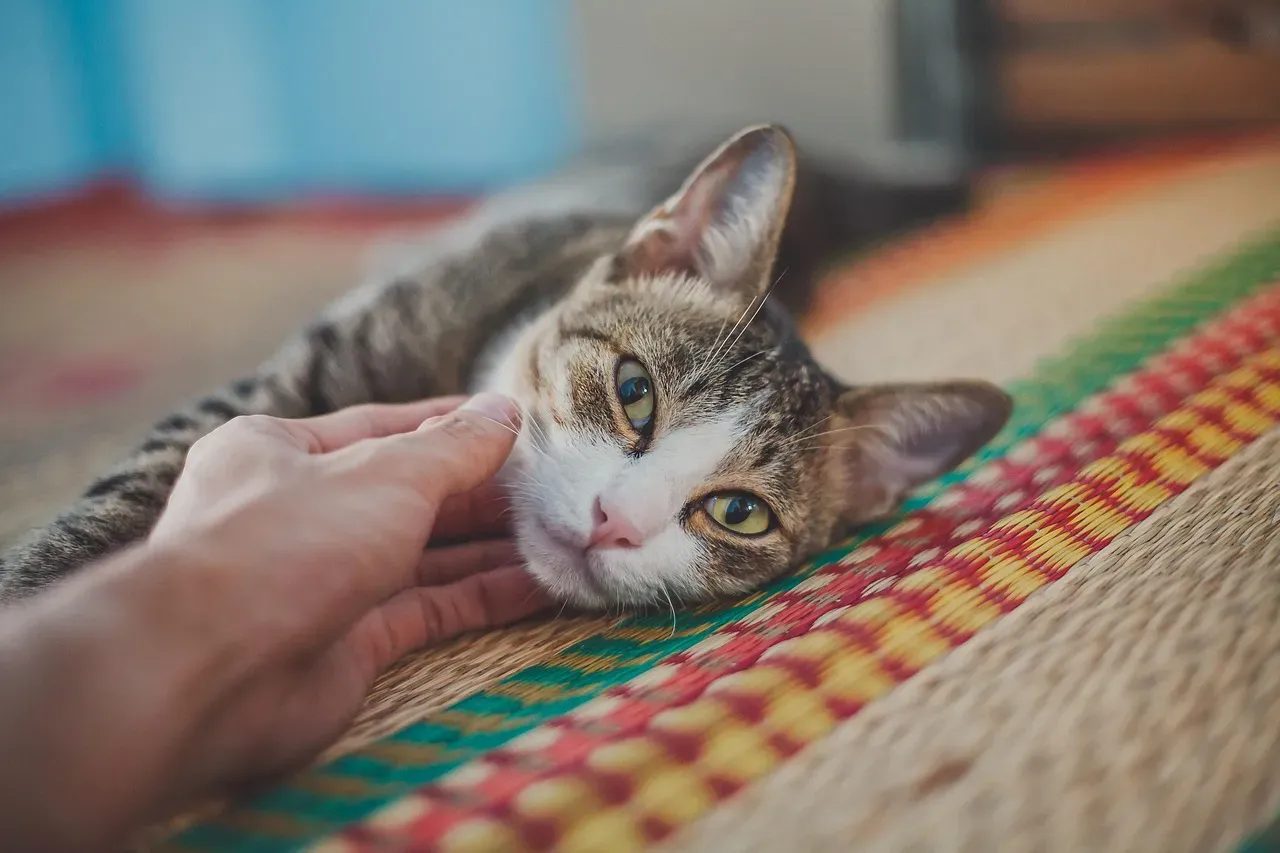
Sometimes, it might just be about the chemistry between the person and the cat, and the same way that you don't always know why you prefer one person over another, your cat may not really know either. There's an unexplainable element to feline preference that goes beyond logic. Some people just naturally emit an energy that cats find comforting or appealing.
A cat will naturally gravitate towards the person who has a calmer, more centered energy, or maybe the person happens to be calmer and more centered in the cat's presence, no matter how they are elsewhere. Even your natural scent plays a role. Cats have incredibly sensitive noses, and they might simply prefer how one person smells over another, whether that's your natural body chemistry or the absence of strong perfumes.
Signs Your Cat Has Chosen You
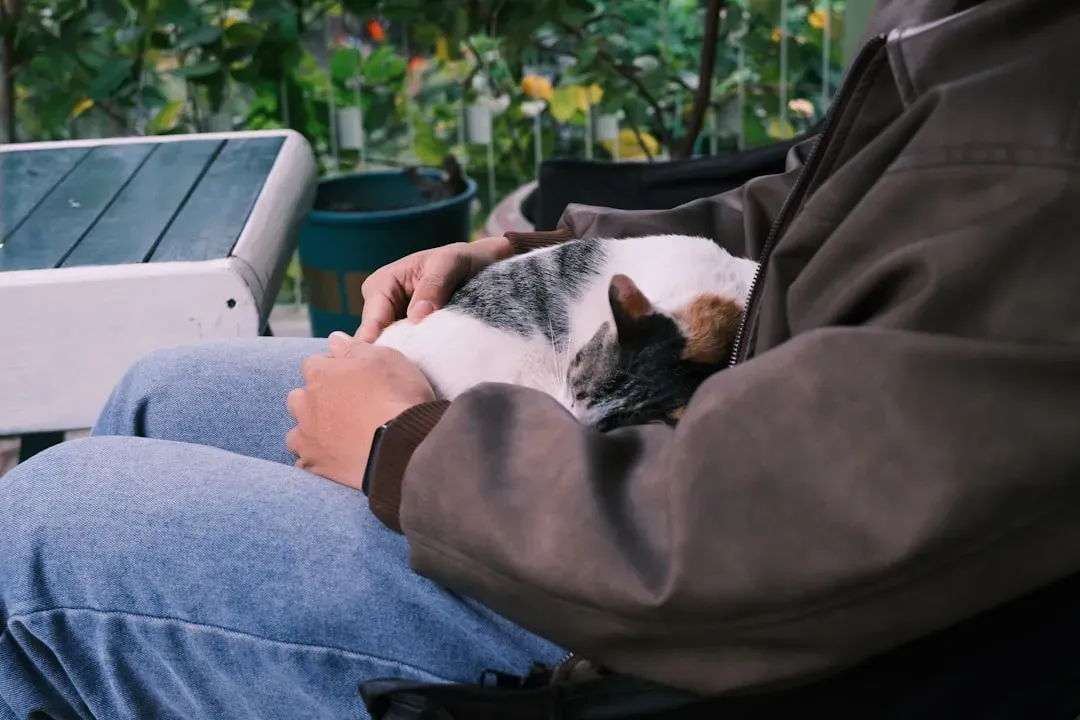
One indication might be if yours is the lap they choose to curl up on when given a choice, and if they fully relax and fall asleep, that's the ultimate display of trust. When a cat chooses to sleep on you, they're telling you they feel completely safe. Cats are vulnerable when sleeping, so this is a huge compliment.
Head bunting, when your cat bonks their forehead against your hand, arm, legs, or body part closest to them, means they want to feel close. Other signs include following you from room to room, bringing you toys, purring consistently in your presence, and making eye contact with slow blinks. When a cat exposes their belly or flops around briefly, it displays a deep level of trust. These behaviors all point to one conclusion: you've been chosen.
The Role of Chemistry and Oxytocin
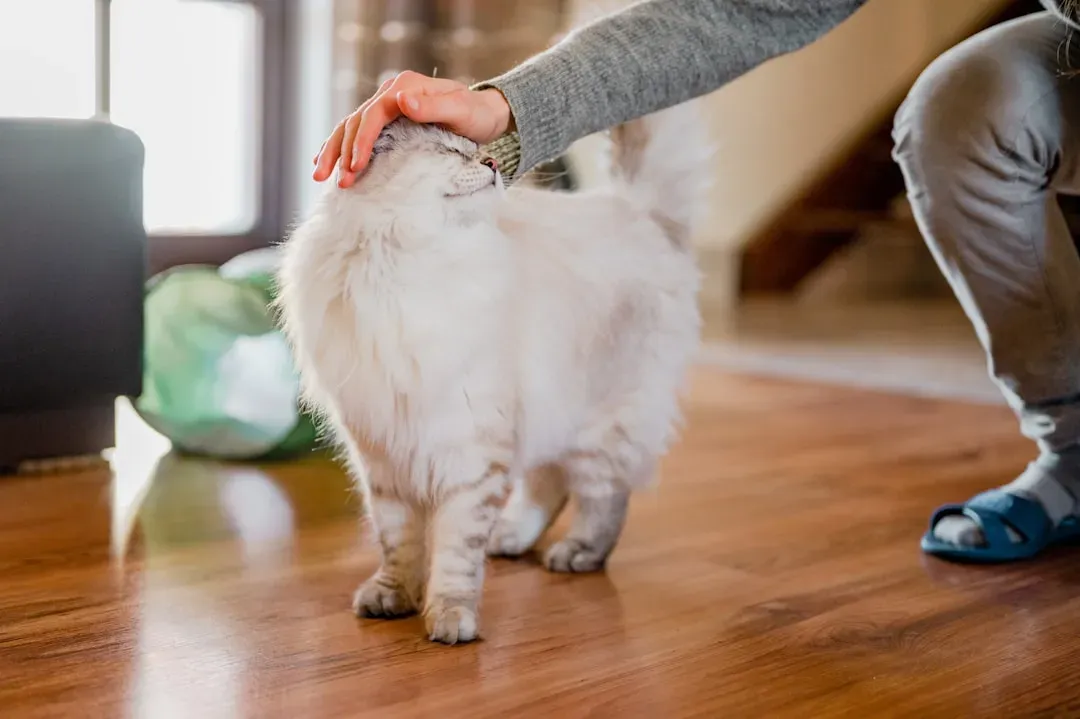
When owners engaged in relaxed petting, cuddling or cradling of their cats, the owners' oxytocin tended to rise, and so did the cats' if the interaction was not forced on the animal. The love hormone plays a real role in cat-human bonding. Recent research from 2025 shows that the chemical connection between cats and their favorite people is measurable and mutual.
Securely attached cats who initiated contact such as lap-sitting or nudging showed an oxytocin surge, and the more time they spent close to their humans, the greater the boost. However, when interactions are forced, the bonding hormone disappears. This proves what cat lovers have always suspected: genuine affection can't be manufactured. Your cat knows the difference between authentic connection and someone trying too hard.
Conclusion: The Beautiful Mystery of Being Chosen
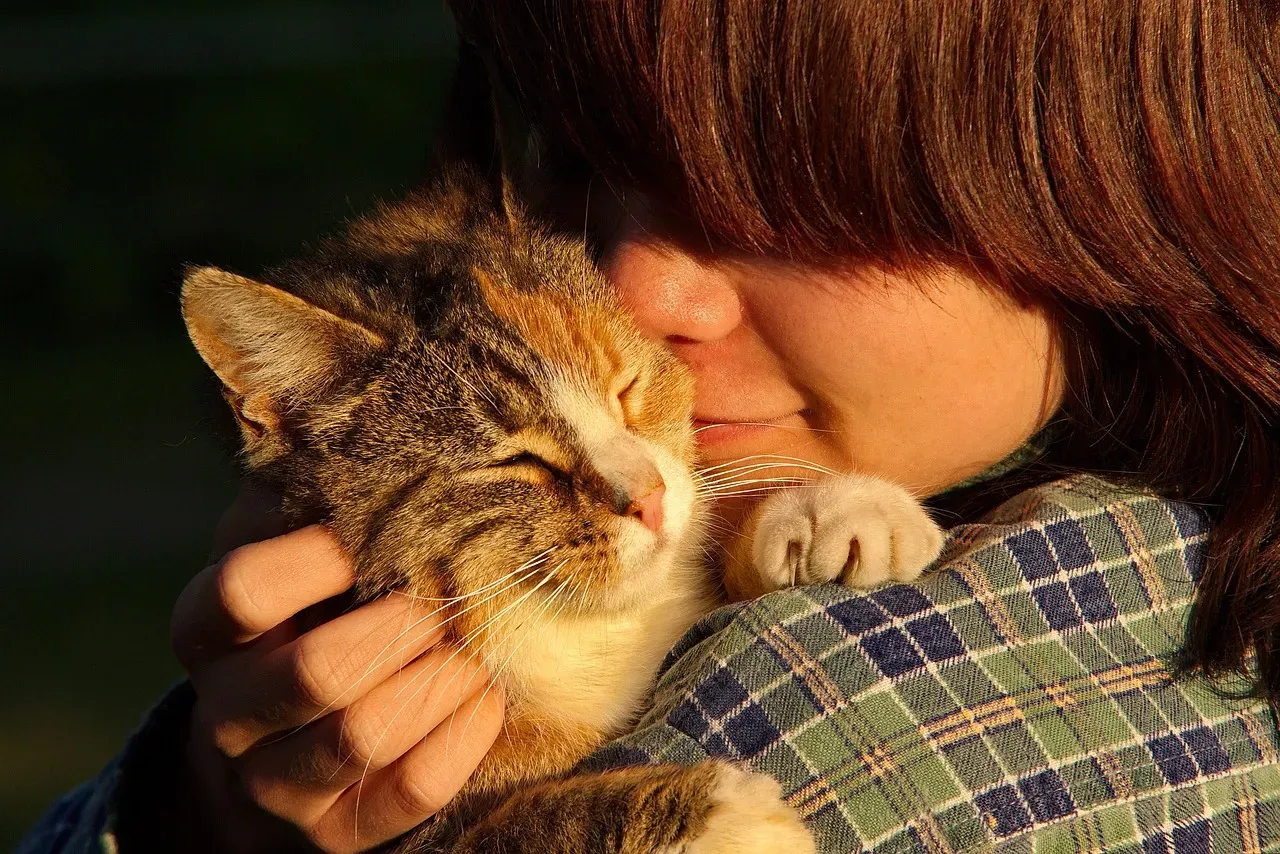
The emotional truth is that your cat's choice isn't personal, it's instinctive, and cats choose based on survival, comfort, and emotional safety. Understanding this takes the pressure off trying to force a bond and allows you to appreciate the relationship for what it truly is: a genuine connection based on mutual respect and compatible energy.
The mystery of feline affection isn't really a mystery at all when you look at it through their eyes. Cats are making perfectly rational decisions about who makes them feel safest, who respects their boundaries, and who speaks their language best. Being chosen by a cat is special precisely because it can't be bought or forced - it has to be earned through patience, understanding, and authentic connection. What's your experience with being chosen by a cat? Has your feline friend picked you, or does the mystery continue in your household?
- If You're Over 50, Here are the Best Cat Breeds for You
- Animal Behavior Says Cats Who Suddenly Walk Away While Being Petted May Be Communicating a Boundary Owners Often Misread
- Animal Cognition Says Cats Who Learn Your Morning Routine May Be Anticipating Your Behavior Before You Even Get Out of Bed
- The Most Tolerant Cat Breeds for Loud Households