Have you ever been going about your day, maybe sipping coffee or scrolling through your phone, when you suddenly feel eyes on you? You look up and there’s your cat, locked onto you with that intense, unwavering gaze. It’s unsettling, charming, and downright mysterious all at once. That stare can feel like they’re reading your soul or plotting world domination.
Here’s the thing though – your cat isn’t just being weird for the sake of it. Those piercing eyes are actually trying to tell you something important. Whether they’re hungry, affectionate, curious, or even a little bit annoyed, their stare is a window into their feline mind. Let’s dive into the fascinating reasons behind this behavior and decode what your furry companion is really trying to say.
They’re Showing You Love and Trust
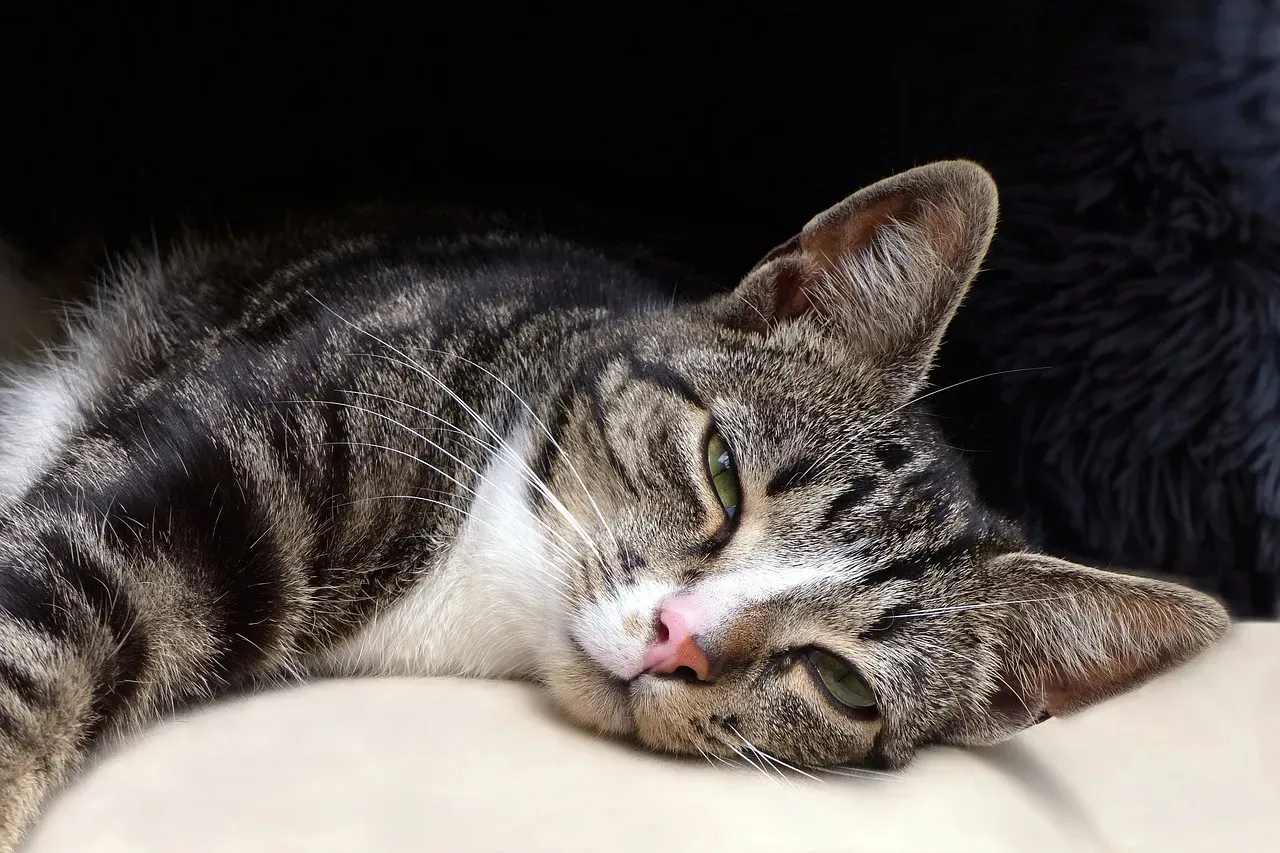
When your cat stares at you with soft eyes and performs slow blinks, they’re displaying affection and showing that you make them feel safe enough to close their eyes. Think of it as the feline equivalent of a hug or kiss. It’s honestly one of the sweetest things a cat can do.
Cats often stare at their owners as a way of being affectionate, sometimes getting really close or snuggling up while staring, and they usually do some slow blinks when staring this way. If you catch your cat gazing at you with heavy-lidded, relaxed eyes, congratulations! You’ve earned their complete trust. This is your cat’s way of saying they feel completely comfortable in your presence.
Your Cat Is Hungry and Expecting Food
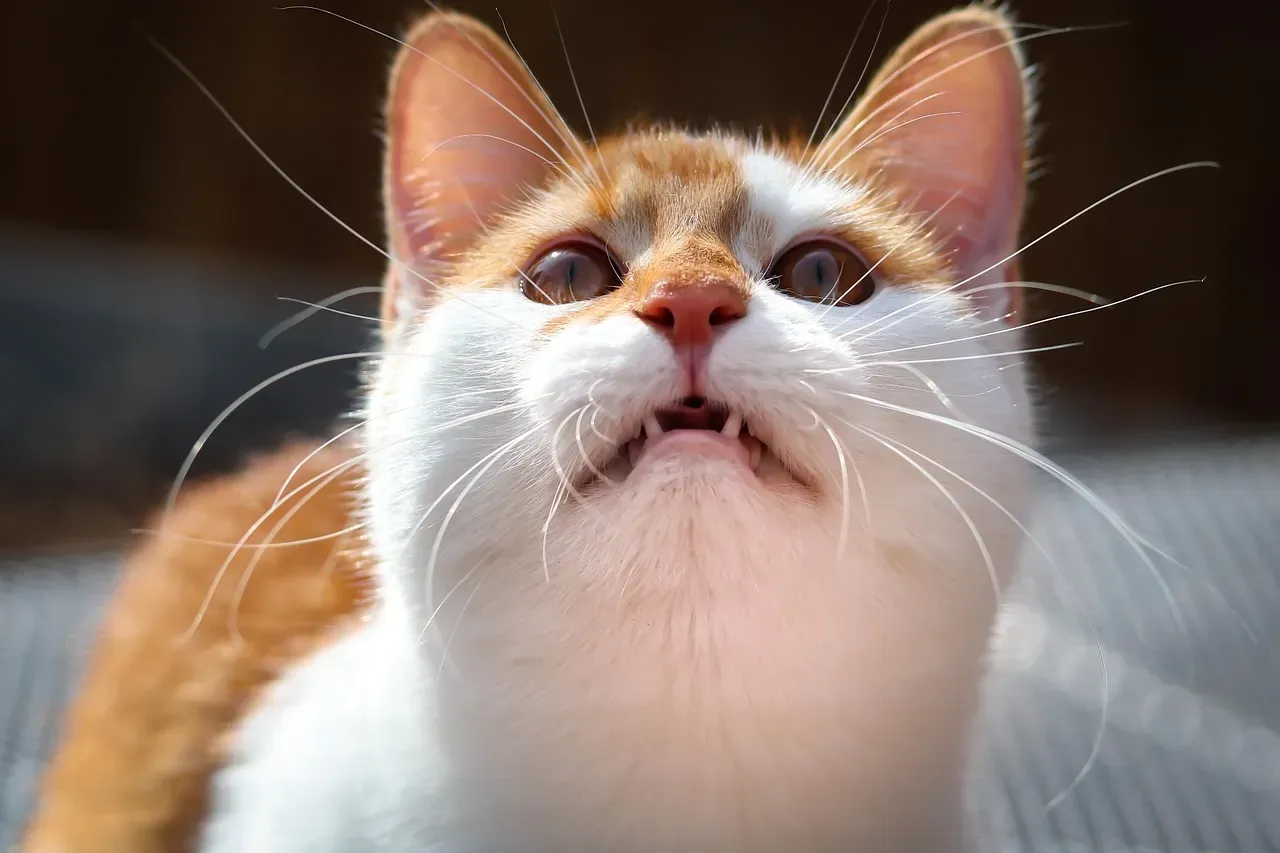
Let’s be real – cats are masters of manipulation when it comes to mealtime. Some cats stare at their pet parents when it’s feeding time, and once you make eye contact, they may vocalize, rub on you, and then walk or run toward their food bowl or where the food is kept. It’s not just hope; it’s a calculated strategy.
One study has shown that cats can manipulate humans using visual cues, recognizing that their human companions answer to specific cues like eye contact, and will repeat those actions to achieve desired outcomes. That intense stare paired with an incessant meow when you’re anywhere near the kitchen? Your cat has learned exactly what works. Their internal clock is sharper than you think, and they remember feeding schedules better than most humans remember appointments.
They’re Simply Curious About What You’re Doing
Cats are naturally observant animals and may stare simply because they’re taking in what you’re doing, potentially trying to anticipate if what you’re doing will impact them. Maybe you’re near the treat drawer. Maybe you’re putting on shoes, which means you might be leaving. Cats are constantly gathering information about their environment.
Your cat might just find you fascinating. Are you making weird noises? Moving in an interesting way? Cats are keen observers who study their surroundings with scientific precision. Sometimes, you’re just the most entertaining thing in the room at that moment, and they’re cataloging your every move like a tiny, furry detective.
They Want Your Attention Right Now
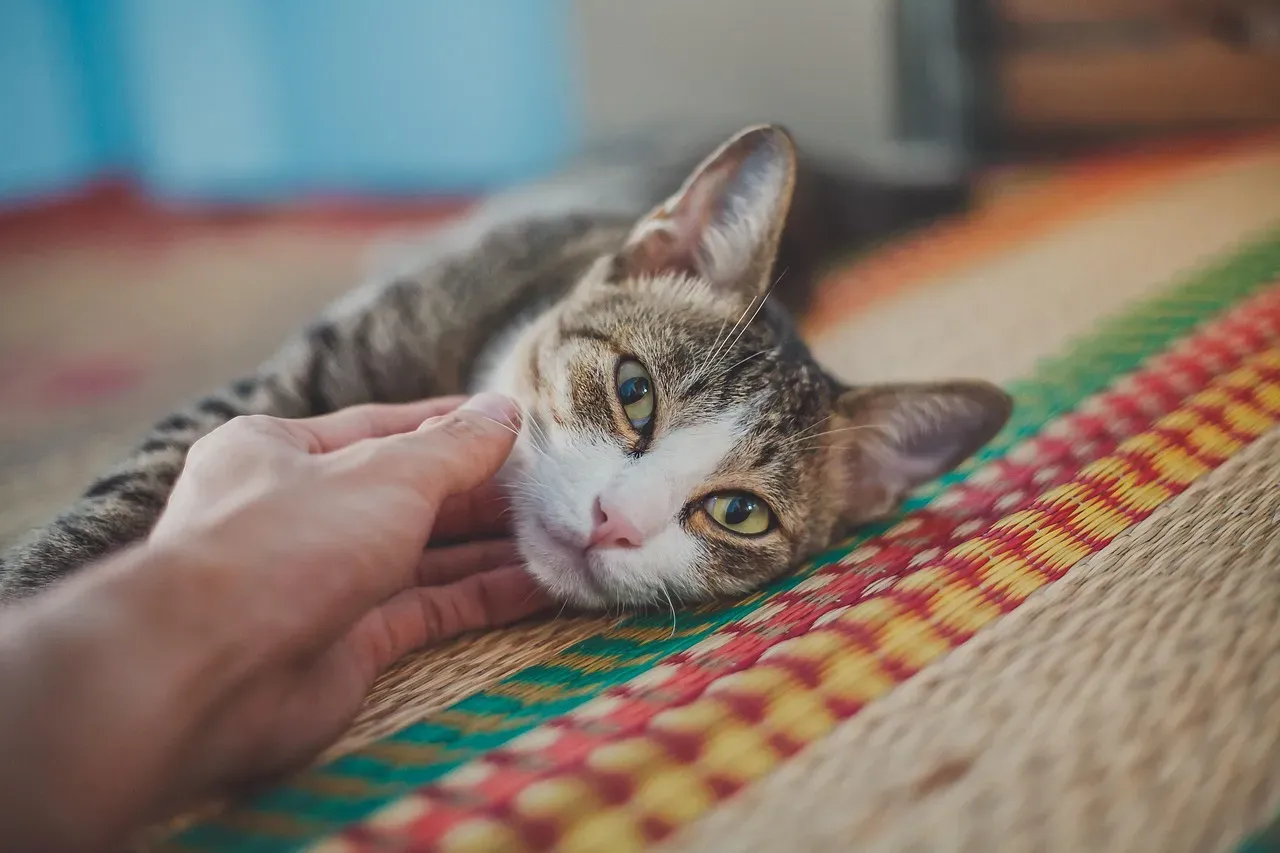
Some cats learn that staring at their owners gets them the attention they desire, and cats that do this may block their owner’s path or meow loudly when staring, which could also be a sign that your cat needs something from you such as food or water. It’s a simple equation in their minds: stare equals attention.
A direct, unblinking stare may be your cat’s way of asking for something like food, playtime, or attention, and if they add a meow to their gaze, there’s no mistaking it. They’ve figured out that making direct eye contact is often a great way to get what they want. Whether they need a refill on their water bowl, want to play, or just crave some quality cuddle time, that stare is their way of demanding your immediate presence.
They’re in Hunting Mode or Ready to Play
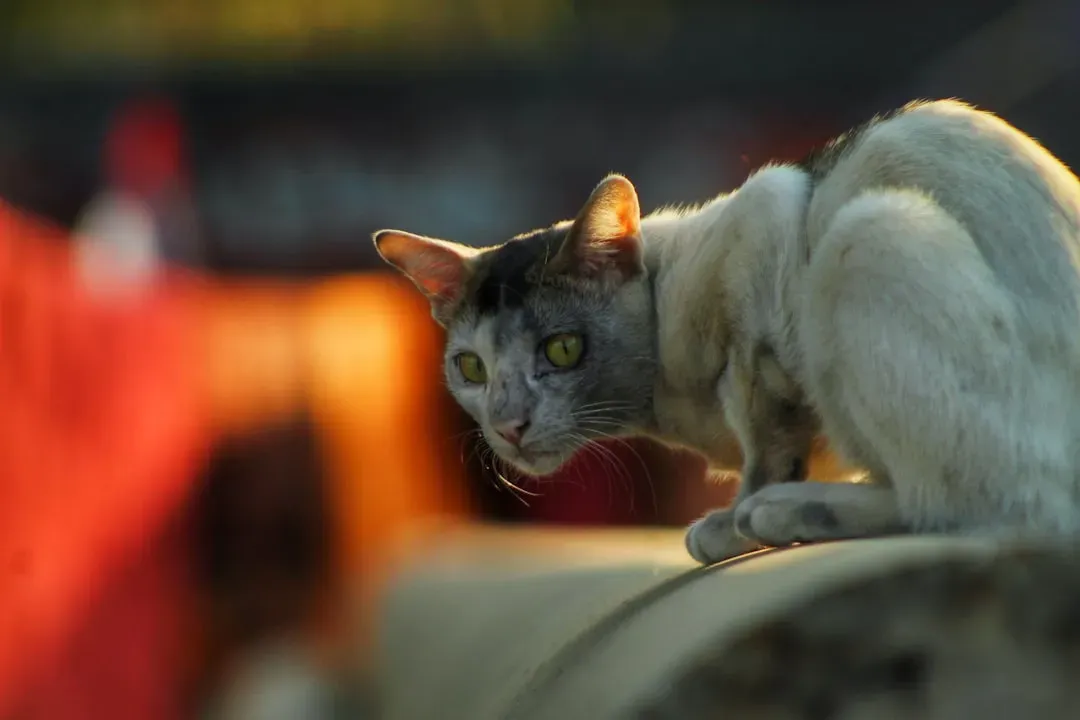
Staring is also part of your cat’s natural hunting behavior, as they may fixate on a bug, toy, or even something invisible to you, tracking even the tiniest movement. Even domesticated cats retain their predatory instincts, and that laser-focused stare is them preparing for the pounce.
Some cats may crouch down and stare at you with their pupils dilated and tail swishing back and forth, then the staring cat may sprint toward you to swat at your foot or veer off before making contact. This is your cat inviting you to play! It’s their way of saying they’re bored and need some interactive entertainment. Grab a toy wand and give them the hunting experience they crave.
They’re Feeling Scared or Anxious
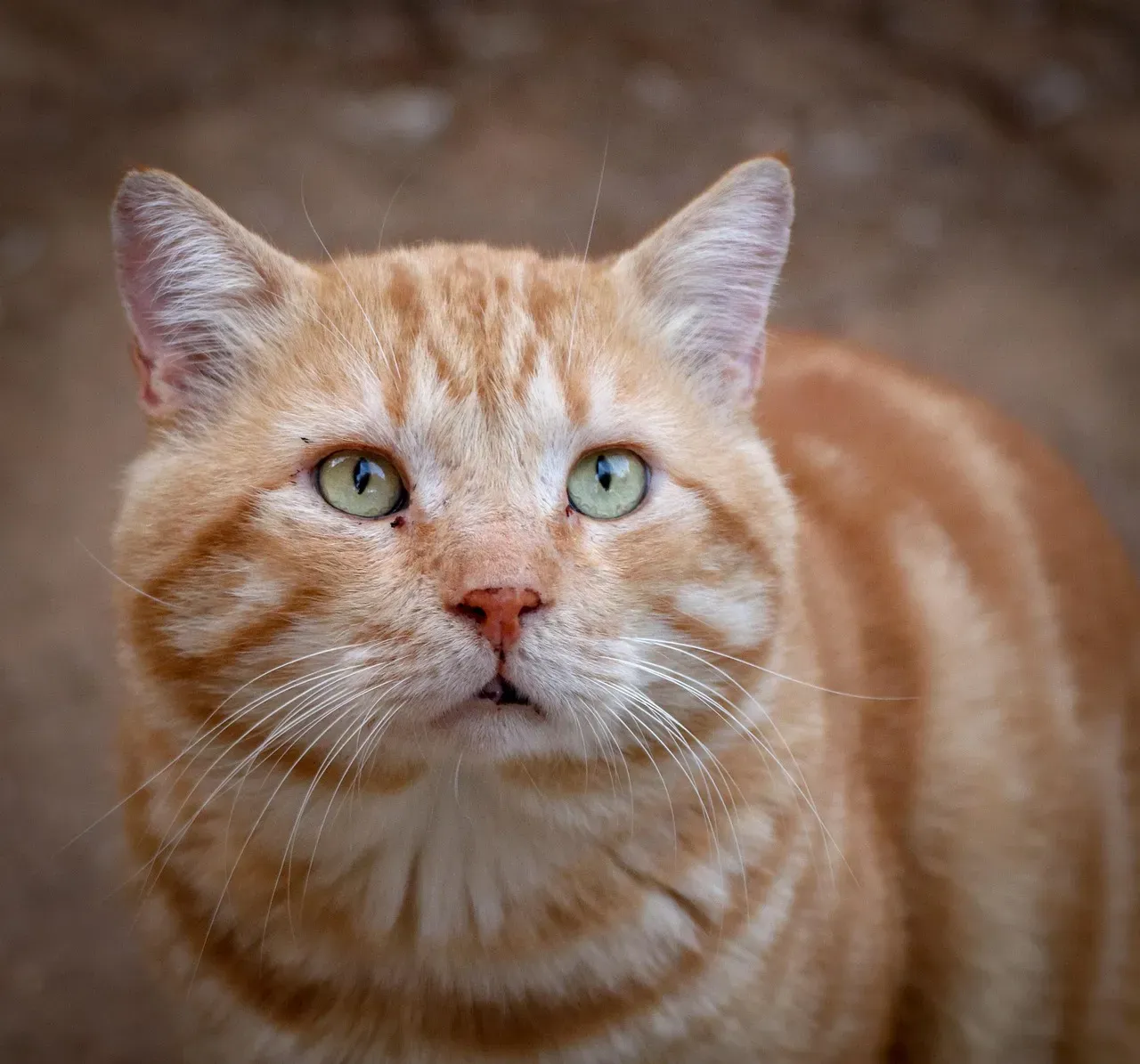
Sometimes a cat stares at a person, another animal, or an object out of fear, keeping their eyes on the stimulus they’re worried about, perhaps because you made a loud noise or quick movement that startled them, or they remember a past negative experience. A scared cat uses their stare as a surveillance tool.
Another reason you may see your cat staring is because they are feeling scared, as a cat can be easily frightened by loud noises, sudden movements, or even strangers in your home, and the body language of a scared cat includes a tense body and they may try to hide, crouching down with their tail tucked closely. If you notice your cat staring with a crouched position and tucked tail, they’re essentially trying to monitor potential danger while making themselves as small as possible.
They’re Warning You to Back Off
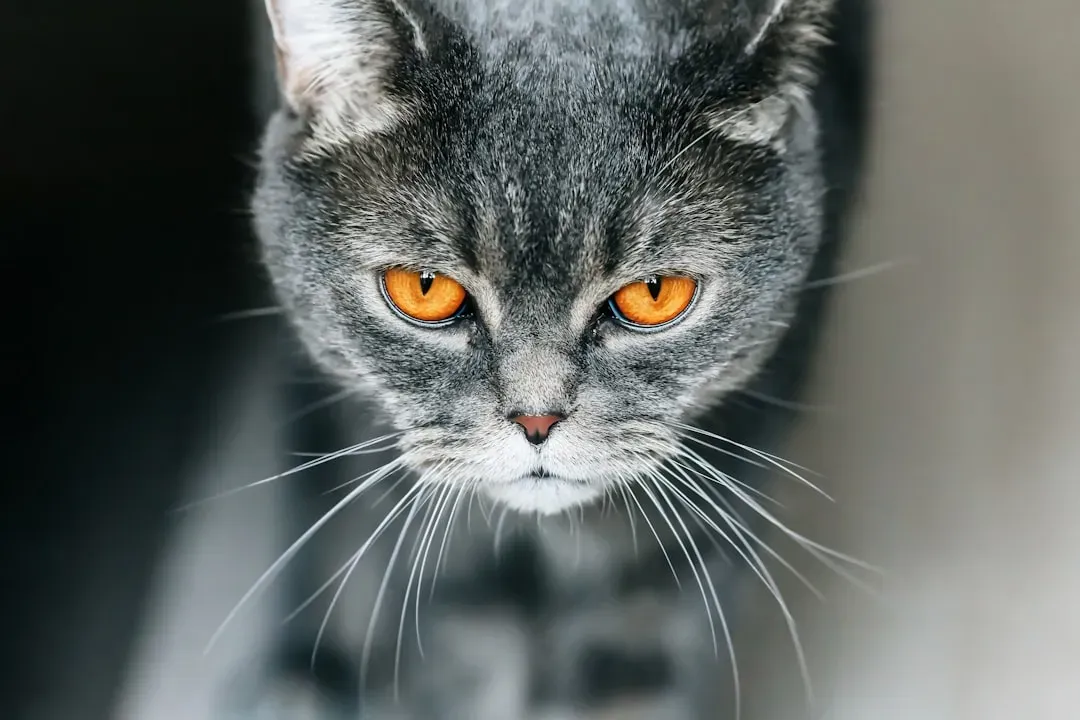
When a cat gives a hard, unblinking stare paired with stiff body language and piloerection along the back and tail, he is telling the other party that if they do not back off, there will be a confrontation, as the hard, unblinking gaze is a threat and the other party needs to retreat. This is serious business in the cat world.
A cat displaying a stiff, puffed up body is one that’s likely very annoyed, and you may spot them swishing their tail side to side too, which when paired with staring is usually a cat’s way of telling you to leave them alone or they may be forced to take action. Pay close attention to the rest of their body language. If their ears are flattened, pupils dilated, and fur standing on end, it’s time to give them space immediately.
They’re Just Spacing Out
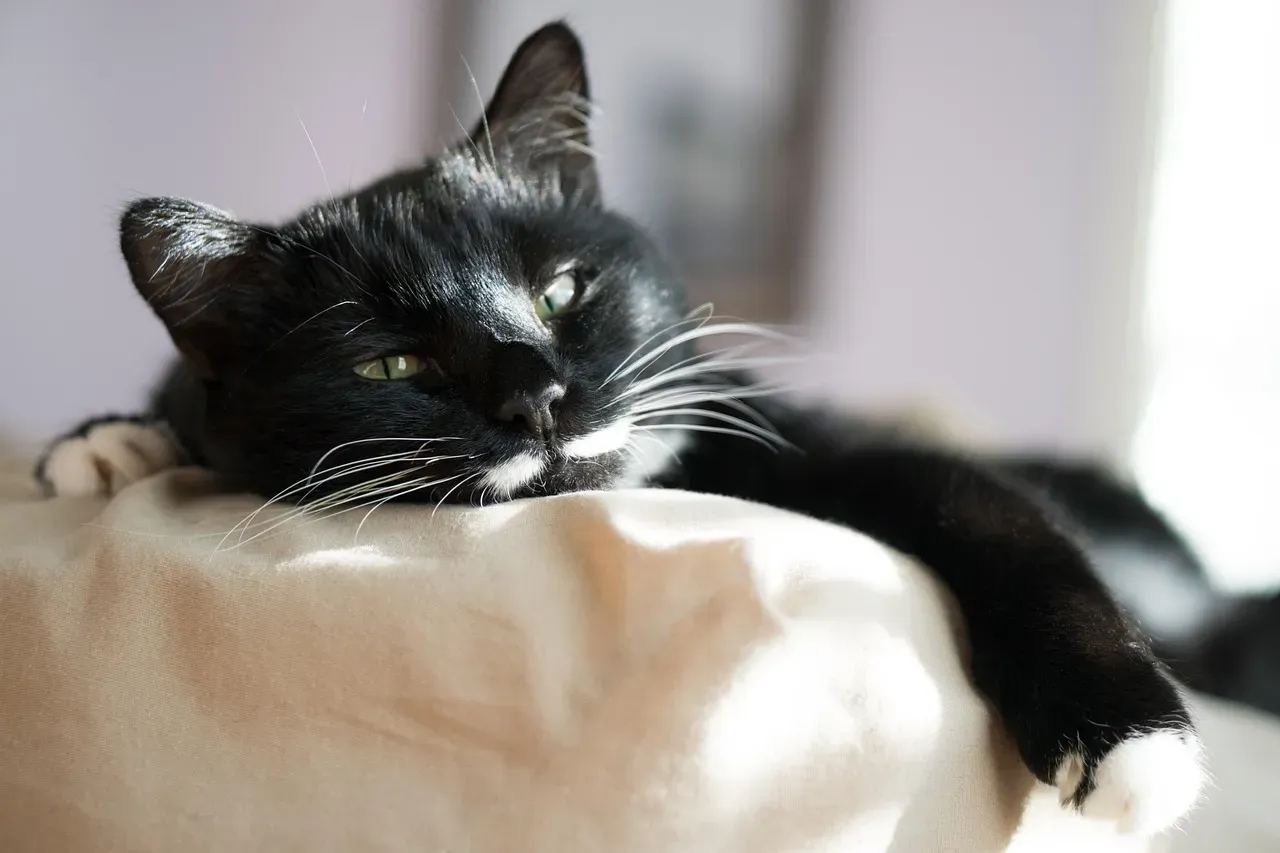
Sometimes a cat’s stare is just them spacing out, and whether lounging on their window perch or the couch, a vacant look often means they feel safe and relaxed. Honestly, cats can be daydreamers just like us. They might be staring in your general direction, but they’re actually a million miles away in their own little world.
Think of it like when you zone out during a meeting or while watching TV. Your cat might be contemplating the great mysteries of the universe, reminiscing about that bird they saw earlier, or quite literally thinking about nothing at all. Their brain has simply gone on autopilot, and you just happen to be in their line of sight.
They’re Trying to Communicate Specific Needs
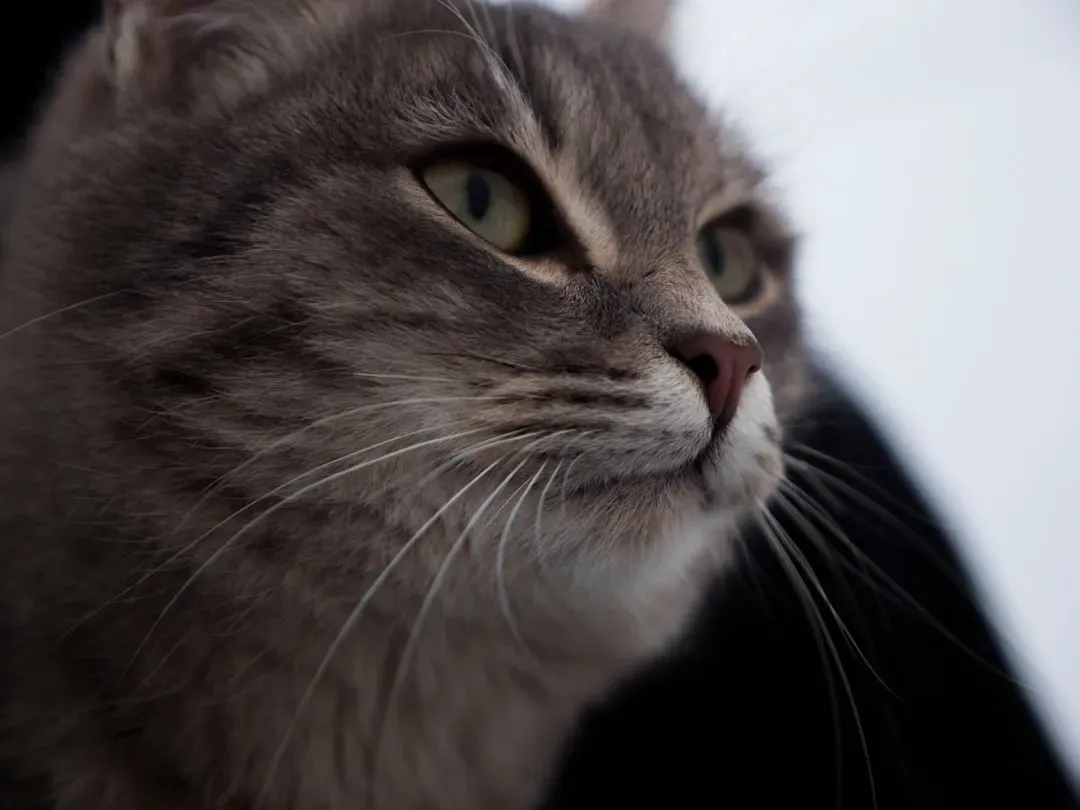
Cats say a lot without saying anything, with their eyes doing all the talking, and unlike dogs that tend to bark or paw to get attention, cats are more subtle, as eye contact plays a significant role in how they bond, communicate, express emotions, and even assert dominance. Your cat’s stare is their primary language.
One theory is that cats stare at their humans because they are trying to communicate something, as cats are known for their subtle body language and staring could be a way for them to convey a message. Maybe they want you to open a door. Perhaps their litter box needs cleaning. They might want you to turn on the faucet so they can drink from running water. Each stare has context, and learning to read those contexts will help you understand exactly what your cat needs in that moment.
It Could Signal a Health Issue
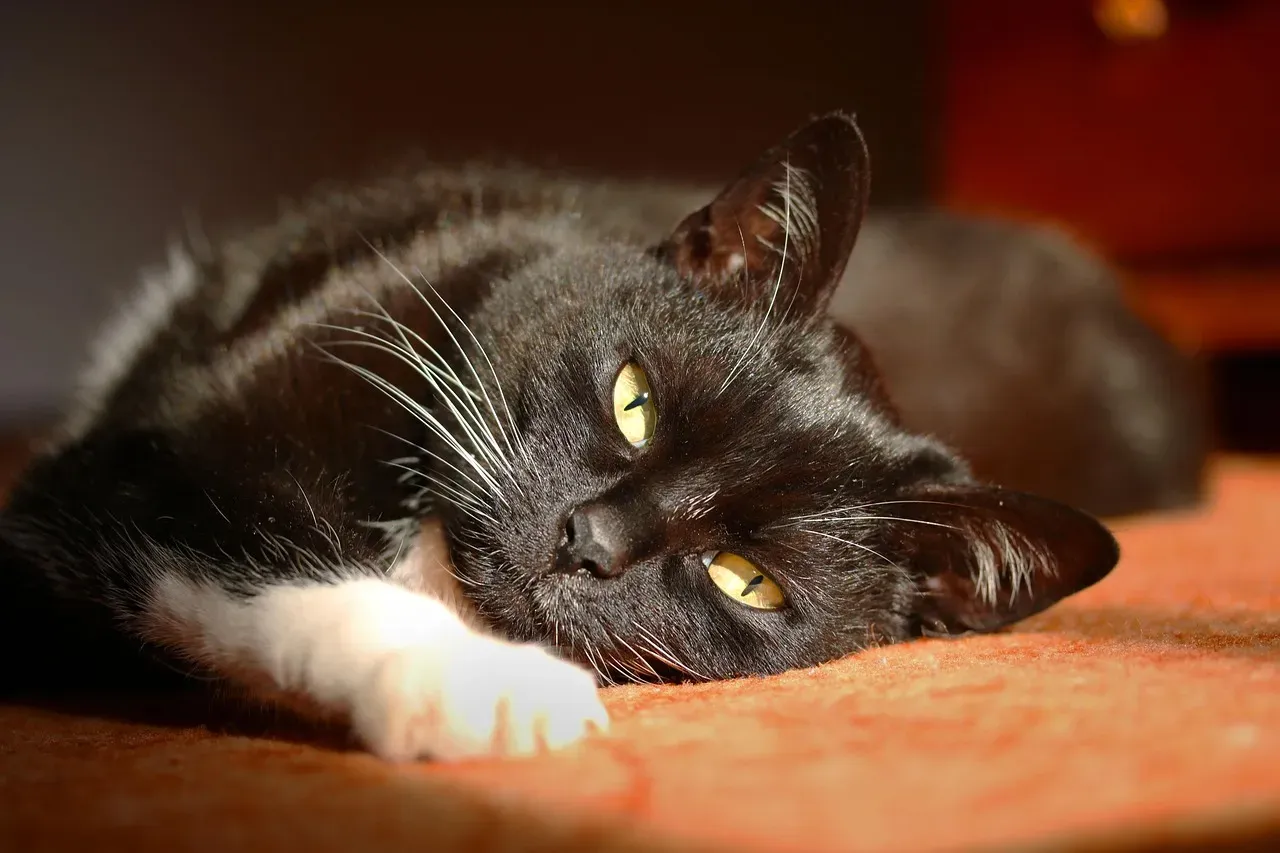
While a steady stare is usually normal, if it’s paired with other unusual behaviors, it could signal that something isn’t quite right, so be on the lookout for signs like dilated pupils, frequent or excessive hiding, restlessness, or unusual vocalizations, as these symptoms when combined with intense or prolonged staring may suggest your cat is experiencing discomfort, fear, or even pain. This is where your instincts as a cat parent really matter.
If your cat stares with dilated pupils that seem glassy, empty, or unresponsive, it could be a symptom of hyperthyroidism, kidney disease, heart failure, or a condition called hyperesthesia, so if you suspect a more serious health problem, please take your cat to a vet. Cats are notorious for hiding their pain, so subtle changes in their staring behavior combined with other symptoms should never be ignored. When in doubt, schedule a vet visit.
Understanding and Responding to Your Cat’s Stare
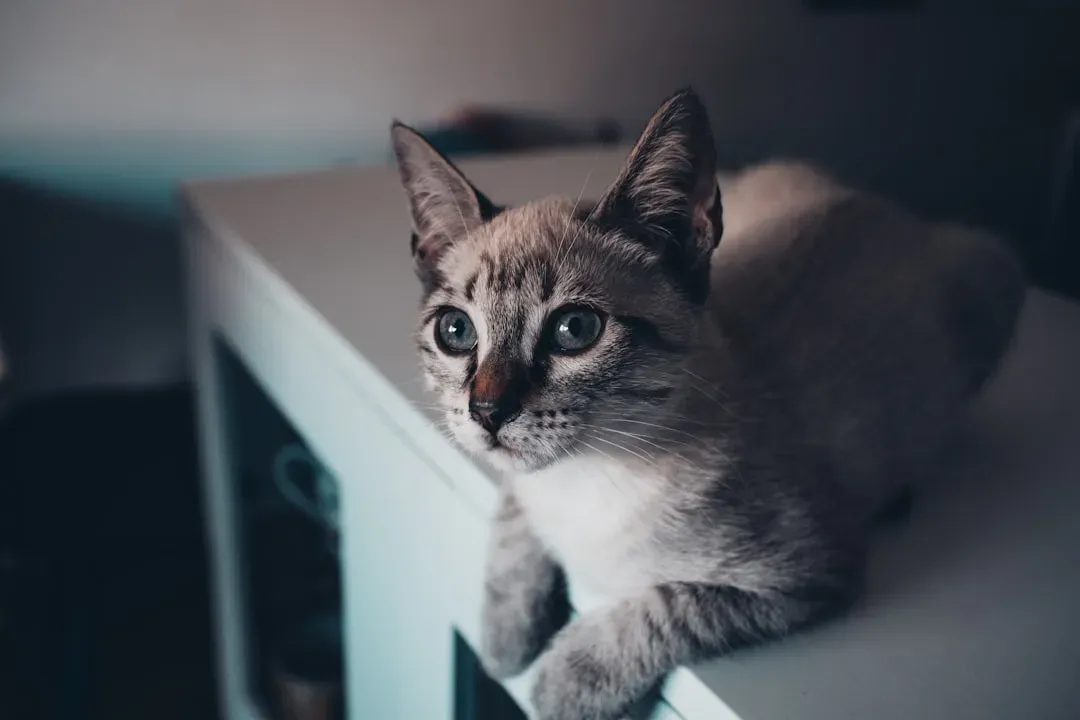
How you respond to a staring cat depends on their body language, and once eye contact is made, you should determine what the rest of their body is telling you. Context is everything when it comes to interpreting feline communication. Is their body relaxed or tense? Are their ears forward or pinned back? Is their tail swishing aggressively or held high?
If the cat is showing you affection or seeking attention or play, it’s OK to approach and interact with him, and you can also make eye contact and slow-blink back to the cat. However, if the cat seems afraid or aggressive, avert your gaze, keep still, and perhaps take a few steps back to give the cat more space, and do not attempt to look at, talk to, or pet the cat until you’re at least five feet away. Respecting their boundaries is crucial for maintaining trust and avoiding potential scratches or bites.
The mysterious feline stare is rarely just random behavior. Your cat is constantly communicating with you through their eyes, and learning to interpret those signals will deepen your bond immeasurably. Whether they’re expressing love through slow blinks, demanding dinner with an unblinking gaze, or warning you to back off with a hard stare, your cat is speaking volumes without making a sound. The next time you catch your cat staring at you, take a moment to observe their entire body language and context. You might be surprised at how much you can understand once you start paying attention. What do you think your cat is trying to tell you the next time they lock eyes with you? Share your experiences in the comments below.
Kristina is a young writer from India. An arts graduate and an avid content creator, Kristina is passionate about animals and wildlife. She enjoys exploring topics related to pet care, animal behavior, conservation, and nature, combining thorough research with engaging storytelling.