Think cats are impossible to train? Let’s be real, most of us have been fed that myth for years. Kittens, with their adorable antics and independent streaks, seem like they march to the beat of their own drum. Maybe you’ve tried teaching your feline some basic manners and felt like you were talking to a furry wall. Here’s the thing, though. Cats are incredibly intelligent creatures who can absolutely learn new behaviors and tricks when approached correctly. The secret lies in understanding what motivates them and, just as importantly, recognizing where we tend to go wrong.
Training your cat isn’t just about teaching them to sit or high-five on command. It’s about creating a harmonious living environment where you both understand each other better. When you avoid the most common pitfalls, you’ll find that your cat becomes more cooperative, less stressed, and genuinely happier. So what are these mistakes that sabotage our training efforts before they even begin? Let’s dive in and discover what you might be doing wrong without even realizing it.
Using Punishment Instead of Positive Reinforcement
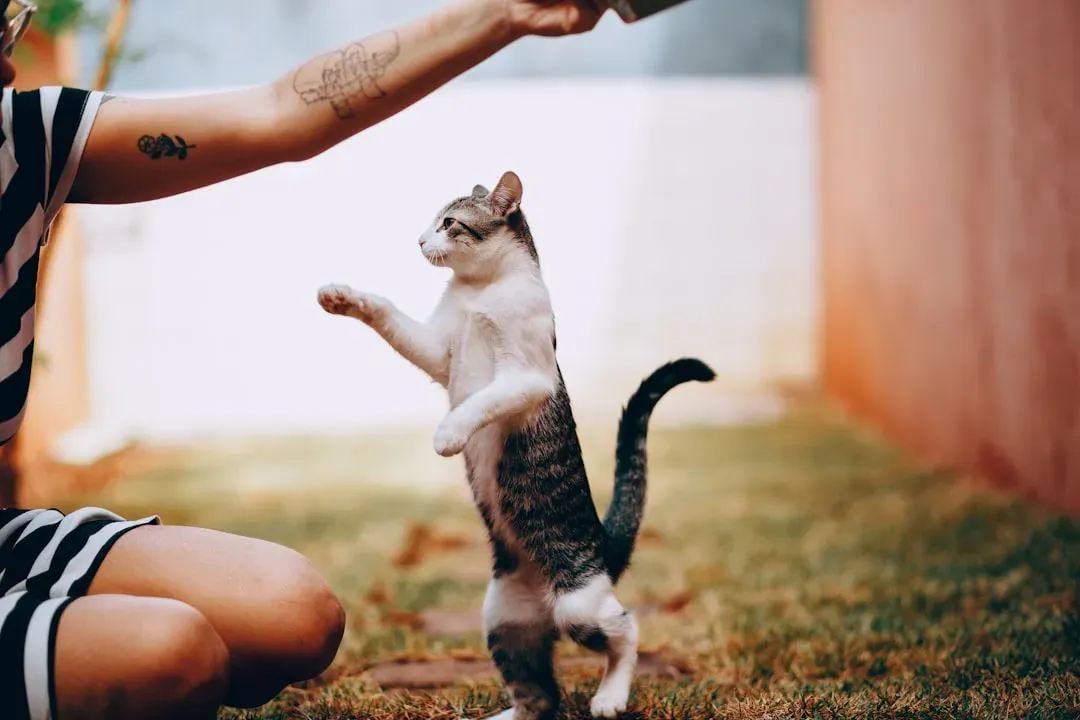
Yelling, hitting, or acting roughly toward your cat doesn’t work because they won’t understand the message you’re trying to send about the behavior, but they will develop fear and stress directed toward you, which can lead to increased negative behaviors like scratching and urinating inappropriately. Think about it from their perspective. Your cat has no idea that knocking over that vase was wrong. When you scream or grab them after the fact, they’re just confused and scared of you.
Punishment can be deleterious, leading to fear and possible fear aggression, stress and stress-associated health and behavior problems, inhibition of learning the desired new behavior, and breakdown of the human-animal bond, and physical punishment should never be used. Instead of creating fear, focus your energy on rewarding the behaviors you want to see repeated. Your cat will be much more motivated to cooperate when there’s something delicious or fun in it for them.
Rewarding the Wrong Behaviors Accidentally
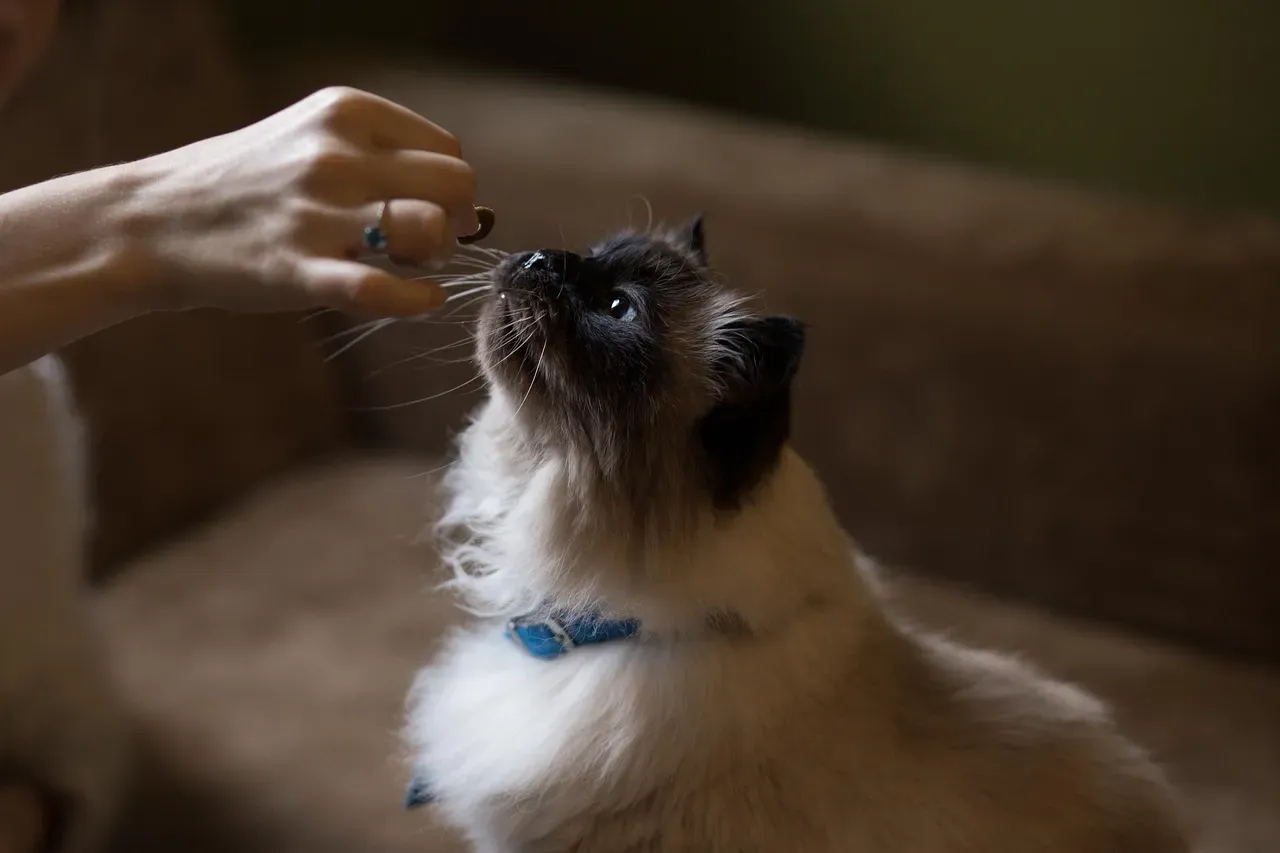
It’s important to make sure you’re rewarding the behavior you want and not accidentally rewarding an unwanted behavior, for example, when your cat meows at you and you talk back or give her a treat, you’re teaching her that meowing gets a treat. Many of us unknowingly reinforce behaviors we don’t actually want. Your cat learns through association, so if they get attention every time they do something annoying, guess what? They’ll keep doing it.
Pay close attention to what you’re reinforcing. If your cat jumps on the counter and you pick them up and pet them while moving them, they might interpret that as a reward for jumping up there. If you want your cat to repeat a behavior, reward that behavior, and if you don’t reward meowing by ignoring them when they meow, they’re unlikely to become a meower. Timing really matters here. Be conscious of what you’re encouraging, even accidentally.
Ignoring the Importance of Timing
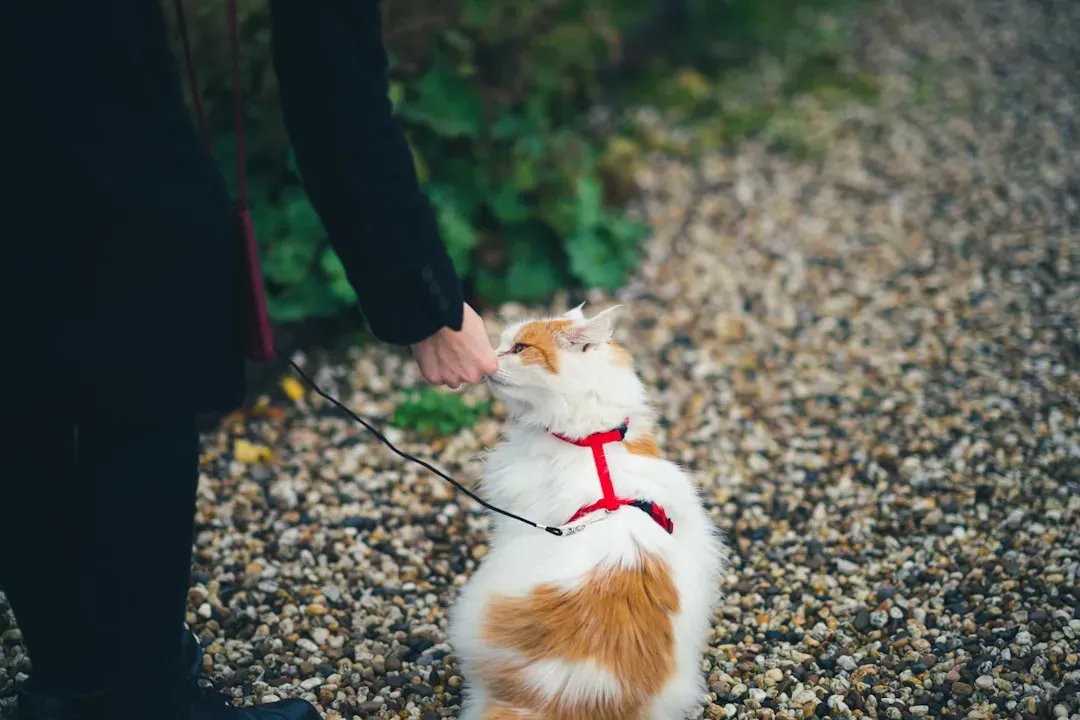
Cats have short attention spans, so the reward must come immediately within seconds of the behavior or your cat may not know what it’s for. You’ve probably heard that timing is everything, and nowhere is that more true than in cat training. If you wait even a few seconds too long, your cat has already moved on mentally to something else. They won’t connect the reward with the behavior you’re trying to encourage.
Rewards must be given immediately, within 3 seconds, so that we don’t inadvertently reward other behavior that may happen after the desired one. This is where tools like clicker training come in handy. The click sound marks the exact moment your cat does what you want, bridging that gap between action and treat. Without precise timing, you’re essentially speaking a different language that your cat can’t understand. Make your feedback instant and crystal clear.
Expecting Too Much Too Soon

The most common mistake people make when training cats is to ask for too much too soon. We’ve all been guilty of this one. You see a video online of a cat doing something amazing and think your kitty should pick it up right away. Cats learn incrementally, through small steps that build on each other. Rushing the process only frustrates both of you.
Shaping a behavior means teaching the behavior step-by-step, where each small step builds on the previous one. Start simple. If you want your cat to jump through a hoop eventually, begin by rewarding them for just looking at the hoop, then for walking near it, then for touching it with their nose. Patience isn’t just a virtue in cat training. It’s an absolute necessity. Celebrate the tiny victories along the way instead of focusing on the end goal.
Being Inconsistent with Training Sessions

Training success requires daily consistency, as cats struggle when rules change frequently or family members enforce different standards. Consistency is where most people drop the ball. Maybe you allow your cat on the counter on Monday because you’re too tired to correct them, then get upset about it on Tuesday. Your cat can’t possibly understand rules that keep changing. They need clear, unwavering boundaries.
Give the same kind of reward each time your cat behaves the way you want them to, make sure everyone in the family does the same, and the best time to train is right before meal time when your cat is most motivated by food. Everyone in your household needs to be on the same page. If one person allows something that another person punishes, your cat will be perpetually confused. Set your rules, stick to them religiously, and make sure all family members understand the training approach. Cats thrive on routine and predictability.
Training for Too Long or at the Wrong Time
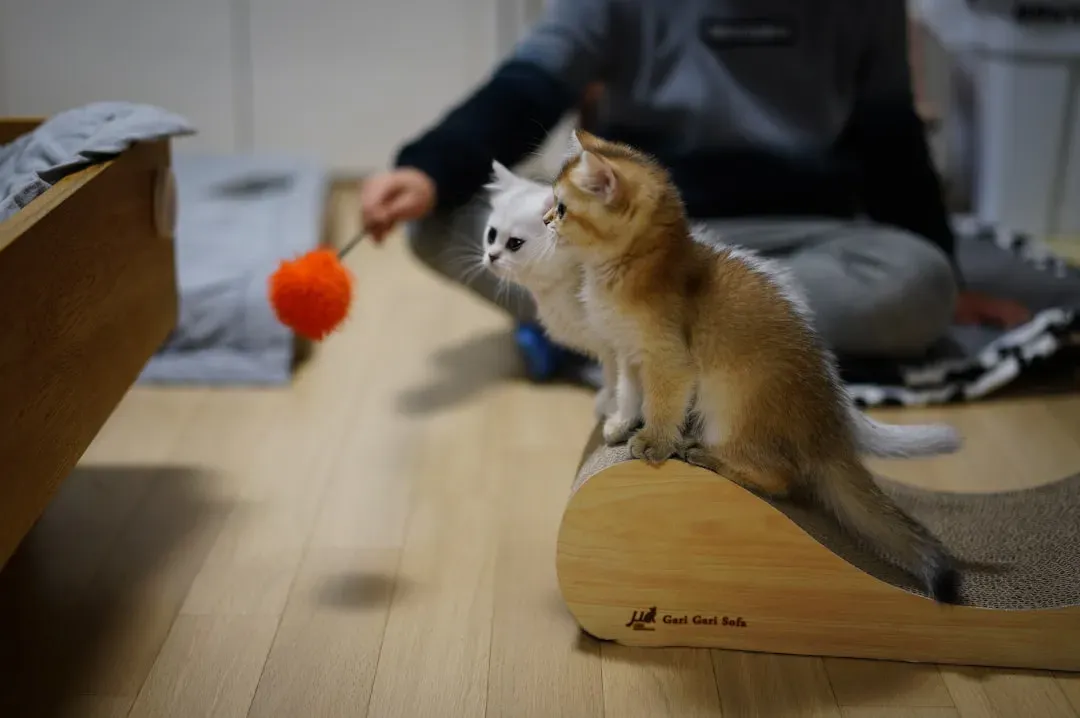
Many cat owners assume that training a feline takes a significant amount of time and effort, but the reality is that cats learn best in short training sessions, typically one to five minutes, spread out through the day. Long training marathons don’t work with cats. Their attention spans simply aren’t built for extended lessons. After just a few minutes, your cat will lose interest and start thinking about that sunny spot by the window instead.
Keep sessions brief but frequent. Cats’ daily lives follow a predictable cycle of hunting, eating, grooming, and sleeping, so fit training sessions into their routine by training right after they wake up from their nap when they’ll be ready to play and more likely to focus, plus they’ll be hungry and work extra hard for treats. Think quality over quantity. Five focused minutes is infinitely more valuable than a frustrating twenty-minute session where your cat checked out after minute three.
Comparing Your Cat to Dogs or Expecting the Same Behavior

Cats are not small dogs, they respond to different motivators and learn at their own pace, and comparing species creates unrealistic expectations. This mistake is surprisingly common. We bring training techniques from our experience with dogs and expect them to translate directly to cats. Spoiler alert: they won’t. Cats didn’t evolve with the same pack mentality or desire to please that dogs have.
You can train a cat to do absolutely anything they want to do, but unlike dogs who evolved with a social hierarchy and see people as pack leaders they want to please, cats don’t care about appeasing us because they evolved as a solitary species and are generally not as motivated to elevate themselves in a social structure. Your cat isn’t being stubborn or difficult. They’re just being a cat. They need different motivation, usually food or play, rather than just verbal praise. Understanding this fundamental difference will save you so much frustration and help you approach training from a place that actually works for felines.
Failing to Meet Their Natural Behavioral Needs
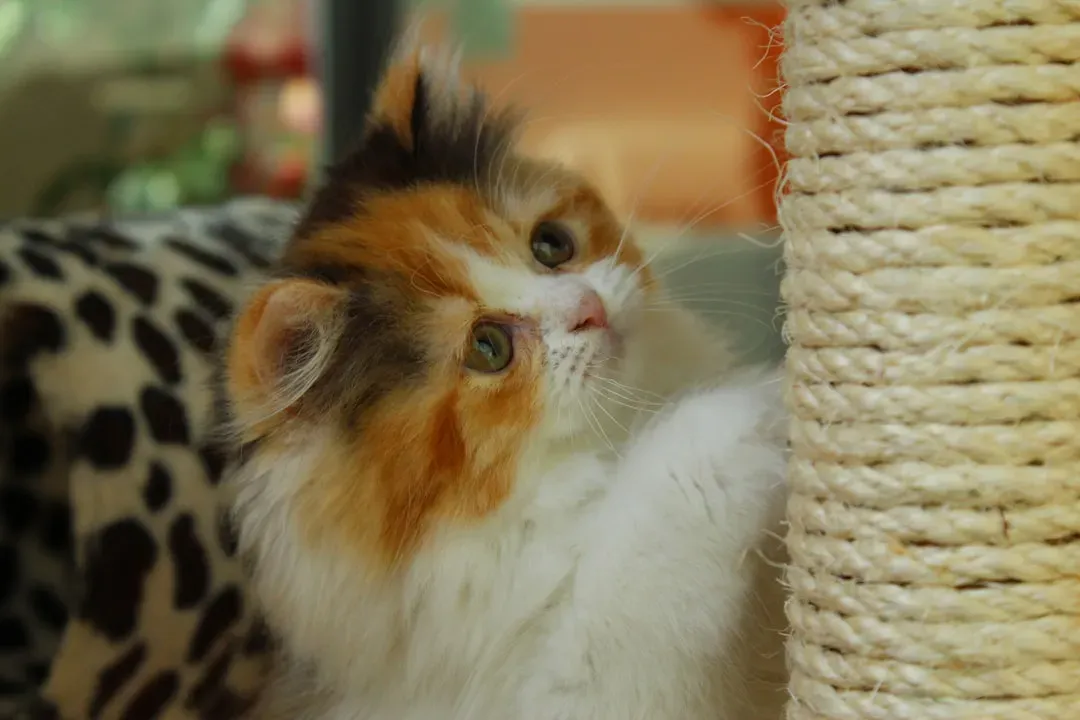
Make sure you are meeting their needs, for example, you cannot expect to train a cat not to scratch because scratching is a normal feline behavior and opportunities to engage in normal behaviors are an important part of good feline welfare, but you can provide good scratching posts in locations your cat is likely to use them and give positive reinforcement for scratching these posts. Sometimes what looks like a training problem is actually an unmet need. Cats have instinctive behaviors they must express. Scratching, climbing, hunting, playing. These aren’t optional extras.
These behaviors are completely natural for cats and shouldn’t alarm you, so instead of feeling frustrated, embrace them by encouraging your kitten to entertain themselves by climbing or jumping onto their cat tree, hiding in a box, or playing with toys, as kittens have an abundance of energy that require healthy, productive outlets for release, otherwise they may become bored, frustrated, or destructive. Provide appropriate outlets for these natural urges. Give them scratching posts, interactive toys, climbing structures, and regular play sessions. When their needs are met, training becomes so much easier because you’re not fighting against their basic nature. You’re just redirecting it.
Conclusion
Training your cat doesn’t have to feel like an impossible task. The truth is, most training struggles come down to these common mistakes that are completely avoidable once you know what to look for. When you shift your approach to focus on positive reinforcement, precise timing, consistency, and realistic expectations, you’ll be amazed at how quickly your cat responds. Remember that your feline friend is a unique individual with their own personality, preferences, and learning pace.
The journey of training your cat is really about building a stronger bond and better communication between you both. Every small success deserves celebration. Every setback is just an opportunity to adjust your approach. Your cat is capable of so much more than you might think, but they need you to meet them where they are with patience, understanding, and plenty of tasty treats. What challenges have you faced in training your furry companion? The lessons you learn together will make your relationship richer and your home happier.