Why Do Cats Bring 'Gifts'? The Surprising Truth Behind Their Hunting Instincts
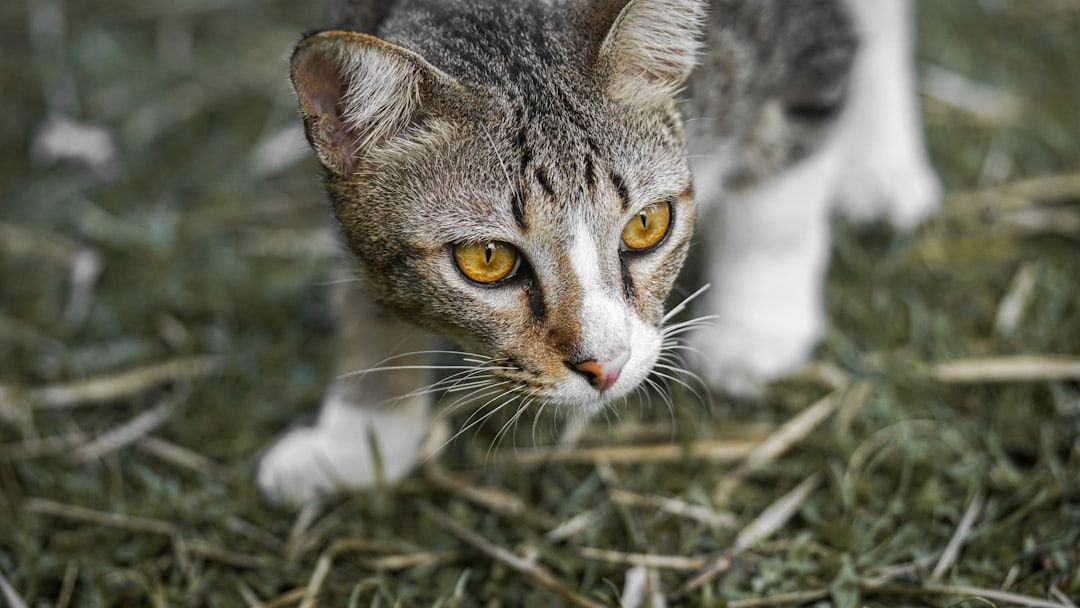
You've probably experienced it before. You're relaxing at home when your beloved feline saunters in with something gripped in their jaws. Your heart sinks. Is that a mouse? A bird? Sometimes the prey is already lifeless, other times it's still wriggling. Either way, your cat looks incredibly proud, like they've just accomplished something monumental.
This peculiar behavior leaves many cat owners scratching their heads and wondering what exactly is going through their pet's mind. Why would a well-fed, pampered house cat feel the need to hunt at all, let alone bring the spoils back to you? The answers might surprise you, revealing fascinating insights into your cat's wild ancestry and complex instincts that persist even in our modern homes.
The Ancient Hunter Within Your House Cat
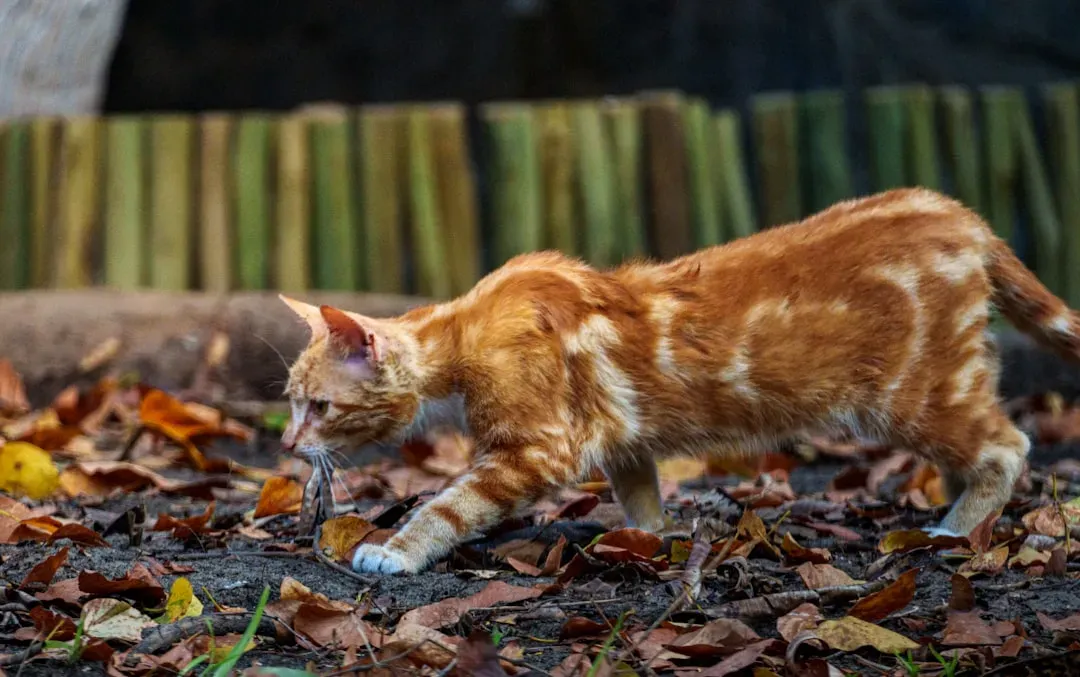
Your fluffy companion might spend most of their day napping on the couch, but deep in their DNA lies the blueprint of a fearsome predator. Cats were historically kept to control rodent populations rather than as pets, and only the best hunters survived and reproduced, meaning that today's pet cats descended from the most adept hunters with very little selective breeding to diminish their instinctive need to hunt.
Think about it this way: hunting behavior is hard-wired into your cat's DNA, with their wild ancestors developing these skills over millions of years of stalking and chasing prey to feed themselves and their young. Those instincts don't just vanish because we now serve them kibble twice a day. Your cat's brain is still wired like their wild relatives, programmed to spot movement, stalk silently, and pounce with precision.
Why Hunger Has Nothing to Do With It
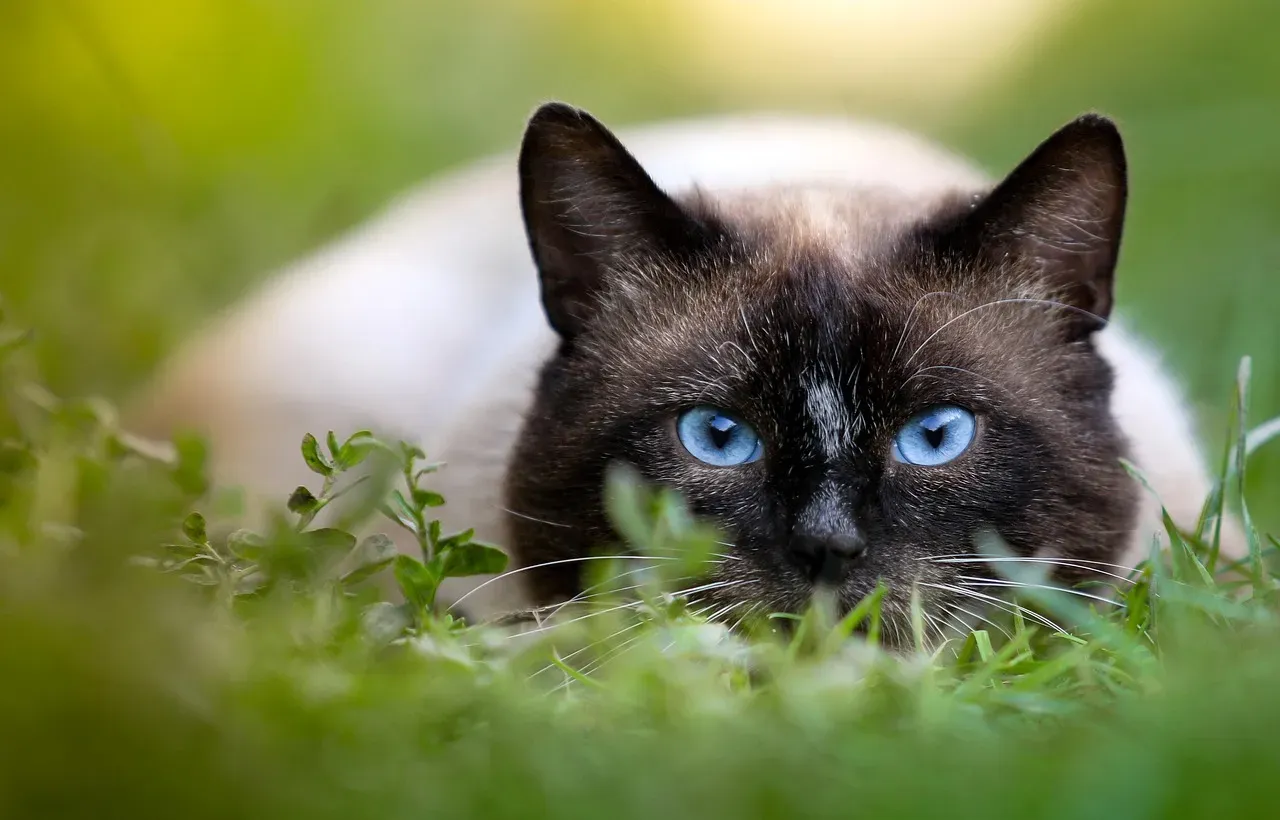
Here's the thing that really throws people off. Cat owners often assume their cats hunt because they're hungry, but studies found domestic cats only eat about 30 percent of prey killed, and if cats relied on their own catches to sustain them, they would have to catch around 10-20 animals per day. That's an exhausting workload when there's a perfectly good bowl of food waiting at home.
The motivation to hunt prey is only partly related to hunger, and as a species that hunts alone, cats rely solely on themselves to provide enough food, so if they wait until they're hungry to hunt, they could starve because there's less than a 50% chance of success at each hunting attempt and prey may not be available when a cat becomes hungry, meaning cats have learned to be opportunistic feeders. Your cat's ancestors couldn't afford to wait until their stomachs were growling. They had to seize every hunting opportunity that presented itself, and that mindset remains intact today.
Your Home Is Their Safe Zone
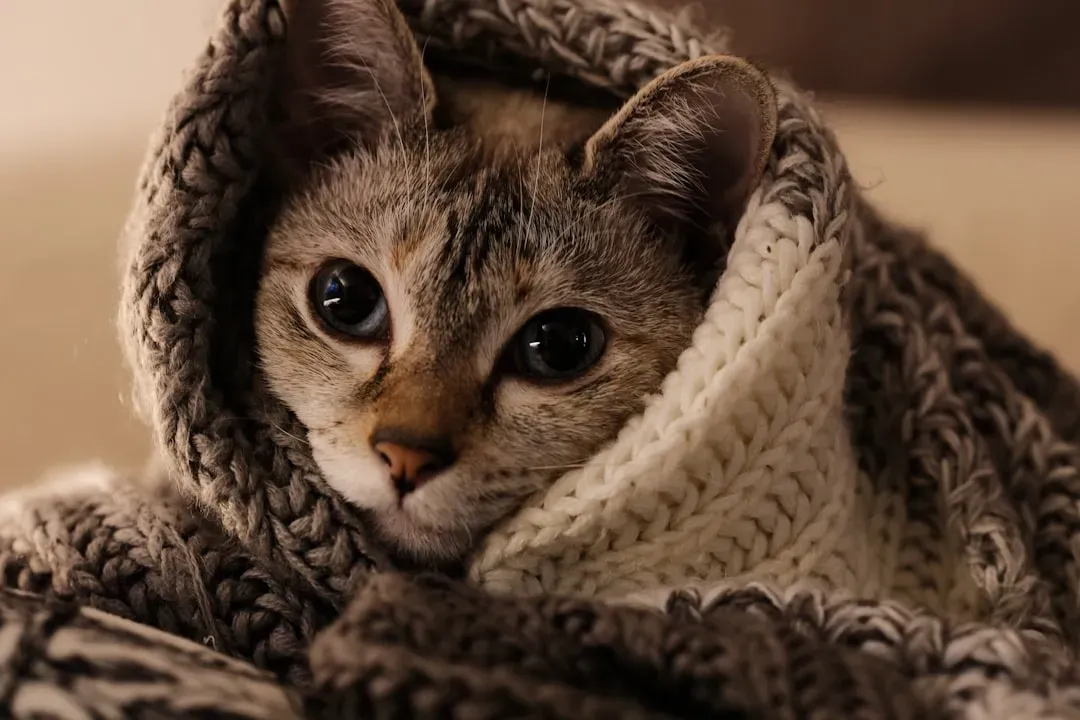
Let's be real, you might find those "gifts" disturbing, but your cat sees your home quite differently. The real reason why cats bring these gifts home is because their home is where they feel safe and secure, and when cats catch prey they may not want to eat it or leave it where other animals could steal it from them.
It is now thought that cats quite simply prefer to bring their prey back to their core territory where it is safer to eat it or store it for a bit later, and this core territory is the house, often in the space they share with you. In the wild, predators face constant competition for their kills. Bringing prey to a secure location is just smart survival strategy. Your living room happens to be the safest spot your cat knows.
Teaching You to Hunt (Because You're Clearly Terrible at It)
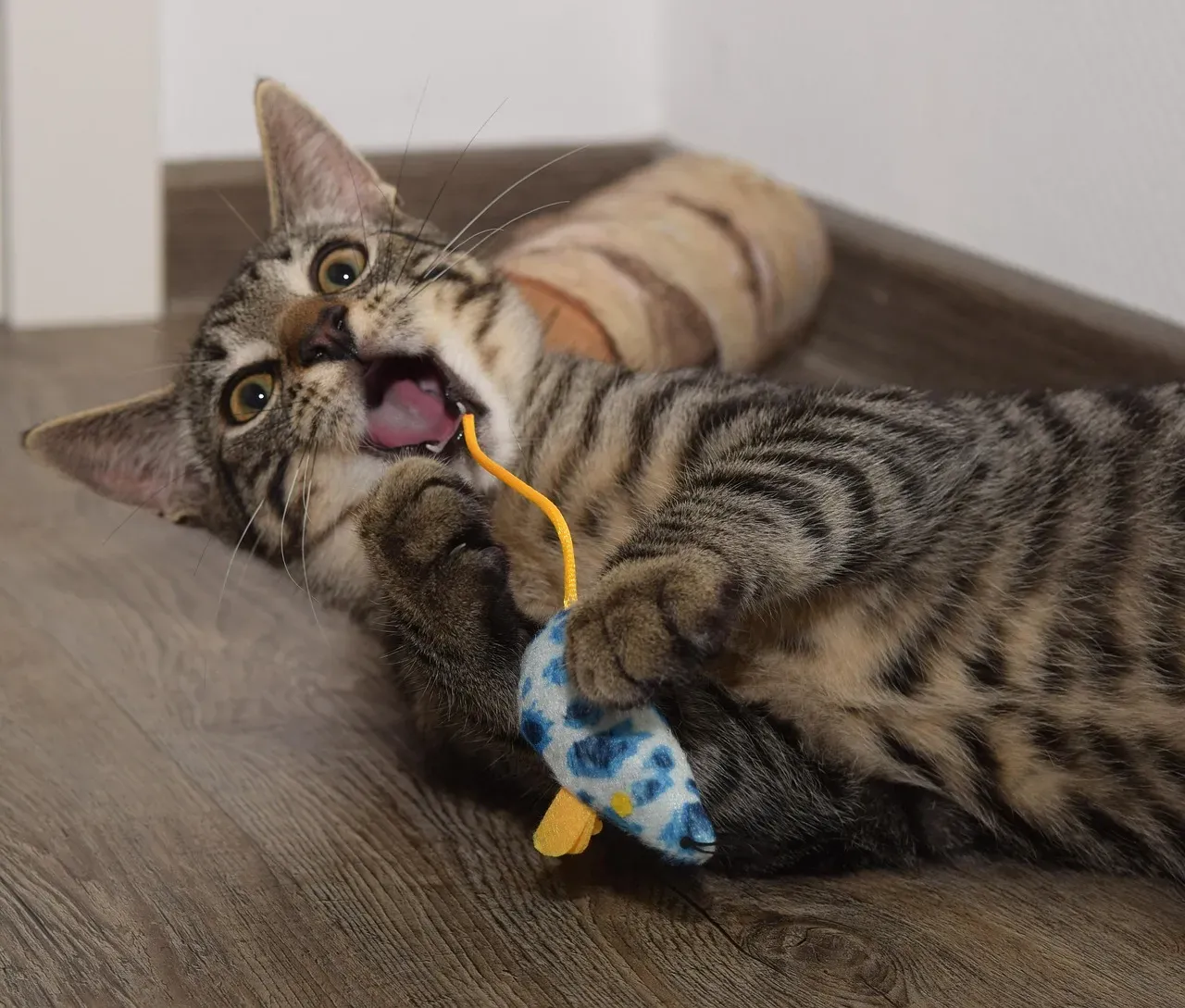
This explanation might sting a bit, but many experts believe it's one of the primary reasons behind this behavior. When your cat brings you dead animals, it might be because they think you're a terrible hunter and want to help you practice, and while that might sound insulting, it's one of many ways cats show you their love.
In the wild, mother cats go out and hunt and then bring the food back for their kittens, which not only feeds the young cats but also provides something for them to play, practice how to hunt and recognize prey, so in the context of human pet owners, our cats may see us as "not so efficient kittens". From your cat's perspective, you never bring home fresh prey. You're useless at hunting. So naturally, like any good mother, they're trying to educate you in the essential life skill of catching your own dinner.
A Sign of Family Bond and Affection
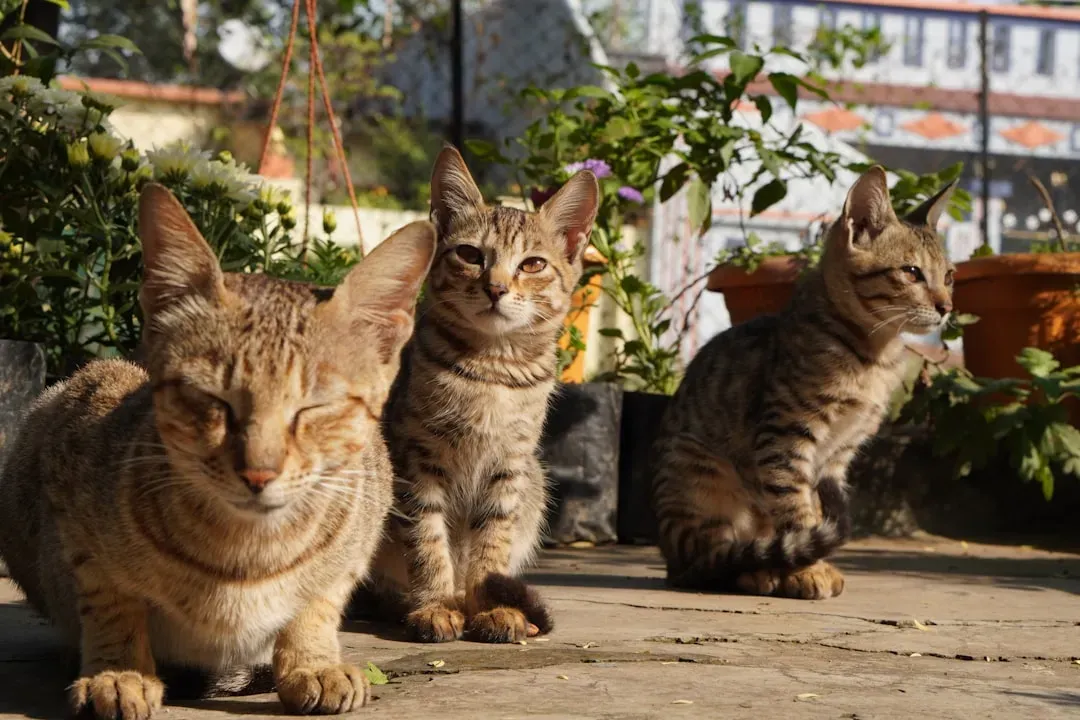
Feral cats often live together in groups called colonies where female cats often care for kittens that don't belong to them and kittens usually eat first in a social group, and by gifting you a dead animal, your cat might be trying to signal that you're part of their group, essentially viewing you as part of the pack or clowder. Honestly, it's kind of sweet when you think about it that way.
Experts note that it's somewhat of a compliment when cats bring these gifts, as they feel comfortable in their home and consider you part of their family. Your cat isn't trying to gross you out or punish you. They're including you in one of the most important aspects of feline life: the hunt. It's their way of sharing resources with the family unit, just like they would with their littermates or offspring.
The Play Instinct Behind the Chase
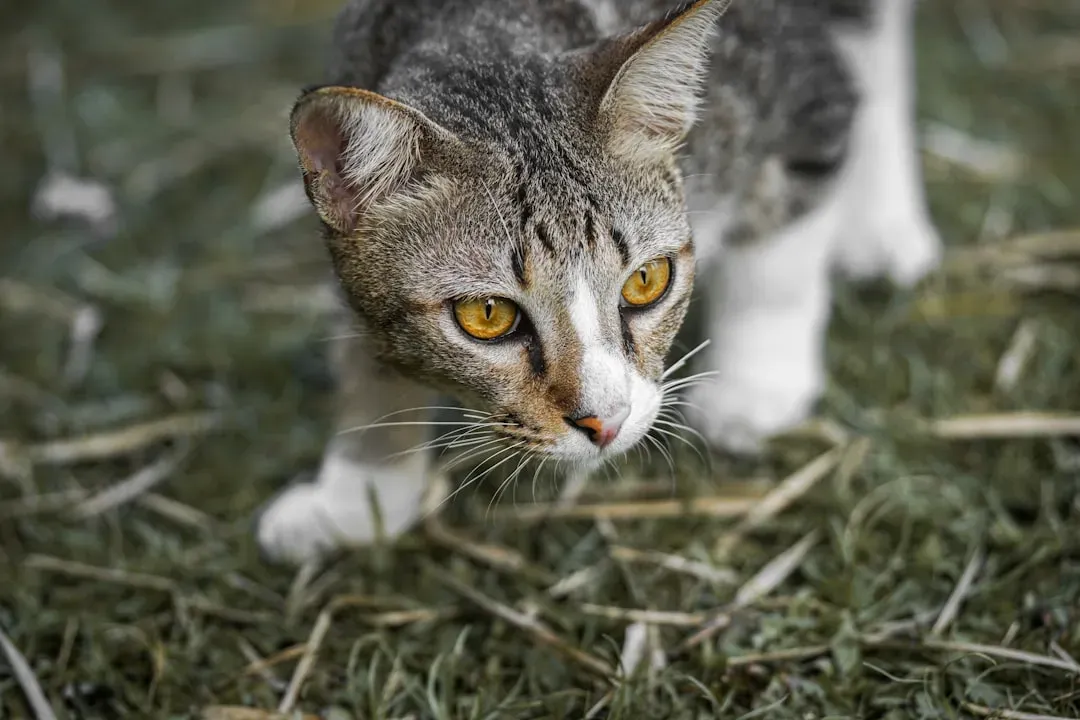
You've probably noticed your cat doesn't always kill their prey immediately. Sometimes they bat it around, release it, then pounce again. When a cat bats around its prey after the initial pounce, they're not actually playing but tiring out the animal until it's safe to go in for the killing bite, which makes sense when you consider that mice and rats have sharp incisor teeth that can bite and injure your cat, and birds' beaks are pointy and can cause damage.
However, there's another layer to this. There are theories about why cats play with their prey before or instead of killing and eating it, including that domesticated house cats may lack confidence in their hunting skills since chasing a string on a rod isn't quite the same as pouncing on a real mouse, and hunting is also a rare event for house cats, so they may simply want to prolong the activity as long as possible. It's like finally getting to do something you've trained for your whole life – you want to savor every moment.
The Impact of Personality and Environment
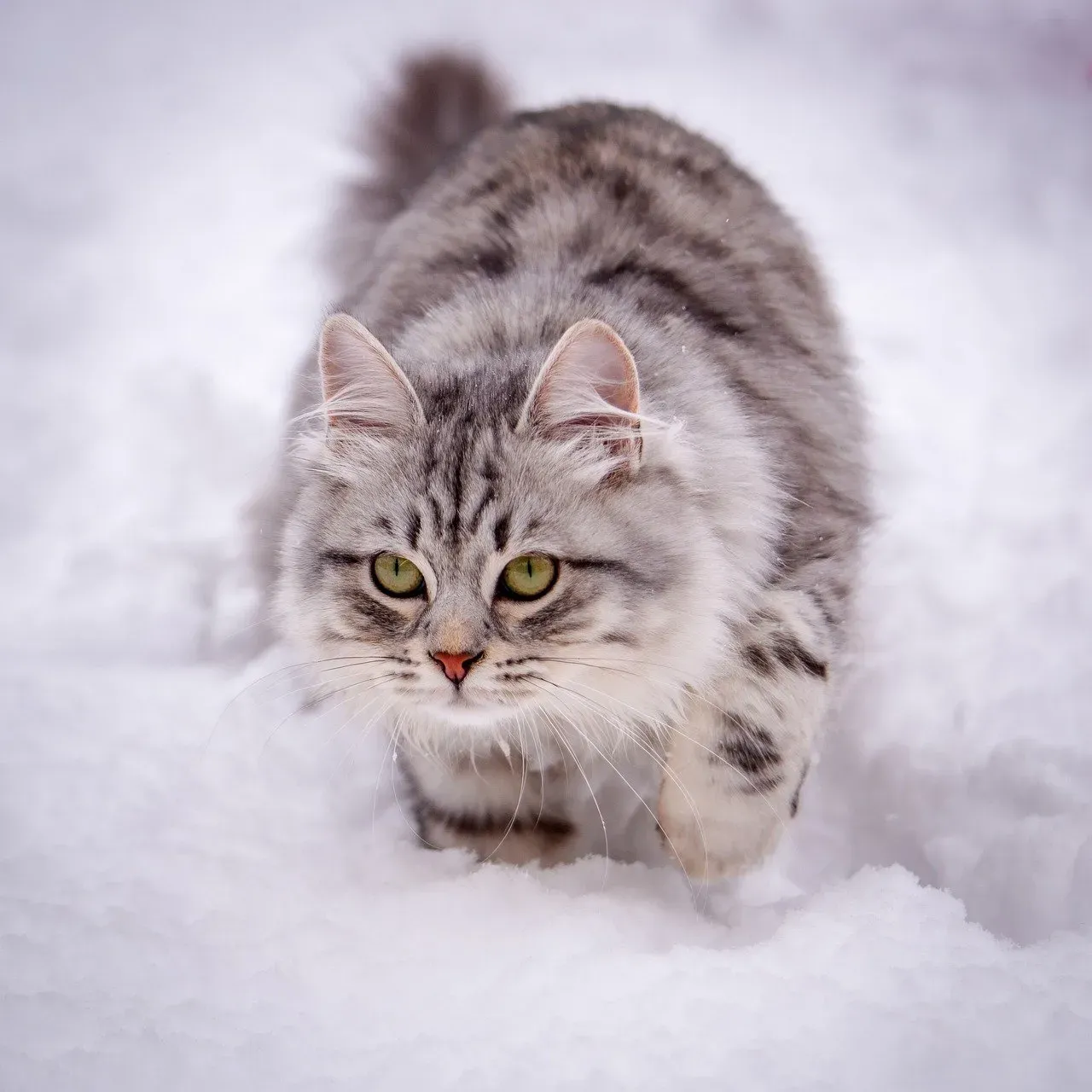
Not all cats are equally enthusiastic hunters. Studies showed that dominant, aggressive and active cats, as noted by their owners, brought back more dead animals into the home, while cats that were shy and friendly with their owners tended to bring home less prey. Your cat's individual temperament plays a significant role in whether you'll be receiving these unwanted presents.
Research also found that how much hunting a cat does depends on both its environment and how much time it spends outside, with a cat in a rural area having more space to roam and access to more prey than city cats, so urban pet owners may get fewer dead animals brought to them than those in the countryside. Location matters as much as personality when it comes to your cat's hunting success rate.
How Mother Cats Pass Down Hunting Skills
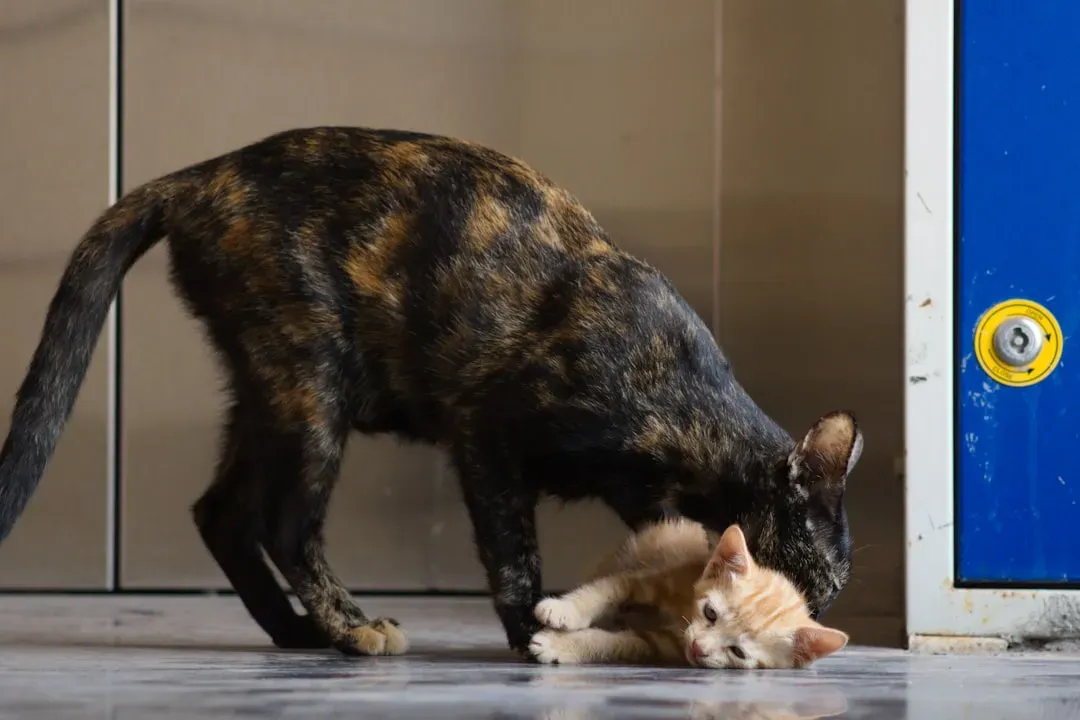
Cats often learn to hunt the same way most mammals learn how to do things – from their mothers, with hunting being a learned behavior first taught by their mother and then reinforced and honed by playing with their littermates. This early education is crucial for developing proper hunting techniques.
The mother cat is crucial in the development of her kittens' hunting instincts, with kittens starting to learn the basics around 5 weeks old mostly through observing and imitating their mother's behavior, as the mother cat will hunt and chase mice and birds in front of her kittens so they can see how it's done, then bring the prey to the baby cats for eating or playing with. It's a comprehensive training program that starts remarkably early in a kitten's life.
What Not to Do When Your Cat Brings Gifts
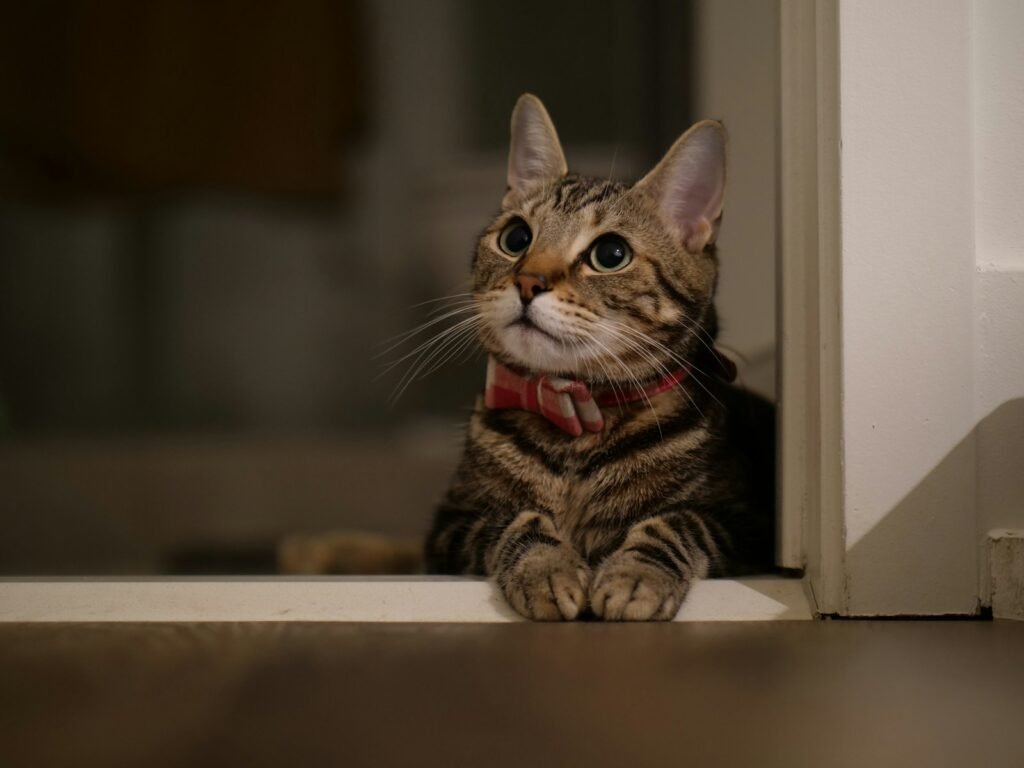
Your immediate reaction might be to yell or scold your cat, but resist that urge. It's important not to punish your cat for catching wildlife or bringing their prey home because they won't understand what they've done wrong, and as hunting is a natural instinct for cats, shouting at them won't deter them from doing it again and will only cause them stress which could lead to other unwanted behaviors.
Many owners inadvertently reward and encourage this behavior by grabbing a treat or toy when they see their cat holding a dead animal in its mouth to get them to drop it, which trains the cat to bring even more prey items home to keep being rewarded with treats and playtime. You're essentially teaching them that bringing dead animals equals treats and attention. That's not exactly the message you want to send.
Practical Ways to Reduce Hunting Behavior
The most effective solution is straightforward: keep your cat indoors. The best way to prevent your cat from bringing you dead animals is to keep your pet inside. This protects both local wildlife and your cat from potential injuries or diseases.
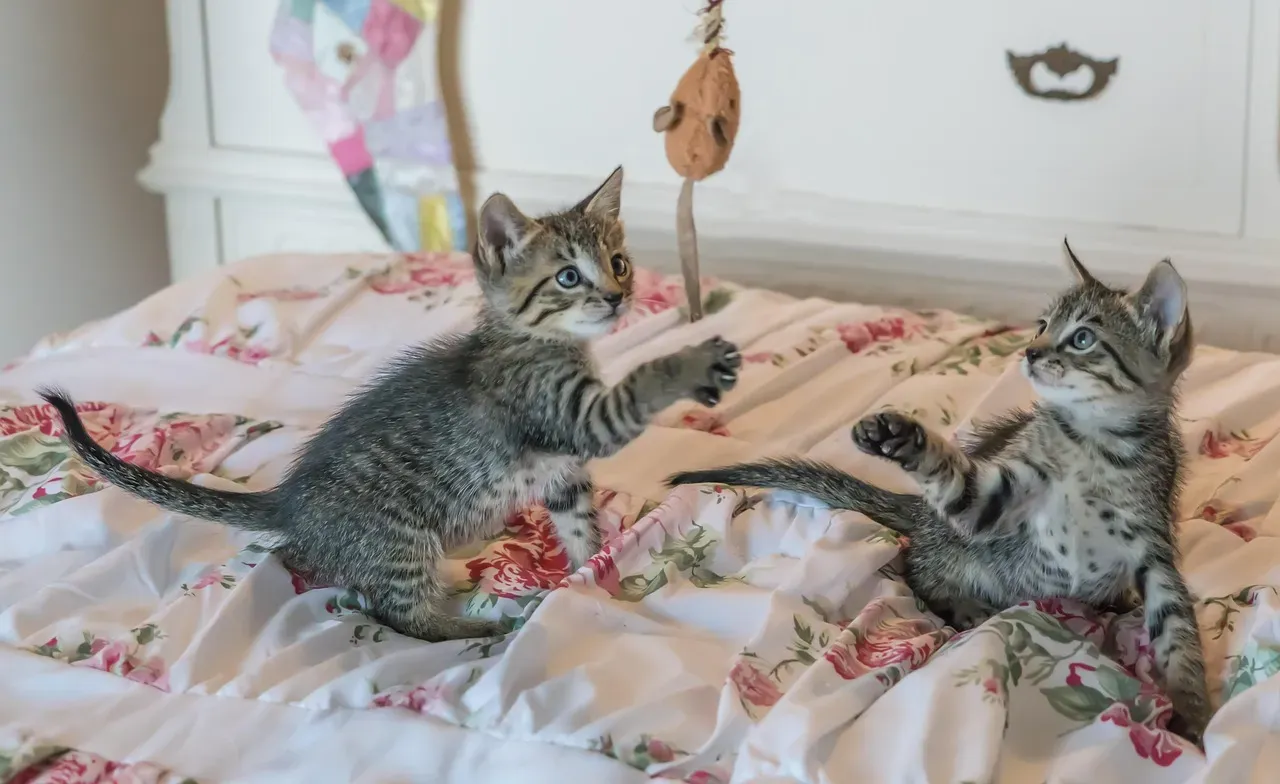
If keeping your cat indoors isn't an option, there are alternatives. Redirecting your cat's hunting instincts through frequent play is one of the most effective methods in helping to reduce or eliminate hunting behaviors, as play provides mental stimulation for your cat and helps to satisfy their hunting desires, with many cats enjoying "hunting" feather wands and various toy types. Research at the University of Exeter found that in families who spent between 5 and 10 minutes a day playing with their cat and reproducing hunting scenes, predation activity decreased by 25%. That's a significant reduction for just a few minutes of daily playtime.
You've now uncovered the mystery behind those unsettling gifts your cat leaves at your feet. Whether they're trying to teach you essential survival skills, sharing their bounty with family, or simply bringing their catch to the safest place they know, your cat's intentions are rooted in instinct and, surprisingly, affection. It's not the most pleasant way to show love, but in the feline world, it's actually quite thoughtful. What do you think – will you see those hunting gifts differently now? Share your own cat's hunting stories in the comments below.