The Purr-fect Pet: 7 Ways to Tell if Your Cat is Truly Happy and Healthy
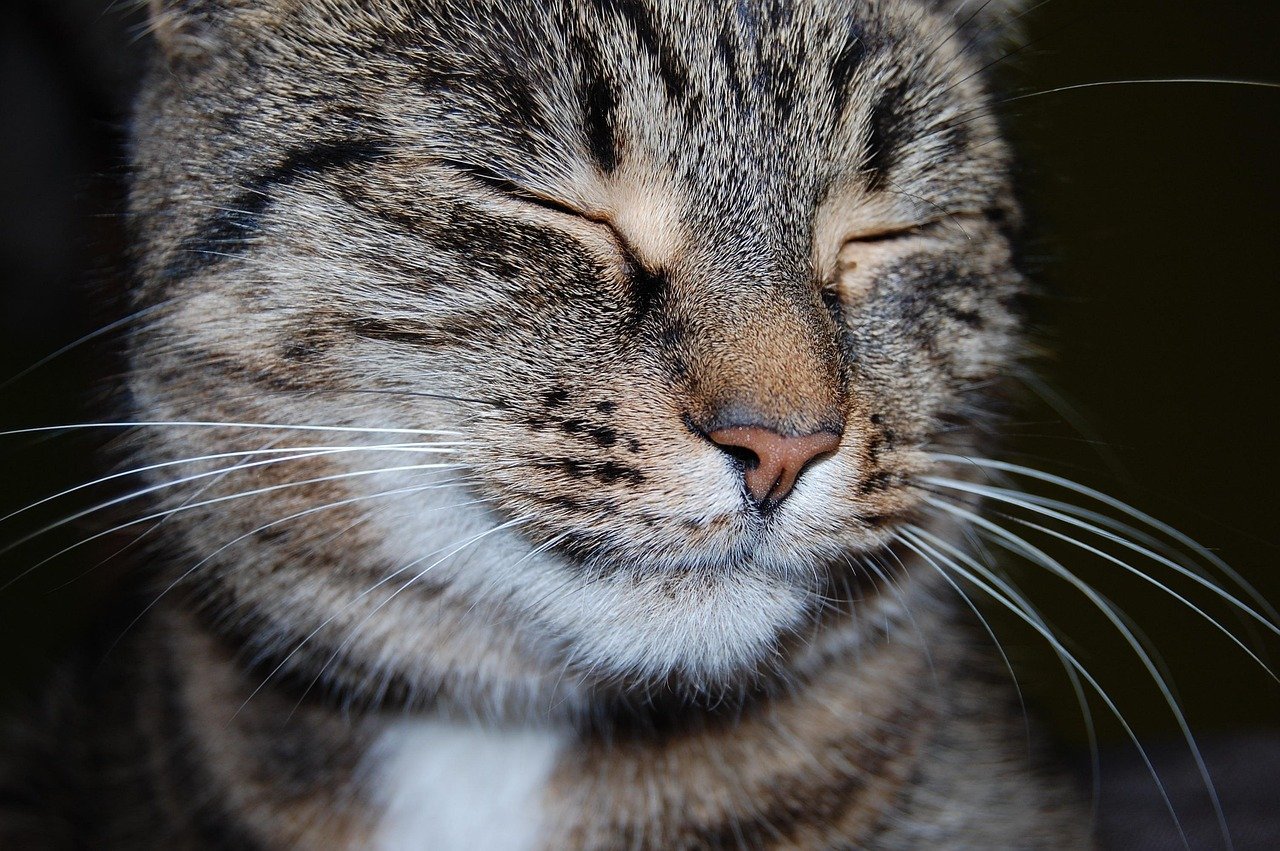
Have you ever looked at your feline companion lounging on the couch and wondered if they're genuinely content? Cats can be mysterious creatures. Unlike dogs who wear their hearts on their sleeves, cats communicate their emotions in more subtle, nuanced ways. Sometimes it feels like decoding a secret language.
Understanding whether your cat is thriving involves more than just checking if their food bowl is empty. Their happiness and health are intertwined in fascinating ways that reveal themselves through behaviors, physical signs, and daily routines. Let's dive into the telltale signs that your whiskered friend is living their absolute best life.
The Magic of Purring and Vocal Expressions
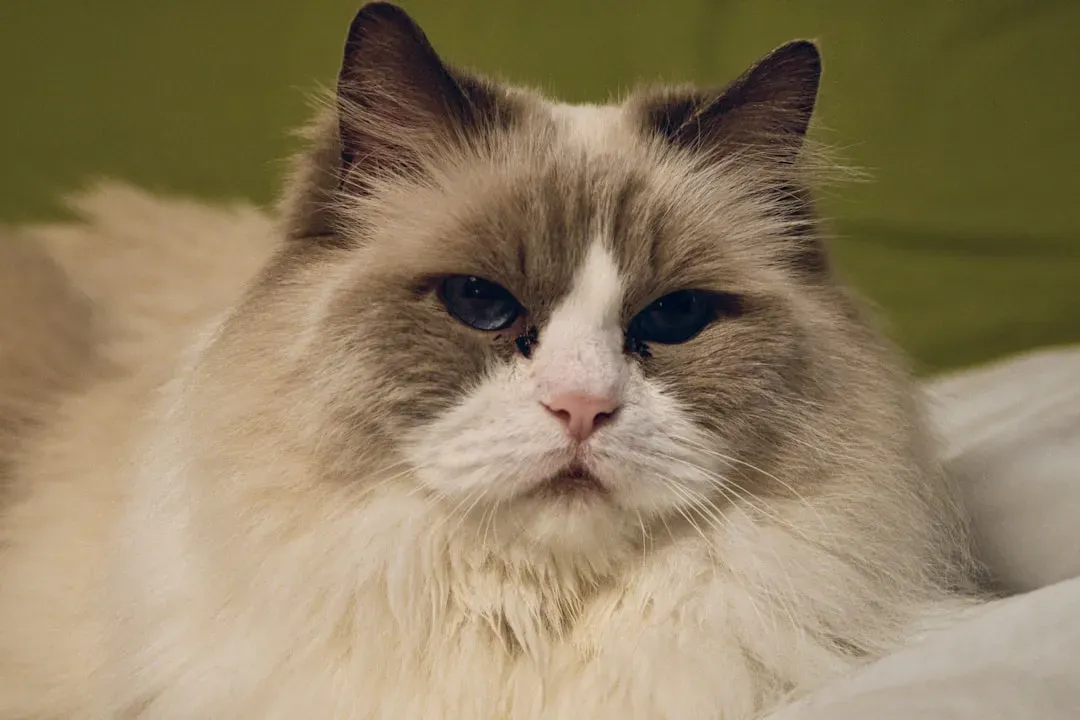
When your cat curls up beside you and starts their rumbling motor, it's one of the most comforting sounds a pet parent can hear. Purring is one of the signs that most people recognize as a sign of a happy cat, and for the most part, if a cat is purring, you can be assured that they are happy. Here's the thing though: context matters tremendously.
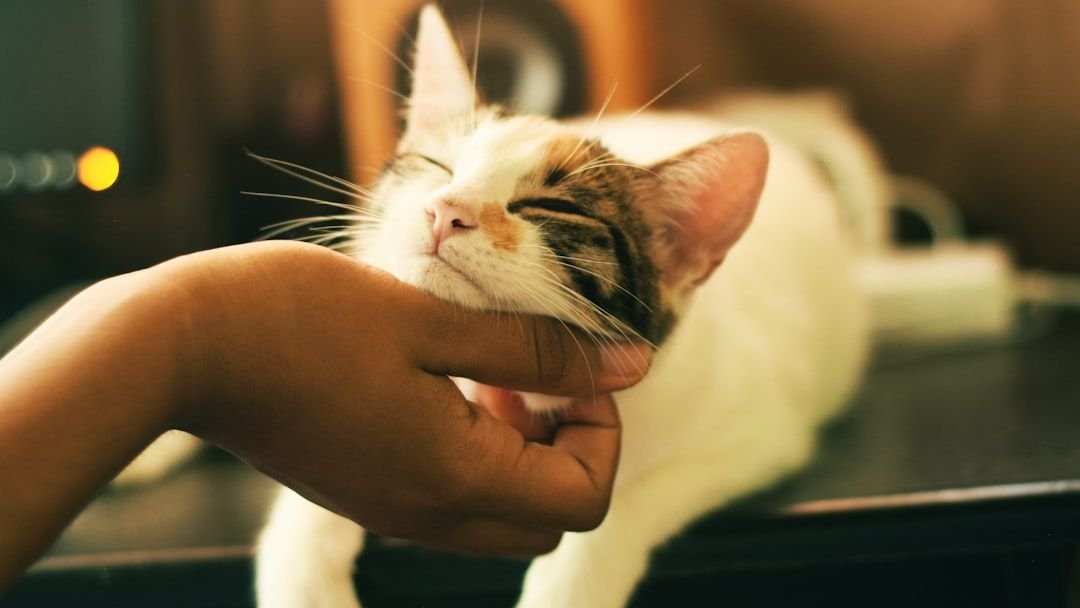
While purring is not always a sure-fire sign of a cheerful cat, for the most part, it can be an indication of feline contentment or even bliss. Pay attention to the situation. If your cat is relaxed, stretched out, and purring away while you're giving them gentle strokes, you've got yourself one satisfied kitty. Beyond purring, listen for those adorable chirping and trilling sounds. Trilling and chirping are also signs that your cat is content, often signaling excitement or a friendly greeting. These happy vocalizations strengthen the bond between you and your feline friend.
Relaxed Body Language Speaks Volumes
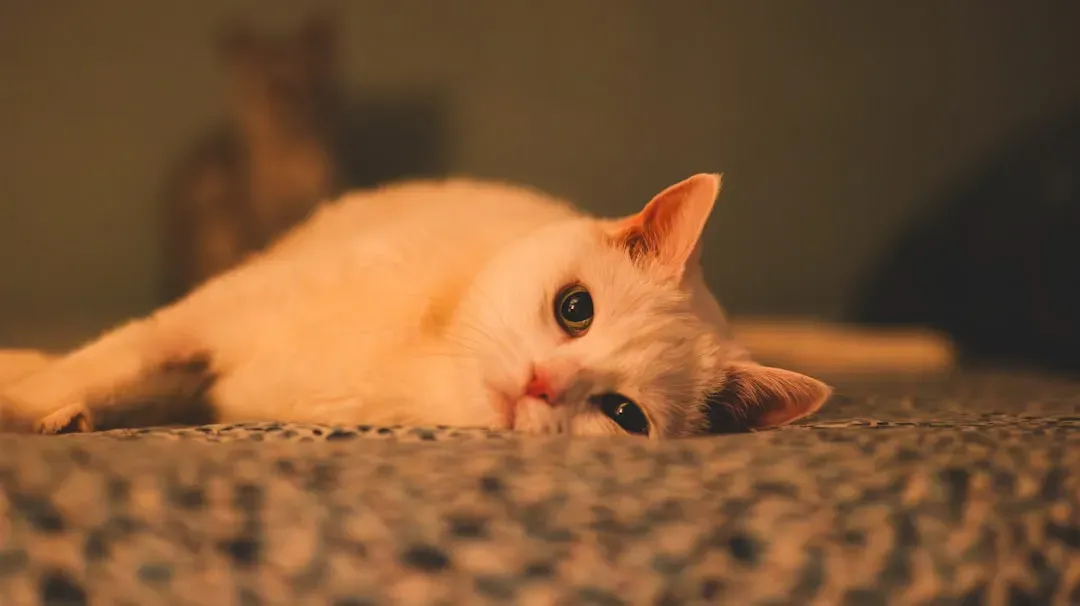
A happy cat usually has relaxed body language, with a raised tail, upright ears, and a calm demeanor. Think about how your cat carries themselves around the house. Do they walk with confidence, tail held high like a proud flag? That's a fantastic indicator of contentment.
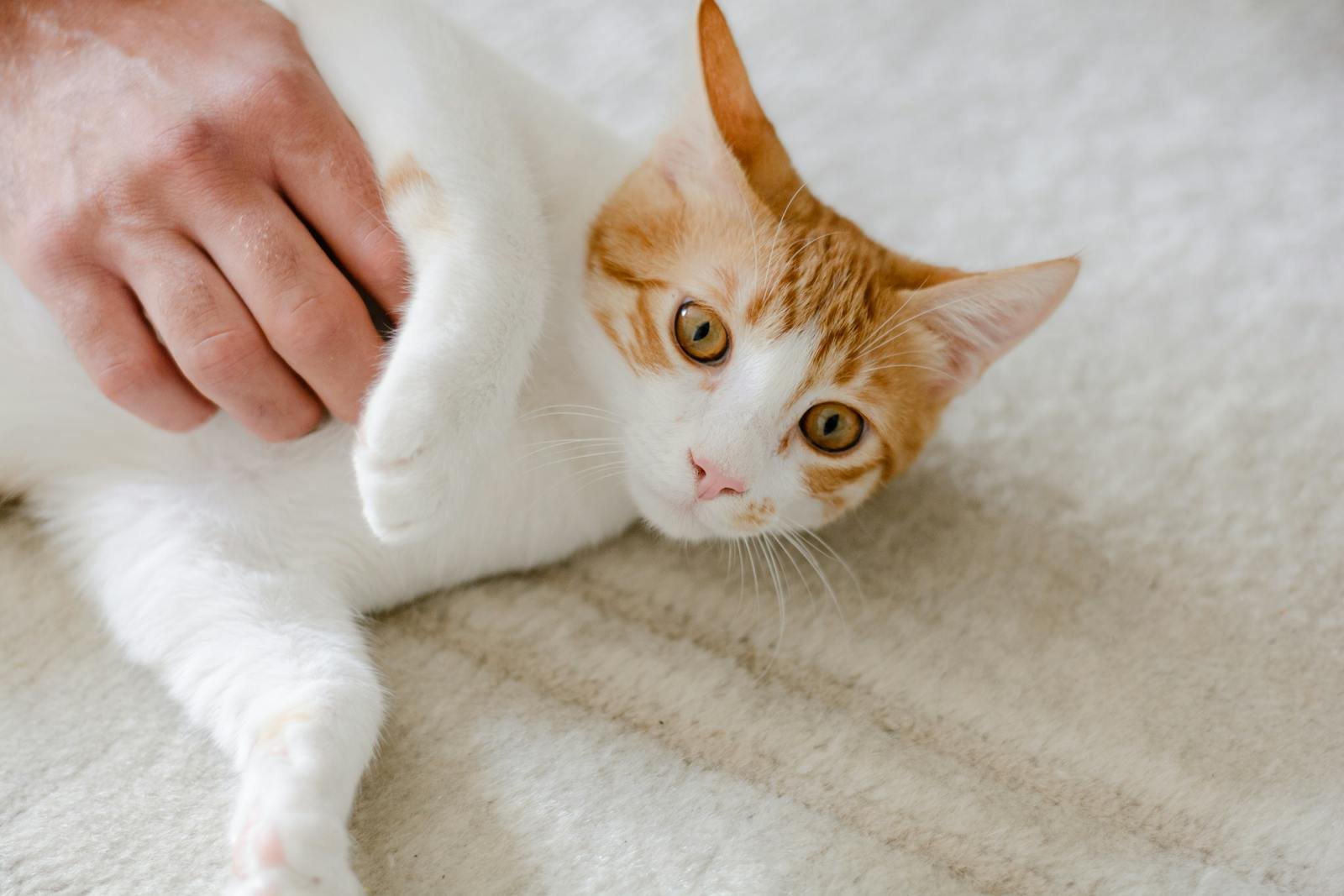
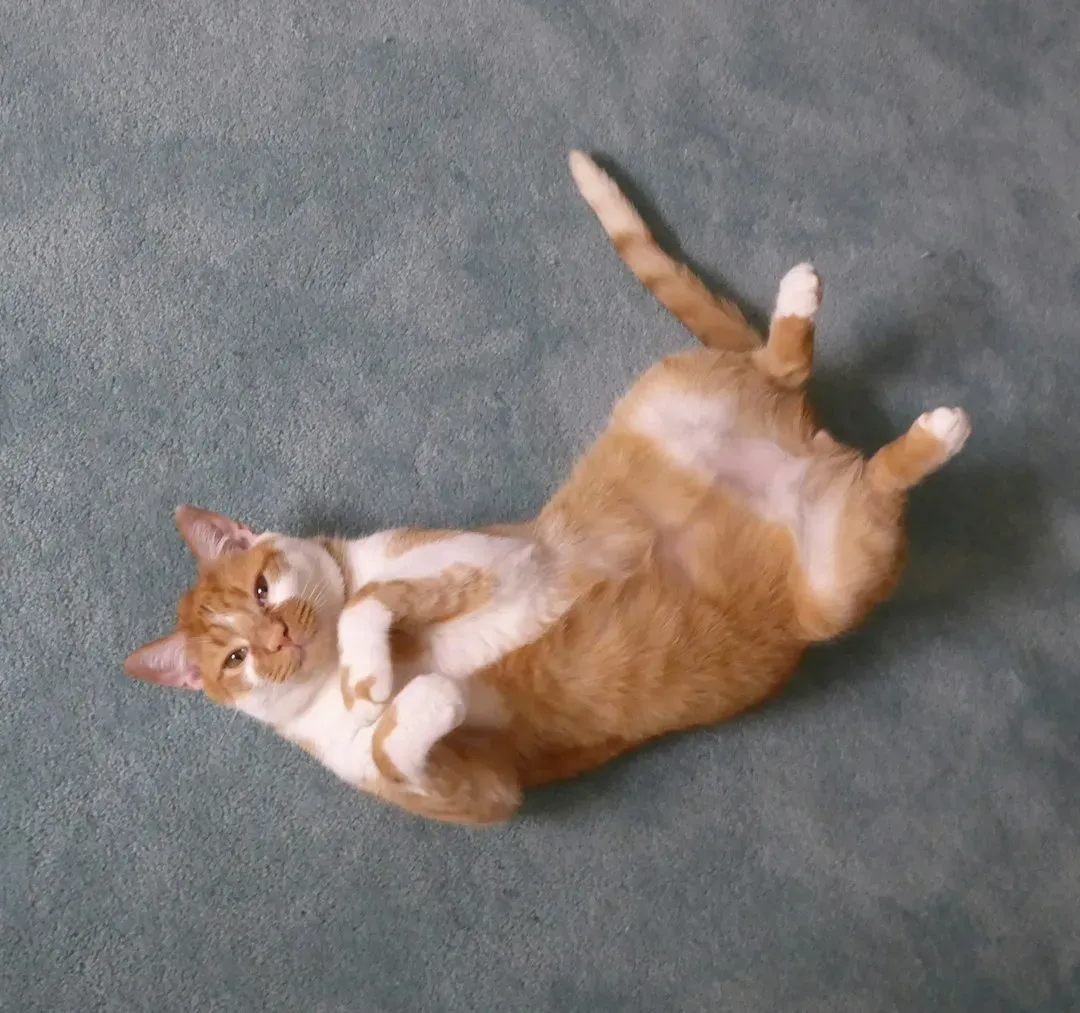
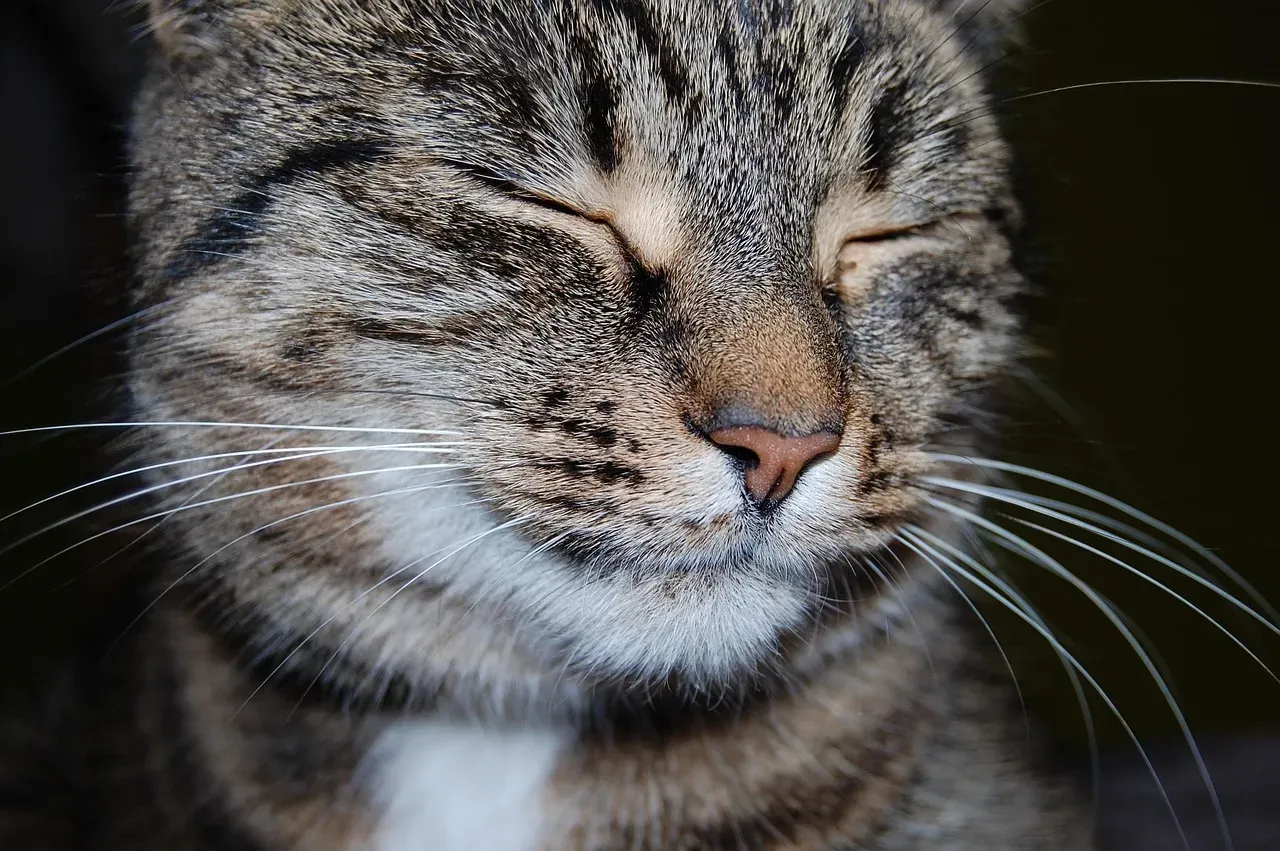
When your cat stretches out completely, exposing their belly, they're showing ultimate trust and relaxation. A contented cat moves with ease and confidence, without any sign of fear or stress, and its posture will be loose and have smooth movements. Watch for those half-closed eyes too. It's hard to say for sure, but cats who feel safe often rest with their eyes gently closed or in that blissful squinty expression. The social roll is another endearing gesture where your cat flops in front of you and exposes their tummy, demonstrating pure affection.
The Art of Kneading and Making Biscuits
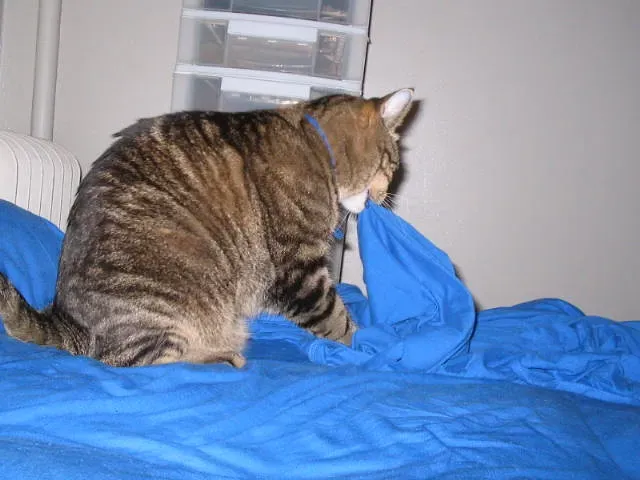
Let's be real, there's nothing quite as adorable as watching your cat rhythmically press their paws into a soft blanket or your lap. Kneading their paws into their bed, blanket, or your stomach is a good sign of a happy cat, and this behavior is often accompanied by purring, usually another signal of contentment. This instinctive behavior traces back to kittenhood when nursing kittens kneaded their mother to stimulate milk flow.
Adults typically knead when they feel safe, happy, and contented, and you'll often notice this behavior during cuddles, before naps, or while they're cozying up into a comfortable spot. If your cat starts making biscuits on you, congratulations! You've been officially approved as a trusted member of their inner circle. Some cats get so blissfully happy during kneading sessions that they even drool a little.
Healthy Appetite and Regular Grooming Habits
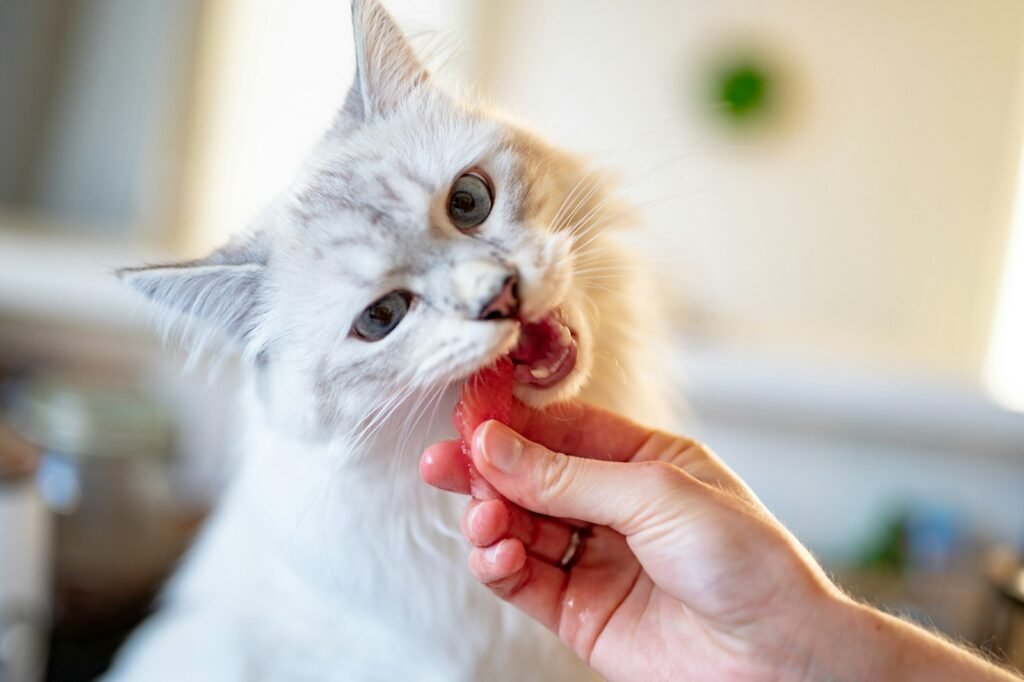
A healthy appetite is a terrific sign of a happy cat. When your cat eagerly approaches mealtime, showing genuine interest in their food, it indicates both physical wellness and emotional satisfaction. You might notice them rubbing around your legs at feeding time or leading you directly to their bowl with purpose.
Consistent appetite and routine self-grooming are reliable signs of a secure and stress-free environment, and a cat that eats regularly, maintains coat cleanliness, and grooms without over-licking demonstrates both physical health and psychological stability. A cat who will come out into the middle of the room, throw up a leg, and begin grooming in front of you feels comfortable and at ease, as regular grooming is also a sign of a happy, healthy feline friend. A shiny, well-maintained coat isn't just aesthetically pleasing; it's a window into your cat's overall wellbeing.
Playful Behavior and Curiosity
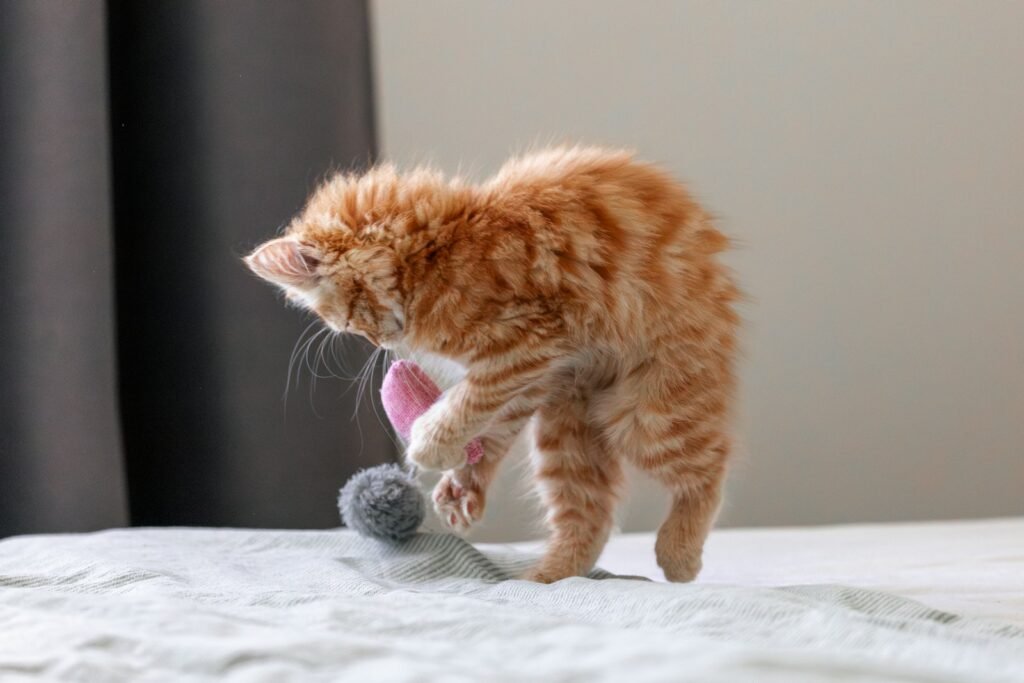
Does your cat still pounce on toy mice or bat around jingly balls? Excellent news! Happy cats will play with their toys and with other people and cats, while stressed cats tend to hide, avoid interaction, and ignore or refuse to play. Playfulness is a direct indicator of mental stimulation and emotional health.
Even if your cat's play style is more subdued than full-on zoomies, any engagement with their environment counts. A happy cat might show signs of curiosity and an interest in what is going around them, and if your cat appears engaged with their surroundings, then that is a good sign. Whether they're investigating a new cardboard box or watching birds through the window with intense focus, curiosity signals a content and mentally active feline. Solo play is just as valid as interactive sessions with you.
Affectionate Interactions and Slow Blinks
A happy cat will initiate interactions, and happy cats often seek out social interaction with their human family members, rubbing against your legs, purring when petted, or curling up next to you for companionship. Head-butting, also called bunting, is when your cat gently bumps their head against you, transferring their scent and essentially claiming you as part of their family.
One of the most touching signs is the slow blink. Warm eyes, followed by a slow and unmistakable blink is one of the most heartwarming signs of kitty happiness and love. In cat language, it usually means along the lines of "I trust you," and it has something to do with dropping their guard, as cats are always alert in nature, so by closing their eyes, they trust you to keep them safe. Try returning the gesture by slowly blinking back at your cat. This silent conversation truly speaks volumes about your bond.
Proper Litter Box Usage and Routine Habits
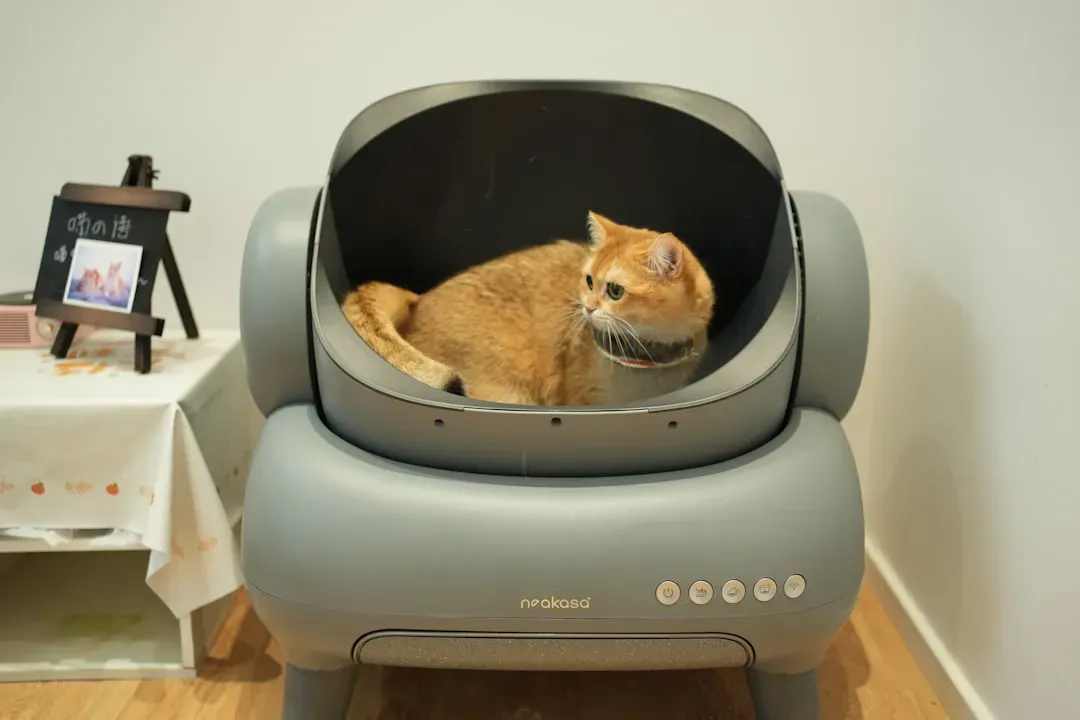
A happy cat will use their litter box and is usually more forgiving if its maintenance isn't quite up to snuff. Consistent litter box habits indicate that your cat feels secure in their environment and isn't experiencing stress or medical issues. Changes in bathroom behavior can signal anxiety or health problems, so regular usage is reassuring.
A happy cat will do their routine things on schedule - they eat well, sleep an appropriate amount (most cats will sleep close to 20 hours a day), and keep their coat well-groomed and shiny. These predictable patterns demonstrate that your cat's needs are being met and they're living in harmony with their environment. Healthy routines create a foundation for long-term happiness and wellness in your feline companion.
Conclusion: Reading Your Cat's Happiness Blueprint
Your cat might not verbally tell you they're happy, but their body, behaviors, and daily habits paint a complete picture of their emotional and physical state. From the rumbling purr to the affectionate head-butts, from playful pounces to those heart-melting slow blinks, your feline friend is constantly communicating with you. The key is learning to read their unique language.
Remember that every cat has their own personality. Some are naturally more demonstrative while others express contentment in quieter ways. By paying attention to these seven indicators, you'll become fluent in understanding your cat's needs and ensuring they live their happiest, healthiest life possible. What signs does your cat show when they're feeling their best? Share your observations with other cat lovers!