You’ve probably heard it a million times: cats are independent creatures who prefer their own company. They’re the loners of the pet world, right? Well, here’s the thing. That assumption might not be entirely accurate. While your cat may seem perfectly content lounging alone on the windowsill, there’s a whole lot more going on beneath that aloof exterior. The question of whether cats truly need companionship has sparked debate among pet owners and researchers alike, and the answer isn’t quite as straightforward as you might think.
The truth is, cats are far more complex than we’ve given them credit for. Their social needs vary dramatically from one individual to another, shaped by everything from early life experiences to personality quirks. So before you rush out to adopt a feline friend for your solo kitty, or before you assume your cat is perfectly happy on their own, let’s dive into what science and experience have taught us about the mysterious social world of cats.
The Myth of the Solitary Cat

Let’s be real: the stereotype of the antisocial cat has been around forever. Cats are naturally solitary animals and are often happy without the company of their own species. That’s what many experts have long believed, and it’s rooted in the fact that cats are social animals but solitary hunters. In the wild, their ancestors hunted alone because their prey was small enough to feed only one cat at a time.
Still, calling cats purely solitary doesn’t paint the full picture. In stark contrast to their closest wild ancestors, the domestic cat displays an impressive capacity to cohabit successfully with both humans and other cats. Domestication changed the game in a major way. Over thousands of years living alongside humans, cats have developed flexible social structures that can adapt to different environments and circumstances. Some thrive in groups, while others genuinely prefer the single life. It really depends on the individual cat and their experiences.
How Cats Form Social Bonds
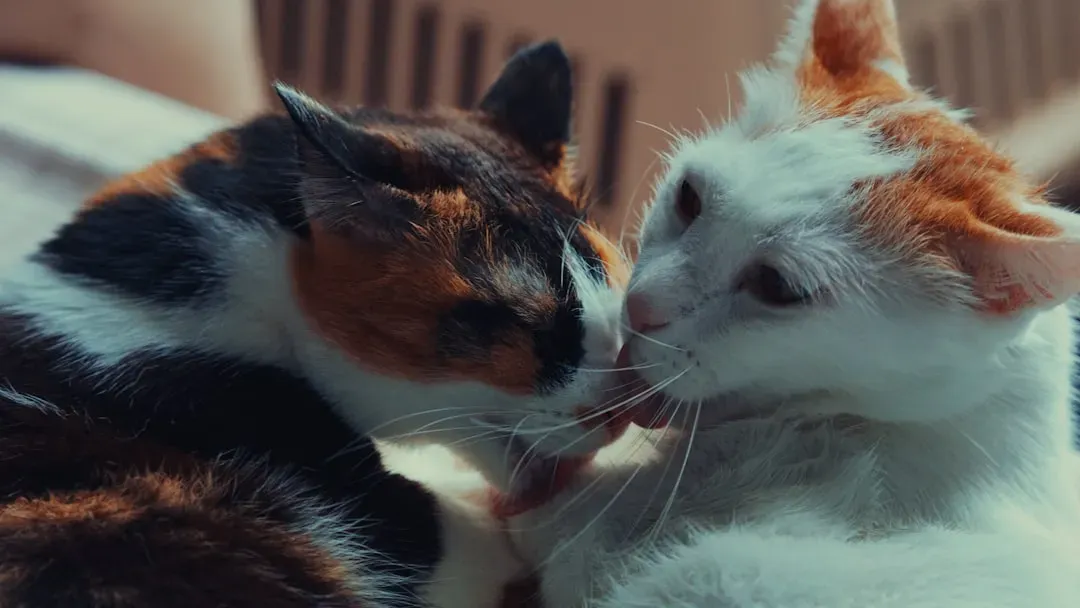
Here’s where it gets interesting. While the feral and free-living domestic cat can survive in the solitary state when food resources are widely distributed, social groups that have internal structure are formed whenever there are sufficient food resources to support a group. In other words, they are a social species. So cats do have the capacity for social bonding, but it’s conditional and context-dependent.
In multi-cat households or feral colonies, you’ll often see cats form strong bonds with familiar individuals, especially between kittens in the same litter, and between kittens and their mother. They might groom each other, rub their bodies together, and sleep curled up side by side. These behaviors signal that the cats consider themselves part of the same social group. It’s honestly heartwarming to watch when it happens naturally. The key word here is familiar. Cats don’t automatically warm up to every other cat they meet, unlike many dogs who seem to make friends at the drop of a hat.
Do Cats Get Lonely Without Other Cats?
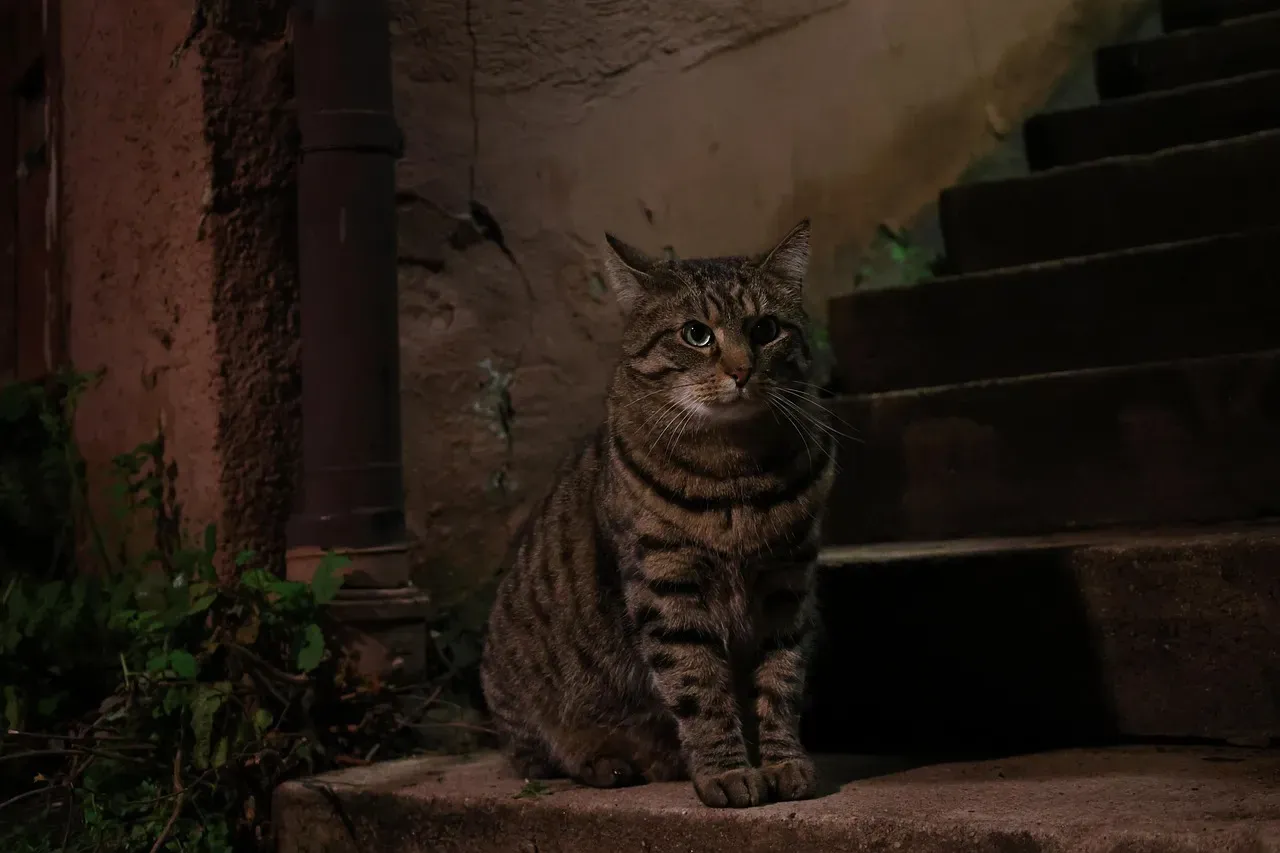
This is probably the question you’re really wondering about, right? The answer, frustratingly enough, is: it depends. It comes down to individual preferences. Some cats genuinely crave feline companionship and will seek out interactions with other cats. Others are perfectly content being the only cat in the household, especially if they receive plenty of attention from their human family.
Certain changes in behavior, such as irregular sleeping, eating, or grooming habits, may indicate that a cat is lonely and could benefit from some feline companionship. If your solo cat suddenly becomes destructive, excessively vocal, or shows changes in appetite, these could be signs of boredom or loneliness. Yet it’s hard to say for sure, since many cats live perfectly fulfilling lives as only pets when they have engaged owners who provide stimulation and interaction.
The Role of Kittens and Early Socialization
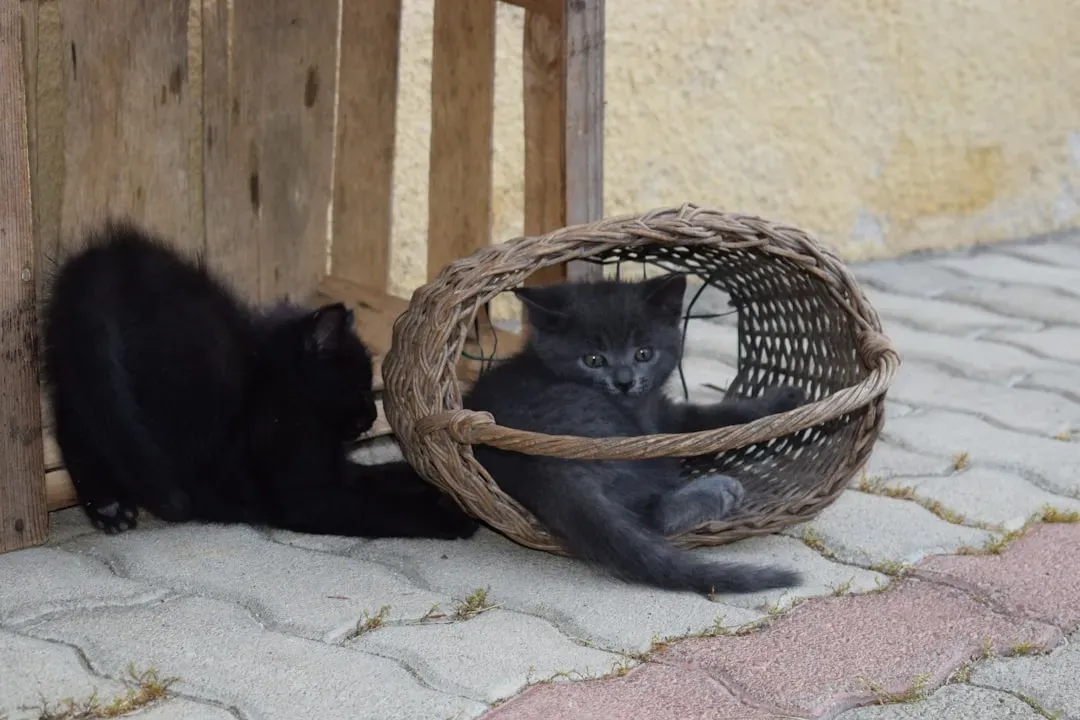
Age matters a lot when discussing social needs. Kittens are more likely to have social needs. They require playmates to help them learn about social interaction and hunting skills and provide both physical and mental stimulation at this highly active age. If you’ve ever watched kittens play together, you know how much they benefit from those wrestling matches and chase games. They’re not just having fun; they’re learning critical life skills.
Cats’ socialization or sensitive period is between 2 and 7 weeks of age. What happens during this window can shape a cat’s social preferences for life. Kittens who grow up with other cats and positive human interactions tend to be more socially flexible as adults. That’s why many experts recommend adopting kittens in pairs, especially if you’re not home much during the day. Two kittens can entertain each other and develop important social skills together.
Human Companionship Versus Feline Friends
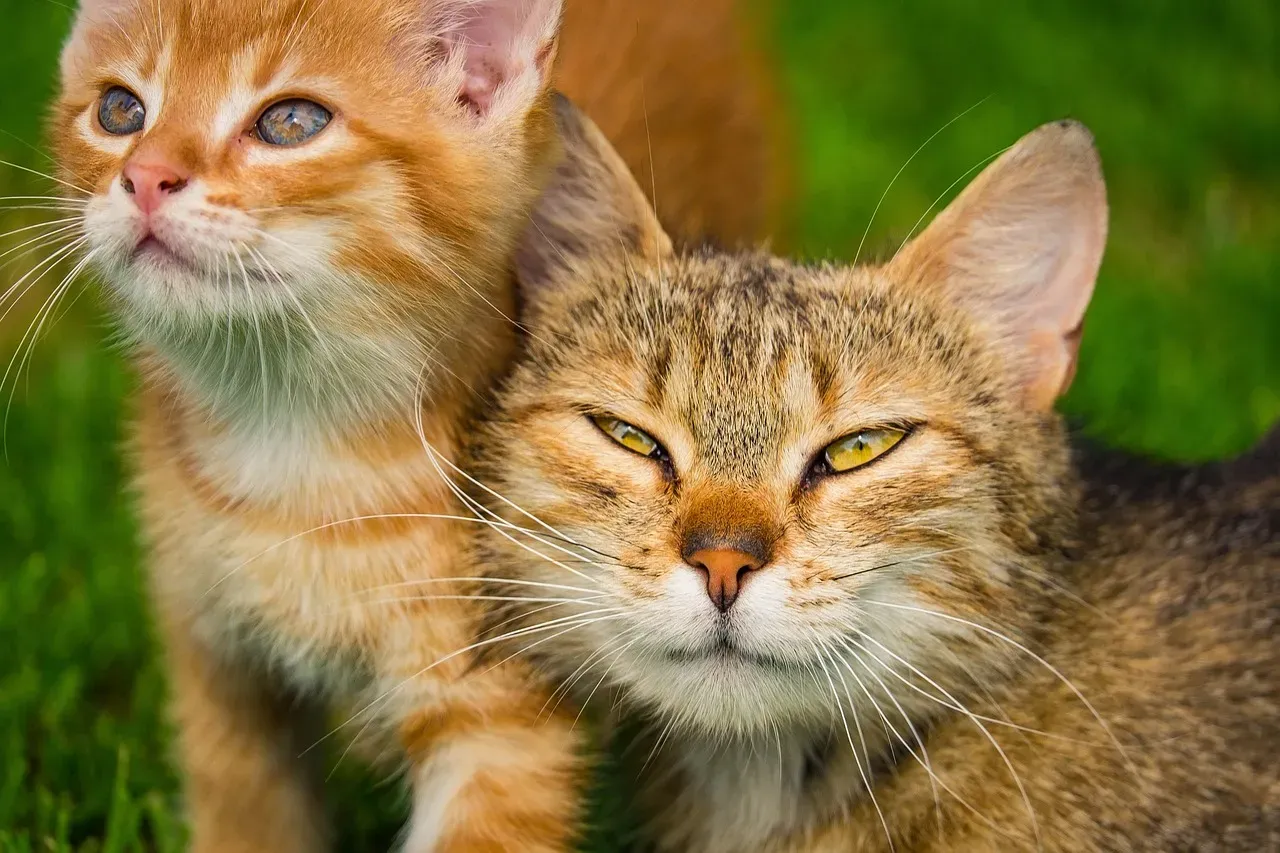
Let’s talk about you for a moment. Cats need your companionship and in fact, some will go through separation anxiety if left alone too often or for too long – something most people only associate with their canine counterparts. That might surprise you if you’ve bought into the independent cat myth. Research has shown that cats show a similar capacity for the formation of secure and insecure attachments towards human caregivers previously demonstrated in children and dogs with the majority of individuals securely attached to their caregiver.
Many cats can have their social needs fully met by their human family members. They can happily exist as single pets in their home but require plenty of human companionship, play, and enrichment in their home environment. Think about it: if you work from home and spend quality time playing with your cat, providing interactive toys, and offering affection when your cat seeks it out, you might be fulfilling their social requirements completely. On the other hand, if you’re gone twelve hours a day, a feline companion might be beneficial.
Signs Your Cat Might Want a Companion
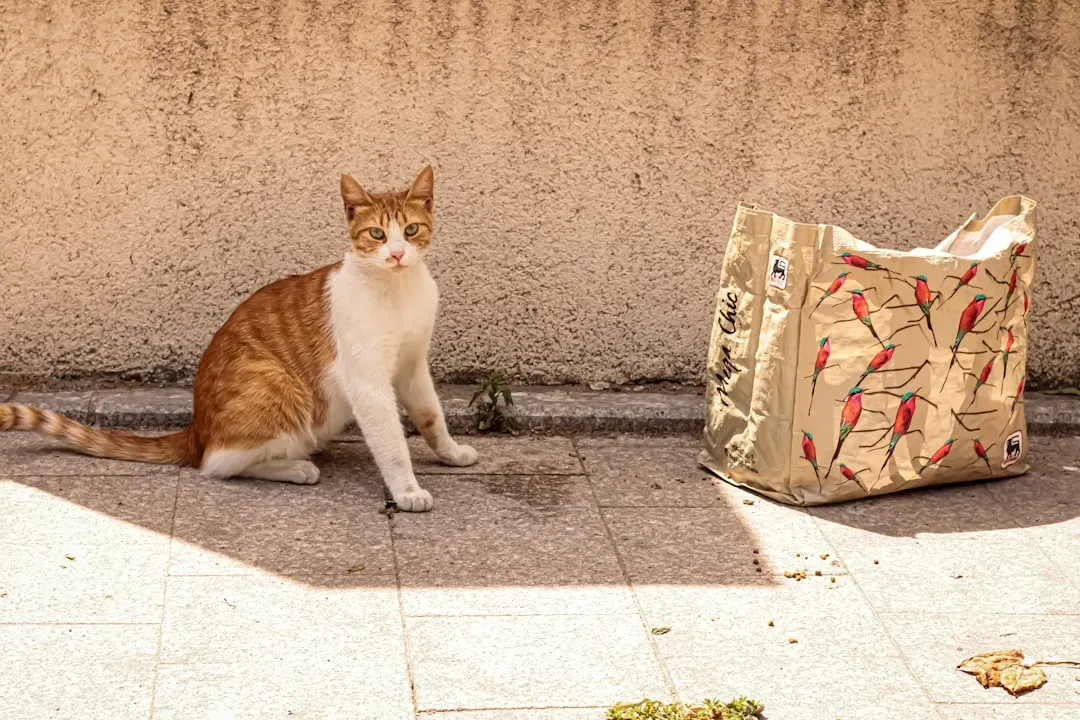
How do you know if your single cat would benefit from a buddy? Watch for certain behavioral clues. If your cat starts knocking things over or tearing apart furniture while you’re out, it could be a sign of boredom or loneliness. Similarly, excessive vocalization, particularly when you’re getting ready to leave or when you return home, can indicate your cat is struggling with being alone.
Changes in grooming habits can be revealing too. Some lonely cats over-groom themselves to the point of creating bald patches, while others may neglect their grooming entirely. A shift in sleeping habits may indicate loneliness. If the cat sleeps a lot and doesn’t engage with you anymore, it could be that the cat is just so lonely, she’s kind of become depressed. Of course, these symptoms can also indicate medical issues, so a vet visit should always be your first step.
The Reality of Multi-Cat Households
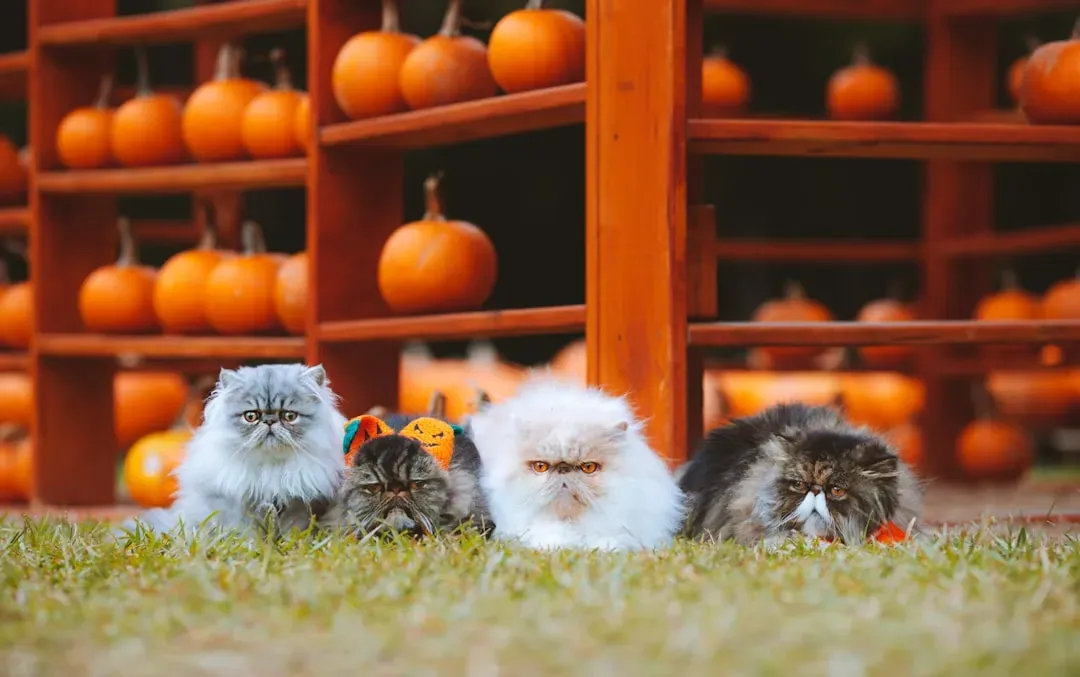
Before you decide to bring home a second cat, let me be honest with you: it’s not always sunshine and rainbows. Living in a group, often chosen by the owner, can be challenging for some cats. Cats are territorial by nature, and introducing a new cat into an established cat’s territory can create serious stress for both animals.
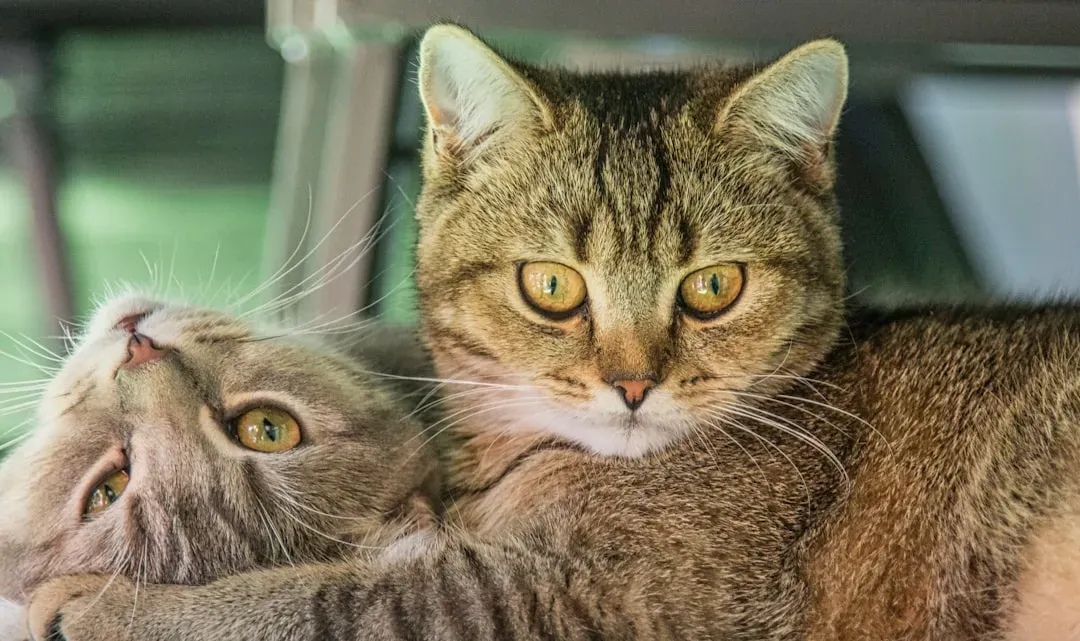
That said, when it works, it can be wonderful. In multi-cat households, the two cats can form a bond and provide each other with companionship. Cats will often find comfort in each other’s presence, reducing feelings of loneliness and boredom. They play together, groom each other, and keep each other mentally stimulated. For owners who work long hours, knowing your cats have each other can provide real peace of mind.
Personality and Compatibility Matter
Not all cats will get along, and that’s something you need to seriously consider. One cat might be friendly and outgoing, while another is shy and hostile, preferring to spend more time alone. Understanding and respecting your pets’ personalities will contribute to harmonious relationships with everyone. If your resident cat hisses at neighborhood cats through the window or has never shown interest in other felines, forcing a companion on them probably isn’t going to end well.
The older your cat is, and the fewer cat friends they’ve had throughout their life, the less likely they are to want a new companion. There can be exceptions to this, but statistically speaking, this holds true. An eight-year-old cat who has lived alone their entire life might not appreciate a rambunctious kitten invading their space, no matter how cute that kitten is.
Alternatives to Getting a Second Cat
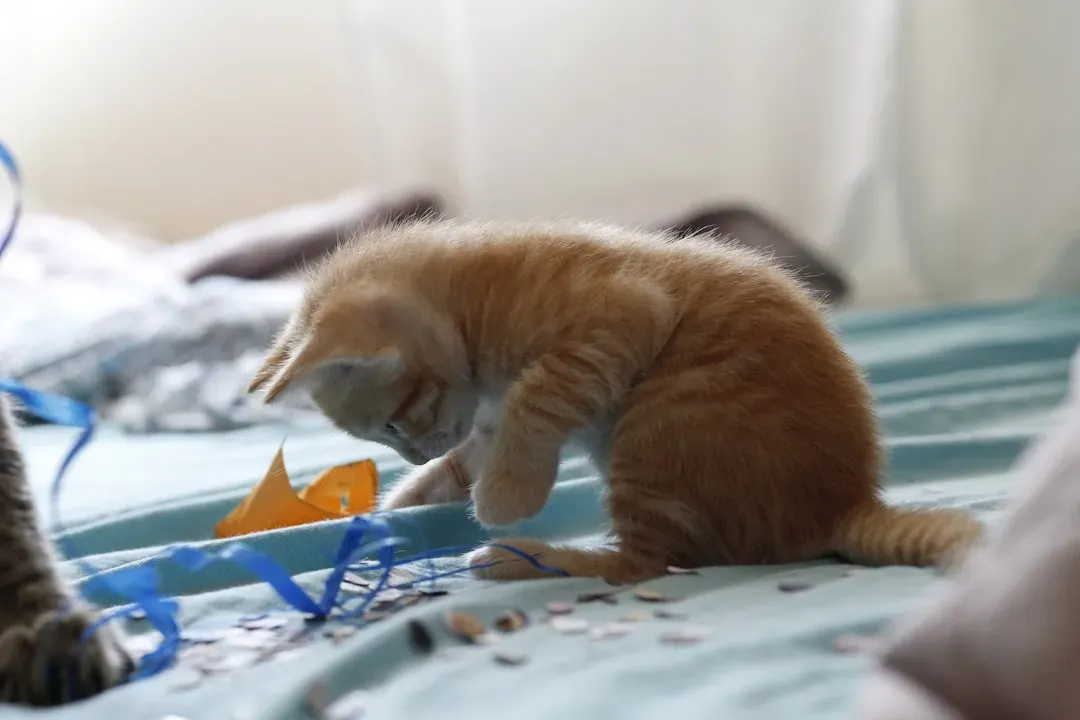
If you’re concerned your cat might be lonely but aren’t ready to commit to a second pet, there are other options. If they are solitary, they need some active playtime and enrichment such as a cat tree or puzzle feeder and some human company. Interactive toys, window perches where they can watch birds, and scheduled play sessions can make a huge difference in your cat’s quality of life.
It’s in cats’ nature to thrive off routine. Ensure they have a regular feeding schedule and human interaction at specific times throughout the day. Even something as simple as having consistent times for meals, play, and cuddles can help your cat feel more secure and less lonely. Some people even leave the TV or radio on for their cats when they’re gone, providing some background noise and the sound of human voices.
When Getting a Second Cat Makes Sense
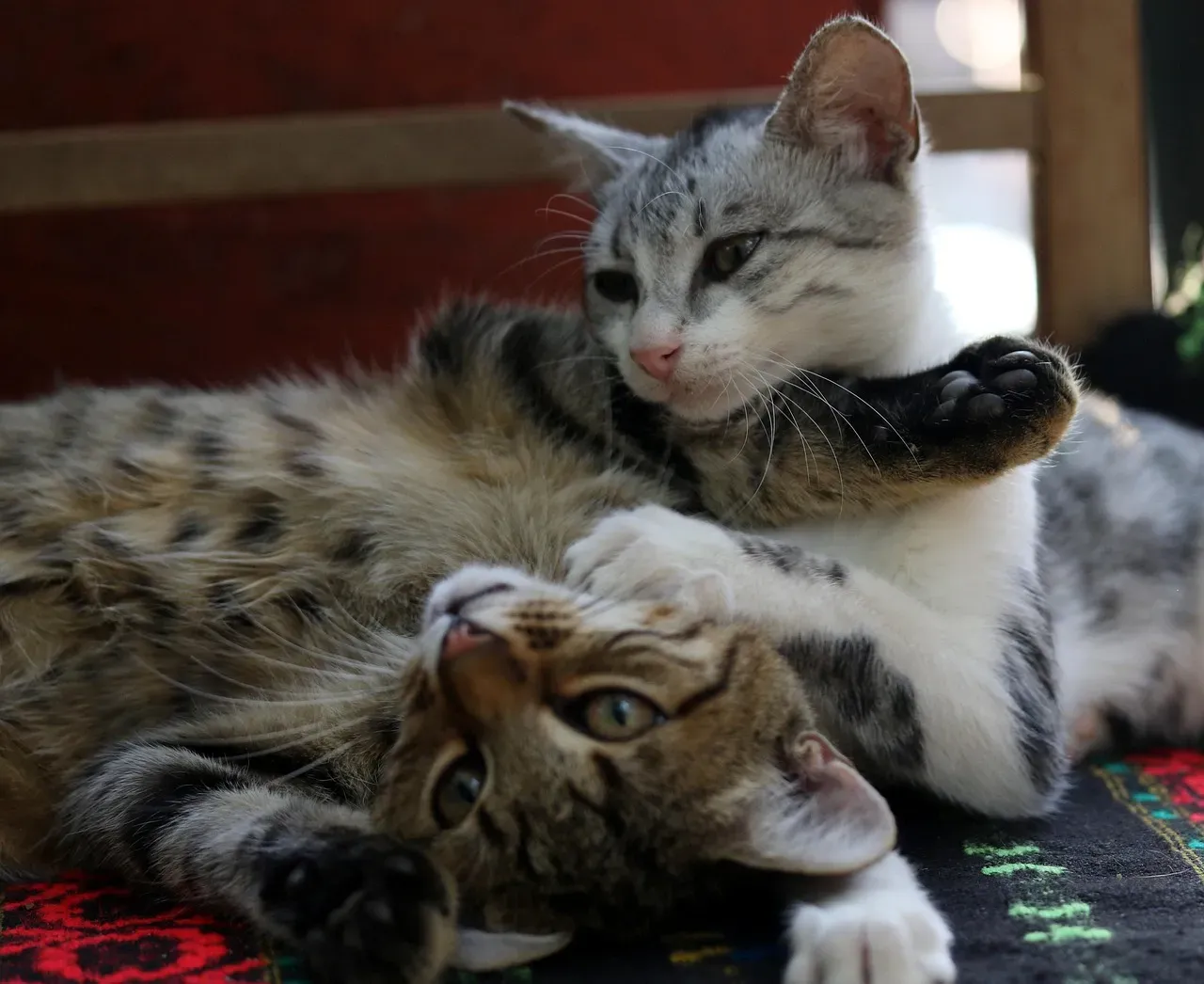
So when should you actually consider adding another cat to your household? Despite the common belief that cats are solitary animals, they’re actually incredibly social beings who thrive when they have feline friends from an early age. That’s why many recommend adopting two kittens, or adopting a solo kitten only if you already have another young cat in the home for the kitten to befriend.
If you’re adopting a kitten, seriously think about adopting two at once, especially littermates. Cats that come in pairs tend to be healthier and live longer than single cats because they often get more exercise, which keeps their hearts healthy and reduces their stress. Additionally, exercise lessens the risk of having an overweight pet, and can add years to their life. Plus, watching two kittens play together is endlessly entertaining. Two kittens are often less work than one, believe it or not, because they entertain each other rather than demanding all your attention.
Your solo cat is perfectly happy lounging in their favorite sunny spot, secure in the knowledge that you’ll be there when they want attention. Or maybe they’re pacing at the door, meowing incessantly, showing you they really do need more social interaction. The point is, every cat is different. Some cats genuinely prefer solitude, while others bloom with feline companionship.
What we know for certain is that cats aren’t the aloof, antisocial creatures we once thought they were. Domesticated cats have evolved to crave companionship, often forming strong bonds with humans and sometimes even other pets. Because of the attachments they form, cats can feel lonely. Whether that companionship comes from you, another cat, or a combination of both depends entirely on your individual cat’s personality, history, and preferences.
The real question isn’t whether cats need companionship in general. It’s whether your specific cat needs more companionship than they’re currently getting. Pay attention to their behavior, respect their personality, and be willing to adjust your approach based on what they’re telling you. Whether your home is right for one cat or multiple cats, the goal is the same: a happy, healthy, well-adjusted feline who feels secure and loved.
What’s your experience been with your own cats? Are they happiest flying solo, or do they thrive with a feline friend by their side?
Kristina is a young writer from India. An arts graduate and an avid content creator, Kristina is passionate about animals and wildlife. She enjoys exploring topics related to pet care, animal behavior, conservation, and nature, combining thorough research with engaging storytelling.