Is Your Cat a Lap Cat or a Loner? Understanding Their Unique Affection Styles
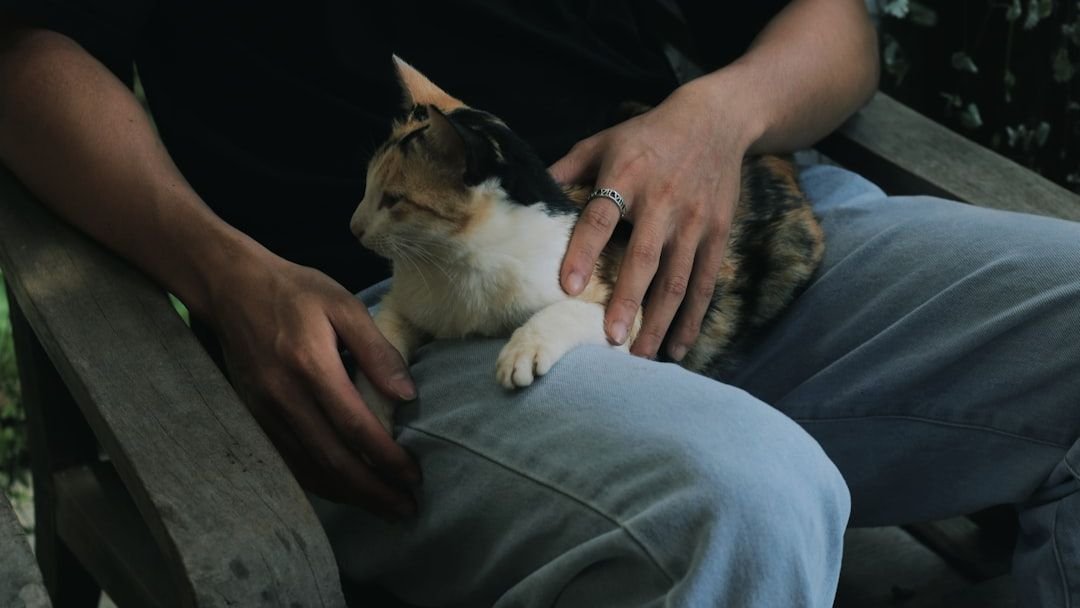
Have you ever wondered why your feline friend acts the way they do around you? Some cats can't resist curling up in your lap for hours, purring contentedly while you read or watch television. Others seem perfectly happy observing you from across the room, maintaining their personal space bubble. The truth is, your cat's behavior isn't random or mysterious at all. It's shaped by a fascinating combination of genetics, early experiences, and their unique personality.
Understanding why your cat shows affection the way they do can transform your relationship with them. Whether you're dealing with a cuddly companion or an independent spirit, recognizing their communication style helps you appreciate them for who they truly are. Let's dive into the captivating world of feline affection styles.
The Science Behind Your Cat's Cuddliness
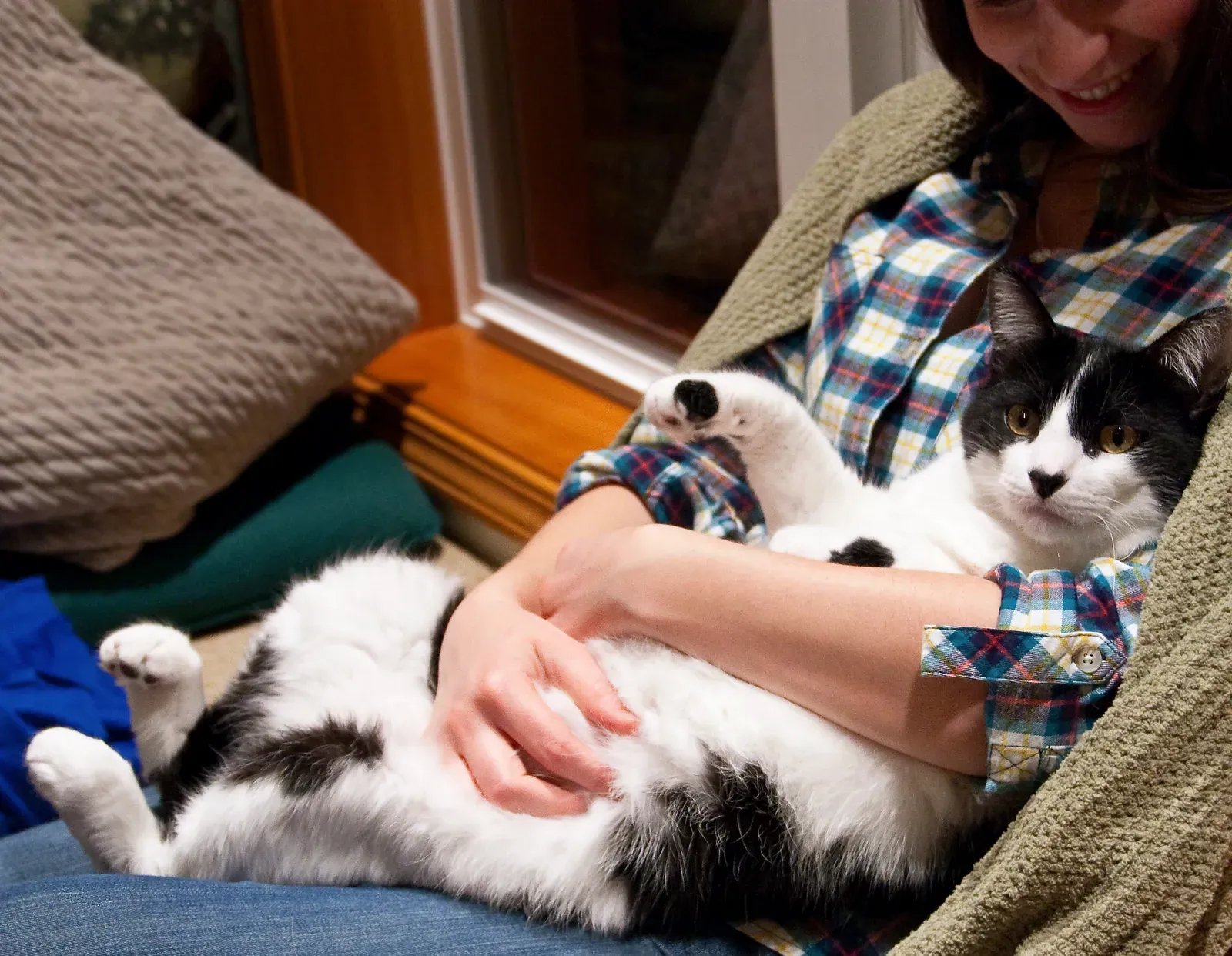
Your cat's affection level is influenced by both genetics and early socialization experiences with humans when they're small. Think of it like a recipe where nature and nurture blend together to create your cat's unique personality. Research has found that kittens with a friendly father grow up to be friendlier toward people compared with cats with a non-friendly father. It's fascinating how these traits can pass down through generations.
Yet genetics alone don't tell the whole story. Kittens that are handled and petted frequently from a young age tend to grow into more affectionate and friendly adults, with positive human interaction during kittenhood helping shape a cat's personality. The first few weeks of a kitten's life are absolutely critical, serving as a window where they learn whether humans are friends or threats.
What Makes a Classic Lap Cat
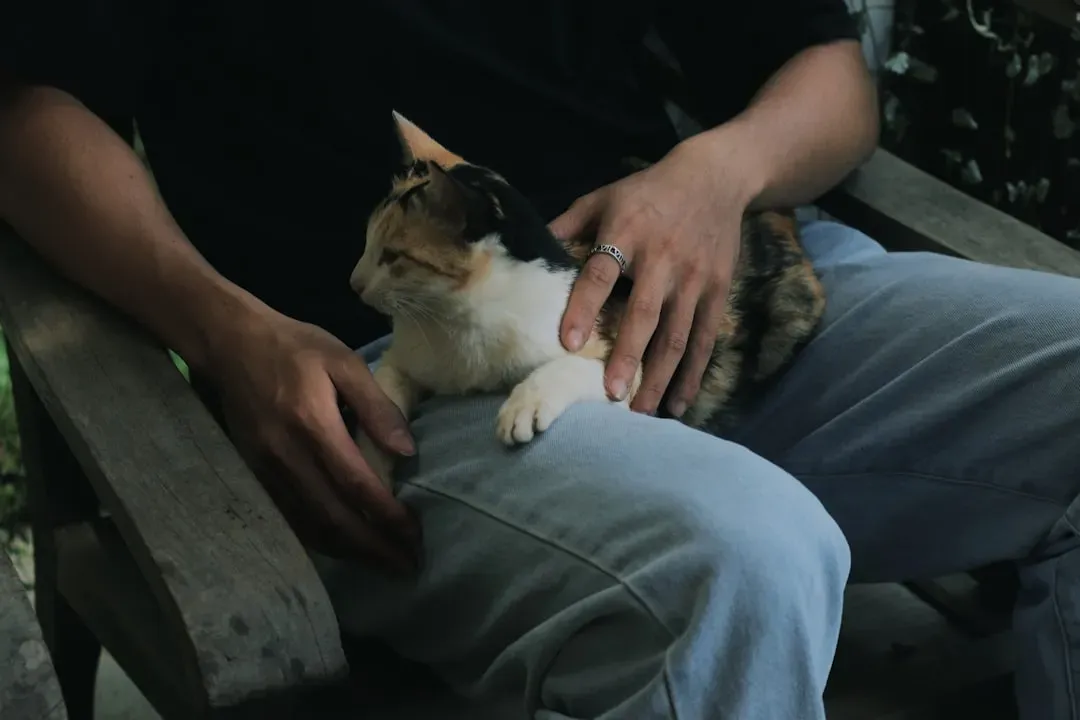
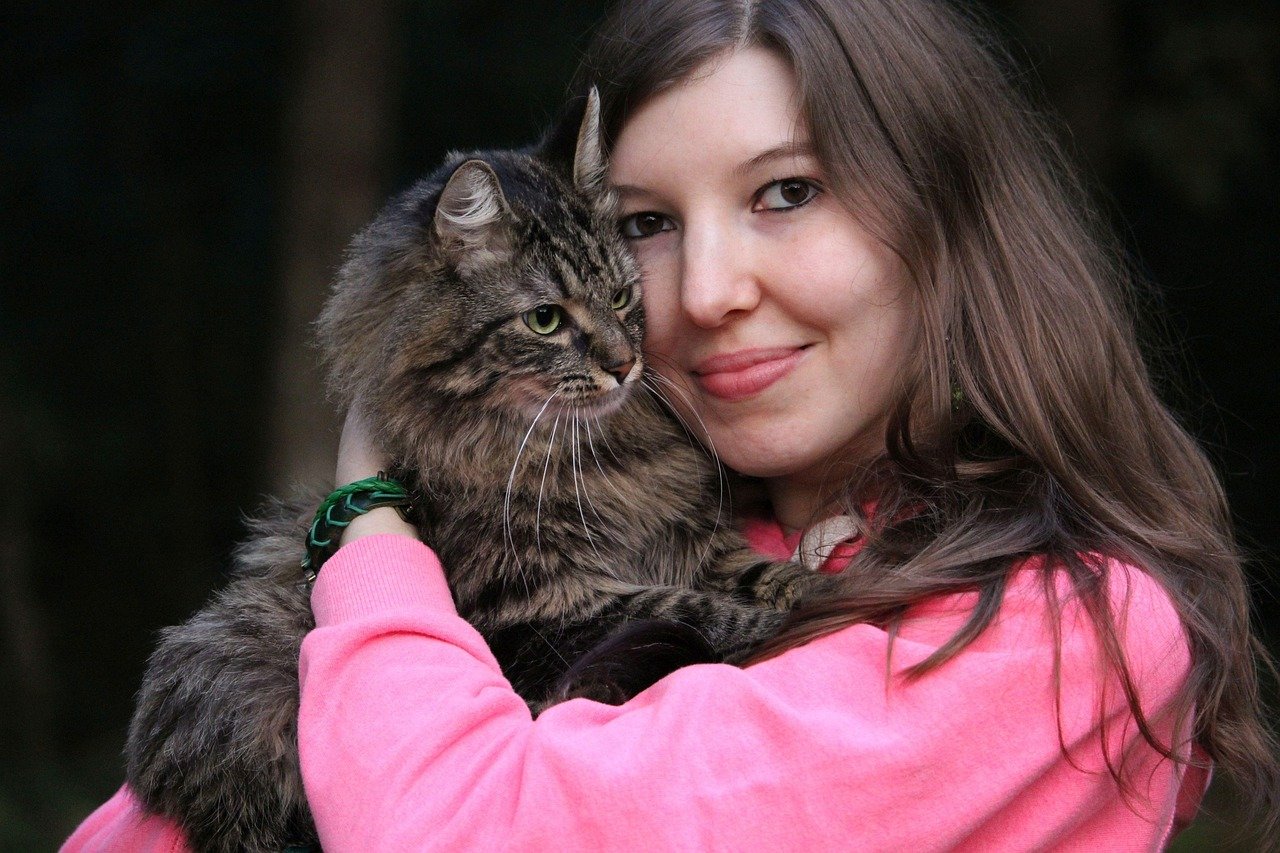
Lap cats enjoy time on laps and often honor their person with kneading while purring, loving spending time on their favorite people's laps and leaning in for pets. If you're lucky enough to have one of these affectionate souls, you know the feeling of being chosen as their personal heated throne. These cats typically seek out physical contact, following you from room to room throughout the day.
Snuggling up to a warm, comfy human is a learned behavior stretching back to a cat's earliest days, as kittens rely on their mothers for shelter, warmth, and milk through skin-to-fur contact, and many kitties never grow out of this desired closeness. The warmth and security they experienced as babies creates a lasting association with physical closeness to their trusted humans.
The Independent Observer
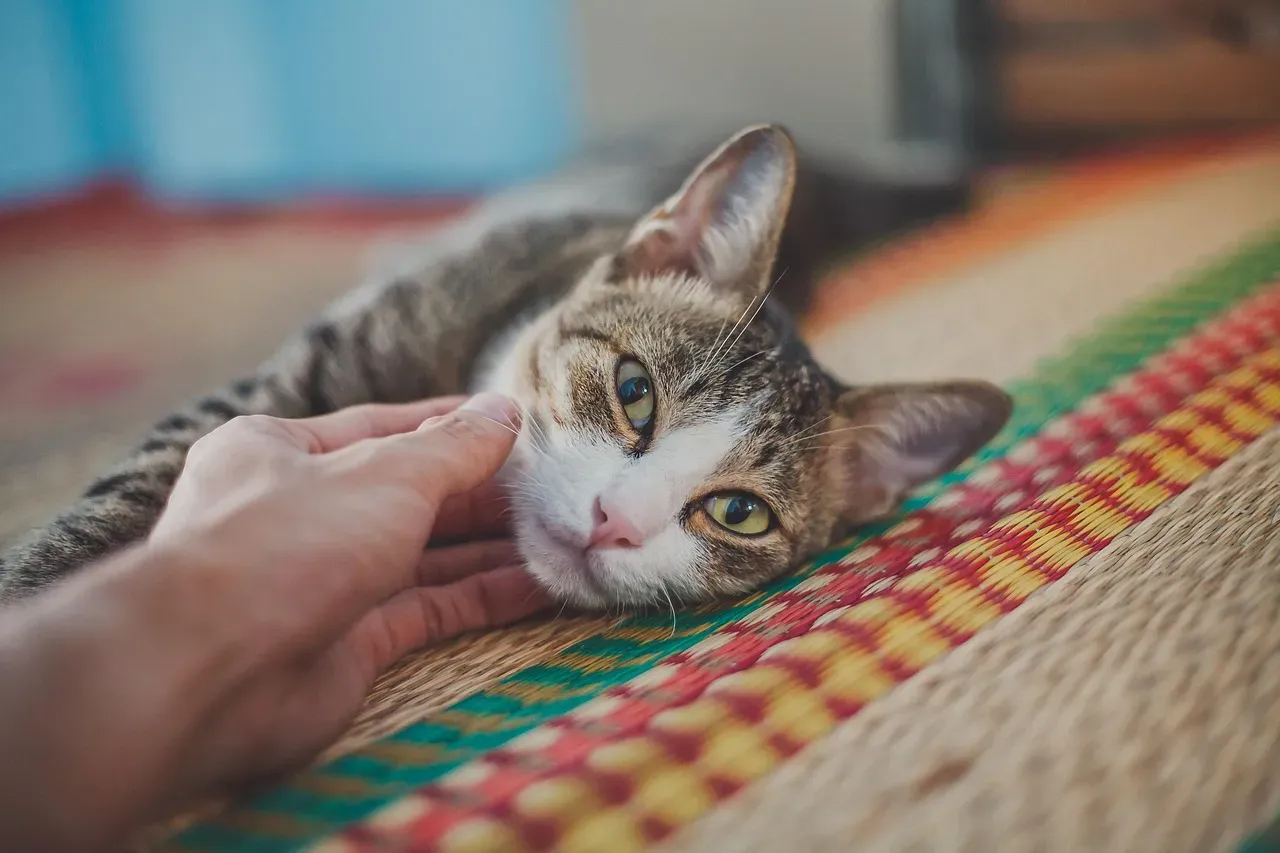
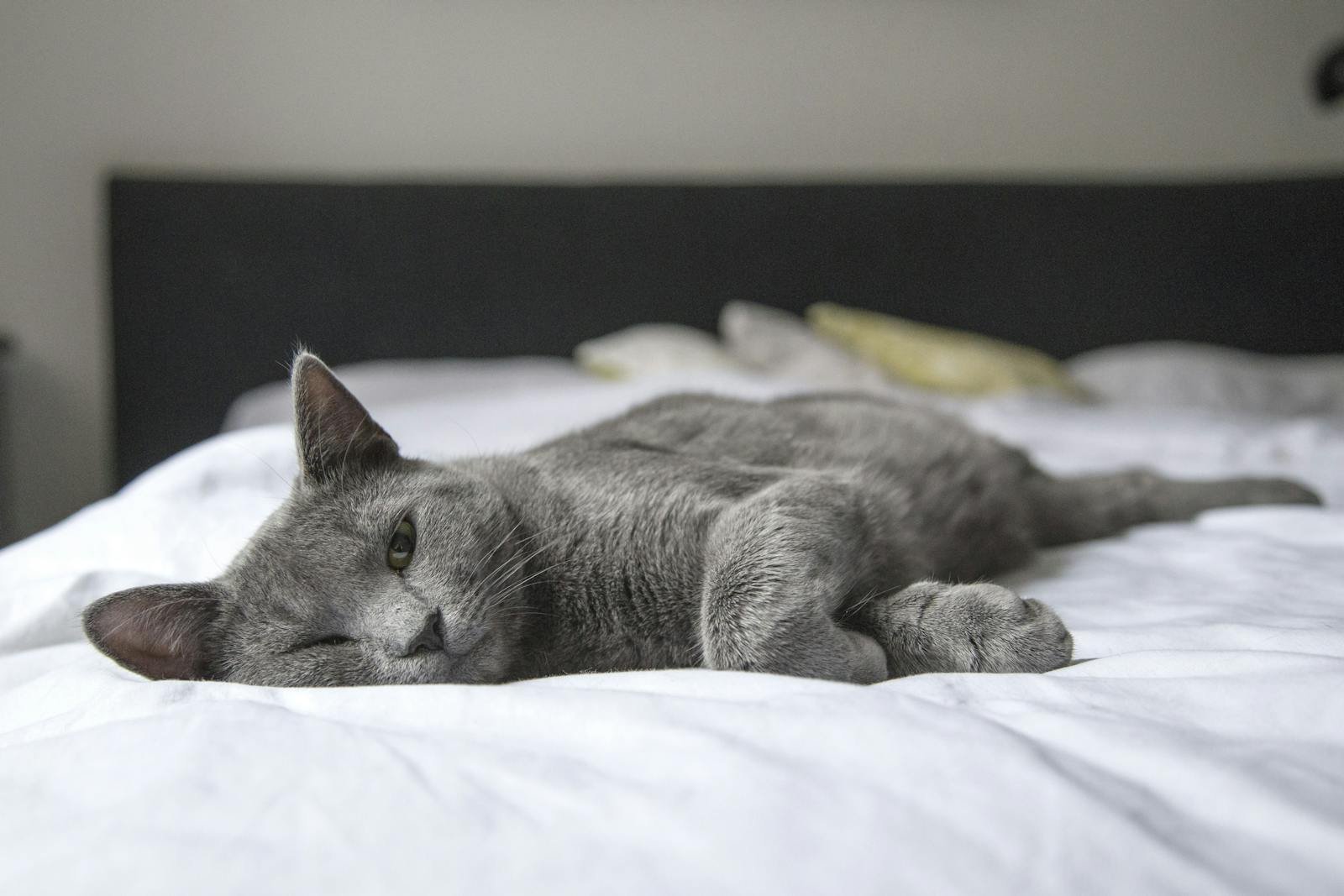
Your cat doesn't have to be a lap cat to be affectionate, as he may enjoy sitting next to you or maybe even several inches away. These cats prefer what you might call "parallel play" with their humans. They want to be near you, just not necessarily on top of you. Honestly, I think there's something quite dignified about this approach.
Your cat doesn't have to be a lap cat to be affectionate, and signs like head bunting, slow-blink cat kisses, rubbing alongside you, purring, or chirps and trills when you walk in the room are all signs of affection. These subtle signals are just as meaningful as cuddling. Their love language simply requires a closer look to decode.
The Consent-Based Affection Seeker
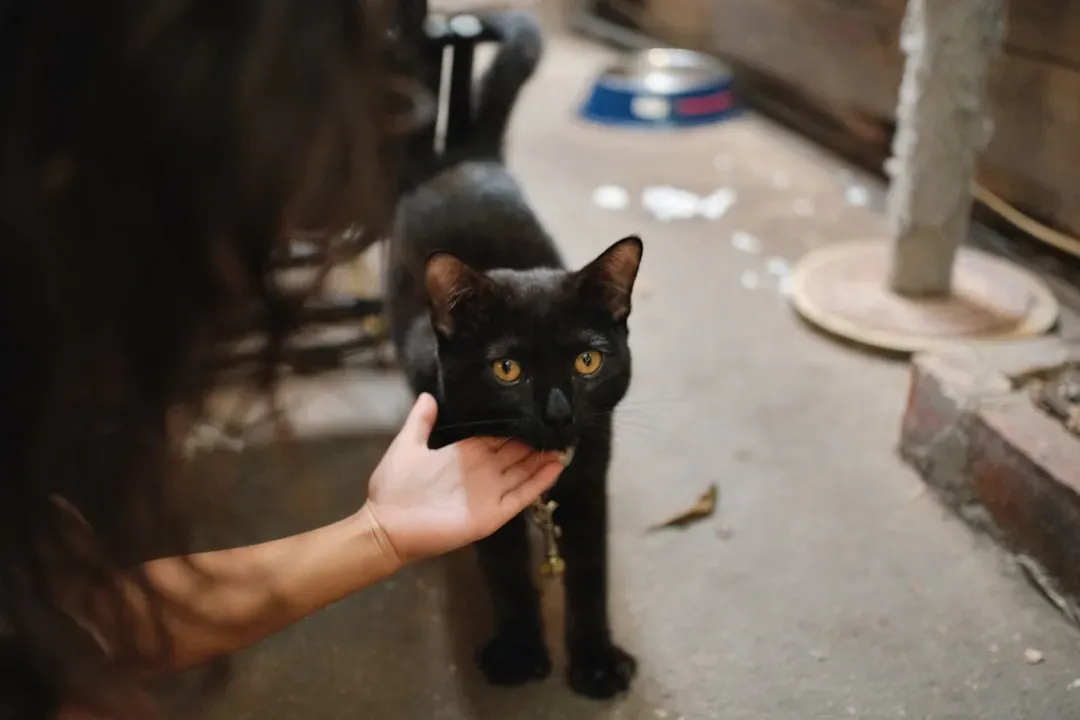
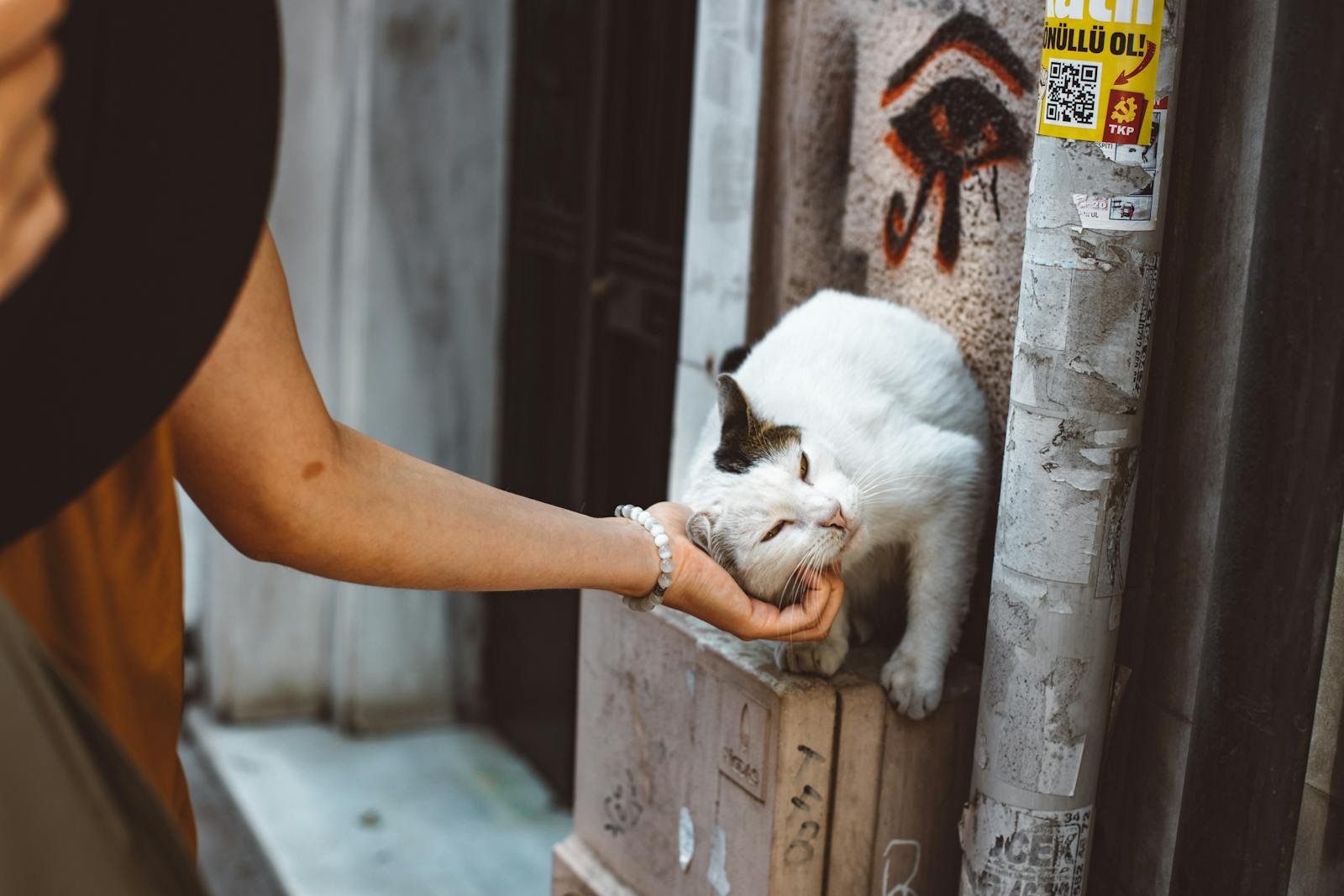
Some cats need to be in control of interaction with humans to feel safe, enjoying human touch as long as they can indicate consent by moving toward their human first and may also need to control the duration of petting. These cats are essentially setting boundaries, which is pretty smart when you think about it. They're saying they love you, but on their own terms.
You might notice this cat approaching you slowly, perhaps giving you a slow blink or leaning in slightly before accepting touch. If you go over their threshold, they may indicate discomfort by holding up a paw, soft mouthing or harsher methods if you don't stop, and may only be able to tolerate a few strokes at a time. Respecting these signals builds trust over time.
The Hands-Free Companion
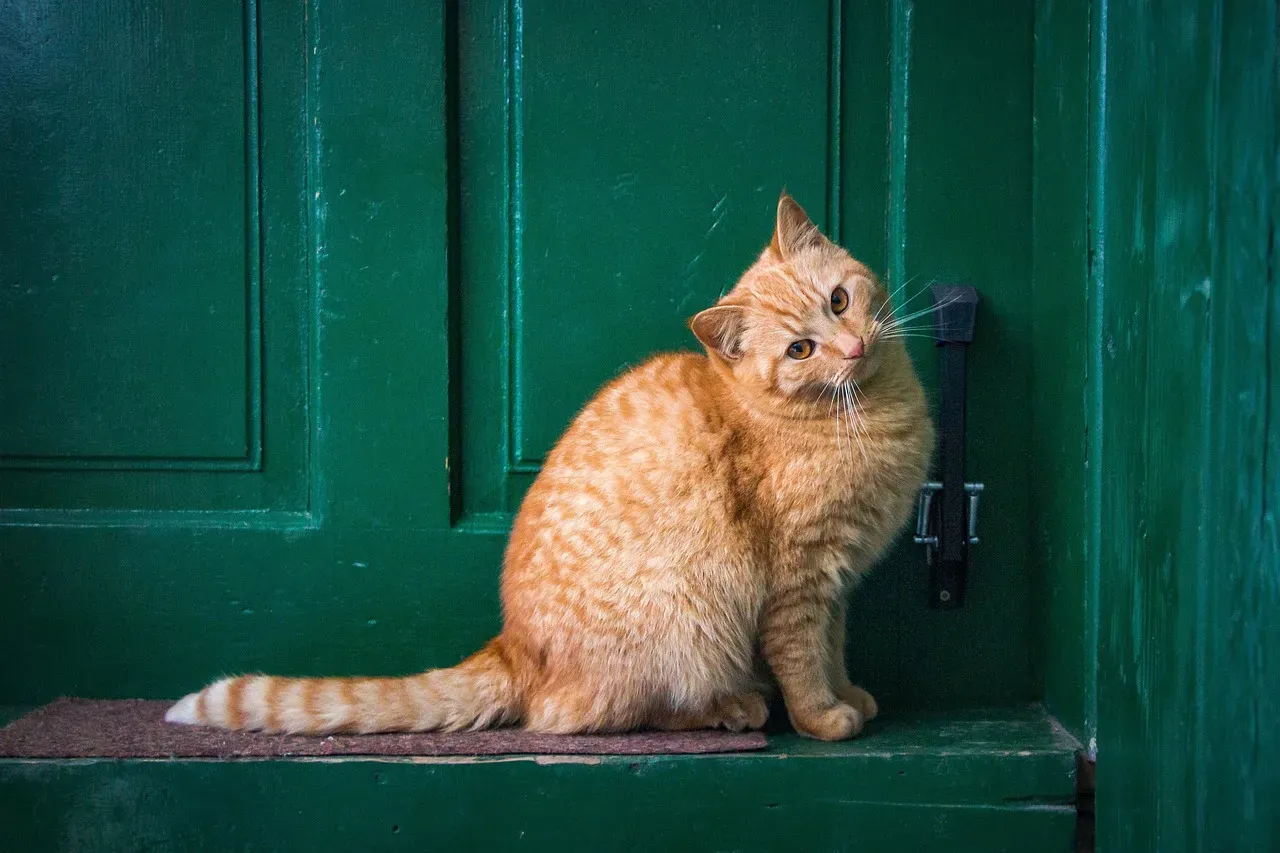
Some cats feel safer avoiding hands completely but will pet you with their body and tail, perhaps doing drive-bys or petting you with their tail as they turn away. These cats have mastered the art of the subtle approach. They might brush past your legs or give you a tail tap as they walk by, showing affection without direct hand contact.
These cats may respond well to a soft petting wand, and some respond more positively to voice than touch, potentially leaning in and purring with a soft petting wand or preferring being talked to rather than touched. They're not rejecting you. They're just expressing love differently, perhaps due to past experiences or their natural temperament.
Decoding Your Cat's Body Language
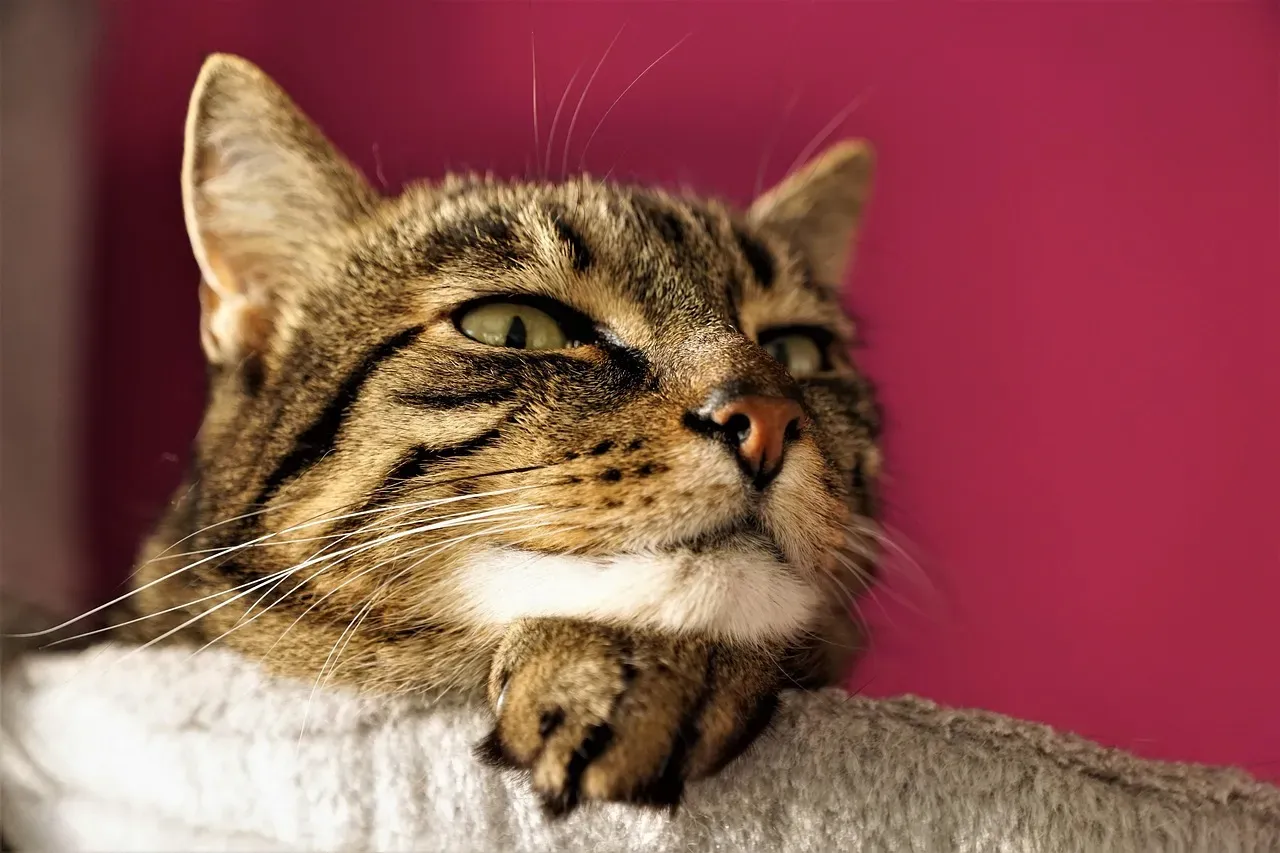
Some cats will headbutt you when they're feeling especially affectionate, which is not only a way to be physically close to you but also leaves you with some of their scent, marking their territory that you are theirs. This behavior, called bunting, is actually a huge compliment. Your cat is essentially branding you as part of their family.
When your cat makes eye contact and then slowly blinks at you, it's their way of expressing trust and affection, often referred to as a "cat kiss" or a "slow blink," and reciprocating with a slow blink of your own can further deepen the bond. Here's the thing: this simple gesture is one of the most powerful ways to communicate with your cat. It's like speaking their secret language.
Why Some Cats Are Cuddlier Than Others
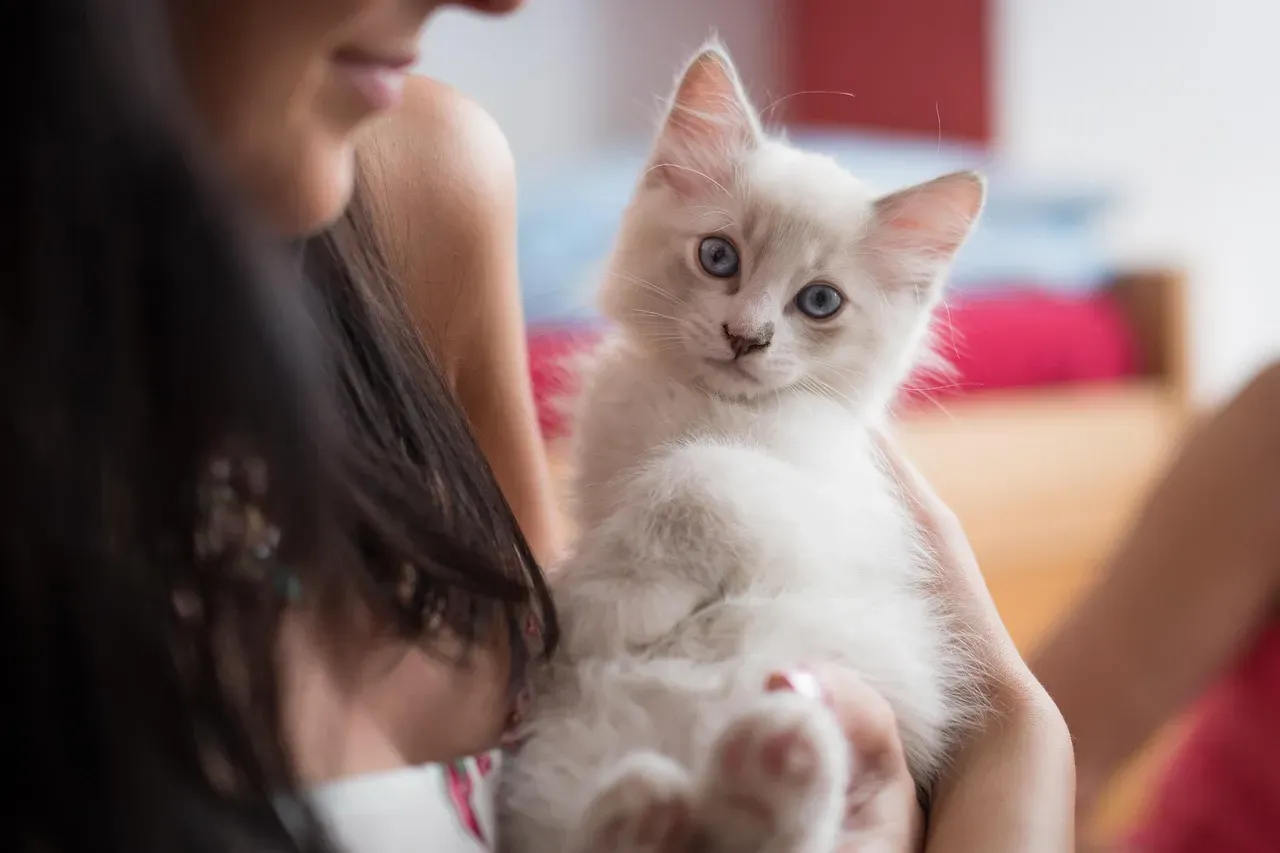
Research shows cats with secure attachment greet their pet parents upon reunion but return to normal behaviors shortly after, while avoidantly attached cats stay away from their caregivers and show less separation distress, and anxiously attached cats remain glued to their pet parent's side or on their lap. Attachment styles in cats mirror those in humans, which is pretty remarkable. Your cat's behavior might reflect how they learned to cope with stress early in life.
Single cats may seek their pet parents' attention more often because they do not have a feline companion for social interactions and play, and some cats will be affected by the ambient temperature or weather, as many are more prone to cuddling when it's chilly. Sometimes it really is as simple as your cat wanting warmth or companionship when there's no other cat around to fulfill those needs.
Breed and Physical Traits That Influence Affection
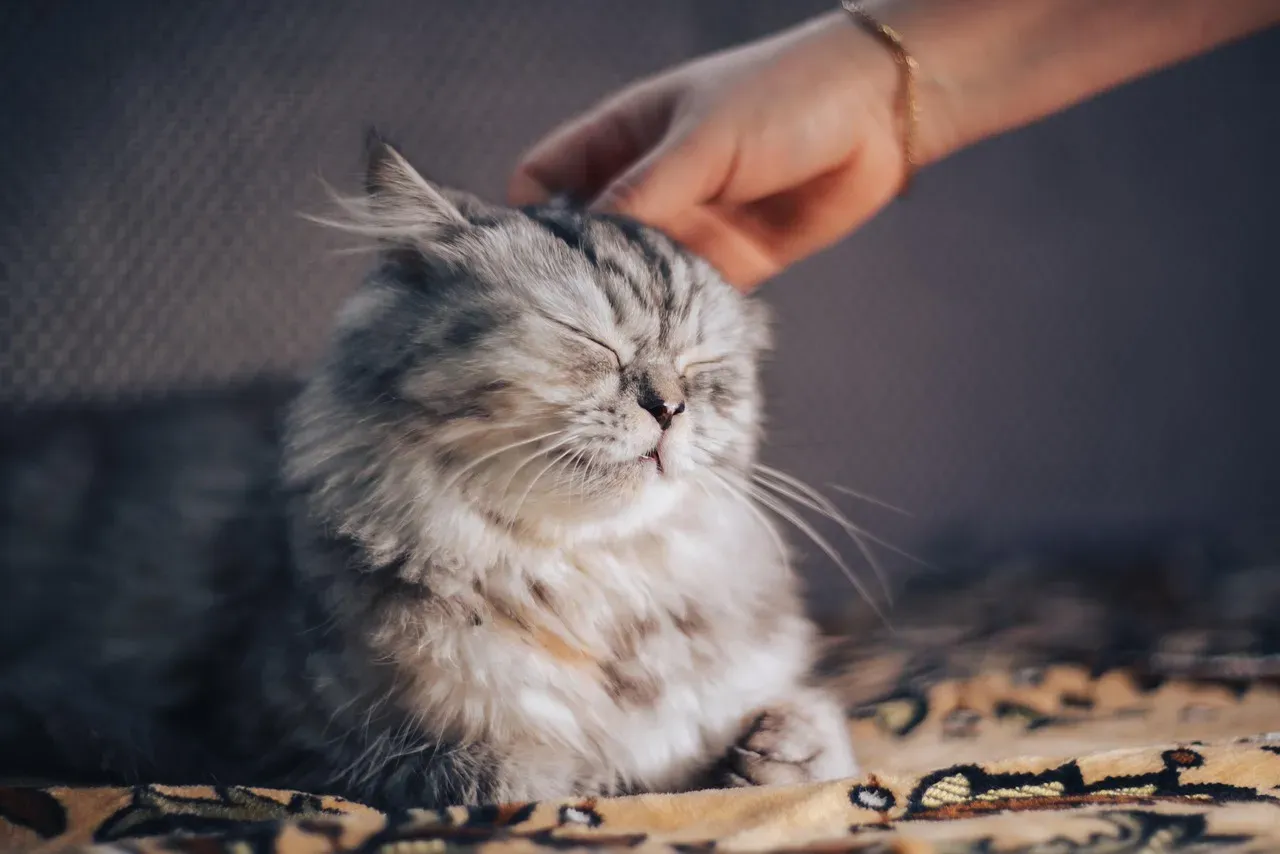
Certain breeds are known for being more affectionate, such as Siamese, Ragdolls, and Persians. If you're looking for a cuddly companion, these breeds have been selectively bred for their people-oriented personalities. Sphynx cats are super affectionate with a healthy dose of drama, as these hairless kitties are anything but independent and will follow you from room to room eager to show their love, wanting to play and interact with you while also enjoying cuddling on your lap under a fuzzy blanket.
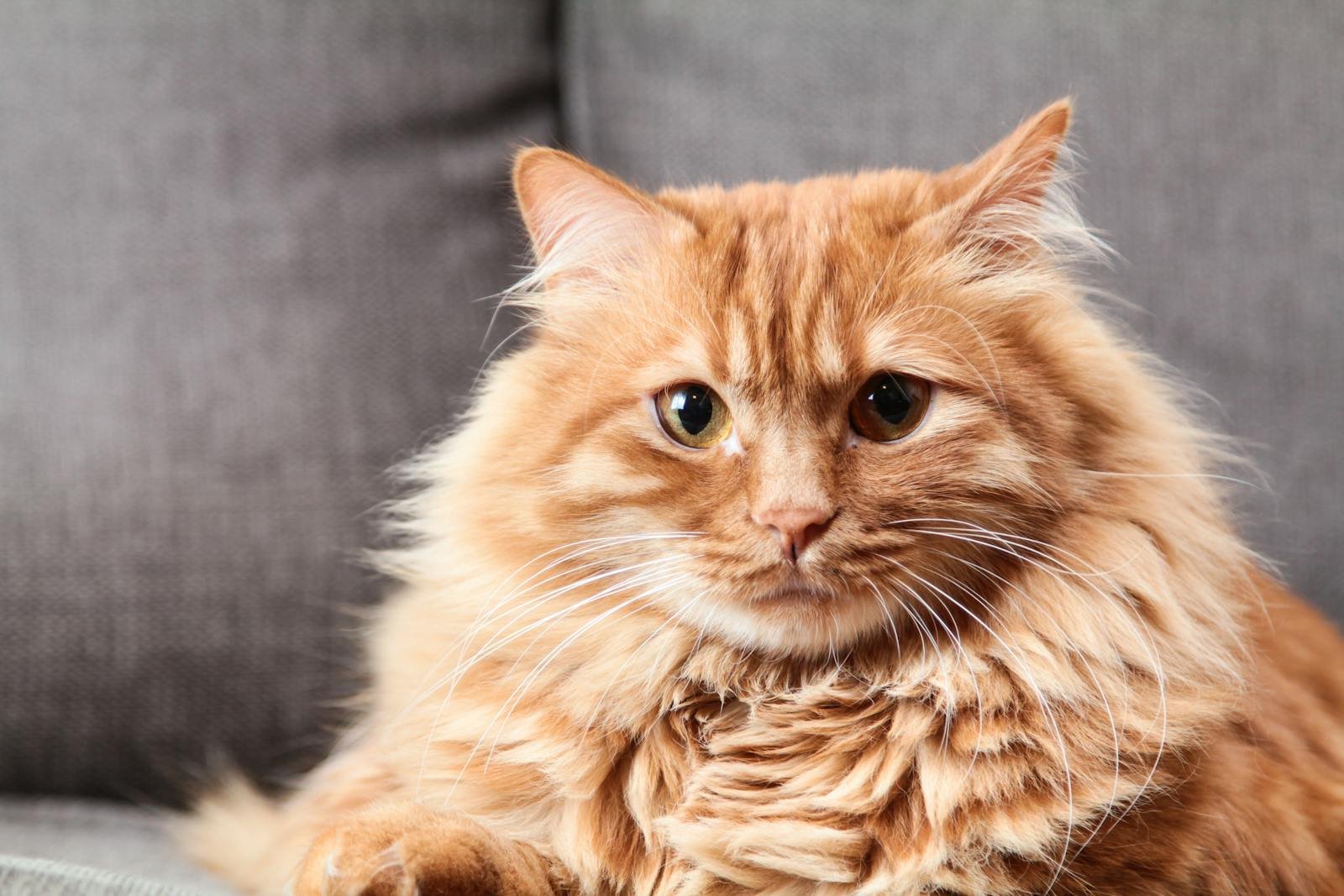
Among cats, body size, coat color, and coat length might be associated with personality, as orange male cats may be larger and more socially dominant and based on owner reports are friendlier towards humans, whereas tortoiseshell, calico, and torbie cats are more aggressive towards humans. It's hard to say for sure if these patterns are genetic or influenced by owner expectations, but the correlation is intriguing nonetheless.
How Early Life Shapes Adult Personality
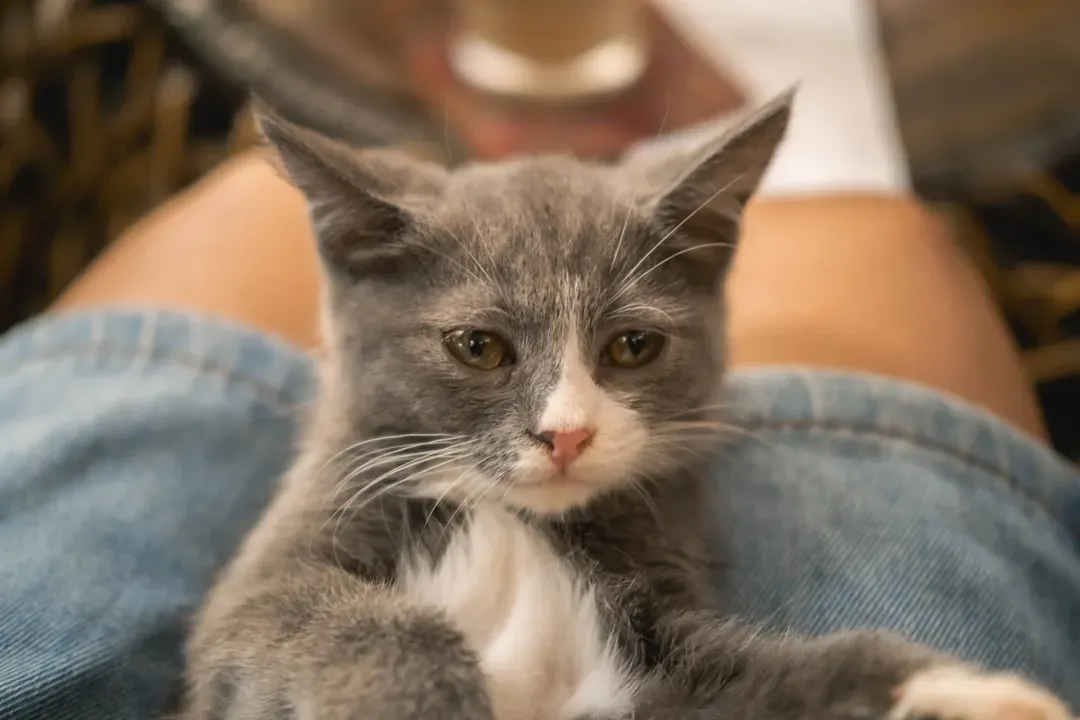
Kittens handled daily by people during the first month of life have been found to develop more rapidly, be more outgoing, be more social to humans, and have fewer problems with aggression, while kittens isolated from humans for their first month of life have been found to be reluctant to approach people. That early window of opportunity is incredibly influential. What happens in those first weeks can set the tone for their entire life.
The first eight to sixteen weeks of a kitten's life can greatly influence their personality and demeanor, as during this period kittens tend to be fearless in exploring the world around them, and the more they are exposed to something as a kitten, the less likely they will be to develop a fear or aversion toward that thing later in life. Proper socialization during this critical period isn't just nice to have. It's essential for developing a well-adjusted adult cat.
Building Trust With Less Affectionate Cats
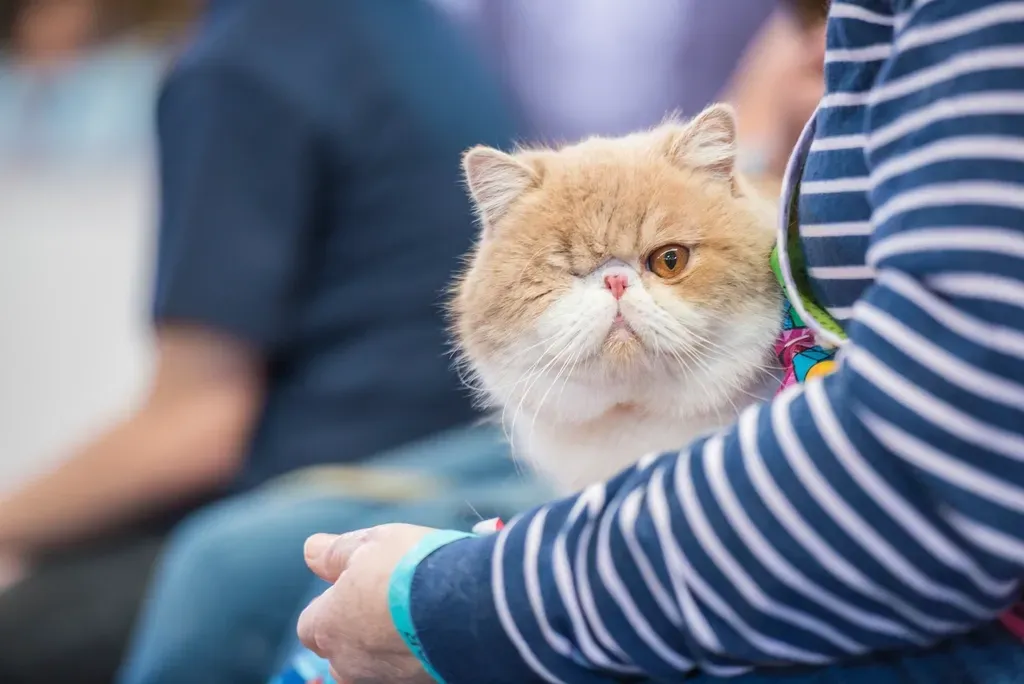
In many cases, all it takes to produce an easily pettable lap cat is to arrange for all the good things in life to come only and obviously from you, though you may have to be patient for quite some time. Patience really is the key ingredient here. You will certainly not be able to make a reclusive cat into a cuddly lap-sitting cat in one session, as the whole process may take several weeks or even as much as a year, so be patient and grateful for modest improvements while never attempting to hurry things along.
Let's be real: forcing affection never works. If the cat wants to escape from the situation or has had enough for any reason, she should not be restrained but should be allowed to hop off your lap at her pleasure, as cats are at their best when they are allowed to come and go as they please. Respecting their autonomy actually encourages them to seek you out more often.
Recognizing Love in Unexpected Ways
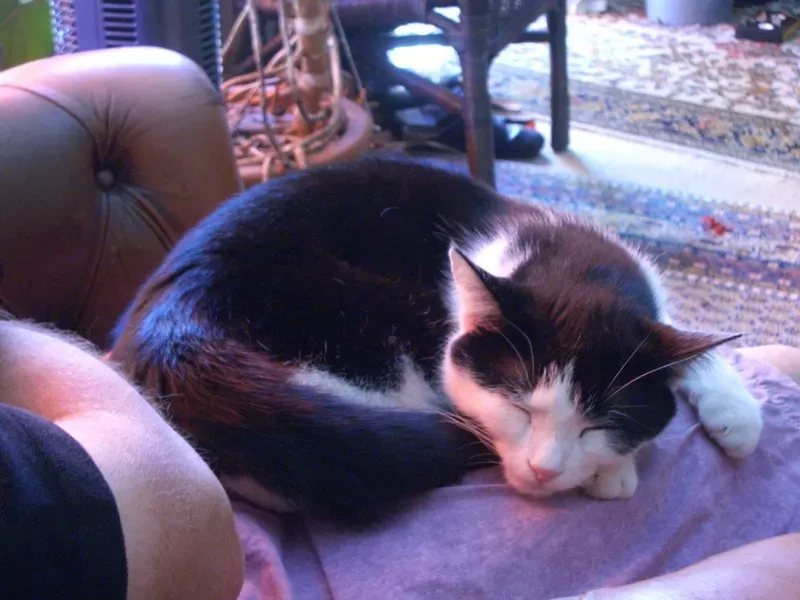
While it is not unusual for a cat to sleep about sixteen hours a day, it does show they trust you if they sleep close, as cats who sleep in their owner's laps or even in a spot nearby fully trust them since cats are at their most vulnerable when sleeping and will not let their guard down around just anyone. When your cat chooses to nap near you, they're paying you the ultimate compliment. They feel safe enough to be completely defenseless in your presence.
Cats do not use meows to communicate with each other but reserve this behavior for humans, and they only do it to people they really like. Every meow directed at you is a deliberate attempt to communicate. Your cat developed this vocalization specifically for interacting with you, which is honestly quite touching when you think about it.
Conclusion: Celebrating Your Cat's Unique Style
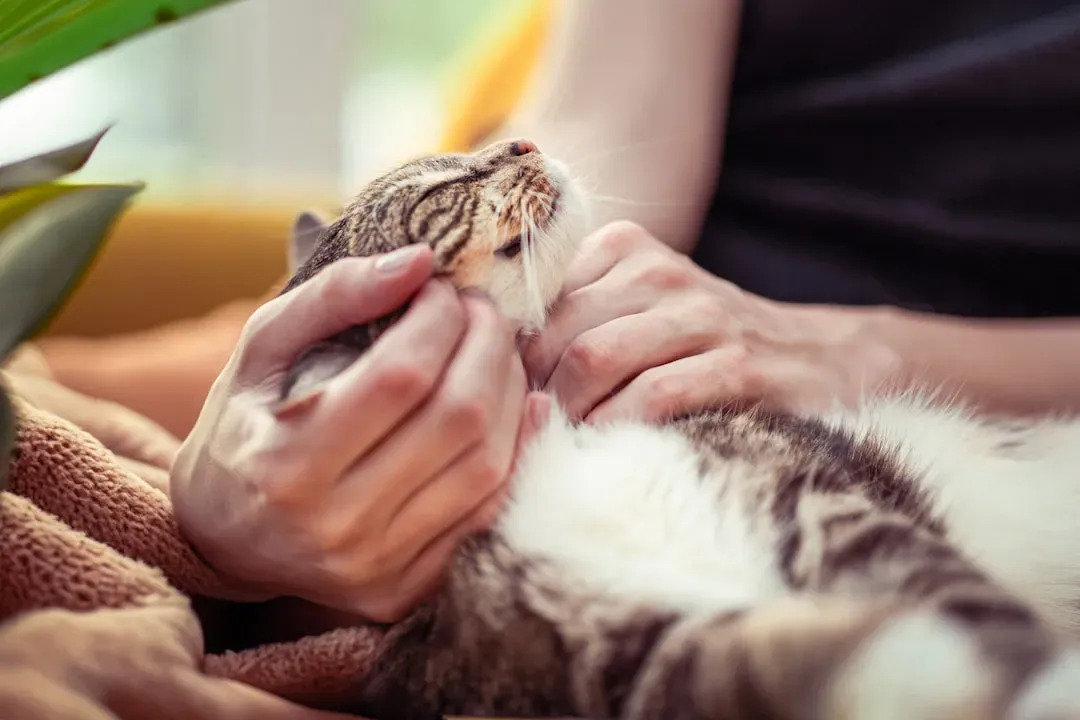
Anxious or avoidantly attached cats aren't necessarily less loving, as it all comes down to how they deal with change and separation, and both secure and insecure cats are attached to their caregivers with their attachment differing in their ability to cope with new situations and stressful events. Your cat's affection style doesn't measure how much they love you. It simply reflects their personality and comfort level.
Whether your cat is a devoted lap warmer or a dignified observer, they're showing you affection in their own authentic way. The magic happens when you learn to recognize and appreciate their unique love language. Did your cat's personality surprise you when you first met them? Understanding these different affection styles helps us become better companions to our feline friends, meeting them where they are rather than expecting them to change.