10 Clever Ways Cats Manipulate Their Humans (And Why We Secretly Love It)
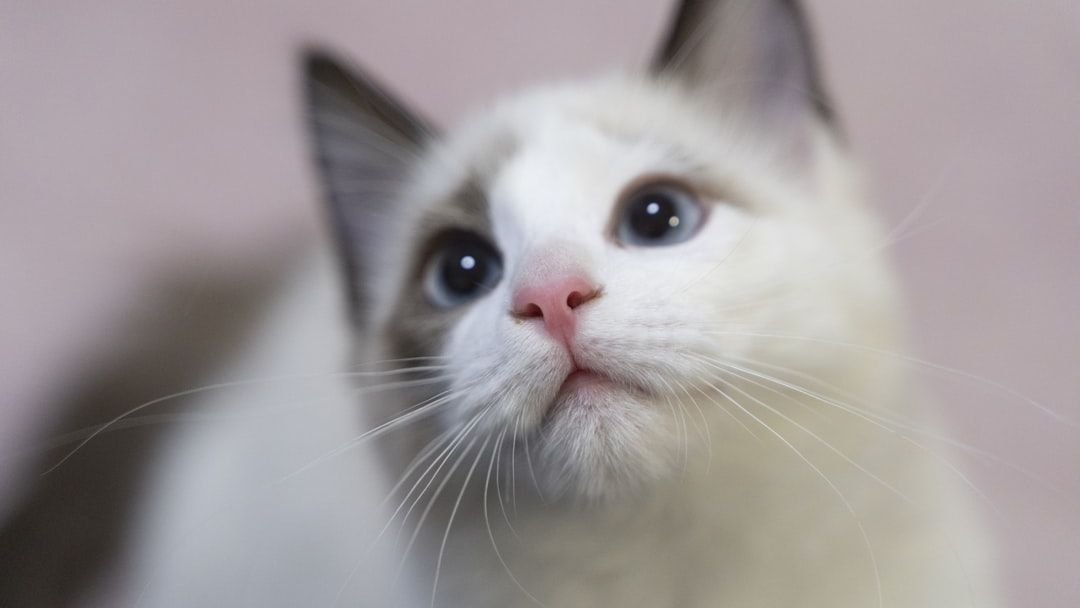
You know that feeling when your cat stares at you at three in the morning, and you find yourself stumbling to the kitchen to fill their food bowl even though you swore you wouldn't give in this time? Or when they knead your lap with those razor-sharp claws, and instead of moving them, you just sit there, enduring the pain with a smile? Yeah, you're not alone. Cats have perfected the art of getting exactly what they want from us, and the funny thing is, we're completely aware of it.
Here's the thing. These furry little creatures have spent thousands of years evolving alongside humans, and in that time, they've picked up some serious psychological tricks. From their vocalizations to their body language, every move is calculated to tug at our heartstrings and bend us to their will. Yet despite knowing we're being played, we can't help but adore them for it. So let's dive into the fascinating world of feline manipulation and uncover the clever tactics your cat uses every single day.
The Solicitation Purr: A Baby's Cry Hidden in Comfort
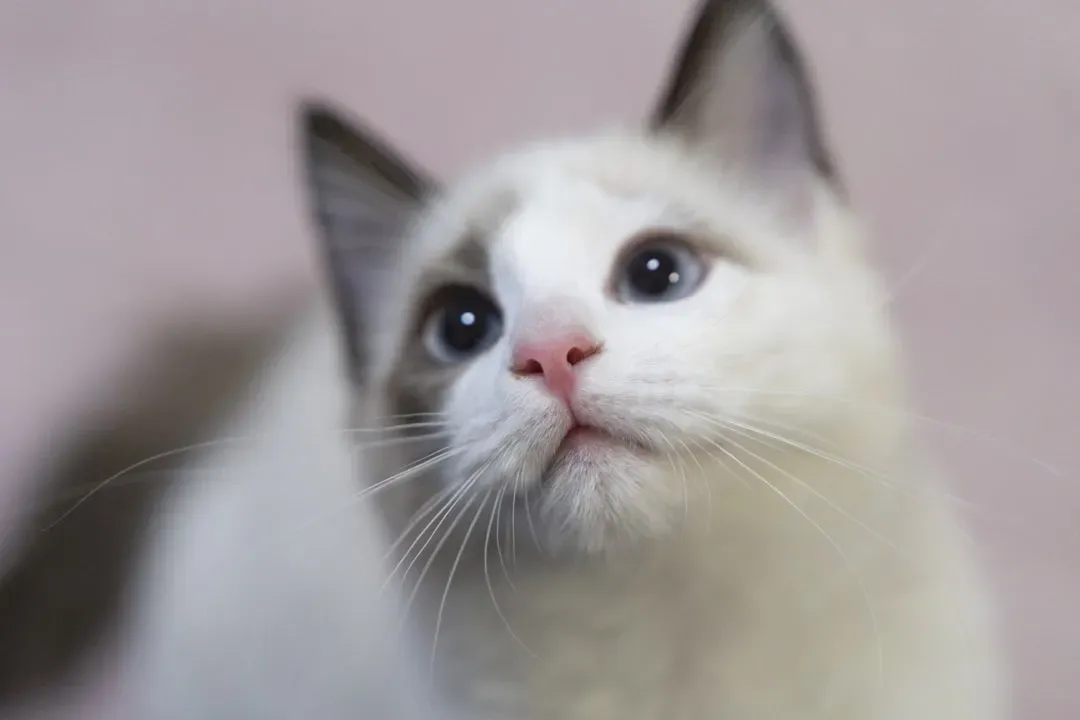
When cats want to be fed, they use a special purr that mixes a high-pitched cry with their normal purring sound. This isn't your average contented rumble. The frequency is actually very similar to that of a crying infant, which means it taps directly into our nurturing instincts.
Even people who have never owned cats judge these solicitation purrs as more urgent and less pleasant than regular purrs. Cats learn to dramatically exaggerate this cry when it proves effective in generating a response from humans. Interestingly, this technique seems to work best in households where cats have one-on-one relationships with their owners rather than competing for attention in larger, noisier homes.
The Slow Blink: A Secret Language of Trust
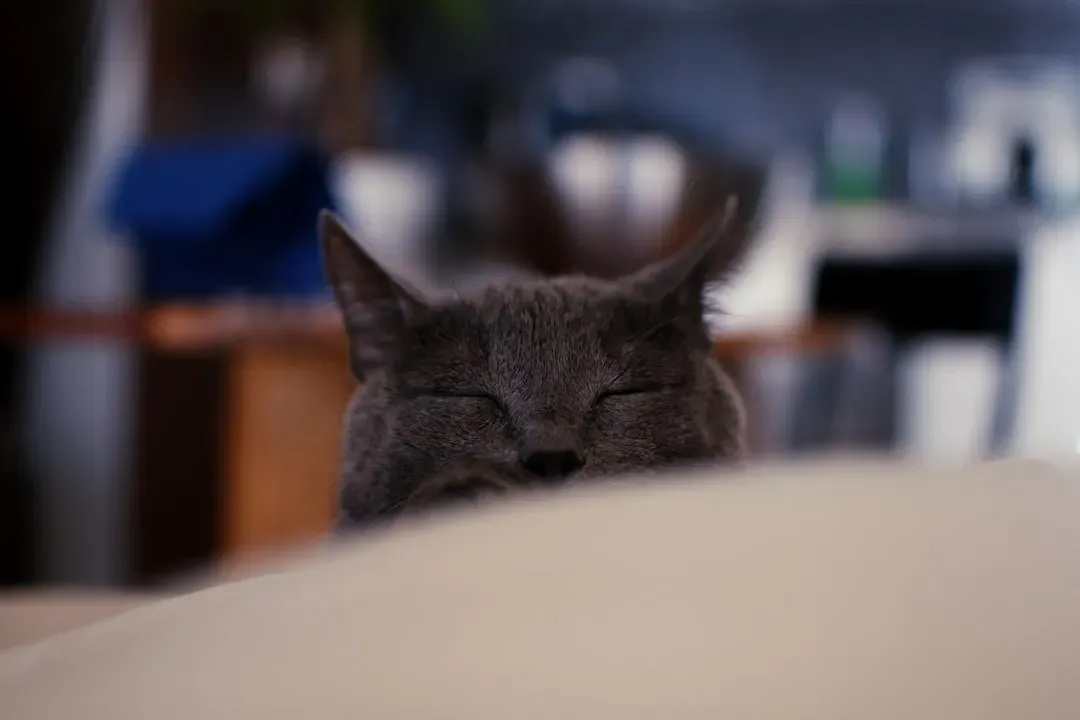
Ever notice your cat narrowing their eyes at you and blinking slowly? They're not just sleepy. Scientists confirmed in 2020 that this simple gesture makes cats more likely to approach and engage with humans, both familiar ones and strangers.
Cats are more likely to slow-blink at their humans after their humans have slow-blinked at them. It's essentially a conversation starter, a way for your cat to say they trust you. The best part? You can use this trick yourself. Try narrowing your eyes and blinking slowly at your cat, and watch them respond in kind. It's manipulation that goes both ways, really.
The Strategic Keyboard Invasion
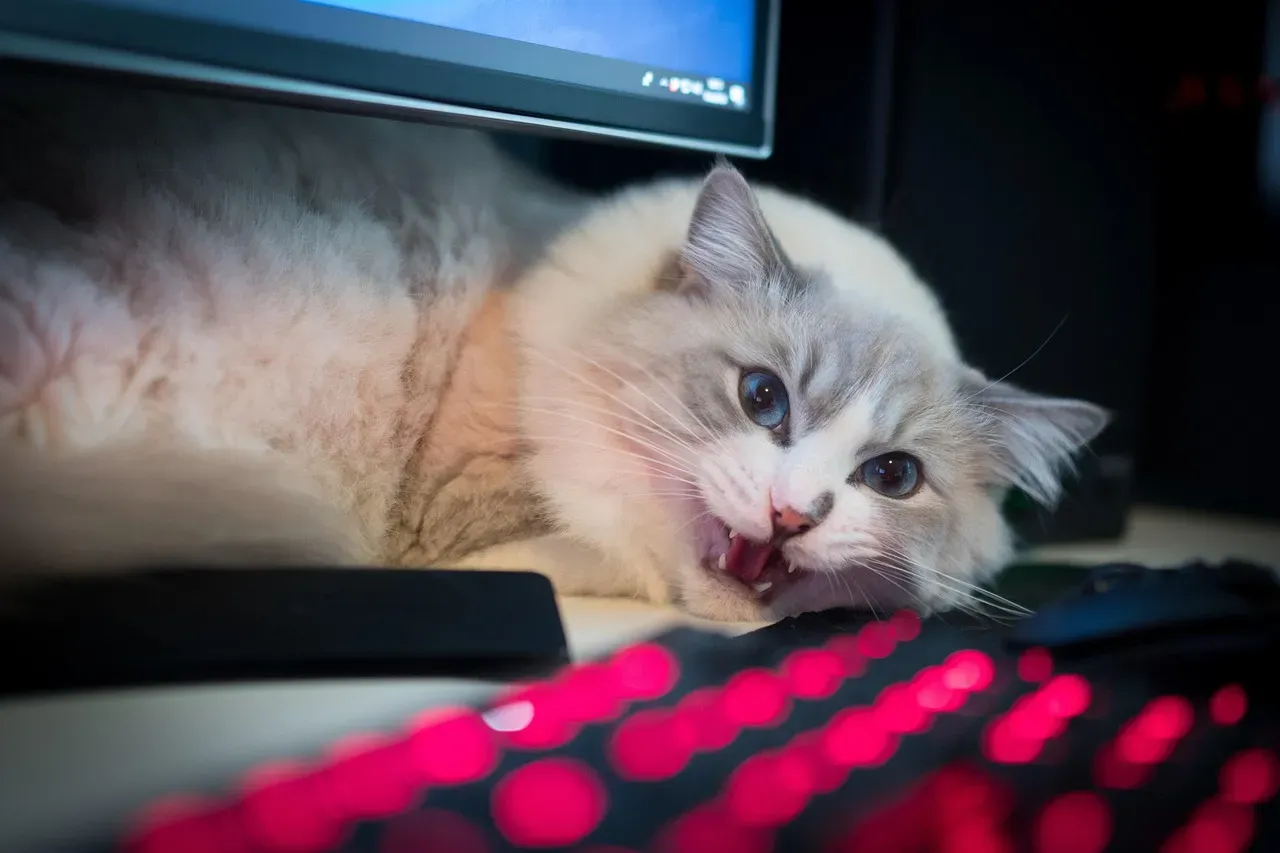
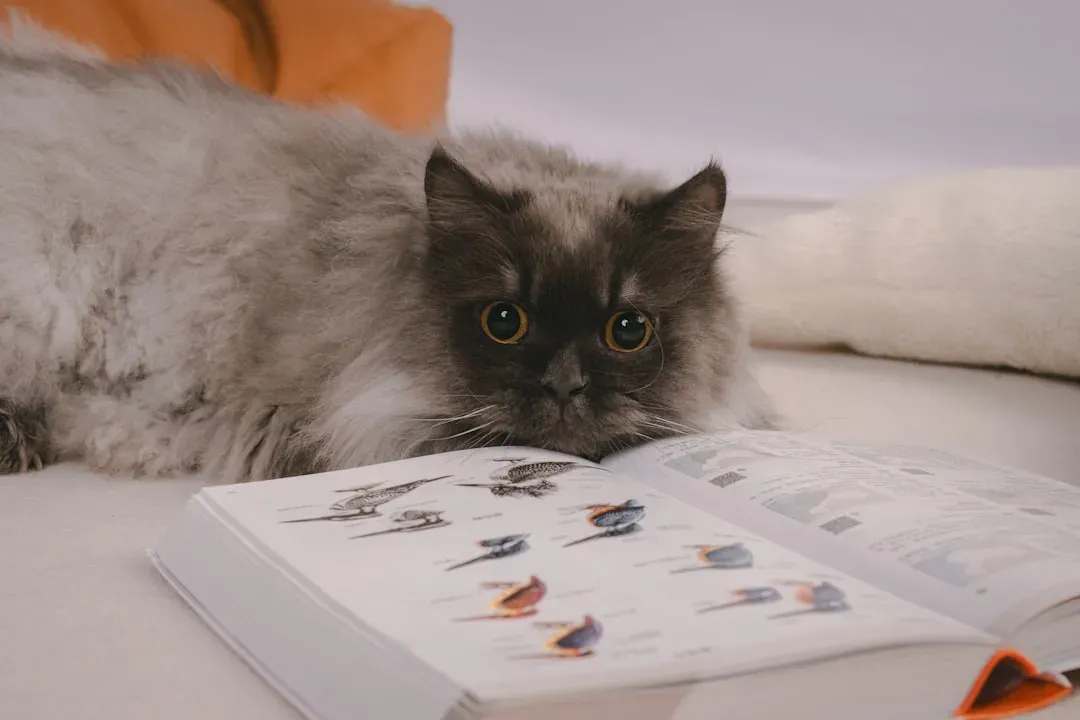
When a cat settles on a keyboard or book, it's usually because they've noticed how intensely their human focuses on the object. Your laptop becomes valuable real estate simply because you're paying attention to it instead of them.
By placing themselves in that space, cats redirect your focus back toward them. It's a brilliant power move. They don't actually care about your spreadsheet or that novel you're reading. They just know that sitting on it guarantees they'll become the center of your universe, at least for a moment. The warmth of the device is just a bonus.
The Reciprocity Game: You Scratch My Back, I'll Scratch Yours
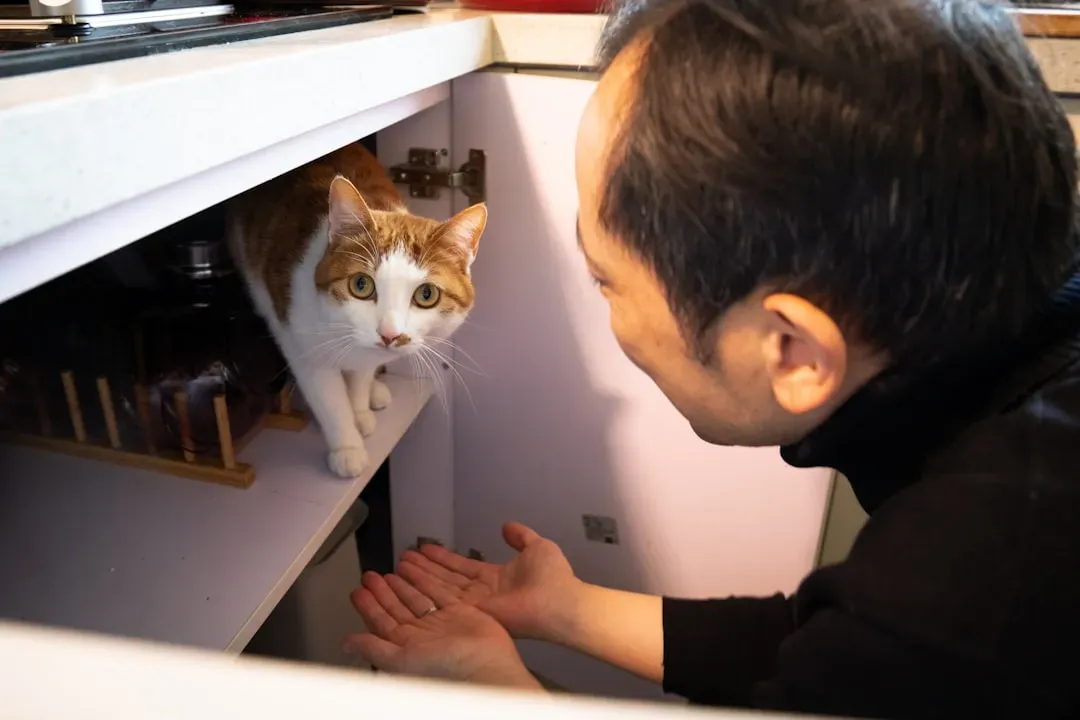
If you comply with your cat's wishes to interact, then the cat complies with your wishes at other times. It's a surprisingly fair exchange when you think about it. A symmetry exists in relationships at all levels of compliance, high to low.
This mutual understanding might explain why some cat-owner relationships seem more interactive than others. Your cat is essentially training you through positive reinforcement, teaching you that if you respond to their needs, they'll be more cooperative with yours. It's manipulation wrapped in a social contract, and honestly, it's kind of genius.
The Weaponized Meow: A Sound Made Just for You
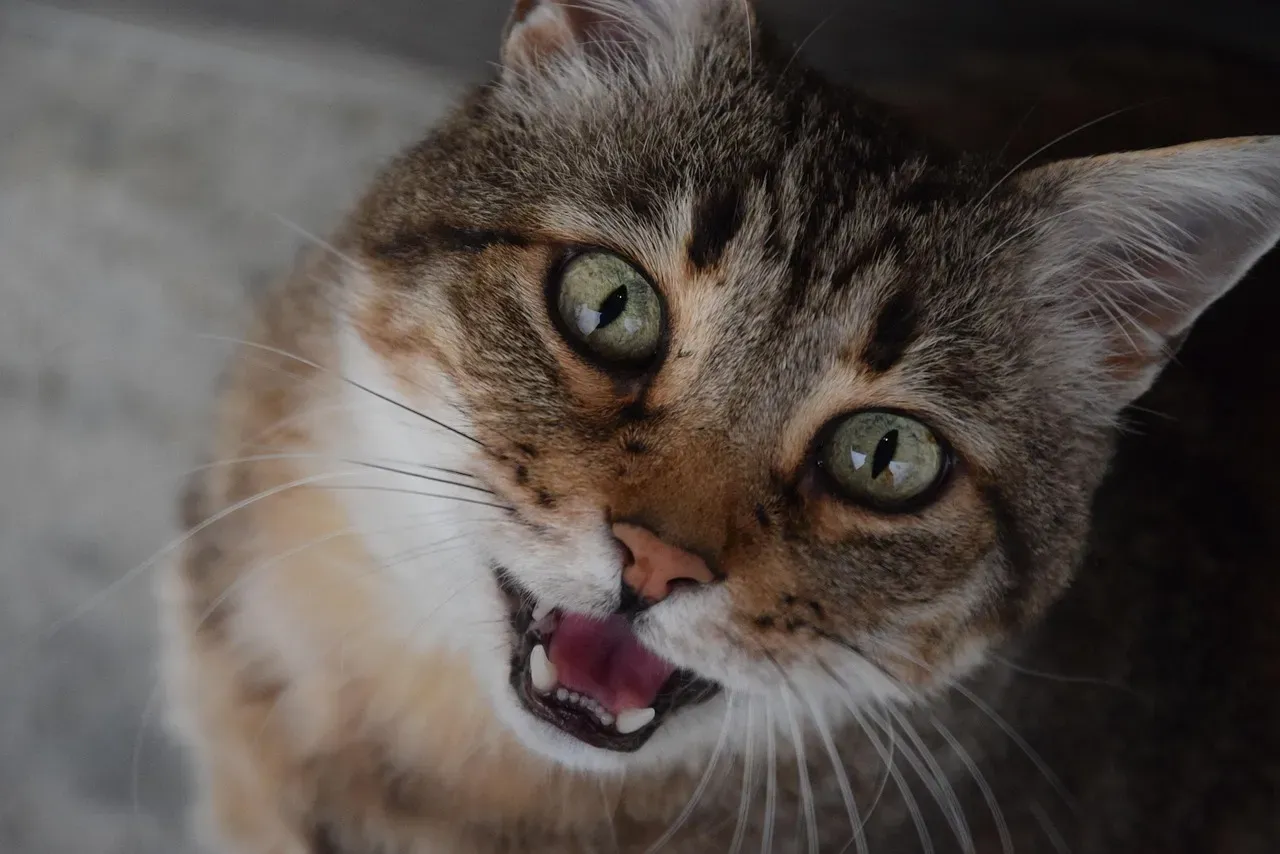
Domestic cats meow much more than feral cats, and they rarely meow to communicate with fellow cats or other animals. That's right. Meowing is a behavior cats developed specifically to communicate with humans.
The sound of meows has evolved during domestication to more effectively communicate with us. Cats adjust their meows depending on context and how their owners respond, with some calls growing sharper when a cat wants food. They've basically created a custom language designed to exploit our responses. Each cat fine-tunes their vocal repertoire based on what works best with their particular human.
The Affectionate Head Bump and Scent Marking
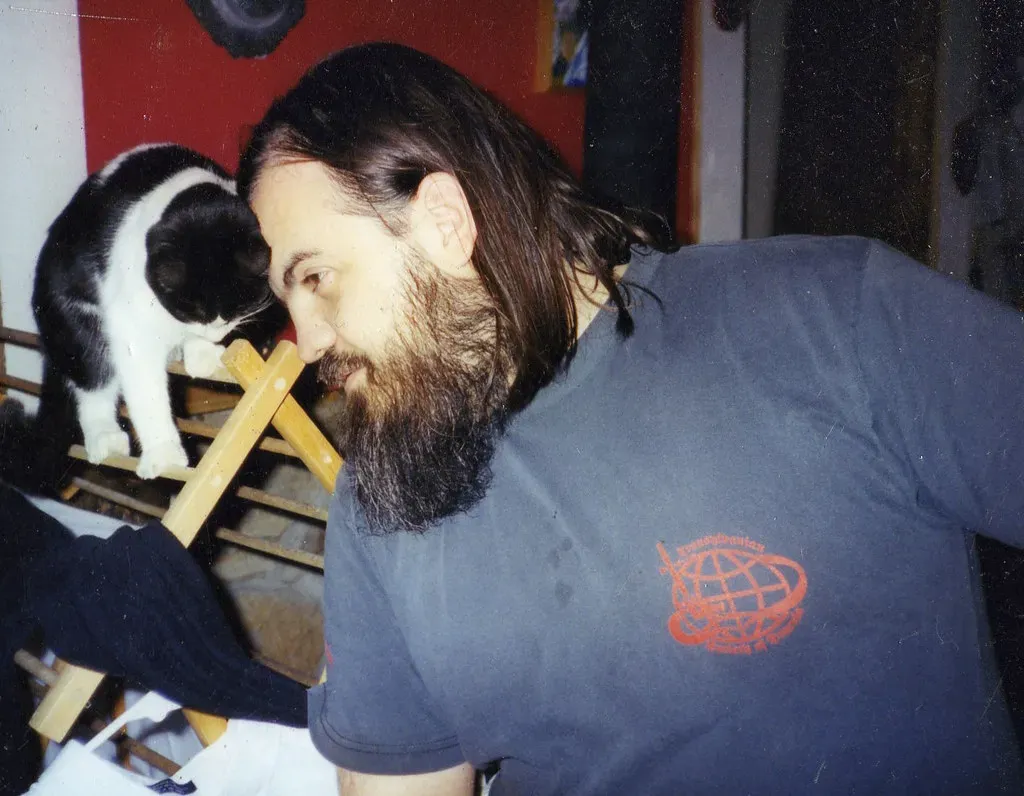
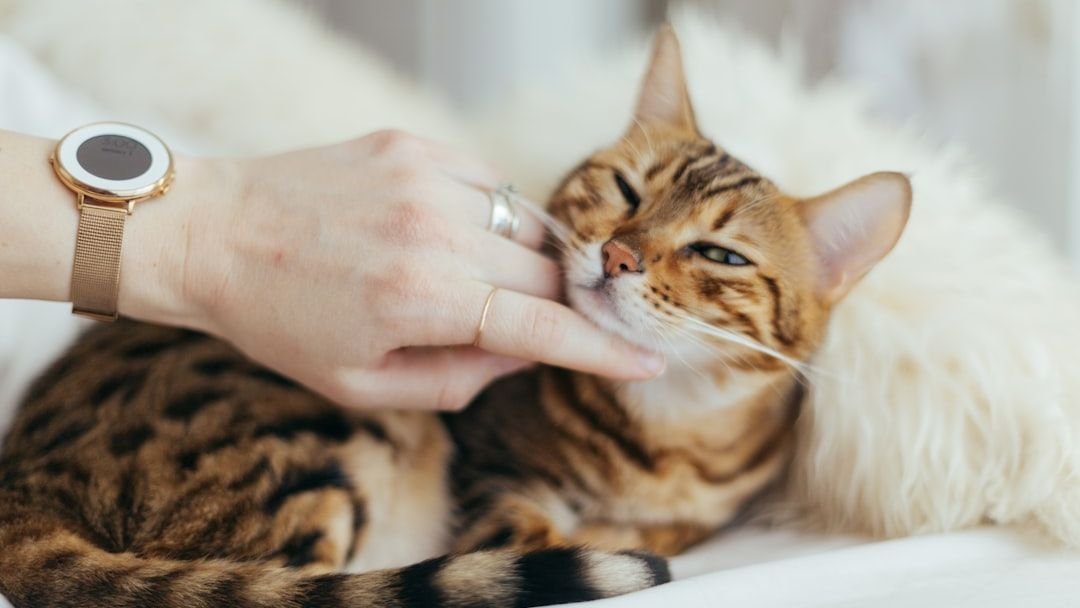
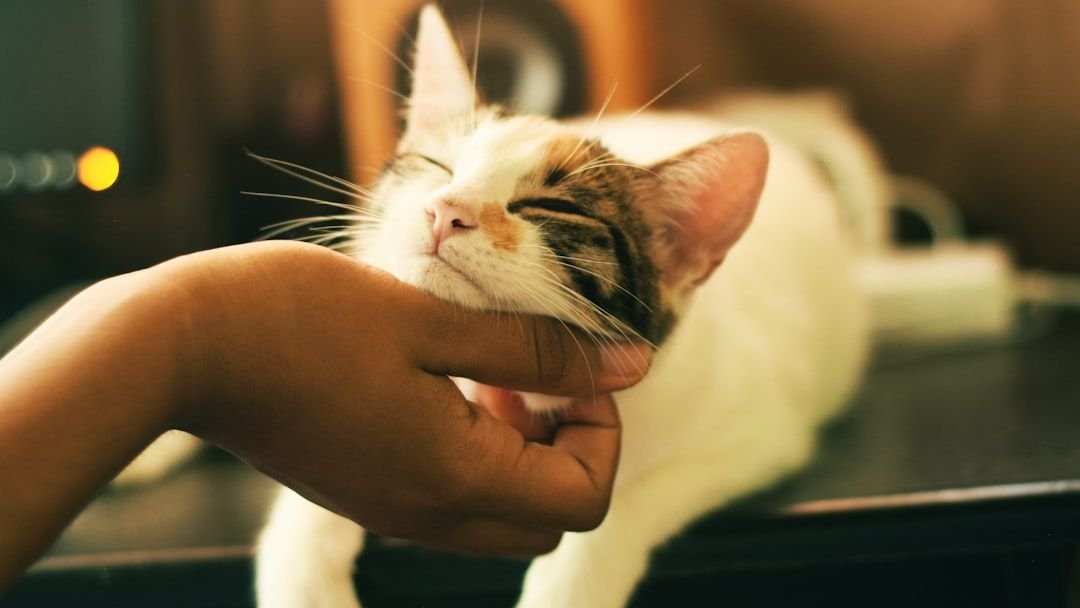
A soft nudge to the face or chin may feel affectionate, but behavioral studies show that it also leaves scent markers. When your cat rubs against you, they're not just being sweet. They're claiming you as their territory.
People usually respond by petting, holding, or staying nearby, which builds a routine where proximity becomes expected. Your cat has effectively trained you to associate their scent-marking behavior with affection, ensuring you'll stick around and continue being their personal property. It's possessive, sure, but in the most endearing way possible.
The Kneading Technique: Weaponizing Nostalgia
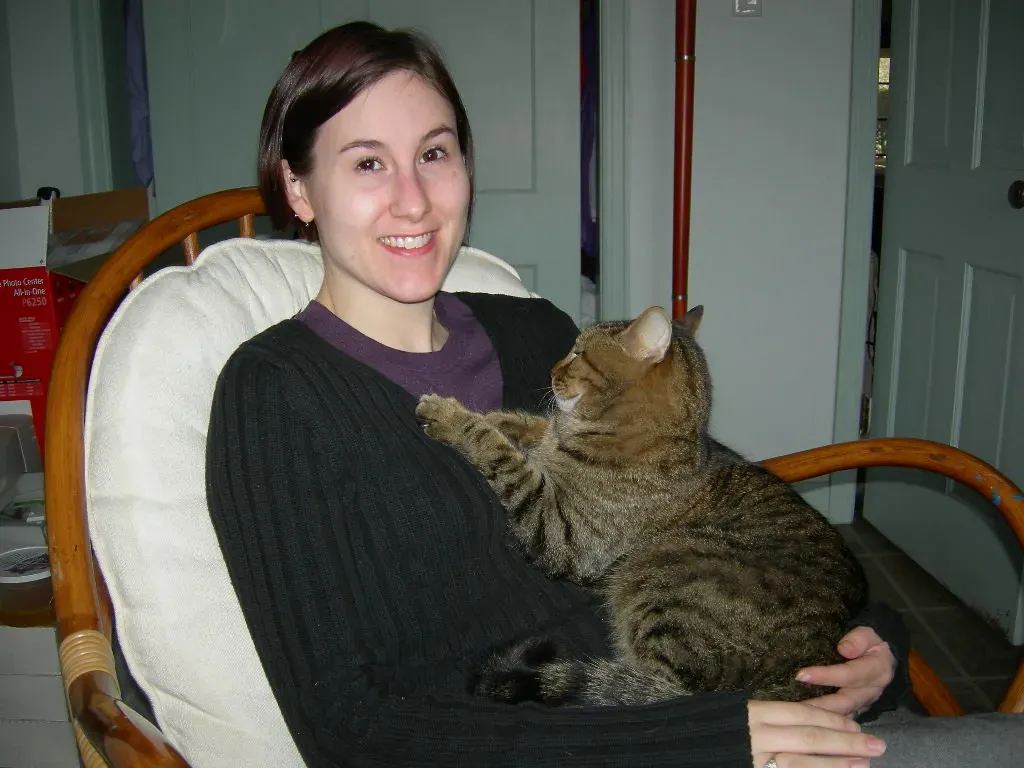
When a cat settles in and starts kneading, people instinctively relax, remain still, or gently stroke the cat. This behavior, left over from kittenhood when they kneaded their mother for milk, has been repurposed as an adult manipulation tool.
The slow movement signals comfort, and the response from humans reinforces that calm exchange. Even though those claws might be digging into your thighs, you endure it because the behavior is so deeply tied to feelings of contentment and safety. Your cat knows this and uses it to keep you locked in place, serving as their personal heated cushion for as long as they please.
The Tail Talk: Silent Commands You Can't Ignore
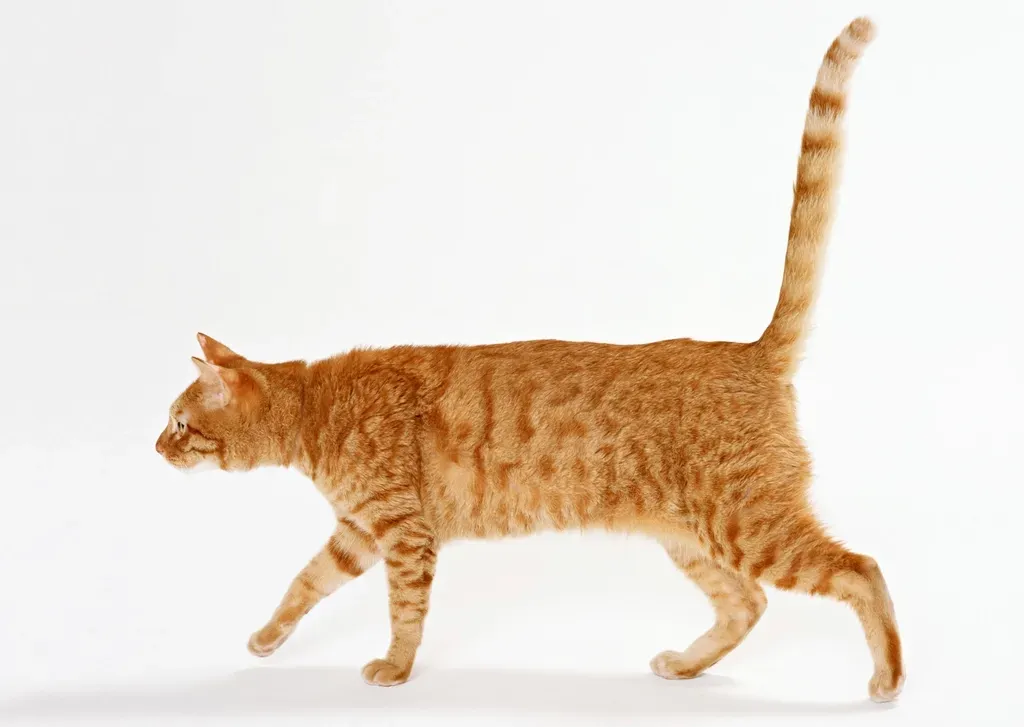
A cat's tail carries a lot of meaning, with an upright tail often signaling friendliness, while a swishing tail can reflect excitement or irritation. Humans tend to respond to these subtle cues without overthinking them.
An approaching cat raises its tail straight up to signal friendly intentions, and they use this message toward people as well. That perky tail greeting you get when you come home? It's your cat's way of saying they want to interact, and it almost always works. You automatically know what mood they're in and adjust your behavior accordingly. They've trained you to read their body language like a book.
The Vulnerable Belly Display: A Trust Trap
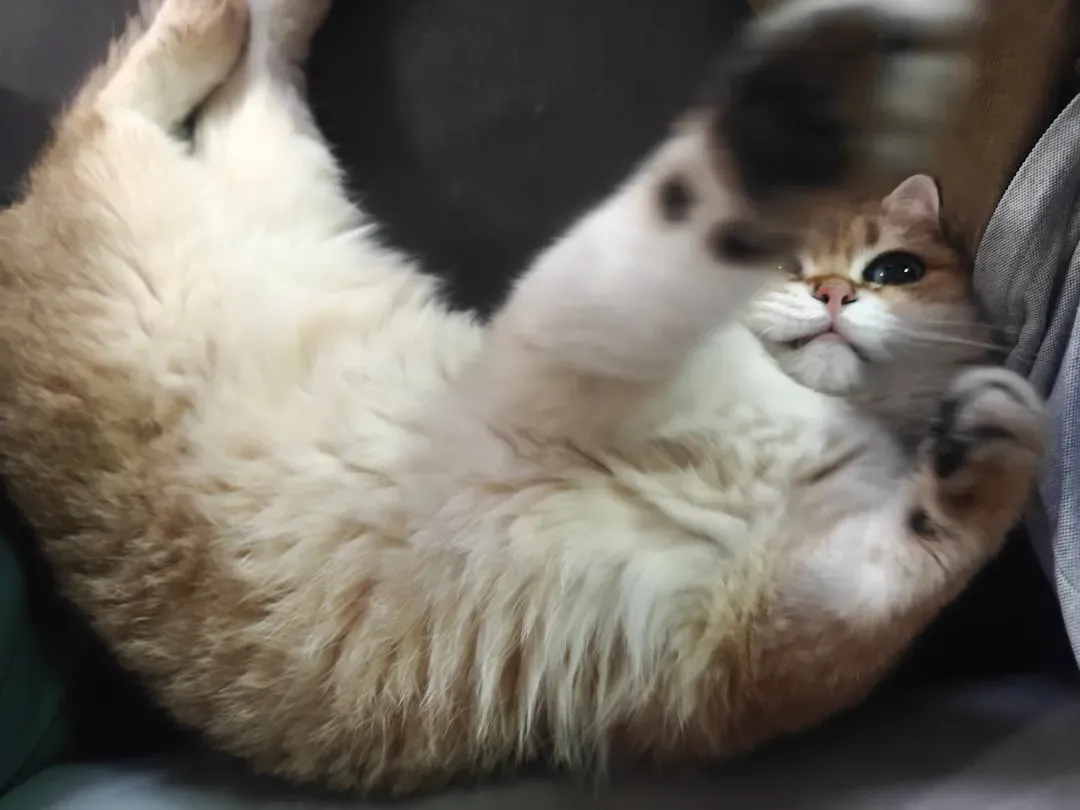
A cat stretching out on their side or back is usually expressing that it feels relaxed and safe around you, and many people respond by offering gentle words or a quick stroke. It looks like an invitation, doesn't it?
While it isn't a calculated cue, the behavior often encourages calm, friendly interaction simply because it signals trust. The catch? Touch that belly and you might get clawed. Yet we keep falling for it because seeing our cats in such a vulnerable position makes us feel special and trusted. Even if it's sometimes a trap, the emotional payoff is worth the risk.
Social Referencing: Reading Your Emotions Like a Pro
Social referencing is an intricate process, and pets showing it have high intelligence. This capability to social reference reveals just how well felines have adjusted to humans.
Cats are clever enough to put our behavior in context and can train themselves to behave in a manner that triggers those behaviors. If they see you're calm about something, they'll relax. If you're anxious, they pick up on that too. This means they're constantly reading you and adjusting their tactics accordingly. They know when you're more likely to give in, when you're stressed and need comfort, and exactly how to position themselves to get what they want.
Conclusion
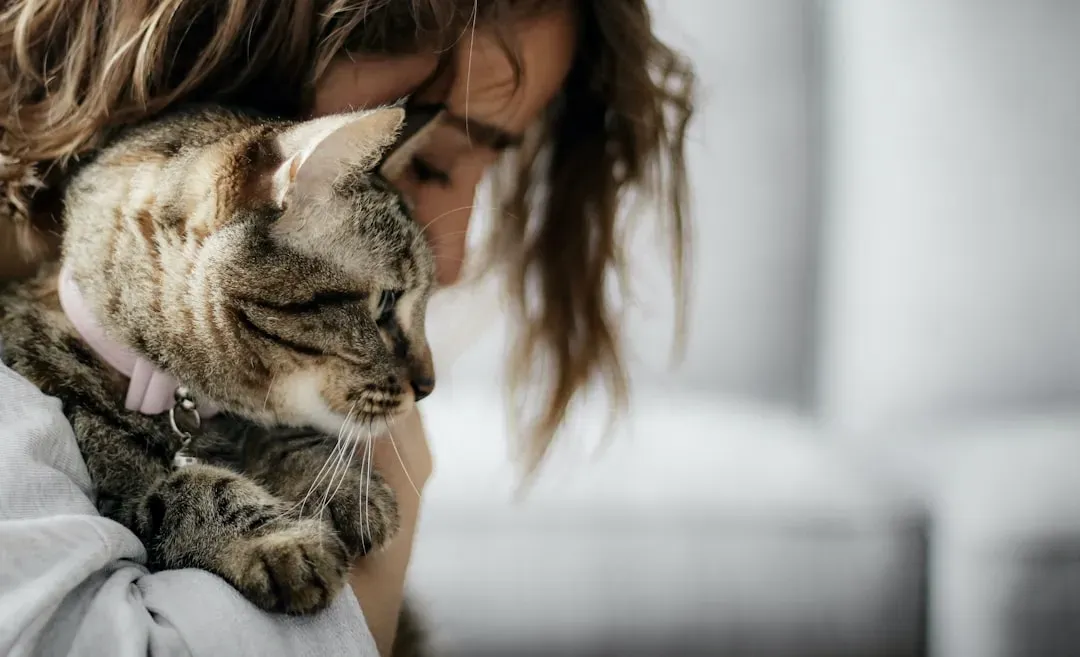
Let's be real. We're completely outwitted by creatures that weigh less than ten pounds and spend most of their day napping. Scientists believe that this manipulative behavior is how cats interact with humans, and it's deeply ingrained in how cats form relationships with humans. It's not malicious. It's just their way of communicating and bonding with us.
The remarkable thing is that we don't really mind being manipulated. In fact, we find it charming. Maybe it's because their tactics work on such a fundamental level, tapping into our nurturing instincts and desire for companionship. Or perhaps it's because, unlike human manipulation, feline manipulation comes without hidden agendas or emotional baggage. They want food, warmth, and affection, and they've figured out exactly how to get it from us. That's not deception. That's just smart.
So the next time your cat pulls one of these tricks, smile and give in. You were going to anyway. What's your favorite way your cat manipulates you? Tell us in the comments.
- 8 Cat Breeds That Seek Constant Interaction (And 8 That Are Perfectly Content Alone)
- A Cat's Purr: More Than Just Happiness, It's a Symphony of Well-being
- Animal Behavior Says Cats Who Groom Themselves After Being Petted May Be Responding to More Than a Messed-Up Coat
- 9 Reasons Cats Investigate a Bag or Box the Moment It Enters the House