If you’re a cat owner, you’ve probably had this conversation more than once. Perhaps it was with another cat parent at the vet’s office, or maybe during a casual chat with a neighbor who insists their tabby needs to roam free. The indoor versus outdoor cat debate is one of those topics that can get surprisingly heated, and honestly, it’s no wonder.
On one side, there are folks who argue cats are natural born hunters who deserve their freedom. On the other, you’ll find people who see outdoor life as far too dangerous for their beloved companions. The truth is, both sides care deeply about what’s best for their feline friends. Let’s dive into what the research actually tells us and explore why this debate is far more nuanced than you might expect.
The Stark Reality of Lifespan Differences
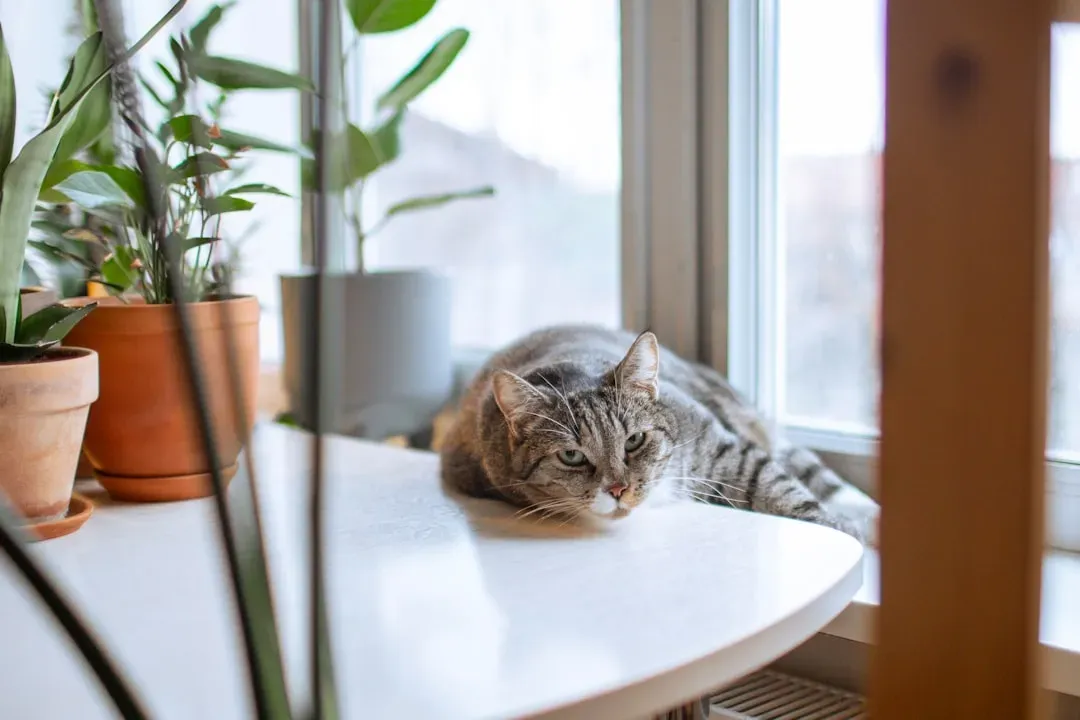
Here’s where things get pretty uncomfortable for those who love letting their cats explore. Indoor cats typically live around 12 to 18 years, whereas outdoor cats can experience threats that shorten their lifespan to just 2 to 5 years. That’s not a small difference. That’s potentially a decade or more of lost companionship.
Think about it this way: your indoor cat could theoretically live long enough to see you through multiple life stages, while an outdoor cat might not even make it past kittenhood. The University of California-Davis determined the lifespan of the outdoor cat is between 2 and 5 years, while indoor cats live for 15 to 17 years on average. The numbers are sobering, to say the least. This massive gap comes down to the sheer number of hazards lurking outside your front door.
Traffic Dangers and Physical Trauma
Let’s be real about one of the biggest threats out there. A UK study found the major cause of mortality for cats brought into a veterinary clinic was trauma, 60% of which were identified as RTAs. Road traffic accidents are essentially the leading cause of death for outdoor cats, which makes sense when you consider that cats don’t have any natural understanding of vehicles.
5.4 million cats are hit by cars every year in the US, and 97% of those cats die from their injuries. It’s hard to say for sure, but those numbers suggest our feline friends are simply not equipped to handle modern roadways. Even cats in quieter neighborhoods face risks from delivery trucks, distracted drivers, and unexpected traffic surges.
Predators, Diseases, and Other Outdoor Threats
Cars aren’t the only danger waiting outside. Cats are commonly attacked by loose dogs and wild animals, such as coyotes, raccoons, foxes and even alligators (depending on where they live). Injuries from wild animal and stray dog attacks are very serious and often fatal. Depending on where you live, your cat could become prey rather than predator.
Then there’s the disease factor. Examples of relevant communicable diseases that might be transmitted include feline leukemia virus (FeLV), feline immunodeficiency virus (FIV), bartonellosis, and rabies. Both FeLV and FIV are immunosuppressive diseases that leave cats susceptible to secondary infections, which may impair welfare and reduce their lifespan. These illnesses can dramatically shorten your cat’s life and cause immense suffering. Outdoor cats also face exposure to parasites like fleas, ticks, and intestinal worms that indoor cats rarely encounter.
The Mental and Physical Benefits of Outdoor Access
Now, before you think this is entirely one sided, let’s talk about why people advocate for outdoor access. Outdoor cats stay active through running, climbing, and hunting, which helps maintain a healthy weight and build muscle. There’s something to be said for natural exercise that doesn’t require you waving a feather wand around for twenty minutes every evening.
Outdoor time provides natural sunlight exposure, which helps regulate circadian rhythms and supports immune health. Fresh air, changing scenery, endless sensory stimulation – the outdoors offers experiences that are genuinely difficult to replicate indoors. Allowing cats outdoor access can offer an outlet for pent-up energy, leading to less frustration and fewer unwanted behaviors in the home like scratching furniture or excessive vocalization. Some cats genuinely seem happier when they can patrol their territory and express their natural instincts.
The Indoor Cat’s Health Challenges
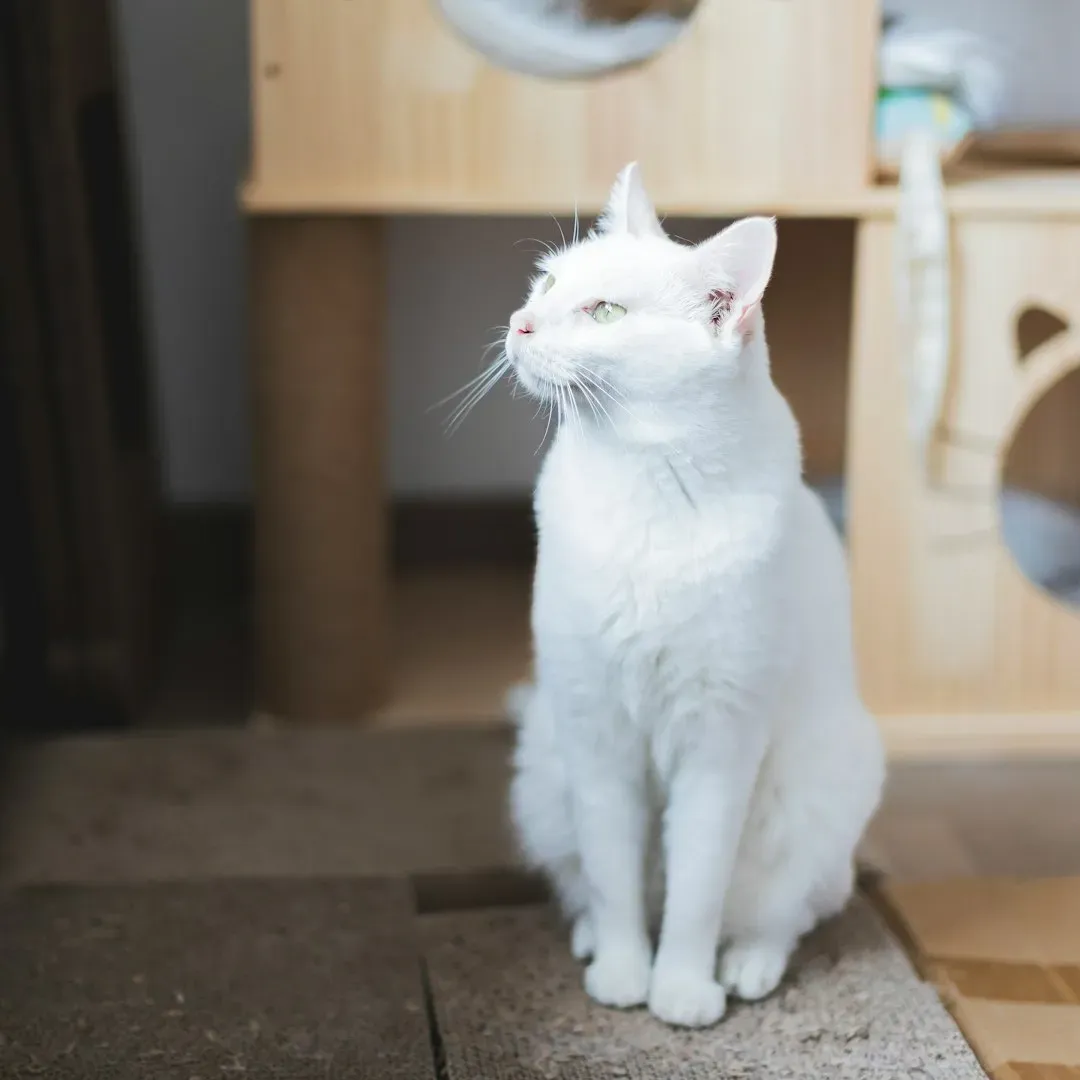
Indoor life isn’t without its downsides either. Indoor cats are typically less active, which increases their rate of diabetes, obesity, arthritis, and heart disease. Without proper stimulation and exercise opportunities, indoor cats can become couch potatoes, and that brings its own set of health problems.
A lack of environmental enrichment can lead to boredom and stress in indoor cats. This, in turn, may result in destructive behaviors, such as scratching furniture or over-grooming. Some indoor cats develop behavioral issues that stem from sheer boredom and frustration. They might become aggressive, anxious, or depressed without adequate mental stimulation. It’s not enough to simply keep a cat indoors and call it a day – you have to actually enrich their environment.
The Environmental Impact Nobody Wants to Discuss
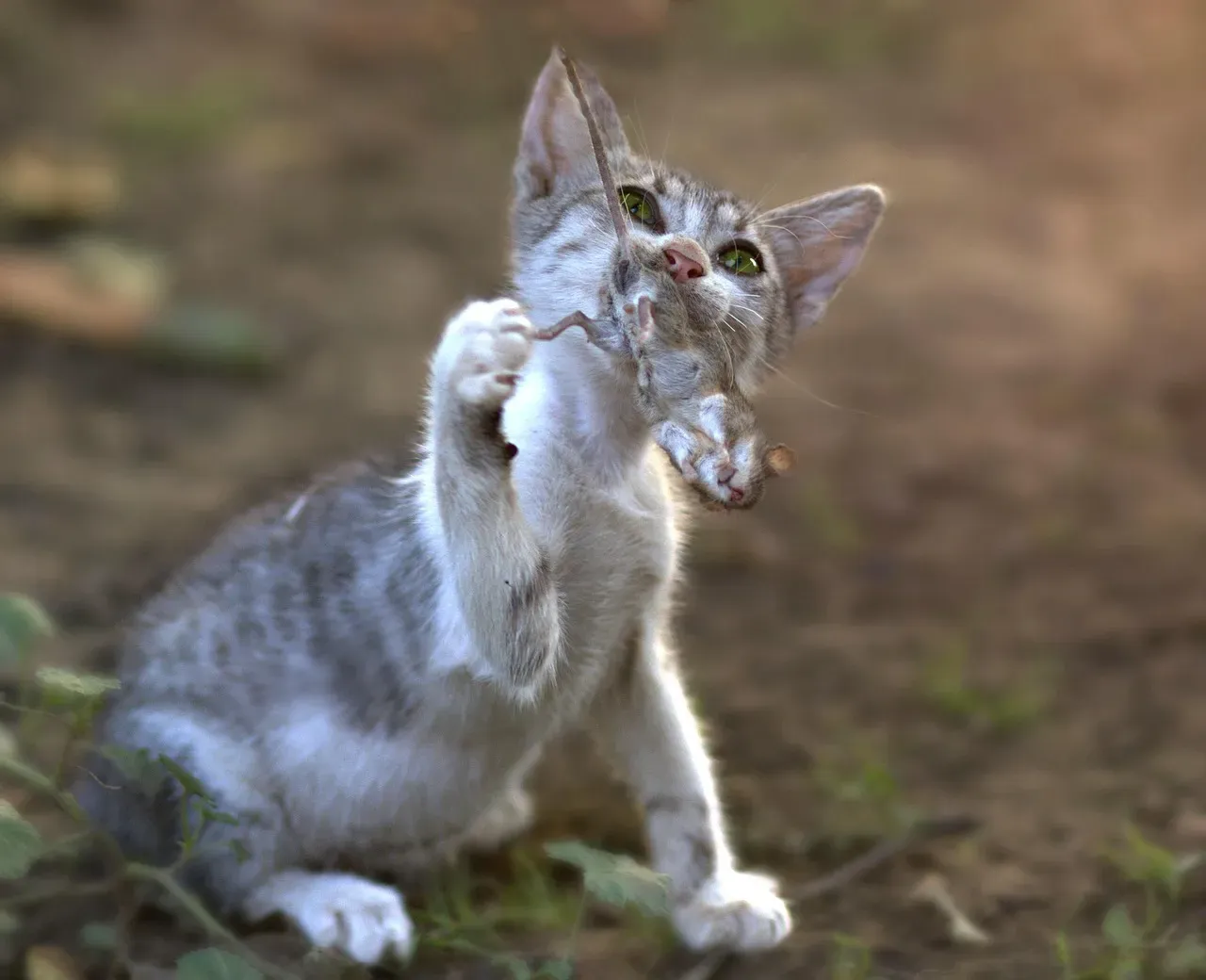
Here’s the part that makes many cat lovers uncomfortable. Domestic cats are the “single greatest source of anthropogenic mortality for U.S. birds and mammals,” with cats annually killing from 1.4-3.7 billion birds and 6.9-20.7 billion mammals in the U.S. Those numbers are staggering, almost incomprehensible.
In Australia, hunting by feral cats helped to drive at least 20 native mammals to extinction, and continues to threaten at least 124 more. Their introduction into island ecosystems has caused the extinction of at least 33 endemic species on islands throughout the world. Wildlife conservationists aren’t being dramatic when they call outdoor cats an environmental disaster. The impact on bird populations, small mammals, and reptiles is measurable and significant. Even well fed pet cats hunt, because hunting is an instinct separate from hunger.
Enrichment Solutions for Indoor Cats
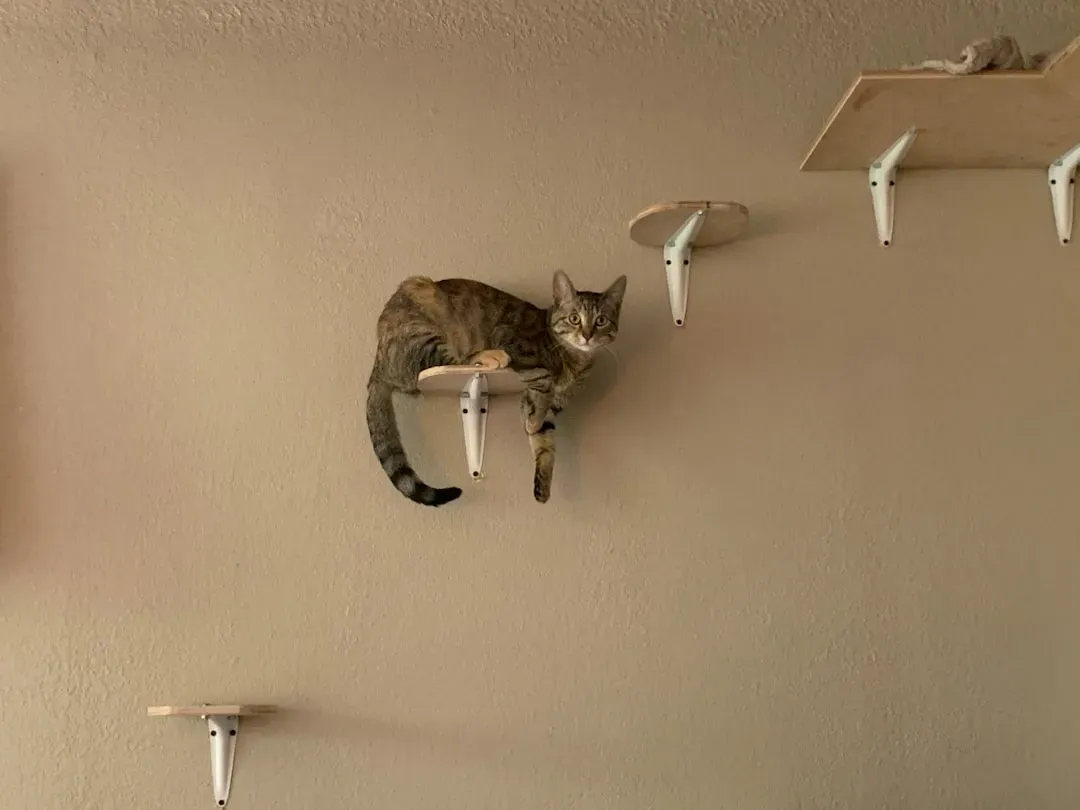
If you’re leaning toward keeping your cat indoors after reading all this, you’ll need to step up your game. Social activities with humans can be the single most effective way to enrich your indoor cat’s environment. Set a timer for five minutes twice daily and play with your cat. It doesn’t sound like much, but regular interactive play makes an enormous difference.
Cat enrichment means creating an environment for your feline friend where they have plenty of opportunities to express their natural instincts and behaviors in appropriate ways. Meeting your cat’s mental and emotional needs will help them lead a happier, healthier life and have fewer behavior issues. Think vertical spaces like cat trees, window perches positioned where they can watch birds, puzzle feeders that make mealtime challenging, and rotating toys to keep things interesting. You’re essentially trying to bring the stimulation of the outdoors inside, which takes effort but is absolutely achievable.
The Middle Ground: Supervised Outdoor Time
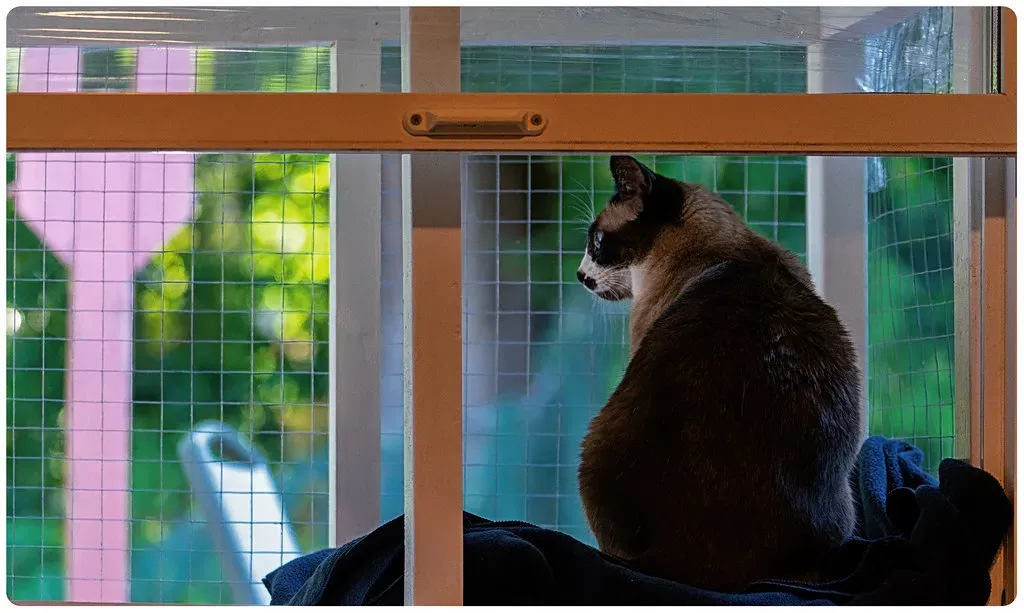
Some cat owners have found compromise solutions. A “catio,” or cat patio, is an enclosed outdoor space that allows cats to enjoy the sights and sounds of nature without the associated risks. Catios can be an excellent compromise for owners wanting their cats to experience the outdoors safely. These structures range from small window boxes to elaborate backyard enclosures.
Leash training is another option, though it requires patience. You can allow your cat to safely experience more of the great outdoors by taking them on walks. Train your cat inside your house to be relaxed in the harness and on the leash before adding outside adventures. Not every cat will tolerate a harness, but many can learn to enjoy supervised outdoor exploration. These middle ground approaches let cats experience fresh air and new stimuli while keeping them protected from the major dangers.
What Veterinarians Actually Recommend
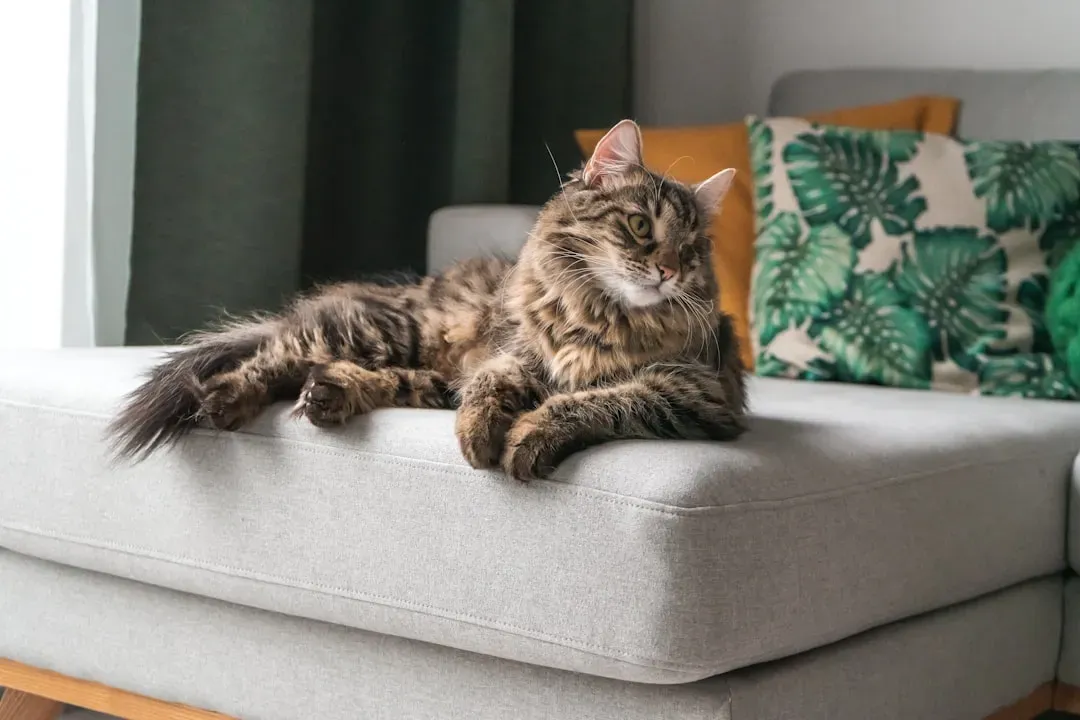
Most experts agree that staying indoors is the healthier choice for cats. Veterinarians overwhelmingly support keeping cats indoors, though they also emphasize the importance of proper enrichment. The professional consensus is clear: the safety benefits of indoor living far outweigh the advantages of outdoor access.
It’s much easier for your cat to get enrichment outside, but it’s still possible for a cat to live as happy of a life indoors without all the risks. The key word there is “possible” – it requires commitment from you as the owner. You can’t just expect your cat to be content staring at blank walls all day. Creating a stimulating indoor environment takes thought, investment, and ongoing effort, but it’s entirely doable.
Making the Right Choice for Your Situation
So what’s the answer? Honestly, for the vast majority of cats, indoor living with proper enrichment is the safest bet. The lifespan difference alone is compelling enough, and when you factor in disease prevention and environmental concerns, the case becomes even stronger.
That said, every situation is unique. Maybe you live on a large rural property far from roads. Perhaps you have a cat who’s spent years outdoors and would suffer immensely from sudden confinement. The choice between keeping a cat indoors or letting it roam outdoors involves weighing various factors, including safety, lifestyle, and the cat’s personality. Ultimately, a cat’s well-being depends on informed decisions, regular veterinary care, and a loving home environment. Whatever you decide, make it an informed choice based on your specific circumstances rather than assumptions about what cats “need.”
The indoor versus outdoor debate will probably continue for years to come. People feel strongly about their positions, and that passion comes from a genuine place of caring about feline welfare. Yet the data points in a clear direction: indoor cats live dramatically longer, face fewer health risks, and don’t devastate local wildlife populations. If you’re willing to put in the work to create an enriched indoor environment, your cat can absolutely thrive without ever setting paw outside. What do you think about it? Have you made the switch from outdoor to indoor, or do you have a different approach that works for your household?