If you’ve ever settled into your favorite spot on the couch only to feel tiny paws rhythmically pressing into your lap, you know exactly what we’re talking about. Your cat curls up, extends those fuzzy little paws, and begins what looks like an adorable bread-making session right on top of you. It’s sweet, slightly confusing, and sometimes a bit painful when those claws come out. You might wonder what on earth is going through your furry friend’s mind during these moments.
Kneading, often referred to as “making biscuits,” is one of the behaviors domestic cats are best known for. While it might seem odd at first, this charming quirk actually reveals a lot about your cat’s emotional world and their feelings toward you. Let’s be real, there’s something deeply satisfying about being the chosen one for your cat’s biscuit-making sessions. So let’s dive in and explore why your feline companion does this and what it all means.
It All Starts with Kittenhood
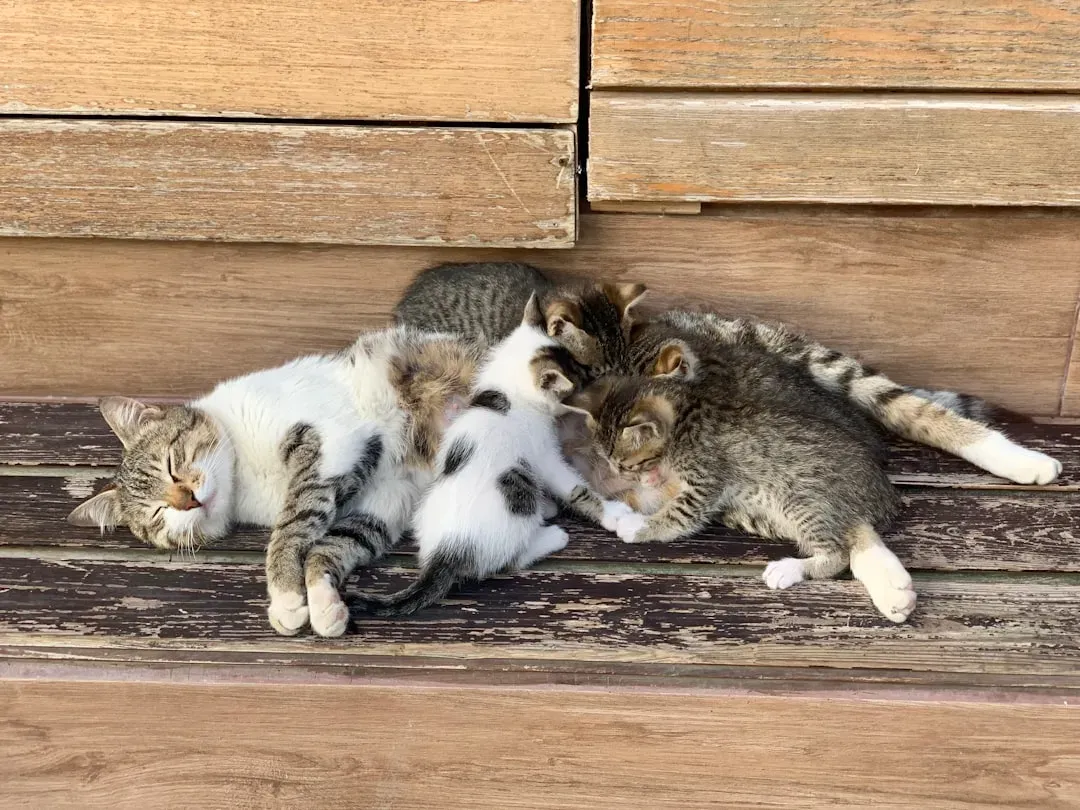
Here’s the thing: kittens use a kneading action to stimulate milk production from their mother cat when nursing. This behavior is one of the earliest survival instincts your cat ever develops. When kittens are nursing, they push their tiny paws against their mother’s belly to help the milk flow more freely. It’s a critical skill for getting fed, and it’s deeply tied to feelings of safety, warmth, and nourishment.
Because nursing and being around a mother cat’s calming pheromones encourages a sense of contentment in young kittens, many cats will continue to knead into adulthood to create a similar sense of calm and relaxation. Think of it like a human kid who still reaches for their favorite stuffed animal when they’re stressed, even as a teenager. Your cat is tapping into those early, comforting memories every time they start making biscuits on you or a soft blanket.
Your Cat Sees You as Family
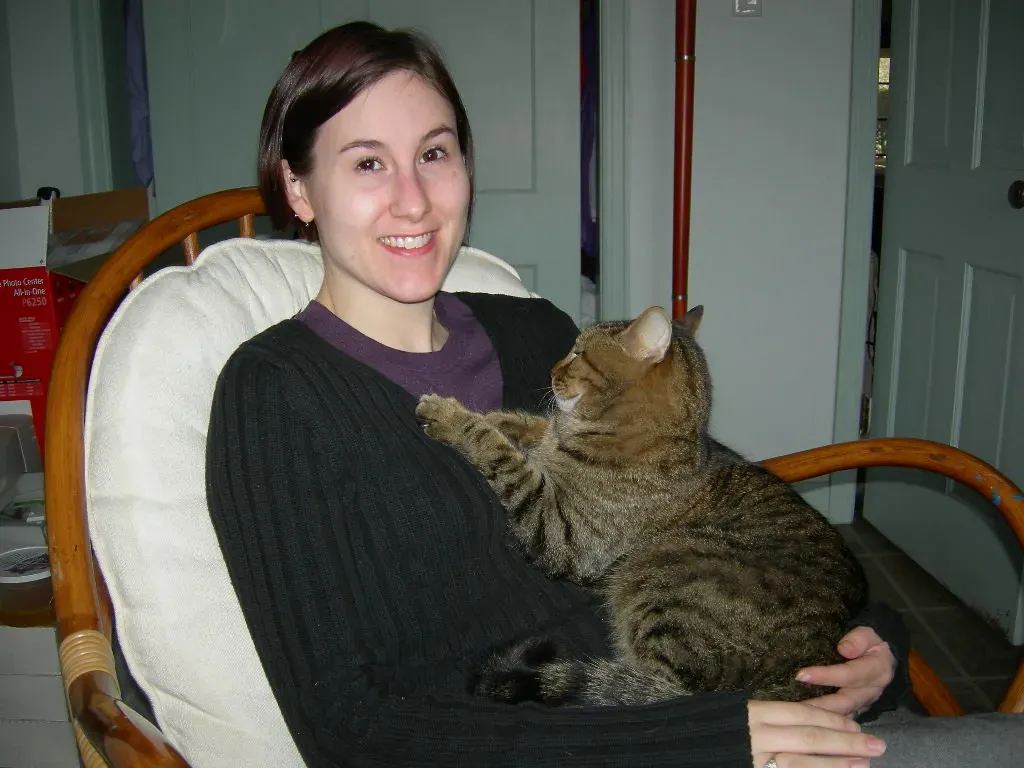
When your cat kneads on you specifically, it’s actually a huge compliment. Kneading may also be a form of communication between owner and feline: because of the action’s maternal connection, the behavior may be a communication of affection towards the cat’s human companion. Essentially, your cat has decided that you’re their safe person, the one who makes them feel as secure and loved as their mother once did.
Some of these juvenile behaviors we see that used to be directed at the mother are now directed at the owner, and kneading can also be that affiliative, social behavior that can help build a bond. Your cat isn’t just tolerating you or using you as a warm seat. They genuinely feel connected to you and are expressing that bond in one of the most primal ways they know how.
The Science of Feeling Good
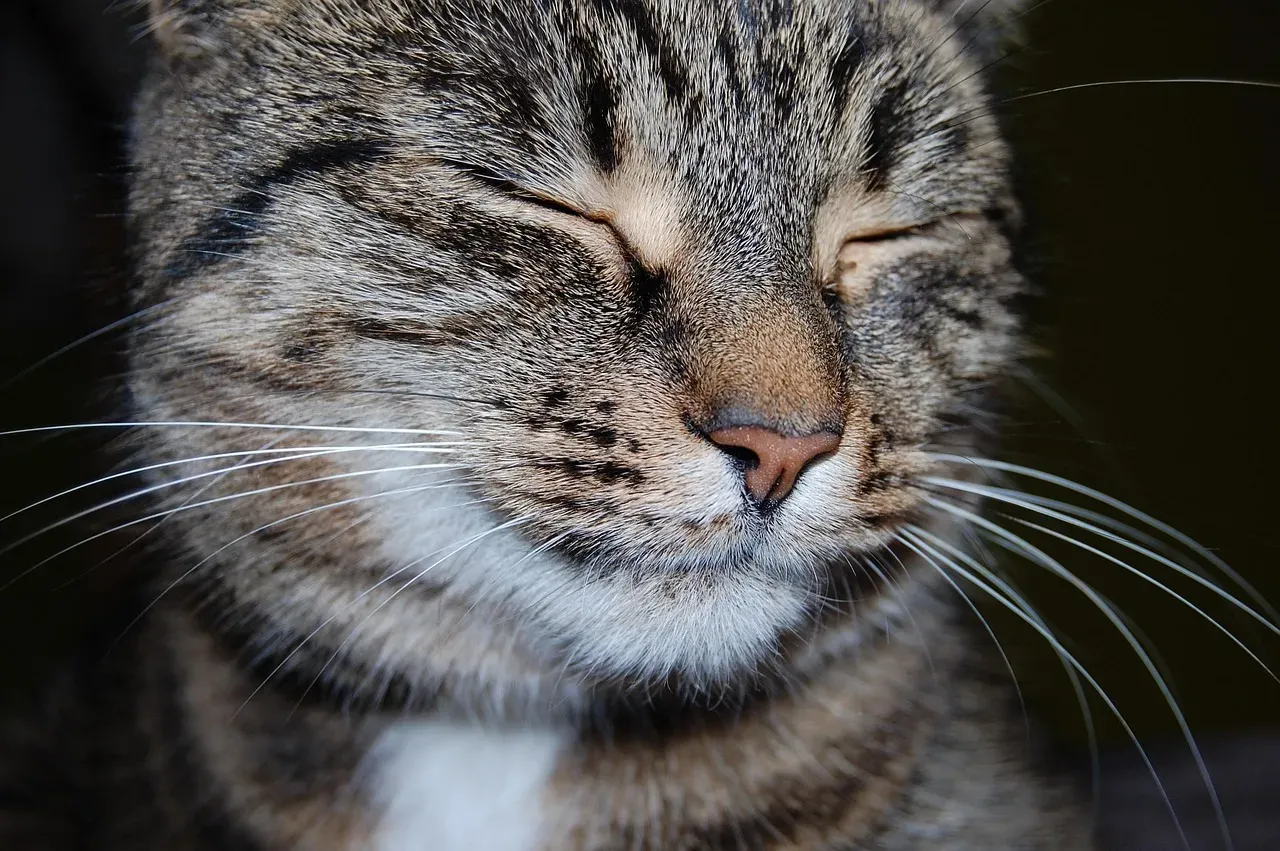
There’s actually a chemical reason behind why your cat gets so blissed out during kneading sessions. The action of kneading in cats causes the release of the pain-relieving, feel-good chemical dopamine in the brain. Dopamine is the same neurotransmitter that gives humans that pleasant rush when we accomplish something or enjoy a favorite activity.
Kneading in cats triggers the release of dopamine, a neurotransmitter associated with pleasure and reward, and this behavior, often beginning in kittenhood, is instinctive and tied to the comfort of nursing. So when your cat is making biscuits, they’re literally experiencing a wave of good feelings. No wonder they sometimes look like they’re in a trance, with that glazed-over, blissful expression on their face!
Territory Marking in the Sweetest Way
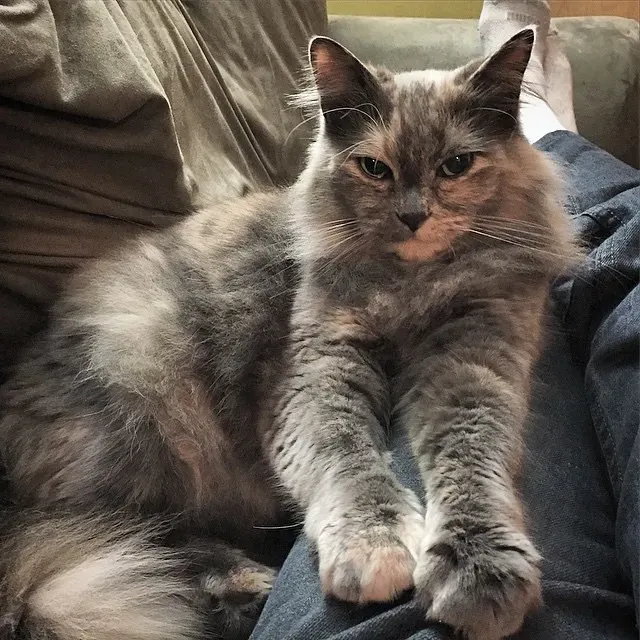
I know it sounds crazy, but your cat is also claiming you as their own when they knead. A possible answer to why do cats knead is that they’re trying to mark their territory, because there are scent glands that release pheromones in their paws. These glands are located between their toe beans, and every time they press down, they’re leaving their unique scent signature.
By pushing their paws in and out they activate these scent glands, so they could be doing this on your lap to mark you as their own and warning other cats to back off. It’s like your cat is putting an invisible “Property of Fluffy” sign on you. While you can’t smell it, other animals definitely can. Your cat wants everyone to know that you belong to them, not the other way around.
Preparing the Perfect Nap Spot
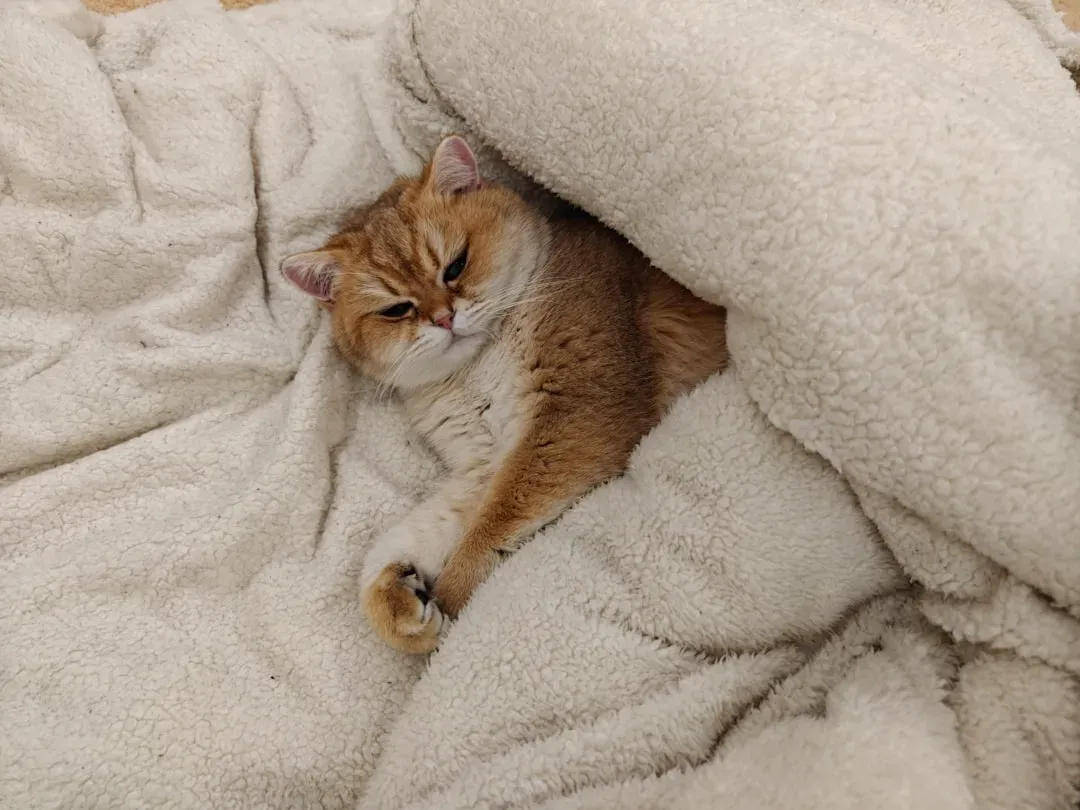
Ever notice how your cat often kneads right before settling down for a snooze? That’s no coincidence. Kneading may have an origin going back to cats’ wild ancestors who had to tread down grass or foliage to make a temporary nest in which to rest. Wild cats would pat down vegetation to create a soft, safe sleeping area, and your domestic cat has kept this instinct alive.
You may see a cat kneading to create a soft sleeping place before they lay down and get comfortable, as cat’s wild feline ancestors would knead tall grass to create a resting place, and this behavior may be part of a cat’s natural instinct. Your cat isn’t being picky or demanding. They’re just following thousands of years of evolutionary programming to make their bed as cozy as possible before drifting off to dreamland.
A Mini Workout and Stretch Session
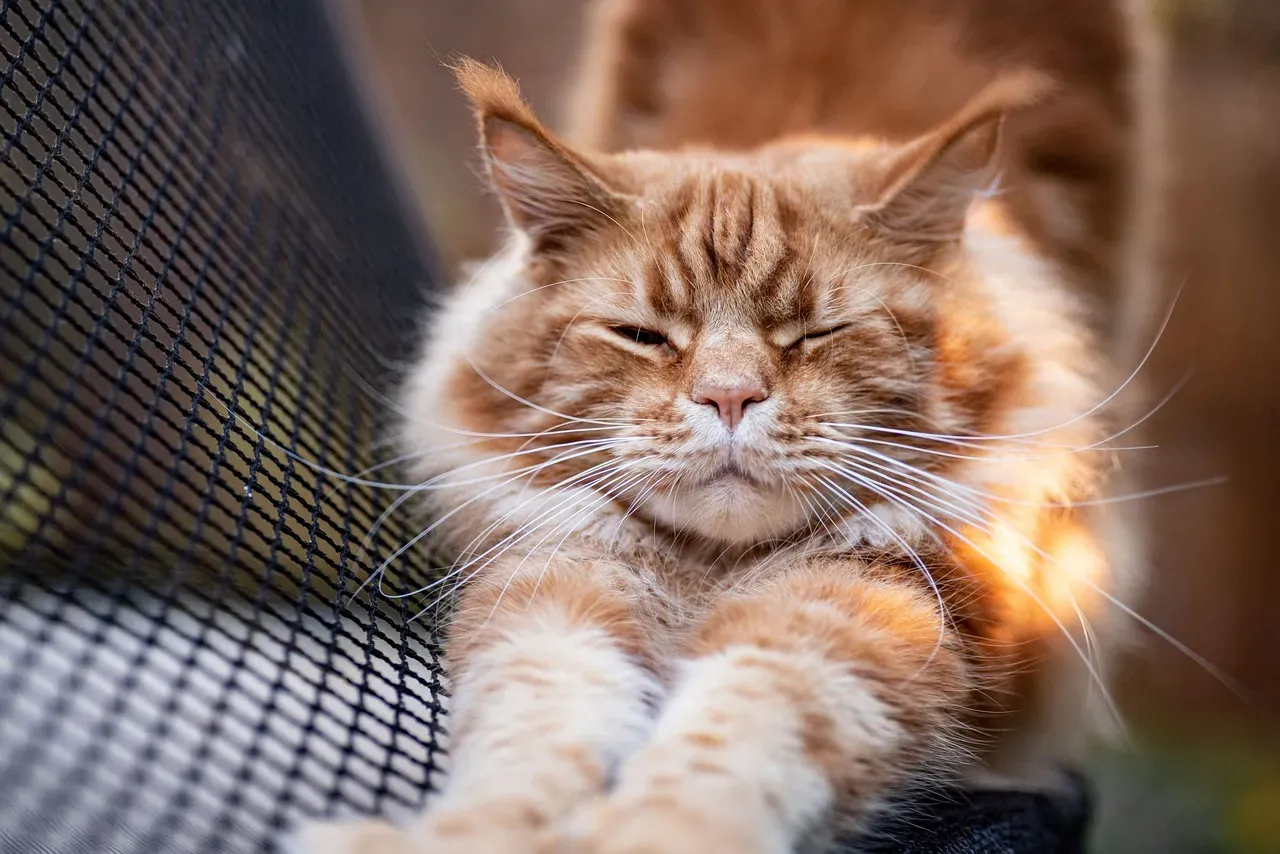
Kneading isn’t just emotional or instinctual; it’s also practical for your cat’s physical health. When they wake up, you may see them kneading as a way to stretch out their muscles, and this can be their way of keeping themselves limber until it’s time for the next nap. Cats sleep a huge chunk of the day, and all that lounging can make their muscles stiff.
Think of kneading as your cat’s version of yoga or stretching exercises. The rhythmic motion helps them flex and extend the muscles in their paws, legs, and back. It keeps them agile and ready for action, whether that action is chasing a toy mouse or sprinting across the house at three in the morning for absolutely no reason whatsoever.
Sometimes It’s About Self-Soothing
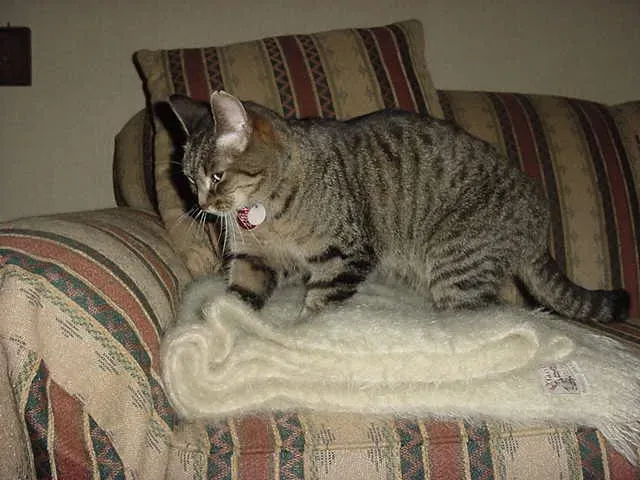
While kneading is usually a sign of happiness, it can sometimes indicate that your cat is feeling stressed or anxious. Because kneading is a comforting action, cats who feel stressed or are experiencing pain may knead to soothe themselves. Just like how some people bite their nails or fidget when they’re nervous, cats may turn to kneading as a coping mechanism.
Increased or excessive kneading can be a sign that your cat is uncomfortable or anxious, and his kneading could be an attempt to soothe himself, and this release of dopamine also motivates your cat to continue kneading to receive additional bursts of the hormone. If you notice your cat suddenly kneading much more than usual or seeming distressed while doing it, it might be worth checking in with your veterinarian to rule out any underlying issues.
Not All Cats Are Biscuit Makers
If your cat doesn’t knead, don’t worry. While kneading is a surefire sign that your cat likes you, if your cat doesn’t knead, that doesn’t mean it doesn’t have a bond with you, and there are probably other affiliative behaviors they’re engaging in, like purring or rubbing on you or even just sitting next to you. Every cat has their own unique personality and ways of showing affection.
Some cats knead constantly, others do it occasionally, and some never really pick up the habit at all. Certain breeds, like Ragdolls and Siamese cats, tend to be more prone to kneading because of their naturally affectionate temperaments. Your cat might show love by head-butting you, following you around, or bringing you their favorite toy instead. Love comes in many forms!
When Those Claws Become a Problem
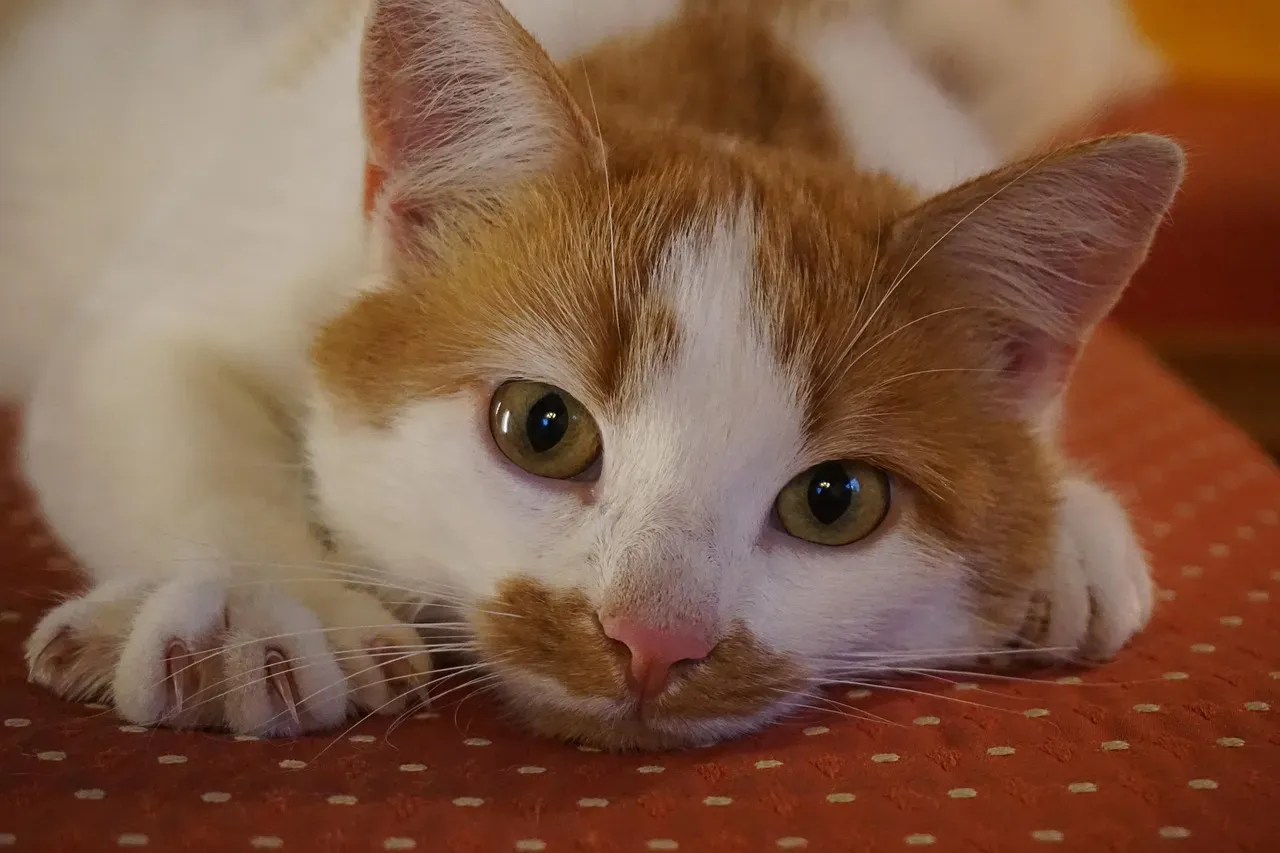
Let’s be honest: while kneading is adorable, those sharp little claws digging into your skin can be seriously painful. The good news is you don’t have to just grit your teeth and bear it. You can take steps to disarm your cat’s nails, as regular nail trimming prevents sharp points that snag furniture and skin. Keeping your cat’s claws trimmed is the simplest solution to make kneading sessions more comfortable for everyone involved.
Another trick is to keep a thick blanket nearby specifically for these moments. When your cat hops onto your lap and starts getting into position, you can quickly slide the blanket between their paws and your legs. This way, they still get to express their affection, and you don’t end up with a lap full of tiny puncture wounds. Never punish or scold your cat for kneading, though. It’s a natural behavior they need to express, and negative reactions can damage the trust between you.
The Bottom Line on Biscuit Making
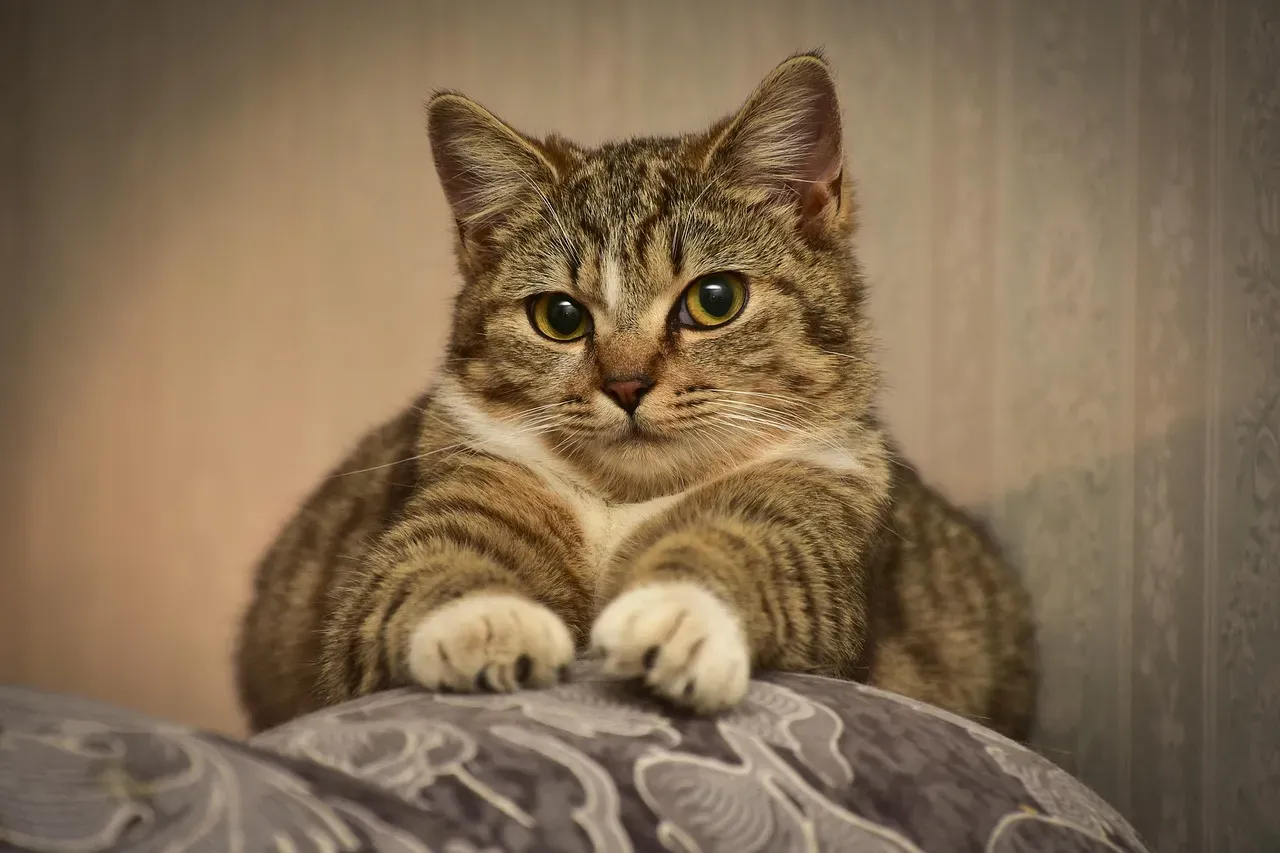
Feline experts agree that kneading is completely normal, and allowing your cat to express their instinctual behaviors in a healthy and non-destructive way can help keep them happy and content. Kneading is a window into your cat’s inner world, a behavior that connects them to their earliest memories and strongest emotions. When your cat makes biscuits on you, they’re telling you that you’re their safe space, their family, and their chosen person.
So the next time those paws start pressing rhythmically into your lap, take it as the compliment it is. Your cat feels so comfortable and loved in your presence that they can’t help but revert to their most comforting kittenhood behavior. Just maybe keep that blanket handy and their nails trimmed. What do you think – does your cat have a favorite kneading spot, or are they equal-opportunity biscuit makers?
Kristina is a young writer from India. An arts graduate and an avid content creator, Kristina is passionate about animals and wildlife. She enjoys exploring topics related to pet care, animal behavior, conservation, and nature, combining thorough research with engaging storytelling.