You’ve probably spent countless hours watching your feline friend sprawled across your couch or silently judging you from atop the refrigerator. Yet despite all that time together, chances are you’re missing some of the most important conversations happening right under your nose. Cats aren’t silent creatures at all. They’re constantly talking to you through subtle shifts in their ears, the position of their whiskers, and that ever-expressive tail.
Learning to read these signals isn’t just about satisfying your curiosity. It can prevent scratches, reduce stress for both of you, and create a deeper bond with your pet. Let’s dive into the twelve critical body language cues that might be flying right past you.
The Slow Blink: Your Cat’s Secret “I Love You”
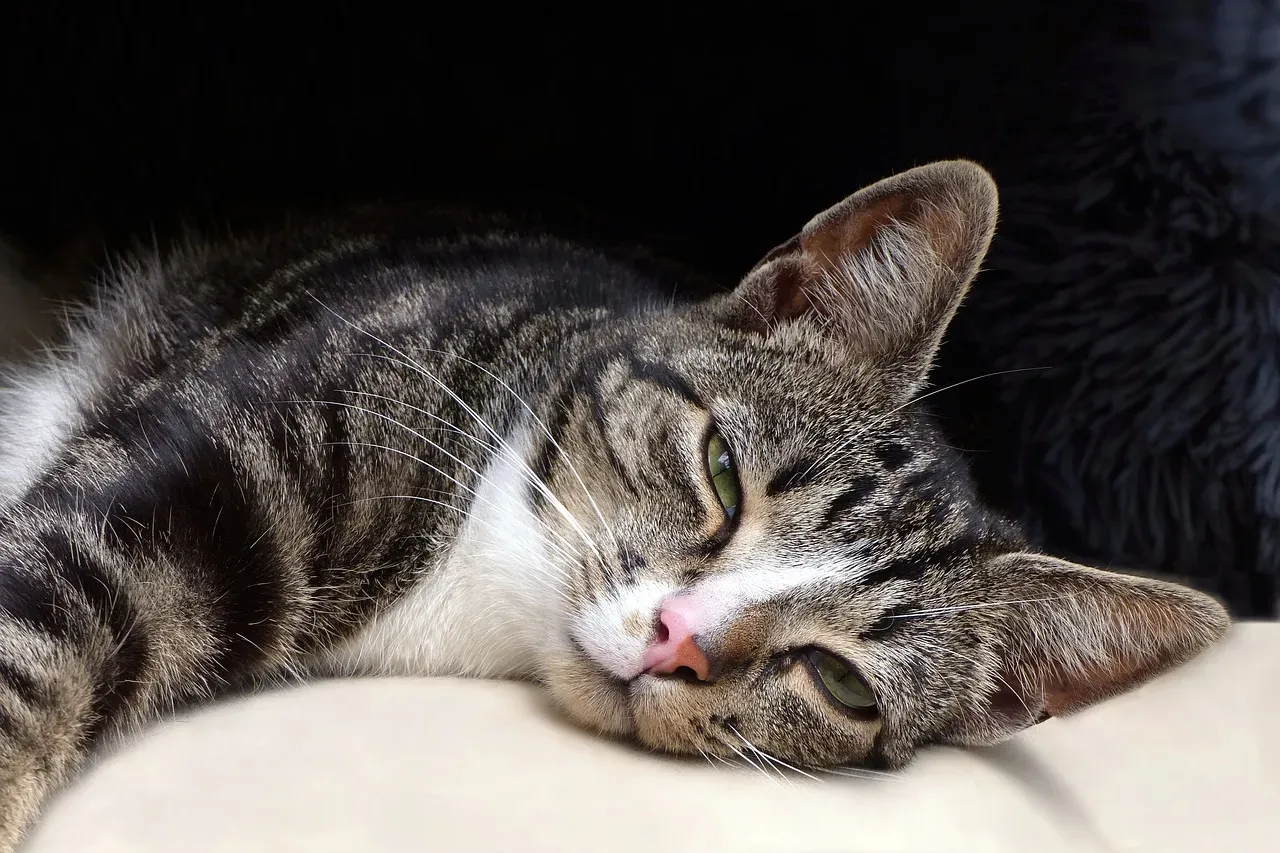
When your cat looks at you and slowly closes and opens their eyes, they’re offering what’s often called a “cat kiss.” This gentle gesture is one of the highest compliments your feline can give. Cats blink slowly to show affection and relaxation, indicating they’re not threatened by you and actually trust you.
The beauty of this cue is that you can return it. Try blinking slowly back at your cat – it’s a great way to communicate with them and strengthen your bond. Next time you catch your cat staring at you from across the room, don’t just stare back. Offer a slow blink and watch how they respond.
Airplane Ears: When Uncertainty Takes Flight
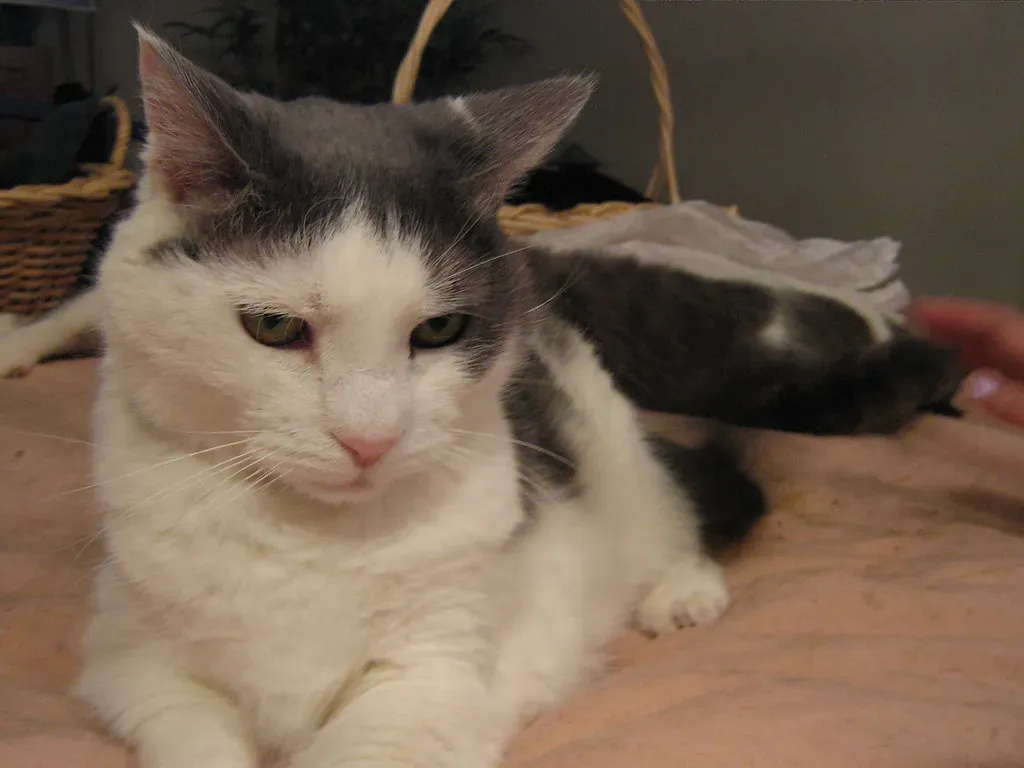
When your cat’s ears rotate sideways, creating what’s known as “airplane ears,” this shows signs of anxious body language. Unlike forward-facing ears that signal confidence, these sideways ears tell you something’s not quite right in your cat’s world. Ears flattened sideways indicate nervous or uncertain feelings.
This position often appears during petting sessions when your cat has had enough but you haven’t noticed yet. If you see your cat’s ears shift sideways during a cuddle session, it might mean they’ve had enough, so pay attention to this subtle cue to avoid upsetting them. Watch for this signal before things escalate to swatting or biting.
The Tail Question Mark: Playtime Invitation
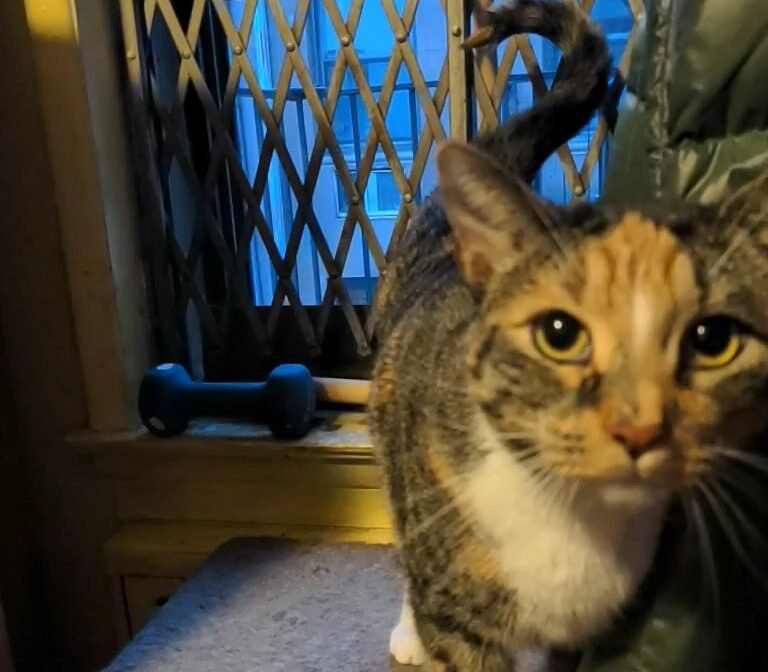
Cats often position their tail in the shape of a question mark when they’re feeling playful – time to grab a cat toy! This curved, upright tail is your cat’s way of saying they’re in the mood for some fun. It’s one of the clearest invitations you’ll get from your feline friend.
The question mark tail differs from a straight-up tail, which simply signals confidence. That little hook at the end adds a layer of excitement and readiness to engage. If you spot this posture, drop what you’re doing and interact with your cat. These moments of playfulness strengthen your relationship and provide crucial mental stimulation.
Dilated Pupils: Reading Beyond the Light
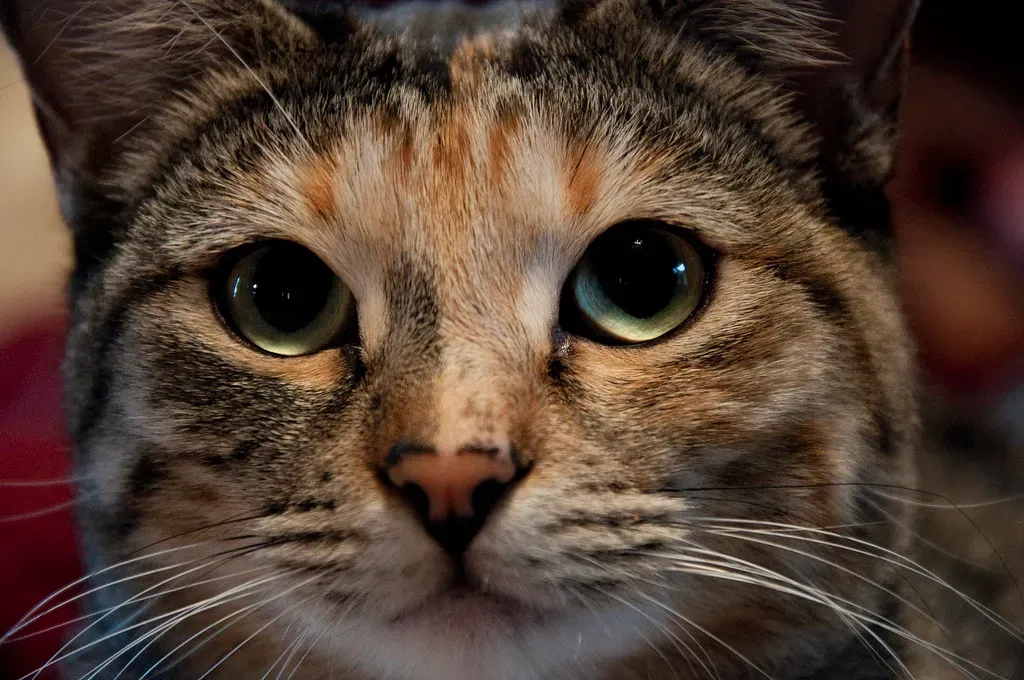
Large pupils can mean excitement, fear, or intense focus on something interesting. While dilated pupils can indicate a playful mood, they can also indicate fear, excitement, or anger. The key is context.
Cats with dilated eyes hiding under a chair and watching a visitor are likely worried and anxious, but pets staring at birds are probably excited and lost in the moment. Don’t just look at the eyes alone. Check the rest of your cat’s body language to understand what those big pupils really mean.
Whiskers Forward: Curiosity and Confidence on Display
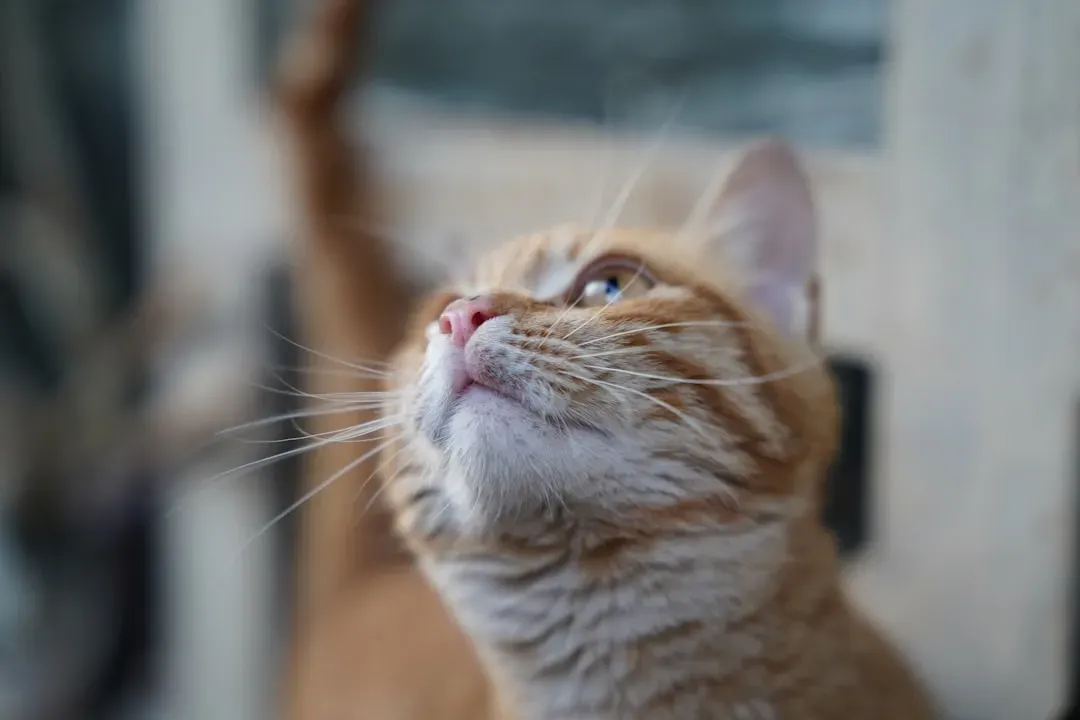
Pushed forward, the whiskers on your cat’s muzzle indicate they’re curious and happy. Confident cats might push their whiskers forward, contrasting with fearful cats who pull them back.
Whiskers act like emotional antennas for your cat. Whiskers aren’t just for navigation, they’re also tools of communication, with forward-facing whiskers usually meaning your cat is curious or interested. Next time you introduce a new toy or treat, watch those whiskers perk up and point toward the object of fascination.
The Thrashing Tail: A Warning You Shouldn’t Ignore
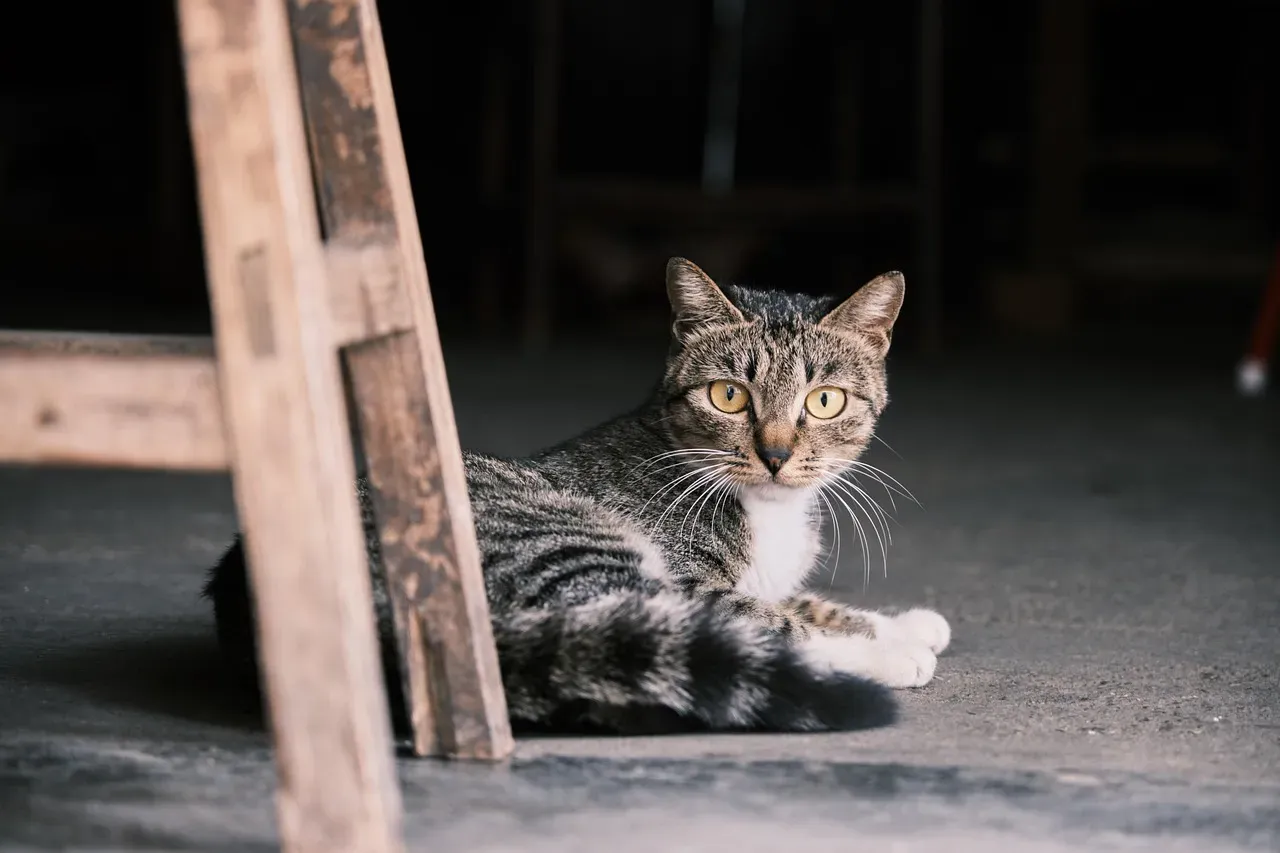
Here’s where people often get confused, especially if they’re used to dogs. A cat’s wagging tail isn’t the same as a dog’s happy tail wagging – a fast-thumping tail is a good indicator that a cat is agitated and should be left alone. While a slow, soft wag means they’re enjoying your pets and feeling happy, if that tail begins wagging faster and more aggressively, almost like a thrash, the cat is getting irritated and you should stop petting.
Many cat owners miss this signal and end up with a bite or scratch moments later. The tail doesn’t lie. When that gentle swish turns into a rapid thump against the floor, your cat is telling you loud and clear that they need space.
Belly Exposure: Not Always an Invitation
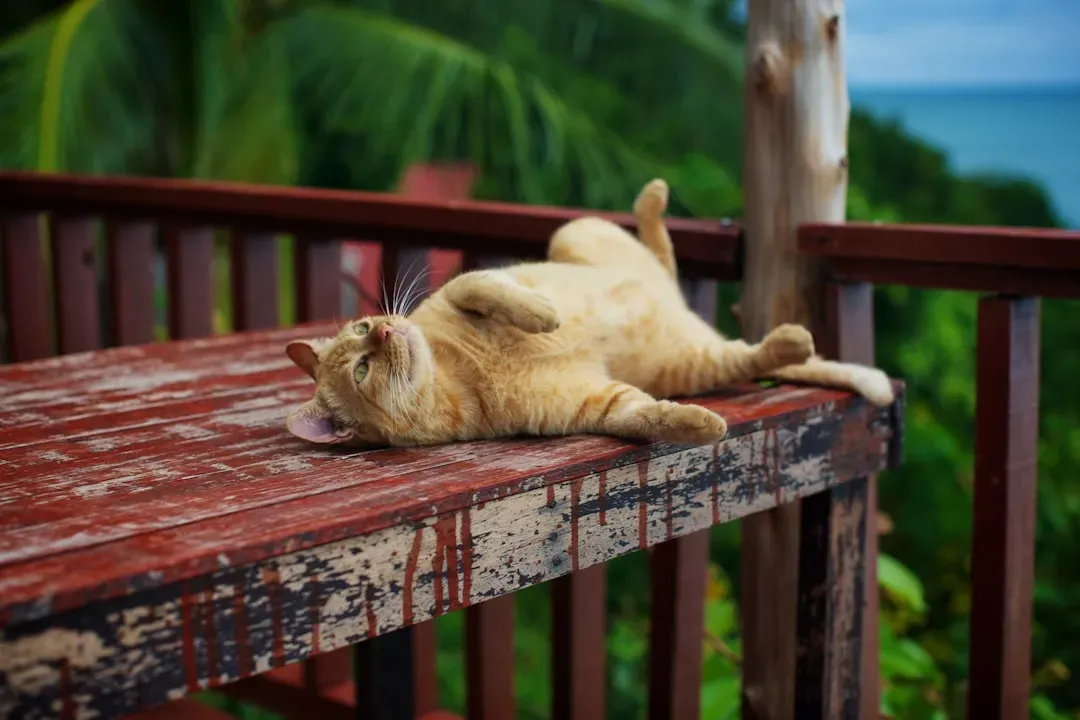
Rolling onto their back is a sign of trust, but not always an invitation for belly rubs. Sometimes it’s trust, but touching can trigger a defensive reaction. This might be the most misunderstood signal in the cat communication handbook.
A belly exposed demonstrates trust because cats will often protect their belly in fearful situations. Your cat isn’t necessarily asking you to touch that fluffy tummy. They’re simply showing they feel safe enough to expose their most vulnerable area. The distinction matters, and your hands will thank you for understanding it.
Kneading: Comfort from Kittenhood
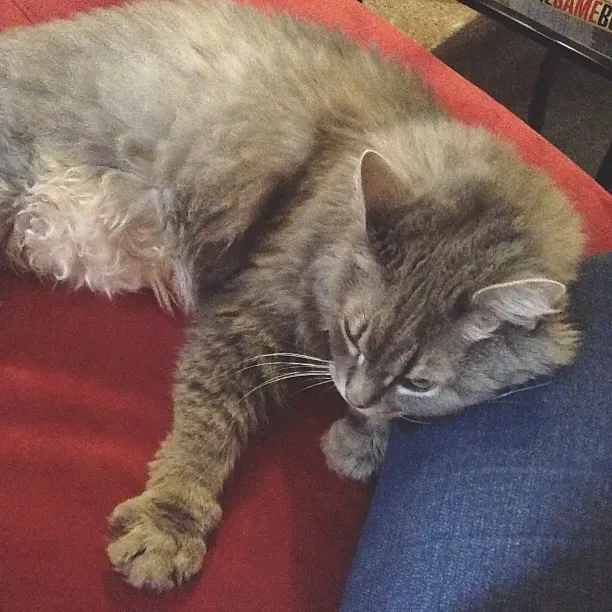
Kneading, often called “making biscuits,” signals comfort and contentment. This rhythmic paw movement indicates happiness or contentment and originates from kittenhood, where kittens knead to stimulate milk flow during nursing.
When your adult cat kneads your lap or a soft blanket, they’re regressing to that safe, warm feeling of being with their mother. Sometimes this comes with purring and half-closed eyes. Though those claws might hurt a bit, resist the urge to push your cat away. They’re giving you one of their most genuine displays of affection.
The Puffed Tail: Making Themselves Look Bigger
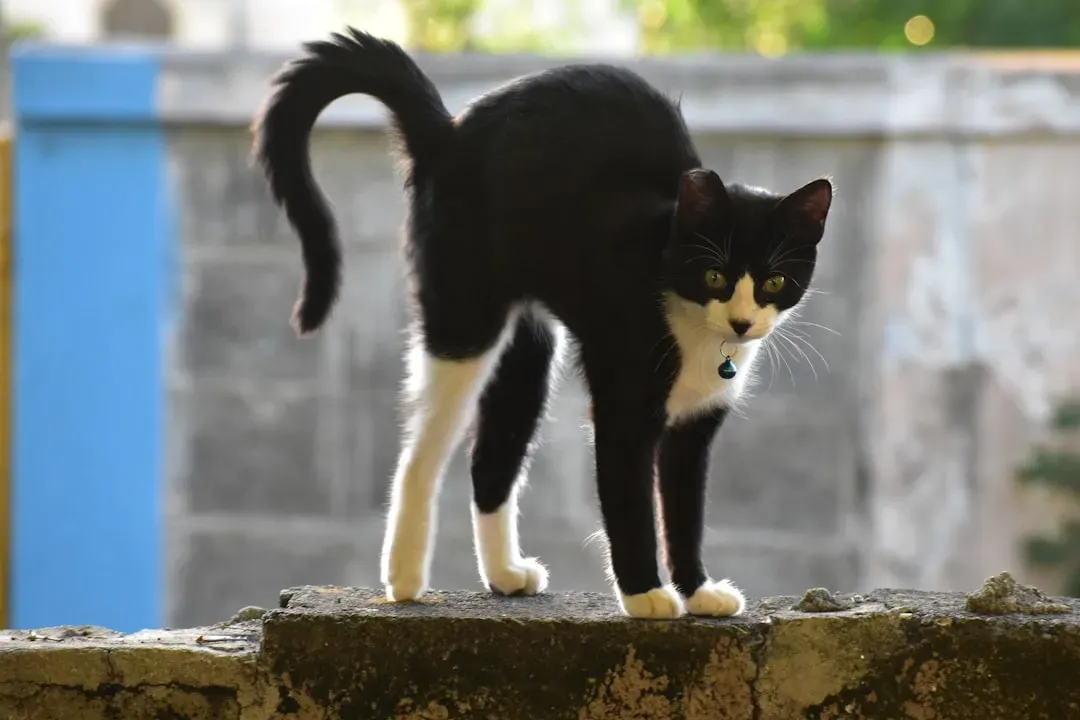
A puffed tail usually signals fear, arousal, or defensiveness. When your cat is fearful or stressed, they might puff up their fur to make themselves look larger, more intimidating, and less vulnerable.
You’ve probably seen the classic Halloween cat pose with the arched back and bottlebrush tail. A fluffed-up, arched tail is seen when a cat stands with its back arched and is torn between being aggressive or defensive. Your cat is trying to appear more formidable to whatever threat they perceive. Stay calm, don’t approach, and let them settle down on their own terms.
The Crouched Posture: Fear or Preparation
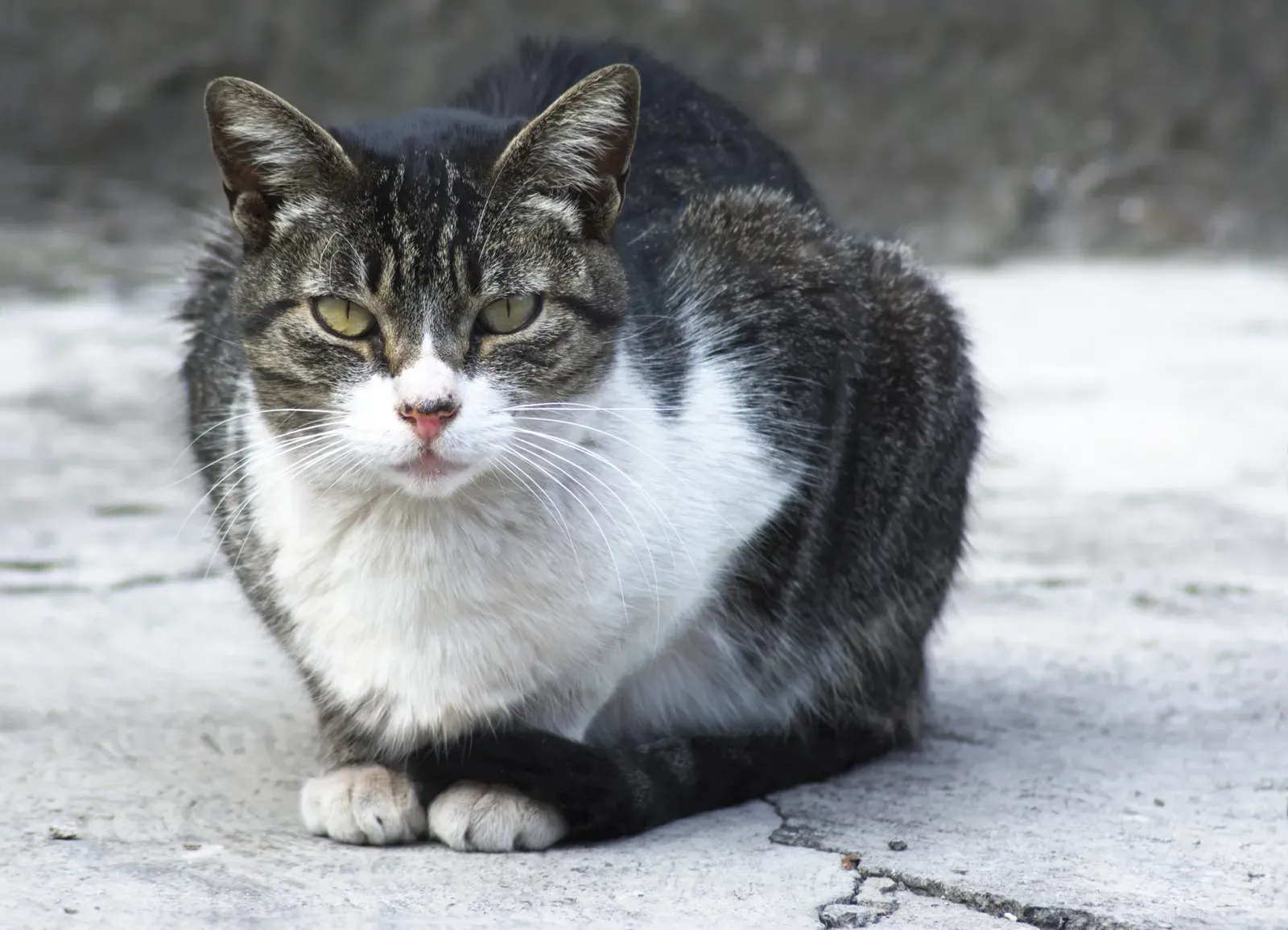
Crouching low indicates anxiety, insecurity, or preparation to pounce. A fearful cat might crouch low to the ground with her body tense, showing she is prepared and ready to run away if necessary.
The context matters enormously here. A crouched cat watching a toy mouse is in predator mode, ready for play. A crouched cat with tucked tail and sideways ears during a thunderstorm is terrified. Learning to distinguish between these two scenarios helps you respond appropriately to your cat’s needs.
Upright Tail with Relaxed Body: The Confidence Signal
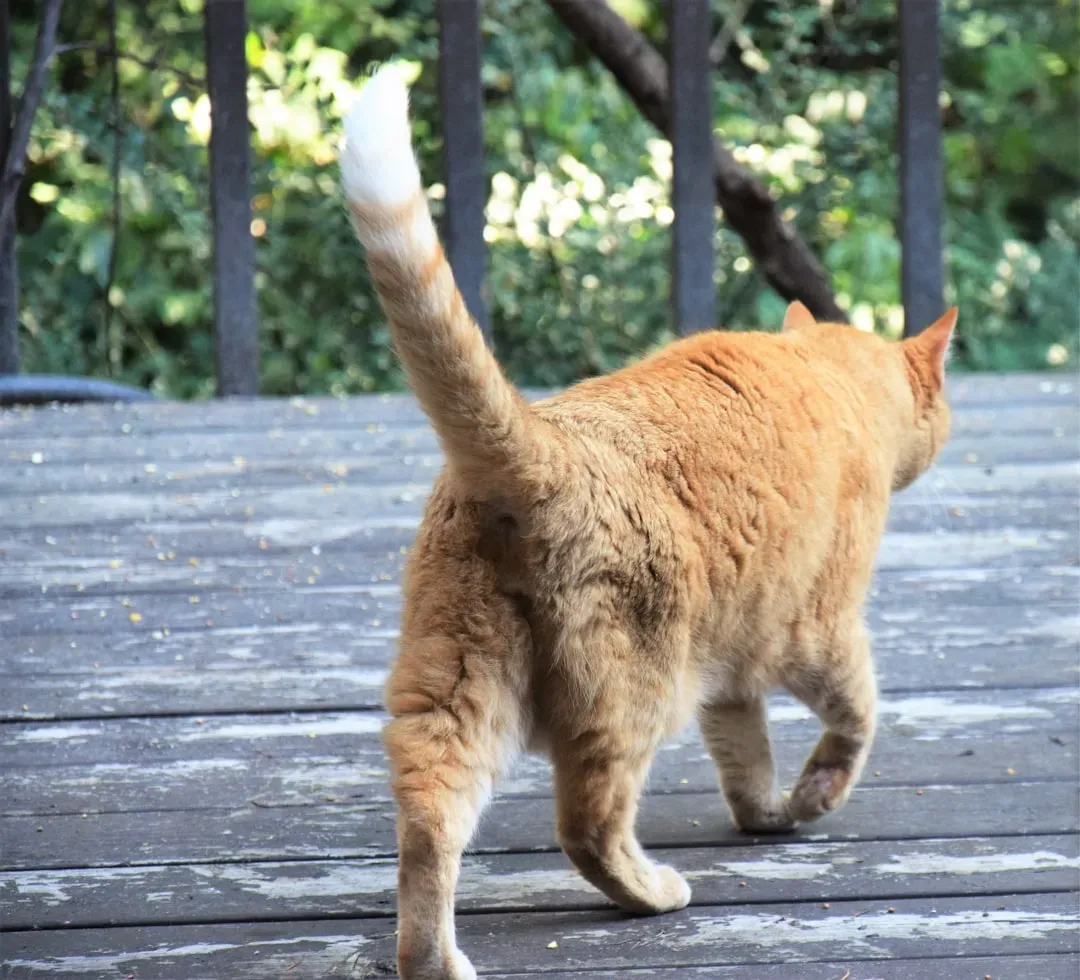
A tail held up is a happy, cheerful cat who is most likely approachable. One of the most reliable signs of a confident cat is a tail lifted vertically, high in the air, which most of the time indicates the cat feels comfortable and open to interaction.
Interestingly, only pets carry their tails up – feral and stray cats let theirs droop, possibly signaling that they’ve successfully charmed a human and are officially taken. That proud, upright tail is your cat’s way of broadcasting confidence and friendliness to the world.
Combining the Signals: The Whole Picture Matters
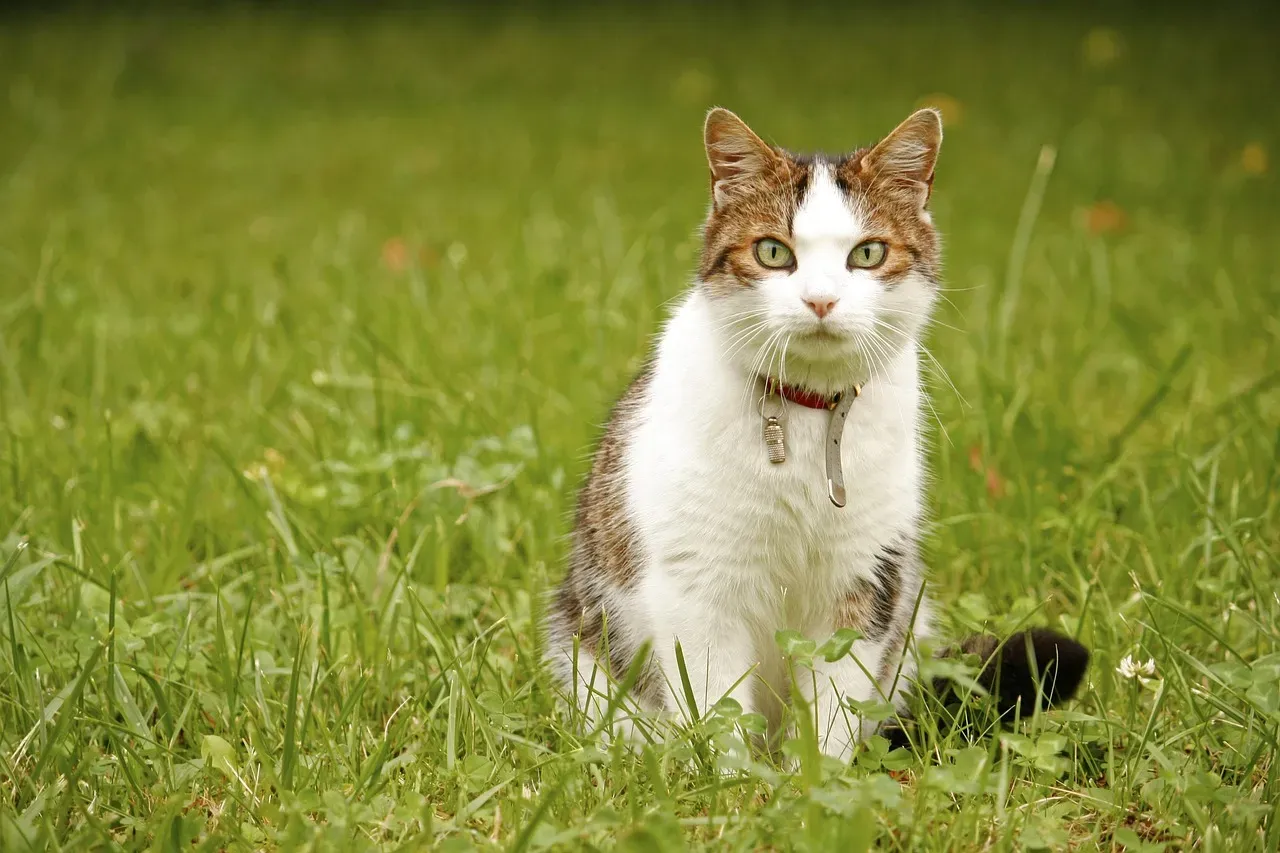
Cats rarely communicate with just one signal; instead, they combine ears, eyes, tails, and posture into a full message. For example, forward ears plus upright tail plus slow blink equals a relaxed, friendly cat, while pinned ears plus dilated pupils plus lashing tail equals agitation and it’s time to give space.
A cat’s body language and behaviors should be looked at as part of a single big picture; by using the context of the entire situation and looking for subtle cues, you’ll have an excellent chance at understanding your feline friends. Don’t focus on just one element. Your cat is speaking in full sentences, not single words.
Conclusion
Understanding your cat’s body language transforms your relationship from guesswork to genuine communication. These twelve cues represent just the beginning of what your feline friend is telling you every single day. Pay attention to the ears, tail, whiskers, eyes, and overall posture working together.
The more you practice reading these signals, the better you’ll become at anticipating your cat’s needs and responding appropriately. You’ll know when to play, when to pet, and most importantly, when to back off. What signal does your cat use most often that you never noticed before? Share your observations in the comments.
Kristina is a young writer from India. An arts graduate and an avid content creator, Kristina is passionate about animals and wildlife. She enjoys exploring topics related to pet care, animal behavior, conservation, and nature, combining thorough research with engaging storytelling.