Have you ever watched your cat turn up their nose at a meal they devoured just yesterday? Maybe you’ve opened three different cans of food only to see them walk away with a tail flick of disapproval. Let’s be real, mealtime with cats can feel like navigating a restaurant critique from a particularly demanding food critic. Your feline companion seems to have opinions about everything, from the temperature of their food to whether it’s arranged properly in the bowl.
Here’s the thing, though. Your cat’s eating behavior isn’t just about being difficult. There’s a fascinating mix of biology, psychology, and pure instinct at play. Understanding what makes your cat tick when it comes to food can transform those frustrating mealtimes into smoother, happier experiences for both of you. So let’s get started.
The Wild Side of Domestic Dining
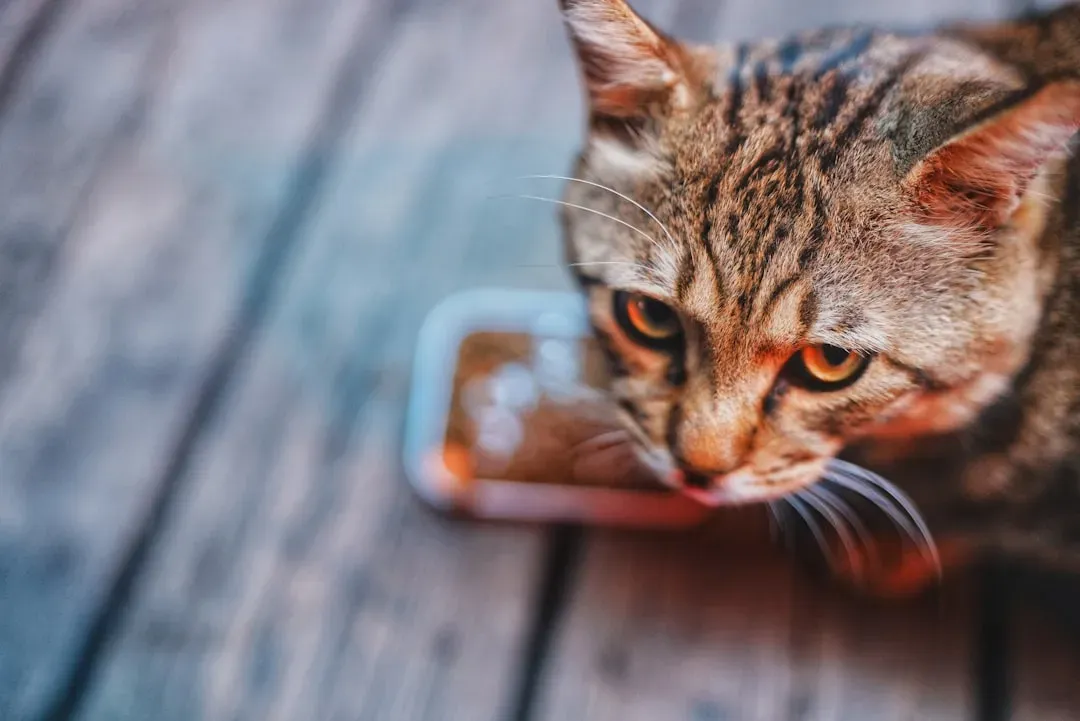
Your cat’s pickiness often traces back to how their wild ancestors hunted and consumed prey, with wild cats typically subsisting on small, frequent meals of smaller mammals caught during dawn and dusk. Think about it this way: in nature, your cat wouldn’t be sitting down to two large meals a day like we do. They’d be catching mice, birds, and other small critters throughout the day, eating numerous tiny portions.
Fresh prey is usually warm when consumed, so your cat may prefer her food warmed up, whether that’s wet food heated to body temperature or dry food moistened with a bit of warm water. This explains why cold food straight from the fridge often gets rejected. What cats are fed as young kittens, both through mother’s milk and early solids, may lead to lifelong preferences. Your cat’s early experiences are shaping their adult tastes in ways you might not realize.
The Science Behind That Selective Palate
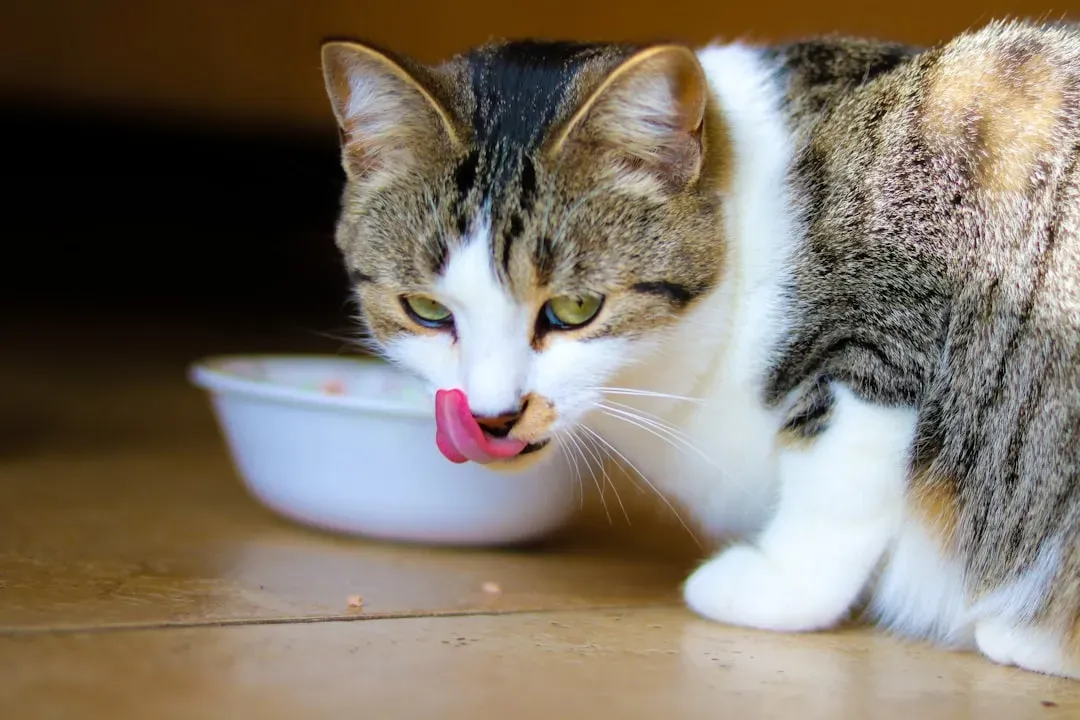
Cats have less than 500 taste buds, while the average human has over 9,000. It sounds crazy, but your cat actually tastes less than you do. Cats do not even have the ability to taste sweet. So why are they so particular? Cats definitely use their sense of smell to select a food.
Their noses are doing most of the heavy lifting. Cats have a sense of smell 14 times stronger than a human, so smell is a big factor when it comes to cats enjoying their food. Given the choice between one food with an attractive odor and another without, the cats ate the former without even bothering to taste the latter choice. I think this explains why warming up food works so well. The aroma intensifies, triggering their appetite.
When Your Cat Becomes the Chef’s Critic
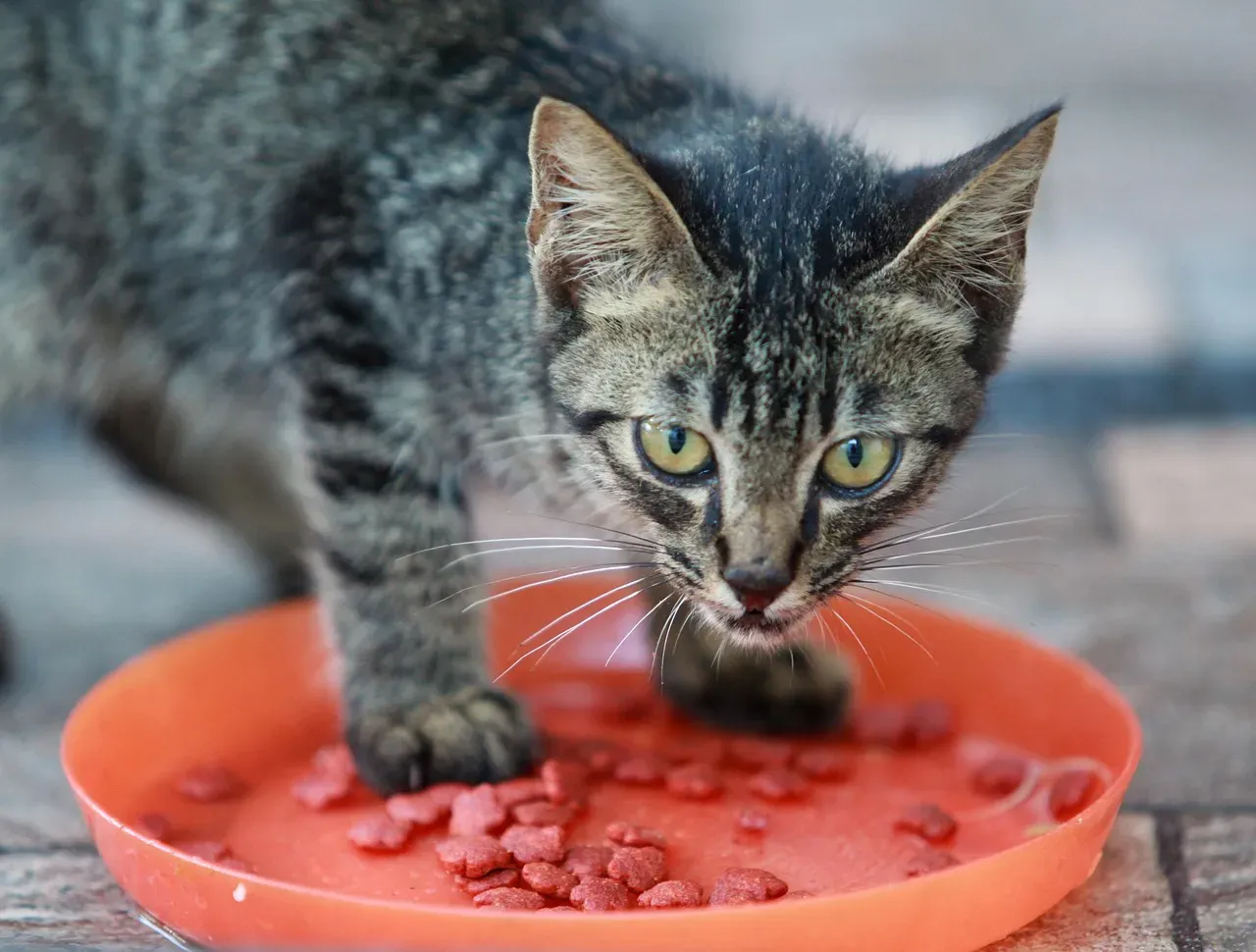
In reality though, finicky eaters are made and not born. Honestly, many cat owners accidentally create picky eaters without realizing it. A lot of feline finickiness is taught to cats by their owners, who stock up on a variety of foods trying different ones with each meal, and if a cat walks away from a particular brand the owner immediately opens another can. Sound familiar?
Feeding table scraps is another reason finicky eating can occur, as why would a cat want to eat her bowl of boring cat food after sampling some fried chicken or grilled salmon. Once your cat knows there are better options available, regular food loses its appeal. Your cat isn’t starving, she’s just using her charms to get what she wants, and you may have to put up with a couple weeks of complaining.
Medical Mysteries Behind Mealtime Refusals
Before you label your cat as simply fussy, rule out health issues. If your cat has suddenly become a picky eater, most of the time there’s a medical reason, including kidney disease, gastrointestinal issues, dental disease, limb pain, respiratory infections, and heart disease. Any sudden change in eating habits deserves attention.
Cats with dental disease may have mouth pain that prevents them from wanting to pick up and crush kibble with their teeth. Cats with nasal congestion may have a lower desire to eat because they may not smell their food as well, and the aroma of food can be important for stimulating appetite. If your cat has stopped eating altogether, a veterinary visit is of the utmost importance because if she goes more than a couple of days without eating she is at risk for developing hepatic lipidosis. This is serious stuff. The liver can start accumulating fatty deposits, creating a life-threatening situation.
The Bowl, the Location, and the Vibe
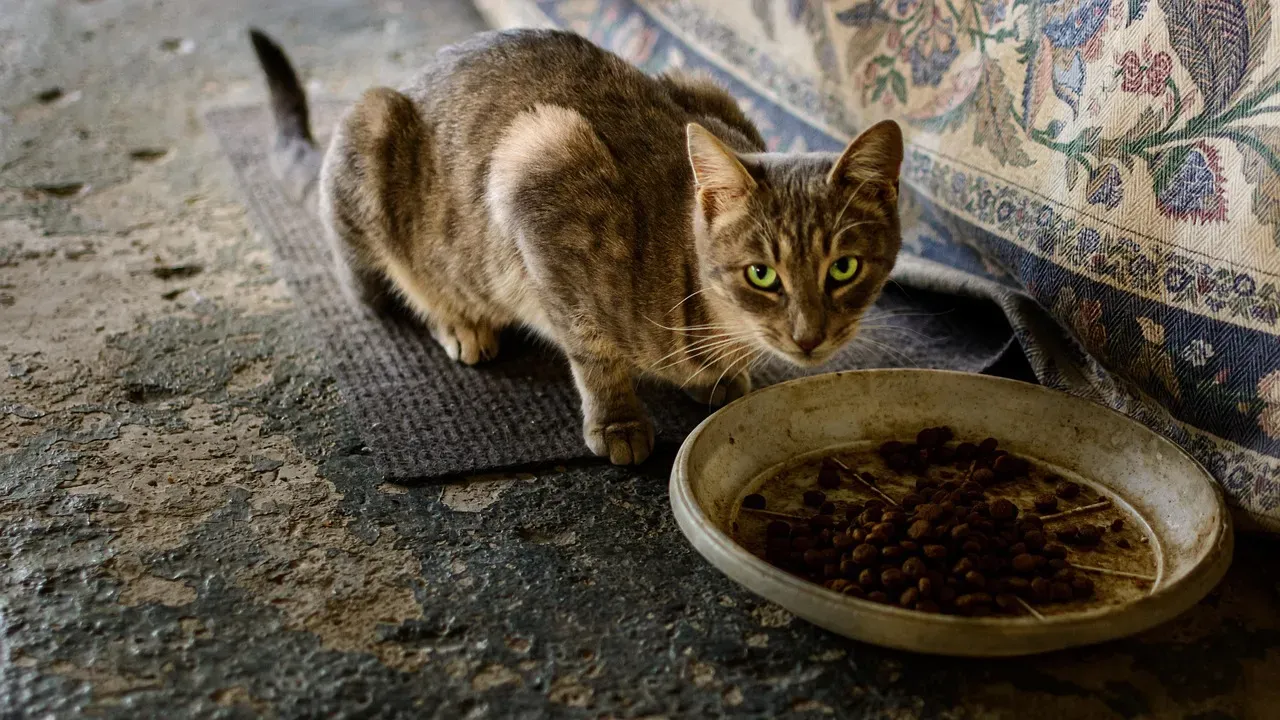
Finicky eating can be the result of conditions surrounding the feeding station, as if you merely add more food into an already dirty bowl it can discourage your cat from eating. Think about it from their perspective. You wouldn’t want to eat off a dirty plate either. If you are in the habit of just topping up their bowl, the bowl could be filled with crusty or stale food and be dirty with your cat’s saliva.
A cat may also become finicky about meals if the bowl creates discomfort or makes her feel vulnerable, as many cats don’t like the discomfort of having their whiskers squished when eating due to a small, deep food bowl. Each cat needs their own food dish with several feet between cats who are eating, and make sure your cat feels safe eating by ensuring they can see around them. Your cat wants to feel secure, not ambushed.
Temperature Tantrums and Texture Troubles
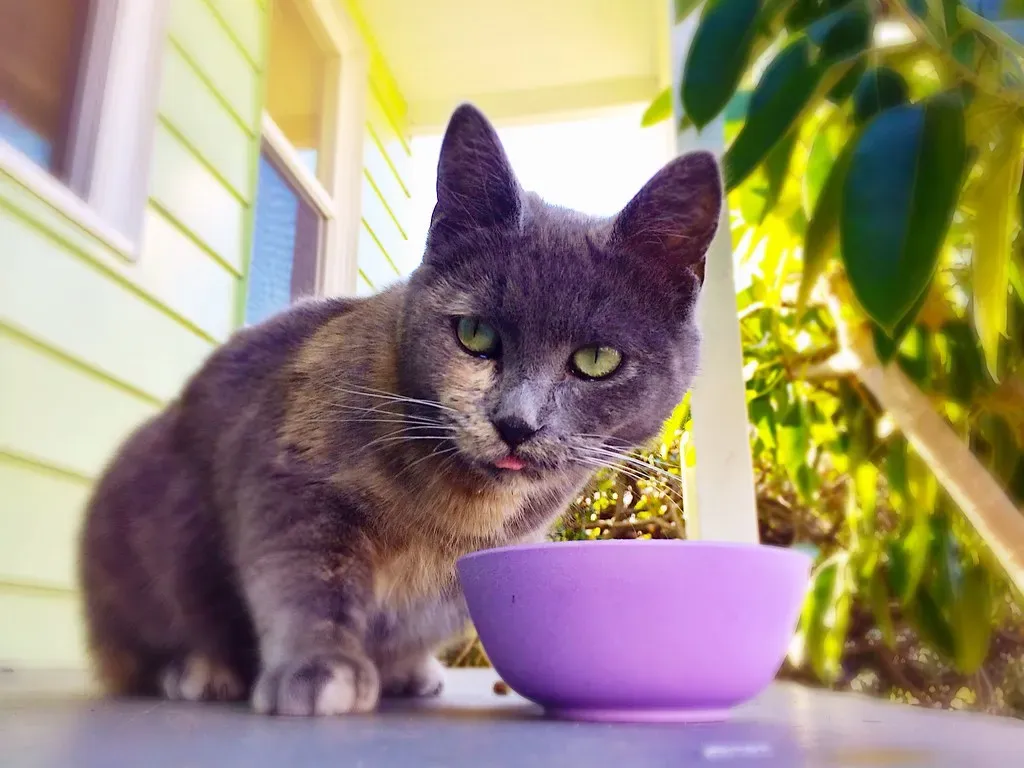
Food served directly from the refrigerator is very unappealing, as cats rely on their noses to tell them whether food is fresh, and cold food has little scent and can also be upsetting to the stomach. A quick zap in the microwave for roughly ten seconds can completely change your cat’s attitude toward their meal.
If your cat eats wet food, she may prefer some textures over others, and if she’s been eating mostly pâté, she may be more interested in stews, morsels, or strips. The texture of food is another consideration, as cats’ teeth evolved to rip and tear at their prey not to grind it, which might be why some cats prefer canned moist chunks and shreds, though many kitties respond best to a pate-style wet food. Each cat has their own texture preference, like we prefer certain food consistencies.
The Stress Factor at Feeding Time
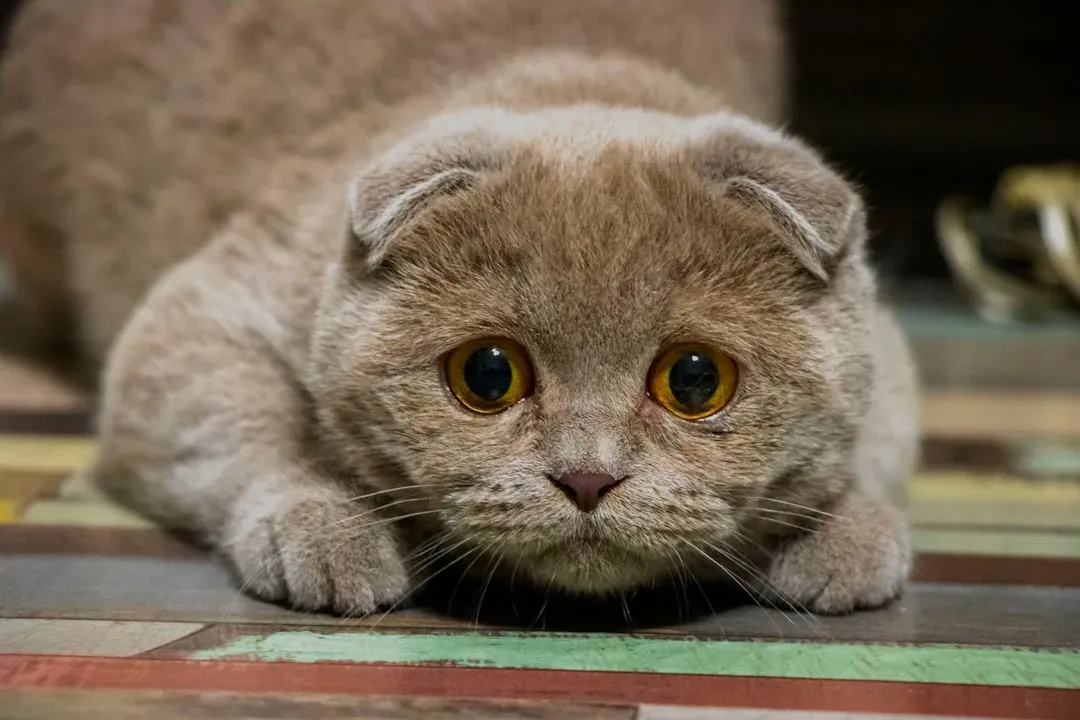
Cats are cautious creatures, so any deviation from their usual routine or diet can make them highly suspicious and cause them to avoid their food, and they may become anxious and develop picky eating habits with changes in routine. Moving homes, new pets, even rearranging furniture can throw off your cat’s appetite.
Your fussy cat might just be moody, as a new pet, a loud noise, or a change in schedule can throw off their eating game, and some kitties link certain foods with bad experiences. Cats that were eating a particular food during an illness or a time of stress may avoid that food in the future because of negative associations. They remember bad experiences surprisingly well.
Natural Grazing Versus Scheduled Meals
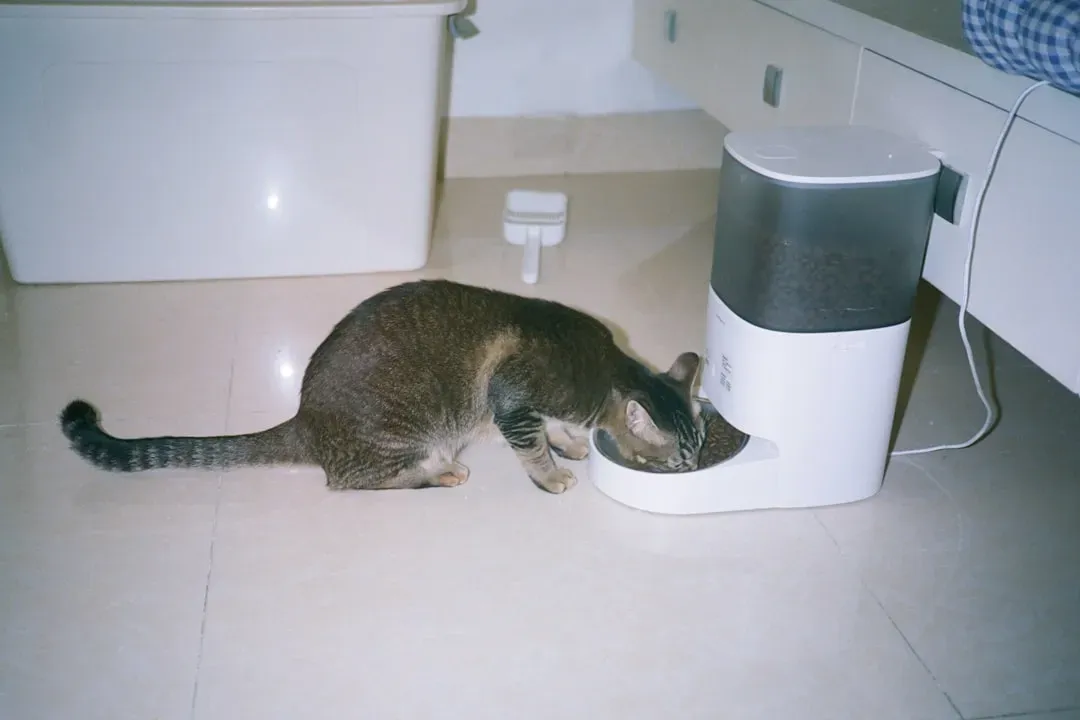
When allowed to choose their own feeding patterns, cats tend to eat between roughly 8 and 16 meals a day. That’s a lot of mini meals. If left to their own devices, cats will eat 10-20 small meals per day. Yet most of us feed once or twice daily. Is your cat actually finicky or just eating according to their natural rhythm?
Many cats are nibblers and prefer to have a mouthful of food now and again, and just because she doesn’t eat the whole bowl right away doesn’t mean she doesn’t like the food. For this reason, two meals per day is ideal for your cat. Finding the balance between natural instincts and practical feeding schedules takes some experimentation. Some cats do better with free feeding, while others need scheduled mealtimes to avoid overeating.
Age Changes Everything
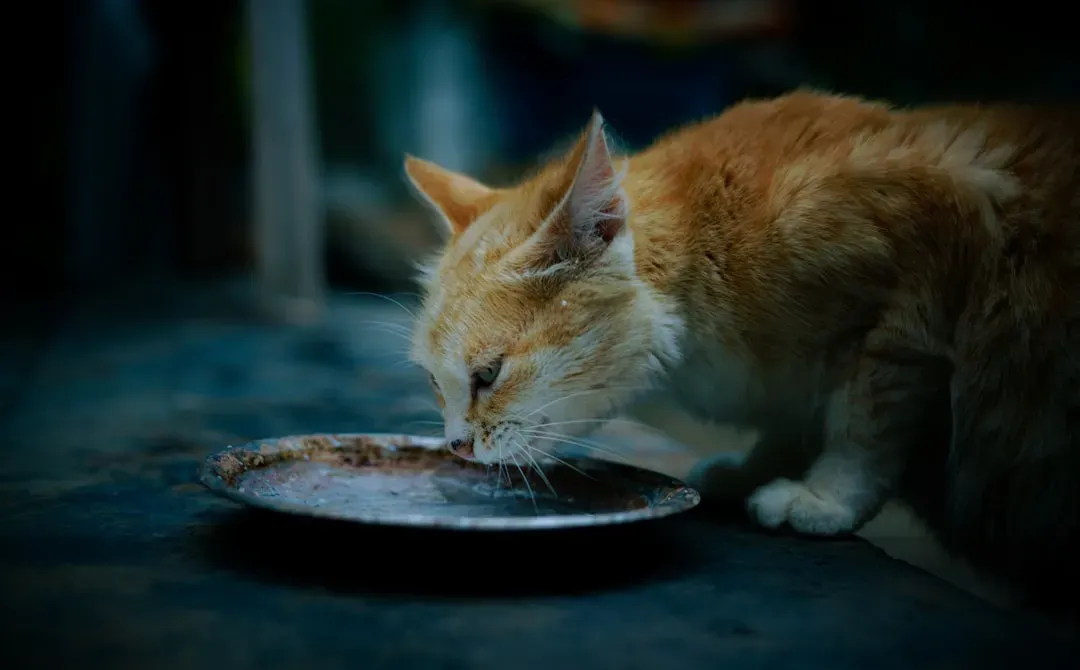
Your kitten might scarf down anything, but older cats can get selective, as age can mess with your kitty’s appetite, making them finicky about texture, flavor, and smell. Senior cats face unique challenges. Their senses dull over time, making food less appealing.
Arthritis pain in older cats may make them less willing to get up to eat. Senior cats may be especially picky due to general health decline and weaker smell receptors. Adjusting food temperature, texture, and bowl placement becomes even more important as your cat ages. You might need to bring the food to them rather than expecting them to travel to their usual feeding spot.
Breaking the Picky Eating Cycle
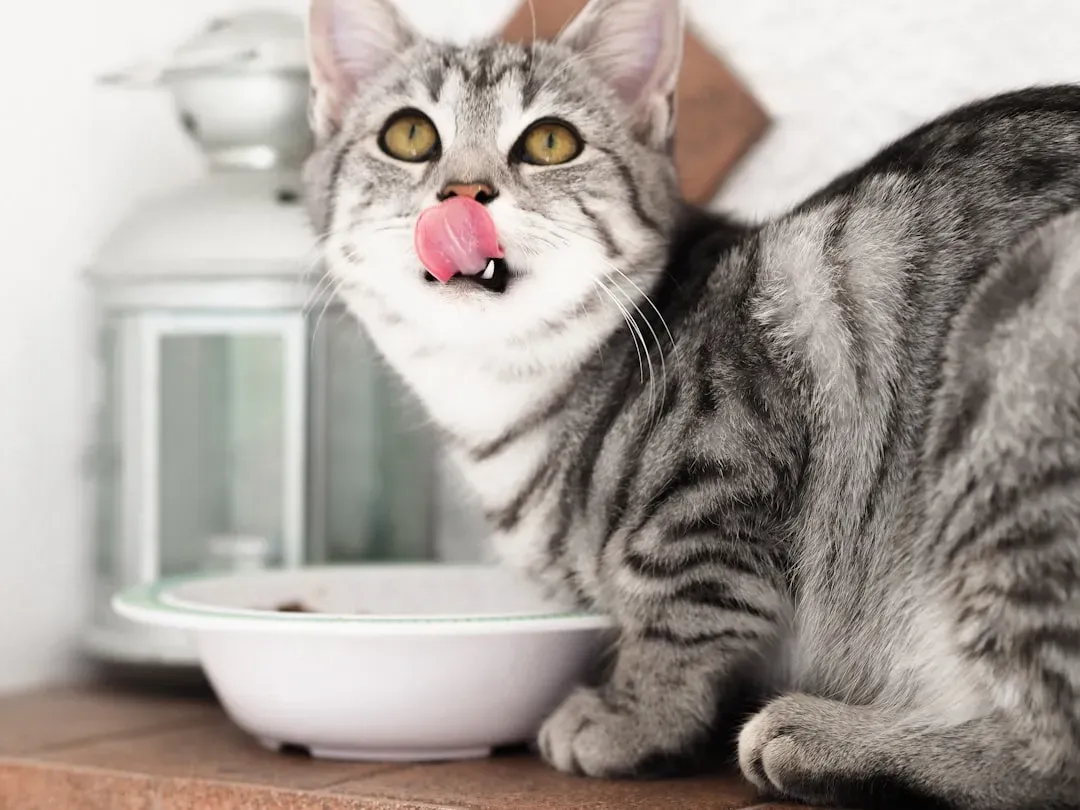
If you’ve created a monster at mealtime, there’s hope. Try the 20-minutes-and-up method by putting down food you know the cat has eaten before, waiting 20 minutes, then picking up the food and not giving any other food until the next meal. It sounds harsh, but it works. Be prepared for an all-out tantrum by your cat with loud meowing and attempts to steal food, but be strong and don’t cheat to try to appease her.
One of the most common reasons a cat develops finicky eating syndrome has to do with making sudden changes in the food, and while variety is helpful, abrupt changes can be upsetting to the digestive system. For a cat who will eat one day and then turns up its nose the next, rotating foods can be the solution, though you will become a good customer of all those tiny expensive cans of cat food. Gradual transitions are key to success.
Simple Tricks That Actually Work
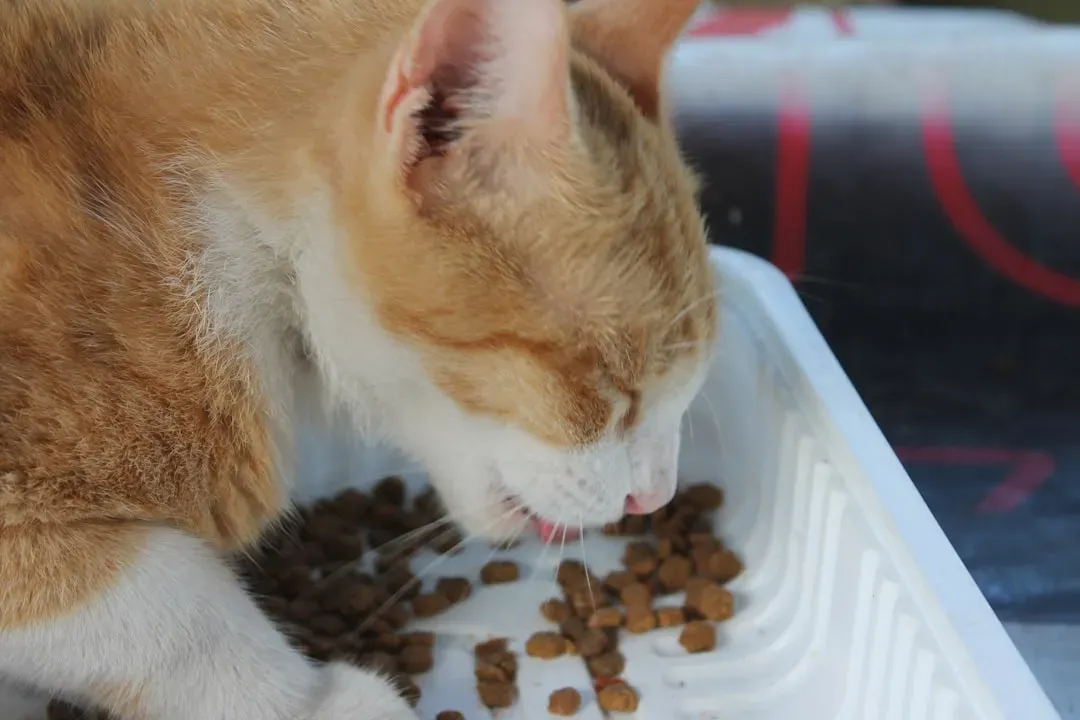
Sometimes the smallest changes make the biggest difference. Bone broth is like liquid gold for picky cats, as pouring a little over dry kibble or mixing it with canned food adds flavor and moisture, smells amazing, and can make bland meals way more appealing. Think of it as a sauce for their food.
Try using a food topper for picky cats that are disinterested in their usual food, such as crumbling small amounts of freeze-dried or air-dried treats onto the canned food, or other suggestions like cheese, unsalted bacon, crushed-up kibble, or bonito flakes. I know it sounds like you’re spoiling them, but strategic topping can revive interest in regular meals. Just don’t overdo it, or you’ll create a new problem.
Your cat’s eating quirks aren’t just random acts of defiance. They’re complex behaviors rooted in evolution, biology, personal preference, and sometimes health concerns. Whether your feline friend is a foodie who devours everything or a finicky eater who makes you work for every bite, understanding the why behind their behavior helps you respond with patience rather than frustration. Pay attention to sudden changes, keep their feeding area clean and comfortable, and remember that variety introduced gradually can prevent boredom without creating a demanding diva. What surprising mealtime behavior does your cat display? Share your experiences in the comments below.