You’ve seen your cat do something bizarre. Maybe it was racing around the house like a maniac at two in the morning, or perhaps bringing you a dead mouse at dawn, looking proud as can be. These moments make you wonder what on earth goes through their furry little heads. Here’s the thing, though – every single one of those odd behaviors actually serves a purpose. Cats aren’t just being weird for the sake of it.
They’re hardwired with instincts passed down from wild ancestors, survival tactics mixed with affection, and communication methods we’re only beginning to understand. From the gentle headbutt that wakes you up to the chattering jaw as they stare at birds, your cat is speaking a language all its own.
The Midnight Madness Called Zoomies
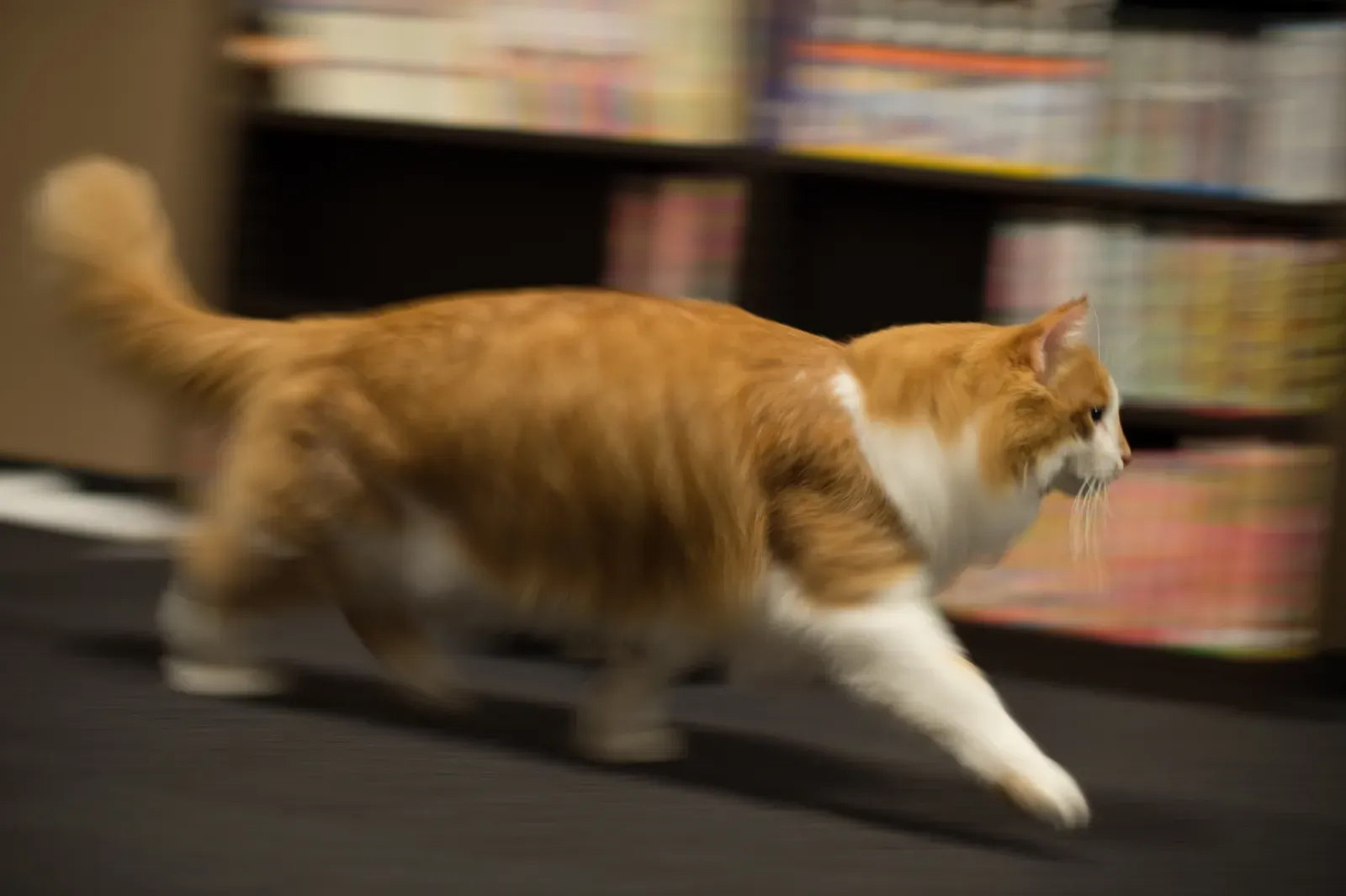
You might know them as zoomies, though scientists call them frenetic random activity periods (FRAPs), and they’re completely normal feline behavior. Picture this: your cat has been napping for hours, and suddenly they bolt across the living room like they’ve been possessed. These playful bursts often happen when a cat has been inactive and suddenly feels energized, with relaxed body language like ears forward and tail upright.
Just like humans need to move after sitting too long, cats need to release pent-up energy – and zoomies provide the perfect outlet. Think about it: indoor cats don’t have to hunt for survival anymore, so all that predator energy has to go somewhere. Most of the time cats get the zoomies when they are playing or practicing their hunting instincts, which means that a cat with the zoomies is usually a healthy and happy cat.
That Strange Chattering at Windows
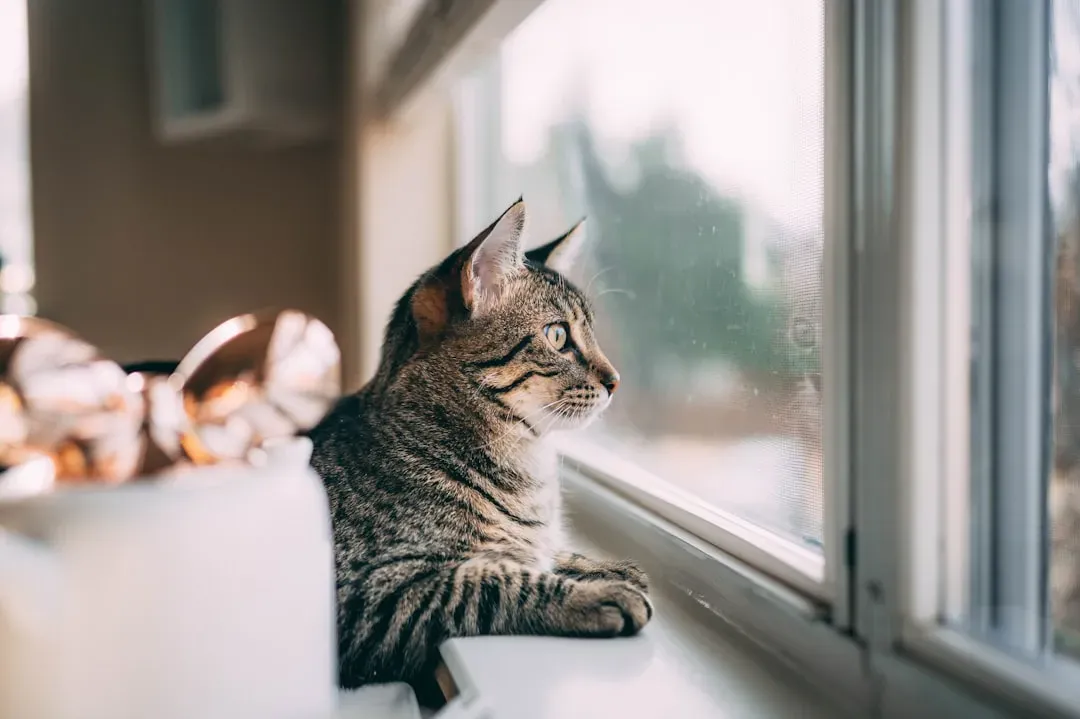
You’ve probably heard your cat emit a fast and intense teeth chattering, especially when they spot a bird while gazing out of a window, and behaviorists speculate that this is because your cat is frustrated that they cannot get outside to hunt prey. It sounds almost mechanical, doesn’t it? Like their jaw has suddenly developed a mind of its own.
Chattering is an instinctive behavior that’s thought to mimic the kill bite cats use on prey, and when your indoor cat sees a bird or squirrel outside, this instinct kicks in – frustration follows because they can’t catch it. Some experts believe it could even be the jaw muscles preparing for a hunting motion. Honestly, it’s both fascinating and a little bit heartbreaking to watch your indoor hunter practice a skill they’ll never really need.
The Headbutt That Says I Love You
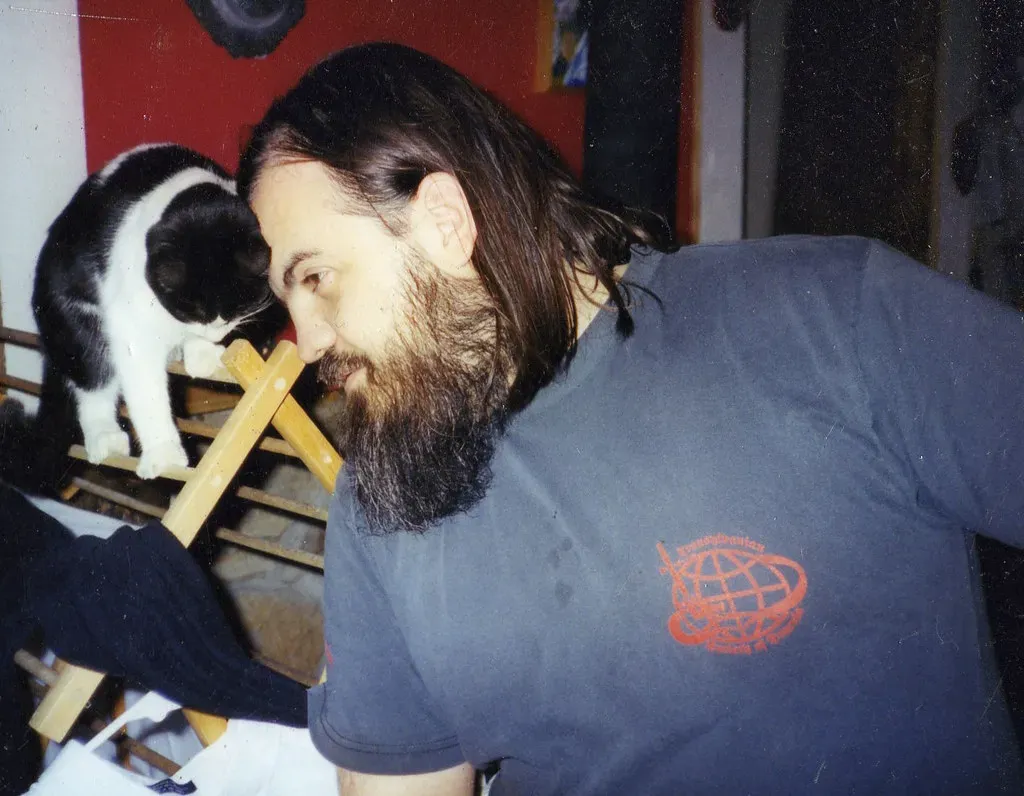
Headbutting is typically a way for cats to mark you with pheromones and bond with you, though sometimes it can also be a way for cats to seek attention. Your cat isn’t trying to knock you out when they bash their forehead into yours at six in the morning. Cats have glands on their cheeks, forehead, and chin that contain pheromones, and when a cat headbutts you, they are rubbing pheromones on you from glands located just in front of their ears.
They engage in this behavior to help create a colony scent, using some of their scent glands located in their cheeks, lips, forehead, flanks, paw pads and tail to leave their scent on you or another object. It’s their way of saying you belong to their group. You’re family. Let’s be real, there are worse ways to be woken up than with a declaration of feline love.
Making Biscuits on Your Lap
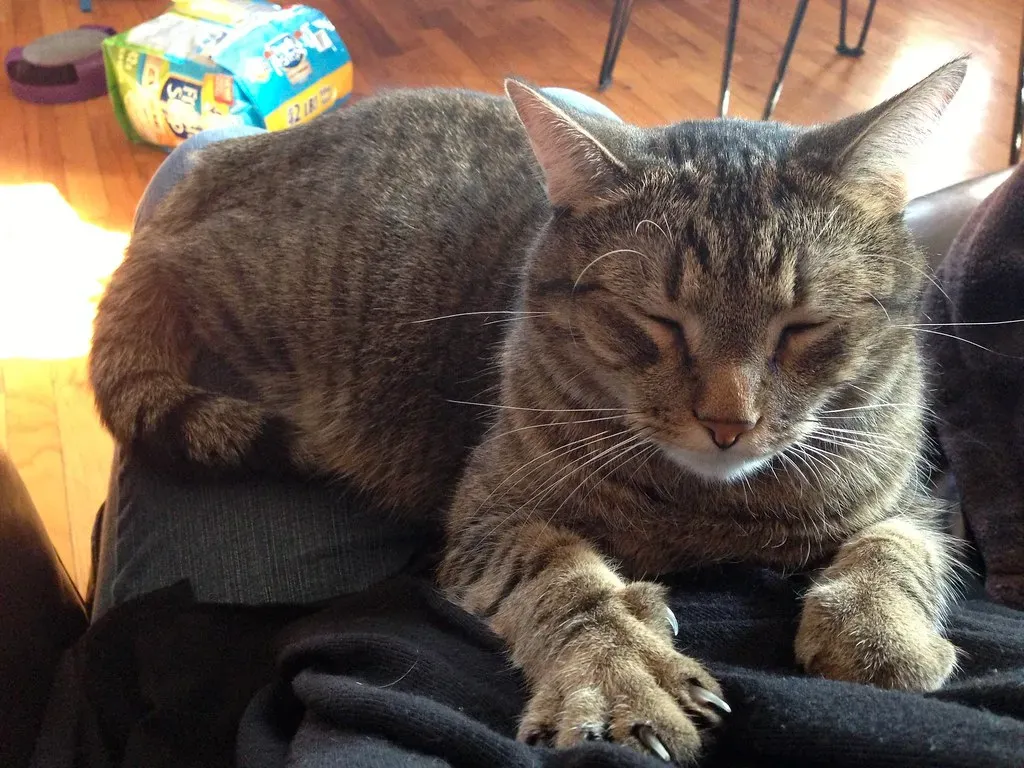
Kneading is when your cat rhythmically pushes its paws against a soft surface, and this behavior originates in kittenhood when nursing kittens knead their mother’s belly to help with milk flow, though cats can also continue this behavior as a sign of comfort and affection. The motion is hypnotic to watch, even when those claws dig in a bit too enthusiastically. Scientists who study cat behavior call this distinctive paw action kneading and believe it to be a sign of a relaxed cat.
Kneading usually means the cat feels happy, friendly and safe, though occasionally injured cats will knead and purr, which experts think may be an attempt to self-soothe. Kneading stretches a cat’s muscles and activates scent glands in its paws, which can be a friendly way for the animal to stake its claim on a favorite human or sleeping spot. So when your cat is making biscuits on your stomach, they’re not just being cute – they’re marking you as theirs.
The Gift of Dead Things
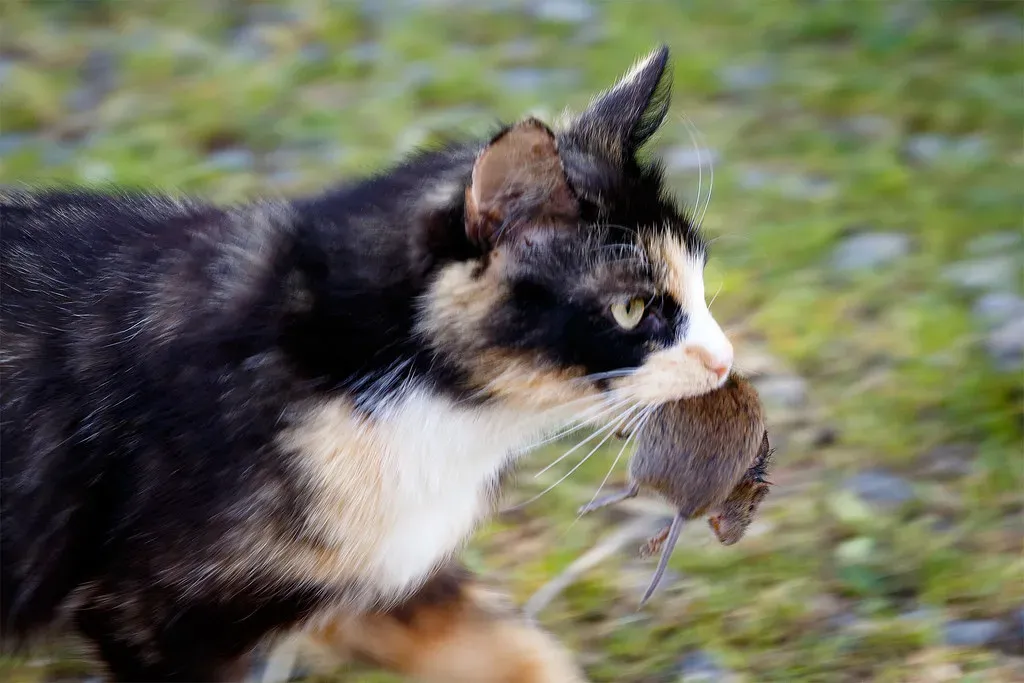
Cats have an innate hunting instinct, which can sometimes manifest in them bringing their humans dead birds, rodents, or bugs, and this behavior is a way for cats to show their affection and regard their human family as part of their pack. I know it sounds crazy, but your cat thinks they’re doing you a favor. Behaviorists have a few theories on why your cat is persistent in bringing you their kills – even though this habit may be perceived as a gross one, your kitty is acknowledging you as a member of their group and is sharing their hunting success with you.
They could be thanking you for taking care of them, or perhaps you pay more attention to them when they generously bring you rodents, birds, or insects. Some experts think mother cats also bring prey to teach their young. Your cat might see you as a rather inept hunter who needs help. It’s oddly touching when you think about it that way, even if the reality is finding a dead mouse on your pillow.
Rubbing Against Everything Including Your Legs
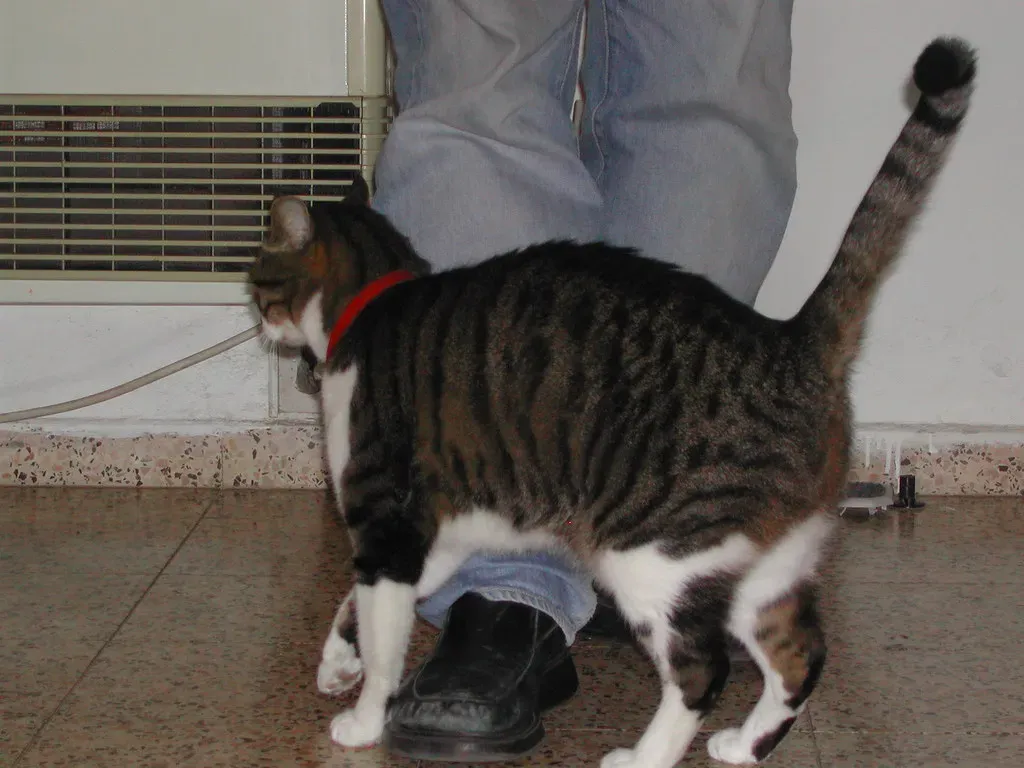
They’re marking their territory when they rub against you, and cats have scent glands on their face that deposit unique identifying odors on objects they rub against – when they rub against you they are affirming that you are part of their family. Every time your cat weaves between your legs while you’re trying to cook dinner, they’re basically signing you with an invisible autograph.
When your cat approaches you and rubs their face from nose to ear on your leg, arm or face, it means they like you and are happy to see you – cats have scent glands in their faces, and when they rub against you, it is an act of greeting and co-mingling scents with you. They do this with furniture too, creating a map of familiar scents throughout your home. It’s their way of making the space feel safe and recognizably theirs.
Showing You Their Belly
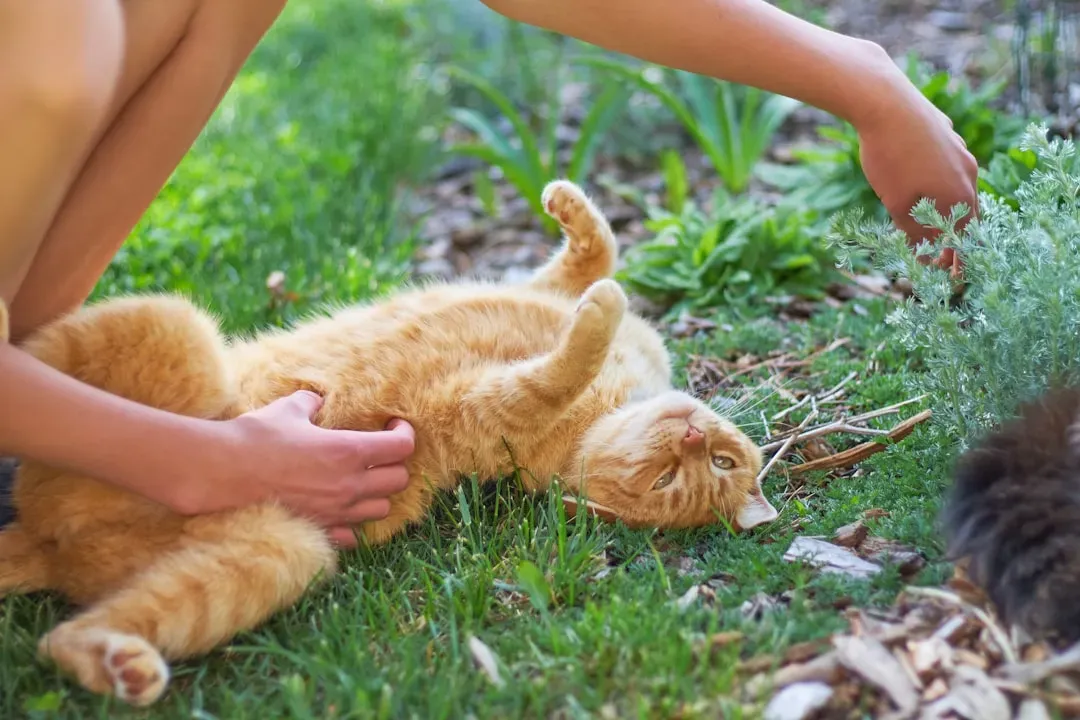
One of the most confusing cat behaviors is when they roll onto their backs and expose their bellies, and many people assume this is an invitation for belly rubs, but it’s actually a deep showing of trust – if a cat shows you its belly, it means that it is comfortable around you. This is a trap so many cat owners fall into. Cats know their stomachs are their most vulnerable areas, which is why they guard them so fiercely, so by exposing her stomach to you, she’s saying she is comfortable with you and trusts you.
Rolling around on their back leaves them in a vulnerable position, so if fluffy is doing this in front of you, take it as a compliment – they feel safe around you and you have earned their trust, and a roll on the floor means that they’re trying to engage you in a little play time. Still, reaching for that fluffy belly might earn you a swift batting with claws. Some gifts are meant to be admired from a distance.
The Slow Blink of Affection
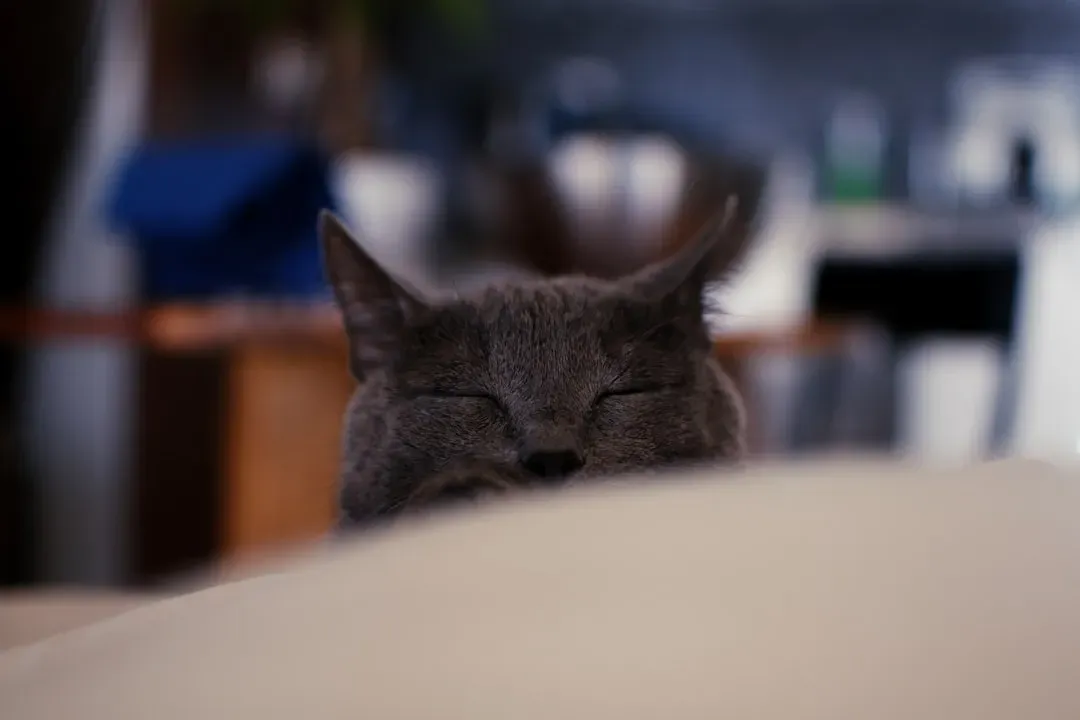
Have you ever noticed your kitty slowly blinking at you – behaviorists call this act kitty kisses, which are your feline’s way of showing affection and telling you that they like and trust you, and if you blink slowly back at them, they most likely will continue to blow kitty kisses your way. It’s like a secret handshake, only with eyelids. In a study, the cat behavior of several half-blinks followed by a prolonged eye narrowing or eye closure was found to be a positive emotional response, and when a familiar human slow-blinks towards a cat, the cat tends to approach the human more frequently than if the human has a neutral expression that avoids eye contact.
This might share features with genuine human smiles. Next time your cat gives you the slow blink from across the room, try returning it. You might just have a moment of real connection. It’s one of the quieter, subtler ways cats communicate love.
Why Cats Purr Even When They’re Not Happy
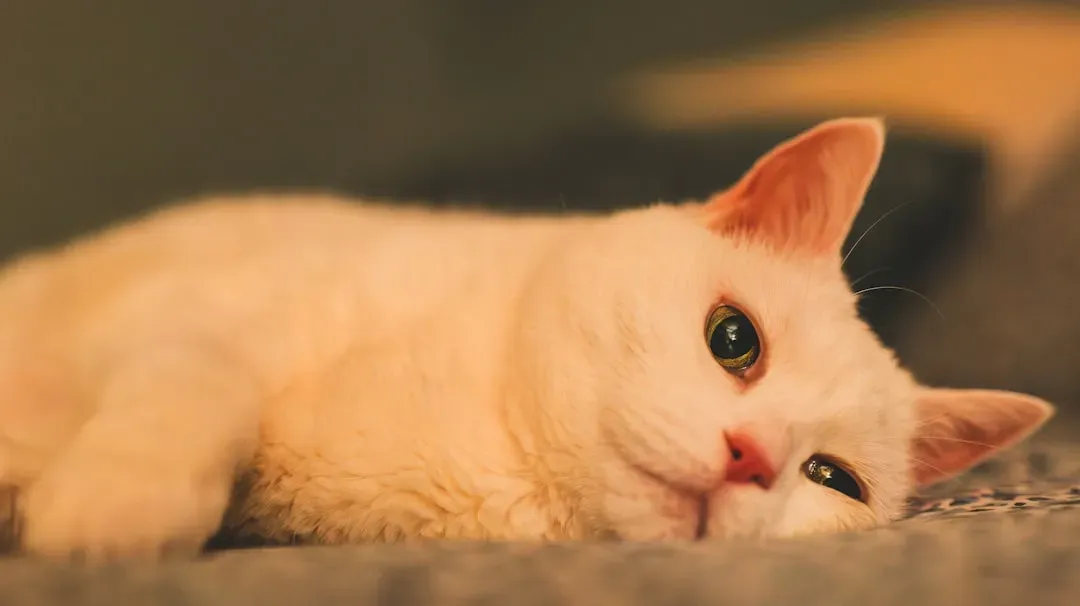
Purring has many different meanings – cats often purr when they’re feeling relaxed, but they may also purr to self-soothe if they are feeling stressed or are injured. Most people think purring only happens when a cat is content, curled up on a lap in pure bliss. Purring is commonly associated with relaxation and contentment in cats, as they purr during activities such as eating and resting, as well as when they are experiencing stress, pain, or illness.
When kittens are born, mama cats purr, creating a vibration to guide kittens to mom’s nipple to nurse, and cats will also purr to socialize with other cats and communicate with their owners that they want something. The vibrations might even have healing properties for bone density and pain management. So purring isn’t just a one-note song of happiness – it’s a complex tool cats use for comfort, communication, and maybe even self-healing.
Staring at Absolutely Nothing
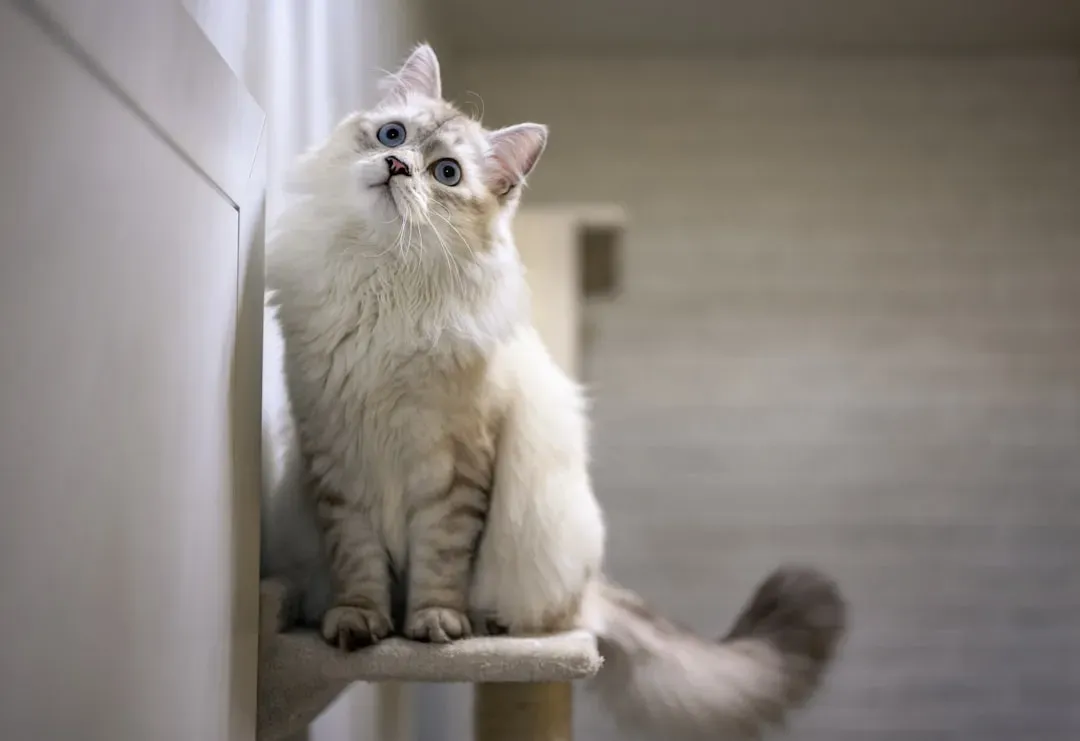
Some cats stare at objects or animals because they are experiencing intense curiosity or excitement, but it can also be interpreted as apprehension or caution – when cats stare like this for long periods and suddenly dart away quickly, it’s usually because they track a bug or some other small animal movement. You’ll be sitting there reading, and suddenly your cat is laser-focused on a blank wall. Sometimes cats stare into ambivalent nothingness, and experts believe that this means your kitty is simply relaxed or contented in a trance-like state.
Their senses pick up things we can’t – tiny vibrations, sounds beyond our hearing range, maybe even dust particles floating in a beam of light. What looks like nothing to us might be an entire world of stimulation to your cat. Occasionally people joke about cats seeing ghosts, though the reality is probably far less supernatural and far more about their incredible sensory abilities.
The Truth Behind Every Quirk
According to experts, many of these behaviors have a purpose. Your cat isn’t just being random or difficult. Every whisker twitch, tail flick, or sudden pounce has meaning, as cats communicate through body language, vocalizations, and instinct-driven actions. Understanding these behaviors helps you connect with your cat on a deeper level.
You can better understand your furry friend by paying attention to their vocalizations, body postures and daily routines, and in time, you may become so attuned to your kitty’s personality and habits that you’re able to detect subtle changes in their mood and even recognize health problems before physical signs of illness appear. So the next time your cat does something that makes you shake your head in confusion, remember there’s probably an excellent reason behind it – even if that reason is simply burning off energy or telling you they love you in their own peculiar way. What do you think about your cat’s strangest behavior? Have you noticed any patterns that finally make sense now?
Kristina is a young writer from India. An arts graduate and an avid content creator, Kristina is passionate about animals and wildlife. She enjoys exploring topics related to pet care, animal behavior, conservation, and nature, combining thorough research with engaging storytelling.