Generations of cat lovers have grappled with enduring stereotypes, painting felines as remote loners or spiteful actors, which often clouds the path to stronger companionship.
Challenging the Aloof Loner Image
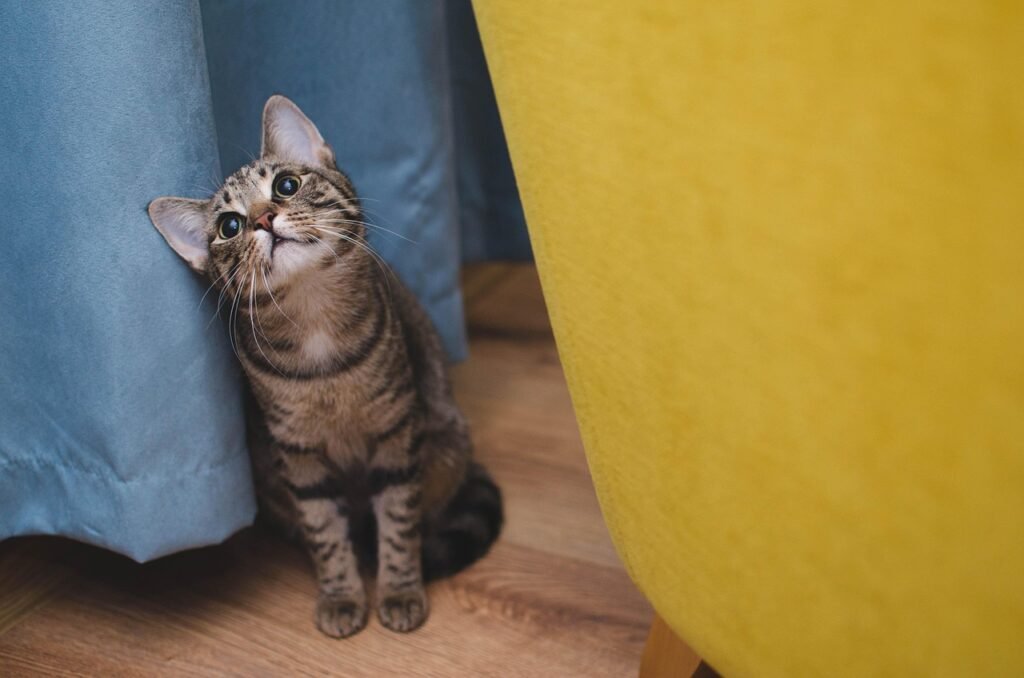
Owners frequently view cats as self-sufficient creatures that prefer solitude over interaction. In reality, many cats develop strong attachments to their people and suffer from separation anxiety when left alone for extended periods.
Symptoms include inappropriate elimination outside the litter box, excessive vocalizing, or destructive actions upon return. Providing daily play and environmental enrichment helps mitigate these issues and fosters contentment.
Another outdated notion holds that cats pose risks to infants by suffocating them in cribs. No verified cases support this urban legend; supervised interactions allow safe bonding between cats and babies.
Decoding Vocalizations and Signals
A common belief suggests purring signals pure happiness in cats. Cats also purr to self-soothe during stress, pain, or illness, making context essential for accurate interpretation.
Body language like exposed bellies often indicates trust rather than an invitation for rubs; petting sensitive areas can provoke defensive scratches. Observe ear position and tail movement for clearer cues.
- Meowing primarily targets humans, conveying needs like hunger or discomfort rather than idle chatter.
- Increased meowing may flag health concerns such as hyperthyroidism.
- Slow blinks serve as affectionate signals between cats and owners.
Unpacking “Problem” Behaviors
Scratching furniture draws blame as deliberate mischief, yet it fulfills natural needs: claw maintenance, territory marking via paw scent glands, and stress relief.
Knocking objects off surfaces stems from hunting instincts, curiosity, or attention-seeking, not revenge. Secure valuables and offer interactive toys to channel energy constructively.
Litter box avoidance rarely reflects rebellion; medical conditions, stress, or unsuitable setups prompt such changes. Veterinary checks precede behavioral tweaks like added boxes or litter variety.
Training and Lifestyle Needs Revealed
Cats resist training, many owners claim, overlooking successes with positive reinforcement techniques. Short sessions using treats teach commands, litter habits, or even leash walking.
Indoor cats demand daily exercise to combat boredom and obesity; 15-minute play bouts mimic hunting and curb night waking. Crepuscular rhythms peak activity at dawn and dusk, aligning play schedules accordingly.
Key Takeaways
- Cats crave social bonds and stimulation, dispelling low-maintenance labels.
- Behaviors like scratching or meowing communicate needs, not malice.
- Training and play enhance welfare and deepen owner-pet connections.
Understanding these myths equips owners to nurture thriving cats attuned to their subtle cues. What cat quirk surprised you most? Share in the comments.
Kristina is a young writer from India. An arts graduate and an avid content creator, Kristina is passionate about animals and wildlife. She enjoys exploring topics related to pet care, animal behavior, conservation, and nature, combining thorough research with engaging storytelling.