You might not have heard of them before, yet these mysterious wild cats once prowled parts of the southern United States. The jaguarundi is one of North America’s most elusive felines, so rare that most wildlife biologists have never encountered one in the wild. Its story is tinged with loss, hope, and the enduring question of whether this cryptic creature still roams American soil at all.
Looking more like a weasel or otter than a typical cat, the jaguarundi occupies a strange place in the American imagination. It’s difficult to imagine wildlife vanishing right from under our noses. Yet that’s exactly what seems to have happened with this small, enigmatic predator in the United States.
Texas: The Former Stronghold
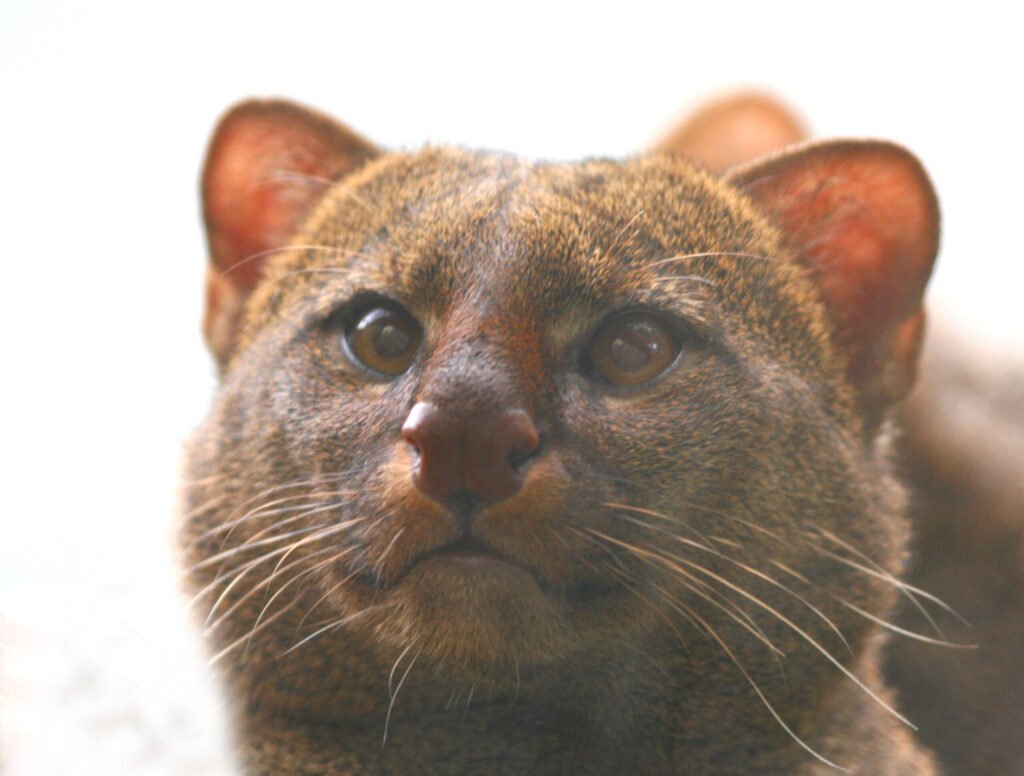
Southern Texas once served as the northernmost range for the Gulf Coast jaguarundi, with the cats inhabiting the dense thorny scrublands of the Rio Grande Valley. In Texas, they lived in the Lower Rio Grande Valley and were once present in Cameron, Hidalgo, Starr, and Willacy Counties. Honestly, it’s hard to believe these animals thrived in the brutal heat and thick vegetation that characterize this corner of the state.
Here’s the thing though. Jaguarundis are now extinct in Texas, according to state wildlife authorities. The last confirmed sighting of a jaguarundi in Texas was in Brownsville in 1986, when a roadkill specimen was found. Despite decades of intensive camera trapping efforts across the region, no verified images or physical evidence has surfaced since then.
The Question of Arizona Presence
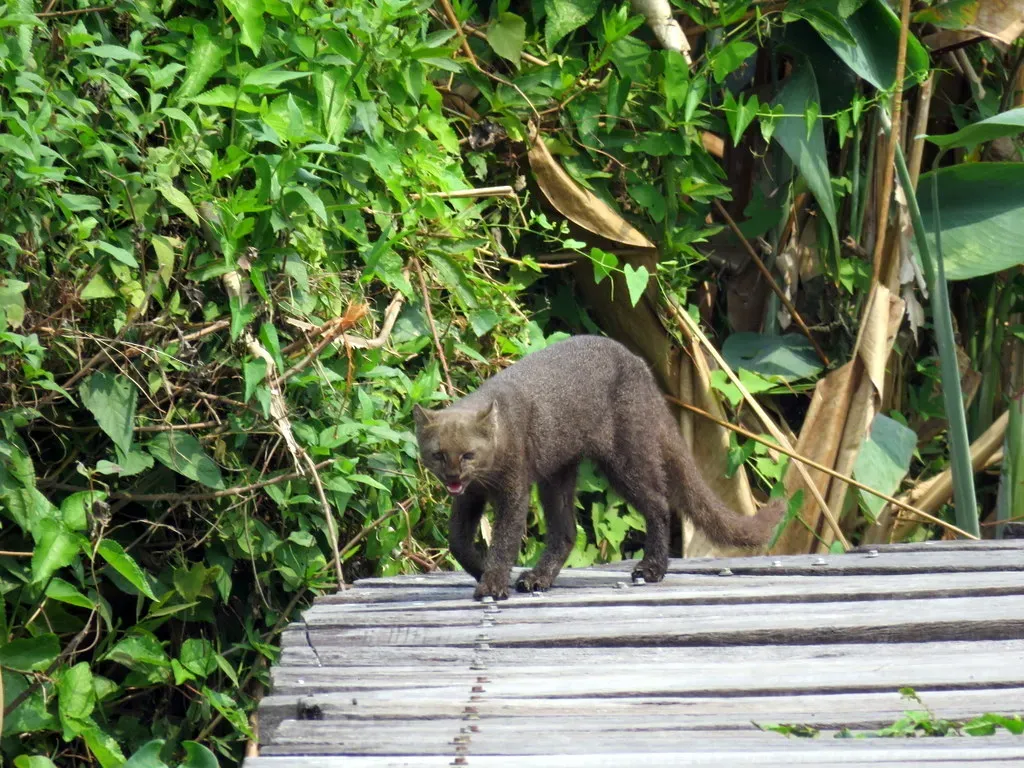
A 1999 study refuted claims of sightings in Arizona, in the Huachuca Mountains in Santa Cruz County, throwing cold water on hopes that jaguarundi might still wander through the state’s sky island ecosystems. The landscape seems perfect for them, yet confirmed evidence remains frustratingly absent. A 2009 study on neotropical cats in the U.S.-Mexico border region identified 51 sightings of jaguarundis in Arizona, including 26 Class 2 (considered credible, though unconfirmed) observations.
Even the closest documented observation of a jaguarundi was hundreds of miles south of the Arizona-Sonora border. Wildlife cameras across Arizona have captured images of jaguars, ocelots, and numerous other species over the years, yet no definitive jaguarundi photograph has emerged. The mystery deepens when you consider that dozens of people claim to have spotted these cats in the state, but none have produced verifiable proof.
Florida’s Introduced Population Mystery
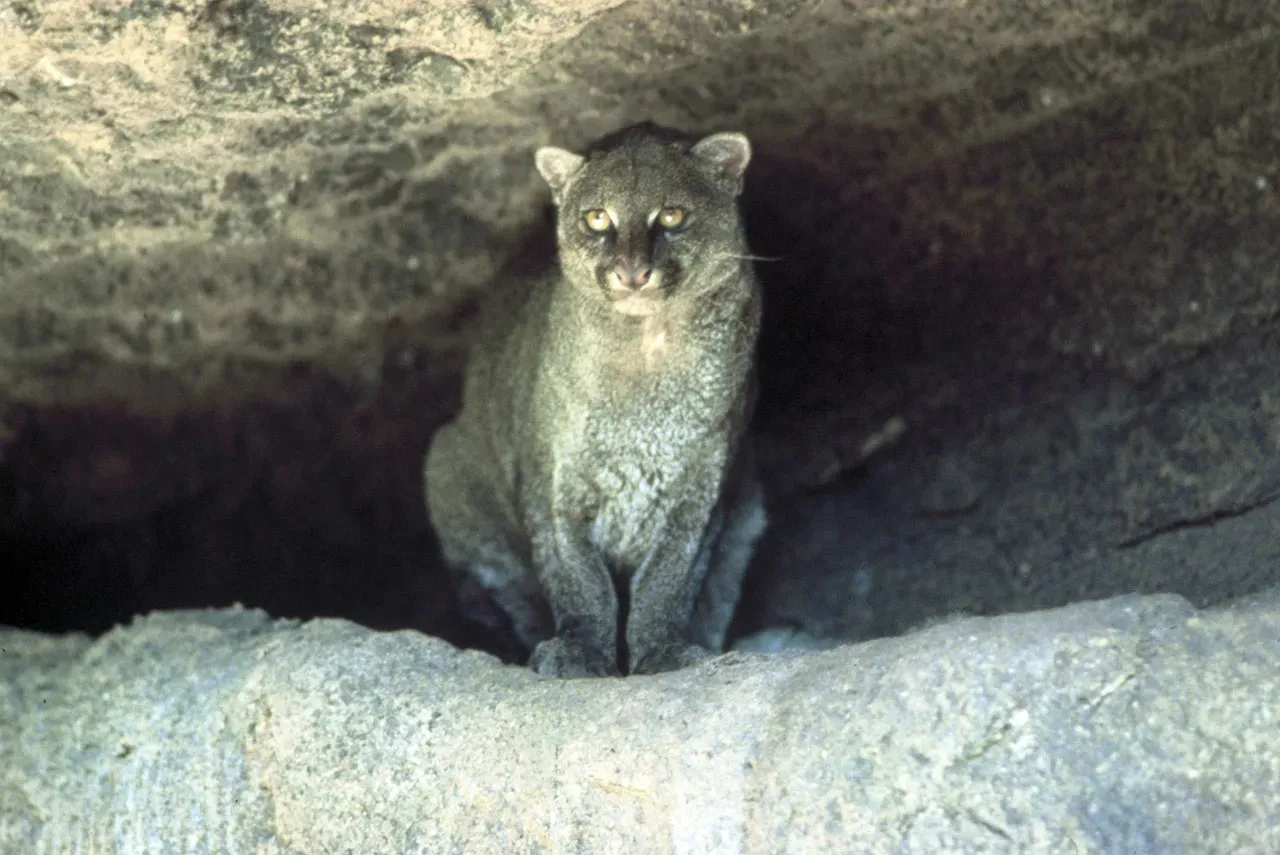
Jaguarundis have been sighted in Florida since the early 20th century, with their presence there attributed to a writer from Chiefland who at some point imported the animals from their native habitat and released them near his hometown and in other locations across the state. This is a fascinating twist in the jaguarundi story, one that blurs the line between native and introduced populations.
While no physical evidence is known, numerous credible sightings have been reported beginning in 1907, though W. T. Neill noted in 1977 that reliable sightings had decreased and concluded that the population had declined. Let’s be real: without physical proof like photos, skulls, or DNA samples, it’s impossible to say with certainty whether jaguarundis ever truly established themselves in Florida. Jaguarundis have also been reported in the coastal area of Alabama since the 1980s, which may be evidence of the Florida population migrating northward.
The Reality of Extirpation in the United States
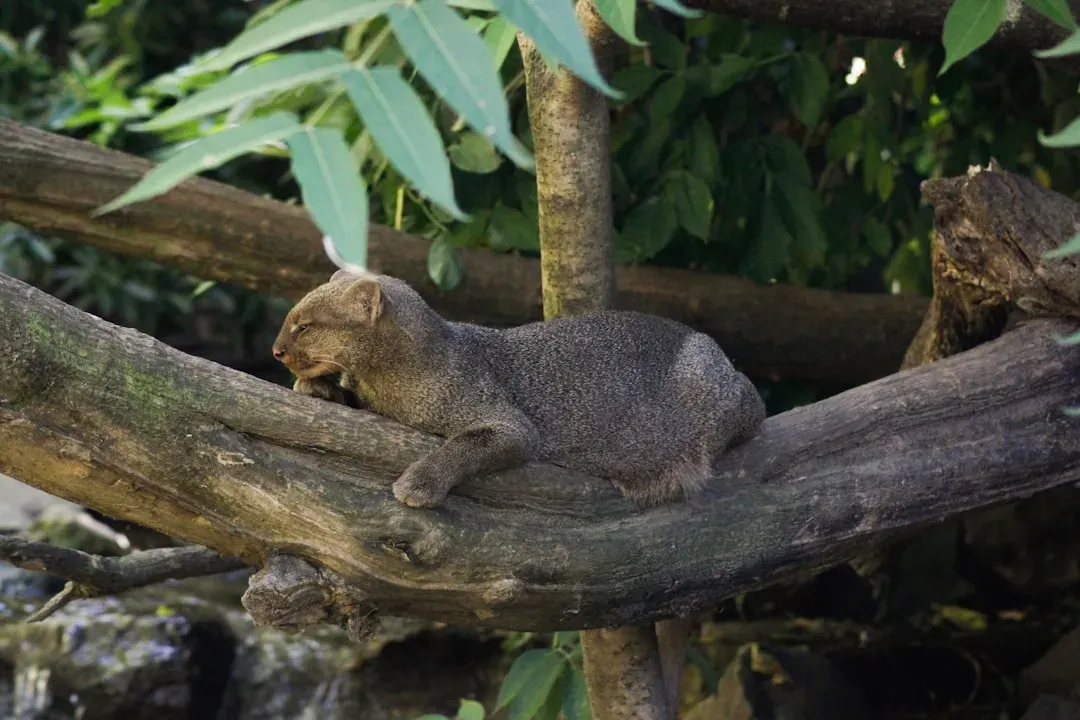
After 350,366 trap nights at 685 camera sites, researchers failed to detect jaguarundis at 16 properties and along 2 highways in Texas, but had 126 detections in Mexico, concluding that the jaguarundi is likely extirpated from the United States. This exhaustive study, spanning nearly two decades from 2003 to 2021, represents the most comprehensive effort ever undertaken to document jaguarundi presence in their former American range.
The evidence is sobering. Camera traps caught images of ocelots, bobcats, coyotes, and other carnivores throughout southern Texas, demonstrating that the technology works perfectly well for detecting elusive wildlife. The complete absence of jaguarundi images over such a lengthy period tells a stark story. Wildlife doesn’t just vanish without reason.
Historical Distribution and Decline
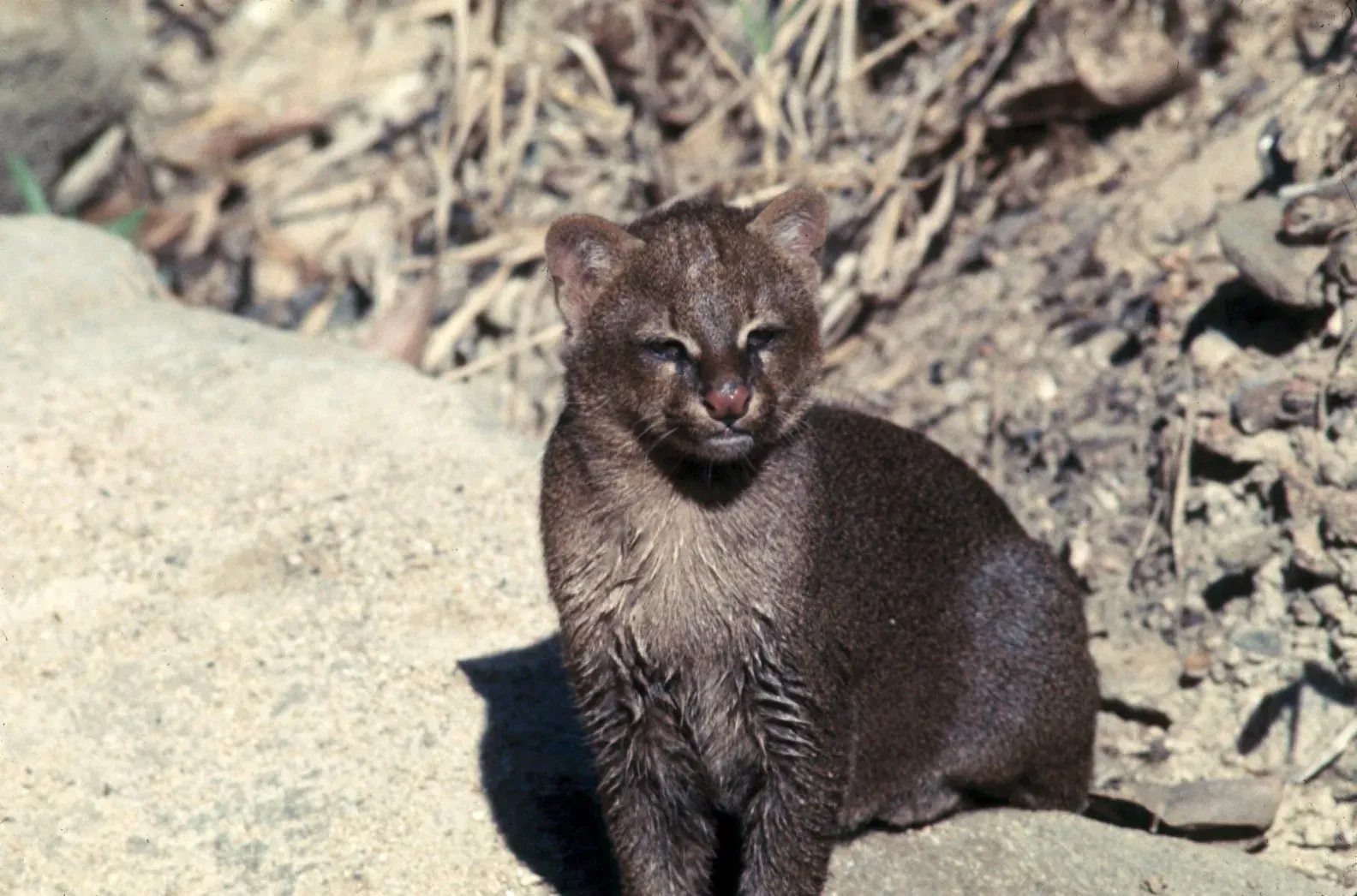
The species formerly occurred in the brush country of extreme southern Texas in Cameron, Hidalgo, Starr, and Willacy counties, and was never documented north of the Rio Grande Valley in recorded history. This limited range made jaguarundis particularly vulnerable to habitat changes and human encroachment. In 1994, the jaguarundi was thought to be represented in the lower Rio Grande Valley by no more than 15 individuals, and its survival there was doubtful.
Think about how quickly populations can collapse when they’re already hanging by a thread. The dense thorny shrublands that jaguarundis depend on were systematically cleared throughout the 20th century for agriculture and urban development. Roads fragmented what little habitat remained. By the time conservationists recognized the crisis, it was likely already too late.
Current Status and Official Classifications
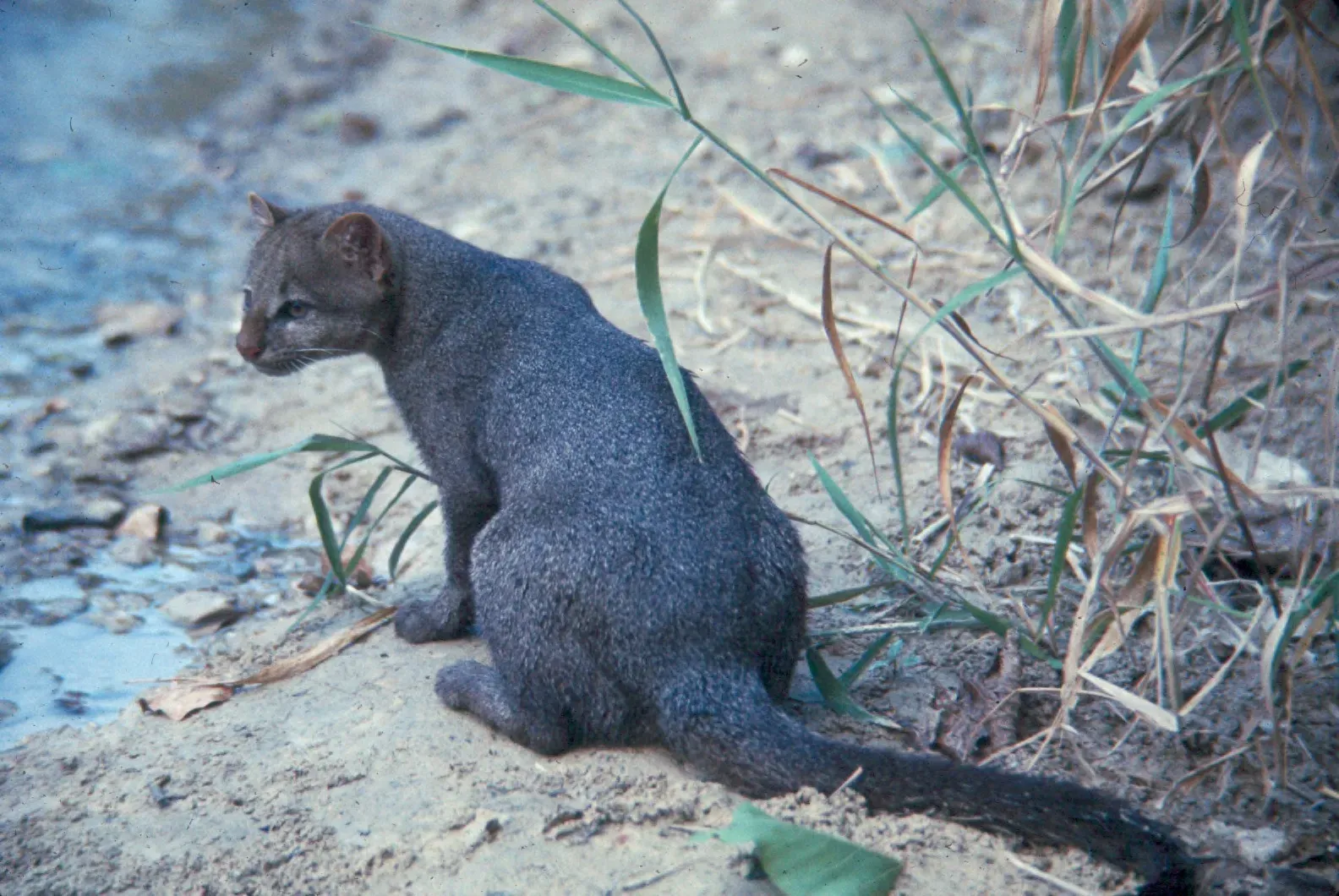
The United States Fish and Wildlife Service listed Gulf Coast jaguarundi as endangered in 1976, making it one of the earliest species protected under the Endangered Species Act. Over the last 7 years, the Texas Parks and Wildlife Department reclassified jaguarundis as state extirpated, acknowledging the grim reality that the cats no longer exist within Texas borders.
It was declared extinct in Texas in 2025, but is thought to still be present in Santa Ana National Wildlife Refuge, though this claim remains unsubstantiated by physical evidence. Federal protection remains in place, which is crucial should any jaguarundis ever wander back across the border from Mexico. I think it’s important to maintain that legal safeguard, even if current populations are gone.
The Challenges of Detection
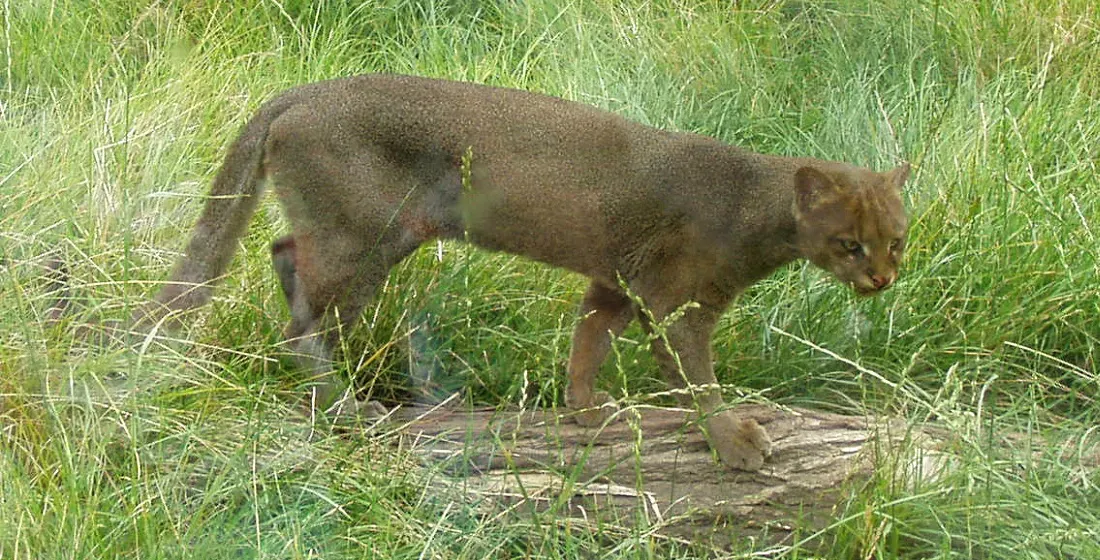
The jaguarundi is shy and reclusive, and apparently very cautious of traps, which partially explains why they’ve proven so difficult to document. Their behavior differs markedly from other small cats in the region. Not enough information has been gathered about the jaguarundi, and because these animals are not widely studied their significance is unclear.
Unlike ocelots or jaguars, which have attracted significant research funding and attention, jaguarundis remain poorly understood even in parts of their range where they’re relatively common. This knowledge gap has hampered conservation efforts in the United States. Wildlife officials investigating reported sightings often find that people have mistaken domestic cats, bobcats, or even otters for jaguarundis.
Why Jaguarundis Disappeared From American Soil
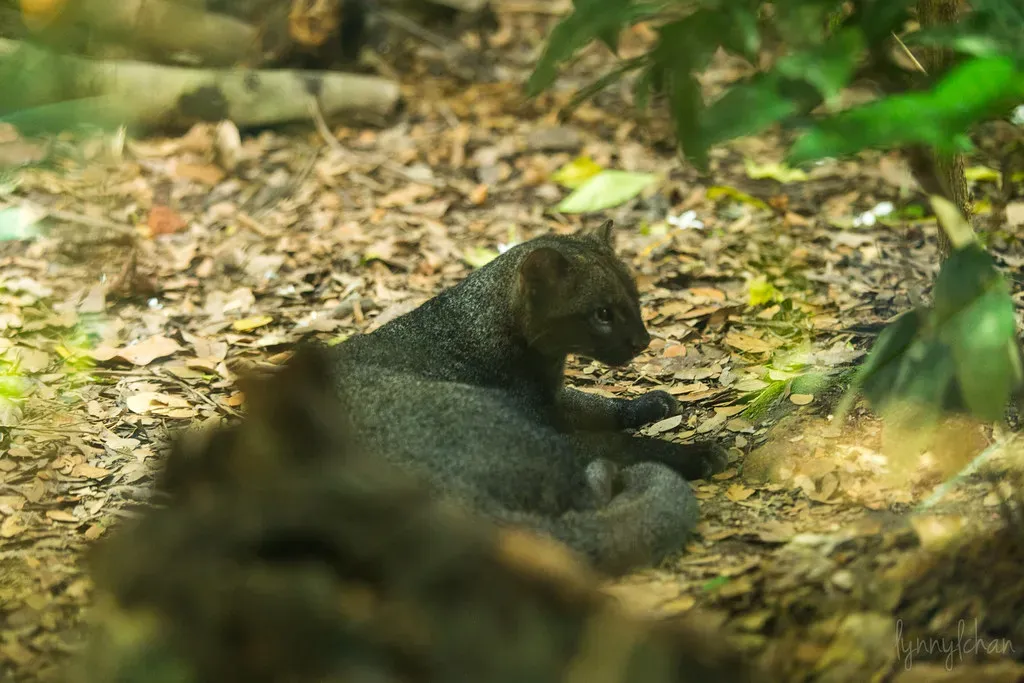
Jaguarundis are endangered because the dense brush that provides habitat has been cleared for farming or for the growth of cities. The transformation of South Texas from wild brushland to agricultural fields and sprawling developments happened with breathtaking speed. Habitat loss is the main reason for the increase in mortality for the jaguarundi.
The biggest threat to the Gulf Coast jaguarundis is the Mexico–U.S. border fence, as it fragments populations and prevents migration. This barrier has made it nearly impossible for jaguarundis from Mexican populations to naturally recolonize former habitat in Texas. Road mortality, predator control programs, and poultry depredation conflicts also took their toll when populations still existed north of the border.
Comparison With Nearby Mexican Populations
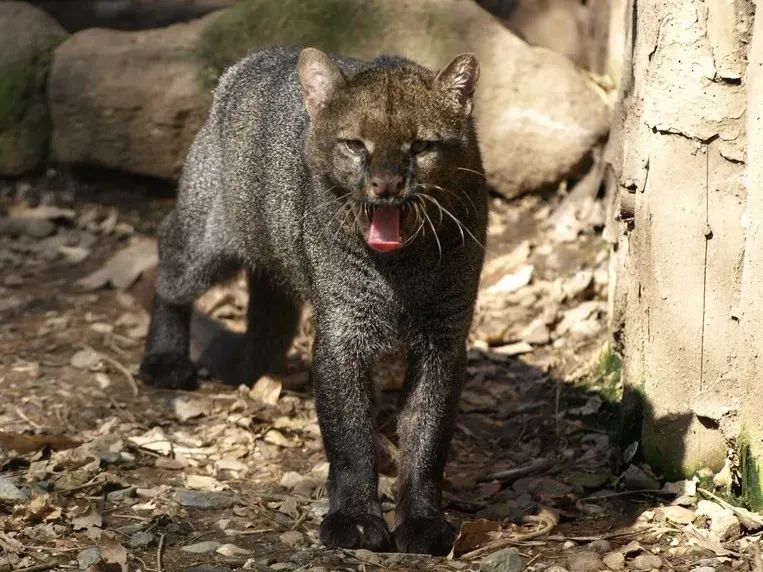
The closest known jaguarundis to the U.S. border are found approximately 95 miles to the southwest in Nuevo Leon, Mexico. Just across the border in Tamaulipas, Mexico, jaguarundi populations appear relatively healthy based on camera trap surveys. Researchers captured 126 photos of the cats in Tamaulipas, the Mexican state bordering southernmost Texas, indicating that remains a healthy part of the animals’ range.
It’s striking how dramatically populations can differ across a political boundary. The same habitat types exist on both sides of the border, yet jaguarundis persist in Mexico while they’ve vanished from Texas. This underscores how human land use patterns, rather than natural factors, have driven their disappearance from the United States.
Future Prospects for Reintroduction
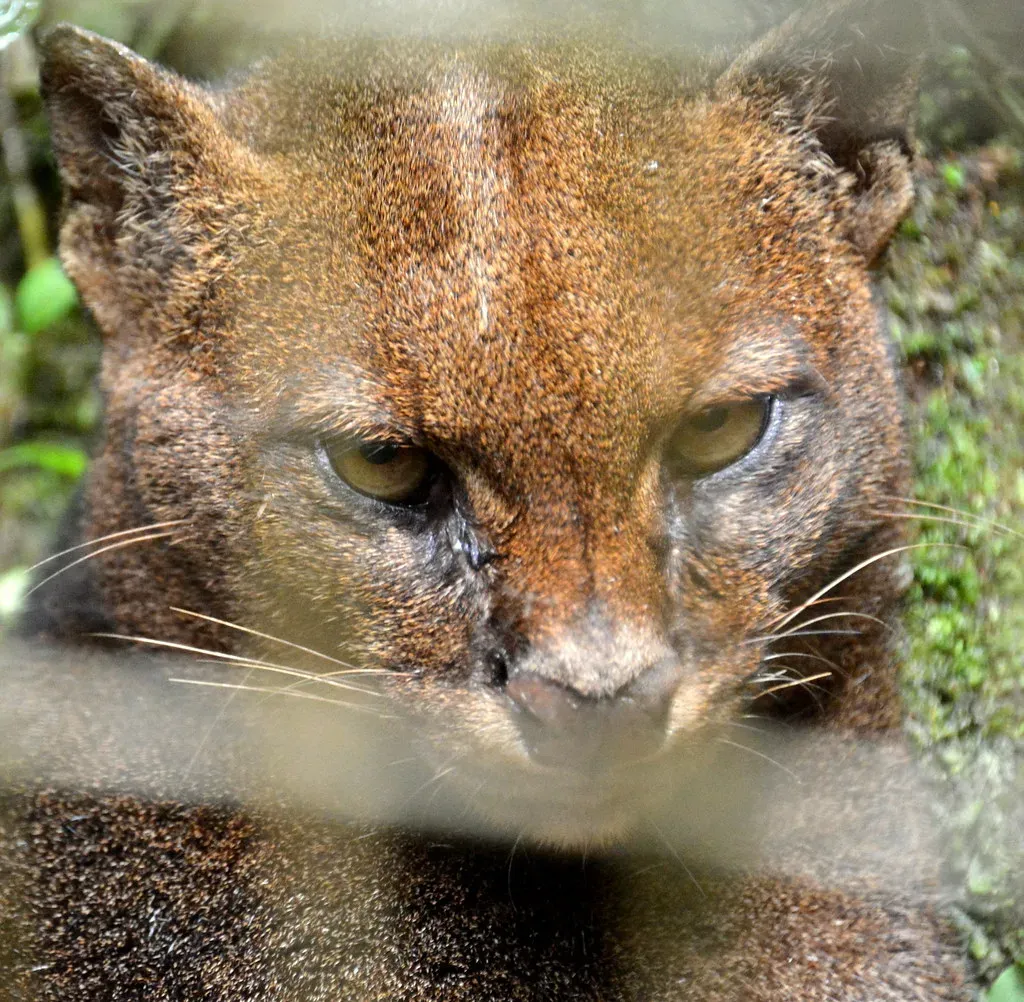
Recommendations include that state and federal agencies consider jaguarundis as extirpated from the United States and initiate recovery actions, including identification of suitable habitat in Texas, identification of robust populations in México, and re‐introduction of the jaguarundi to Texas. Recovery plans have been discussed for years, yet concrete action remains elusive.
Limited resources mean the U.S. Fish and Wildlife Service currently has no plans to implement a reintroduction of jaguarundi into the United States, though the species remains officially endangered. Honestly, it’s frustrating to see recovery efforts stalled while suitable habitat still exists in parts of South Texas. Whether political will and funding can ever align to bring jaguarundis back to American soil remains an open question that grows more uncertain with each passing year.
Conclusion
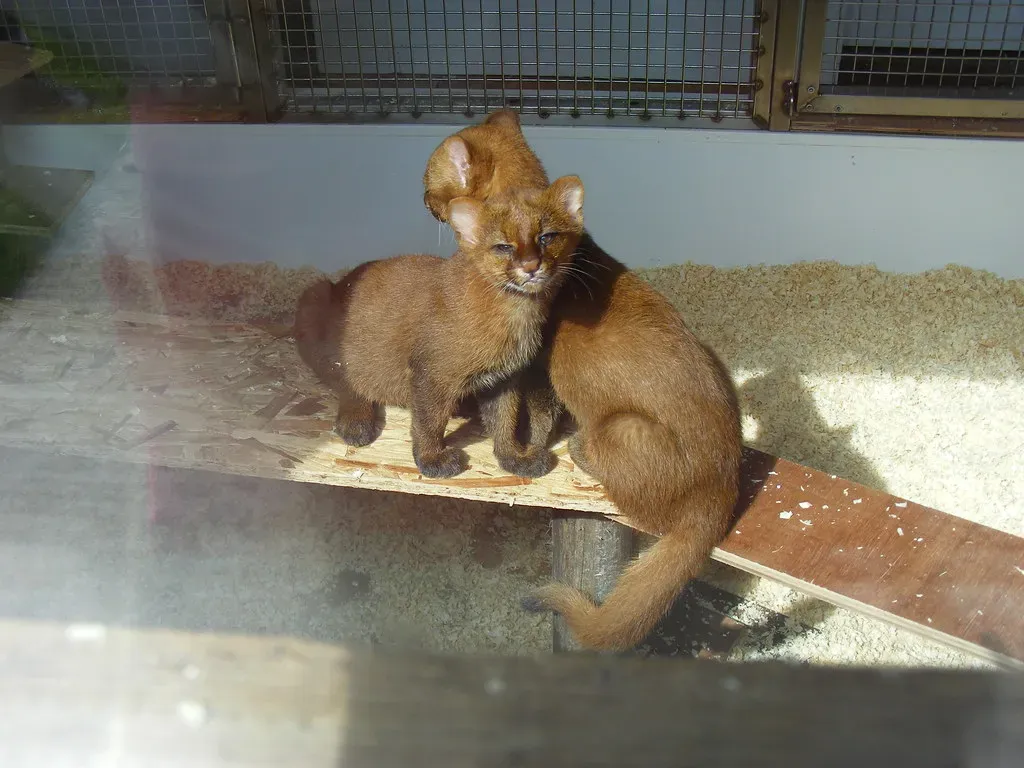
The story of jaguarundis in the United States is ultimately one of absence rather than abundance. No state can currently claim to have wild jaguarundi populations, though Texas historically supported the most individuals before their disappearance. Arizona may have hosted occasional wanderers, while Florida’s purported population likely never became truly established.
This small cat’s vanishing act from American landscapes serves as a reminder of how quickly we can lose species when habitat destruction and fragmentation reach critical levels. The jaguarundi’s fate hangs in a strange limbo, officially endangered yet functionally extinct north of the Mexican border, waiting for conservation action that may or may not ever arrive. What do you think should we do about it, tell us in the comments.
Kristina is a young writer from India. An arts graduate and an avid content creator, Kristina is passionate about animals and wildlife. She enjoys exploring topics related to pet care, animal behavior, conservation, and nature, combining thorough research with engaging storytelling.