You love your home filled with greenery, thriving with vibrant leaves and colorful blooms. There’s something soothing about a room decorated with plants. Yet if you’re a cat owner, this seemingly innocent hobby can turn into a dangerous situation faster than you might think.
Your curious feline doesn’t know that the gorgeous lily on your dining table can cause kidney failure or that the trendy monstera can burn their mouth. Cats explore with their mouths, and they’re drawn to dangling leaves and swaying stems. What seems harmless to us might be life threatening to them, so knowing which plants to avoid is crucial for keeping your furry companion safe and healthy.
Lilies: The Silent Killer Lurking in Your Bouquet
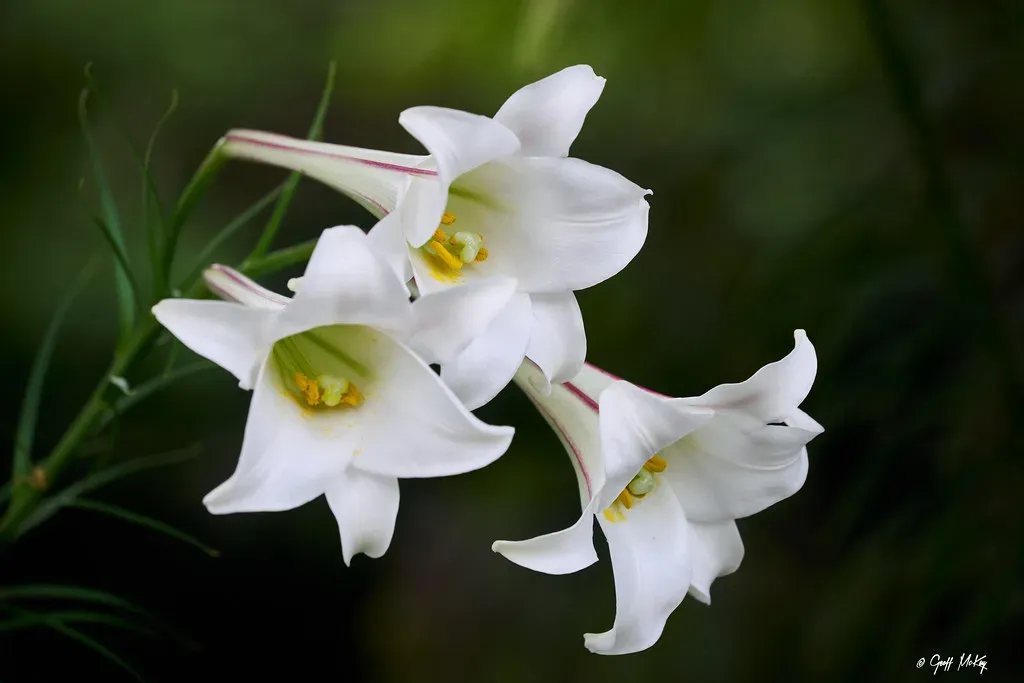
Easter lilies can cause kidney failure when cats ingest any part of the plant, or even the pollen, making them one of the most dangerous household plants you can bring into your home. Cats need only ingest a tiny bit of these lilies to take in enough toxin to cause death, and even just licking the pollen from the flowers or drinking water from the vase can spell death. The risk is so severe that many veterinarians advise never keeping lilies in the house at all.
Several types of lilies are poisonous to cats, including Easter Lily, Tiger Lily and other members of the lily family, with all parts of the lily plant being toxic if ingested, and consuming small amounts can result in severe poisoning. If your cat has come into contact with any lily, you need to call your vet immediately without waiting, as prompt treatment makes the difference between life and death.
Safe alternative: Orchids are a safe alternative to lilies, and they bring that same elegant, sophisticated look to your space without the deadly risk. Orchids come in countless varieties and colors, making them perfect replacements.
Sago Palm: Deceptively Dangerous Despite Its Beauty
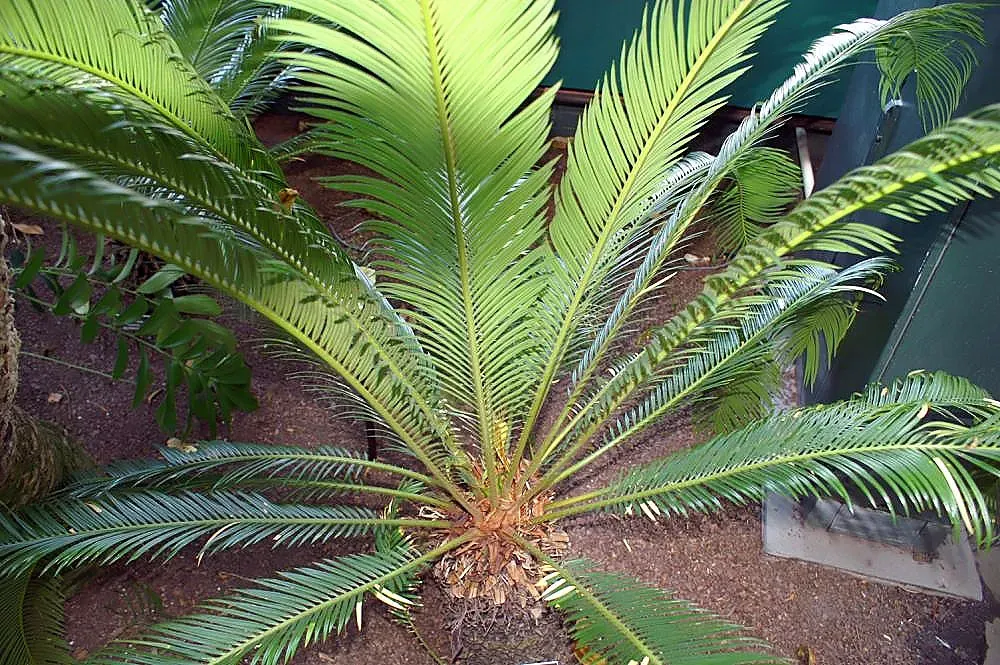
The Sago palm looks like a palm tree but isn’t one technically, grows inside and outside, is perfect for small space living and has a sweet scent, though it is still very toxic to cats. Every part of this plant contains toxins that can cause serious harm, and many cat owners are unaware of the danger because it looks so harmless sitting in the corner of their living room.
The toxic components in sago palms can lead to liver failure, and symptoms can escalate quickly once your cat takes even a small bite. This makes it one of those plants you absolutely cannot afford to keep around if you have cats wandering through your home.
Safe alternative: The Parlor Palm is a pet-safe plant and low-maintenance since it doesn’t need much light or water to survive, making it ideal for low-light rooms. It gives you that tropical vibe without putting your cat’s life at risk.
Autumn Crocus: The Pretty Flower with a Poisonous Punch
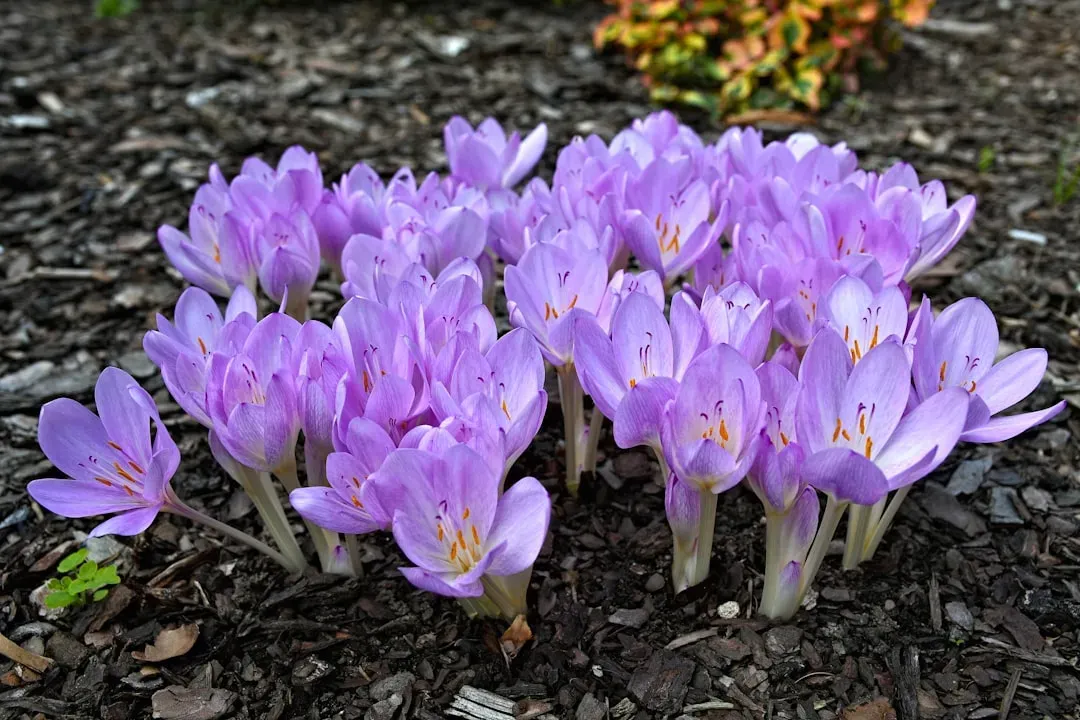
The autumn crocus, also known as meadow saffron or naked lady, is a common ornamental flowering plant that blooms in the fall and is especially toxic to cats because of its alkaloid colchicine content. All parts of the plant are highly toxic, which means even a curious nibble can lead to severe consequences for your pet.
The naked lady flower, also known as the meadow saffron, is possibly one of the most toxic plants to cats, with the entire plant considered toxic because of the high concentration of alkaloid colchicine. Symptoms might appear shortly after ingestion or could take days to show up, making it tricky to identify the source of your cat’s sudden illness.
Safe alternative: Cape Marigolds, Garden Marigolds or Golden Marigolds are all considered non-toxic houseplants for cats, dogs and even horses, and even if ingested, these plants will do little harm to your pets. They’re cheerful, bright, and completely safe.
Azaleas and Rhododendrons: Garden Favorites That Spell Trouble
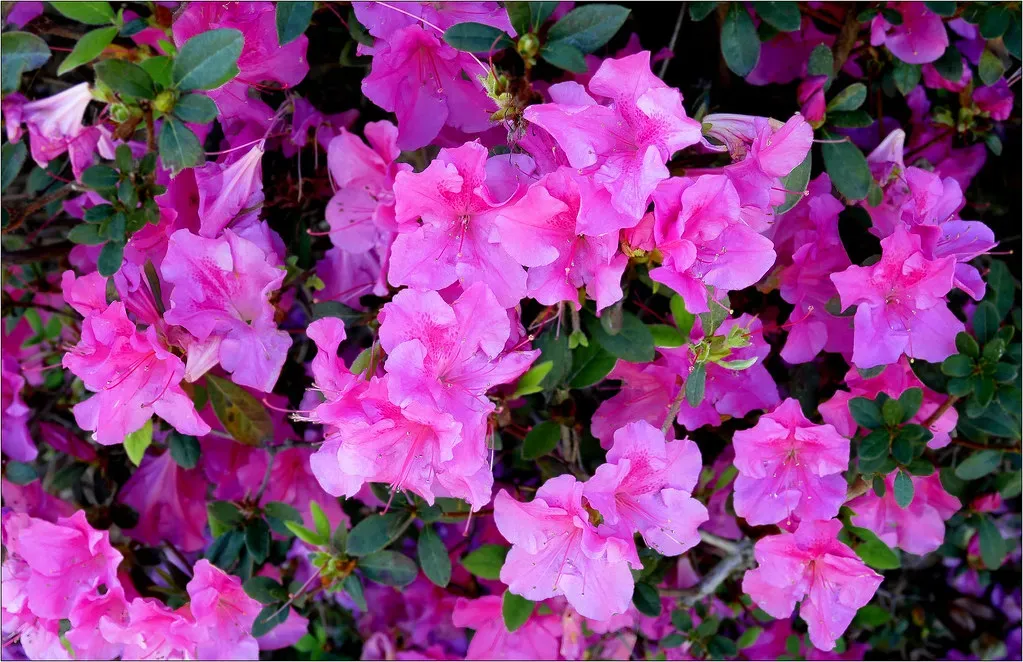
The toxic component of azaleas and rhododendrons is a type of neurotoxin called a grayanotoxin, which disrupts sodium balance and negatively affects your cat’s muscles, including the heart. All parts of the plant are toxic, and ingesting a tiny amount of the plant can result in a cat being poisoned. These flowering shrubs are common in yards and sometimes brought indoors as decorative arrangements.
Symptoms of poisoning include drooling, vomiting, diarrhea, and lack of appetite, but things can escalate to heart problems quickly. If you have these plants in your yard, don’t let your cat anywhere near them, and definitely avoid bringing clippings into the house.
Safe alternative: Russian sage is a popular perennial that is not only drought-resistant but also cat-safe, featuring striking silvery-gray foliage and producing long-lasting, delicate lavender-blue flowers that bloom from midsummer to fall, and is a versatile, beautiful, and pet-friendly plant that requires minimal care.
Pothos: The Trendy Trailing Plant That’s Anything But Harmless
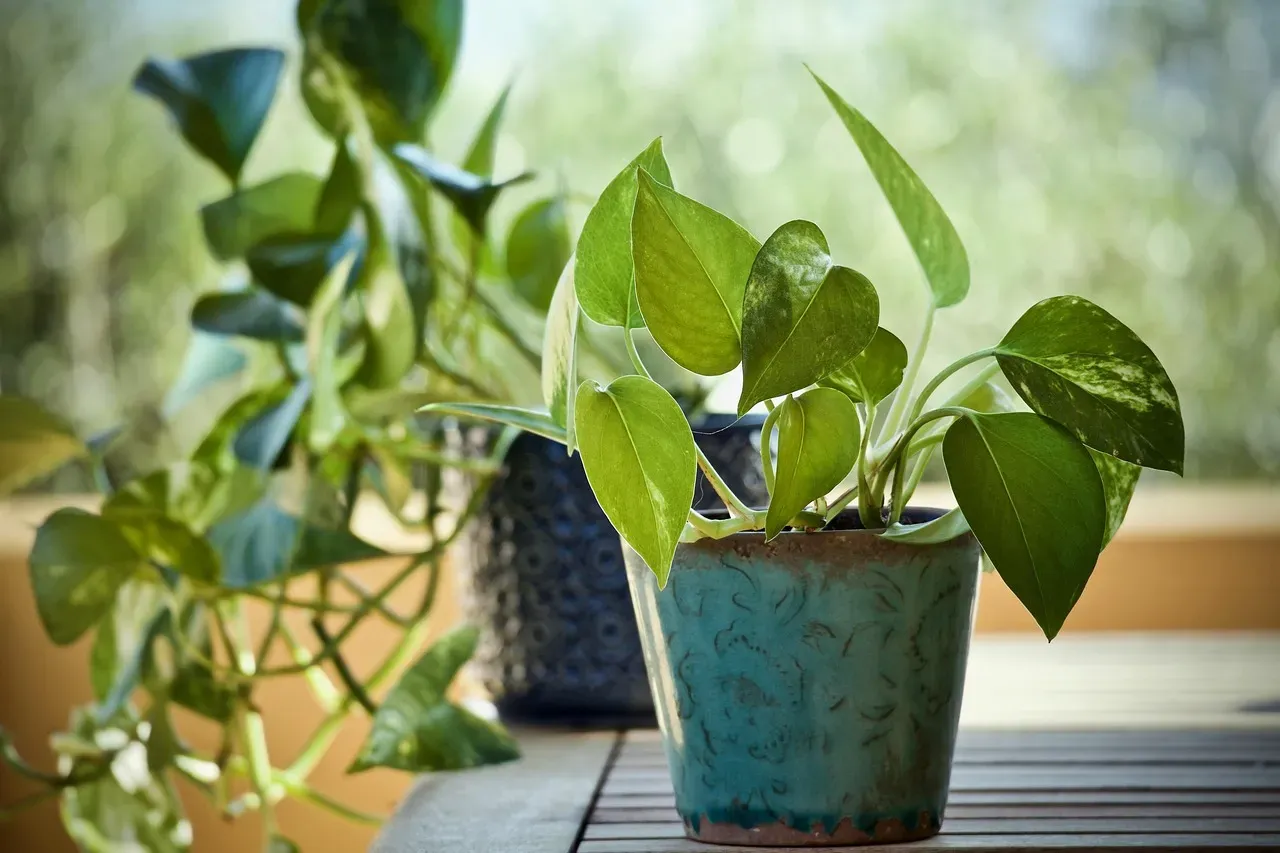
Pothos goes by a few different names, including golden pothos and taro vine, and it’s become incredibly popular in modern homes thanks to its cascading vines and easy care requirements. Yet this Instagram favorite contains calcium oxalates that can cause serious mouth irritation and digestive issues in cats.
When cats chew on pothos leaves, they can experience intense burning of the mouth, tongue, and lips, along with excessive drooling and difficulty swallowing. It’s one of those plants people assume is safe simply because it’s so common, but that couldn’t be further from the truth.
Safe alternative: Spider plants are popular for their thin, arching, striped leaves and are often a top choice among indoor plants safe for pets, perfect for new gardeners and very resilient. They give you that same trailing, cascading effect without the danger.
Monstera: The Instagram Star with a Dark Side
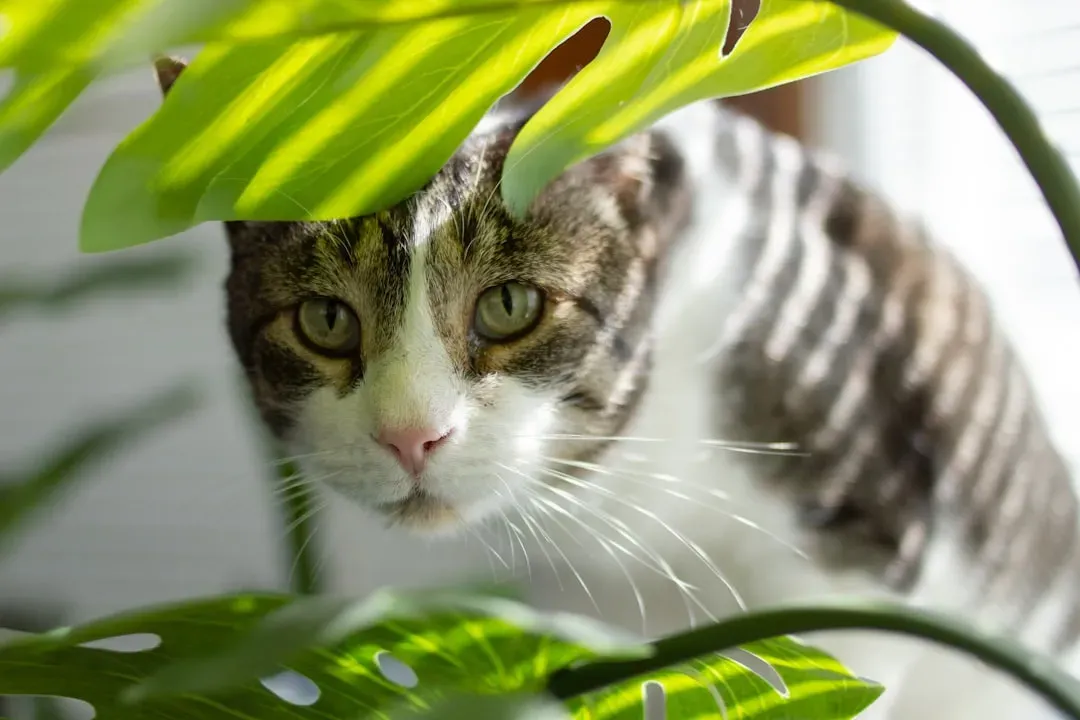
The monstera, also called the split-leaf philodendron or Swiss cheese plant, is a household and Instagram favorite with more than 50 different species. The Ceriman is one of the most popular household plants because of its tropical appearance, however, due to the insoluble calcium oxalates that reside on the leaves and stems, this makes them moderately toxic to cats.
Extreme mouth irritation can lead to swelling of the tongue, lips, and face, with symptoms including excessive drooling, pawing at the face and mouth, crying out in discomfort, occasional vomiting, and difficulty swallowing. Despite its trendy appeal, this plant should be avoided in homes with cats who like to explore.
Safe alternative: The unique, colorful bromeliad is easy to care for, pet-safe, and requires nothing more than a bright, sunny window and a little humidity, and bromeliads don’t need soil to grow and can be grown from a log. They offer that tropical aesthetic without the risk.
Dieffenbachia: The Aptly Named “Dumb Cane”
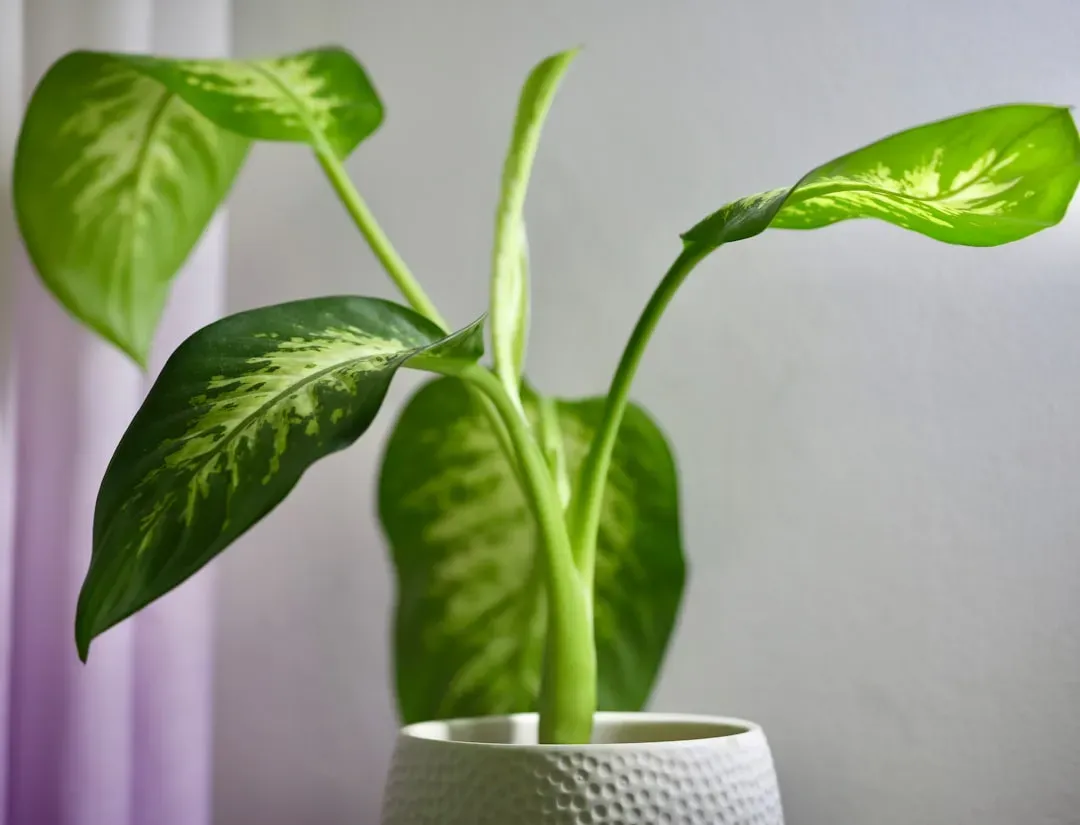
There are many varieties of the dumbcane, including the giant dumbcane, charming dieffenbachia and exotica perfect, and all these plants are toxic to cats. The plant earned its common name because the toxins it contains can temporarily interfere with speech if ingested by humans, but for cats, the effects are equally unpleasant and dangerous.
Ingesting dieffenbachia can cause oral irritation, intense burning of the mouth, tongue and lips, excessive drooling, difficulty swallowing and vomiting. The plant is popular for its large, decorative leaves, making it a common choice for offices and homes, but it’s definitely one to skip if you have a curious cat.
Safe alternative: The Cast Iron Plant makes a fantastic alternative to the toxic Dieffenbachia, sprouting beautiful and wide moss green leaves, and is an extremely hardy plant withstanding extreme temperature changes, dust, and smoke, and is favored amongst those who have little time to care for plants.
Aloe Vera: Healing for Humans, Harmful for Cats
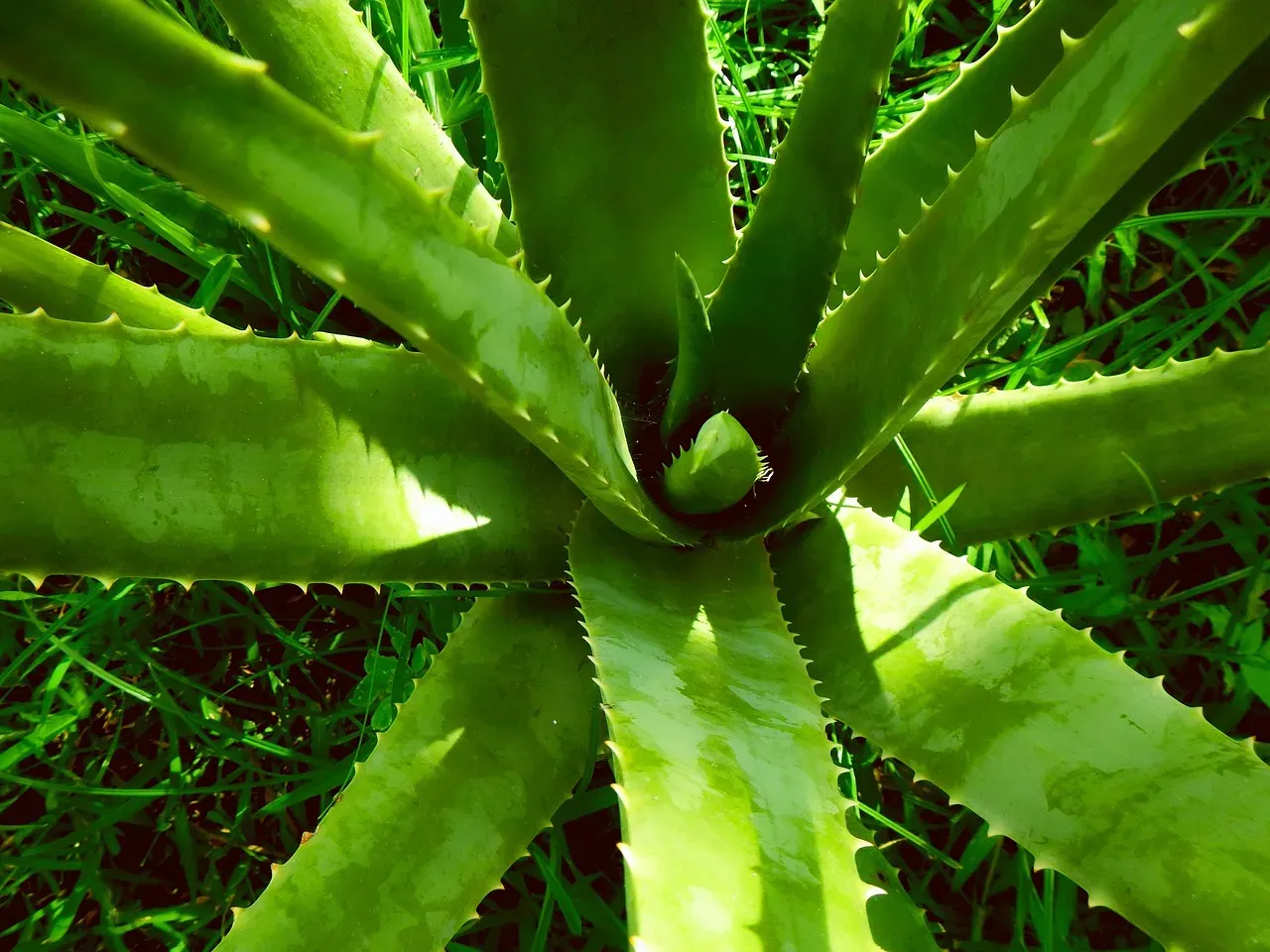
While aloe vera is often praised for its healing properties, it’s not safe for cats, and although the gel is considered edible, ingesting the thick plant part can cause gastro upset like vomiting and diarrhea along with lethargy. It’s ironic that something so beneficial to humans can be harmful to our pets, but the thick outer leaves contain saponins and anthraquinones that cause digestive issues in cats.
Many people keep aloe plants in the kitchen for quick access to the gel for burns or skin irritation, but this convenient placement makes it easily accessible to cats. You might not think your cat would bother with it, but cats are unpredictable.
Safe alternative: Haworthia plants are small, succulent-like plants with striking, spiky leaves, commonly mistaken for aloe plants, with the distinct difference being the Haworthia’s flowers, and they’re safe for cats and perfect for adding intrigue to small, sunny spots.
Snake Plant: Not Just Dangerous for Its Namesake
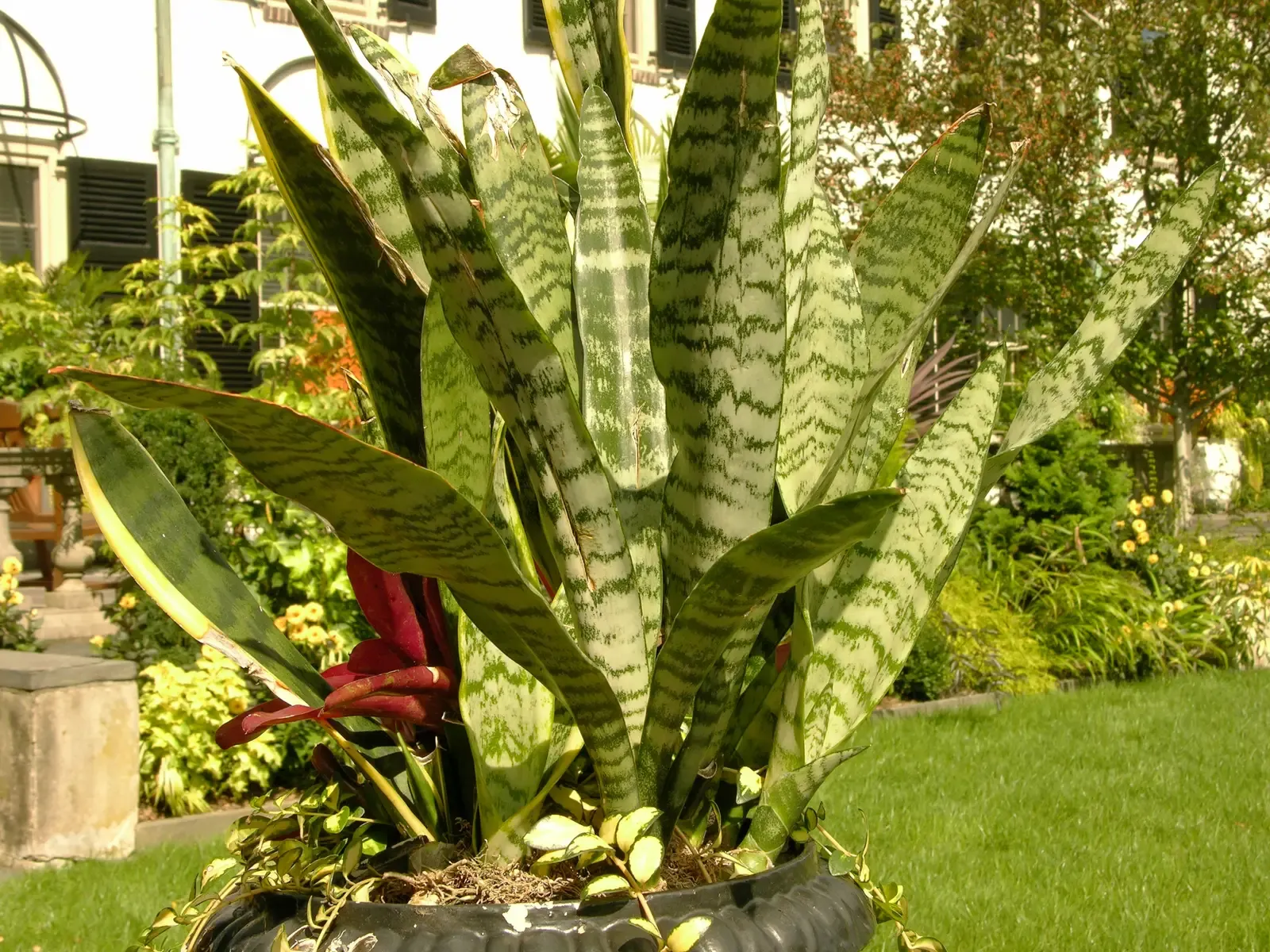
Snake plants, sometimes called by playful names, are common houseplants that contain organic chemicals which can cause nausea, vomiting, and diarrhea if ingested, and while symptoms are typically mild to moderate, you still shouldn’t take any chances. This plant has become wildly popular in recent years thanks to its architectural look and reputation for being nearly impossible to kill.
Snake plants are known for tolerating low light and neglect, making them favorites among busy plant owners. Still, their toxicity to cats means they’re not worth the risk, no matter how easy they are to care for.
Safe alternative: Peperomia plants are a great, pet-friendly alternative because they tolerate low humidity and are slow-growing, and their leaves can be textured or smooth in red, green, gray, or purple, and it’s one of the easiest plants to grow, making it perfect for busy people.
Chrysanthemums: Fall Favorites with a Hidden Hazard
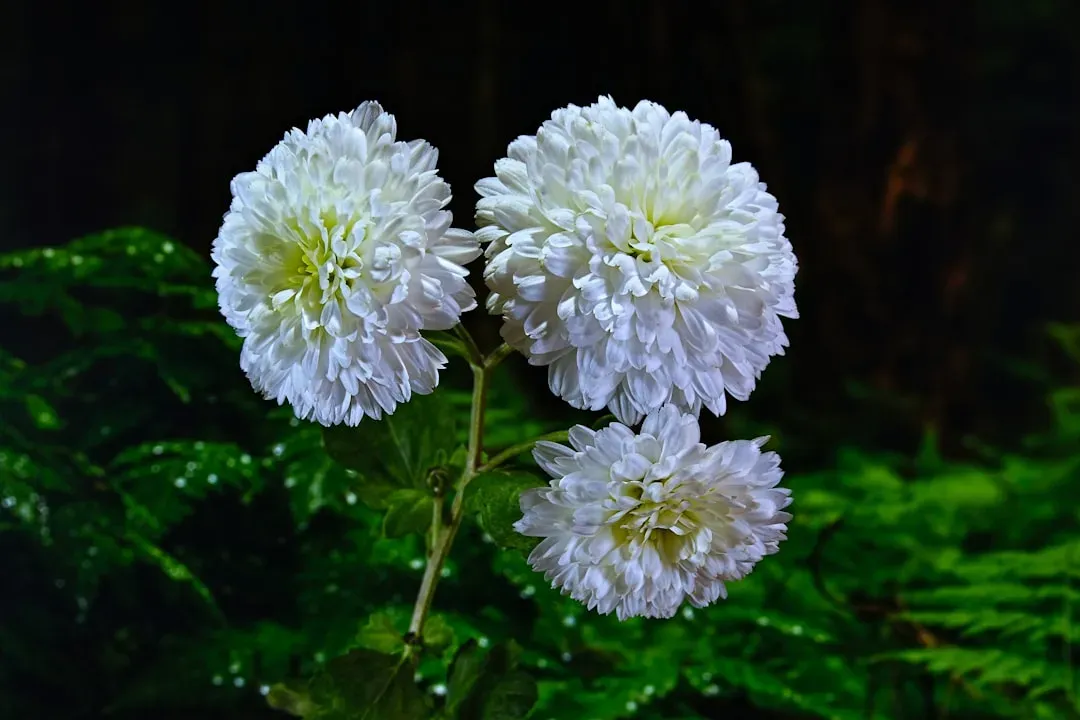
Chrysanthemums are a common group of plants that are toxic to cats, grow abundantly in the wild and are often chosen to bring life and color to a person’s front yard, and these flowers come in many colors. When consumed by cats, chrysanthemums cause digestive issues as well as depression, fatigue, shaking, tremors, and seizures.
People often receive these flowers as gifts during the fall season or plant them in gardens for a burst of autumn color. They’re gorgeous and cheerful, but they’re also one more plant that cat owners need to avoid bringing indoors.
Safe alternative: Zinnias are available in a broad range of beautiful colors and make an excellent nontoxic alternative. They’re just as vibrant and cheerful without the toxic effects.
English Ivy: Climbing Its Way to Danger
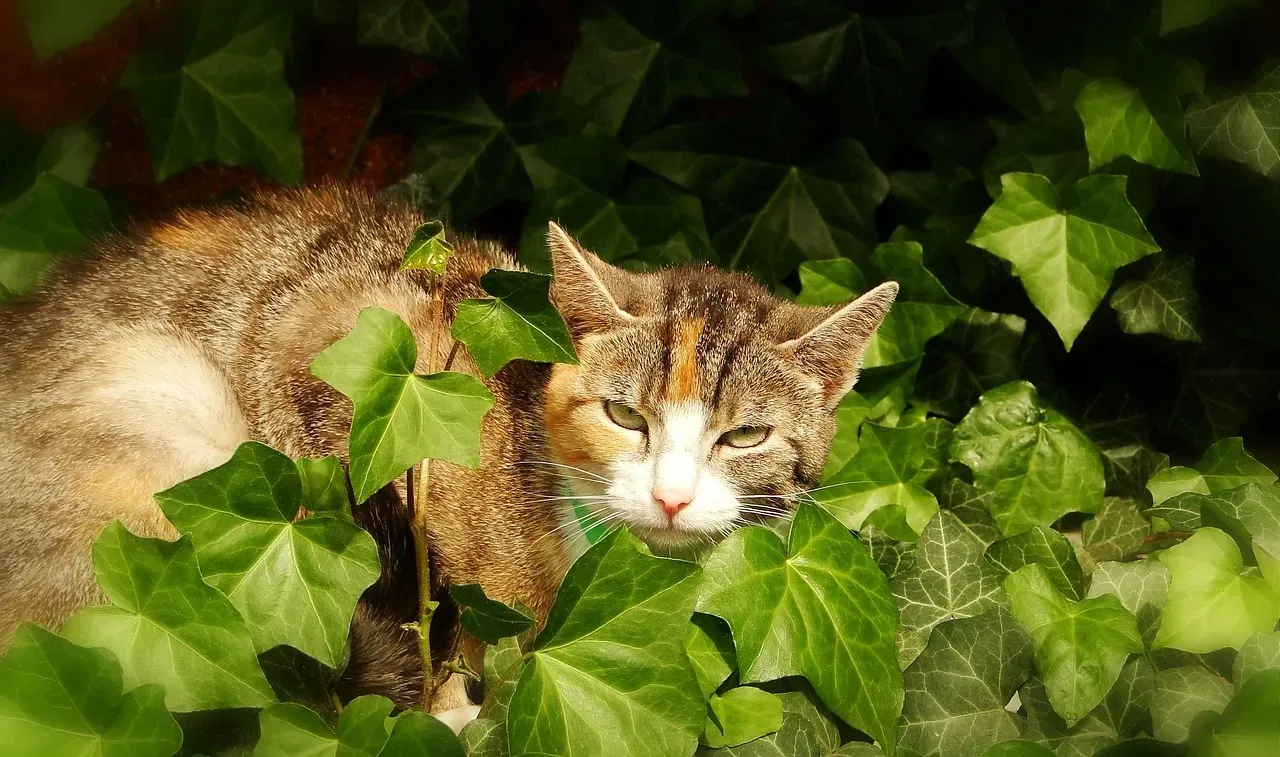
If a cat eats English ivy, they may experience vomiting, abdominal pain, hypersalivation, and diarrhea so they will require veterinary care. Even humans can react negatively to English Ivy; however, the way that cats suffer from this toxic plant is completely different. This climbing plant is often used to add greenery to walls or allowed to trail from hanging baskets.
English ivy is common both indoors and outdoors, and it’s easy to forget just how toxic it can be because it seems so ordinary. Cats who brush against it and then groom themselves can also ingest the toxins, making it dangerous even if they don’t directly chew the leaves.
Safe alternative: Boston ferns offer a cat-safe alternative for introducing lush greenery into your household, perfect for bedrooms and offices, providing benefits to indoor environments such as improving air quality by absorbing toxins and increasing humidity levels.
Tulips and Daffodils: Spring Bulbs That Aren’t Worth the Risk
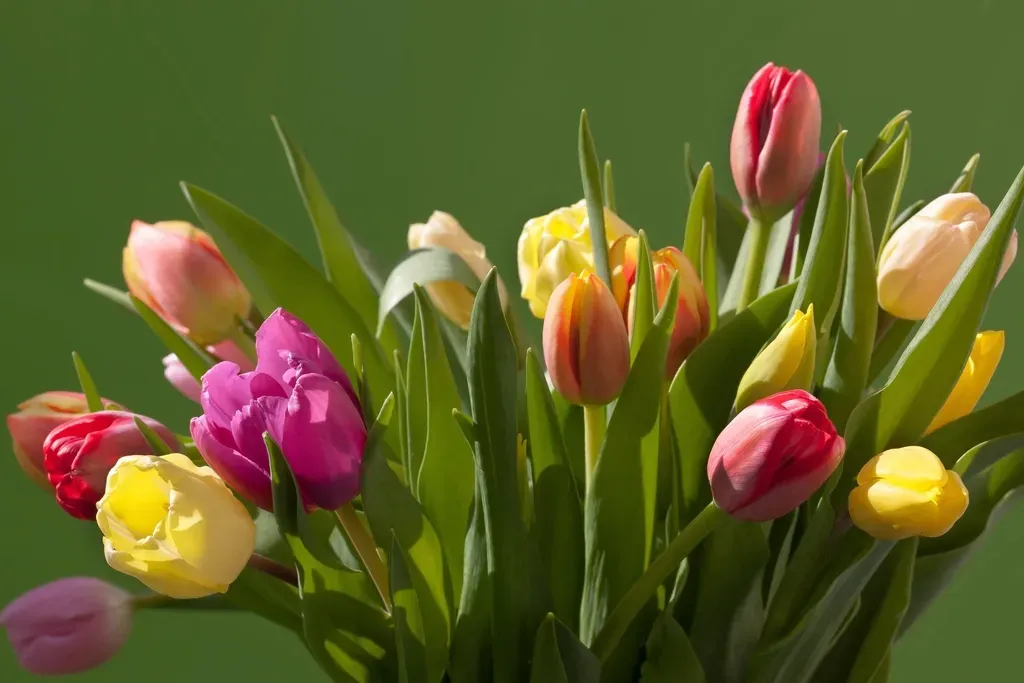
Daffodils contain a toxin called lycorine in the plant, with the bulbs having the highest concentration of this toxin, and you should refrain from having them inside your home because they can cause severe reactions if consumed by cats. Usually, the symptoms start with excessive drooling and can lead to seizures. Tulips present similar dangers, especially the bulbs.
While daffodils are a beautiful sign of spring, they are unfortunately dangerous for feline friends, and daffodil bulbs contain crystals that are extremely toxic to cats if eaten. If you plant these in your garden, be careful that your outdoor cat doesn’t dig them up.
Safe alternative: African violets are non-toxic to both cats and dogs, making them a safe and pet-friendly option, known for their vibrant blooms in shades of purple, pink, and white, adding a pop of color to any space. They give you those cheerful spring colors indoors without the danger.
Creating a Cat-Safe Green Space
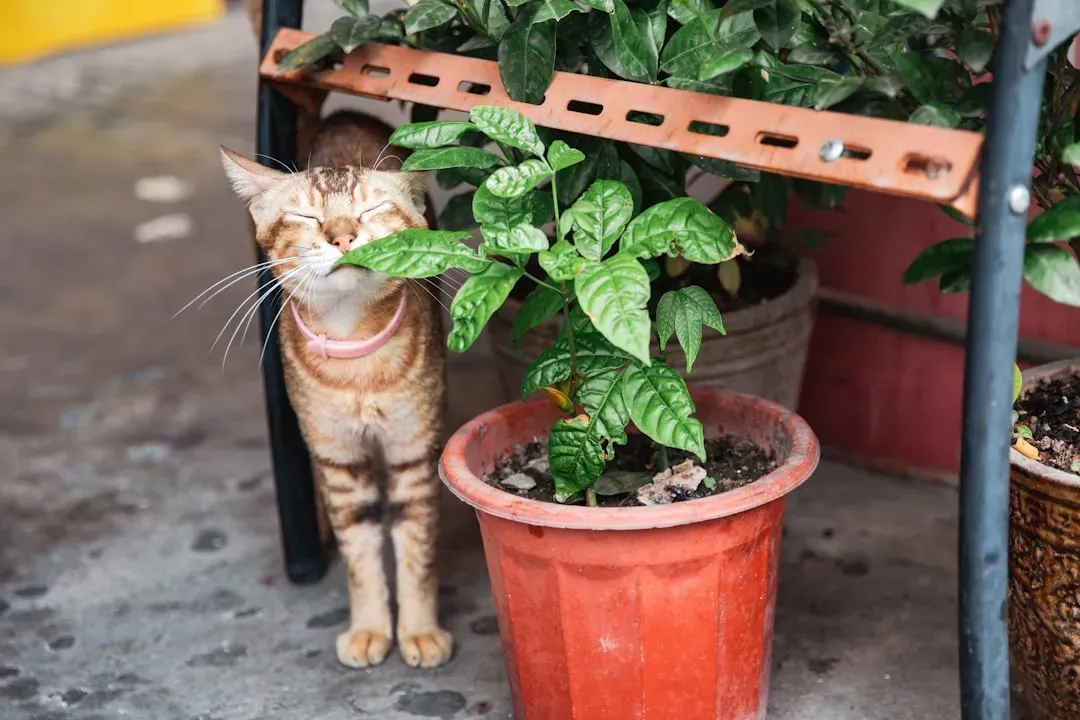
Keeping your cat safe doesn’t mean giving up on your plant collection entirely. It just means being more selective and intentional about what you bring into your home. The good news is there are plenty of stunning, easy-to-care-for plants that are completely safe for cats.
Think about placement, too. Even with safe plants, you can hang them from the ceiling or place them on high shelves to discourage curious nibbling. Provide your cat with their own safe plants like cat grass or catnip to satisfy their urge to chew on greenery. Creating a pet-friendly home is all about balance, awareness, and making choices that protect the ones you love most.
What’s your experience been with plants and cats? Have you had any close calls or discovered surprisingly safe alternatives? Every cat owner learns something new along this journey.
Kristina is a young writer from India. An arts graduate and an avid content creator, Kristina is passionate about animals and wildlife. She enjoys exploring topics related to pet care, animal behavior, conservation, and nature, combining thorough research with engaging storytelling.