You’ve probably seen those viral videos of cats freaking out at the first drop of water hitting their fur. Maybe you’ve experienced the dramatic performance yourself when trying to give your feline friend a bath. Most people assume all cats despise water with every fiber of their being, treating it like some ancient enemy passed down through generations.
Here’s the thing, though. That’s not the whole story. While many cats do avoid water, there are breeds out there that actually seek it out, diving into pools and splashing in bathtubs like they were born for it. On the flip side, some breeds take water aversion to a whole new level, treating even a light mist like a personal attack. Let’s explore both ends of this fascinating spectrum.
Turkish Van: The Original Swimming Cat
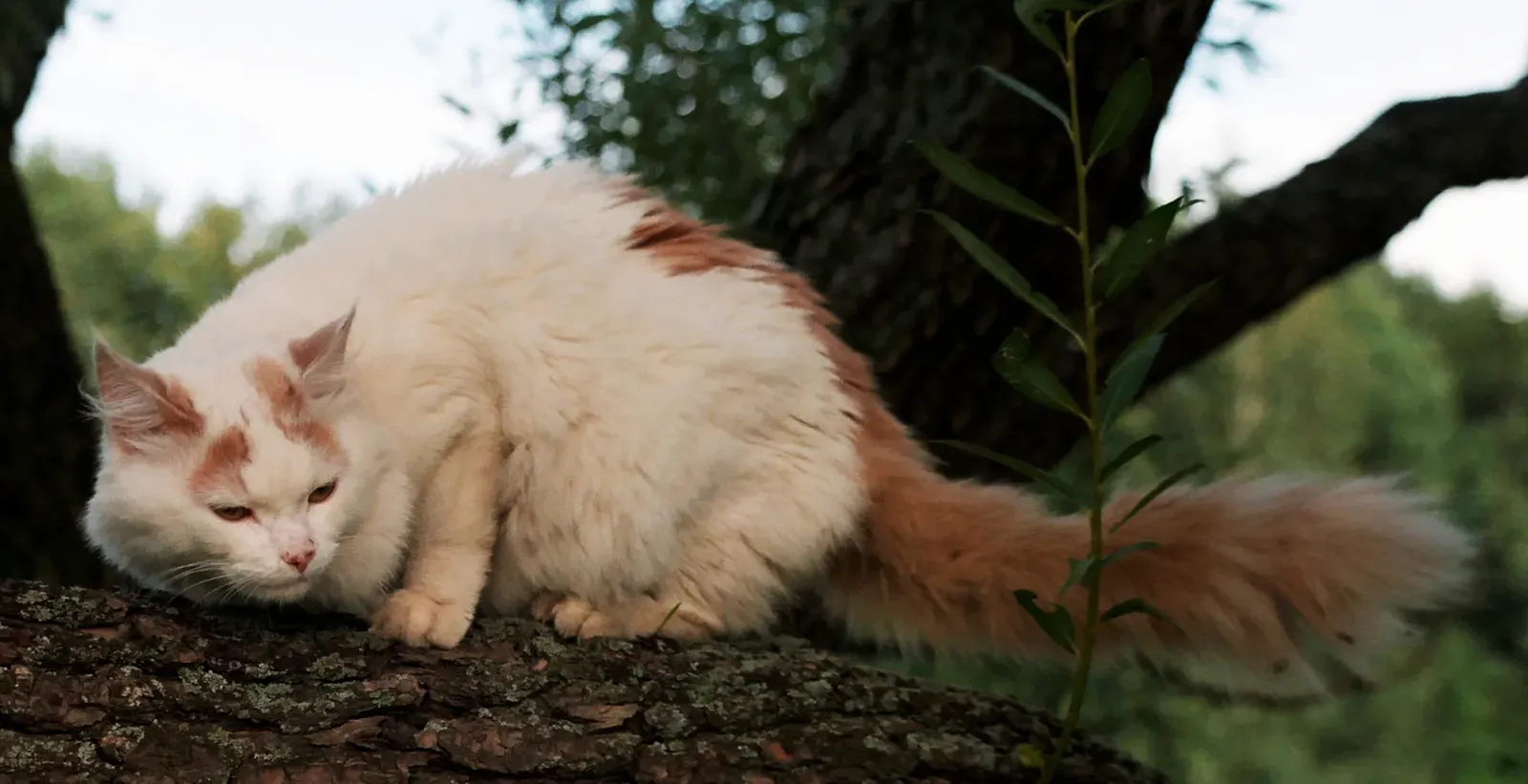
You’d be hard pressed to find a more water-loving breed than the Turkish Van, famously known as the “Swimming Cat,” with water-resistant fur and no undercoat. These cats developed their fondness for water in Turkey’s Lake Van region, where their ancestors likely cooled off during hot summer days. Their unique coat actually repels water rather than absorbing it, making them one of the few breeds naturally suited for aquatic adventures.
What really sets them apart is their enthusiasm. They may claim your toilet bowl as their own private water park, and honestly, that’s not even the strangest place you’ll find them. These energetic cats will flaunt their abilities by launching themselves into the air and bouncing from one surface to the next. If you’re looking for a cat that treats bath time like playtime, this is your breed.
Bengal: The Wild Water Hunter
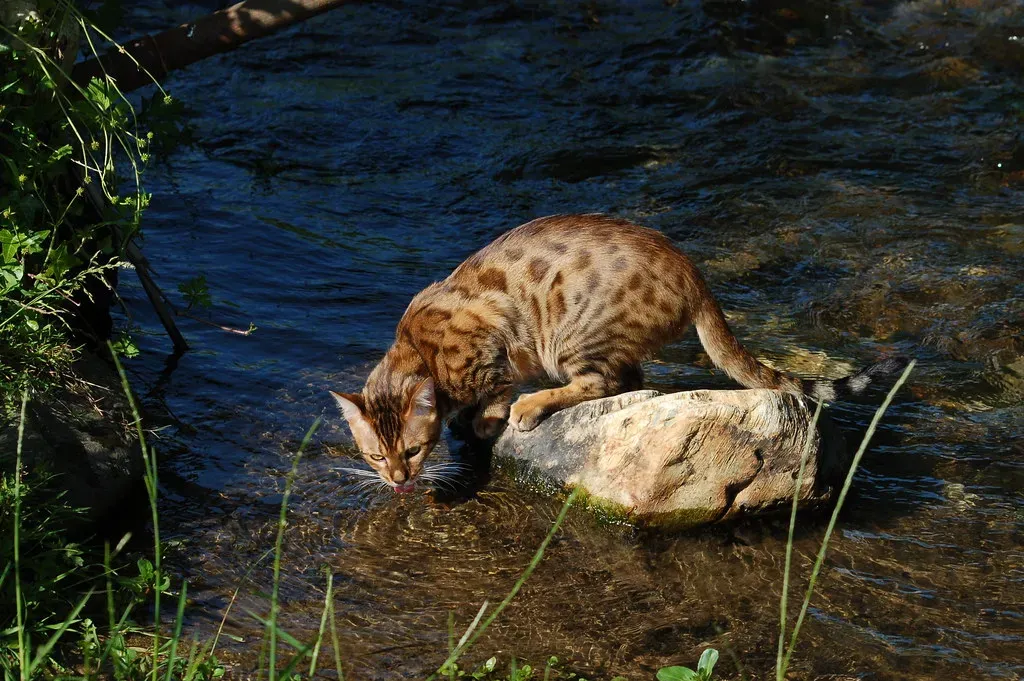
Bengals are highly active and intelligent, with many pet parents noting how much their pets love pools, fountains, or ponds. These cats will even follow their owners into the shower or lounge around the tub during bath time. Their wild ancestry from the Asian leopard cat seems to have blessed them with a genuine fascination for running water.
You might catch your Bengal pawing at faucets or jumping into sinks whenever they get the chance. Their wild ancestry gives them a fascination with running water, and their short, sleek coat is easy to dry. I think there’s something almost dog-like about their water obsession. They’re not just tolerating it; they’re genuinely having the time of their lives splashing around.
Maine Coon: The Gentle Giant Who Loves a Good Splash
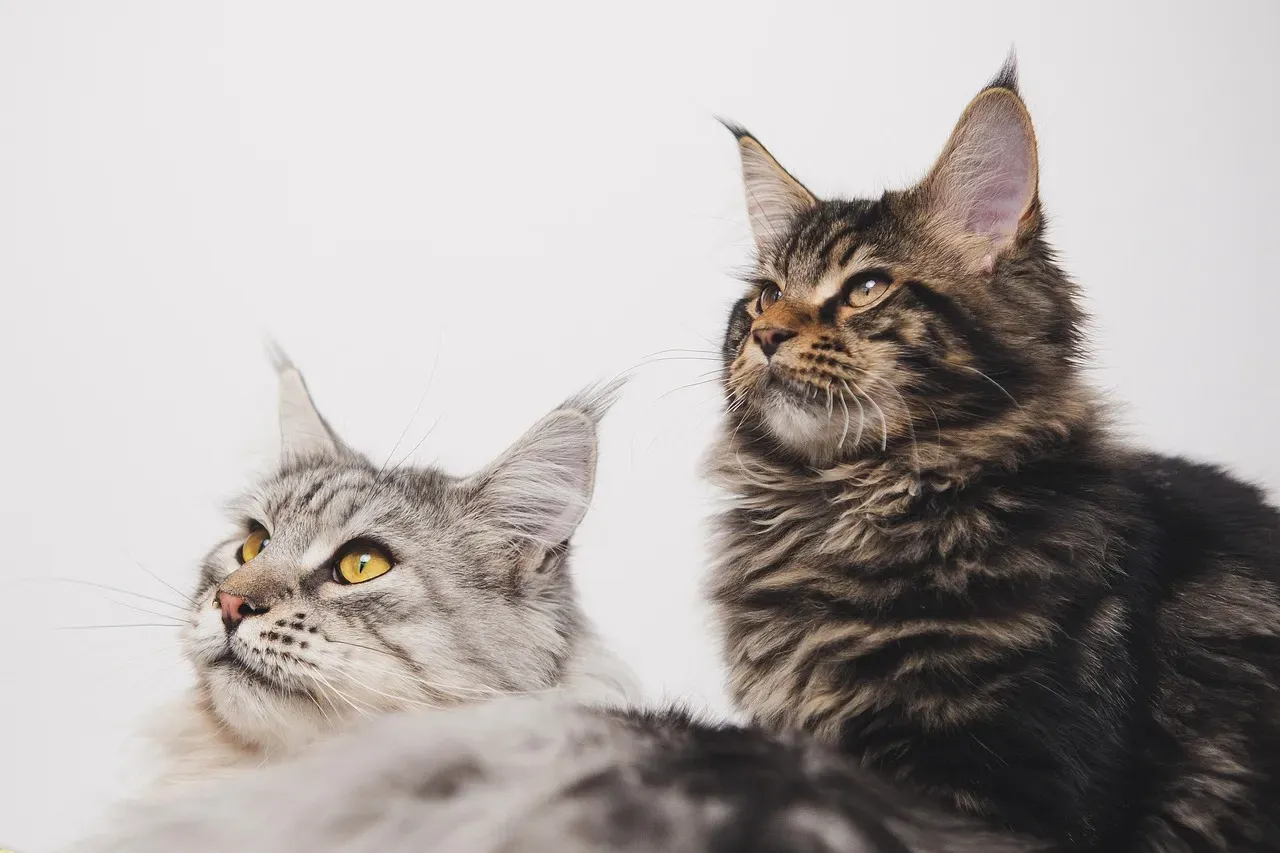
Maine Coons have a reputation for learning to turn on the faucet, scooping water from toilet bowls and dunking toys in their water dishes. These massive cats are as playful as they are large, treating water like an interactive toy rather than something to fear. Their water-resistant fur gives them an advantage, and previous generations likely lived on ships, making water a familiar sight.
Their fascination goes beyond just drinking. Some Maine Coon owners keep their cats’ water bowls inside enclosures to help contain the splatter. Picture coming home to a miniature flood zone around your cat’s water dish because they decided to spend the afternoon recreating ocean waves. That’s life with a Maine Coon, and somehow it’s endearing rather than annoying.
Savannah: The Adventurous Paddler

The large and adventurous Savannah cat takes very well to water, retaining strong hunting instincts from their African serval parent, whose preference for living near wetlands and savanna water bodies may explain their water affinity. These cats are basically the thrill-seekers of the feline world. Their Serval ancestry gives them a natural fascination with water, and they often wade in shallow pools or even swim.
Let’s be real, watching a Savannah interact with water is impressive. They’ll paddle around in water much like a dog, and indoors you’ll likely notice them hanging around bathtubs and splashing in their water bowls. Their athletic build and adventurous spirit make them one of those breeds that constantly surprises you with what they’re willing to try.
Norwegian Forest Cat: The Viking Voyager
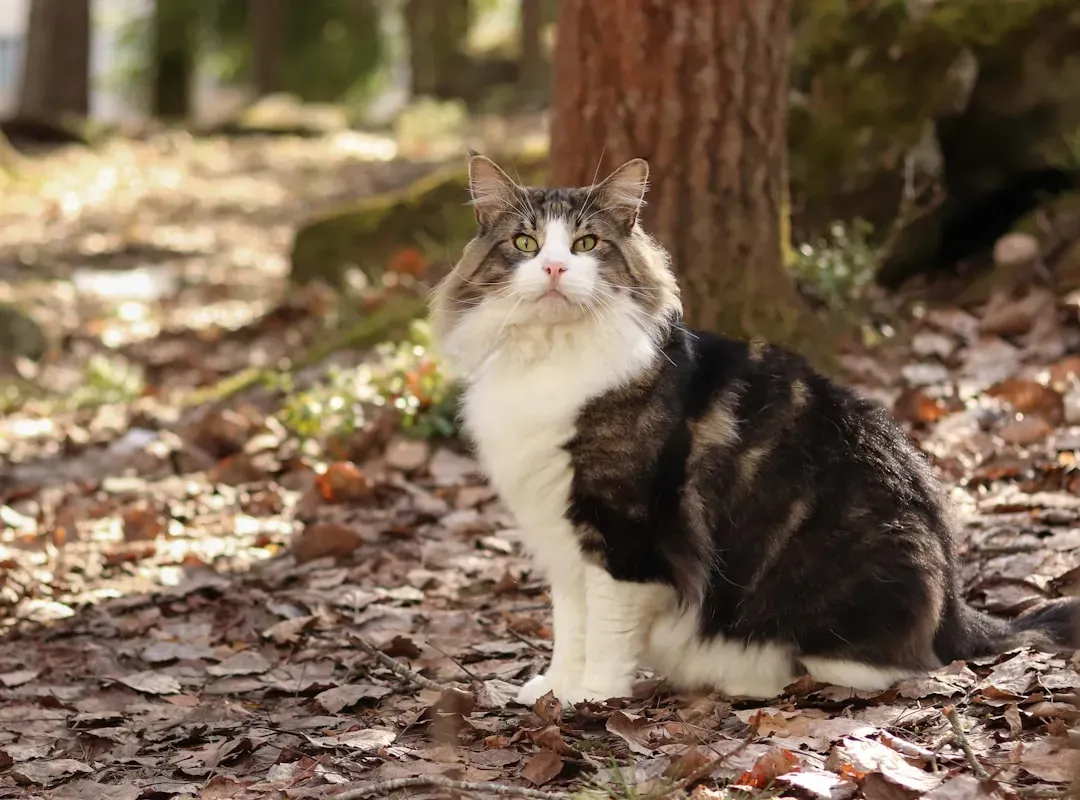
With their water-resistant overcoat and dense undercoat, Norwegian Forest cats are known for traversing harsh conditions including through water in cold Scandinavia, likely wading into bodies of water to fish for meals. The ancestors of these cats frolicked in water with ease and traveled with Vikings, keeping their ships and villages free of vermin. Talk about a legendary heritage.
These gorgeous cats have thick, water-resistant coats designed to keep them warm and dry, and they’re excellent hunters known to catch fish. Their thick fur acts like a natural wetsuit, preventing them from getting waterlogged. While today’s Norwegian Forest cats might prefer luxury over Viking adventures, they still retain that ancestral comfort around water that makes them unique.
Abyssinian: The Curious Splasher
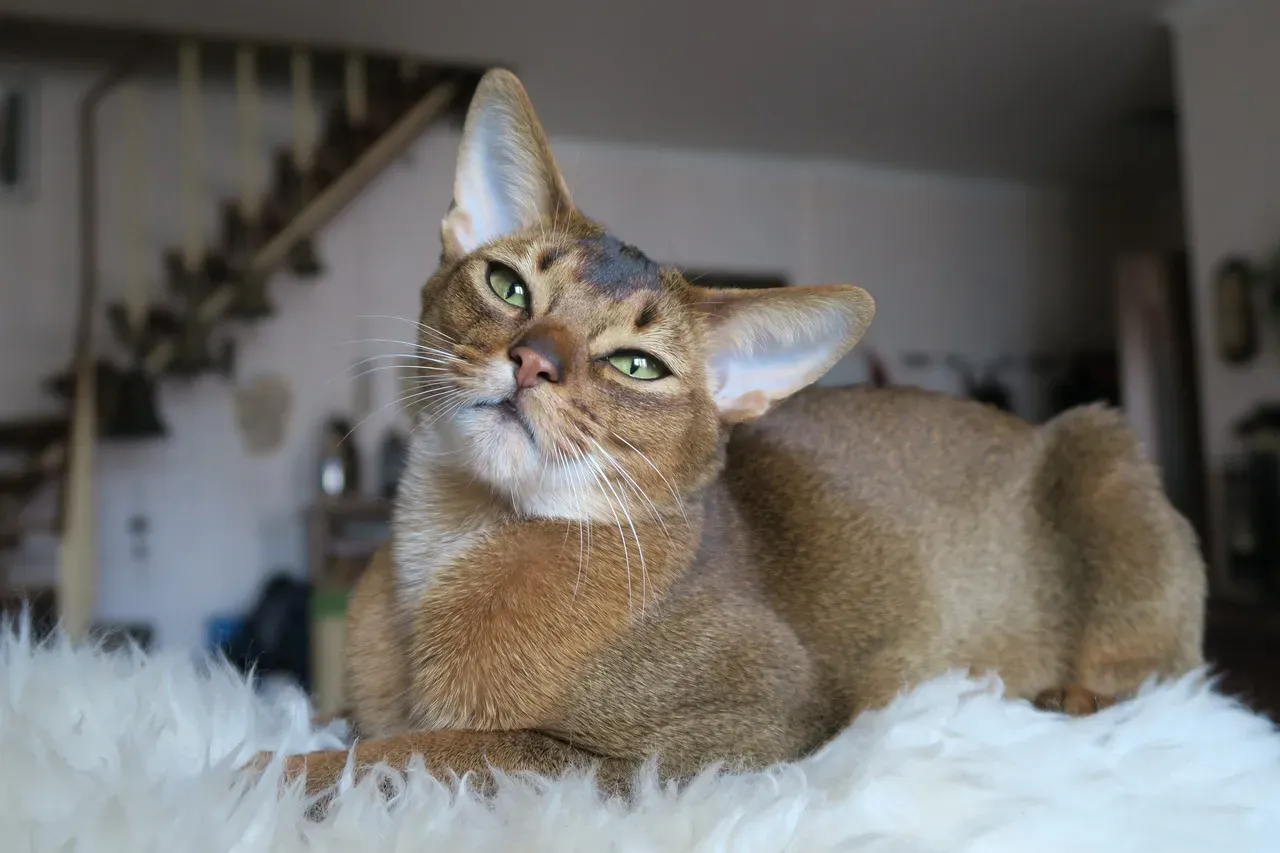
Abyssinians are independent but love being part of their owner’s lives, and their active, playful nature and courageous attitude often attract them to water. These cats approach everything with intense curiosity, and water is no exception. Abyssinians won’t hesitate before investigating everything from a full bathtub to their own water bowl by dipping their paws in first, possibly due to their early arrival in Europe by boat.
They’re not necessarily going to dive in headfirst like a Turkish Van, but they’ll definitely spend time testing the waters – literally. Their investigative nature means nothing in your house is off-limits, and that includes every water source they can find. It’s hard to say for sure, but their confidence around water might just come from their fearless personality overall.
Turkish Angora: The Elegant Water Enthusiast
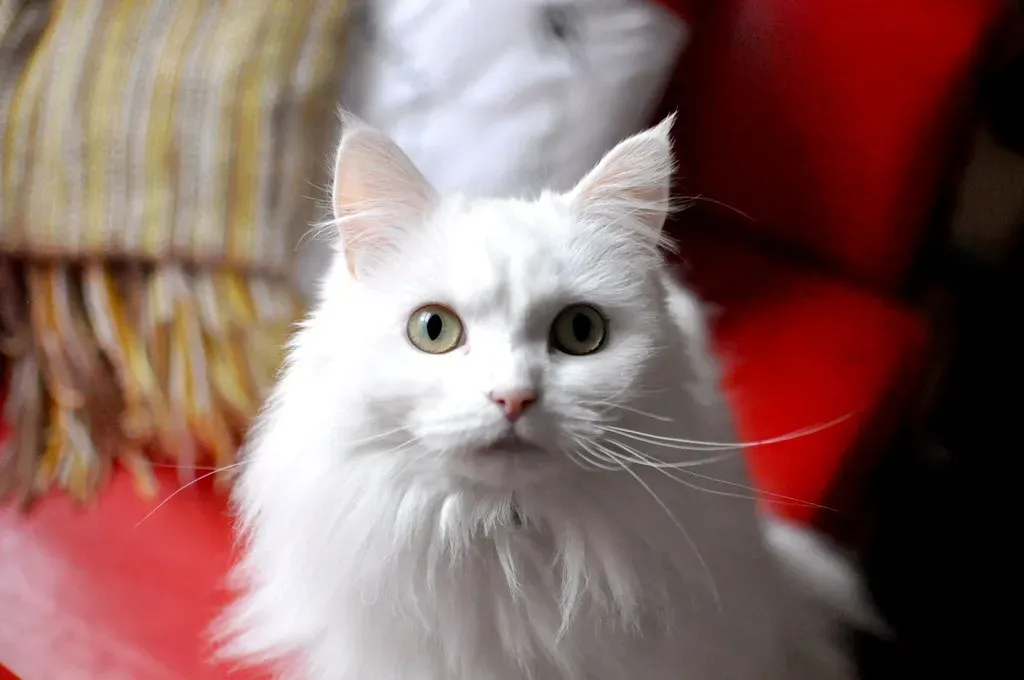
Elegant and refined Turkish Angoras have fine, silky coats that are easier to dry than most long-haired breeds, and they’re intelligent, playful, and social cats who enjoy exploring water. These kitties have been known to sit on bathroom counters to playfully and vigorously splash water, watching it in fascination. There’s something almost artistic about how they interact with water, like they’re studying its properties.
This regal and alert feline may surprise you by strolling into the shower or sliding into your bathtub, and may even swim alongside your dog at the lake or pool. Their grace extends to their swimming abilities, making them look dignified even while soaking wet. That’s a talent most cats simply don’t possess.
Siberian: The Robust Water Explorer
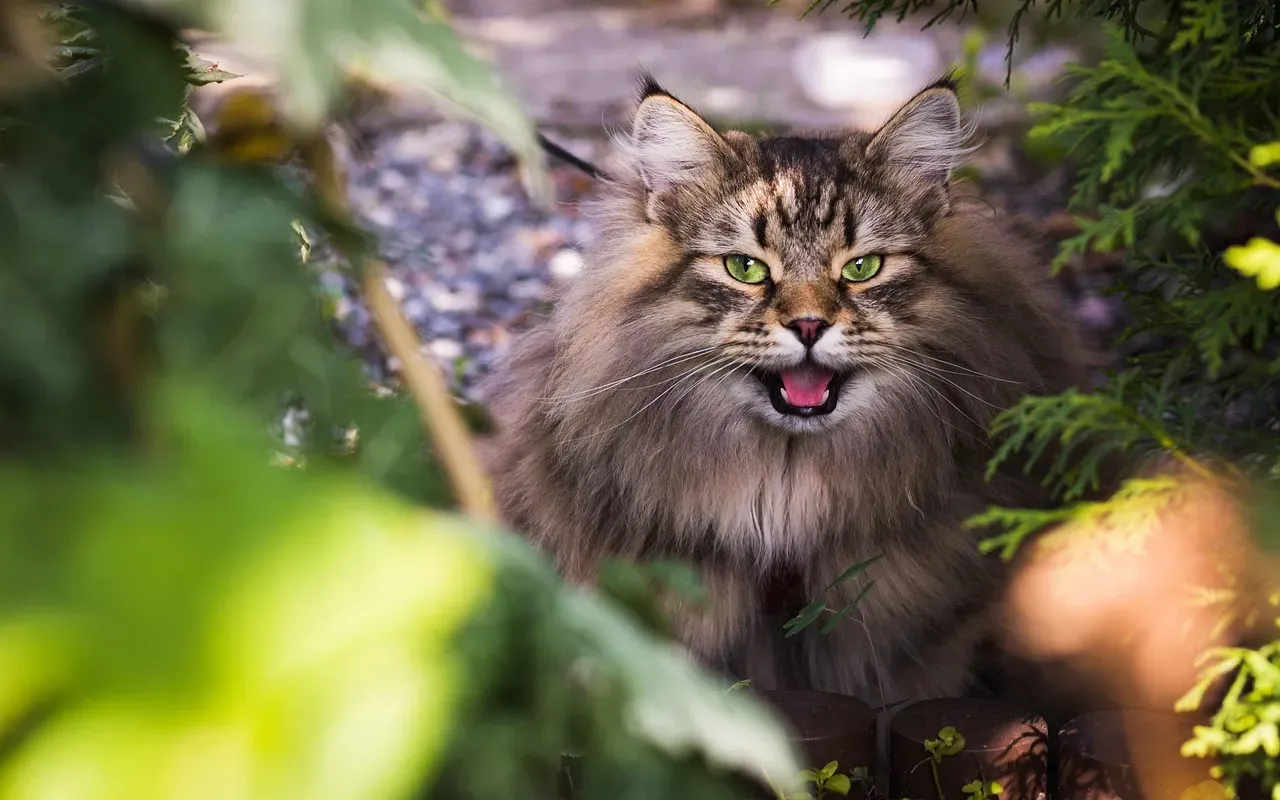
Siberian cats will often swat at running water from a faucet, jump into a shower with water droplets still in the tub, and drop their toys in the sink while you’re doing dishes. These robust cats from Russia treat water like an interactive element of their environment rather than something to avoid. The Siberian cat is impressive and interested in water, frequently examining and making contact with it, whether watching a faucet or touching a bubbling bowl.
Their thick triple-layered coat helps them stay comfortable around water, though it takes forever to dry. What’s noteworthy are their special fur combinations and the fact that they’re often among cat breeds that like water, having thick fur on three layers. It’s obvious they love water when you see them deliberately seeking it out throughout your home.
Persian: The Ultimate Water Avoider
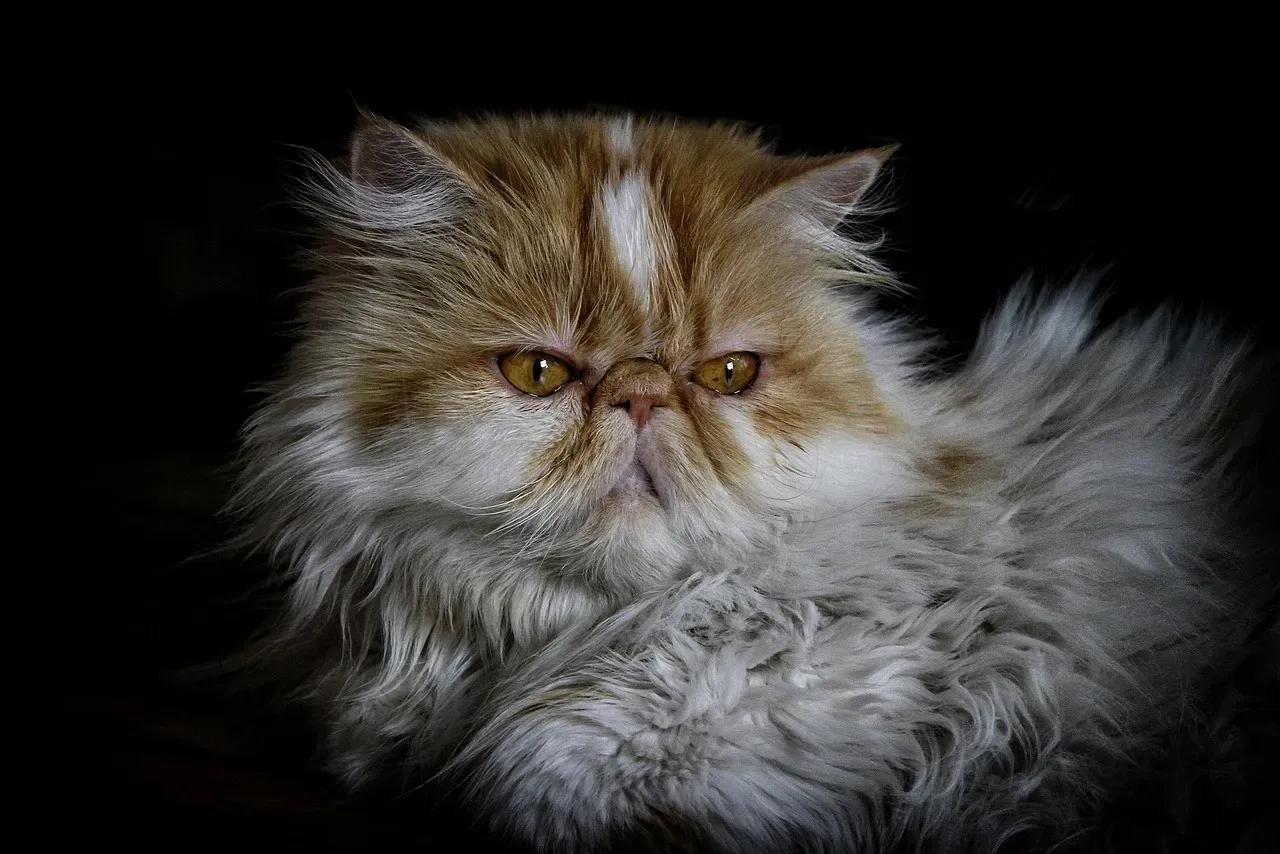
Now we’re switching gears to the breeds that would rather do absolutely anything than get wet. Persians top this list with their luxurious, high-maintenance coats that seem designed specifically to make water their nemesis. Most domestic cats have fur coats that absorb rather than deflect moisture, and once the average house cat is wet, they’re wet for a long time, making their fastidious grooming habits more difficult.
Their long, thick fur becomes impossibly heavy when wet, taking hours to dry properly. Persians are already known for being calm, dignified cats who value their appearance and comfort above all else. Getting them wet disrupts everything they stand for. Their flat faces also make them more sensitive to stress during bath time, adding another layer to their water aversion.
Himalayan: The Serene Lounger
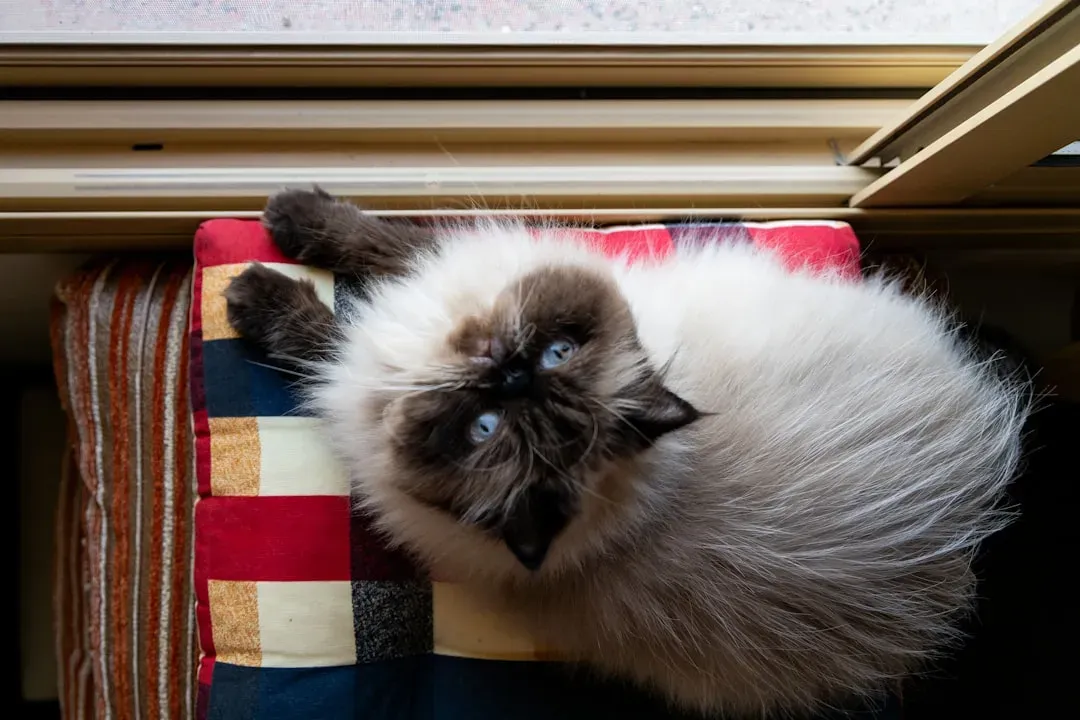
Himalayans, closely related to Persians, share a similar aversion to water due to their thick, luxurious coats, and they avoid water whenever possible, choosing to lounge in warm, cozy spaces instead. These cats are the epitome of relaxed, indoor living. Like most cats, Ragdoll Himalayan mixes probably don’t love water, though occasional baths may be necessary.
Their gorgeous coats require extensive grooming as it is, and water just complicates everything. Their grooming needs are extensive, as their long fur requires regular brushing to stay clean and tangle-free, and they’re ideal for owners who appreciate a laid-back companion. They’re perfectly content living their best lives in dry, peaceful environments where bath time is a rare occurrence.
Exotic Shorthair: The Plush Comfort Seeker
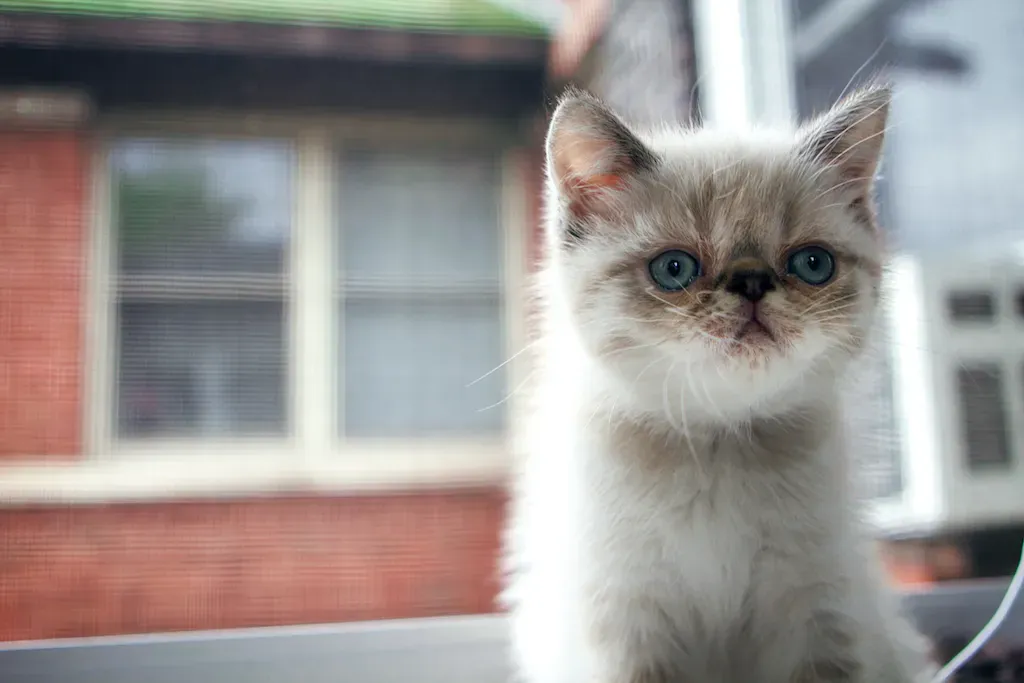
Exotic Shorthairs, often called “Persians in pajamas,” share many traits with their long-haired relatives including an aversion to water, with their plush, dense coats retaining moisture and making them uncomfortable when wet. They basically took the Persian’s personality and stuffed it into a slightly lower-maintenance package. Their calm and affectionate nature makes them ideal for indoor living, and they’re low-energy companions who value comfort and stability over adventure.
These cats prioritize coziness above everything else. Why would they willingly get wet when there’s a perfectly good warm spot waiting for them? Their dense coat might be shorter than a Persian’s, but it still holds onto moisture in all the wrong ways. They’re the type of cat who gives you that disappointed look if you even suggest bath time.
Scottish Fold: The Affectionate Homebody
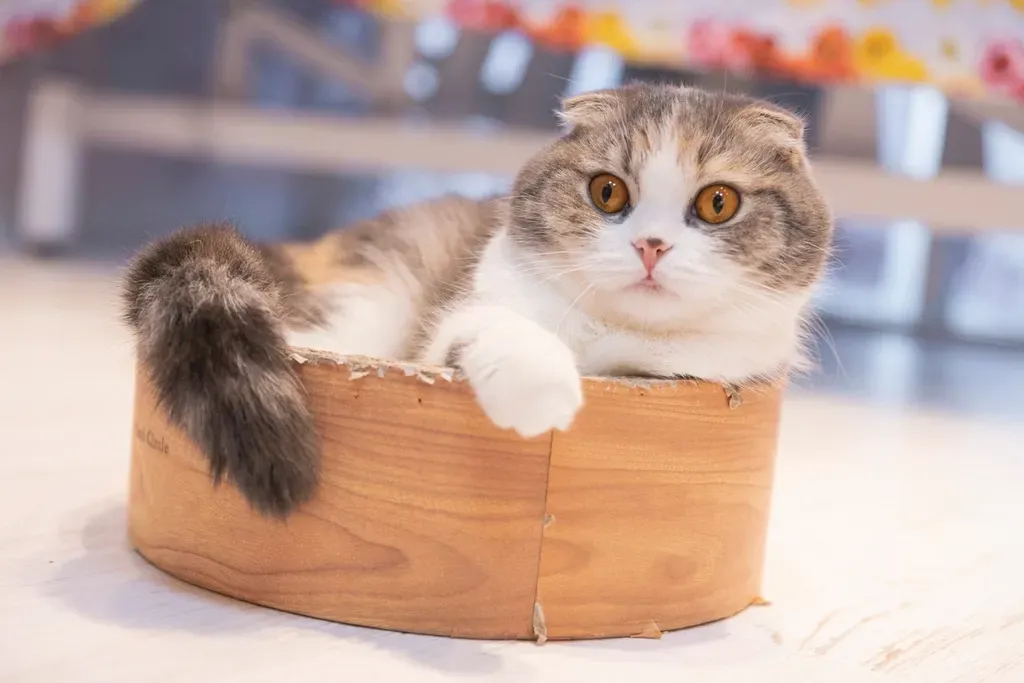
Scottish Folds are affectionate and enjoy close bonds with their families, often following their owners around the house, but despite their playful side, they tend to avoid activities involving water. These adorable cats with their signature folded ears are perfectly happy sticking to dry land. Most love to drink from running water, and some eat and drink with their paws, showing they’re interested in water on their own terms only.
Their rounded appearance and sweet temperament make them ideal lap cats, not swimming cats. They’re curious about water when they can control the interaction, but full immersion? That’s a hard pass. Their preference is to stay close to their humans in comfortable, predictable environments where surprise showers aren’t on the agenda.
Ragdoll: The Docile Dry-Land Lover
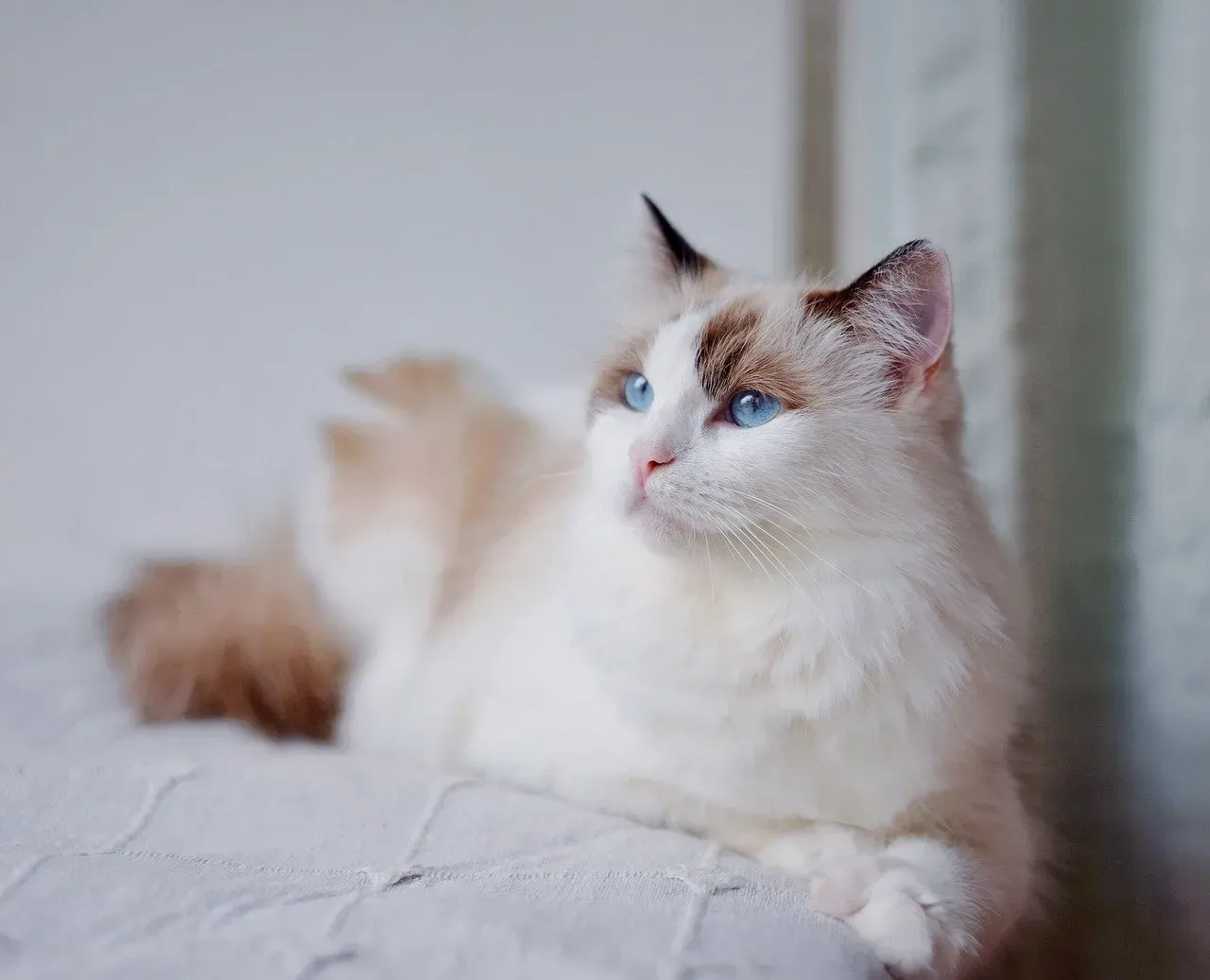
Ragdolls got their name from their tendency to go limp when picked up, and that relaxed nature extends to their preference for staying dry. These gentle giants are among the most laid-back breeds, and they see no reason to complicate their peaceful lives with water adventures. Their semi-long fur isn’t designed for aquatic activities, and they know it.
Like most cats, Ragdoll Himalayan mixes probably don’t love water, and purebred Ragdolls feel much the same way. They’re the ultimate companion cats who just want to hang out with their favorite humans, preferably on a soft surface far from any water source. Their mellow temperament means they won’t put up a huge fight during necessary baths, but they certainly won’t volunteer for the experience either.
British Shorthair: The Reserved Traditionalist
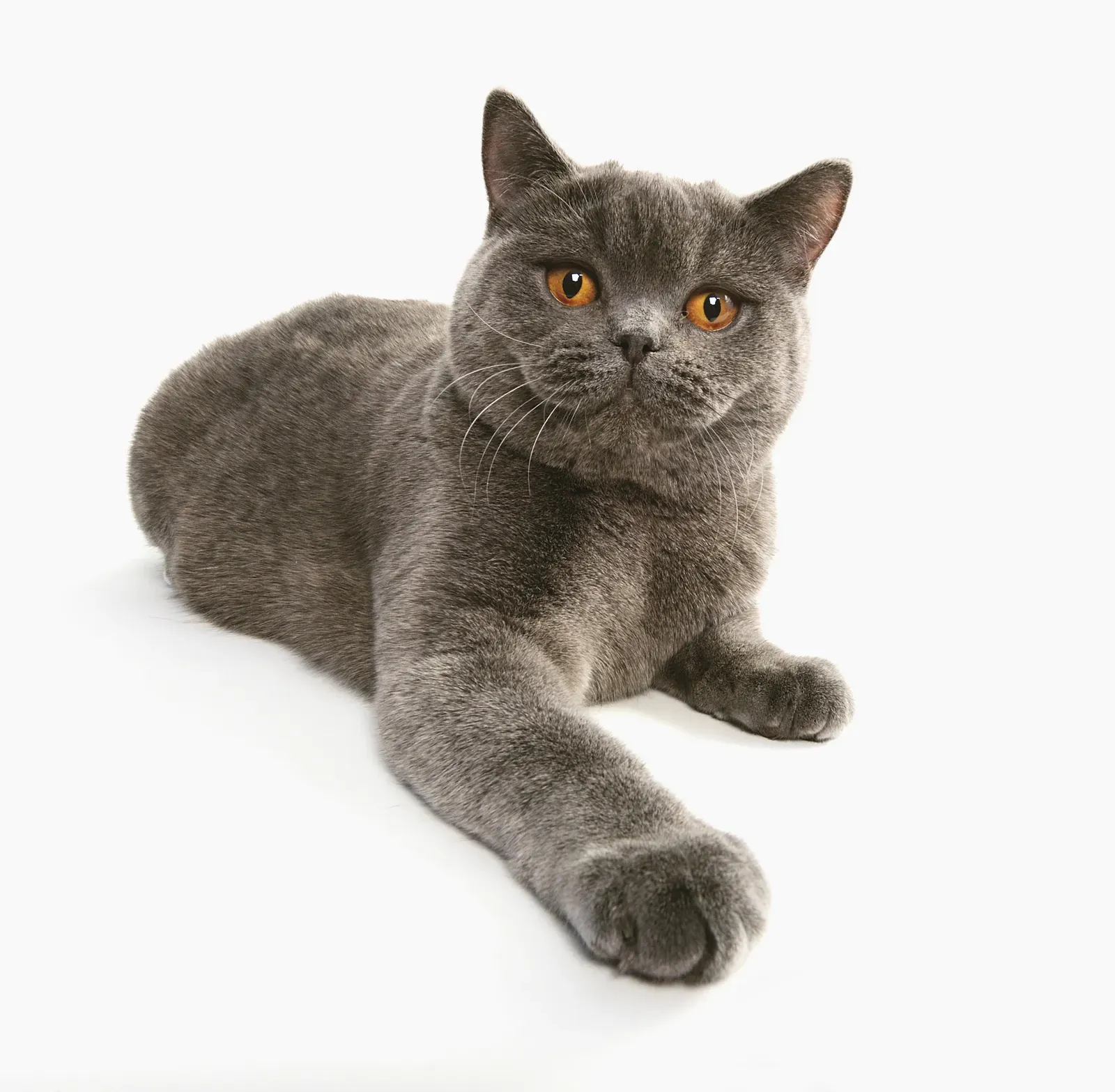
British Shorthair cats have thick, plush coats, and it’s maybe not surprising that cats named after a place known for rain wouldn’t mind water – though actually, they do mind. Most British Shorthair cats can swim and can often be found splashing in water dishes or playing with floating toys, though every cat is unique and some do not like water.
They’re sturdy, independent cats who prefer routine and predictability. Their dense coats dry relatively quickly compared to longer-haired breeds, but that doesn’t mean they’re signing up for swim lessons. British Shorthairs value their dignity, and there’s nothing dignified about a soaking wet cat. They’ll tolerate water when absolutely necessary, but don’t expect enthusiasm.
Russian Blue: The Elegant Recluse
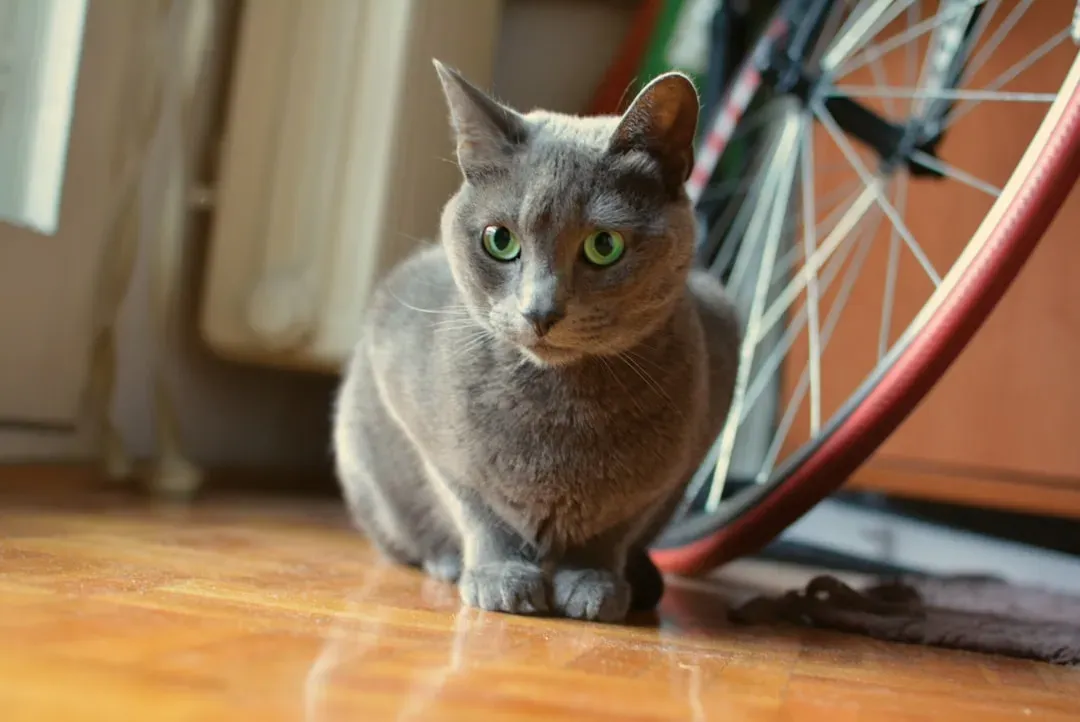
The Russian Blue is a reserved and elegant breed that prefers to avoid water, with their sleek, dense coat not suited for wet environments, and they enjoy peaceful and dry spaces where they can relax. These cats have an almost aristocratic bearing, and getting wet would be beneath them. Known for their gentle and affectionate nature, Russian Blues form close bonds with their families but shy away from anything causing discomfort, including water.
Their gorgeous silvery-blue coat is one of their defining features, and they’re not about to let water ruin it. These cats are naturally cautious and prefer environments they can control. Water represents unpredictability and discomfort, two things Russian Blues actively avoid. They’re excellent choices for owners seeking quiet, low-maintenance companions who appreciate dry living spaces.
Chartreux: The Serene French Beauty
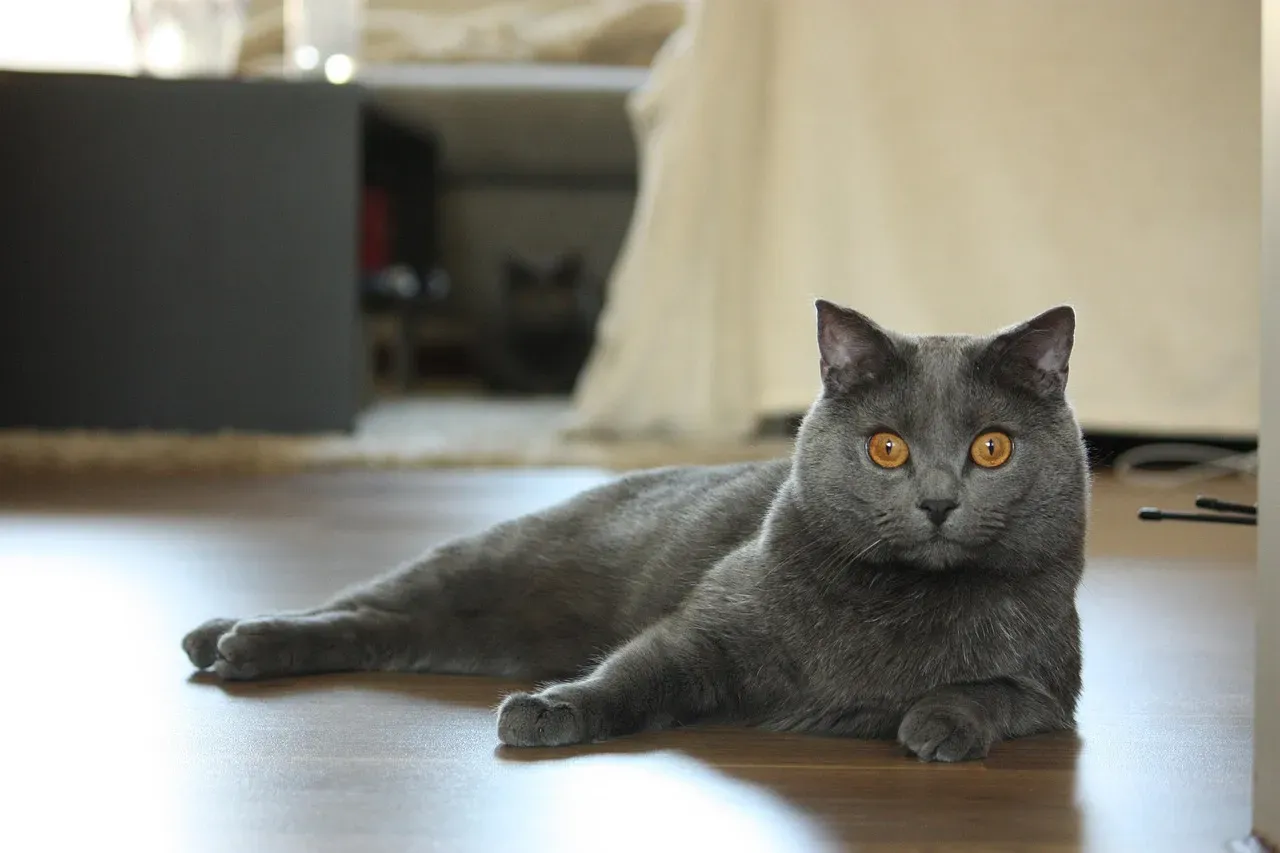
The Chartreux is a quiet and serene breed with a strong preference for dry environments, known for their dense, woolly coats which are not designed for wet conditions, preferring to stay indoors and relax in warm, peaceful spots. These French cats have been around for centuries, and in all that time, they’ve apparently decided water isn’t for them. Their calm and affectionate demeanor makes them perfect companions for owners who value tranquility, and while playful and engaging, they’re unlikely to show any interest in water-based activities.
Their woolly coats would become impossibly heavy when wet, taking ages to dry properly. Chartreux cats are intelligent enough to know that avoiding water altogether is simply the smarter choice. They’d much rather spend their time in comfortable spots around the house, observing their domain from a safe, dry distance.
Conclusion: Understanding Your Cat’s Relationship With Water
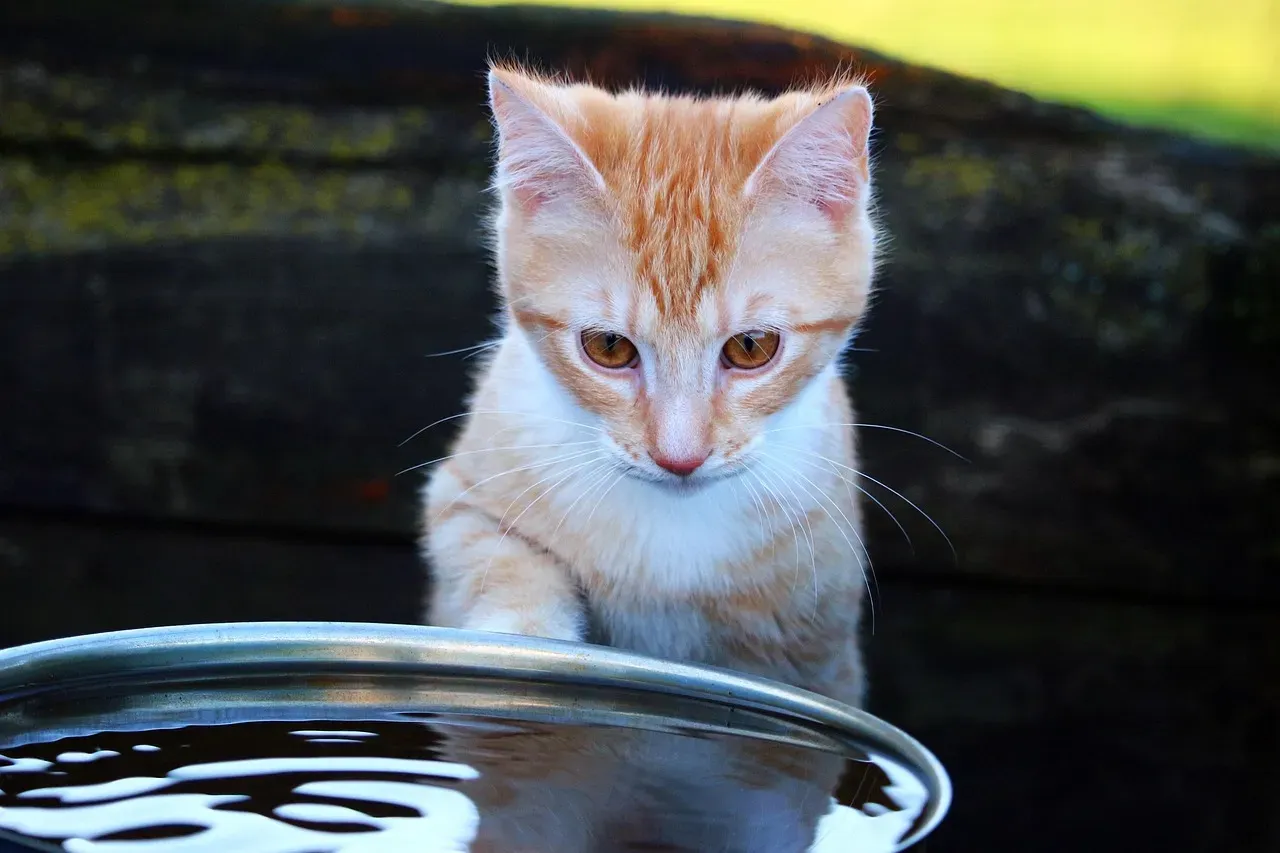
It’s estimated that only around ten percent of domestic cats have a natural inclination towards water, making it quite a unique trait, with most cats preferring to stay dry based on their breed and individual personality. Whether your cat is a water-loving Bengal who treats your bathroom like a personal playground or a Persian who acts like water is liquid kryptonite, understanding these tendencies helps you provide better care.
The fascinating thing is how much variation exists even within breeds. You might have a Maine Coon who wants nothing to do with water, or a Ragdoll who surprises you by enjoying a gentle shower. Ultimately, cats’ hatred of water may not stem from a single source – it’s probably a blend of multiple factors, likely a combination of natural aversion and learned behavior. Each cat is an individual with their own quirks and preferences.
What’s your cat’s relationship with water like? Does your feline friend fit their breed’s stereotype, or are they the exception that proves the rule? Share your water-loving or water-avoiding stories in the comments.
Kristina is a young writer from India. An arts graduate and an avid content creator, Kristina is passionate about animals and wildlife. She enjoys exploring topics related to pet care, animal behavior, conservation, and nature, combining thorough research with engaging storytelling.