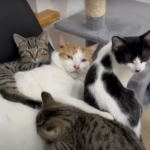
You might think your daily schedule is pretty solid. You’ve got your coffee brewing at just the right time, maybe some toast before you head out the door. Yet if you pay attention to your feline roommate, you’ll quickly realize they’re operating on a whole different level of organization. While you’re still hitting the snooze button for the third time, your cat has already completed half their morning checklist with military precision.
Let’s be honest, cats aren’t just winging it when it comes to their mornings. They’ve got routines so tight that even the most disciplined humans might feel a little inadequate. So what makes their morning game so strong? The answer might surprise you.
They Have a Built-In Alarm Clock That Never Fails
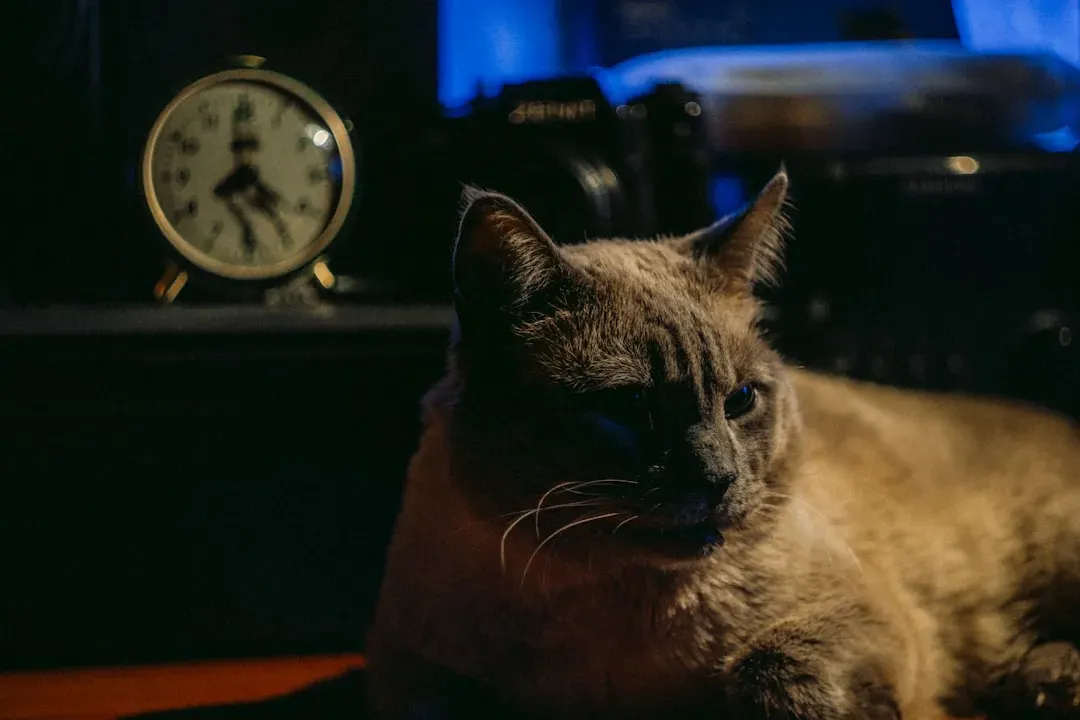
Your cat wakes up at the same time each morning because they want to be fed, and they have a good internal clock that knows when you’re getting up, leaving for work, and coming home again. It’s hard to say for sure, but this precision seems almost supernatural. While you’re fumbling for your phone to silence that annoying beep, your cat has already been up, stretched, and mentally prepared for the day ahead.
Both dogs and cats have a circadian rhythm, an internal body clock that follows a 24-hour cycle and helps regulate their sleep, appetite, energy levels, and expectations around mealtimes. Think about it: when was the last time you actually woke up naturally without needing some electronic device to jolt you back to consciousness? Your cat does this every single day without fail.
Their Wake-Up Time Is Based on Ancient Hunting Instincts

Felines are crepuscular, meaning they’re most active at dawn and dusk, so it’s likely your cat is up early in the mornings, ready to get the day started. This isn’t some random preference either. Wild cats hunt during these twilight hours when prey is most active, and your domestic cat still carries those same biological drives.
You might call it annoying when your cat wakes you at five in the morning, but they’re simply following millions of years of evolutionary programming. Meanwhile, your own wake-up time probably depends on whatever shift you’re working that week or how late you stayed up binge-watching shows. There’s something almost admirable about their consistency, even if it does interrupt your sleep.
They Never Skip Their Morning Grooming Session
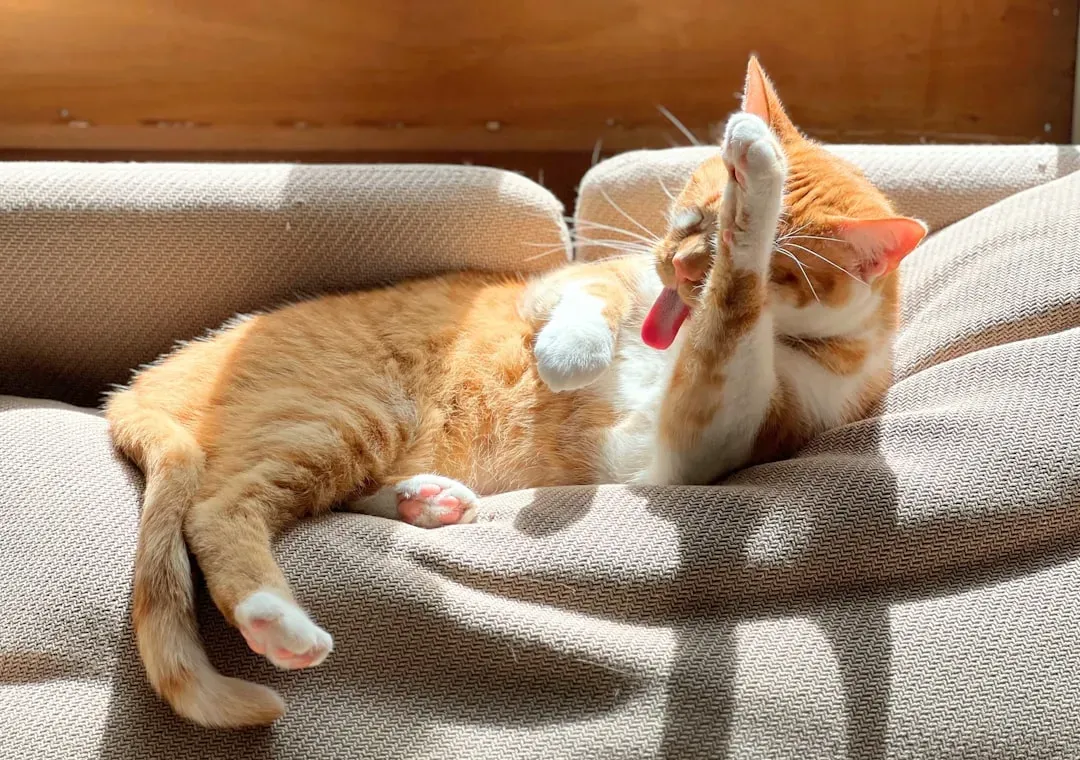
Cats spend roughly thirty to forty percent of their day grooming themselves, and they often help each other with a nice brushing. Before you’ve even brushed your teeth or looked in a mirror, your cat has already completed an extensive self-care routine. They’re washing their face, cleaning their paws, smoothing down their fur, and making sure everything is absolutely perfect.
Compare that to your own morning routine. How many times have you rushed out the door with messy hair or realized you forgot to put on deodorant? Cats don’t have that problem. Their grooming is non-negotiable, a daily ritual that happens like clockwork. It’s part meditation, part hygiene, and entirely organized.
Breakfast Happens at the Exact Same Time Every Day
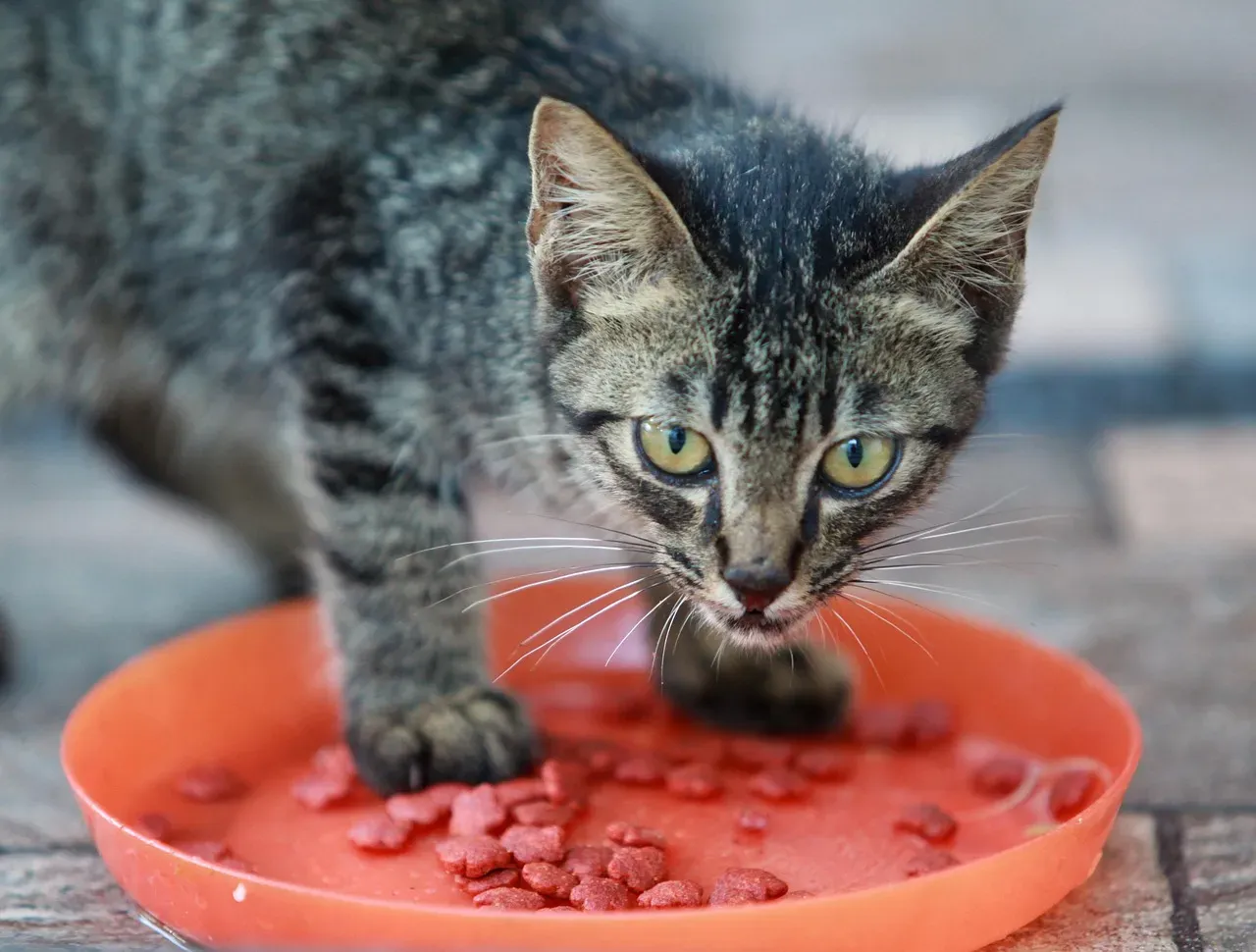
Cats are creatures of habit who want to be fed at regular hours, and if you get up and immediately feed your cat each morning, she gets into a routine and starts to expect to be fed within minutes of your waking up. This isn’t just preference. It’s expectation management at its finest.
Your cat knows precisely when feeding time should occur, down to the minute sometimes. They’ll sit by their bowl, stare at you with those knowing eyes, or gently tap your arm to remind you of your duties. Meanwhile, you’re probably grabbing whatever’s quickest or skipping breakfast altogether because you’re running late. Who’s really got their life together here?
They Follow a Specific Sequence Every Single Morning
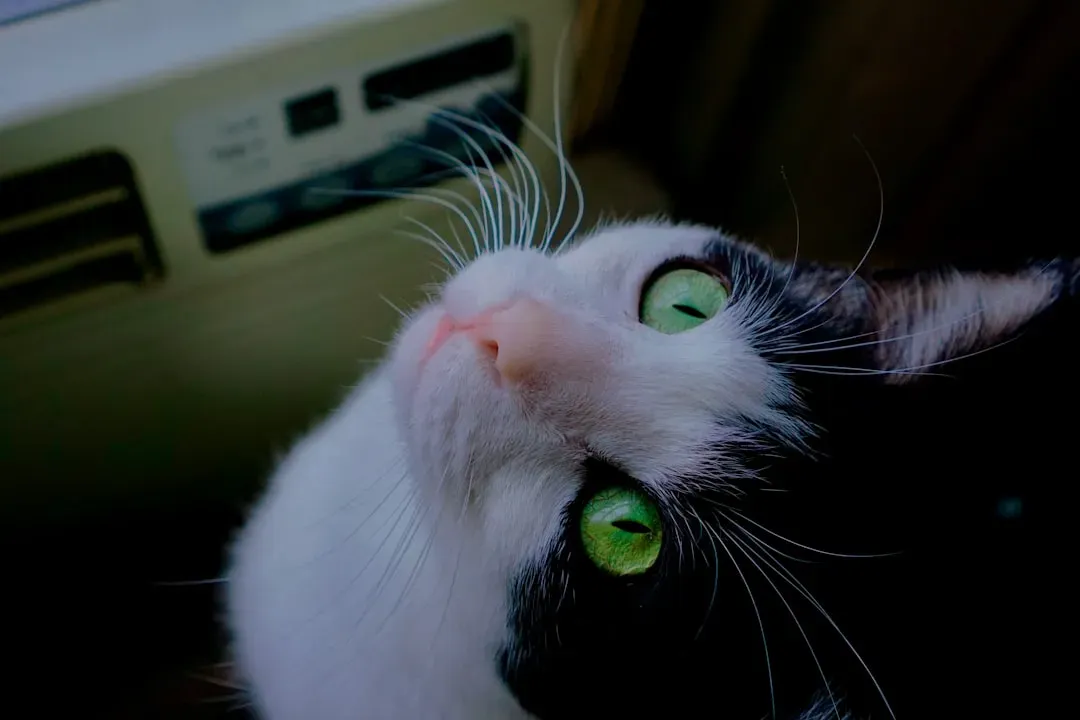
Cats don’t just do random activities when they wake up. Many cat owners say that the first thing their felines do after waking them up in the morning is settle in for some kitty cuddles, suggesting their priorities are in order. After cuddles comes breakfast, then grooming, then perhaps some playtime or patrol duties around the house.
This sequential approach is something productivity experts preach to humans all the time. Yet your cat figured it out instinctively. They know that doing things in the same order every day creates efficiency and reduces decision fatigue. You, on the other hand, might spend ten minutes staring into your closet trying to decide what to wear.
They’re Masters of Territory Inspection
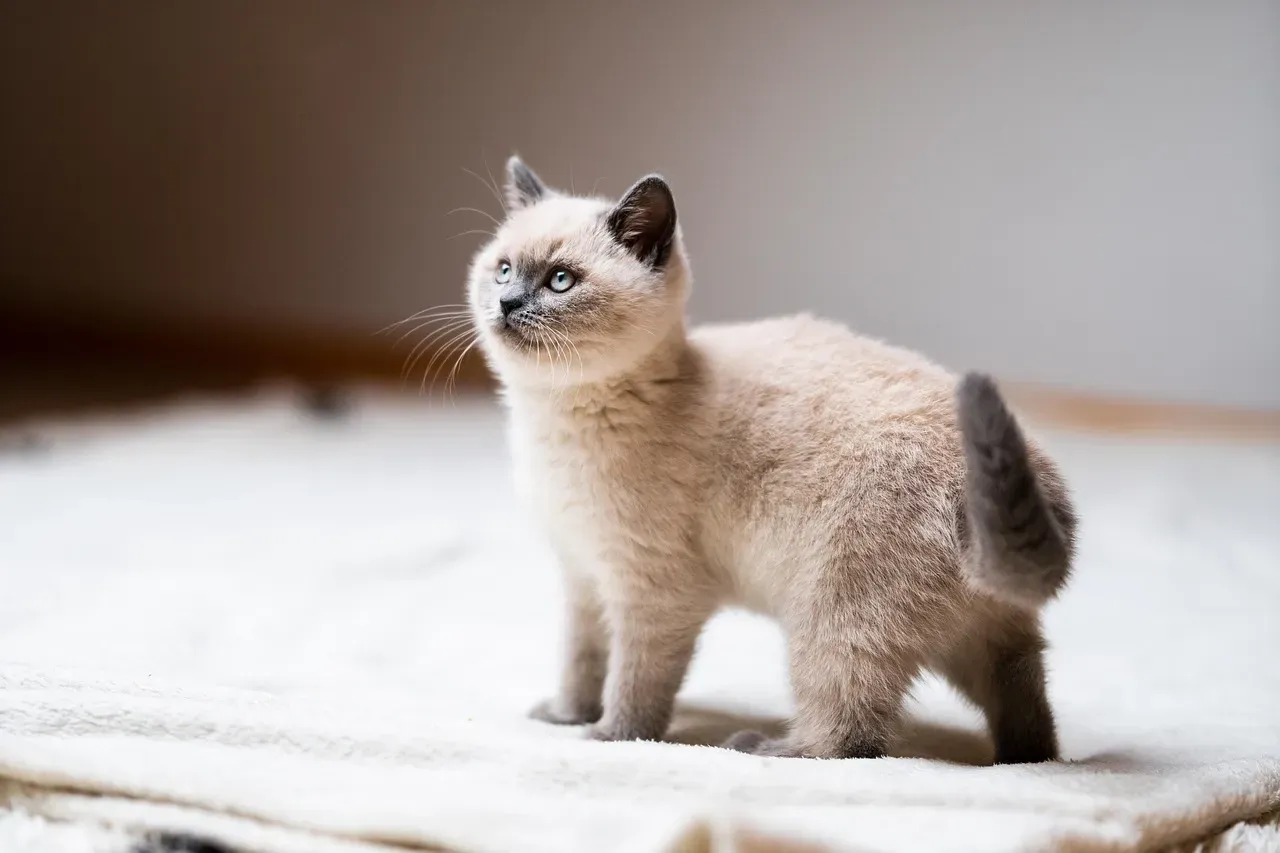
Maintaining territory was of particular importance for cats because having a well-defined space would guarantee plenty of meals, so a cat’s routine would involve daily territory marking and ensuring the environment was predictable and secure. Every morning, your cat likely does a full patrol of their domain, checking windows, inspecting corners, and making sure everything is as it should be.
This isn’t paranoia or obsessive behavior. It’s thorough, methodical organization. They’re essentially doing a morning audit of their environment, something many humans would benefit from. Instead, you probably stumble through your house half-asleep, tripping over things you didn’t notice were there.
They Use Environmental Cues Like Professionals

Cats work their schedules in tandem with certain behaviors or triggers like the chorus of a songbird, the sound of an alarm, the postman rattling the letterbox, their human companion leaving for work, or the TV being switched on in the evening. They’re not guessing what time it is. They’re reading the environment and using multiple data points to stay on schedule.
Think about how sophisticated that is. Your cat is essentially triangulating time using sound, light, movement, and routine. You rely on digital clocks and phone notifications just to remember what day it is. Their system is arguably more resilient because it doesn’t depend on battery life or Wi-Fi connectivity.
They Know Exactly How Much Sleep They Need
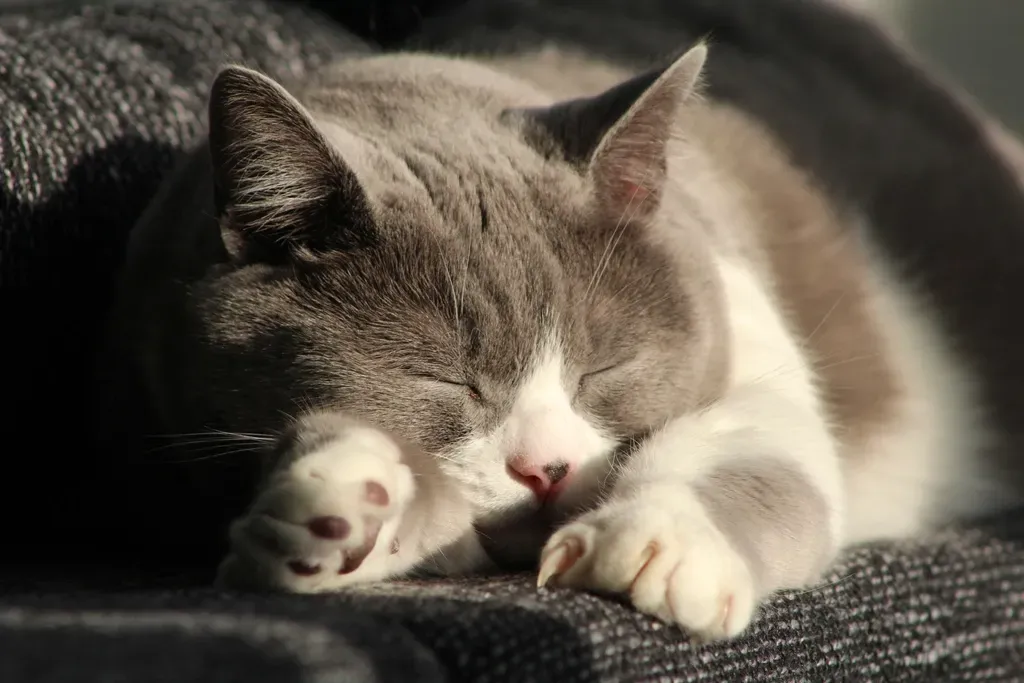
Cats like to sleep approximately thirteen to nineteen hours a day, and how much they sleep depends on the level of activity in their environment. More importantly, they actually get that sleep without guilt or anxiety about being lazy. They’ve optimized their rest schedule to match their activity needs perfectly.
You, meanwhile, probably survive on six hours of sleep and three cups of coffee, convincing yourself that you’ll catch up on the weekend. Spoiler alert: you won’t. Your cat has figured out that proper rest is essential to functioning well, and they’ve structured their entire day around getting the right amount. That’s not laziness, that’s strategic life management.
They Never Waste Energy on Unnecessary Decisions
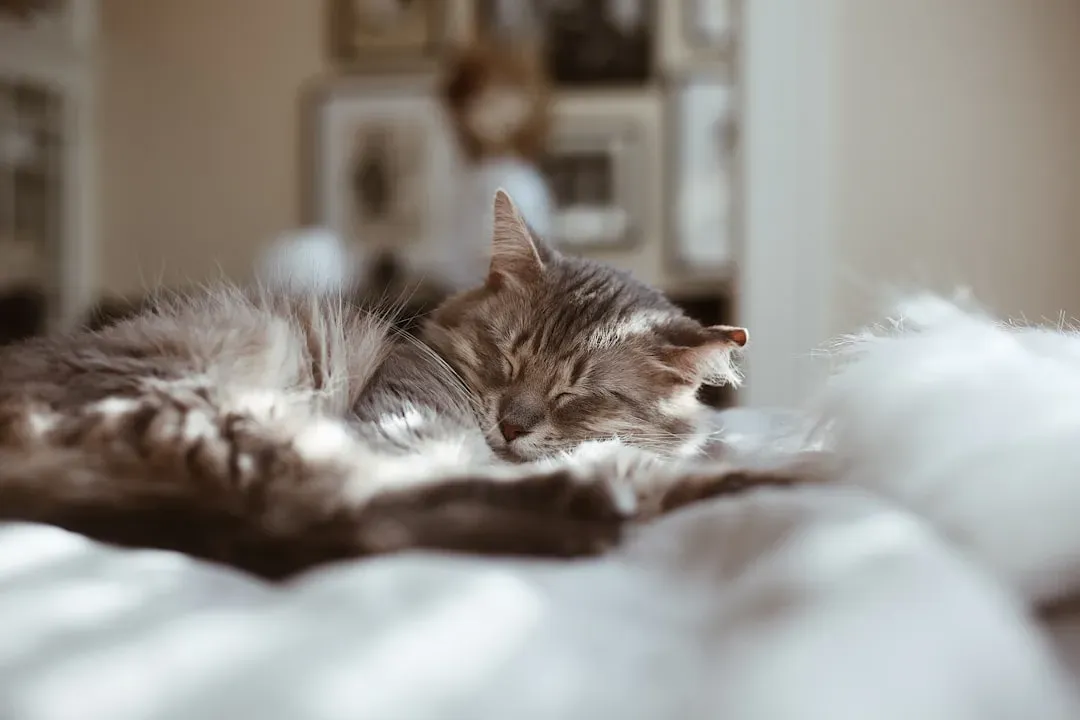
What seems like a boring existence to humans is a routine that means safety and security for a cat, and by setting up regular, unchanging timetables, pet owners provide an environment that’s dependable, predictable and organized. Cats don’t wake up and wonder what they should do today. They already know because they do the same productive things every morning.
Humans call this decision fatigue, and it’s a real productivity killer. Your cat eliminated it entirely by sticking to a proven system. While you’re scrolling through social media trying to wake up or debating whether you should work out today, your cat has already accomplished multiple tasks and moved on to the next phase of their day.
They’re Incredibly Consistent About Self-Care

A quick grooming session in the morning can make a big difference, with light brushing reducing shedding and preventing hairballs while also helping spot early signs of skin or coat issues. Your cat doesn’t need reminders or motivational quotes to practice self-care. It’s simply built into their morning schedule as a non-negotiable activity.
Compare that to how many humans treat their own well-being. Self-care becomes something you squeeze in if you have time, or something you promise yourself you’ll do next week. Your cat has already prioritized it, completed it, and moved on before you’ve even thought about your own needs. There’s a lesson there about making time for what’s important rather than hoping time will magically appear.
They Stick to Their Routine Even When Life Gets Chaotic
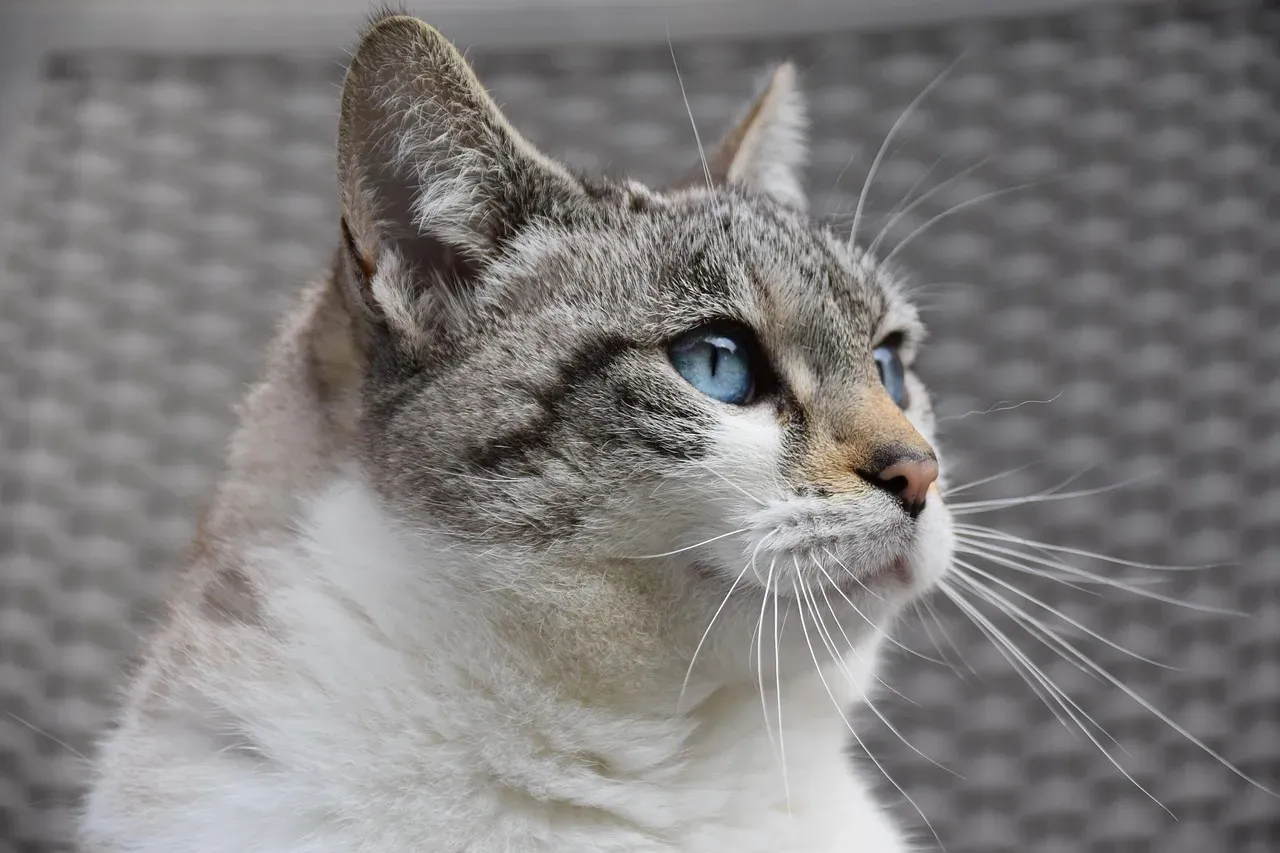
Cats have a good internal clock, and when there’s a lot of change in routines, they tend to become anxious and nervous because pets, like people, like stability. Even when you’re traveling, having guests, or dealing with a major life change, your cat will try to maintain as much of their routine as possible. This resilience is remarkable.
You might completely abandon your morning workout or healthy breakfast when things get stressful, but your cat will still do their patrol, their grooming, and their scheduled activities. They understand instinctively that maintaining structure during chaos is what keeps you grounded. That’s organizational wisdom that many productivity coaches would charge hundreds to teach you.
They’ve Perfected the Art of Mindful Living
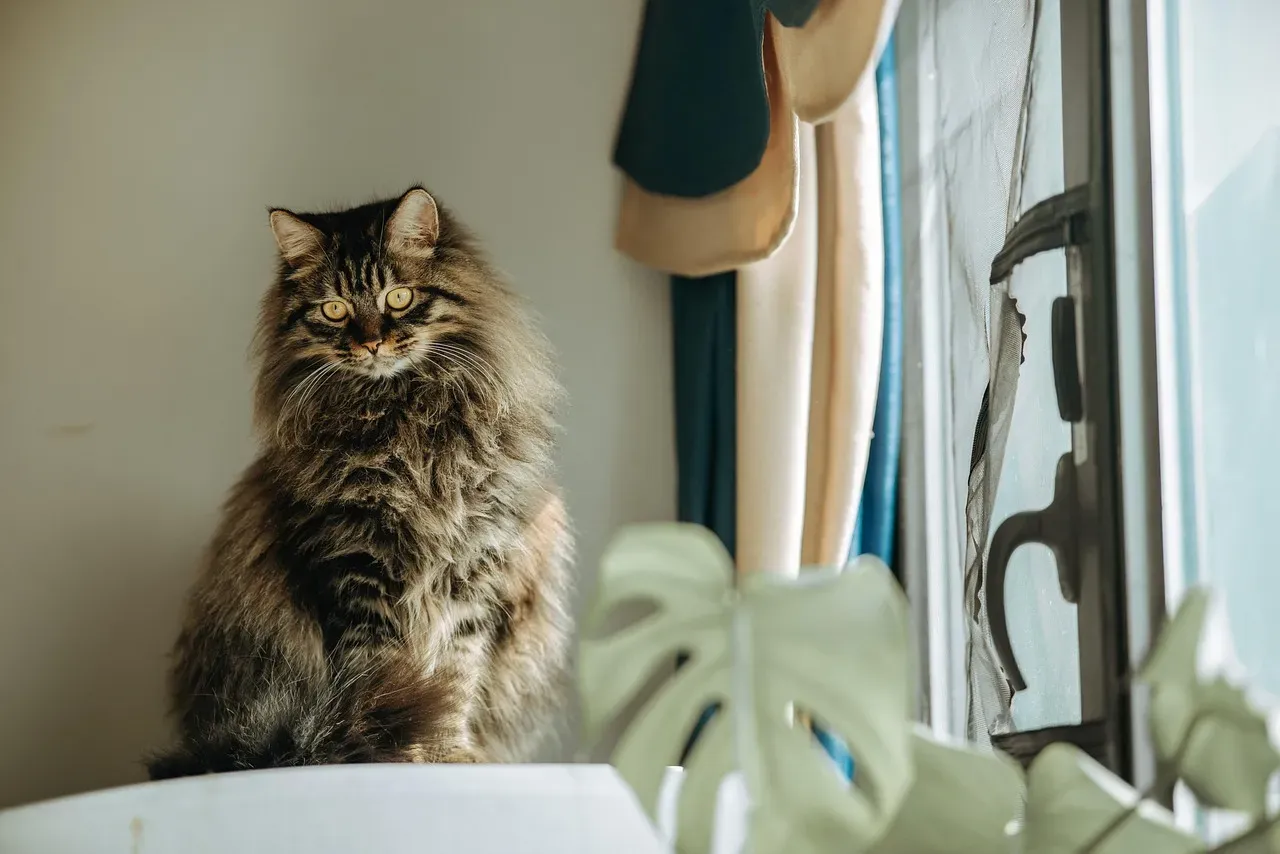
Morning play sessions with cats follow their instinctual prey sequence: staring, stalking, chasing, pouncing, and finally, the kill bite, and after following this sequence, cats then eat, groom, and sleep. Every activity gets their full attention. They’re not multitasking or checking their phones while eating breakfast.
When was the last time you ate a meal without looking at a screen? Your cat is fully present for every part of their morning, engaging completely with each task before moving to the next. This mindfulness makes their routine more efficient and satisfying. They’re not just going through the motions, they’re actually experiencing their morning, which might explain why they seem so much more content than most humans rushing through their day.
Conclusion: What Your Cat Can Teach You About Mornings

Here’s the thing: your cat isn’t organizing their morning routine because they read a productivity book or watched a motivational video. They do it because consistency, routine, and structure are hardwired into their nature. They’ve figured out that having a reliable system reduces stress, increases efficiency, and makes life more predictable in the best possible way.
Maybe there’s something to learn from watching your furry roommate tackle their mornings with such confidence and precision. Perhaps you don’t need more apps or alarms or complicated systems. Maybe you just need to identify what matters most, do those things in the same order every day, and stop overthinking it. Your cat certainly isn’t overthinking anything, and look how well their mornings run.
So next time your cat wakes you up at dawn with their usual routine, instead of being annoyed, take a moment to appreciate the masterclass in organization happening right in front of you. What do you think? Could you match your cat’s level of morning discipline if you tried?