9 Unexpected Ways Your Cat Shows You Undeniable Affection
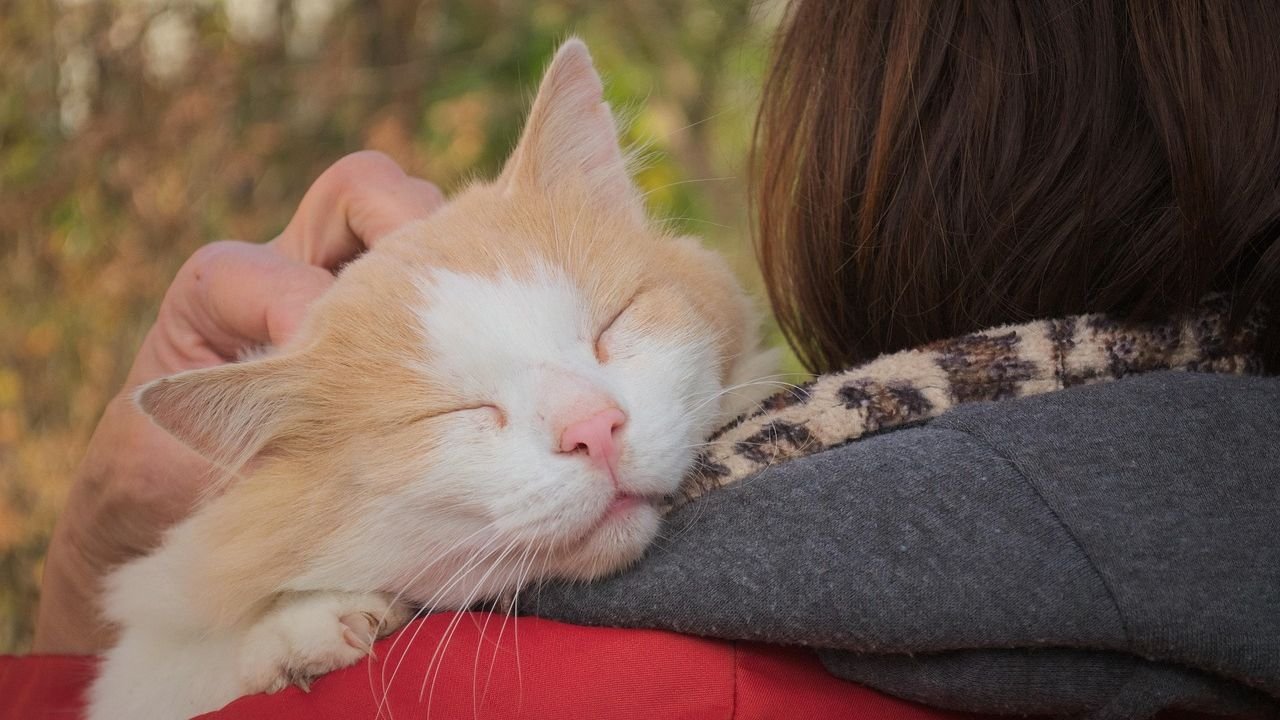
Cats have developed an unfair reputation over the years. People love to claim these elegant creatures are aloof, indifferent, or even uncaring toward their human companions. The truth, honestly, is far more interesting than that. Your feline friend is constantly broadcasting their love for you through a fascinating array of subtle signals and behaviors that are uniquely their own. Some of these expressions are so unexpected, you might have been misreading them your entire life.
While dogs tend to wear their emotions on their sleeves with wagging tails and excited jumps, cats communicate affection in quieter, more nuanced ways. If you've ever wondered whether your cat truly loves you, prepare to be surprised. The signs have been there all along, hiding in plain sight.
They Show You Their Backside
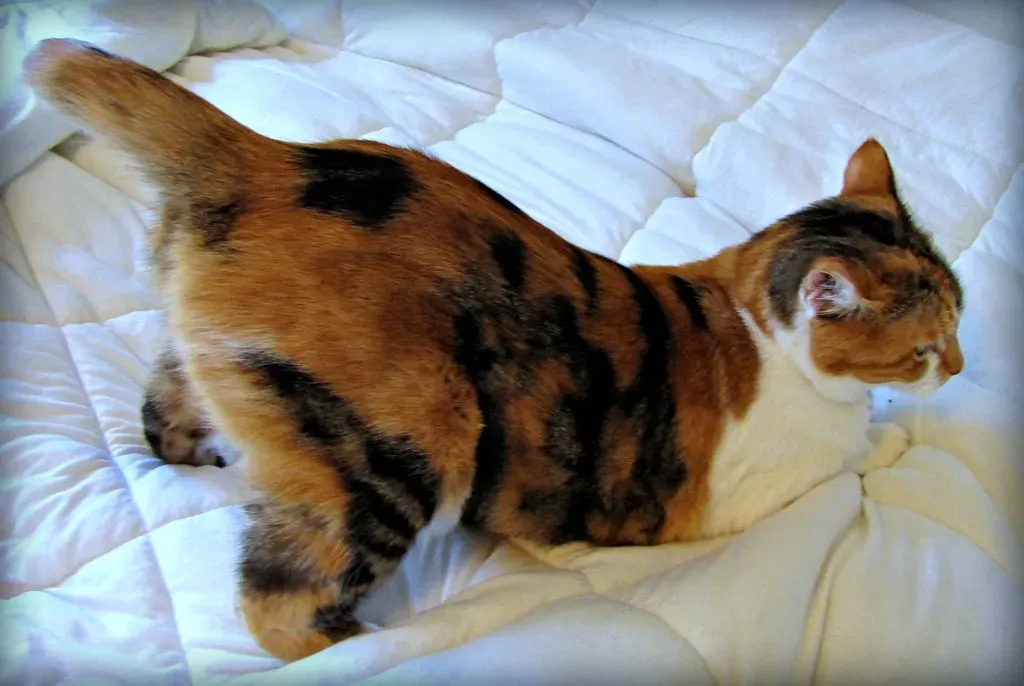
When your cat hops onto your lap and sticks their rear end directly in your face, it might seem annoying or even gross, yet this is actually their way of showing love. Think about how cats interact with each other in the wild. They introduce themselves to other animals by sniffing their rear ends, which serves as a scent identifier almost equivalent to a handshake in the human world.
When your cat regularly shows you their behind, they're signaling that they feel comfortable around you and telling you that you are their favorite human. So next time your cat turns around and presents their backside during cuddle time, resist the urge to be offended. Instead, recognize this quirky behavior for what it truly is - a feline declaration of trust and belonging.
The Slow Blink Kiss
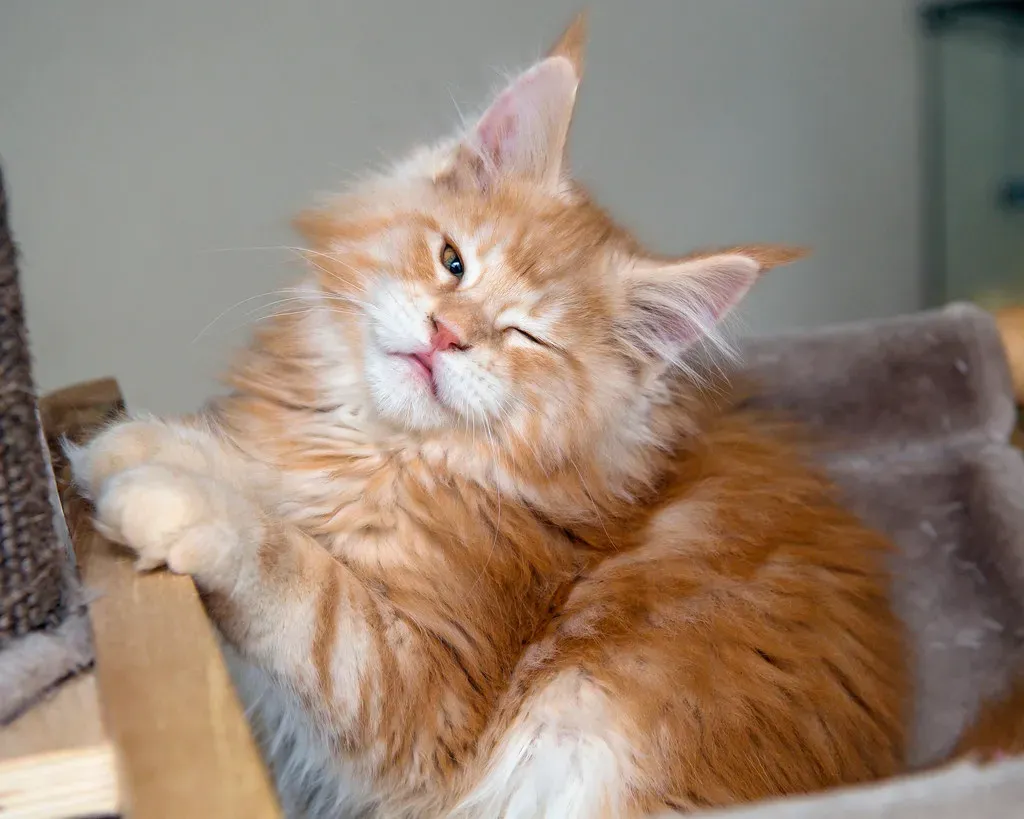
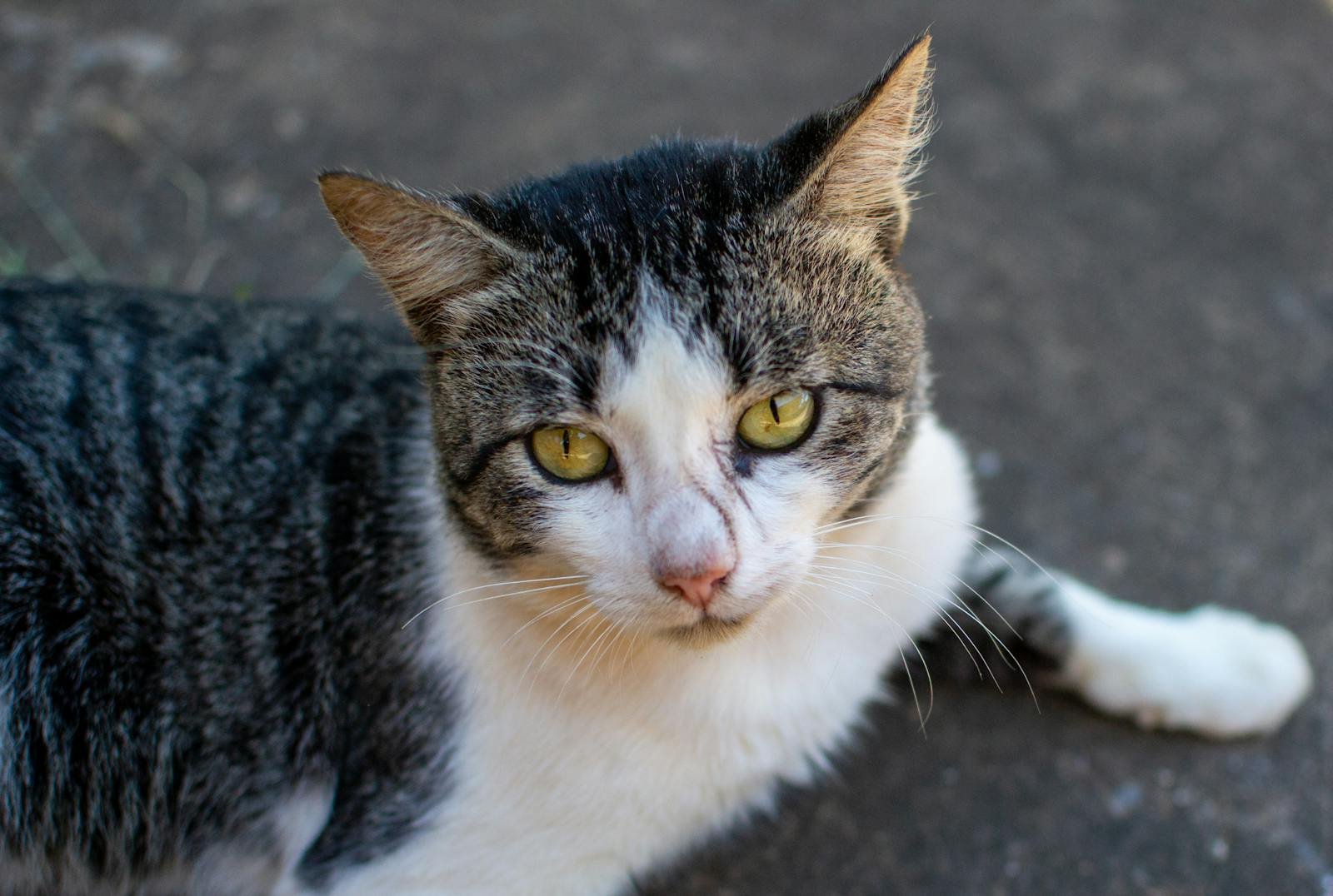
A slow blink is your cat's way of showing you that they trust you and feel safe with you, which is an essential component in any loving relationship. Cat lovers refer to these slow blinks as cat kisses, where the cat makes eye contact in a very relaxed way and slowly blinks their eyes. When your cat sits across from you and offers this gentle gesture, they're communicating peace and connection in the most vulnerable way possible.
What makes this behavior so special is the element of trust involved. Intense staring with wide-open eyes can sometimes be a threatening gesture in cats, yet when a cat slow blinks at you, they are showing you that they feel calm and safe in your presence. You can even return the gesture by slow blinking back at your cat, creating a beautiful moment of mutual understanding that deepens your bond.
Making Biscuits on Your Body
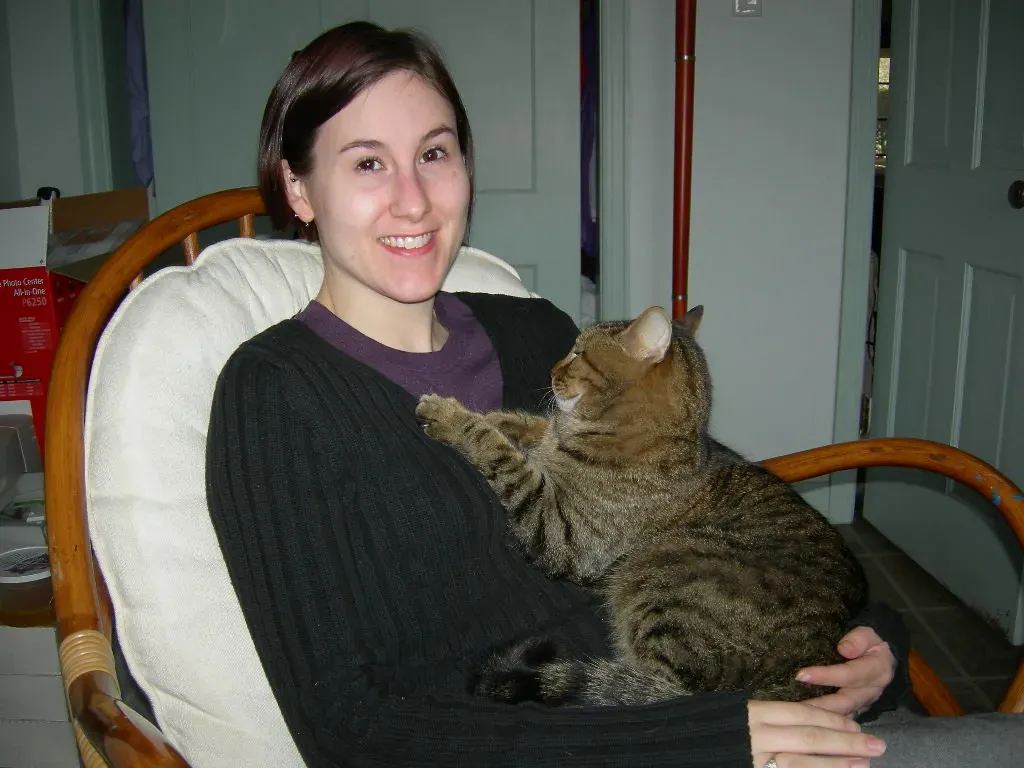
The rhythmic kneading cats do on blankets, pillows, or their humans is a behavior that mimics what they did while nursing as kittens, and it's just a leftover instinctual thing that they do when they feel super happy and super connected. This adorable behavior, often called "making biscuits," involves your cat rhythmically pressing their paws into you, alternating between left and right.
Cats can show affection by kneading their people with their front paws, which is a behavior kittens do with their mothers to stimulate the flow of milk and is strongly associated with happy times. When your cat massages you with their paws, they're essentially regressing to that blissful kittenhood state when they felt most safe and loved. Even if their claws dig in a bit too much, remember that this gesture carries profound emotional weight for your feline companion.
Following You Like a Shadow
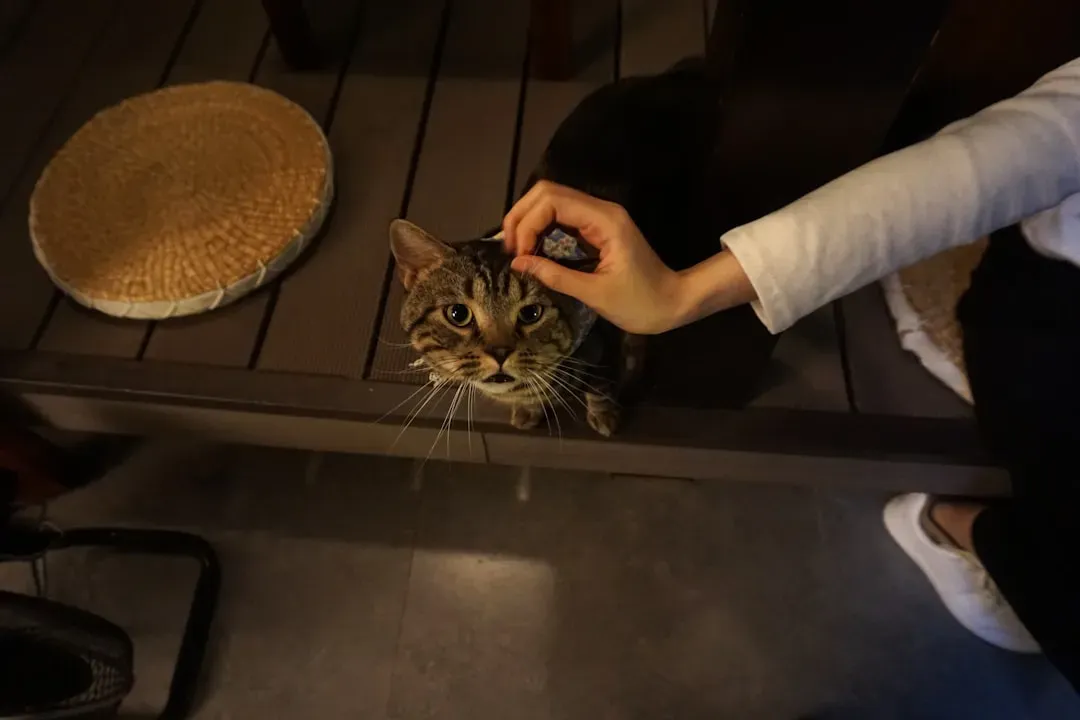
Do you ever feel like you have a furry shadow trailing behind you everywhere you go? Cats often follow those they love and trust, and this behavior is similar to greeting you at the front door, showing their affection and interest in being near you. Your cat doesn't need to be physically touching you or demanding attention - simply choosing to share your space is a powerful expression of their bond with you.
If your cat likes to trail you around the house, there can be many reasons for this, ranging from wanting food to being anxious, yet there are many cases in which your cat simply enjoys your company and wants to be with you, especially if it's not close to feeding time and your cat isn't acting like they want anything. This quiet companionship speaks volumes about how your cat feels most content when near you.
Bringing You Unusual Gifts
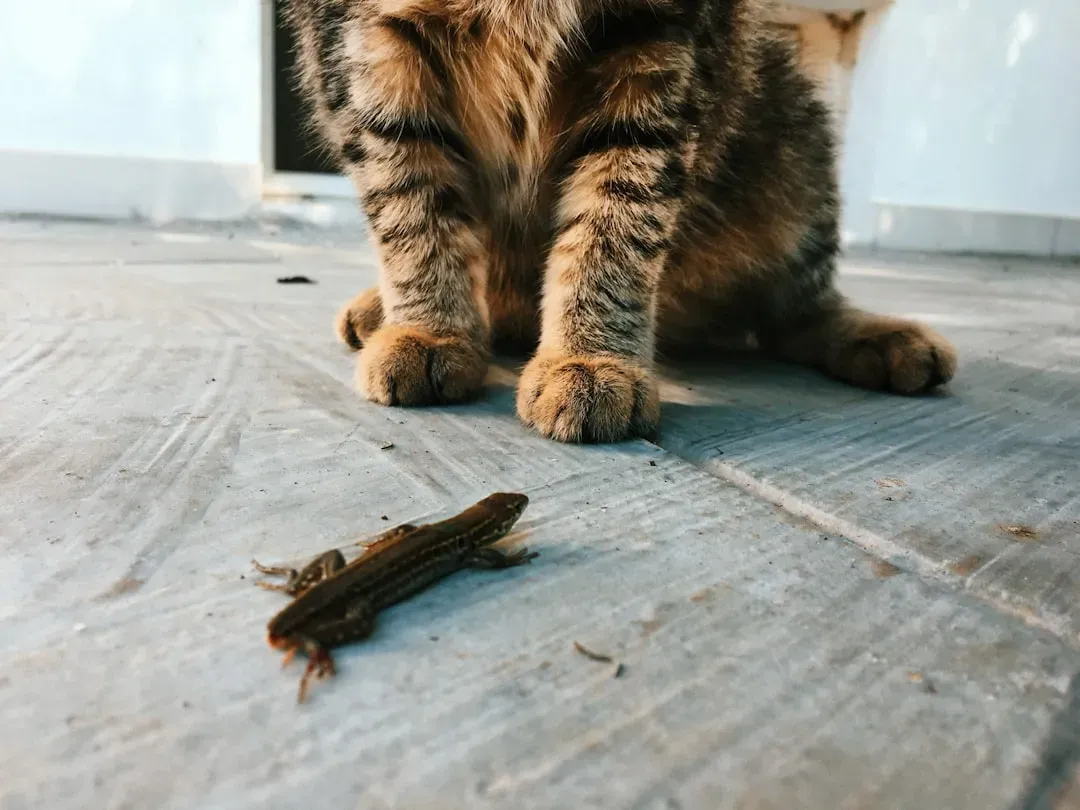
Cats are hunters by nature, and an outdoor cat will often bring their human dead rodents or pieces of dead rodents as tokens of affection, while indoor cats might bring toys, pieces of string, or whatever else they find around the house. Before you feel disgusted by that dead mouse on your doorstep, understand the deeper meaning behind this behavior.
Bringing you presents is a sign of affection, though it is often misunderstood, and owners can channel this instinct more safely with treat-hiding games or interactive feeders. In the wild, sharing food is reserved for only the most trusted members of their social group. Your cat is essentially saying they consider you family worthy of being provided for, even if their version of a gift doesn't quite match your preferences.
Head Butting and Face Rubbing
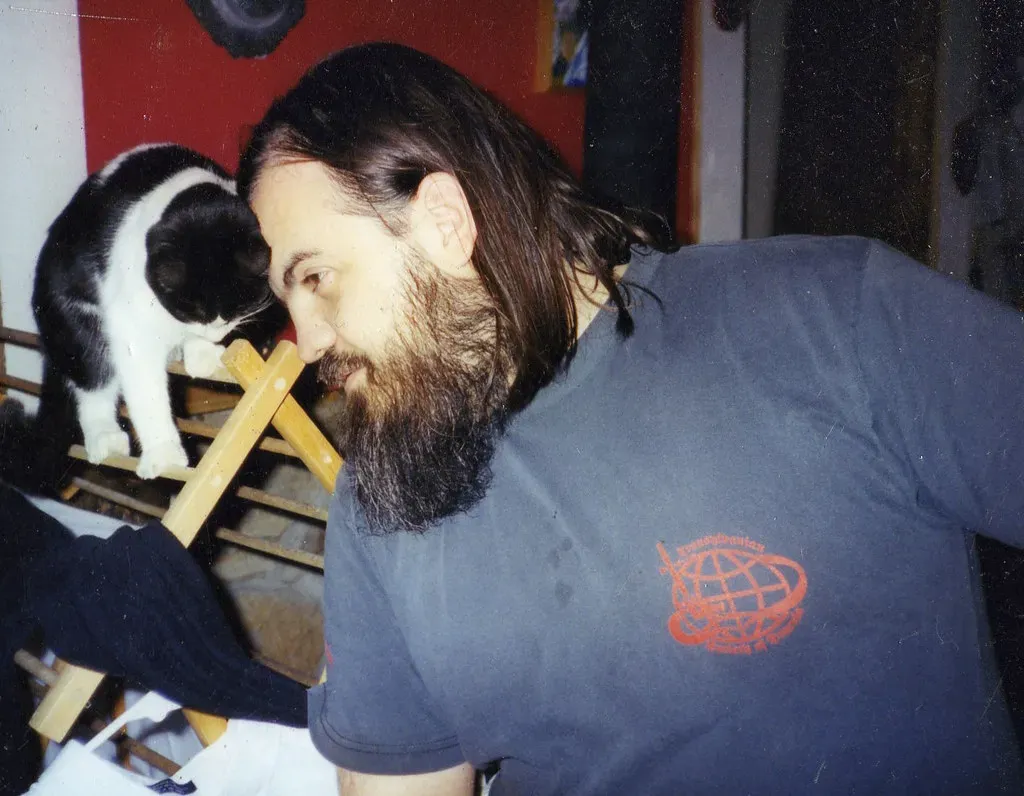
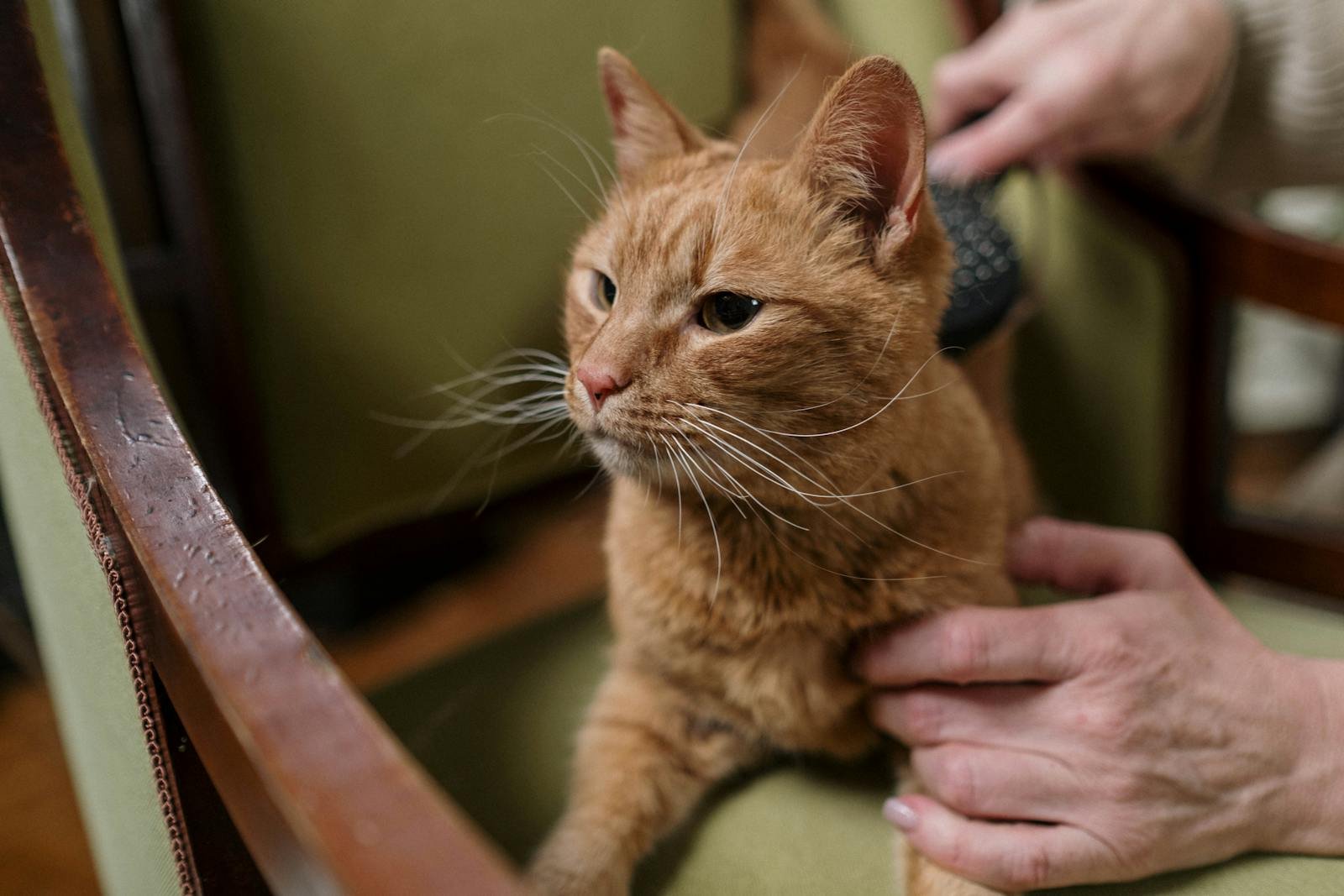
Head butting, or bunting, is a primary way cats show affection and claim ownership, since cats have scent glands on their cheeks, forehead, and chin, and they are depositing their scent and marking you as their territory and part of their family. When your cat gently bumps their head against your face, hand, or leg, they're doing something incredibly intimate in the feline world.
If a cat comes up and rubs its face or body on you, that's a sign of love and connection called bunting, which is essentially how the cat marks you as theirs. This scent marking creates a communal family smell that identifies you as part of their trusted inner circle. The next time your cat headbutts you first thing in the morning, recognize it as the ultimate compliment - they're claiming you as their own beloved person.
Exposing Their Vulnerable Belly
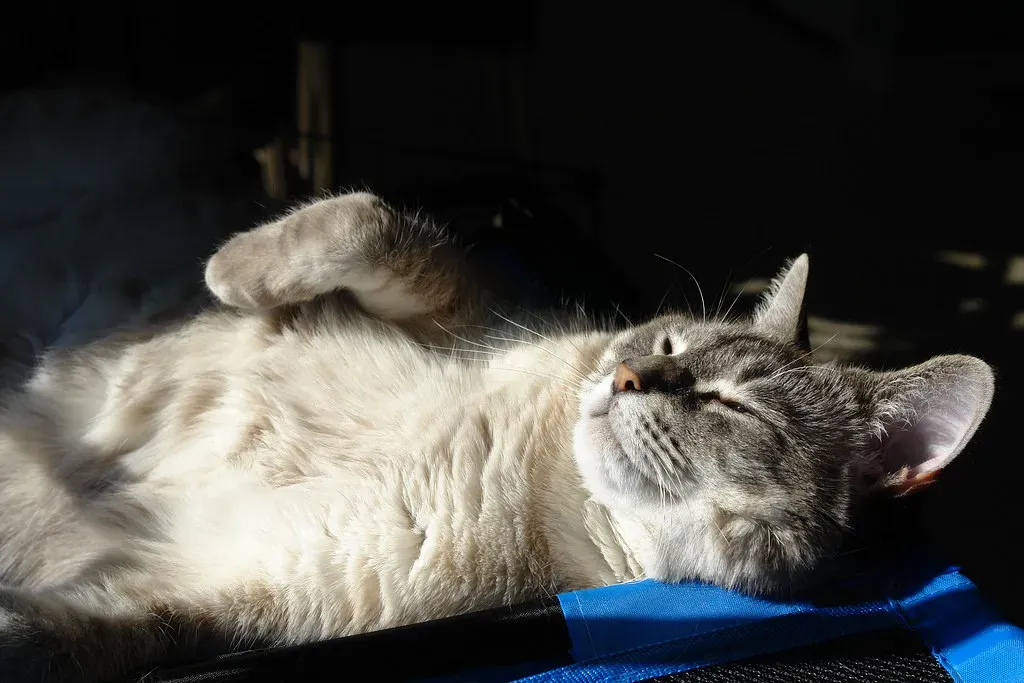
A cat's most vulnerable position is lying on their back and presenting their stomach to the world, and in the wild, cats would never voluntarily expose this delicate part of their anatomy, so if your cat rolls over and shows you their stomach, it's a sure sign that they feel comfortable and safe around you. This isn't necessarily an invitation for belly rubs, though - many cats will quickly deploy their claws if you attempt to touch that sensitive area.
In a relaxed setting, a cat may choose to stretch out on their back and expose that very vulnerable belly area, which is the ultimate sign of trust since the abdomen is the most unprotected and vulnerable part of the body, and a cat who feels comfortable enough to stretch out or even nap in this position is displaying complete trust. The act itself demonstrates your cat's confidence that you pose no threat to them whatsoever.
Sleeping On or Near You
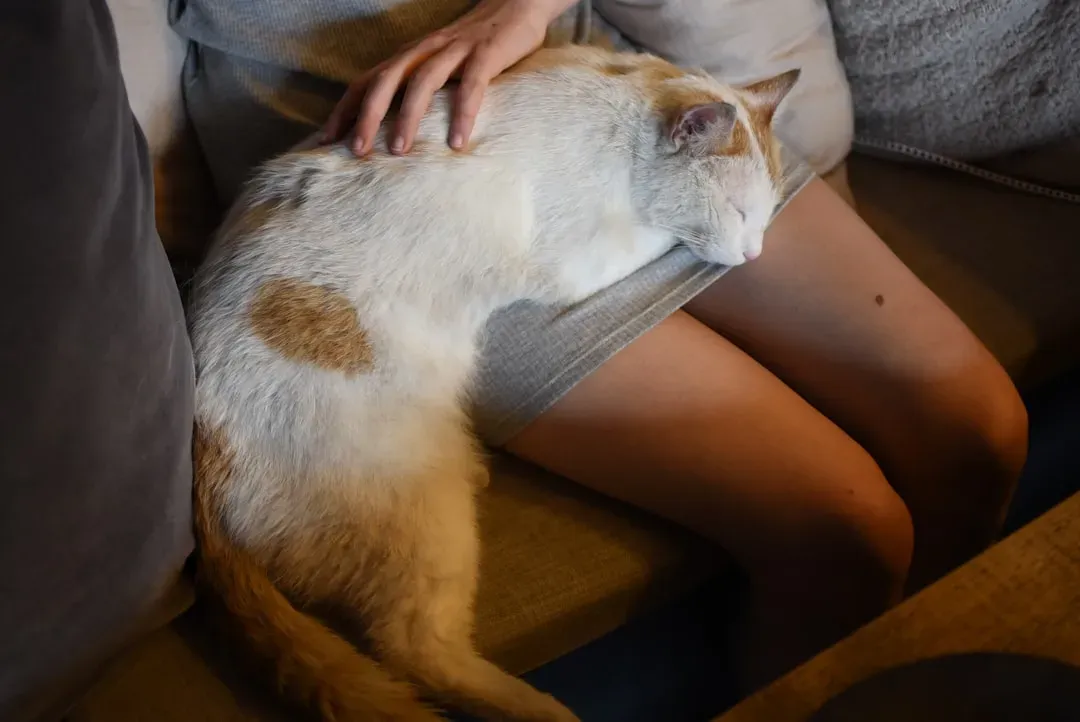
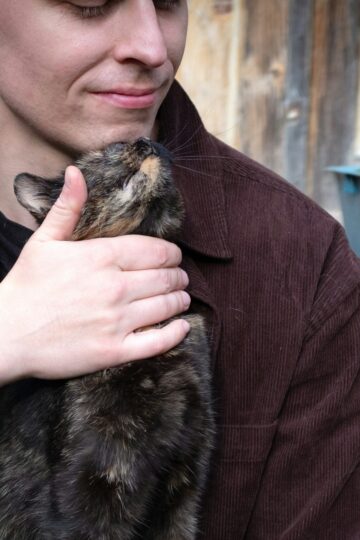
Cats can sleep anywhere from ten to fifteen hours each day and are most vulnerable while sleeping, choosing places that are safe and secure, so there is no better compliment to you than a cat who chooses to fall asleep on you, which means they are completely comfortable with you and trust they are in safe and loving hands. Whether your cat curls up on your lap, stretches out beside you, or even plants themselves on your face, this behavior reveals the depth of their attachment.
Cats that choose to sleep on or near their owners are showing trust and affection, and even if a cat simply naps in their owner's vicinity, it signals that they feel safe and secure. Some cats prefer physical contact during sleep, while others are content to snooze within eyesight of you. Both approaches demonstrate that your presence provides them with a sense of comfort and security they don't find elsewhere.
Meowing Specifically at You
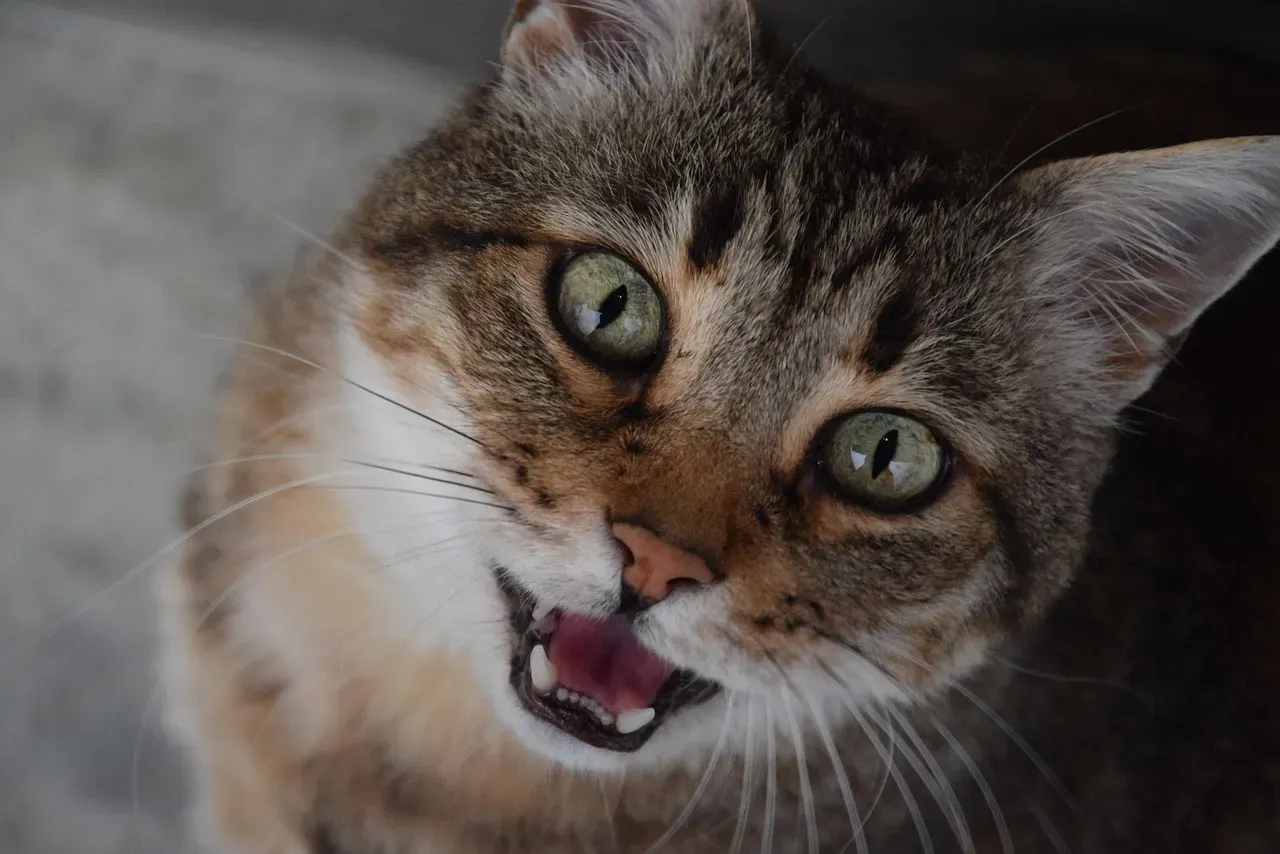
Adult cats typically only meow to communicate with people, as they often rely more on smell and body language when interacting with other kitties. This means that every meow directed your way is a special vocalization your cat has developed specifically for human interaction. Adult cats rarely meow at other cats and primarily use meows to communicate with humans, which is a behavior typically reserved for communicating with their mother during kittenhood, so when your cat meows at you, it is a special, intimate vocalization that suggests they view you as their caretaker.
Whether your cat greets you with chirps, trills, or full conversations, these vocalizations are their way of maintaining connection with you. Trilling, also known as chirping, is the high-pitched, repetitive sound that cats make when they see someone they like and is trusted by them or when they are feeling content, and trilling may also be an invitation for you to spend some quality time together. Pay attention to these vocal exchanges - your cat is speaking a language reserved exclusively for you.
Conclusion
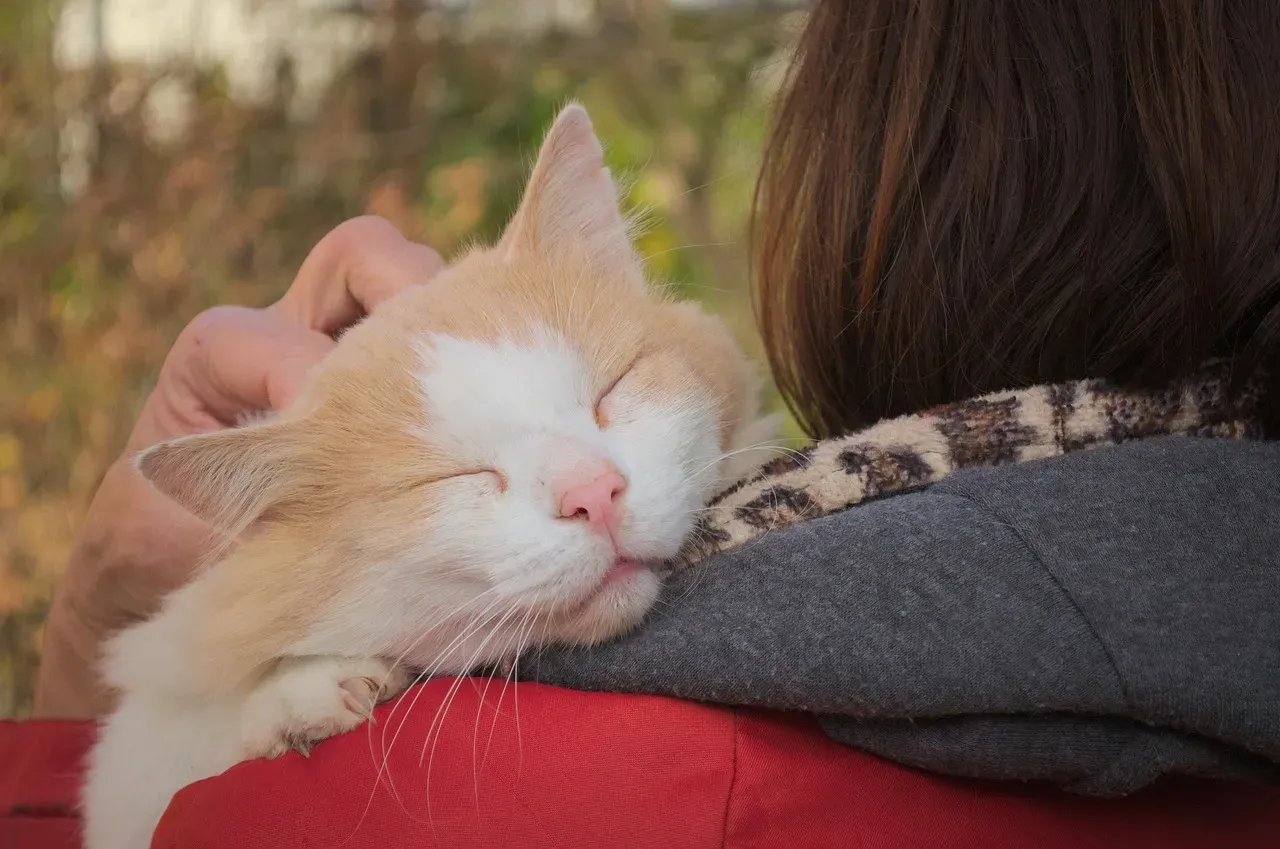
Your cat's affection might not look like enthusiastic tail wagging or slobbery kisses, yet it's every bit as genuine and heartfelt. From presenting their backside to slow blinking across the room, these nine unexpected behaviors reveal a complex emotional life that many people overlook. The beauty of feline love lies in its subtlety and the trust required to express it.
Now that you understand these quirky gestures, you'll likely notice just how often your cat has been telling you they love you all along. Every headbutt, every dead bug deposited at your feet, and every moment they choose to nap in your presence carries profound meaning. What do you think - have you been missing some of these signs? Tell us in the comments which unexpected behavior surprised you the most.