Have you ever wondered why your neighbor’s cat seems to hold entire conversations while yours silently judges you from across the room? The truth is, not all cats are created equal when it comes to vocalizations. Some felines seem born to chat your ear off, while others prefer the strong silent type approach. This fascinating difference isn’t just personality quirks we’re talking about here – it’s often deeply embedded in their genetics.
Understanding why certain breeds never shut up (affectionately speaking, of course) while others barely make a peep can transform how you interact with your furry companion. It might even help you choose the perfect feline match for your lifestyle. So let’s dive into the chatty world of vocal cats and discover what makes certain breeds natural-born conversationalists.
The Siamese: Undisputed Champion of Cat Chat
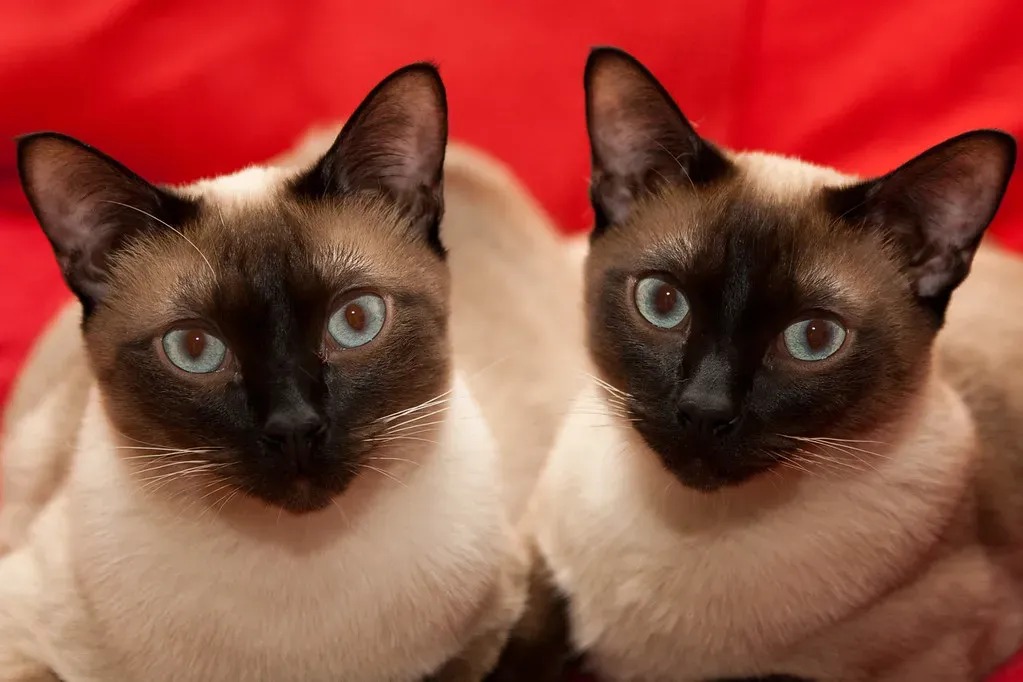
The Siamese is widely regarded as the most vocal of all cat breeds, known for their loud, expressive, and persistent meows. If you’ve ever lived with one of these elegant felines, you already know they have opinions about everything. They’ll comment on your choice of breakfast, the temperature of the room, and definitely the fact that you closed the bathroom door without them.
The noise they make is distinctive, and Siamese cat meowing has often been compared to a baby crying. This isn’t an exaggeration. Siamese cats are one of the most people-focused breeds that crave companionship and thrive on human interaction, with meowing being how they connect with you, start conversations, and make sure you’re paying attention.
What really sets the Siamese apart is their intelligence and desire for constant interaction. This breed is sharp – they learn fast and pick up on routines, tone of voice, and habits, with many owners reporting that their Siamese cats develop specific meows for different situations: a food meow, a greeting meow, a “why is the bathroom door closed?” meow. Honestly, living with a Siamese is like having a toddler who never grows up – in the best possible way.
Oriental Shorthairs: The Opera Singers of the Feline World
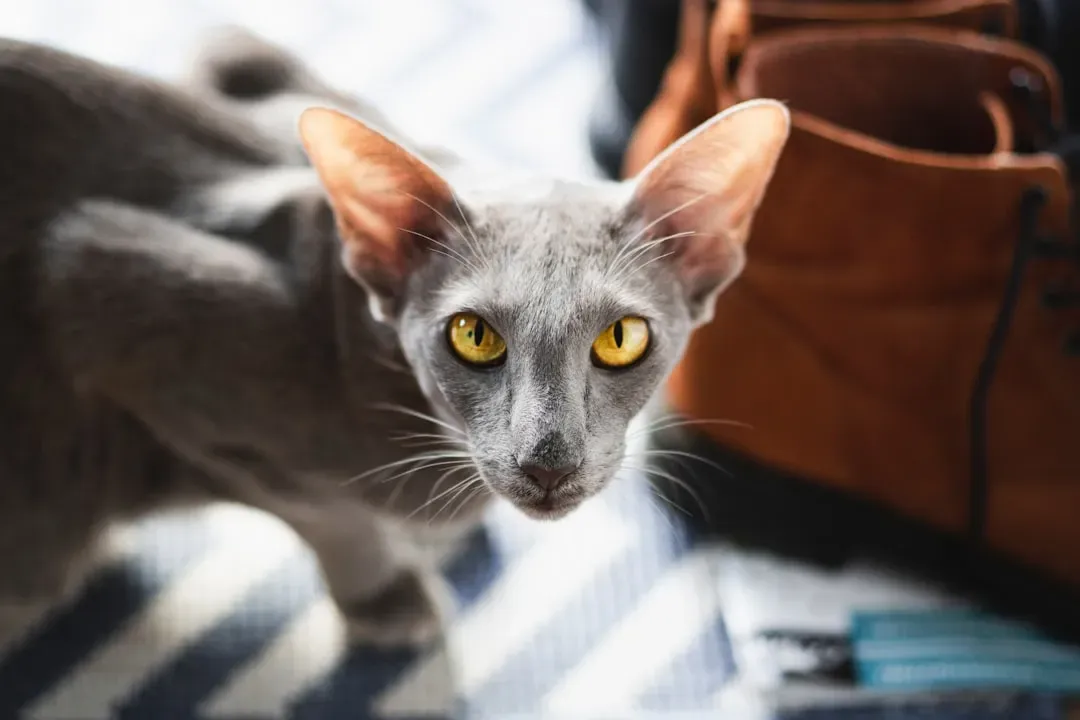
Oriental Shorthairs are like opera singers in the cat world, with a wide range of vocal expressions. These cats are basically the Siamese’s chatty cousins, and they inherited every single gene for vocalization. Think of them as Siamese cats with even more dramatic flair, if such a thing is possible.
Orientals are highly articulated and expressive, using a range of sounds from meows to chirps to communicate with their human companions, and they are known to be quite insistent and can carry on lengthy “conversations” with their owners. These cats don’t just meow – they perform entire monologues about their day.
Their vocal nature isn’t just for show. The Oriental – both the longhaired and shorthaired varieties – isn’t afraid to share their opinions, talking about everything that happened while you were at work or the best way to do the dishes, which is no surprise since this is another breed descended from the Siamese. If you want a quiet household, this definitely isn’t your breed.
Burmese Cats: The Softer Conversationalists
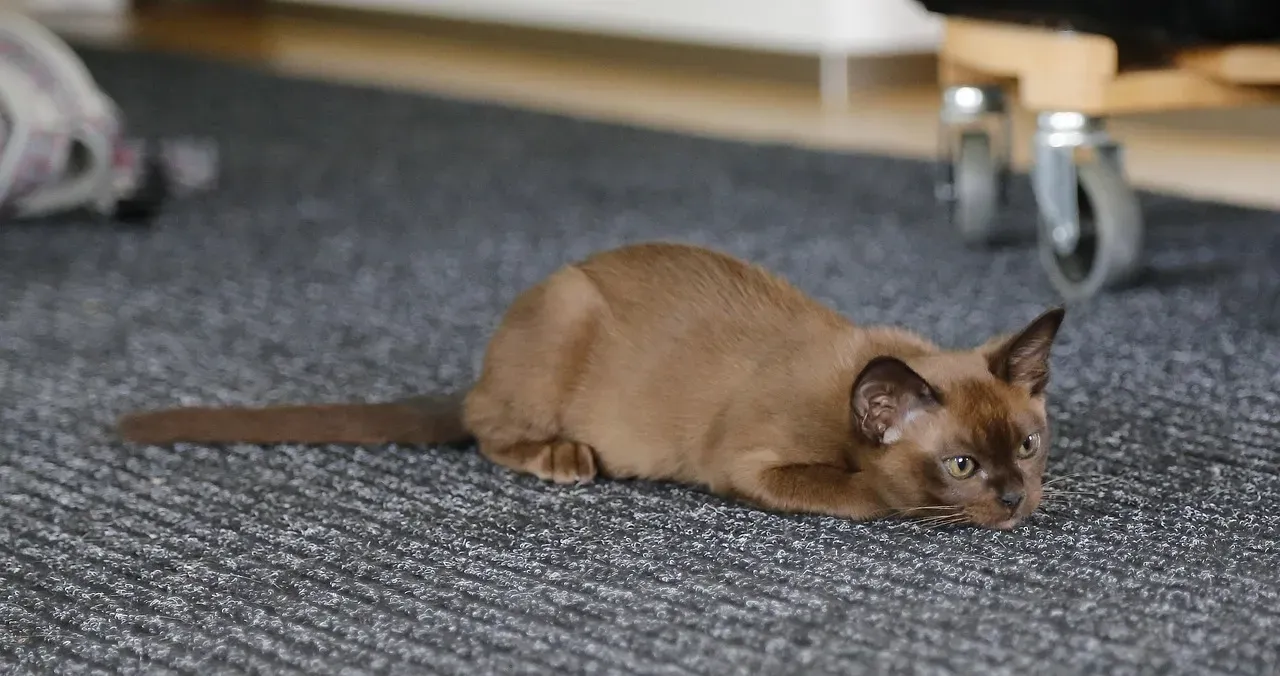
The Burmese cat is unsurprisingly talkative as another descendant of the Siamese, although their voices are softer than the Siamese, they’re still just as happy to tell you everything about their day. Think of them as the polite version of their louder relatives – they still have plenty to say, just at a lower volume.
These cats are incredibly social butterflies. The Burmese cat is the social butterfly of the feline world, and these cats are not just talkative – they are full-on conversationalists. They’re the kind of cats that will follow you from room to room, offering commentary on your every move.
As one of the most family-oriented cats, the Burmese are particularly susceptible to loneliness and cope best with families that spend a great deal of time at home, and these cats are more than happy to trail you around the house and poke their noses into whatever chores you need to do. Let’s be real – they’re basically small, furry shadows with opinions.
Balinese: Long-Haired Chatterboxes
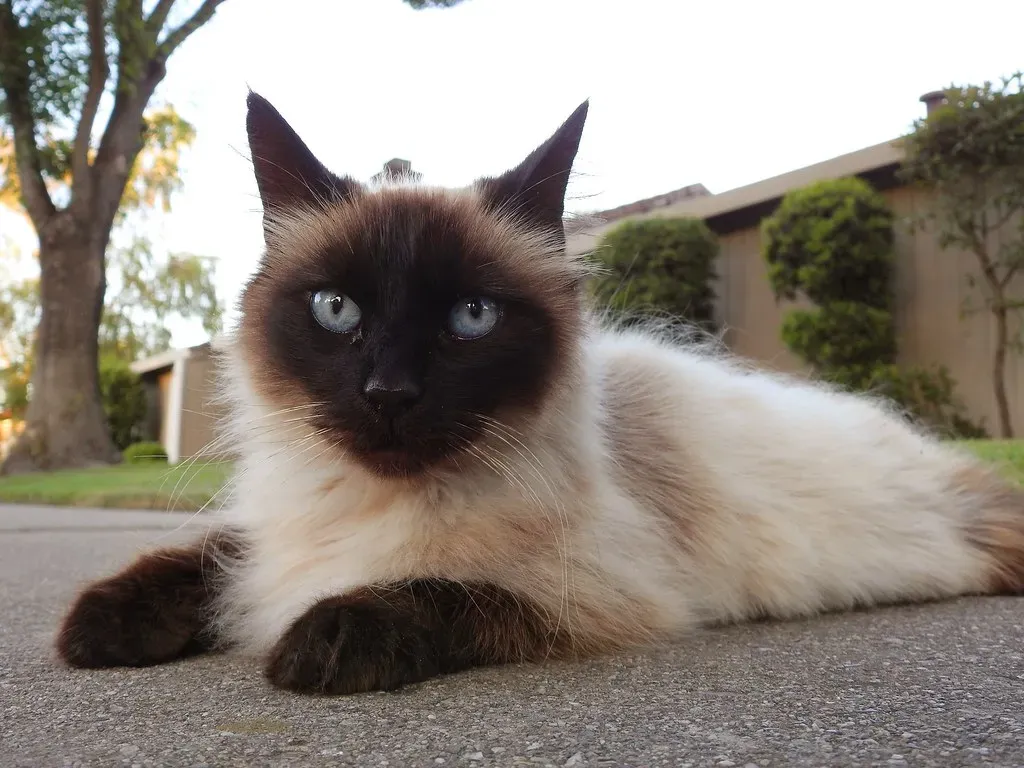
Originally known as longhaired Siamese, the Balinese started as an undesirable result of breeding Siamese cats until the 1940s and ’50s when American breeders fell in love with the longhaired kittens, and due to their close ties with the Siamese, the Balinese are among the most vocal cats around. Imagine a Siamese with flowing locks – same personality, same volume, just fluffier.
They share many of the same personality and appearance traits as Siamese, from their coat color to their chatty, follow-you-everywhere natures, and Balinese cats are also notorious for their intelligence, with the breed being talkative but not quite as noisy as the Siamese. So if you love the Siamese temperament but wish someone would turn down the volume just a notch or two, the Balinese might be your perfect match. They’ll still chat your ear off, just maybe not at quite the same decibel level.
Sphynx Cats: Naked and Unfiltered
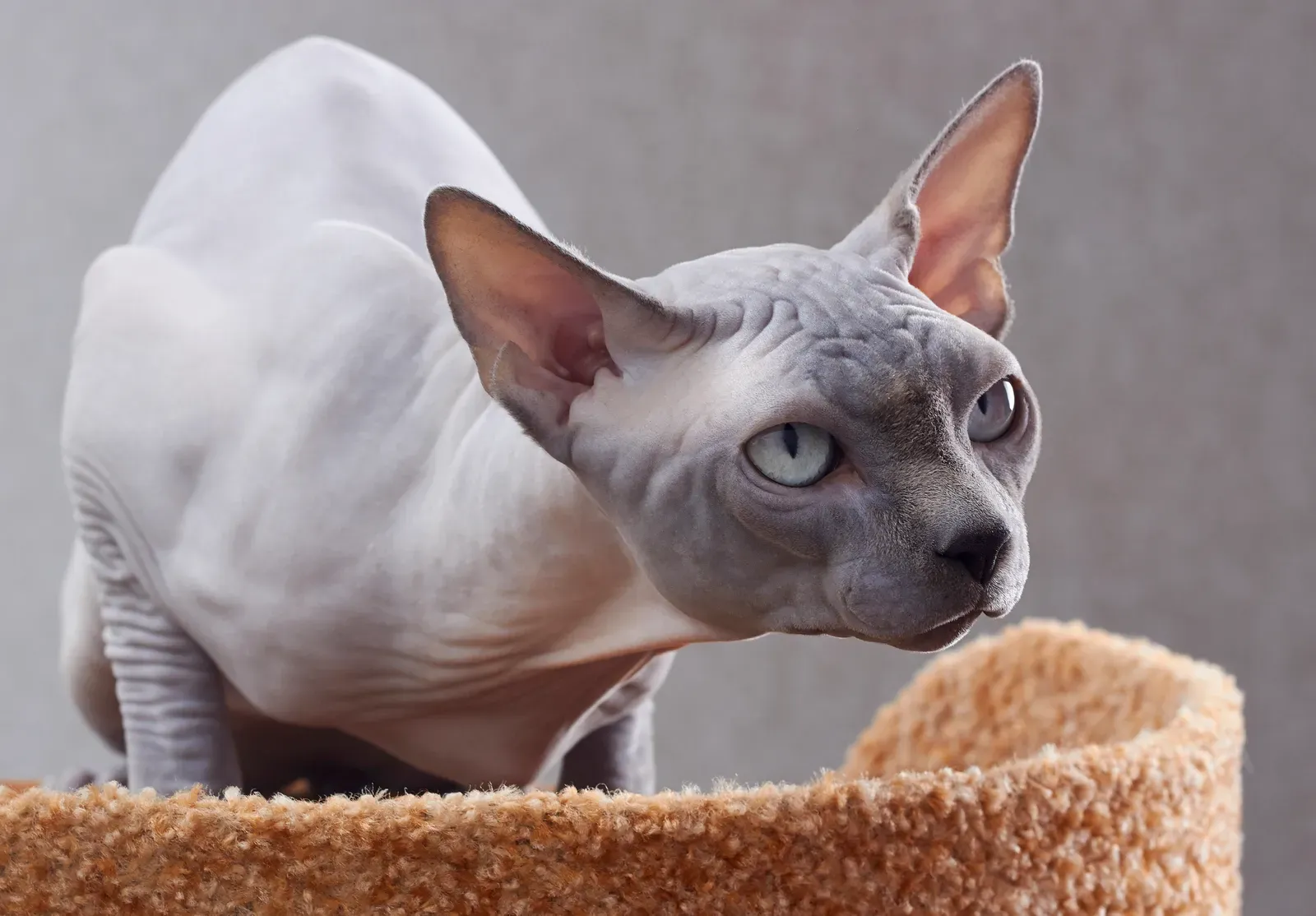
With Sphynx cats being so warm and affectionate, they are very dependent on their owners and crave active involvement in their lives, which is why they tend to ‘talk’ a lot, making this an ideal breed for patient owners looking for a chatty cat to keep them company. These hairless wonders aren’t just visually distinctive – they’re vocally expressive too.
The Sphynx’s need for warmth and companionship drives much of their vocal behavior. Without fur to keep them cozy, they’re constantly seeking out warm laps and human contact. Since they don’t have hair, they also love a warm lap and squeak their displeasure if you interrupt their slumber, and talkative and constantly hungry, a Sphynx cat will be sure to inform you when dinner is late.
Their intelligence and need for interaction make them particularly chatty. These cats have learned that meowing gets results, and they’re not shy about using their voices to get what they want. Whether it’s attention, food, or just someone to warm them up, the Sphynx will make their needs abundantly clear.
Japanese Bobtail: Short Tails, Big Voices
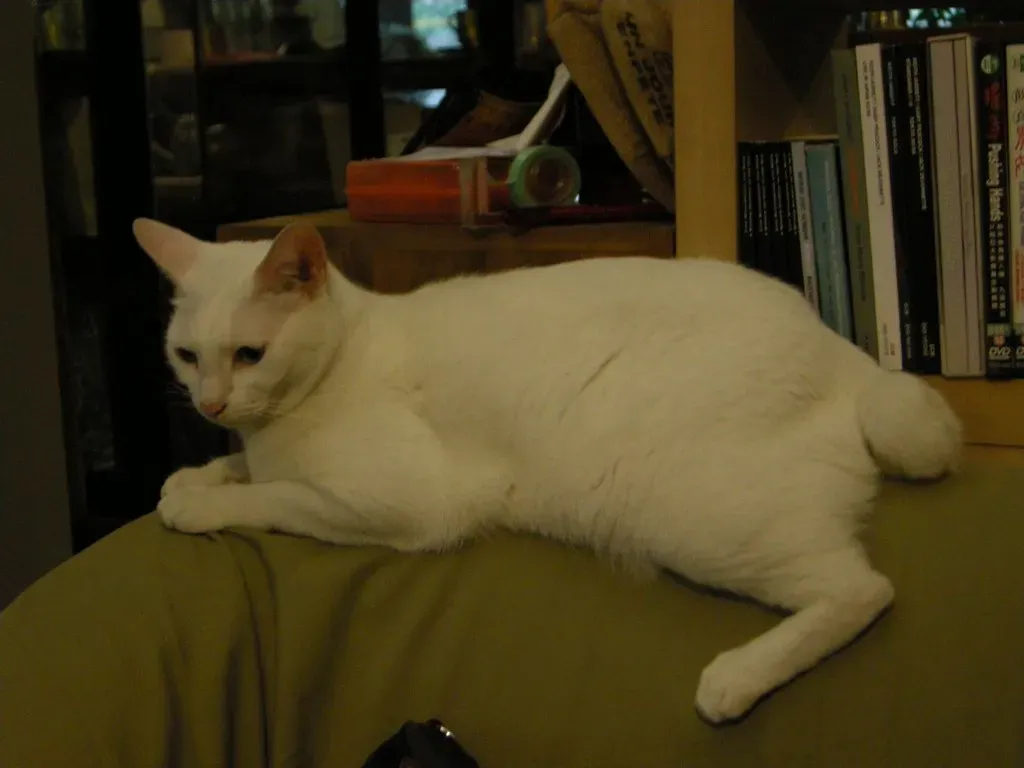
The Japanese Bobtail is recognizable by their short, stumpy tail, and like their American cousins, the Japanese Bobtail is more than happy to talk your ear off in a range of different tones, though despite their chattiness, they’re quieter than many other breeds. These cats strike an interesting balance – vocal enough to be entertaining, but not so loud they’ll drive you crazy.
Japanese Bobtails are known for their short tails and friendly meows. They’re social cats who enjoy human interaction and will use their voices to stay connected with their families. Their vocalizations tend to be melodic and varied, making them pleasant conversational companions without crossing into overwhelming territory.
Tonkinese: The Best of Both Worlds

The alluring Tonkinese cat has inherited their Siamese forefathers’ gift of the gab and is one of the most vocal cat breeds you will come across, with the playful nature of the Tonkinese meaning that any game of fetch will be accompanied by a generous amount of commentary. These cats are basically sports commentators in feline form – they narrate everything.
The Tonkinese resulted from crossing Siamese and Burmese cats, so they inherited vocal tendencies from both sides of the family tree. They’re social, intelligent, and absolutely refuse to be ignored. If you’re doing something interesting (or even if you’re not), your Tonkinese will have something to say about it.
Their playful nature amplifies their chattiness. They don’t just play – they provide running commentary on their own athletic feats, making them endlessly entertaining companions for people who enjoy an interactive pet experience.
Maine Coons: Gentle Giants with Gentle Voices
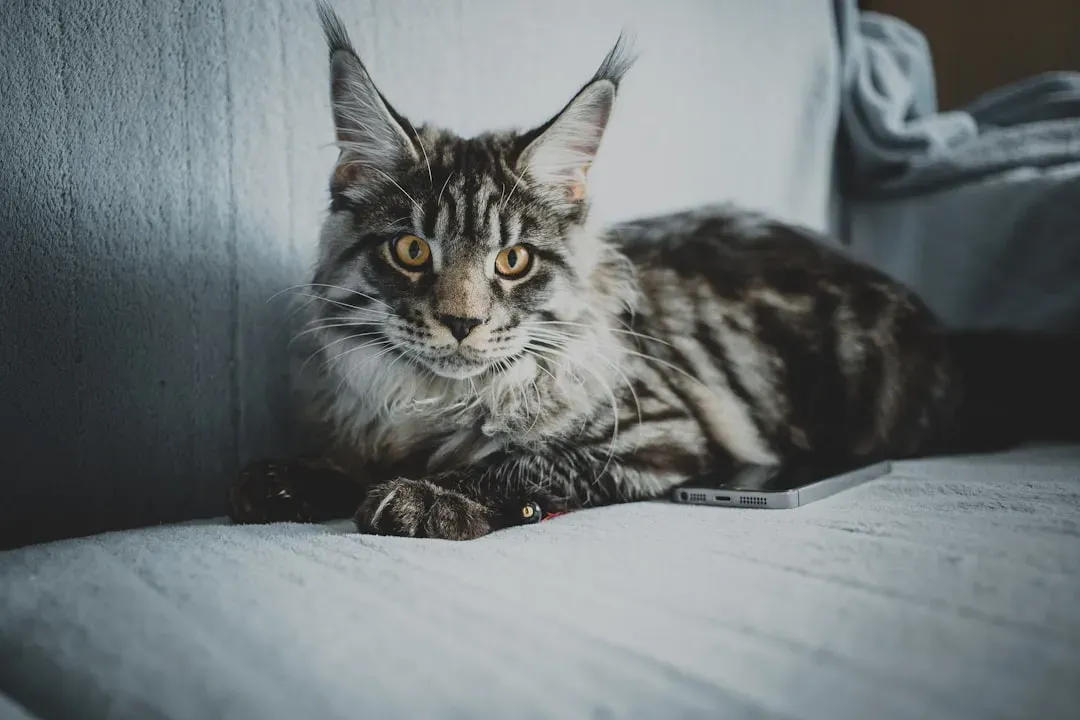
Maine Coons, despite their large size, have soft and gentle murmurs but are still quite talkative. These massive cats could easily have booming voices to match their size, but instead they’ve opted for softer, more melodic sounds. It’s kind of adorable, really – like a linebacker who speaks in whispers.
Maine Coons are one of the largest domesticated cat breeds and are known for their friendly but quiet demeanor, making soft chirping sounds, especially when interacting with their favorite humans, but they are generally not loud or overly vocal cats. Their vocalizations tend toward trills and chirps rather than traditional meows, creating a unique sound signature.
These gentle giants are social and enjoy conversation, but they express themselves through soft, pleasant sounds that won’t wake the neighbors. They’re chatty without being overwhelming, making them perfect for people who want a communicative cat without the full Siamese experience.
The Science Behind Breed Vocalization
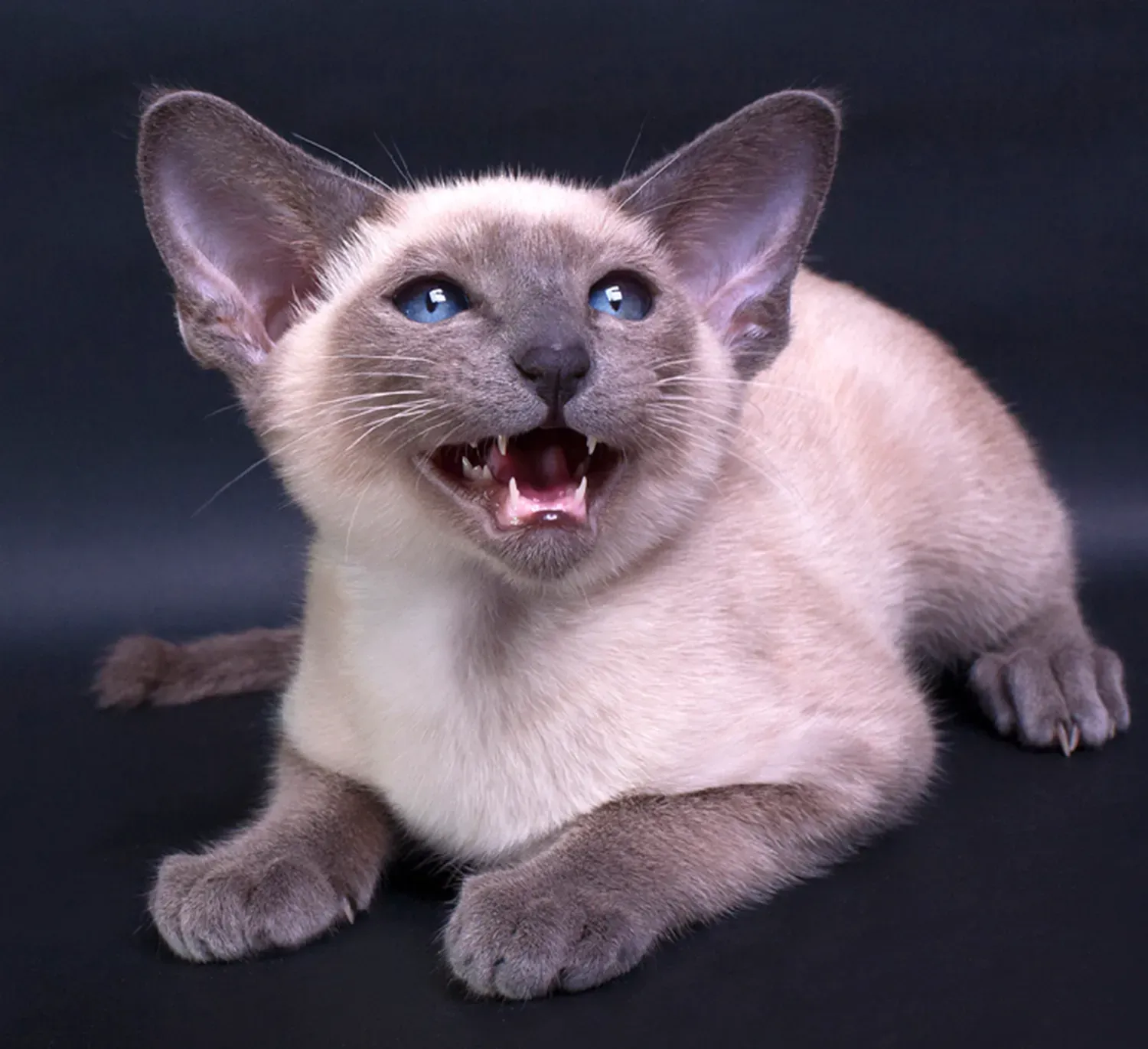
Cat communication methods have been significantly altered by domestication, with studies showing that domestic cats tend to meow much more than feral cats and rarely meow to communicate with fellow cats or other animals. Cats essentially developed meowing specifically to manipulate us humans – and honestly, it’s working brilliantly.
Cats communicate with their humans in the way that is most likely to get them what they want: by meowing, with cats being “manipulative” and vocal communication becoming a tool. Some breeds have taken this evolutionary adaptation and run with it, perfecting the art of human manipulation through vocalization.
Asian breeds, such as the Siamese, are known to be very vocal, and if your cat has a pointed face and a long, lean body, chances are she has some Asian heritage, so “talking” may be a part of her character. Genetics play a huge role in determining how chatty your cat will be, though individual personality and environment also contribute.
The Quiet Ones: Breeds That Prefer Silence
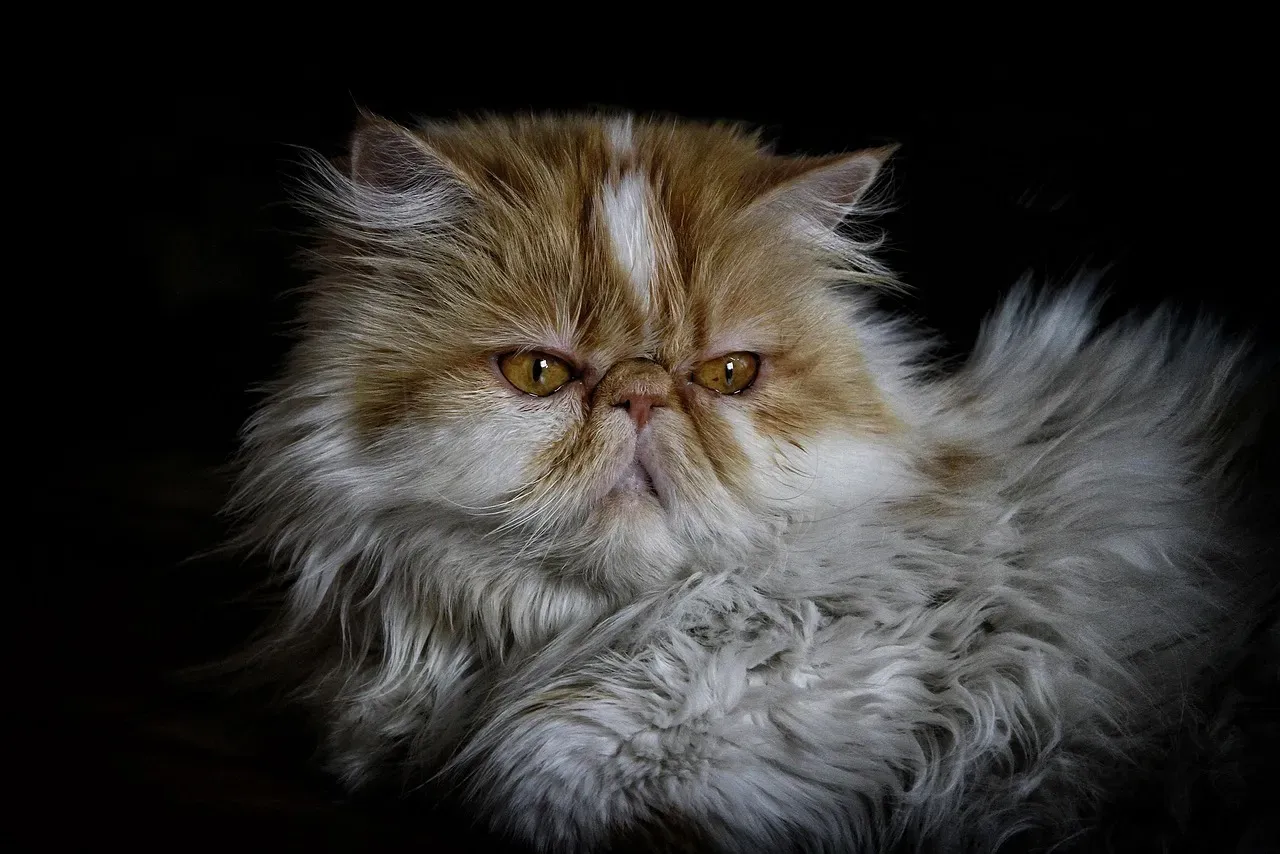
Not all cats are chatterboxes. The Persian is one of the oldest and most recognizable cat breeds, and the gentle Persian is a quiet cat that prefers a peaceful, laid-back environment. These fluffy aristocrats believe silence is golden and rarely waste their breath on unnecessary vocalizations.
Ragdoll cats were specifically bred to be affectionate, cuddly and thoroughly laid-back, so they’re also one of the quieter cat breeds around, and the only time you’re likely to hear anything other than a purr from a Ragdoll is when it’s not getting enough attention. These gentle giants prove that you don’t need to be loud to get your point across.
Despite their large size, Norwegian Forest Cats are known to be very quiet, being gentle and preferring to express themselves through soft chirps and trills rather than loud meows, with their calm and majestic nature making them well-suited to a tranquil home setting. So if you’re seeking peace and quiet, these breeds offer all the feline companionship without the constant commentary.
Why Understanding Your Cat’s Vocal Nature Matters
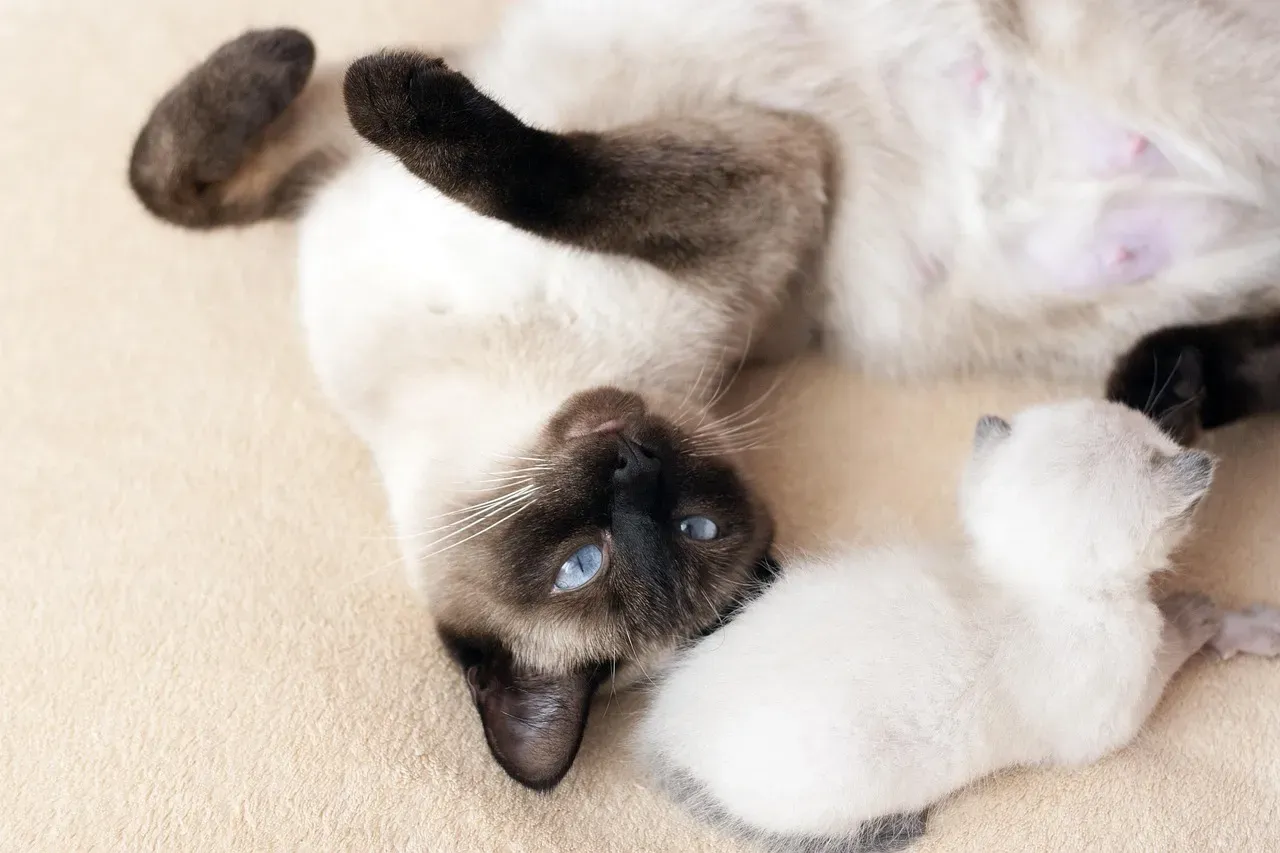
Knowing your cat’s breed tendencies can prevent frustration and unrealistic expectations. If you adopt a Siamese and then complain about the noise, well, that’s on you – you literally signed up for a chatterbox. Some cats naturally like to ‘talk’ more than others, with breeds like Siamese being known for being particularly chatty.
Whether or not your cat is meowing excessively depends on your cat’s breed and personality, as well as how they socialized as they grew. What’s normal for a Siamese would be excessive for a Persian. Understanding these baseline differences helps you determine when vocalization signals a real problem versus just typical breed behavior.
Your lifestyle should match your cat’s vocal tendencies. If you work night shifts and need to sleep during the day, a Siamese probably isn’t your best choice. Similarly, if you live for constant interaction and conversation, a quiet breed might leave you feeling lonely. It’s all about finding the right fit for your household.
Conclusion
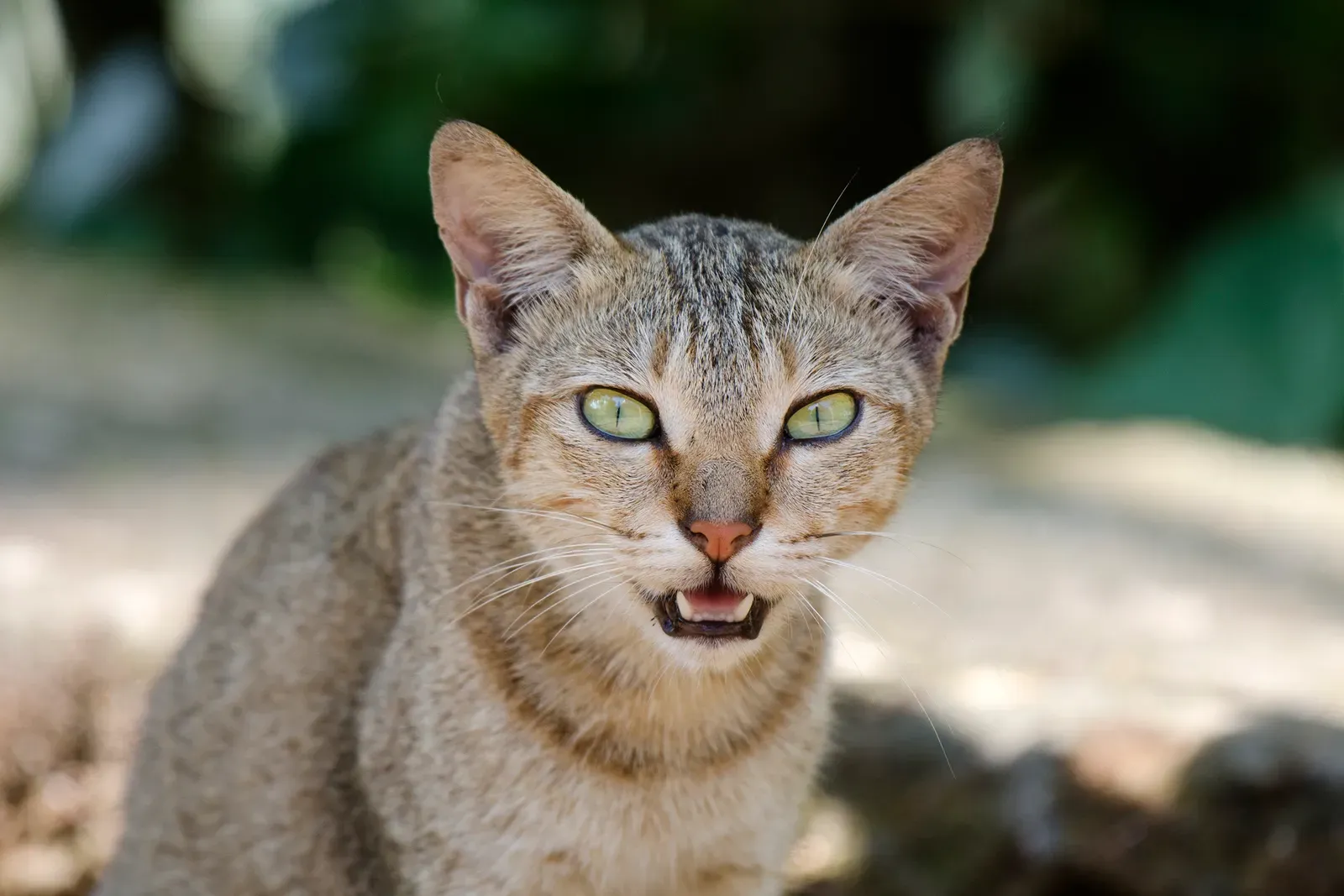
The wonderful diversity of cat breeds means there’s truly a perfect feline companion for everyone, whether you want a chatty best friend or a silent shadow. Siamese cats are famously social and vocal, bonding closely with their humans, often following them throughout the home and “chatting” along the way, with their outgoing personality and love of attention making them feel very canine to many pet parents. Meanwhile, quieter breeds offer all the love and companionship without the constant soundtrack.
The key takeaway here is that vocalization differences aren’t just quirks – they’re deeply ingrained breed characteristics shaped by genetics, history, and selective breeding. Understanding these patterns helps you choose a cat that matches your lifestyle and personality, setting both you and your future feline up for a harmonious relationship. Whether you end up with a chatty Siamese or a serene Persian, you’ll know exactly what you’re getting into.
So which type of cat suits your lifestyle better – a conversationalist or a silent partner? The answer might surprise you once you really think about what you want from your feline companion.
Kristina is a young writer from India. An arts graduate and an avid content creator, Kristina is passionate about animals and wildlife. She enjoys exploring topics related to pet care, animal behavior, conservation, and nature, combining thorough research with engaging storytelling.