Cats Don't Just Play; They Hunt: Understanding Their Instinctual Behaviors
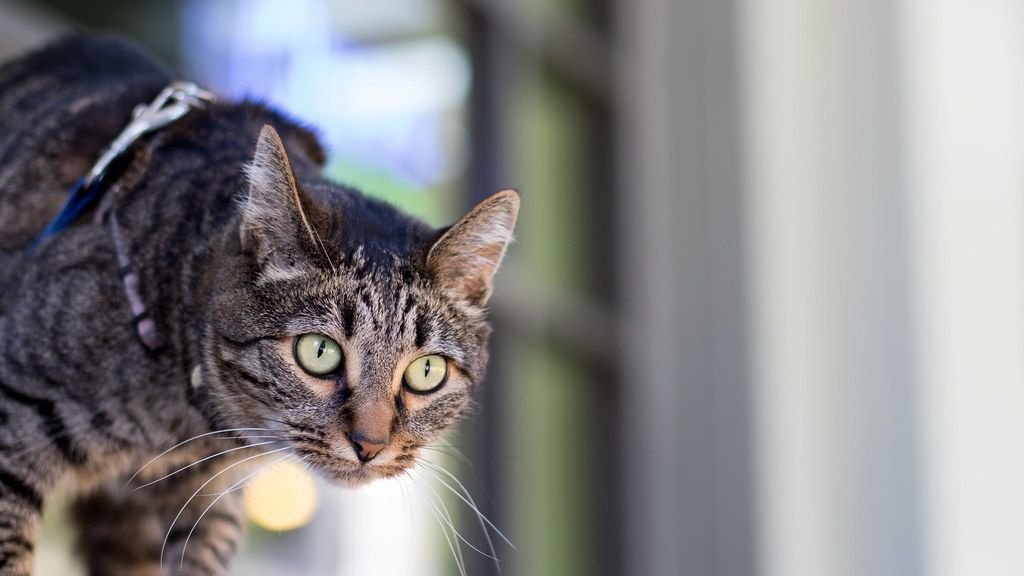
Have you ever watched your perfectly fed, completely pampered house cat suddenly freeze mid-step, eyes dilating into dark pools as they fixate on something invisible to you? That fluffy creature curled on your lap moments ago has transformed into something primal. It's a sight that reminds us cats aren't just adorable companions who happen to knock things off counters. They're predators, through and through.
Even though your feline lives in comfort with regular meals and warm blankets, something ancient stirs beneath that domestic veneer. What you call playtime is actually practice for behaviors that kept their ancestors alive for millions of years. Understanding these instincts isn't just fascinating - it completely changes how we care for and relate to our cats.
The Genetic Blueprint of a Born Hunter
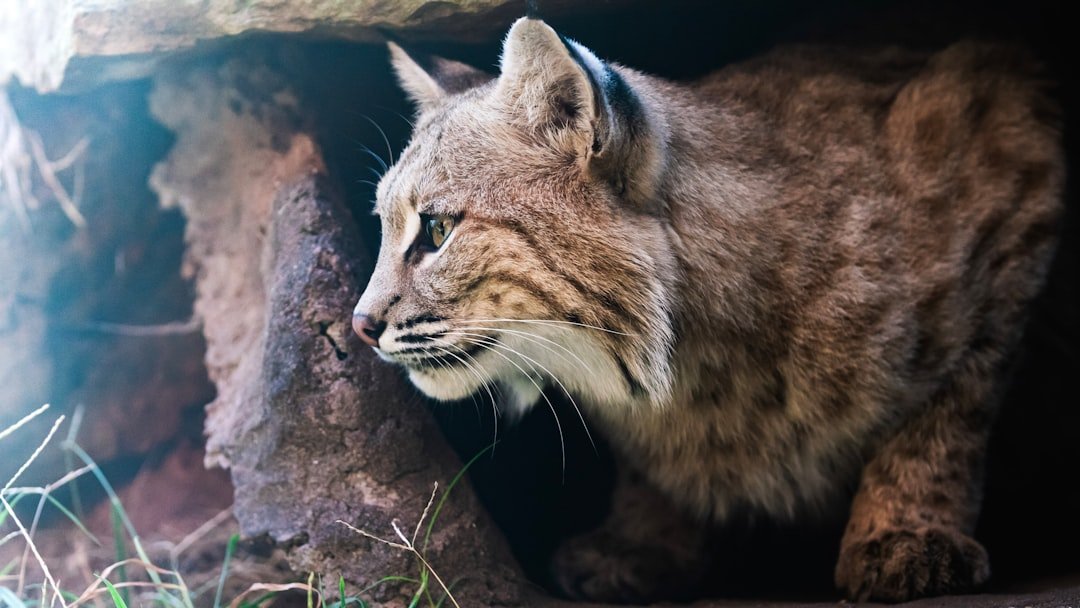
Domestic cats are solitary hunters, and until quite recently, cats were mainly kept to control rodent populations rather than as pets, with only the best hunters surviving and reproducing. There's been very little selective breeding of cats, so their instinctive need to hunt remains strong. This means your couch-lounging companion shares most of their DNA with wild predators. Your kitty shares about 96 percent of its DNA with tigers, with domesticated and big wild cats theorized to have come from the same ancestor, though house cats diverged from the family tree roughly eleven million years ago.
That genetic connection matters more than you might think. Hunting behavior is hard-wired into your cat's DNA, as it's your cat's wild ancestors that developed their hunting skills over millions of years of stalking and chasing prey. The fascinating part? Limited prey meant only the most adept hunters could survive and reproduce, so your four-legged friend is not far removed from their hunting-savvy ancestors. Every pounce, every stalk, every fixated stare carries the weight of evolutionary success.
Why Full Bowls Don't Stop the Hunt
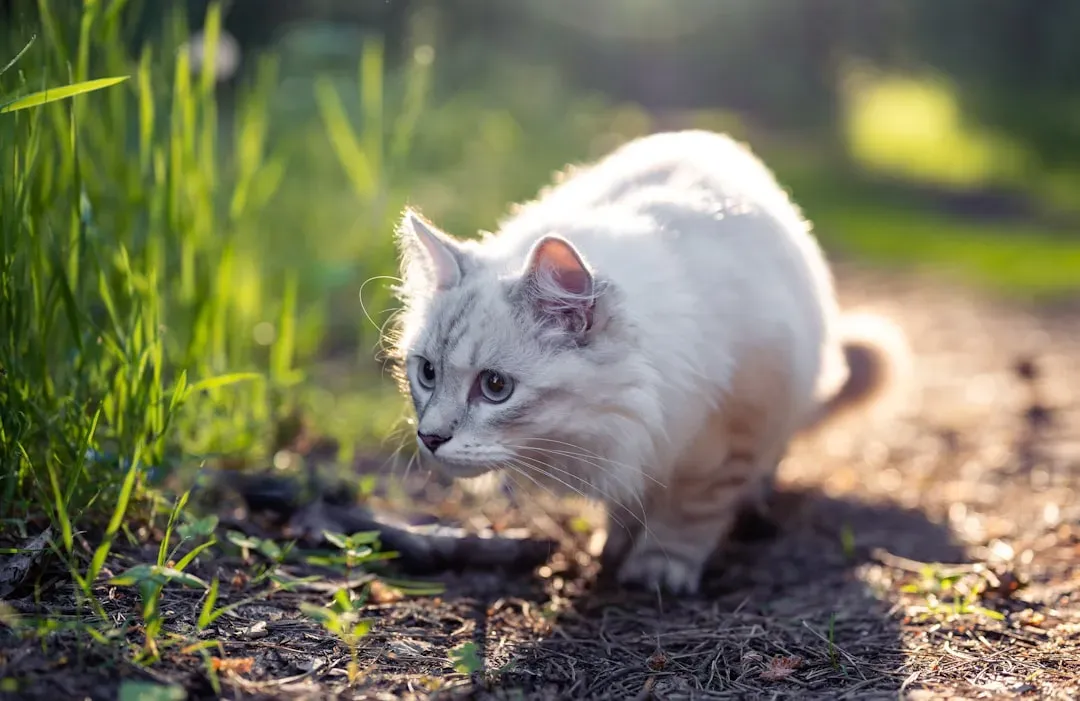
Here's something that baffles many cat owners: you just filled your cat's food bowl, yet they're still hunting that unfortunate moth. The urge to hunt isn't tied to hunger, because in the wild, cats hunt all the time, even if they are not hungry, since they never know when their next meal will come. If a cat waited until they were desperately hungry to hunt, they might be too weak to capture prey. It's survival strategy written into their neural pathways.
Research shows that roughly 96 percent of cats' diet came from food provided by their owners, while just about three to four percent came from eating wild animals, suggesting that predatory instinct rather than hunger is probably the main reason why some domestic cats regularly hunt wild prey. The desire to hunt is not governed by hormones and therefore does not diminish after neutering. Let's be real - feeding your cat more won't make them less interested in that laser pointer or toy mouse. The drive runs deeper than a satisfied stomach.
The Dopamine Rush of the Chase
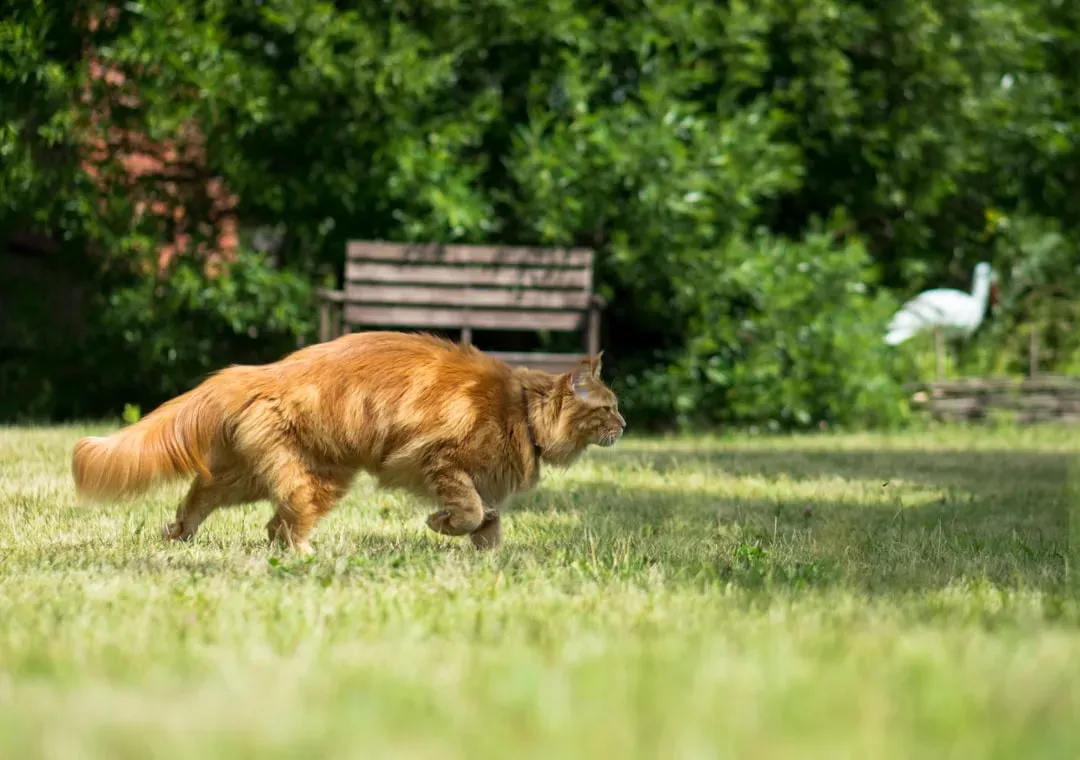
It has been suggested that simply observing prey-like movements can trigger a dopamine release, and it's not the actual killing and consuming of prey, but the process that provides a satisfying mental and physical challenge. Think about that. Your cat gets a neurological reward just from watching something move like prey. It's nature's way of ensuring they stay motivated hunters.
The appetitive phase, which includes the searching and stalking, activates the dopamine system in the brain, and since dopamine is associated with motivation and pleasure-seeking, this suggests that cats will feel good even if the hunt ends unsuccessfully. This explains why your cat can spend hours fixated on a window watching birds they'll never catch. The watching itself is rewarding. The anticipation, the planning, the intense focus - all of these release feel-good chemicals in their brain.
Learning the Art of the Kill
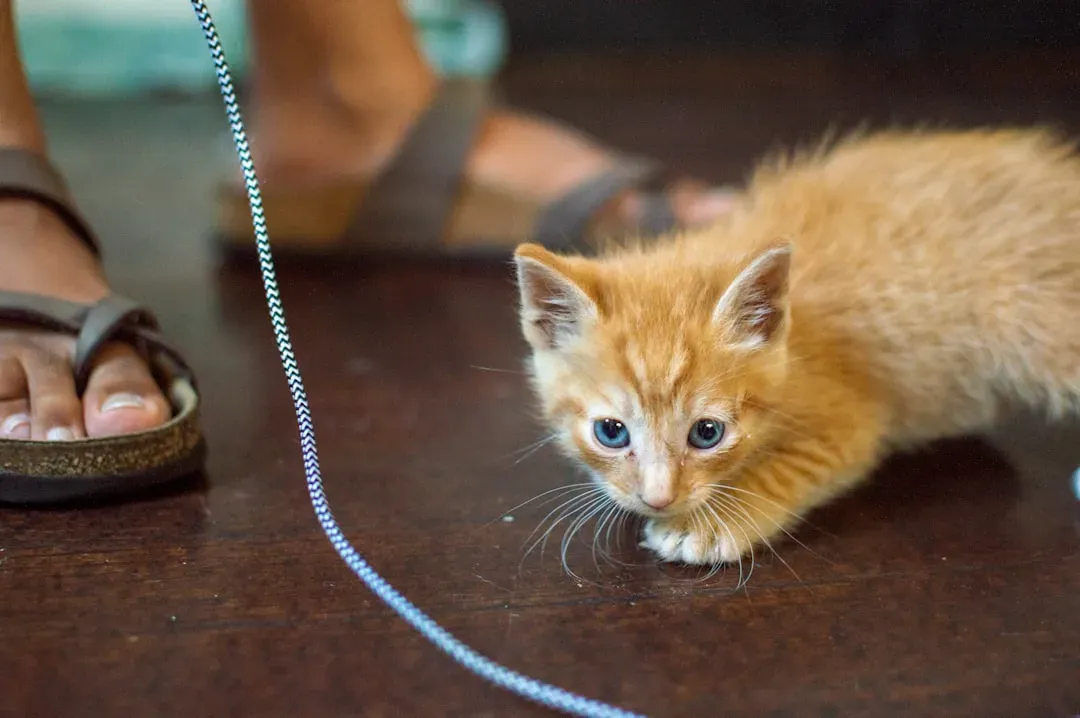
Cats often learn to hunt the same way most mammals learn how to do things, from their mothers, as hunting is a learned behavior first taught by their mother and then reinforced and honed by playing with their littermates. Studies have shown that kittens who had the opportunity to observe their mothers hunt become better hunters than kittens who didn't. Mother cats are essentially teachers, running a masterclass in predation.
Yet here's the remarkable thing: Most kittens who never see their moms hunt can still instinctually figure it out on their own. Cats are born with a hunting and chasing instinct, though they are not necessarily born hunters that kill for food, as killing and eating prey are generally learned behaviors. Your cat essentially comes pre-programmed with hunting software, but the full application gets downloaded through experience and observation.
The Stalk, Wiggle, and Pounce Sequence
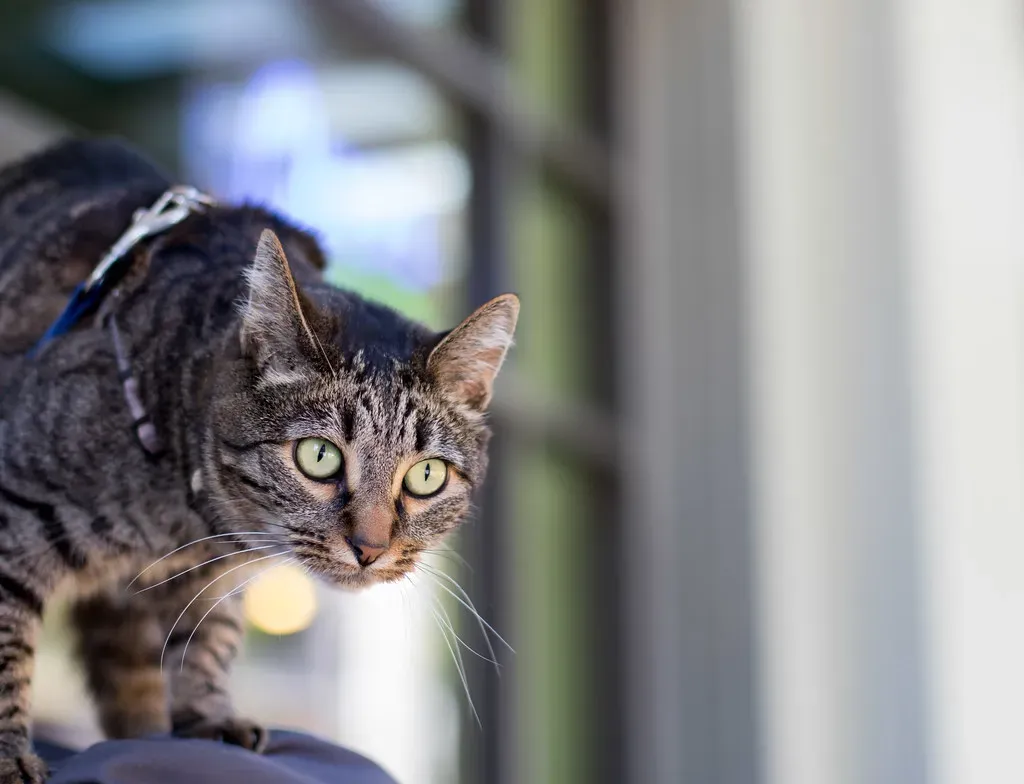
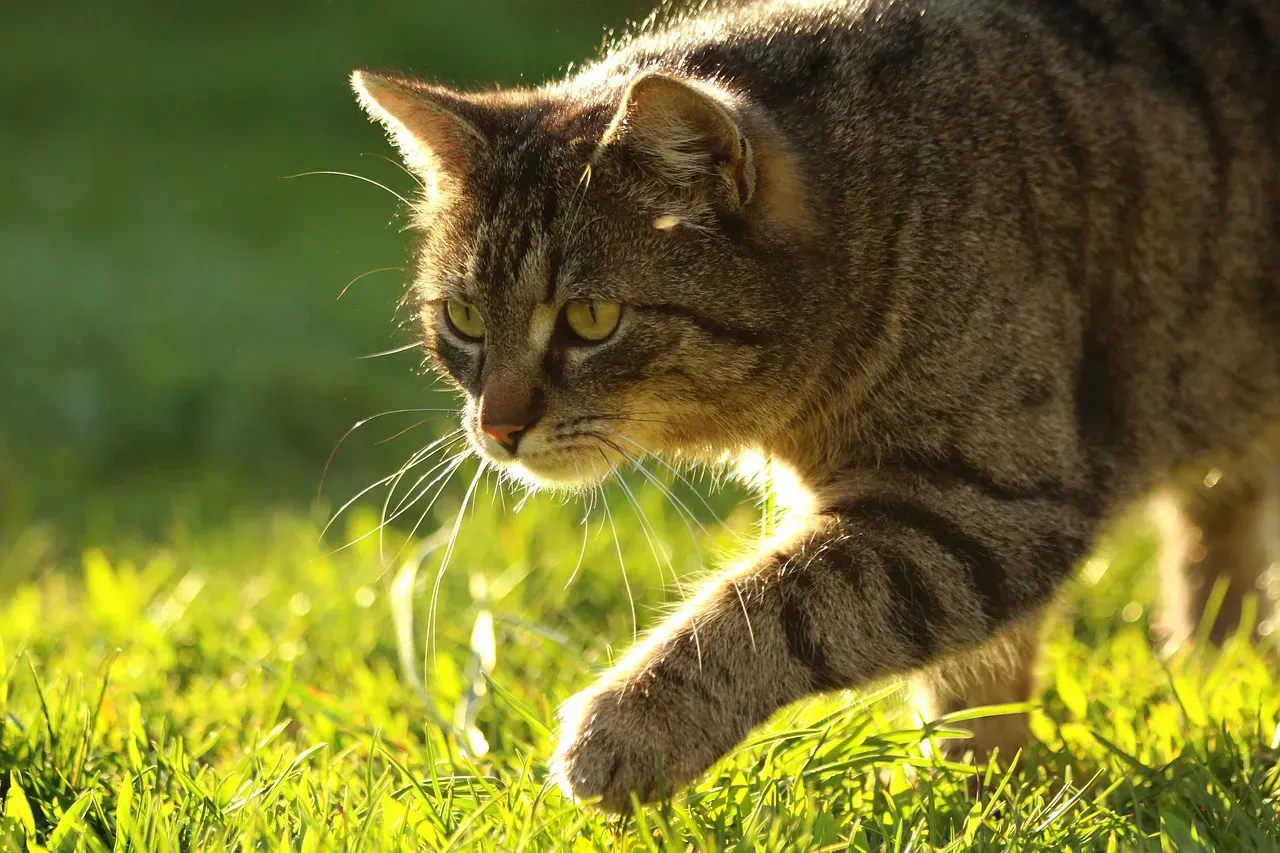
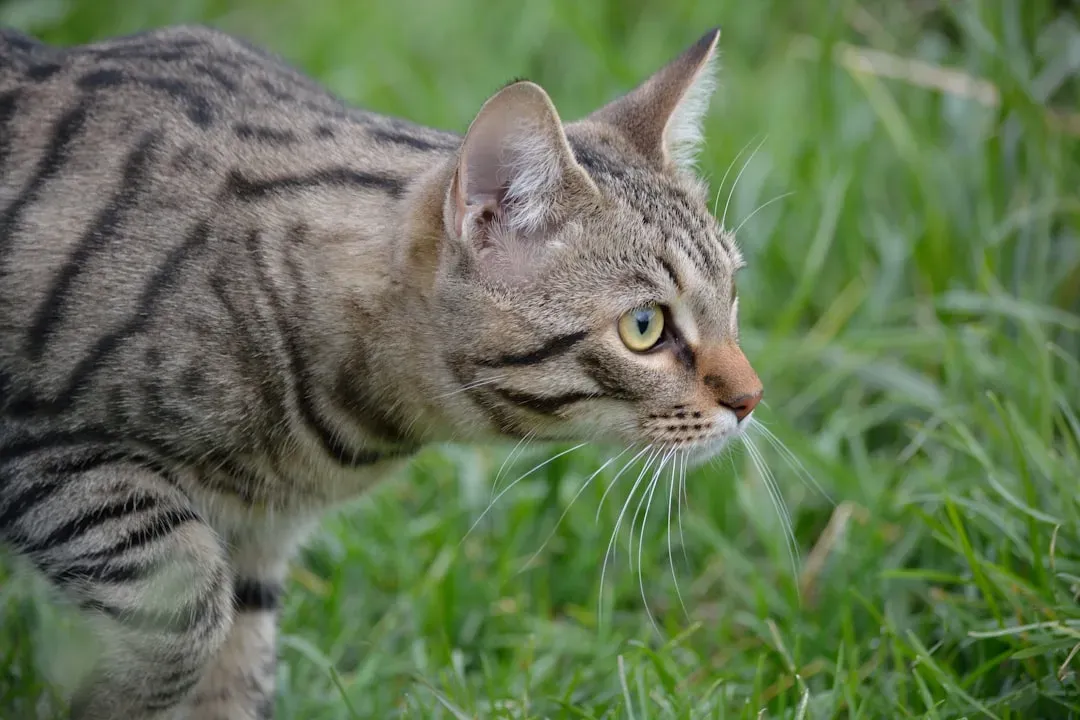
Predatory behavior in cats follows an immutable sequence hardwired into their nervous systems: stare, stalk, chase, pounce, kill, and finally, eat. Watch any cat preparing to strike and you'll see this ancient dance unfold. Cats usually approach their prey by stalking them, which involves the cat moving in a crouched position with their head outstretched. They become completely absorbed, every muscle tensed with purpose.
They crouch low to the ground and wiggle their hind end back and forth before pouncing, and there are theories that wiggling increases their stability before leaping, while others believe it's just for fun, since hunting and playing releases dopamine. That butt wiggle before the pounce? It's not just adorable - it's functional. Kittens can master the pounce as early as nine weeks old, and whether the cat is young or old, the predatory dance sequence is pretty consistent.
Why They Toy With Their Catch
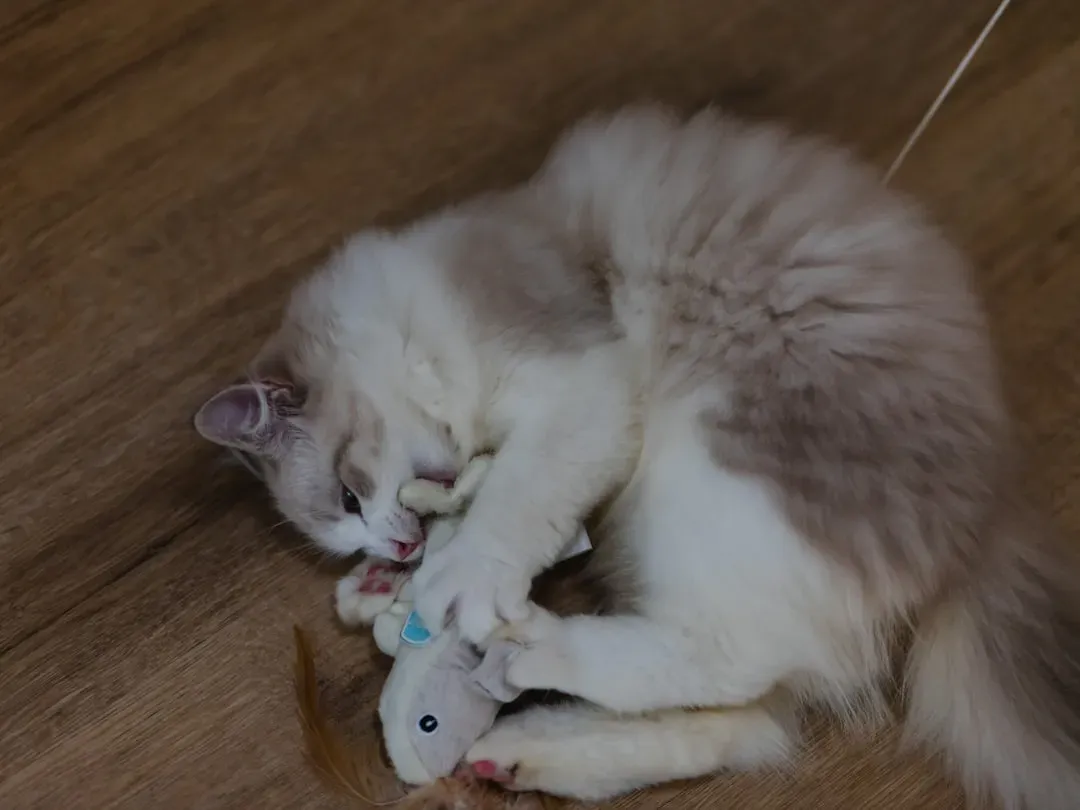
You've probably seen it - your cat batting around a captured toy or, less pleasantly, a stunned mouse. When a cat bats around its prey after the initial pounce, it may seem like they want to play with their catch, but in reality, the cat is tiring out the animal until it's safe to go in for the killing bite. It looks cruel to our eyes, yet it serves a survival purpose.
Toying with their prey is brought about by the conflict of needing to kill their prey and the fear of being injured by their prey as a result, or if the cat performs this behavior after they have killed the prey, it could simply be that they are not hungry enough to eat. Mice and rats have sharp incisor teeth that can bite and injure your cat, and birds' beaks are pointy and can cause damage, too. That seemingly playful batting is actually strategic self-preservation.
Those Unwanted Gifts You Receive
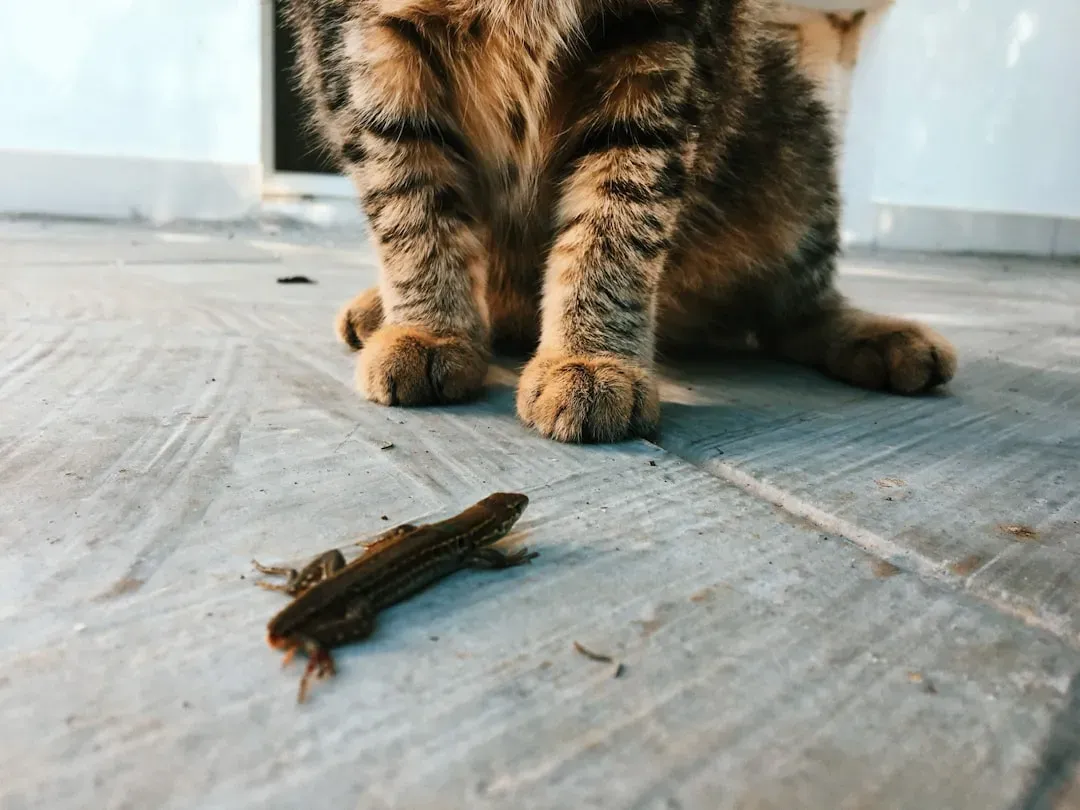
When your cat brings you prey, it may be a sign that your cat considers you a part of their family, as they're sharing the bounty of their hunt, just as mother cats may have done with them when they were kittens, and it's actually their way of teaching you how to hunt. Yes, that dead mouse on your doorstep isn't just random - your cat thinks you're a terrible hunter who needs lessons.
Since most domestic cats are neutered and have no young to provide for, they may transfer these instincts to their owners instead, or they may be bringing their spoils home to potentially eat later, showing your cat feels happy and safe in your home. Honestly, as disturbing as these gifts can be, they represent trust and affection in cat language. They're not trying to horrify you - they're trying to help you survive.
Indoor Cats and Amplified Hunting Drive
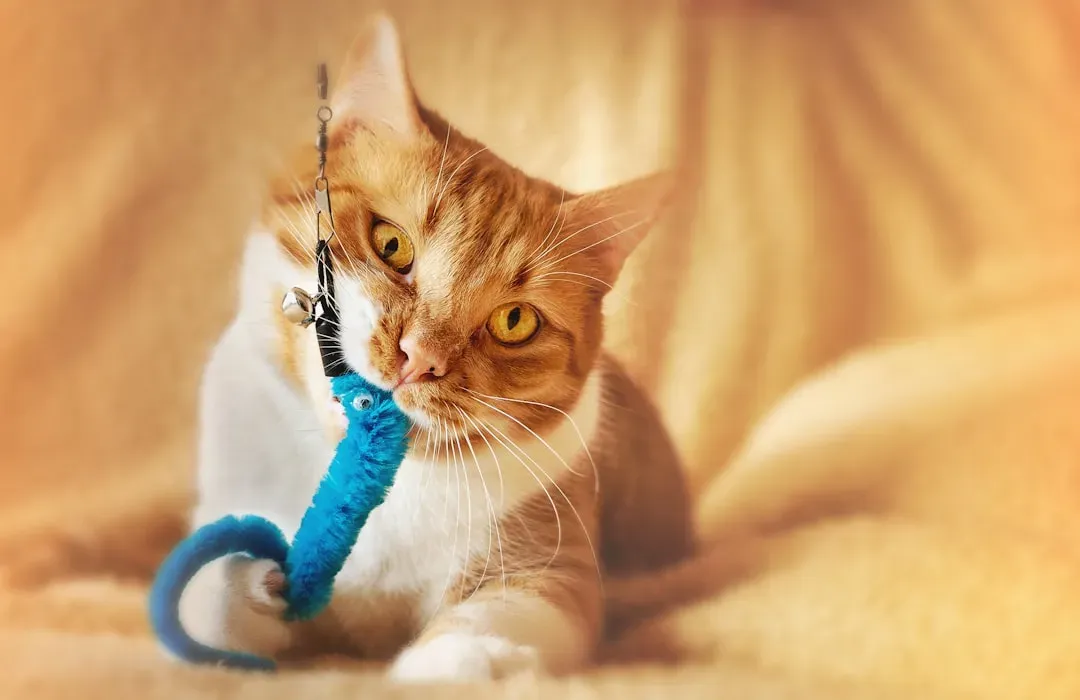
Indoor-only cats were more interested in artificial stimuli that show more or less resemblance with prey, even though these cats have been completely deprived of experience with live prey. Various theories can explain these findings, including higher play drive because of the lack of stimulation. This creates an interesting paradox. Cats kept exclusively indoors may actually show more intense interest in hunting-type activities precisely because they lack real opportunities.
Though the pampered felines we know and love today no longer need to hunt for prey to survive, those instincts are still hard-wired into them, and while some are more skilled at hunting than others and energy levels can vary greatly, all cats need an appropriate outlet for those urges. Today's cats may be well-fed but they still require an outlet for their need to hunt, and they may develop physical or behavioral problems if they do not have an opportunity to do so, with some cats suffering from boredom and obesity while others may actually show aggression towards their caregivers.
The Role of Play in Satisfying Predatory Needs
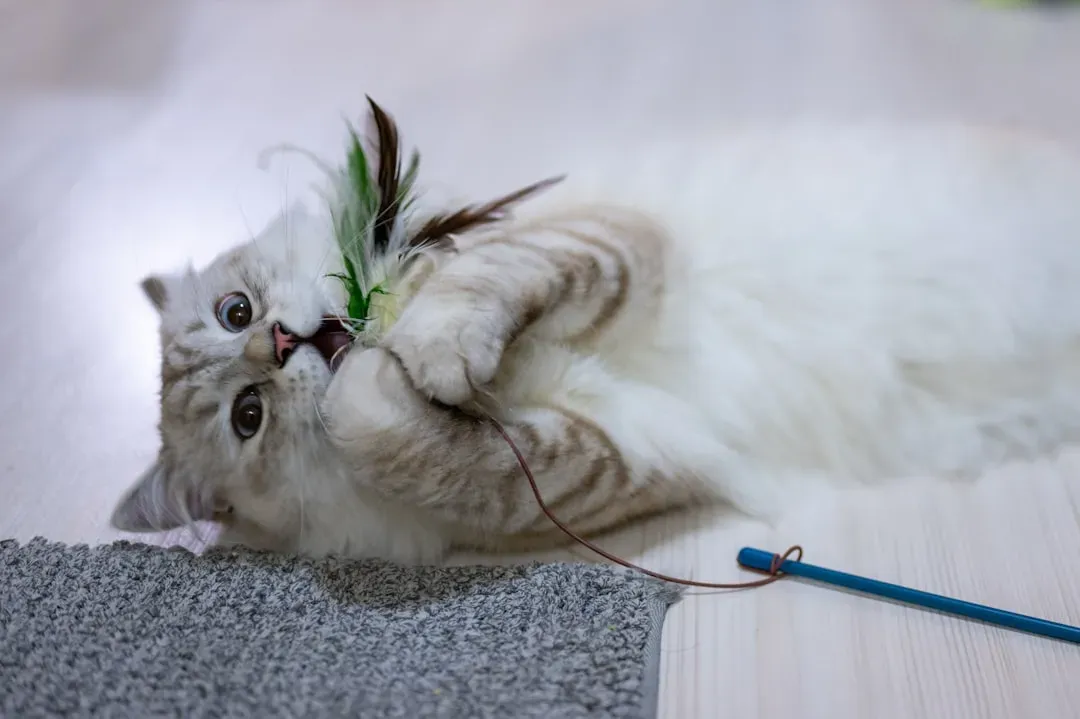
From an animal welfare perspective, it's essential for owners to understand that their cats do not need to hunt live prey to be happy or fulfilled. Instead, they require the opportunity to express natural hunting behaviours associated with the appetitive phase, meaning domestic cats that are well fed can be positively mentally stimulated through experiencing a non-harmful alternative to satisfying their natural predatory behaviour. This is where interactive play becomes crucial.
Redirecting your cat's hunting instincts through frequent play is one of the most effective methods in helping to reduce or eliminate her hunting behaviors, as play provides mental stimulation for your cat and helps to satisfy her hunting desires. Providing domestic cats with high meat content diets and engaging them in object play significantly reduced their predation on wildlife, with cats fed a meat-rich diet reducing their hunting activity by about one third, while daily play sessions decreased prey capture by about one quarter. Regular play sessions aren't just entertainment - they're essential mental health care.
Channeling Instincts Constructively
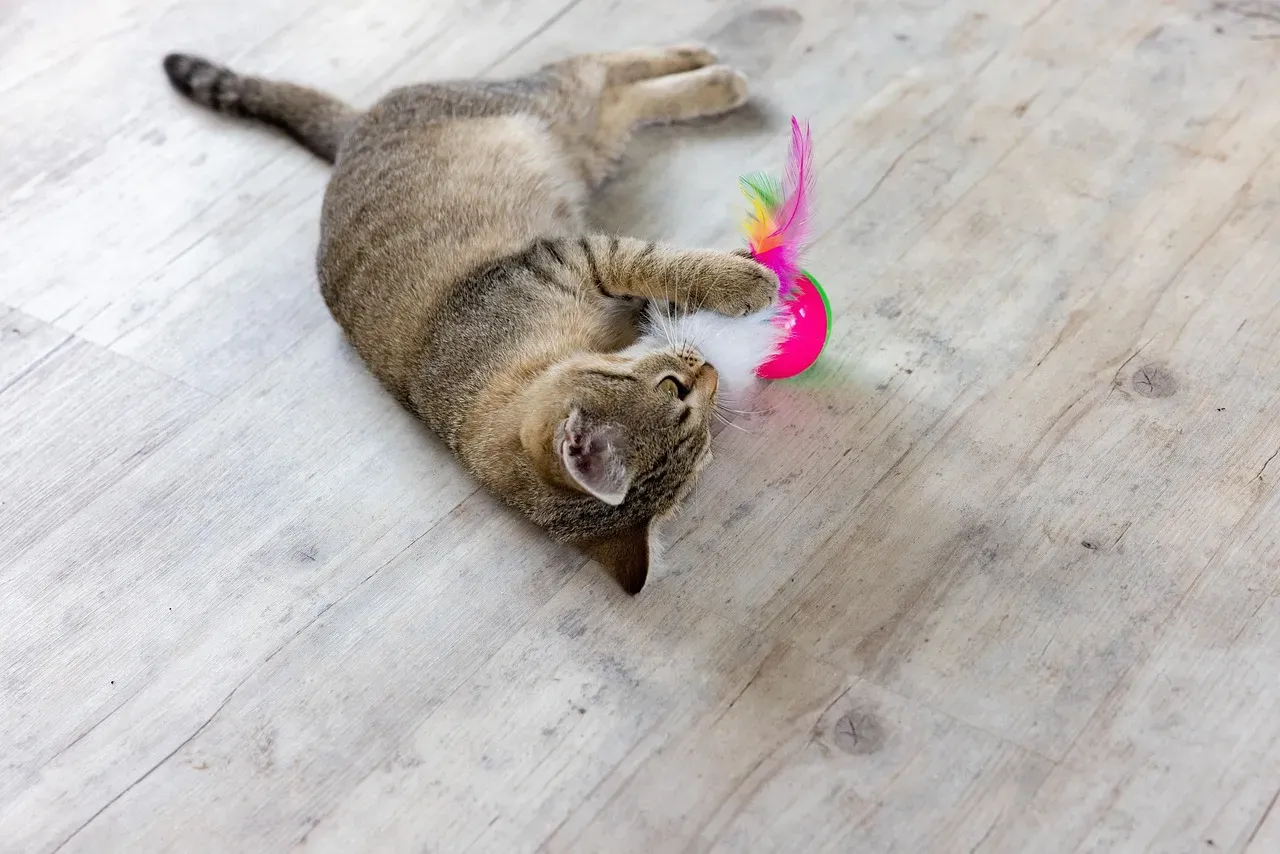
You can stimulate feline predatory behavior by providing engaging play sessions with wand toys that can mimic flying or ground prey, using big sweeping motions in the air to provoke your cat to track with their eyes and jump or dive for the capture, or mimicking ground mammals using darting motions on the ground away from the cat engaging them to pounce and chase. The key lies in mimicking actual prey movements.
Studies using robotic prey demonstrate that cats respond most vigorously to movements mimicking injured animals - erratic but slowing, with occasional twitches that simulate dying throes. The most effective toys replicate this pattern: quick darting motions followed by pauses, changes in direction, and finally weakening movement. It is very important to reward the cat during play by letting them win and capture their prey every now and then, as you want to motivate them to work for it but not cause frustration or aggression. Let them catch the toy sometimes. Constant failure doesn't satisfy - it frustrates.
Understanding Brings Better Care
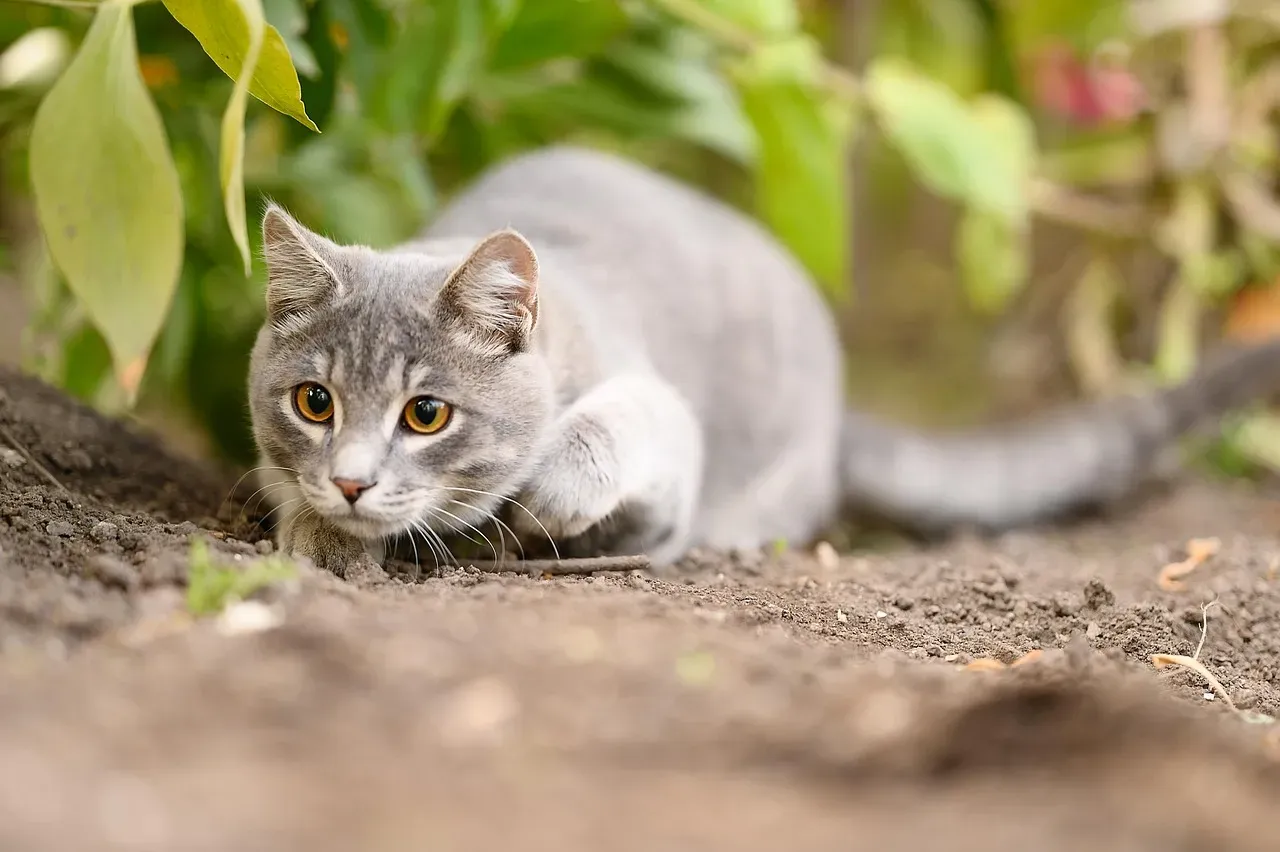
Cats engage in three to ten hours a day of typical hunting behaviour including locating prey, lying in wait, pouncing, and killing, and this should be borne in mind when keeping domestic cats. That's a significant portion of their day dedicated to predatory activities in natural settings. Our indoor cats still have that time budget hardwired into their expectations.
Understanding predatory play means recognizing that your domestic cat remains, at heart, a perfectly evolved hunter, and their need to chase and kill is as fundamental as their need for food or shelter. By providing appropriate outlets for these behaviors, we honor their true nature while keeping them safe in our human world. When we accept that hunting isn't optional for cats but essential to their wellbeing, we transform how we enrich their lives. They're not broken dogs. They're perfectly designed predators who happen to also enjoy our companionship.
Conclusion: Respecting the Hunter Within
Your cat's hunting behaviors aren't quirks to eliminate - they're fundamental aspects of who they are. Every stalk, every pounce, every fixated stare connects them to millions of years of evolutionary refinement. When we understand that your cuddly lap cat is also a skilled predator, we can better meet their needs through appropriate play, environmental enrichment, and acceptance of their true nature.
The domestication of cats didn't erase their predatory instincts; it merely relocated them to our living rooms. By providing outlets for these ancient drives through interactive play and stimulating environments, we honor the complete cat - both the affectionate companion and the skilled hunter. What do you think about it? Does watching your cat's hunting behavior change how you see them?