Have you ever caught your feline friend staring at you like you’ve just performed the most bizarre ritual imaginable? You’re not alone. While we think we understand our cats, the truth is that many of our daily routines leave them utterly bewildered. From the way you greet strangers to your obsession with staring at glowing screens, your behavior might seem downright alien to your whiskered companion.
Cats’ social behavior is mostly based on distance and nonprolonged contact, which makes human interaction patterns particularly confusing for them. The good news is that understanding these quirks can actually strengthen your bond and make life more harmonious for both of you. Let’s explore the everyday things you do that leave your cat scratching their head.
Your Enthusiastic Greeting Rituals
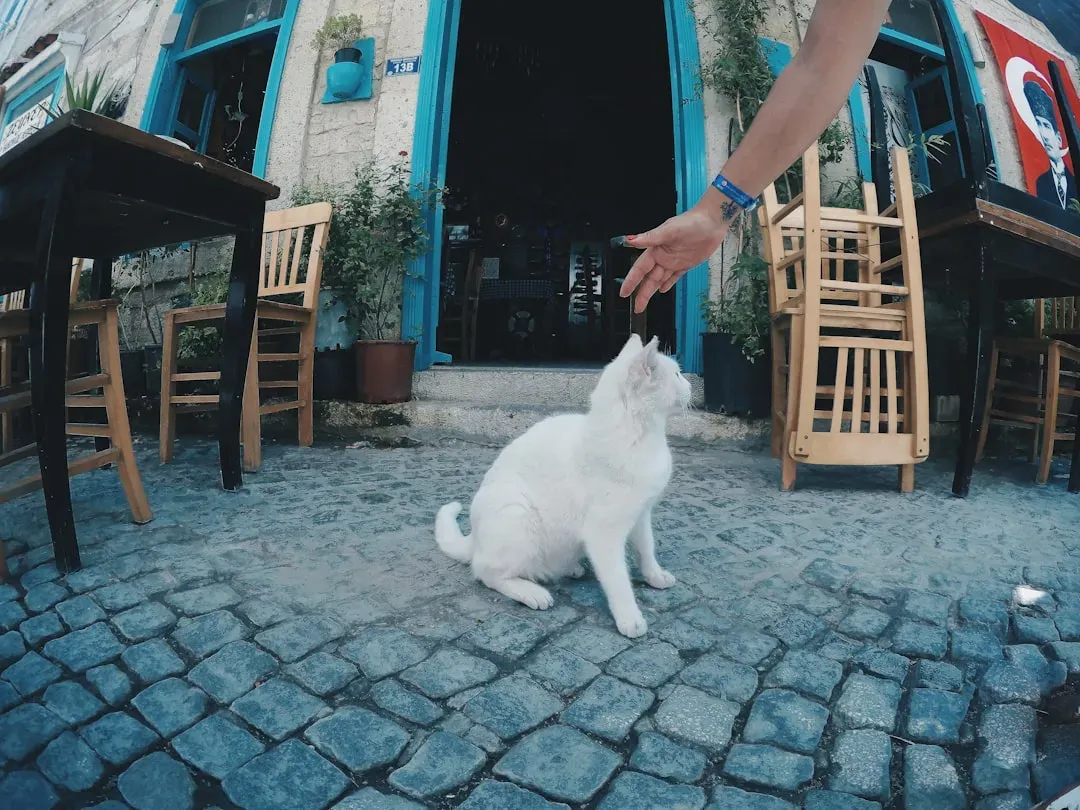
When you come home from work, you probably rush in with loud hellos, direct eye contact, and maybe even reach down immediately to pet your cat. To your feline, this is borderline terrifying. Cats prefer subtle, gradual introductions, not the human equivalent of a marching band announcing arrival.
In the cat world, rushing toward someone is predatory behavior or a sign of aggression. Your enthusiastic greeting translates to threat rather than affection. Instead, try entering calmly and letting your cat approach you first. Give them a slow blink from across the room, which in cat language means trust and affection. You’ll notice they’re much more receptive when given the space to initiate contact on their own terms.
Prolonged Eye Contact and Staring Contests
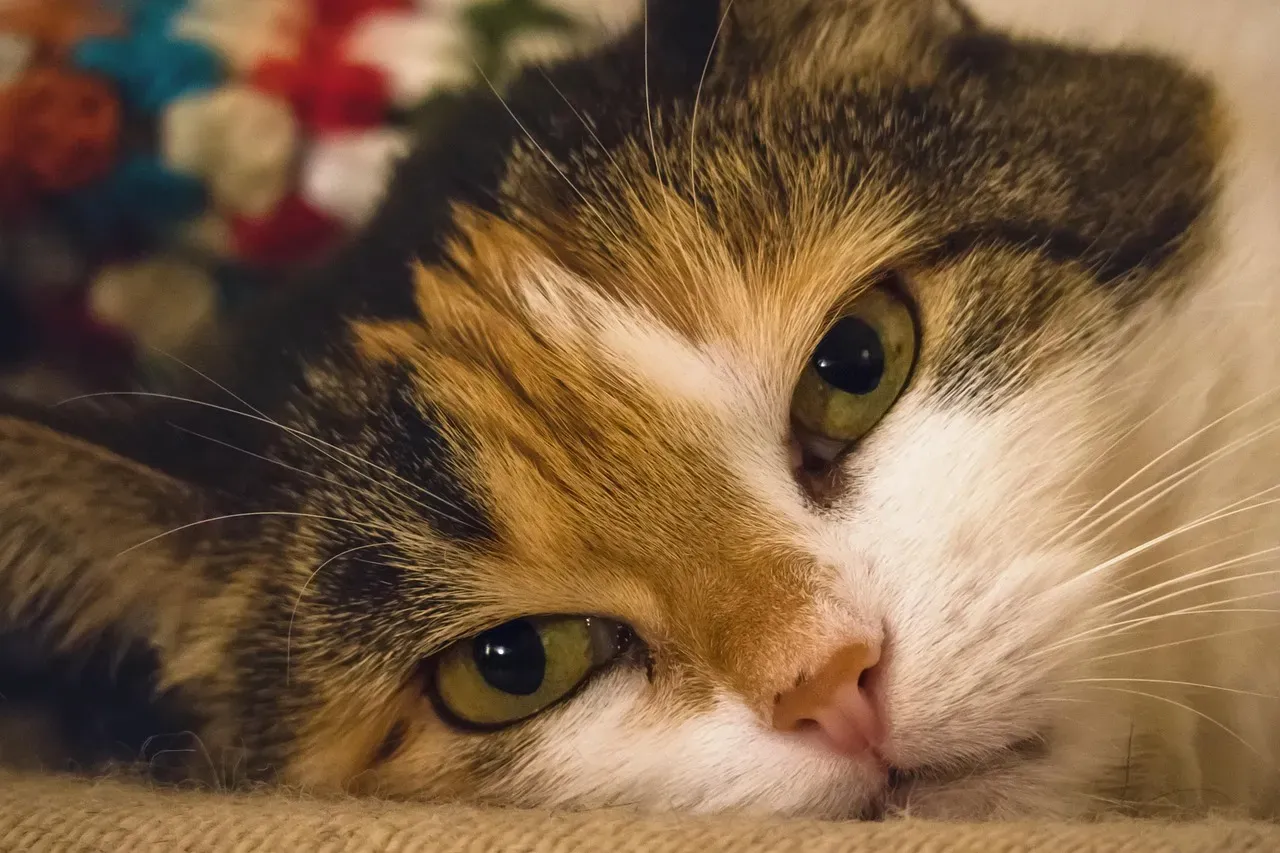
For cats, being stared at is a threat and could be perceived as confrontational. Yet humans love maintaining eye contact as a sign of attention and love. What feels like bonding to you feels like a challenge to your cat.
Cat behaviorists agree it’s best not to hold prolonged eye contact with a cat, as they may interpret it as threatening. The solution is surprisingly simple. Try the slow blink technique, where you look at your cat and slowly close your eyes for a second or two. This behavior is known as a “cat kiss” and shows affection without the intimidation factor. Your cat will likely return the gesture, creating a sweet moment of genuine connection.
Talking on the Phone Like Someone’s Actually There
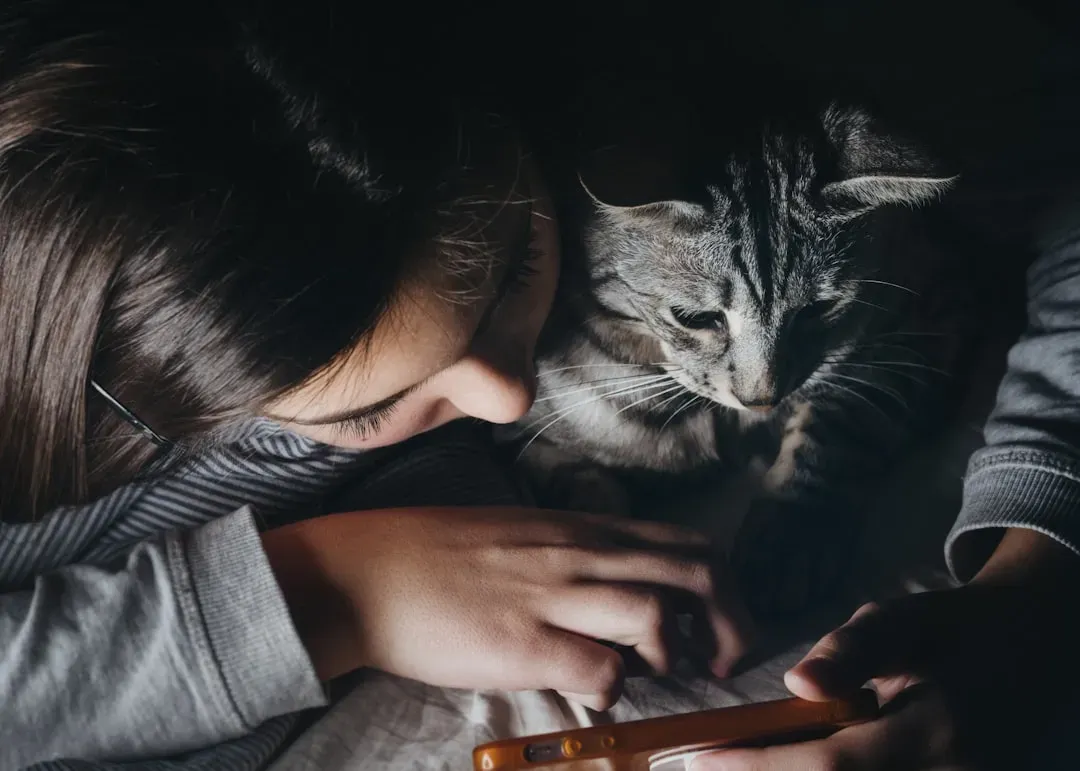
When you talk to someone over the phone, cats become more vocal, affectionate, and needy because they have incredible hearing and can hear voices but might be confused as to where they’re coming from. From your cat’s perspective, you’re having an animated conversation with absolutely no one in the room.
This strange behavior makes them feel excluded or worried that something important is happening that they can’t see. They might meow more during your calls or try to get between you and the phone. Reassure your cat with occasional pets during phone conversations. Let them sniff your phone so they understand it’s just an object. Over time, they’ll learn that this particular human oddity is harmless, though they’ll probably never fully understand why you do it.
Your Obsession With Water
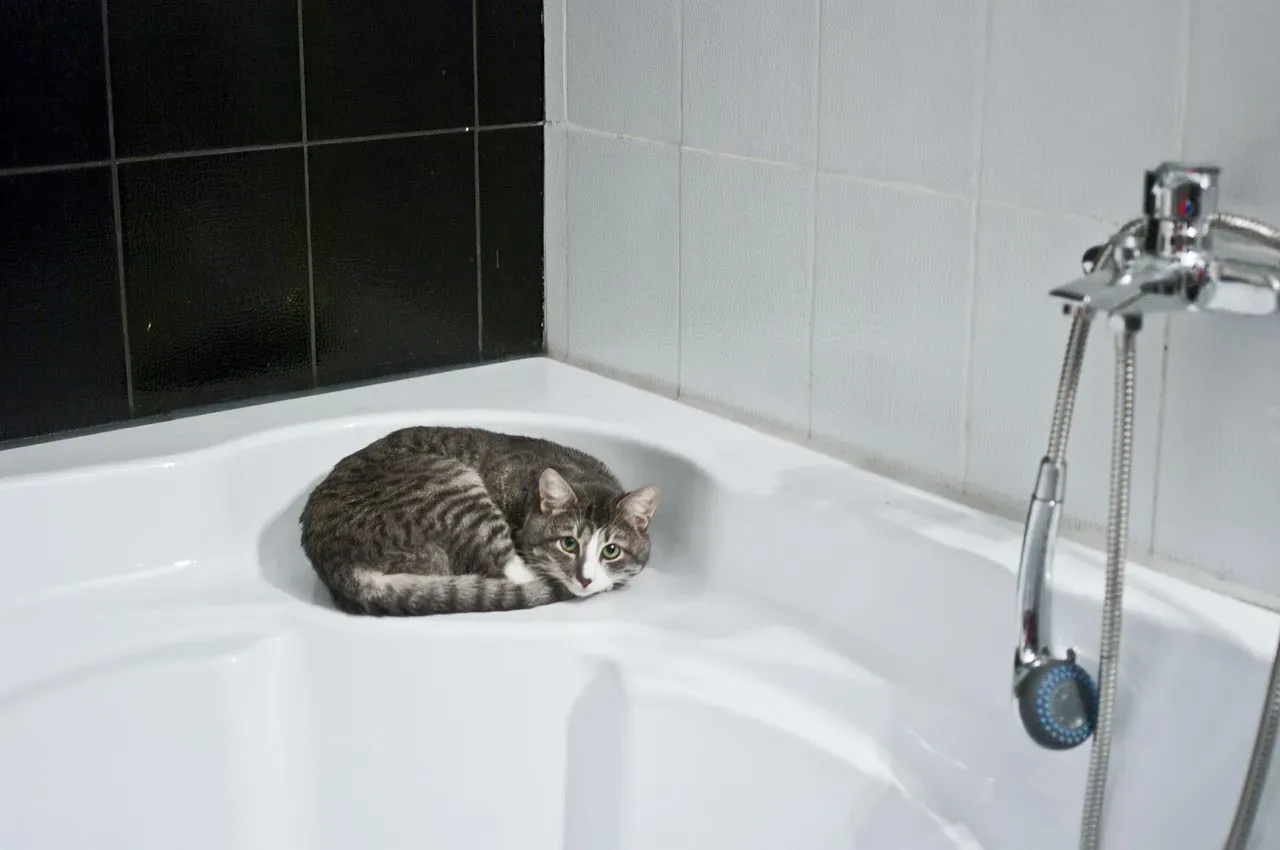
You shower daily, wash your hands constantly, and might even enjoy a relaxing bath. To your cat, who meticulously grooms themselves with their tongue, this water obsession is completely mystifying. Why would anyone voluntarily get soaking wet?
Cats are self-cleaning creatures, and their grooming habits are quite impressive with paws, a rough barbed tongue, and saliva. Your fascination with water likely seems inefficient and uncomfortable to them. While you can’t explain modern hygiene to your cat, you can make them feel more secure by keeping bathroom doors slightly open when you shower. This way, they can check on you without feeling abandoned by your bizarre water ritual. Some cats eventually learn to sit on the bath mat, keeping watch over their strange, water-loving human.
Hugging and Tight Physical Restraint
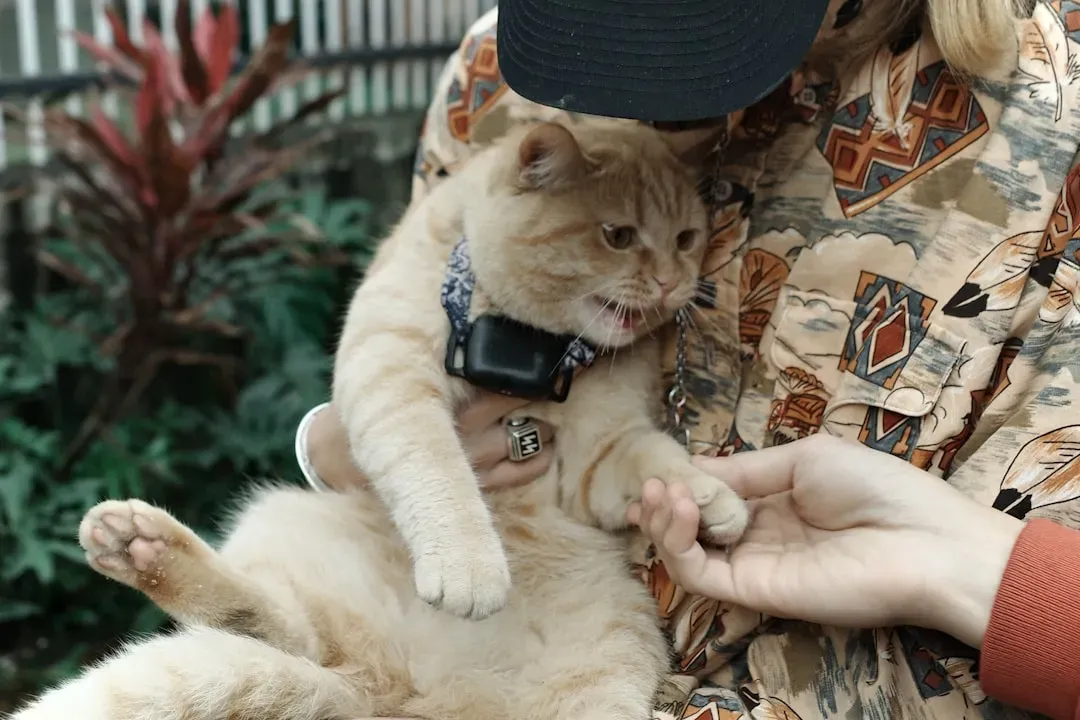
Humans express love through hugs, squeezes, and tight embraces. Cats, however, are built to escape predators quickly, and being restrained triggers their survival instincts. When you wrap your arms around your cat, they often feel trapped rather than loved.
Watch your cat’s body language closely. If they flatten their ears, twitch their tail, or try to wriggle free, they’re telling you they’re uncomfortable. Instead of full hugs, try sitting near your cat and letting them drape themselves across your lap on their terms. Pet them in short sessions rather than prolonged restraint. You’ll find they actually seek you out more often when they know you respect their boundaries. It’s a different kind of affection, but just as meaningful once you learn to speak their language.
Vacuuming and Other Loud Cleaning Rituals
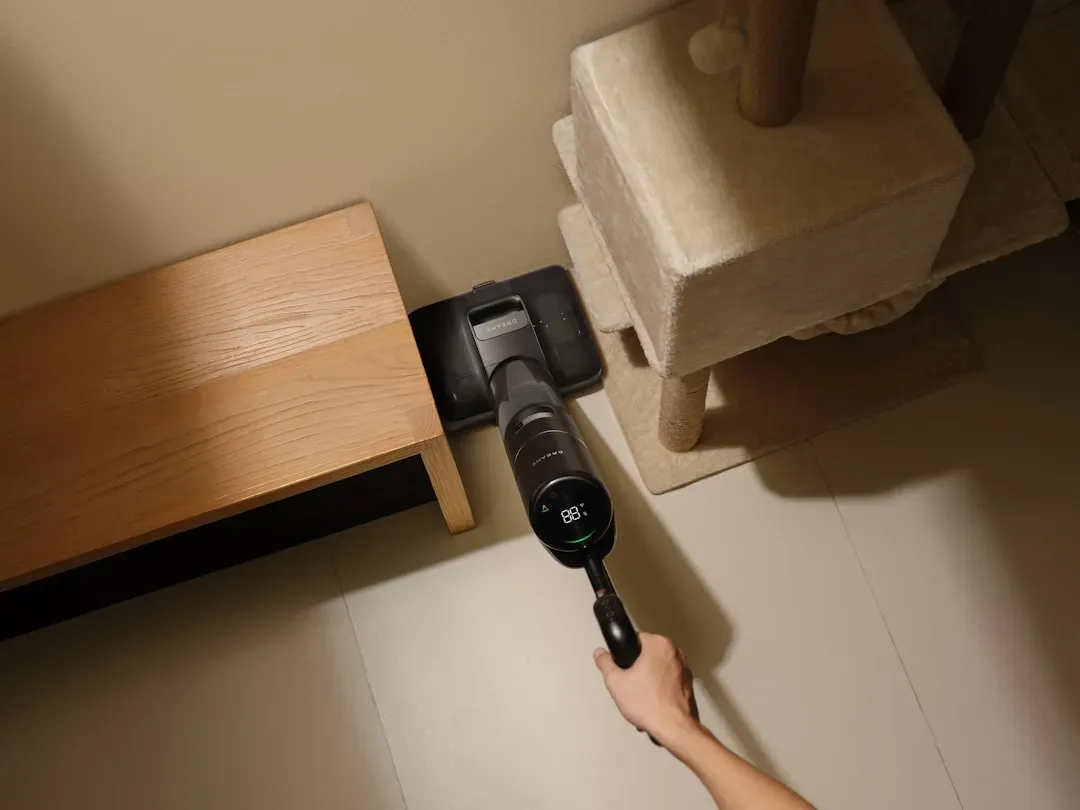
The vacuum cleaner might be your cat’s worst enemy. This roaring monster appears unpredictably, moves erratically, and makes an ungodly noise. To a cat, it’s basically a predator that you’ve invited into the home and seem completely comfortable around.
Cats have incredibly sensitive hearing, and the vacuum’s sound is genuinely painful to their ears. Add the sudden movements and the fact that you push it around aggressively, and you’ve got a recipe for feline terror. Create a safe space for your cat during cleaning time, like a quiet bedroom with the door closed. Give them a warning by bringing out the vacuum a few minutes before you start, allowing them time to retreat. Some cats eventually become desensitized, but many never will, and that’s perfectly normal. Just give them an escape route and they’ll forgive your loyalty to this mechanical beast.
Inviting Strangers Into Their Territory

Cats still place more reliance on the security of their territory than on psychological attachments to people. So when you casually invite friends, delivery people, or repair workers into the house, you’re basically allowing an invasion of their kingdom without consultation.
From your cat’s perspective, this is wildly irresponsible security management. They might hide, hiss, or even spray to reclaim their space after visitors leave. Before guests arrive, set up a safe room with your cat’s favorite items where they can retreat. Don’t force interactions between your cat and visitors. Let them observe from a distance if they choose. After guests leave, spend extra time reassuring your cat and perhaps play with them to rebuild their confidence. Remember, their home is their castle, and you’re the gatekeeper who keeps letting in potential threats.
Eating at Tables Instead of on the Floor

Your cat eats from a bowl on the floor, so why do you insist on elevating your food to table height? Even more confusing, you gather in groups around these elevated surfaces to eat together, which goes against their solitary dining preferences.
To make matters worse, you often tell them they can’t join you at the table, even though you’re clearly eating and they’re hungry. This double standard is genuinely puzzling to them. Consider feeding your cat at the same time you eat your meals. This creates a shared dining ritual that makes more sense to them. You can also designate a specific elevated perch near the dining area where they’re allowed to sit and observe. They might not understand the table concept, but at least they’ll feel included in the mealtime social ritual.
Leaving for Hours Without Explanation
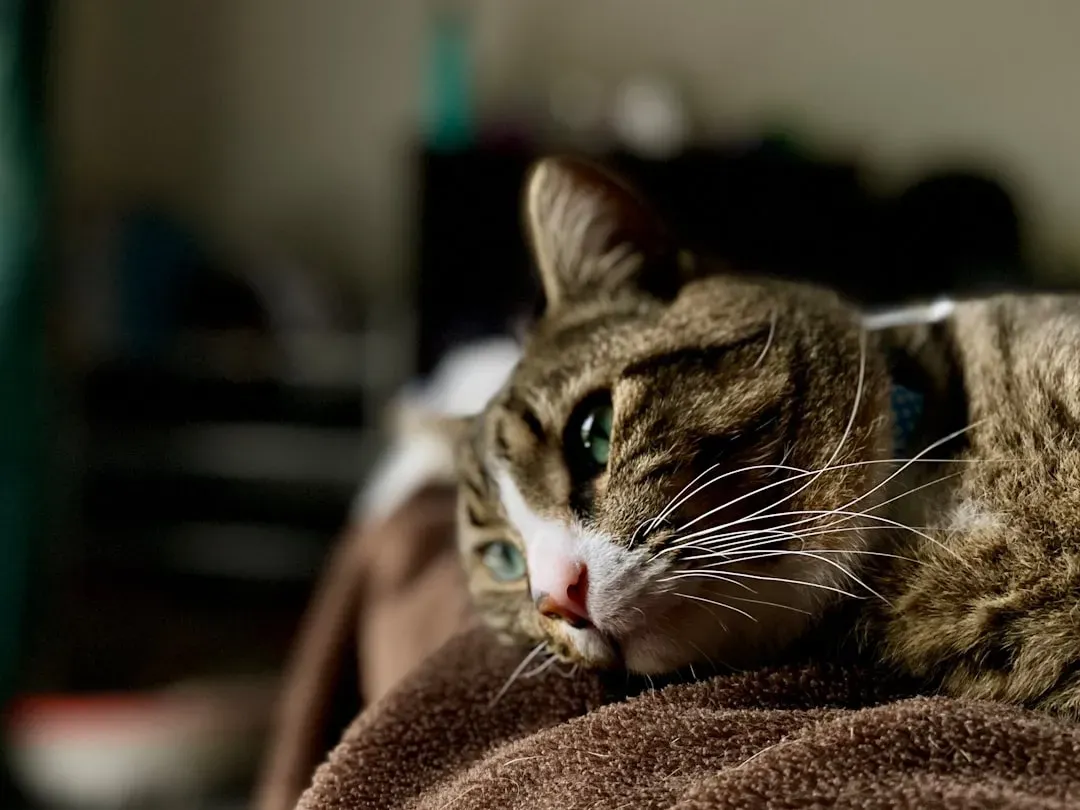
Every morning you go through a ritual, putting on certain clothes, grabbing specific items, and then disappearing for hours. Your cat has no concept of jobs, errands, or social obligations. They just know their primary human vanishes regularly and inexplicably.
Research shows that a surprising number of owners report moderate to severe behavioral problems when separated from owners, proving cats really do seem distressed from being away from their human. Create a departure routine that includes special treats or interactive toys that only appear when you leave. This gives your cat something positive to associate with your departure. Consider leaving recently worn clothing items out where your cat can curl up with your scent. If you’re gone for long periods regularly, think about getting a timed feeder or interactive camera that lets you check in and even dispense treats remotely.
Your Bizarre Sleeping Schedule
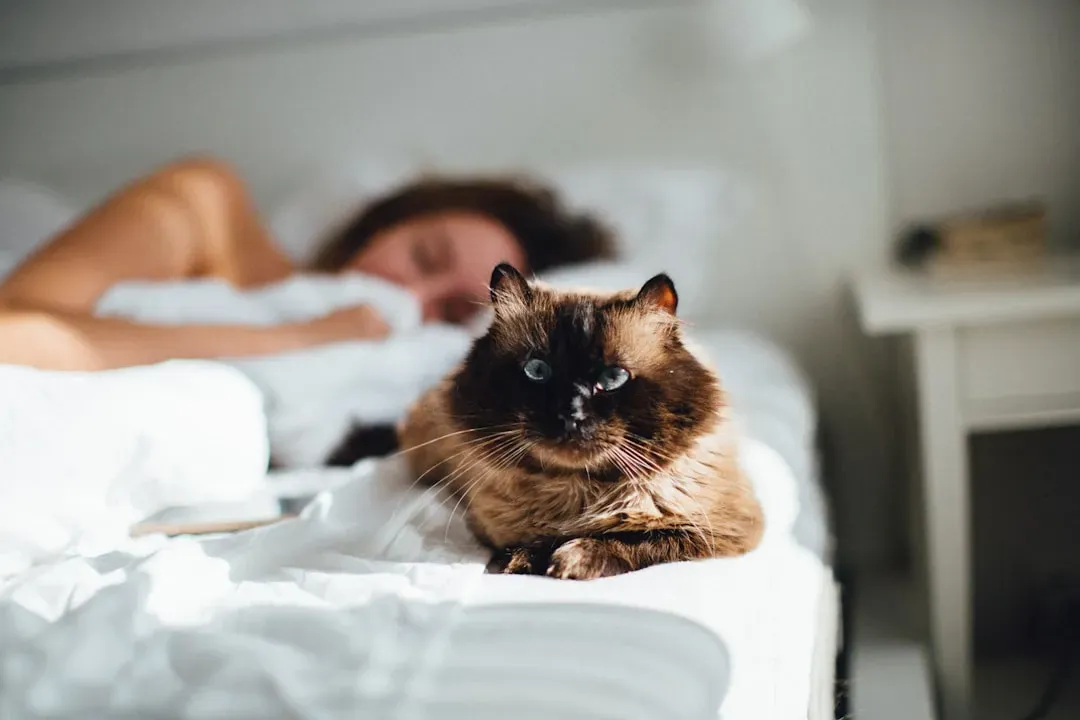
Cats may sleep all day and play all night, which might be because they don’t have enough to do during the day or it’s a habit retained from ancestors who liked to hunt in low light. But humans do the opposite, sleeping through the prime hunting hours of dawn and dusk.
You’re basically unconscious during the most exciting and productive times of the cat day. Then you expect them to be quiet and still during the boring midday and nighttime hours when nothing interesting happens. This mismatch is endlessly frustrating for your cat. Try scheduling intense play sessions right before your bedtime to tire them out. Use puzzle feeders or hide treats around the house before bed so they have something to hunt during those early morning hours. Close your bedroom door if necessary, and provide engaging activities in other parts of the house. Eventually, many cats will adjust somewhat to human schedules, but expecting them to fully conform is unrealistic.
Your Attachment to Boxes and Bags But Denying Them Access
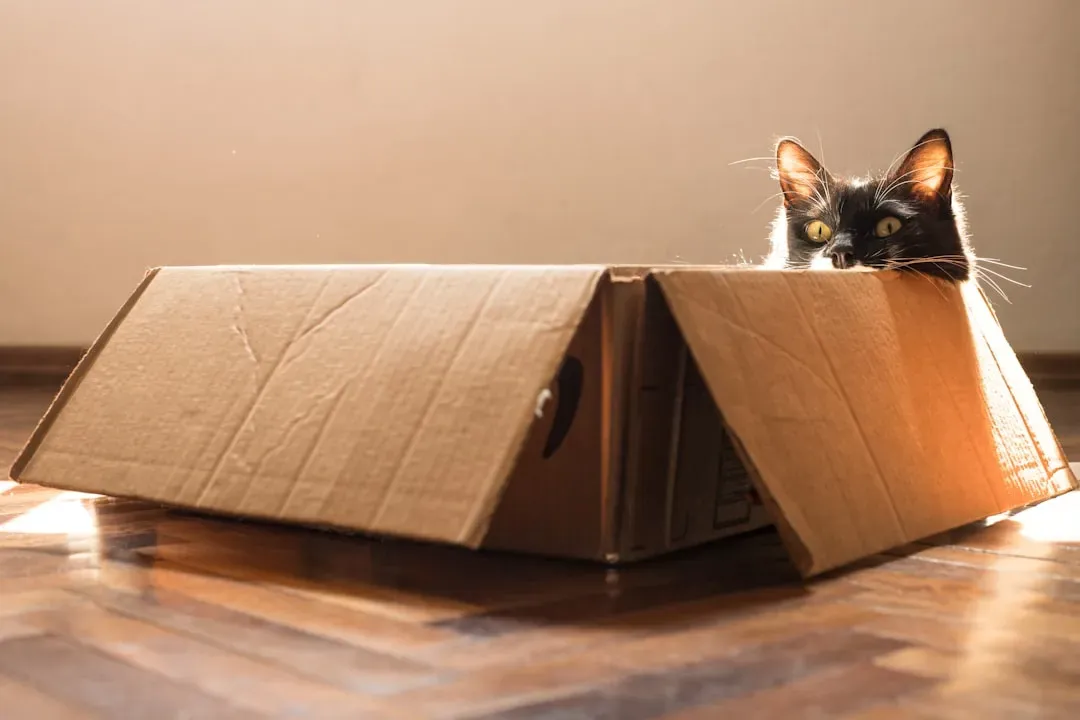
Here’s a real head-scratcher for cats. You bring home boxes and bags regularly, items that are obviously perfect hiding spots and play structures. Then you immediately try to throw them away or put things in them that aren’t cats.
Cats love to slip into small spaces like boxes where they feel cozy and secure, behavior traced back to wildcat ancestors who would sleep safely hidden away to avoid predators. From their perspective, you’re wasting perfectly good resources. Instead of immediately breaking down boxes, leave them out for a day or two. Your cat will appreciate the enrichment, and it costs you nothing. Keep a rotating selection of cardboard boxes in different sizes around your home. Cut holes in some for peek-a-boo opportunities. Your cat will be thrilled that you finally understand the proper use of these valuable items.
Forcing Affection When They’re Not in the Mood
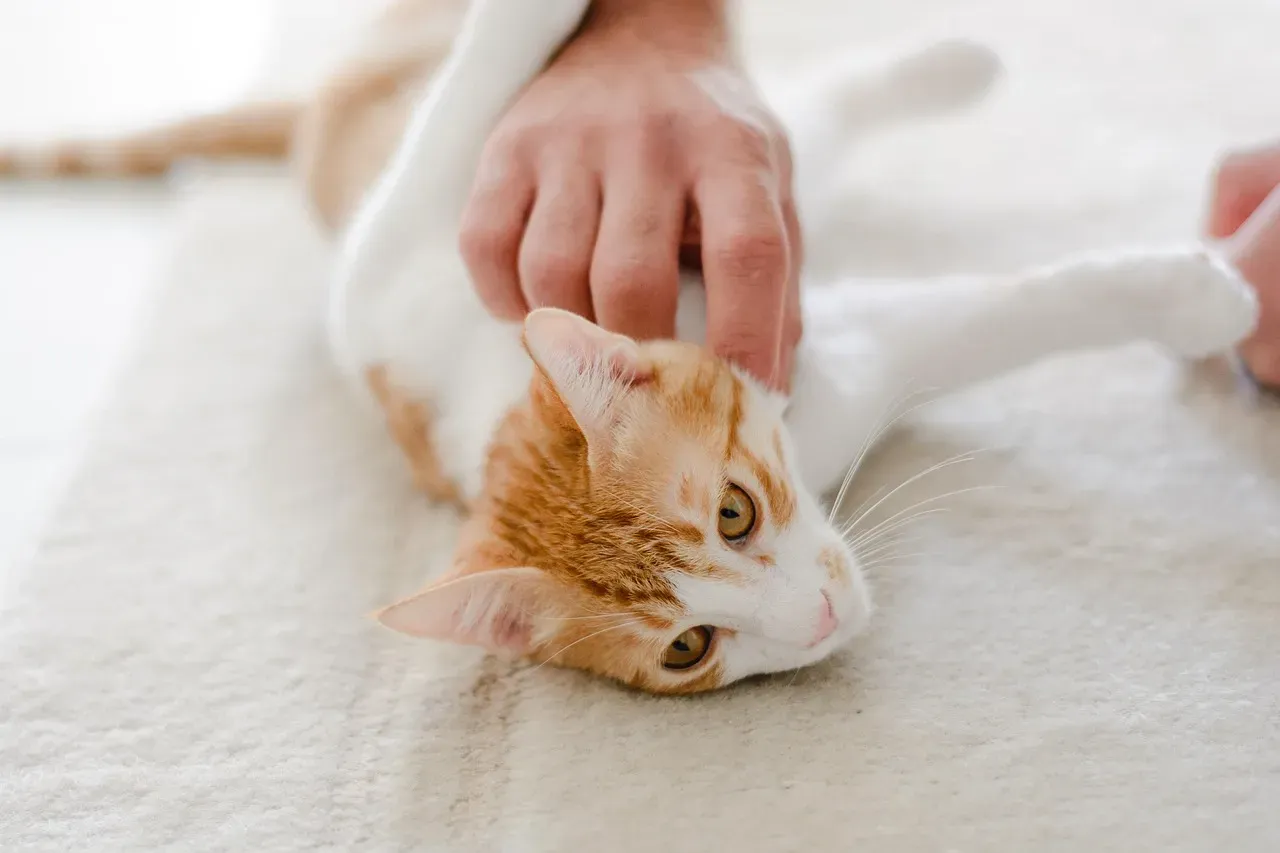
Humans often interpret a cat approaching or being in the same room as an invitation for immediate physical affection. You might swoop in for pets when your cat was actually just walking by or investigating something else entirely.
Cats are masters of subtle communication, and they give clear signals about when they want attention and when they don’t. When cats expose their bellies, they are saying they trust you, but this doesn’t necessarily mean they want belly rubs. Learn to read the signs: a cat approaching with tail up wants interaction, while a cat with flattened ears or twitching tail wants space. Let your cat initiate contact more often. When you do reach out, offer your hand for them to sniff first rather than immediately petting. Respect their wishes when they walk away. This mutual respect will actually lead to more affectionate interactions because your cat will trust that you understand their boundaries.
Conclusion: Meeting in the Middle
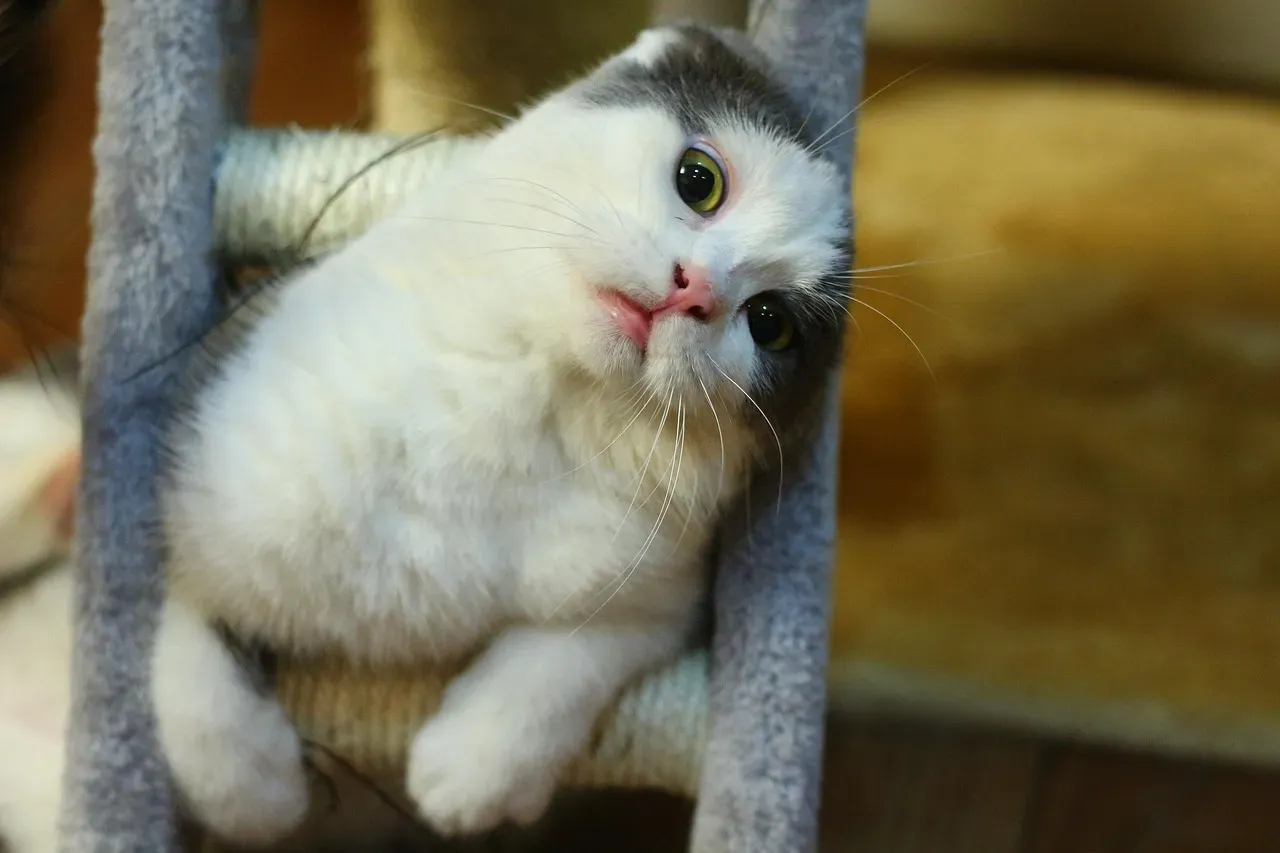
Understanding what confuses your cat doesn’t mean you need to change everything about your life. It simply means being more mindful of how your behavior appears from their perspective. If we understand cats better, we can create an environment that will make them happier in their homes.
The beautiful thing about the human-cat relationship is that it’s a constant conversation across species. Your cat is also learning to understand your strange human ways, just as you’re learning theirs. By making small adjustments to how you interact, you’ll find your bond growing stronger. So the next time your cat gives you that bewildered stare, take a moment to consider what you might be doing that seems utterly bizarre to them. What small changes have you noticed making a difference with your cat?
Kristina is a young writer from India. An arts graduate and an avid content creator, Kristina is passionate about animals and wildlife. She enjoys exploring topics related to pet care, animal behavior, conservation, and nature, combining thorough research with engaging storytelling.