You’ve probably noticed your cat gravitating toward that sunny windowsill like it’s their personal throne, or maybe they’ve claimed the spot right above your laptop vent. It’s almost comical how determined they can be about finding warmth. Yet this behavior is way more than just a quirky preference or some adorable feline ritual. There’s something deeper happening here, something that goes back thousands of years to their wild ancestors roaming scorching desert landscapes.
Your cat isn’t just being picky about comfort. This warmth-seeking behavior is actually hardwired into their DNA as a survival mechanism. Understanding why your furry friend behaves this way can help you appreciate just how fascinating these creatures really are, and it might even change how you think about creating a comfortable home for them.
Desert Origins Shape Modern Behavior
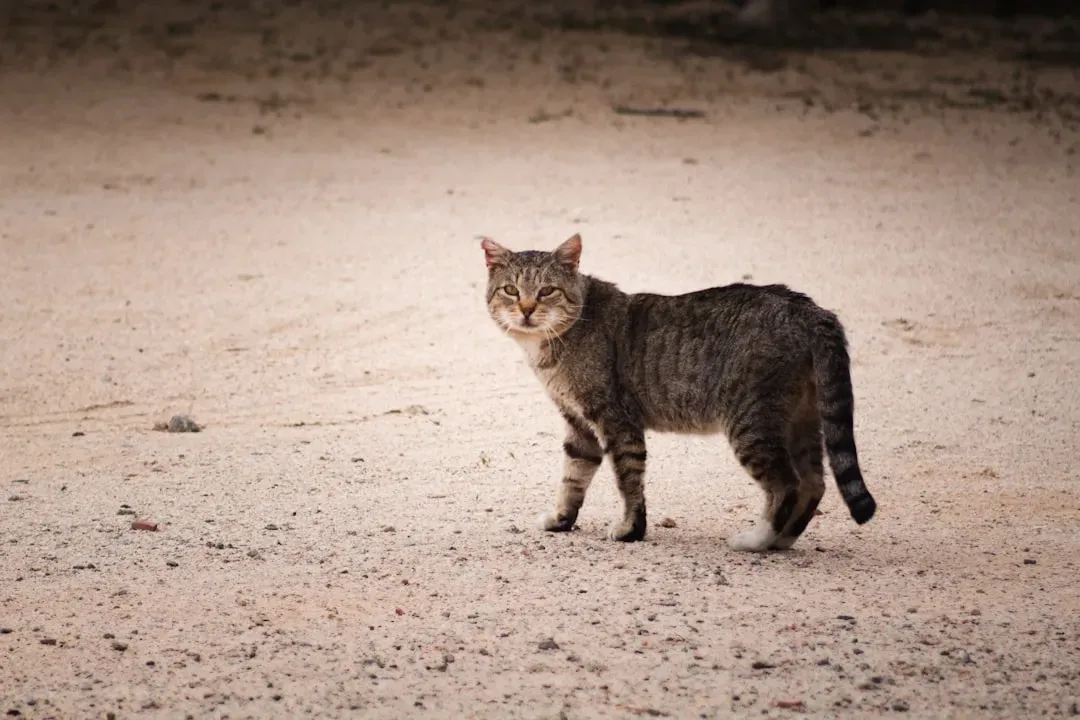
Your cat’s ancestors came from the deserts of the Middle East, with genetic lineage stretching back somewhere between seventy thousand and one hundred thousand years. Domestic cats descended from African wildcats that thrived in desert environments, which explains why your house cat instinctively seeks out warm spots. Think about it for a second. Those ancient wildcats didn’t have central heating or cozy blankets.
These ancient wildcats managed to survive and thrive in extreme temperatures because of the arid regions where they originated, and today’s domesticated cats have inherited their ancestors’ penchant for heat. This isn’t learned behavior you can train out of them. These survival traits have been passed to our domestic felines, so they tend to seek warm areas out of instinct. Your cat is simply following programming that kept their ancestors alive in harsh desert conditions.
Higher Body Temperature Demands More Heat
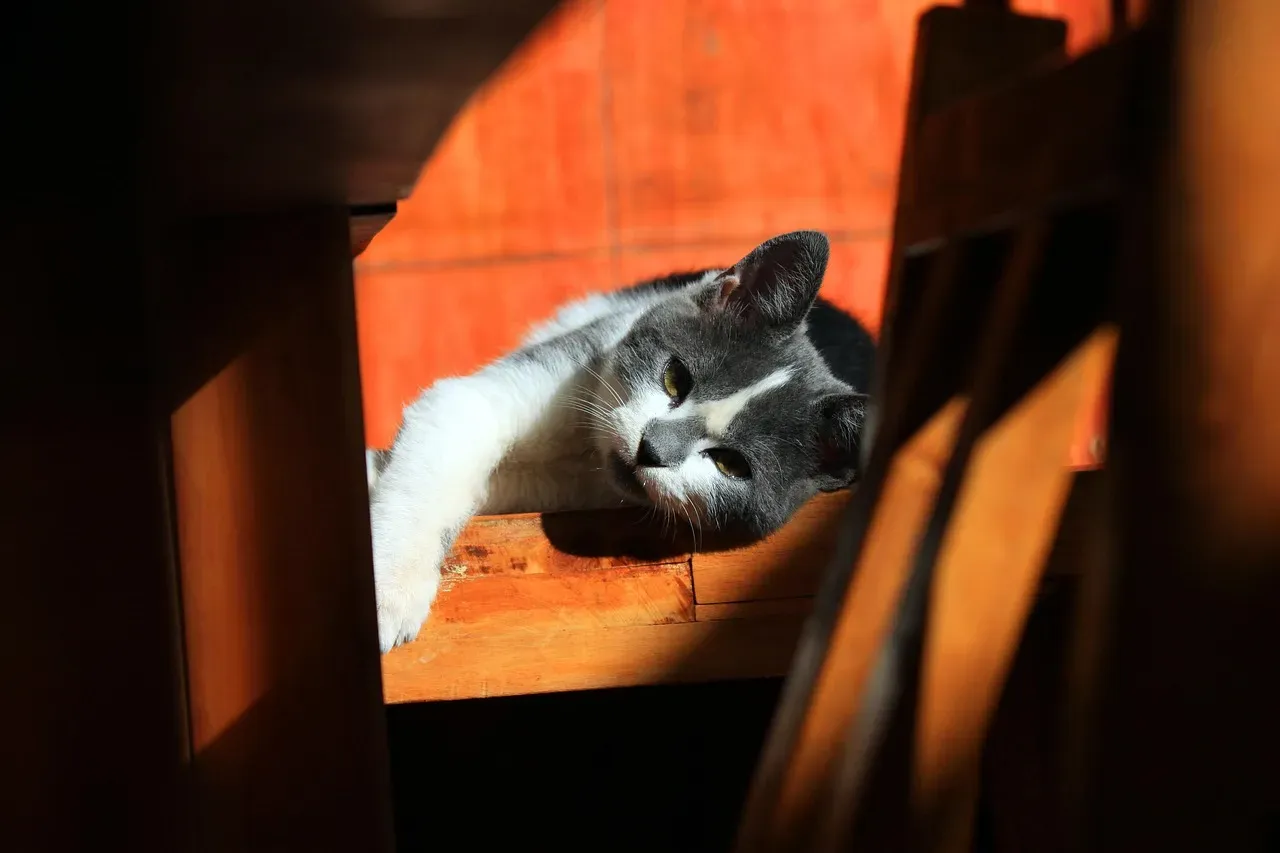
Here’s something that might surprise you. Your cat’s natural body temperature is around one hundred two degrees Fahrenheit, which is significantly warmer than our body temperature of roughly ninety-eight point six degrees. Cats have a higher normal body temperature compared to us humans because they have a faster metabolism and need more energy to maintain their bodily functions. This difference matters more than you’d think.
A cat’s normal body temperature ranges between ninety-nine and one hundred two point five degrees Fahrenheit, and they’re comfortable at temperatures much higher than we are, around eighty-six to one hundred degrees Fahrenheit. That sunny spot that feels too warm for you? It’s probably just right for your cat. Cats’ metabolisms are much faster than humans, meaning their bodies generate more heat and dissipate it more efficiently.
Energy Conservation Through Warmth-Seeking
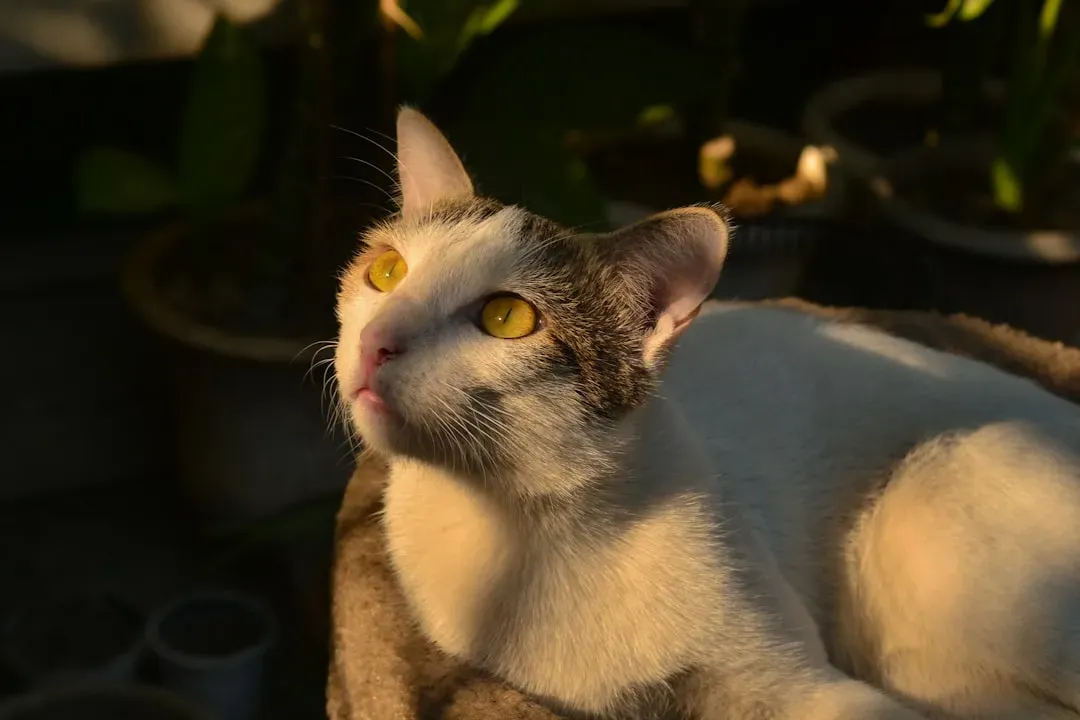
In the wild, warmth means safety because conserving body heat reduces the risk of hypothermia and allows a cat to save energy for hunting or defending itself. Your indoor cat doesn’t need to hunt for survival anymore, yet that instinct remains incredibly strong. Warmth helps cats conserve energy, and when a cat is cold, its body has to work harder to maintain its temperature.
Let’s be real, cats sleep roughly sixteen hours a day, maybe more. With their tendency to sleep up to sixteen hours a day, cats rely on sunbathing to conserve energy and stay cozy, and resting in a warm sunny spot allows their body to use less energy to maintain body heat. By seeking out warm places, cats can conserve energy and reduce the need to expend extra calories to maintain their body temperature. It’s efficient living at its finest.
Thermoregulation Challenges for Small Bodies
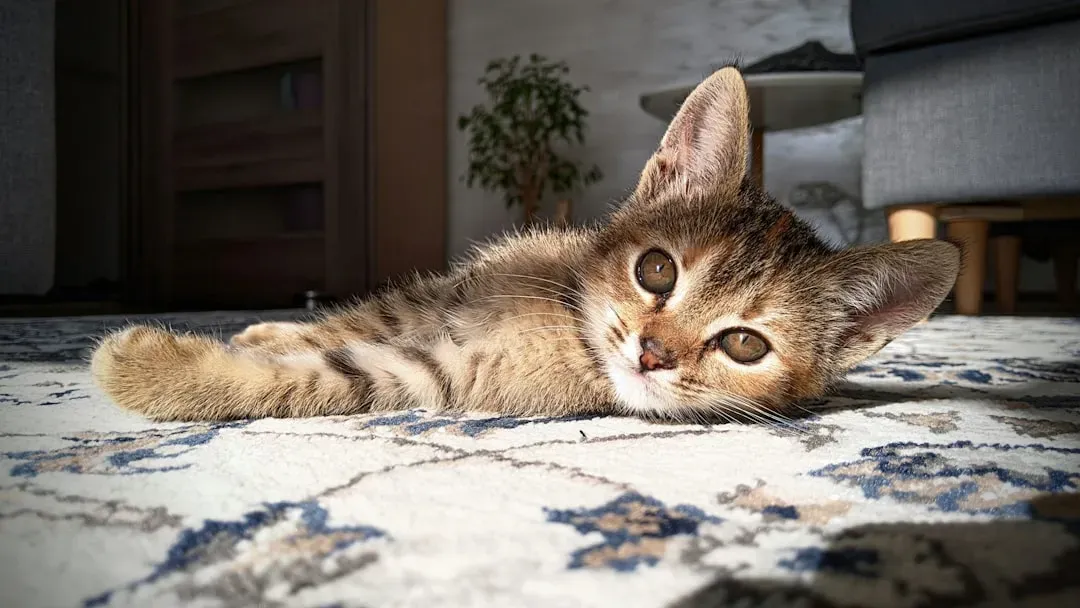
Cats have a higher surface-area-to-volume ratio compared to larger animals, making them more prone to losing heat, and to maintain their ideal body temperature, cats seek warmth from external sources. Their small bodies simply can’t hold heat as well as larger mammals. Cats have a higher surface-area-to-volume ratio compared to larger animals, making them more prone to losing heat, and they seek warmth from external sources to maintain their ideal body temperature.
Cats possess fur coats designed for insulation but lack the ability to regulate their body temperature as effectively as larger mammals do, so when they seek out those warm spots, it’s about ensuring their bodies remain at optimal functioning temperatures. Your cat’s fur helps, sure, yet it’s not always enough. The thermoneutral zone for cats is around eighty-six to one hundred one degrees Fahrenheit, and since many homes are kept at temperatures much cooler than that, cats can experience cold stress and discomfort.
Warmth Provides Psychological Comfort
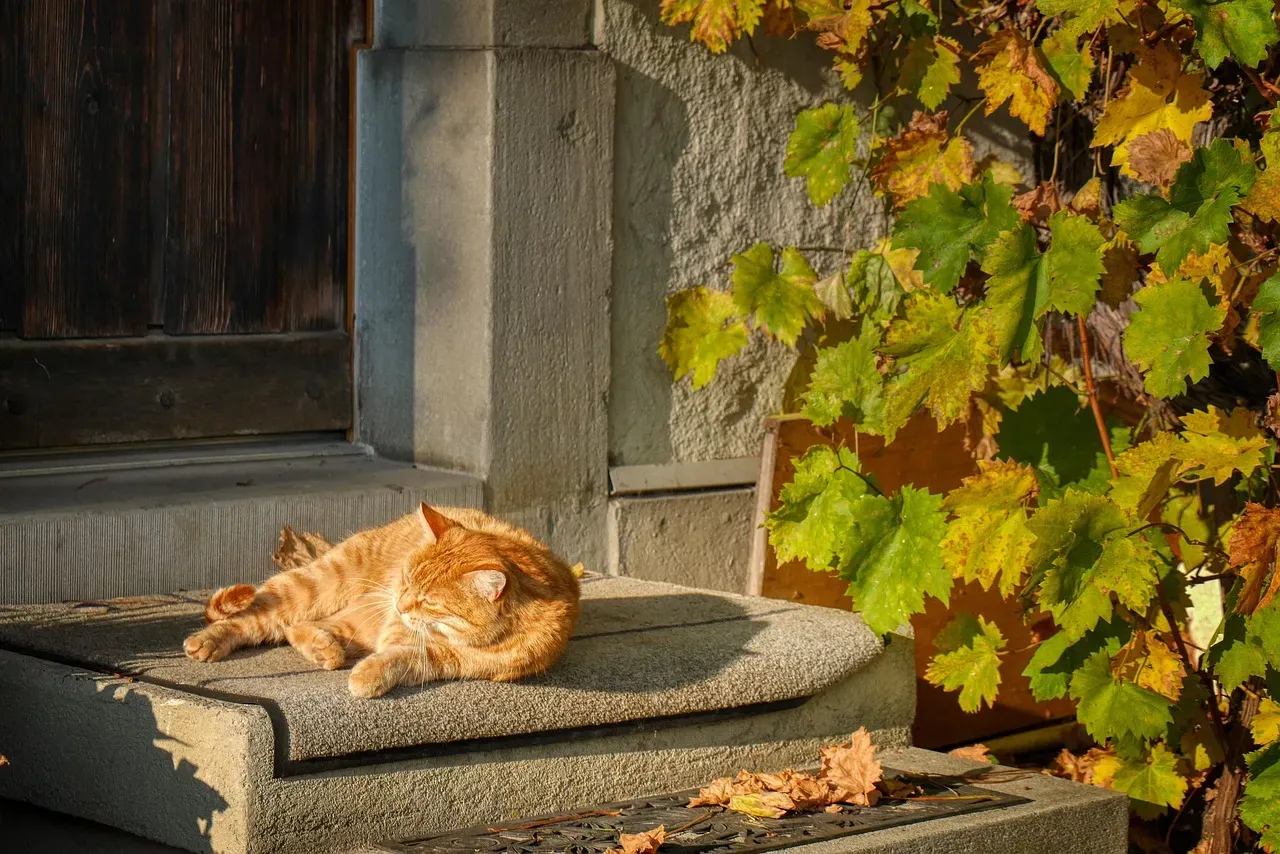
Warmth is also a psychological comfort for cats, providing a sense of security and well-being, just like how a cozy blanket on a chilly evening feels comforting to us. There’s an emotional component here that we shouldn’t dismiss. Warmth provides psychological benefits too, and cats experience similar feelings of safety associated with warmth, just like we might gravitate towards familiar places that make us feel safe and secure.
In the wild, cats instinctively seek warmth to protect themselves from the elements and potential predators, and warmth provides a sense of security and safety. Honestly, when you see your cat curled up in that perfect sunny circle on your floor, they’re not just comfortable physically. Warmth has a calming effect on cats, reducing stress and providing a sense of security. They’re tapping into something that makes them feel fundamentally safe.
Health Benefits of Basking in Warmth
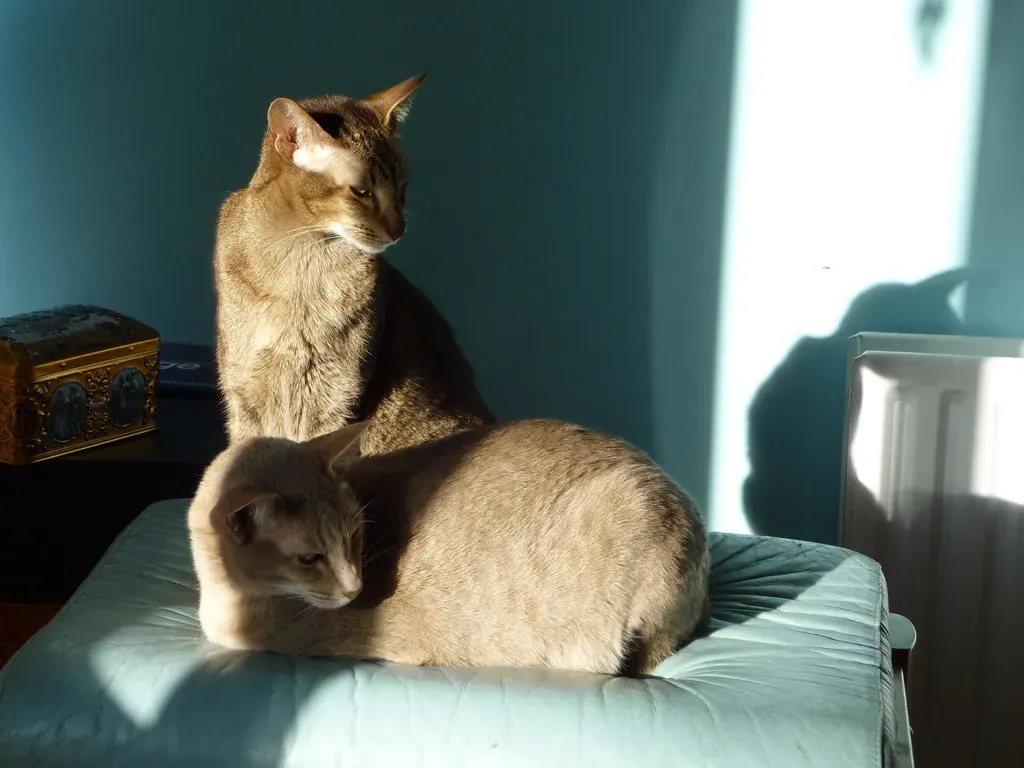
Just like humans enjoy the relief of a heating pad on sore muscles, cats benefit from the gentle warmth of the sun, especially older cats or those with arthritis, as warmth increases blood flow, relaxes muscles, and can ease joint stiffness. It’s hard to say for sure, but many senior cats seem noticeably more comfortable after spending time in warm spots. Natural light and heat can soothe achy limbs and joints and help regulate internal body temperature, and cats seek spots of sunlight particularly because it reduces symptoms caused by osteoarthritis.
Moderate sun exposure offers health benefits for cats, including joint comfort as warmth from sunlight can ease joint pain in senior cats, and improved mood as exposure to sunlight can improve serotonin production. Cats seek sunny spots for the warmth and comfort they provide, which leads to increased relaxation and serotonin production, a neurotransmitter that boosts mood and contributes to feelings of contentment. The physical warmth translates to genuine wellness benefits.
Behavioral Patterns Linked to Temperature
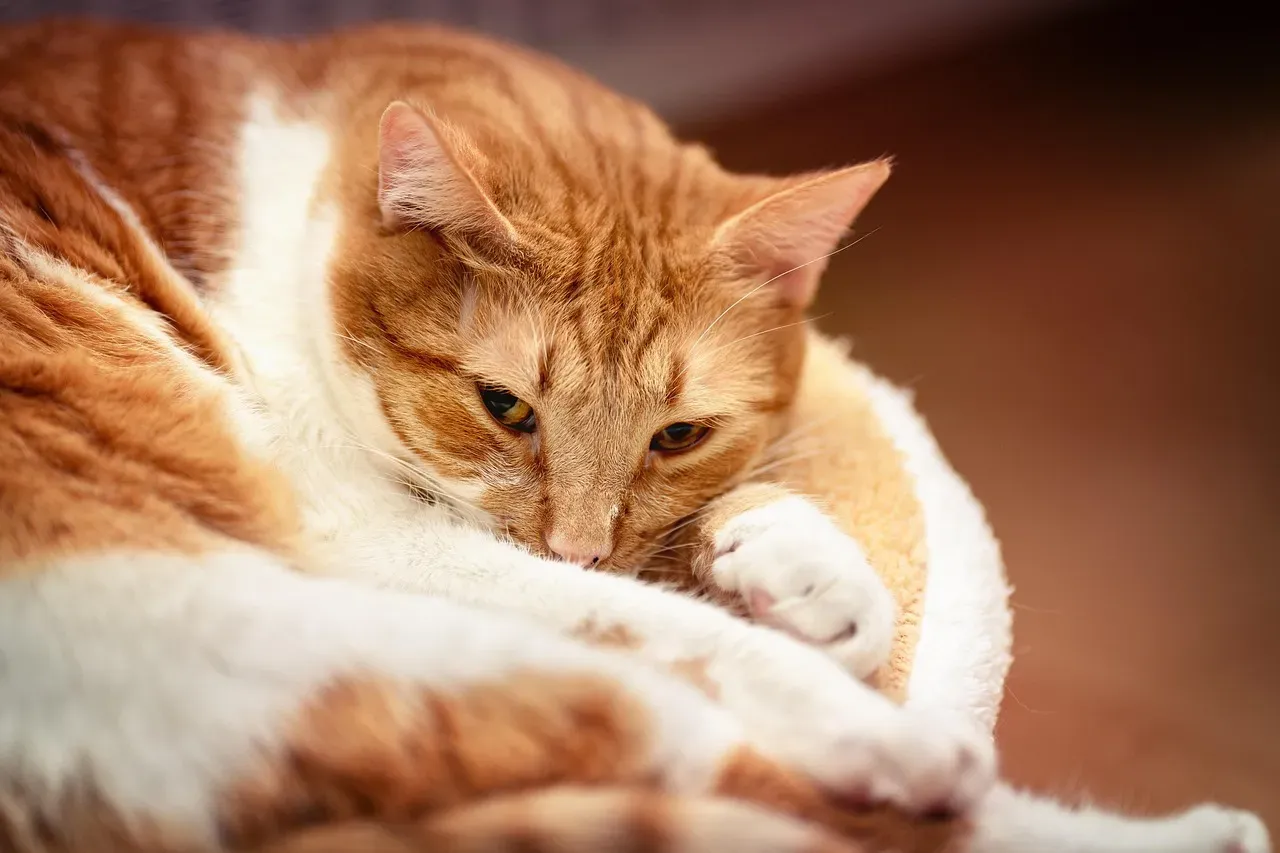
When cats are cold or chilly, they display certain behavior patterns such as cuddling with other animals or people to keep warm, and curling up by keeping their limbs close to their body to minimize heat loss. You’ve probably seen your cat transform into a perfect furry circle. They instinctively seek out warm spaces such as sunny areas, heating vents, or snuggling into cozy blankets, and one of the most typical behaviors is curling up into a tight ball to reduce surface area exposed to the cold.
In response to cold, cats exhibit behaviors aimed at conserving body heat, instinctively seeking out warm spaces such as sunny areas or heating vents. Cats tend to lower their activity levels in cold temperatures, conserving energy and maintaining body heat, often resulting in them sleeping more during cold spells. It all ties back to that survival instinct, ensuring they don’t waste precious energy when conditions aren’t ideal.
Sensitivity to Temperature Variations
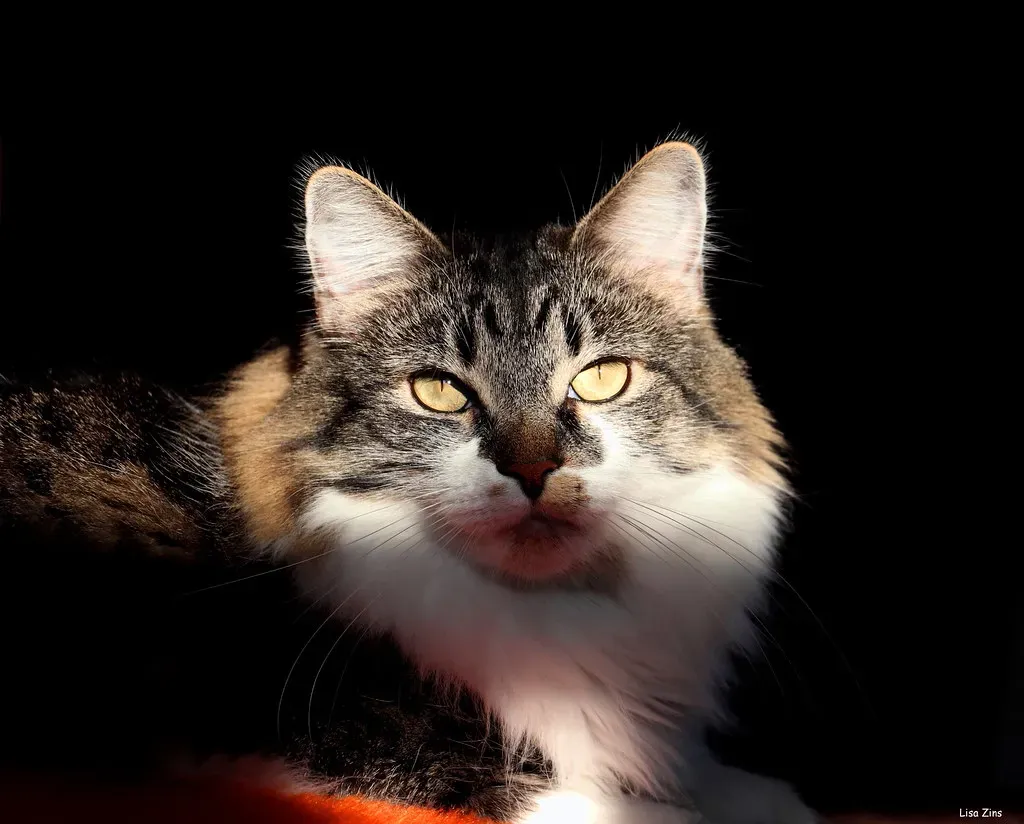
Cats have a lower sensitivity to heat than humans, and while our bodies can sense pain caused by heat greater than one hundred twelve degrees, cats can only sense pain from heat greater than one hundred twenty-six degrees. This lower sensitivity means your cat might not realize when something is dangerously hot until it’s too late. Cats are prone to burning because they cannot immediately sense the increasing temperature until it becomes too hot.
Cats can only sense pain from heat greater than one hundred twenty-six degrees, and the heat sensors they do have are concentrated in their faces. So when your cat is pressing their face into that warm spot, they’re using their most sensitive area to gauge temperature. Elderly cats have trouble regulating their body temperature, making them seek out warm places more often. Age matters here, and older cats need even more warmth than their younger counterparts.
Sleep Cycles and Temperature Connection
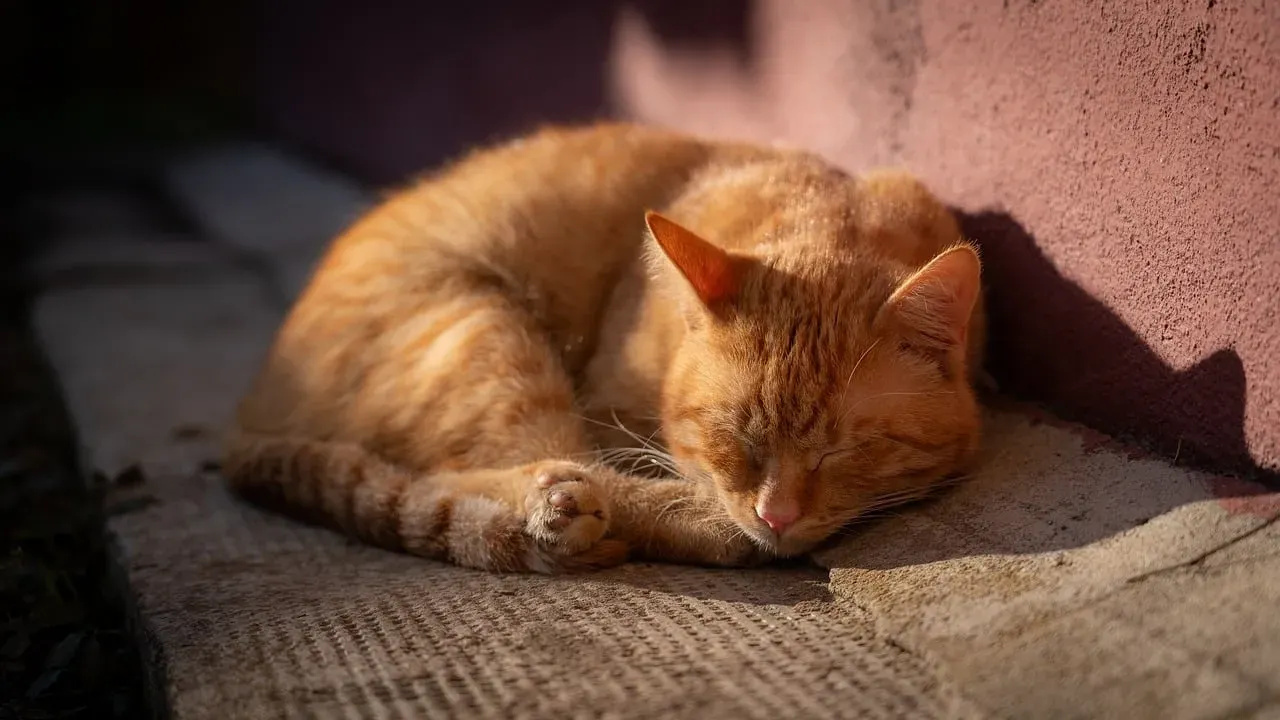
The body temperature of cats drops when they sleep because when the body is calm and relaxed it does not use energy and energy consumption decreases. Cats compensate for the difference in temperature by sleeping in warm areas or where the sun’s rays enter directly. It makes perfect sense when you think about it. Their bodies naturally cool down during rest, so they compensate by choosing the warmest available locations.
Cats have a distinct sleep-wake cycle that can benefit from sunbathing, as sunlight influences their patterns of rest and activity, and they often rest in sunny spots during daylight to conserve energy. The sun and sleep help a cat conserve energy, and UV rays also help with the production of melatonin which is essential for the sleep-wake cycle of cats. Your cat’s love of sunny afternoon naps isn’t random laziness. There’s actual biological programming at work.
Safety Considerations for Heat-Seeking Cats
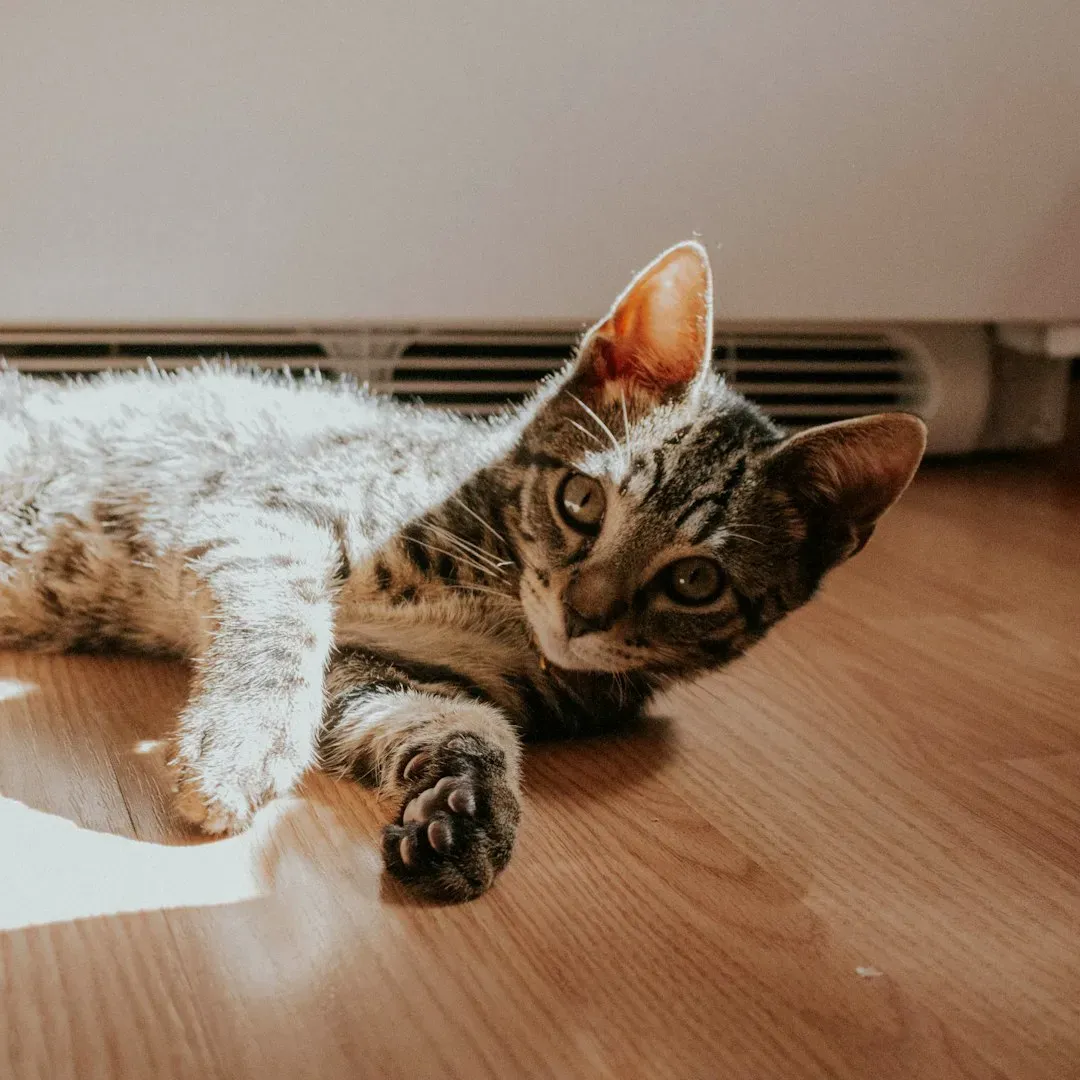
When cats are near warm sources such as heaters, their fur can cause them to get too hot without realizing it, which can cause health problems such as heatstroke. This is where things get concerning. It is possible for a cat to overdo it while sunbathing and experience dangerous symptoms of dehydration, heat stroke, and sunburn, and older cats and those with diabetes or chronic disease are highly susceptible to dehydration.
Environmental temperatures greater than one hundred degrees Fahrenheit are considered too hot for cats. Most cats will instinctively know when they are too hot to continue sunbathing and relocate to a cooler spot, however it is possible for a cat to overdo it. You need to watch for signs your cat might be overheating, especially if they’re sleeping deeply in direct sunlight for extended periods.
Creating Safe Warm Spaces at Home
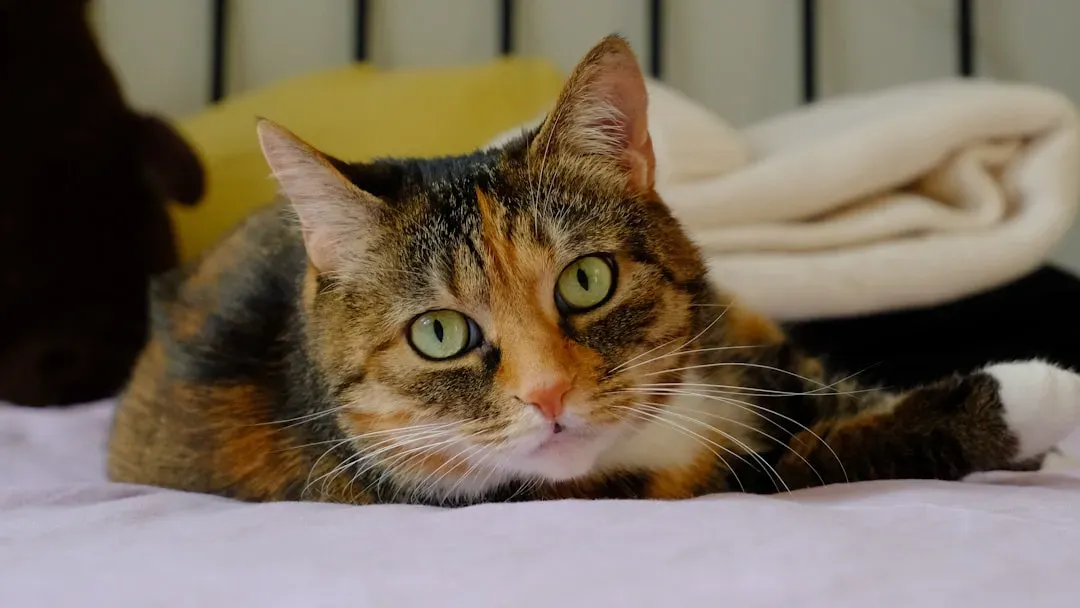
The best way to keep your cat sufficiently warm without hurting them is to get a heated pet bed, and a good pet bed will be able to regulate itself or be a low enough voltage to ensure your cat doesn’t get hurt. You don’t need to turn your entire home into a sauna to accommodate your cat’s preferences. You can help your cat by setting up different temperature zones in your home so your cat can warm up or chill out depending on their mood.
To create a safe sunbathing spot, it’s important to offer areas where the cat can both enjoy the sun and easily move to shade, and ensure the surface is comfortable for sleeping and lounging. Think strategically about your furniture placement. By creating inviting spaces for cats to soak in natural light, owners can enrich their pets’ environment, and rotating sunny spots inside the home ensures cats have multiple options. Your cat will genuinely appreciate the effort, even if they never tell you directly.
What do you think about your cat’s warmth-seeking behavior now? Does it change how you view those cozy sunbathing sessions? Share your thoughts in the comments.
Kristina is a young writer from India. An arts graduate and an avid content creator, Kristina is passionate about animals and wildlife. She enjoys exploring topics related to pet care, animal behavior, conservation, and nature, combining thorough research with engaging storytelling.