You’ve probably been there. Your cat settles onto your lap, starts purring like a tiny motorboat, and then those paws start going to work. Push, push, push. It’s cute, maybe a little painful if their claws are out, and honestly kind of mesmerizing to watch. But have you ever stopped to wonder what’s really going on in your cat’s head during these biscuit making sessions?
Most people assume it’s just a comfort thing, a leftover kitten habit. While that’s part of the story, the truth is far more fascinating. Your cat’s kneading behavior is actually a complex mix of instinct, communication, and emotion that reveals way more about your relationship than you might think. Let’s dive into what’s actually happening when those paws get to work.
It All Started With Mom
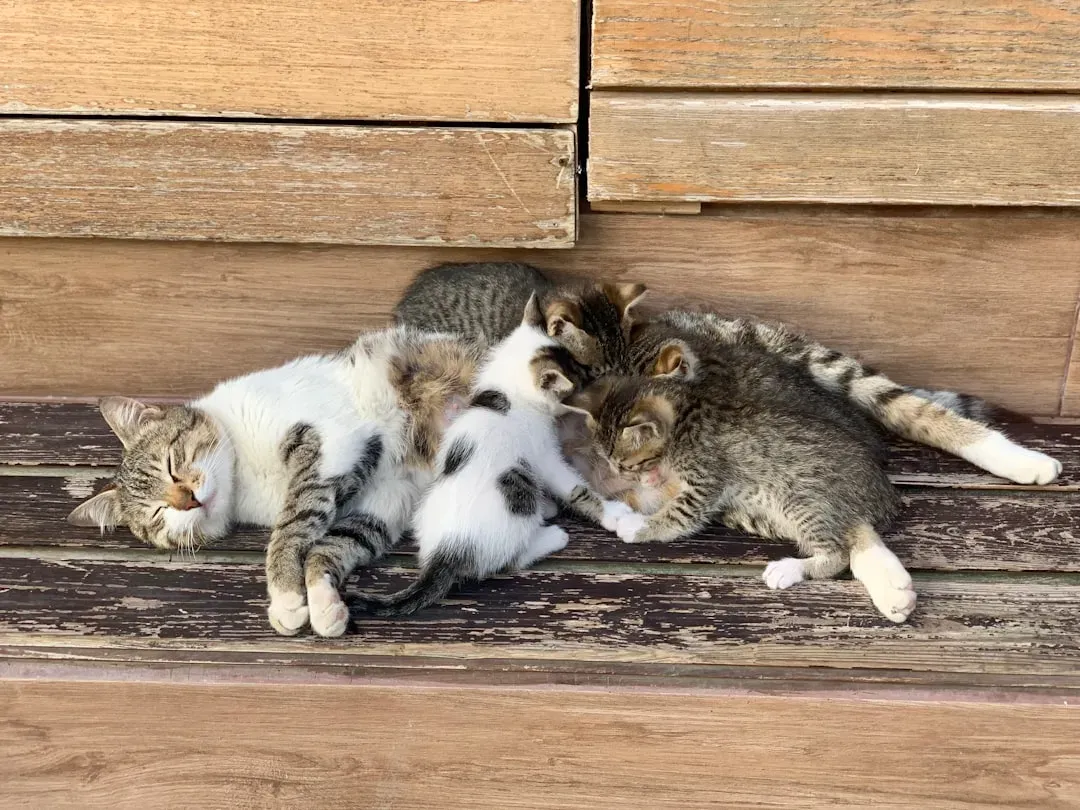
Kneading originates from kittenhood, when kittens press their paws against their mother’s belly to stimulate milk flow. This isn’t something cats learn. It’s hardwired into them from birth. The kitten’s kneading stimulates milk flow and may also release oxytocin, a social bonding hormone, in the mother. Think about it. For a tiny, vulnerable kitten, this rhythmic pushing motion equals survival, warmth, and connection with mom.
This comforting behaviour often persists into adulthood, associated with feelings of security and contentment. So when your adult cat makes biscuits on your stomach at 2 AM, they’re essentially reliving those earliest, safest moments of their life. It’s their way of tapping into that primal sense of comfort and safety.
You’re Being Claimed, Not Just Loved
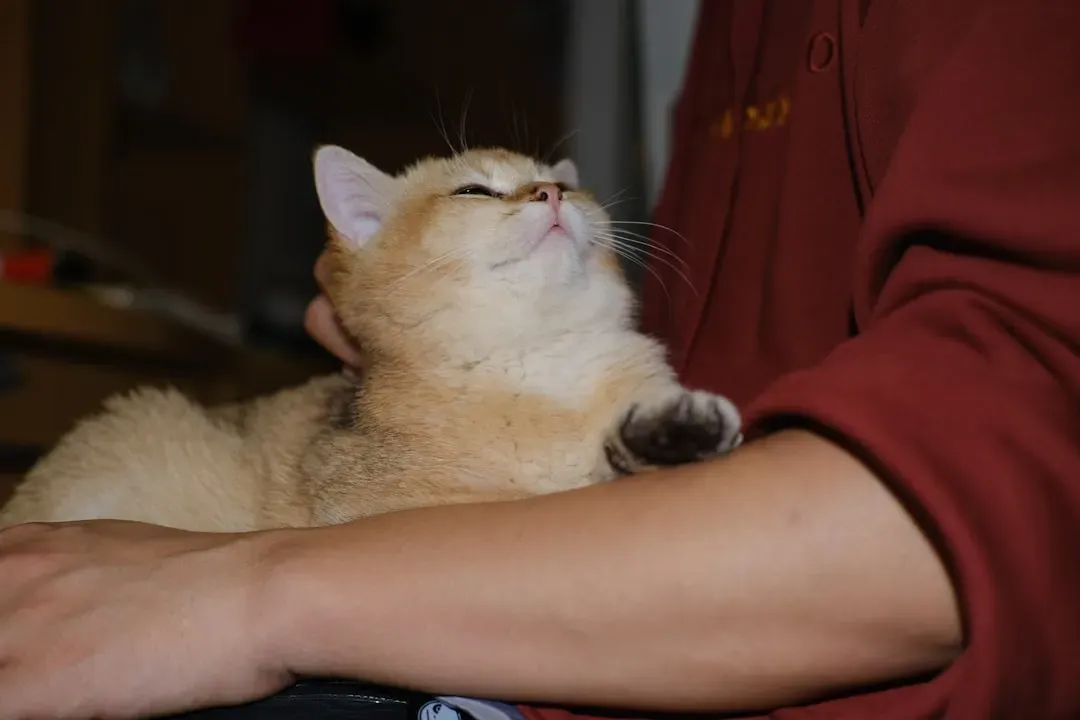
Here’s where things get interesting. Cats have scent glands in their paw pads, and kneading can deposit these scents onto surfaces, marking their territory in a subtle, instinctive way. Yeah, your cat isn’t just giving you affection. They’re literally marking you as their property.
Cats have scent glands between their toes. When they knead an object or a person, their scent is deposited onto that surface. This allows the cat to mark his territory, should other cats come sniffing around for resources to claim. You might think you own your cat, but let’s be real, it’s the other way around. Every kneading session is your cat’s way of putting up an invisible “mine” sign that other cats can detect, even if you can’t.
The Neoteny Factor That Changes Everything
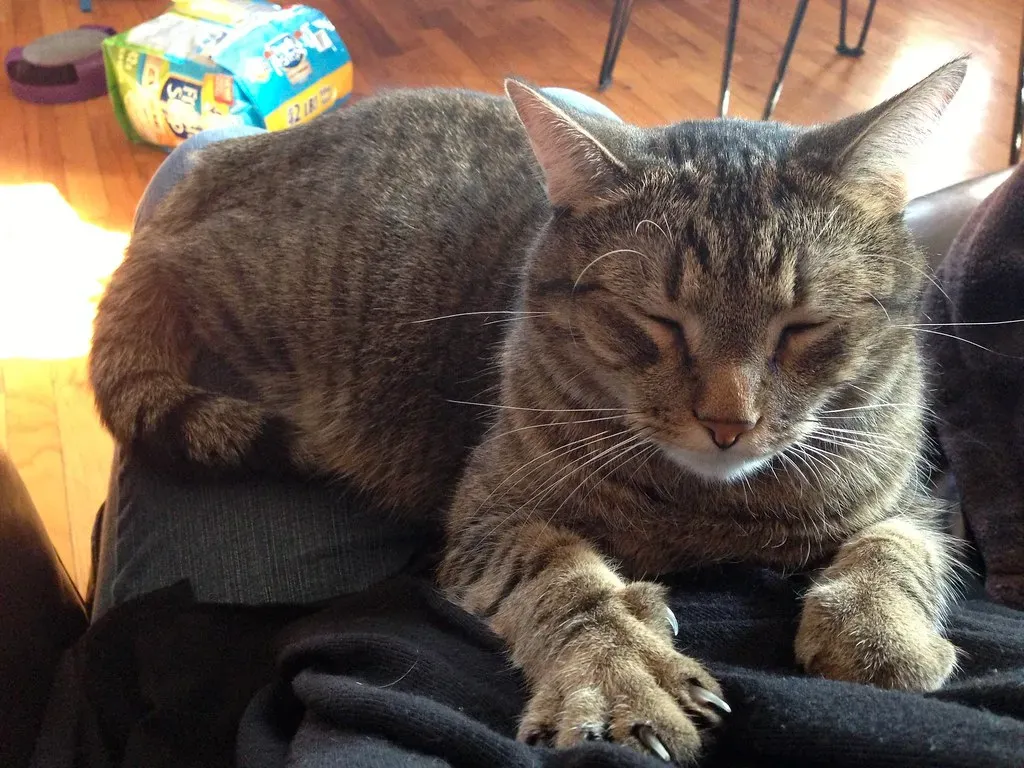
Adult cats sometimes keep the behavior long after they have fully developed. It’s not unusual for domesticated animals to retain juvenile traits into adulthood – a phenomenon called neoteny. This is huge. Wild cats that aren’t socialized with humans typically drop these kitten behaviors once they mature.
Humans unknowingly encourage cats to maintain kneading in their repertoire. Free-living domestic cats that aren’t socialised towards humans don’t tend to perform these behaviours when they leave the nest. To them, those behaviours are something that they mostly only do when they’re around their littermates and their mother – not as independent adult cats. Basically, by domesticating cats, we’ve kept them in a permanent state of kittenhood. They see us as surrogate parents, which explains so much about their behavior.
It’s Actually a Chemical High
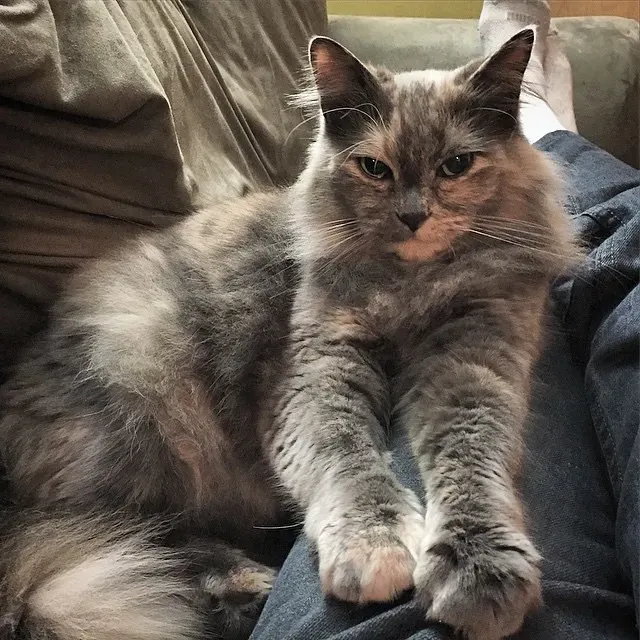
The action of kneading in cats causes the release of the pain-relieving, feel-good chemical dopamine in the brain. Your cat isn’t just reminiscing about milk. They’re getting an actual biochemical reward every time they knead. It’s like their own natural stress relief system built right into their paws.
Increased or excessive kneading can be a sign that your cat is uncomfortable or anxious, and his kneading could be an attempt to soothe himself. This release of dopamine also motivates your cat to continue kneading to receive additional bursts of the hormone, so excessive kneading can be a sign of a compulsive behavioral disorder. So while normal kneading is great, if your cat suddenly starts overdoing it, that might be their way of telling you something’s wrong.
Your Lap Is Their Ancient Nesting Ground
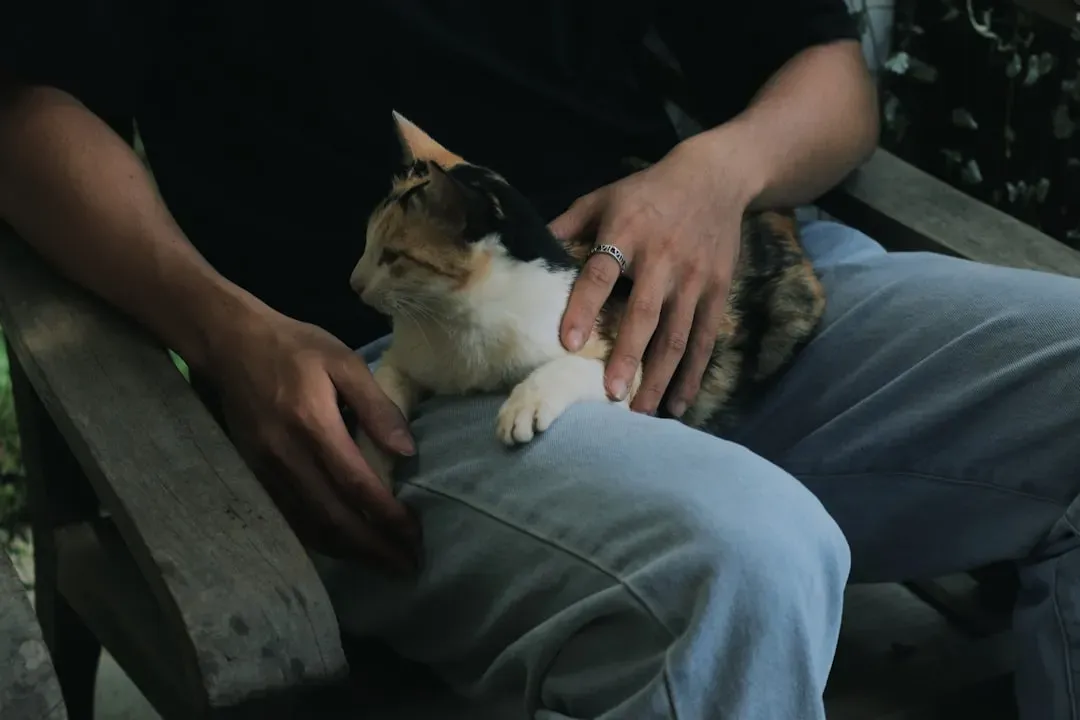
Kneading may have an origin going back to cats’ wild ancestors who had to tread down grass or foliage to make a temporary nest in which to rest. Before cats had memory foam beds and heated blankets, their ancestors had to make do with grass and leaves. They’d knead these materials to create a comfortable, safe sleeping spot.
Wild feline species will sometimes knead soft grasses and other bedding materials in their natural habitats as they prepare for rest. When your cat kneads your lap before settling down for a nap, they’re following ancient instincts, fluffing up their nest just like their wild cousins did thousands of years ago. Your thigh is basically a very warm pile of prehistoric grass, as far as your cat is concerned.
The Trust Factor You’re Missing
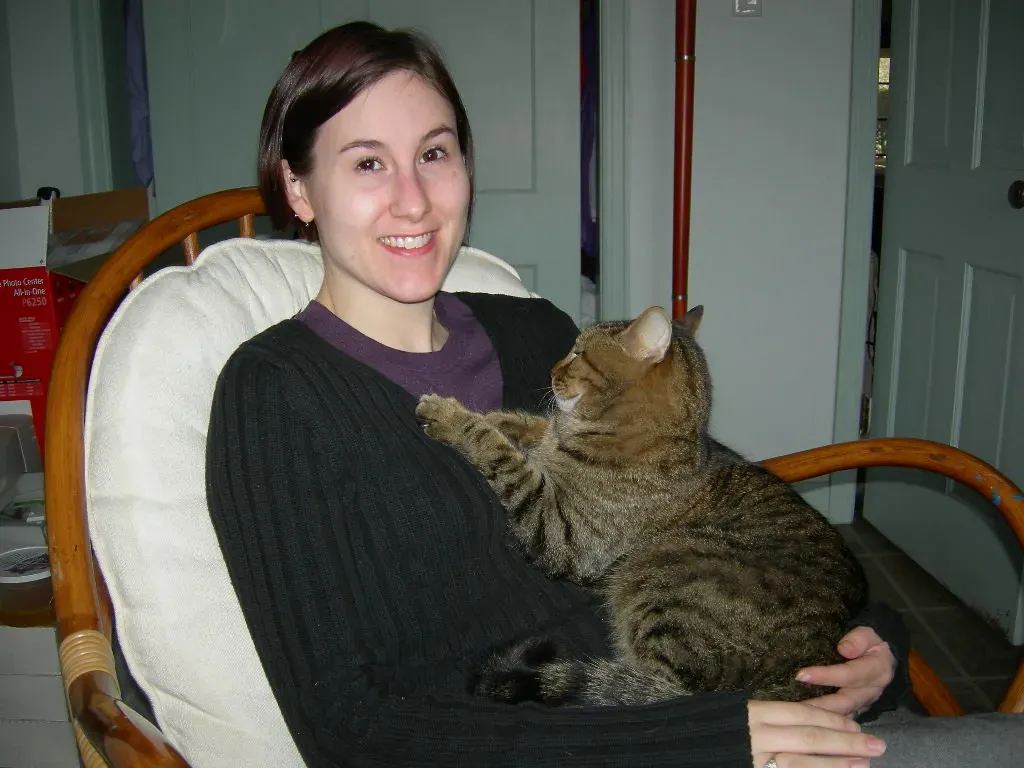
When a cat kneads their owner, it can be a sign of trust and affection. This behaviour demonstrates that the cat feels safe and comfortable in the presence of their human companion. Not all cats knead everyone. Some are very selective about who gets the biscuit treatment.
Some of these juvenile behaviors we see that used to be directed at the mother are now directed at the owner. Cats will knead on preferred people in the house or their favorite person, so kneading can also be that affiliative, social behavior that can help build a bond. If your cat regularly kneads you, congratulations. You’ve been chosen. You’re not just their human. You’re their person, their safe space, their surrogate parent figure.
The Drooling Means They’re Really, Really Happy
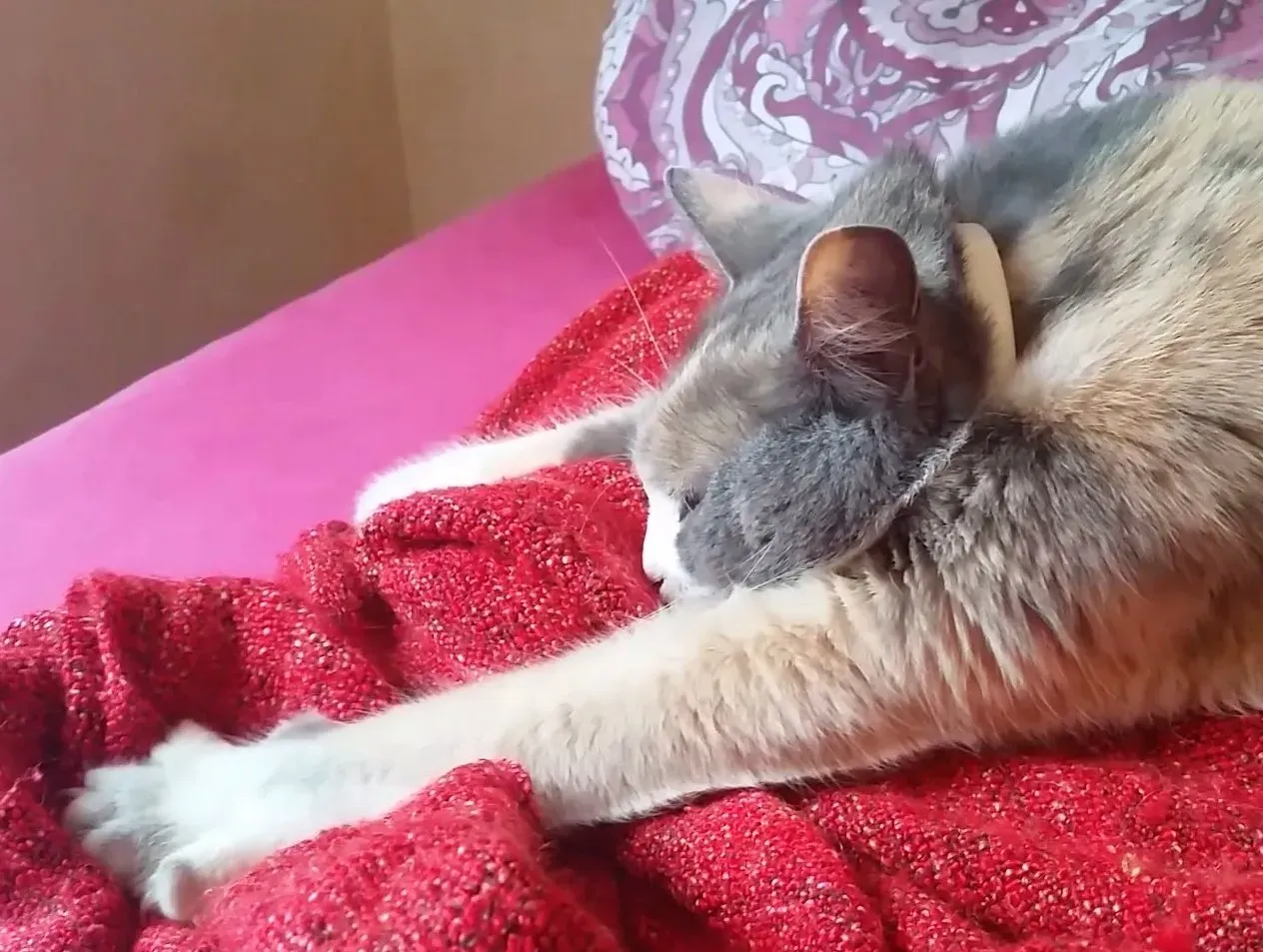
Ever notice your cat drooling while they knead? That’s not weird, that’s actually a sign of peak contentment. Some of these cats start drooling as well when they knead – those are the really happy guys. The connection between kneading and nursing is so strong that some cats literally start salivating like they’re about to get milk.
Some cats even take it a step further. These cats may also suckle on a blanket while kneading to mimic nursing behavior. It might look bizarre, but it’s actually your cat accessing their deepest comfort programming. They’re not just happy. They’re in a state of total bliss, transported back to kittenhood.
Muscle Stretching Disguised as Affection
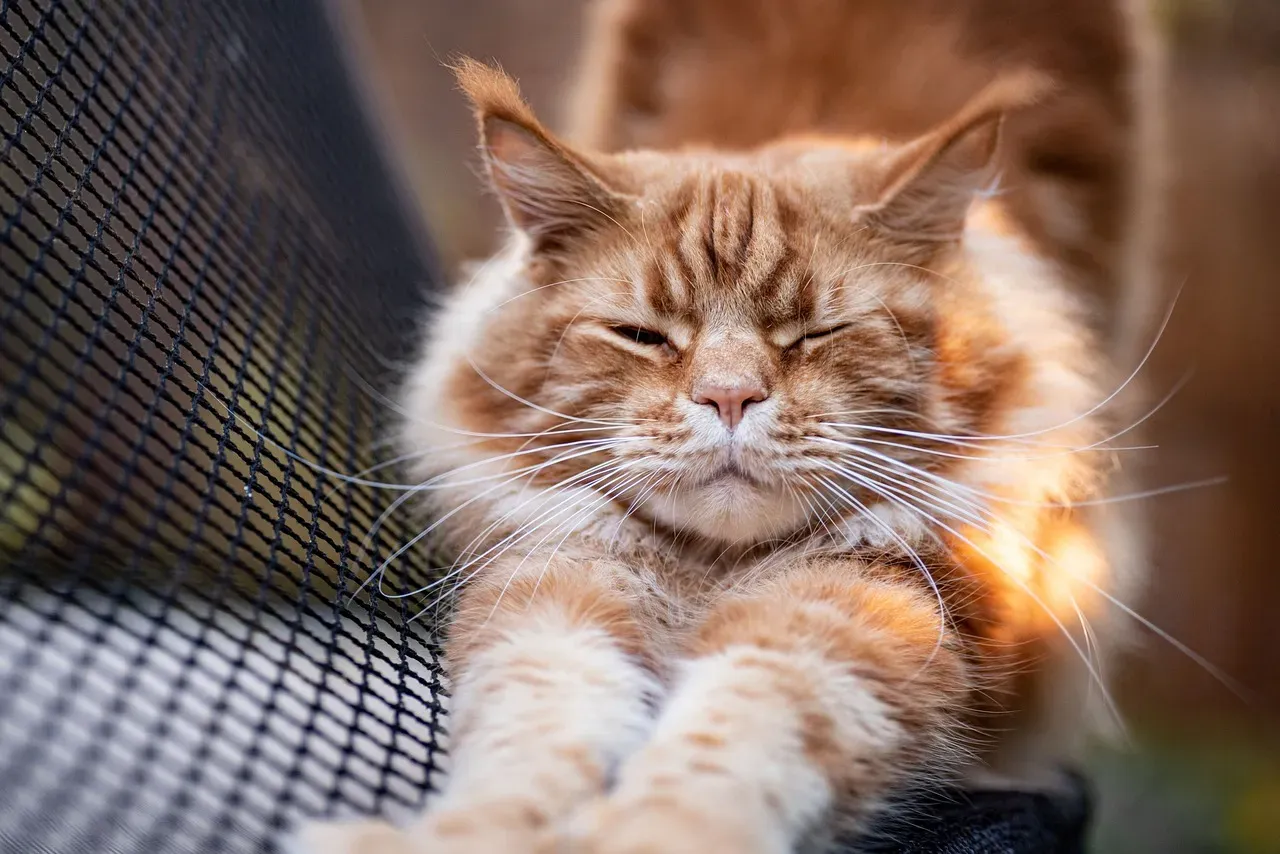
Kneading stretches a cat’s muscles and activates scent glands in its paws, which can be a friendly way for the animal to stake its claim on a favorite human or sleeping spot. So kneading serves a practical physical purpose too. It’s like yoga for cats. The repetitive pushing motion stretches their paw and leg muscles, keeping them flexible.
Some experts also theorize that cats knead to stretch their muscles and relieve tension in their limbs. Think about how good it feels to stretch after sitting for a while. Your cat is doing the same thing, except they’re using your lap as their personal stretching mat. It’s functional and affectionate all at once.
When Kneading Becomes a Red Flag
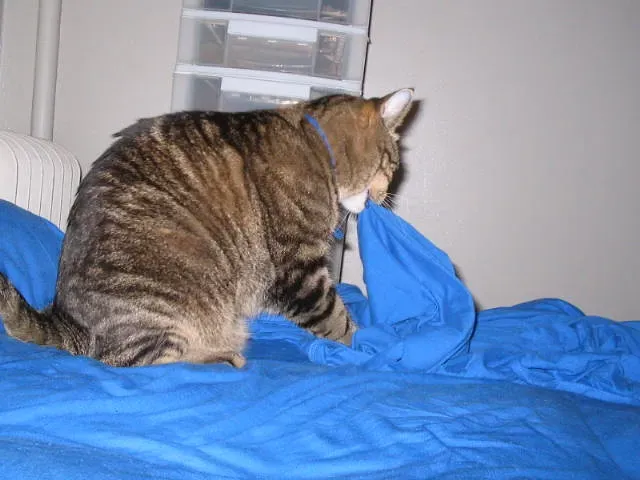
If your cat kneads excessively or suddenly kneads less than usual, it could mean that they don’t feel well. Because kneading is a comforting action, cats who feel stressed or are experiencing pain may knead to soothe themselves. Pay attention to sudden changes in your cat’s kneading patterns. More kneading can mean anxiety or even pain.
Cats experiencing soreness from an injury or arthritis may also knead to stretch their limbs and relieve muscle tension. Conversely, if your usually affectionate biscuit maker suddenly stops, that could also signal a problem. Cats are masters at hiding discomfort, so behavioral changes like this are important clues to their wellbeing.
Not All Cats Knead, and That’s Okay
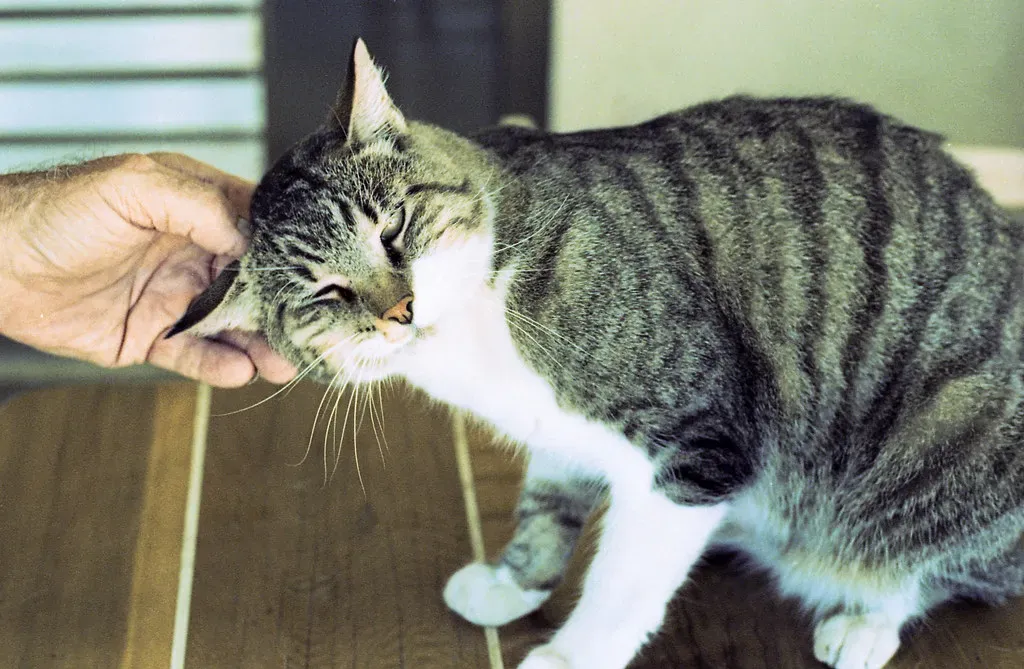
If your cat doesn’t knead, that doesn’t mean it doesn’t have a bond with you. There are probably other affiliative behaviors they’re engaging in, like purring or rubbing on you or even just sitting next to you. Seriously, don’t take it personally if your cat isn’t a kneader. Some cats just express affection differently.
If your cat doesn’t knead you, it’s not because they hate you. Well, not necessarily, anyway. There are simply a lot of differences between individual cats – the need to knead (or absence of) doesn’t necessarily indicate how they feel about you, although cats with early positive experiences with humans may be more likely to do this. Cats are individuals with their own personalities and preferences. Your non-kneading cat might show love through slow blinks, head bumps, or just choosing to be in the same room with you.
The Real Message Behind the Paws
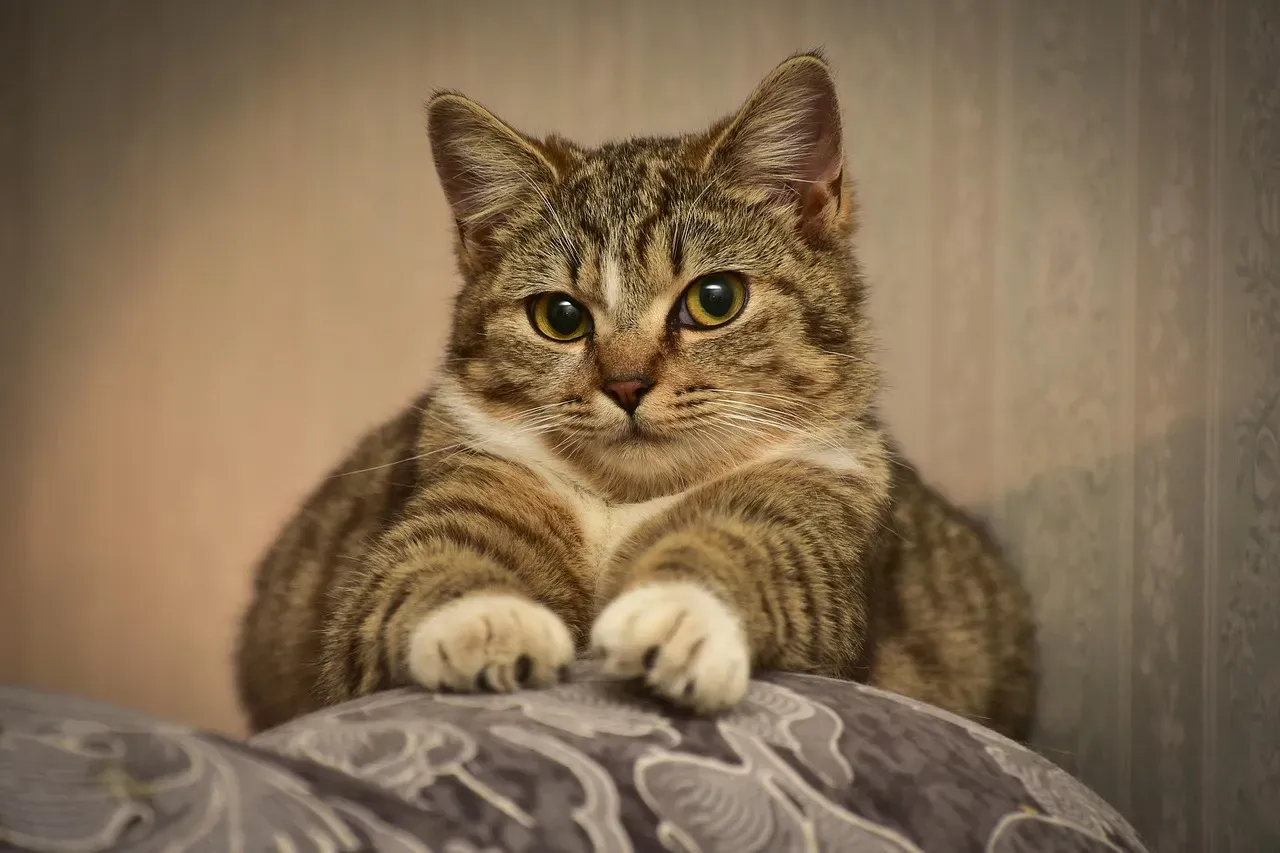
When you strip away all the science and theories, kneading really comes down to one thing: your cat feels safe with you. Kneading usually means the cat feels happy, friendly and safe. In a world that can be scary and unpredictable for a small predator, finding a place of absolute security is everything.
Behaviors like kneading are likely beneficial for the cat to perform – it might be soothing for them and could help them to indicate contentment during human interactions. So, this isn’t necessarily a bad thing at all. Every time those paws start working, your cat is telling you that you’ve created a safe haven for them. You’re their comfort zone, their happy place, their home. It’s more than just a reflex. It’s a conversation happening through touch, scent, and ancient instinct.
What do you think about it? Does your cat have any quirky kneading habits that make you smile?
Kristina is a young writer from India. An arts graduate and an avid content creator, Kristina is passionate about animals and wildlife. She enjoys exploring topics related to pet care, animal behavior, conservation, and nature, combining thorough research with engaging storytelling.