Cats Don't Just 'Hear' You; They Process Your Every Word: The Feline Auditory World
You might think your cat ignores you when you call their name. The truth is far more fascinating than simple feline stubbornness. Your cat's ears are picking up every syllable, analyzing every tonal shift, and processing information in ways you probably never imagined. We're talking about an auditory system so advanced it makes human hearing look almost primitive by comparison.
Cats aren't just listening. They're decoding, distinguishing, and deciding whether what you said is worth their attention. Let's dive into the remarkable world of feline hearing and discover why your furry companion might understand more than you ever gave them credit for.
Their Hearing Range Makes Ours Look Limited
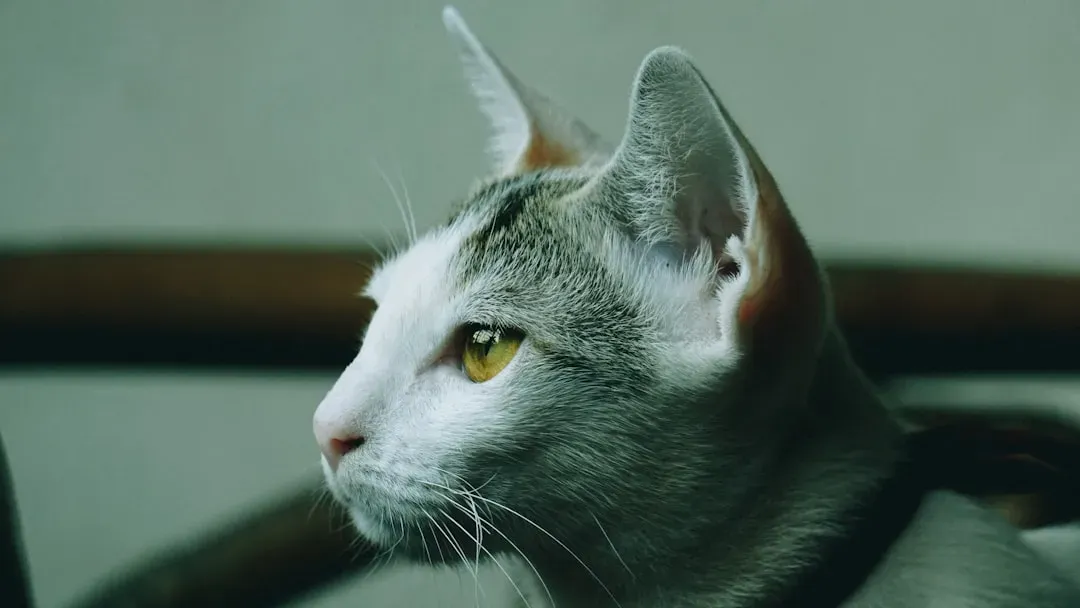
Your cat can hear frequencies ranging from 48 Hz all the way up to 85 kHz, giving them one of the broadest hearing ranges among mammals. To put that in perspective, humans typically max out around 20,000 Hz. Cats can hear up to 64,000 Hz, which is roughly 1.6 octaves higher than humans and about one octave higher than dogs.
This isn't just about hearing more sounds. It's about accessing an entirely different sonic universe. Being able to hear in the ultrasonic range helps cats hunt small rodents, since rats communicate using ultrasonic vocalizations at frequencies exceeding 19-20 kHz. While you're hearing silence, your cat is eavesdropping on an entire rodent conversation happening behind your walls. Pretty impressive for an animal that spends half the day napping.
Those Rotating Ears Are Sophisticated Sound Radar
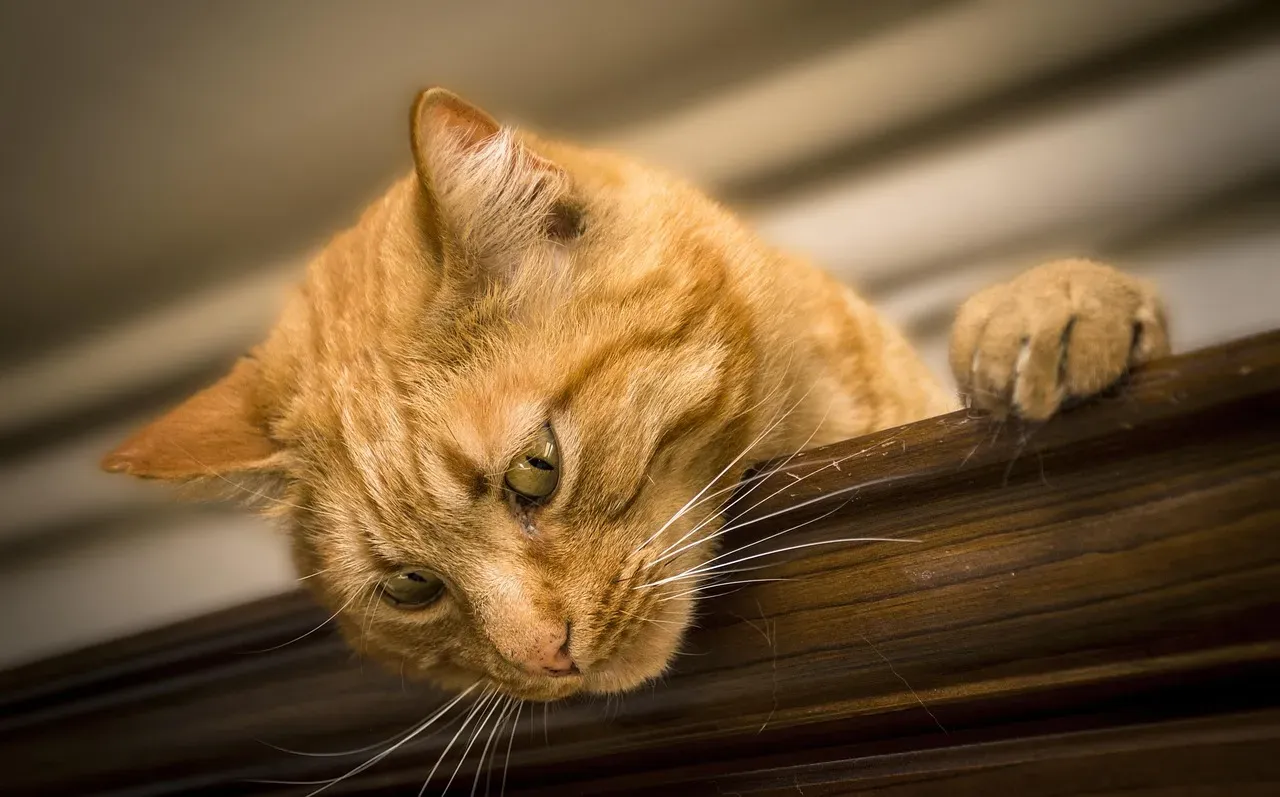
Here's something you might not have realized. Cats have about 30 sets of muscles controlling each ear, compared to humans who only have six sets, allowing them to rotate their pinnae up to 180 degrees. Think of them as biological satellite dishes, constantly scanning the environment for interesting acoustic information.
The pinnae are mobile and can move independently of each other. This means your cat can simultaneously track the sound of you opening a treat bag in the kitchen while also monitoring a bird chirping outside the window. Cats can distinguish between sounds that are just 3 inches apart from a distance of 3 feet, and they can do this in less than 0.06 seconds. That level of precision is genuinely mind-blowing when you think about it.
They Actually Recognize Your Voice

Studies show cats can recognize and respond to their owners' voices. Research from the University of Tokyo found that domesticated cats responded more to their owner's voice than to unfamiliar voices. The response was subtle - ear movements, tail flicks, or head turns - but it was definitely there.
What's fascinating is that cats responded when they heard their owners using cat-directed speech, but not human-to-human speech, and they also did not show a response when they heard a stranger's voice. The study of 16 cats adds to evidence that cats may form strong bonds with their owner. So when your cat seems to ignore you, they heard you just fine. They simply chose not to react. Classic cat behavior, honestly.
Cat-Directed Speech Actually Works

Researchers subjected house cats to recordings of their owner or a stranger saying various phrases in cat- or human-directed speech, and found that felines reacted distinctively to their owner speaking in cat-directed speech - but not to their owner speaking in adult tones or to a stranger using either type. Much like baby talk, cat-directed speech is typically higher pitched with short, repetitive phrases.
Cats are much more bonded and in touch with their humans than we typically give them credit for, and they actively seek our voices and crave that connection. So go ahead, use that silly voice when talking to your cat. Science says it actually matters. They're not judging you - well, maybe they are, but at least they're paying attention.
Word Recognition Through Association
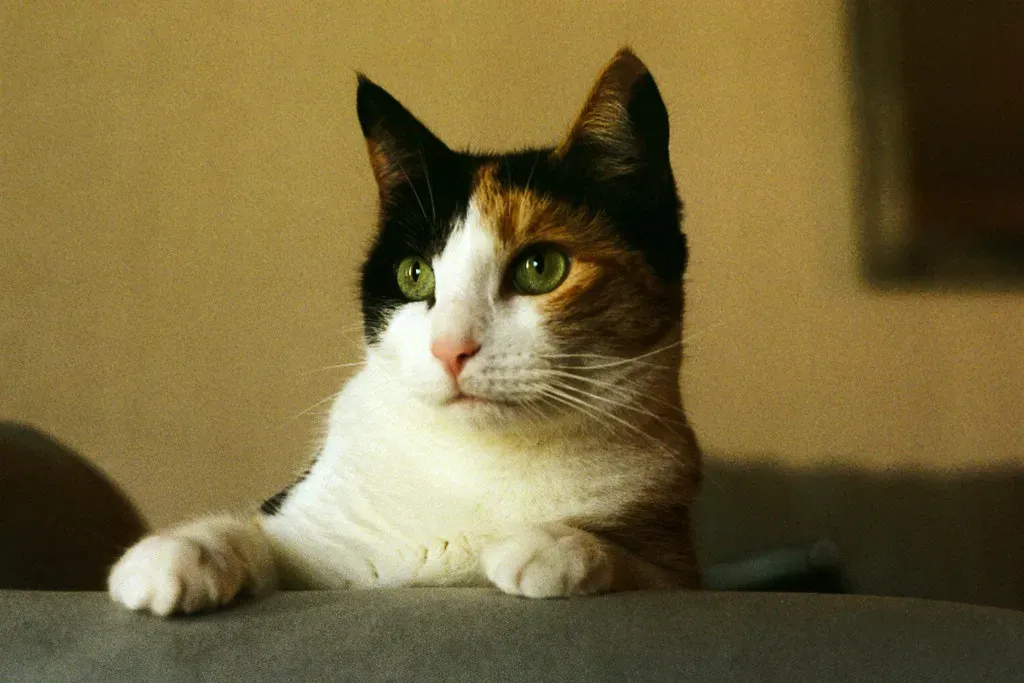
It's thought that cats understand around 20 to 40 human words, though it's perhaps more appropriate to say that cats are able to associate and distinguish words rather than understand their meaning. Cats associate words with tone, action, and body language when connected to feeding, petting, or playtime, with the most frequently repeated words being the ones they're most likely to respond to.
A new study from Japan has shown that cats are quickly able to form a link between pictures and words, possibly even faster than a human baby. In some cases, cats only needed to be shown the picture and word together briefly for just nine seconds in two trials for each pair to make a connection, potentially even faster than 14-month-old children. Let that sink in for a moment. Your cat might be learning associations faster than a toddler.
They Can Hear You From Astonishing Distances
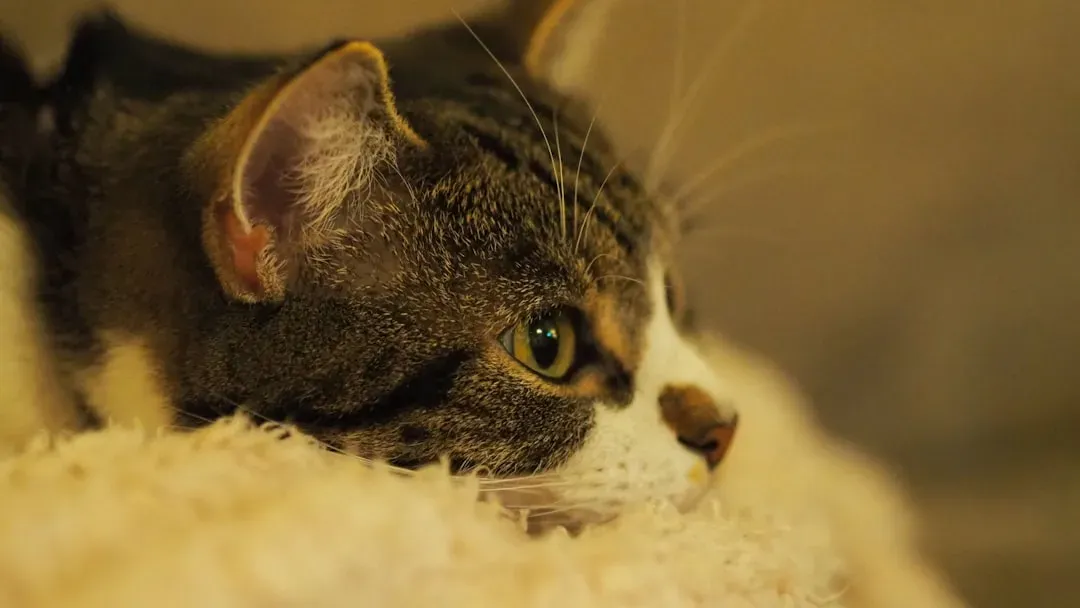
Cat hearing is so good they can hear sounds four to five times farther away than humans. Under optimal conditions, they can detect subtle sounds, like the movement of small prey, from up to 100 feet away. This gives them a significant advantage both as predators and in detecting potential threats.
A cat up to 3 feet away from a sound's point of origin can pinpoint its location to within a few inches in a mere 0.06 seconds. That's faster than you can blink. The ear canal of cats is deeper and more tapered than in people, creating a better funnel to carry sound to the eardrum. Every aspect of their ear anatomy is optimized for maximum acoustic performance.
The Unique Inner Ear Structure
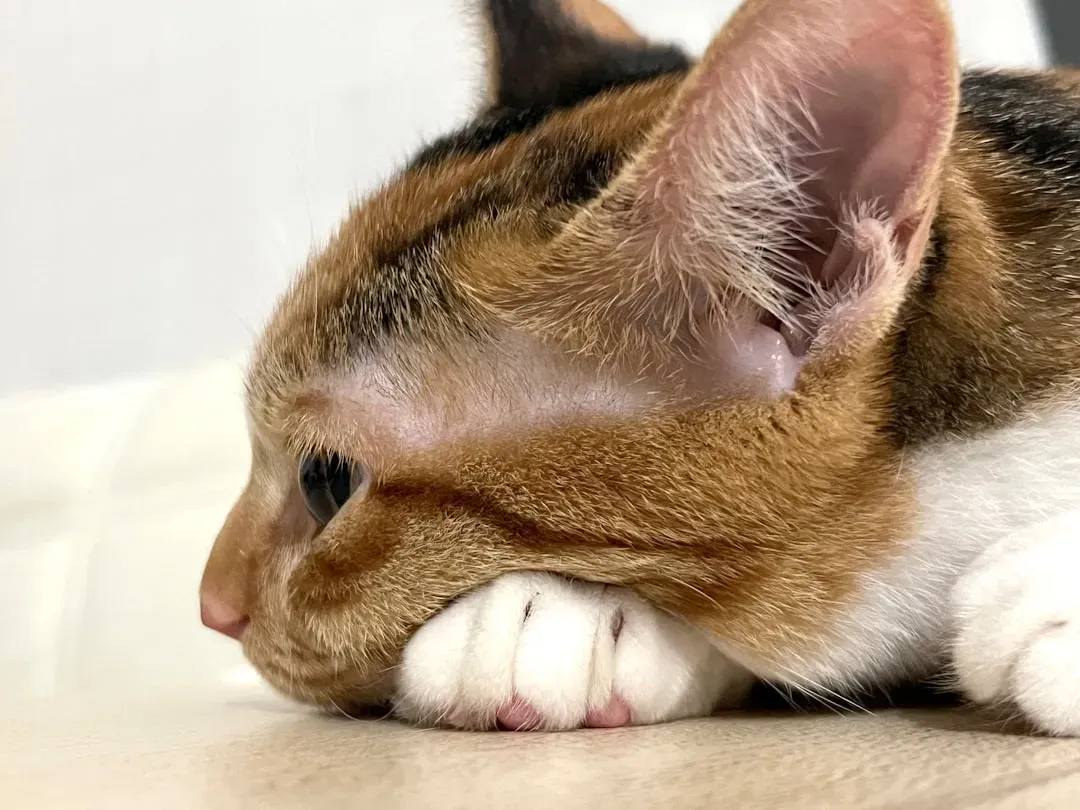
Cats have a unique inner ear structure with an exceptionally large resonating chamber behind the eardrum that divides into two interconnecting compartments, increasing the range of frequencies the eardrum will vibrate for. Unlike other mammals whose middle ear has a single chamber, the cat's middle ear has two, giving them one of the widest frequency ranges of hearing.
A study on animal auditory perception found that cats are the most sensitive mammals tested, meaning they can perceive weak sounds. The fact that cats can hear low frequencies given the size of their heads is impressive, especially because typically when a mammal can hear low frequency sounds, they can't also hear ultrasound. Cats somehow managed to evolve the best of both worlds.
They're Not Just Hearing - They're Processing

Acoustic features such as distance, location, pitch, motion, and significance are carried by the auditory stream and become unified into a single percept, coordinated by a system of multiple auditory areas fed by parallel sets of ascending pathways. The primary auditory cortex is essential for sound localization and provides a neural representation of acoustic parameters, with sounds creating a response in the amygdala and medial prefrontal cortex which play important roles in emotion and learning.
Your cat isn't just passively receiving sound waves. Their brain is actively constructing a rich, detailed acoustic map of their environment. Depending on which cells in the cochlea are moved, a cat will hear different sounds, and these cells send signals to the brain which processes them. It's a remarkably sophisticated system that rivals any audio technology humans have created.
Tone Matters More Than Words
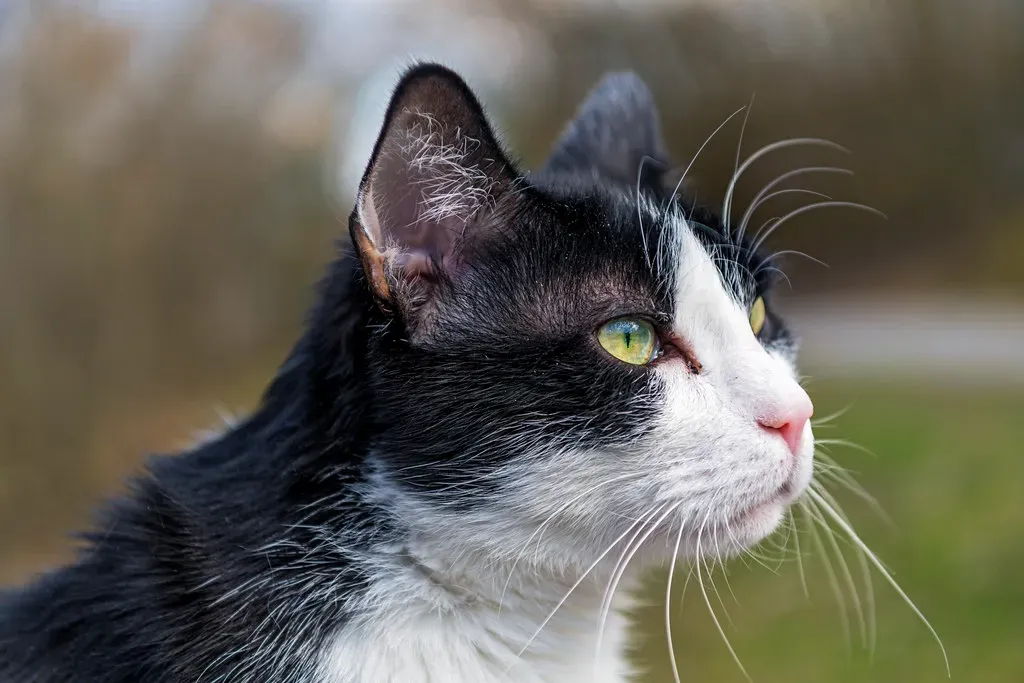
Cats can pick up the tone and emotion in our voices, with a calm and soothing voice being comforting while a harsh or loud tone might be alarming, indicating that while the semantics might be lost on them, the emotional undertones are not. Cats can distinguish between positive and negative emotional tones in human speech, often showing signs of stress when exposed to angry or harsh tones and relaxing when hearing soft, high-pitched, or affectionate speech.
Body language and how you say each word matters, with tone and inflection being more important than the exact right word. This explains why your cat might respond differently to the same word depending on how you deliver it. They're reading the emotional subtext of your communication, something many humans struggle to do consistently.
The Hidden Dangers of Ultrasonic Noise
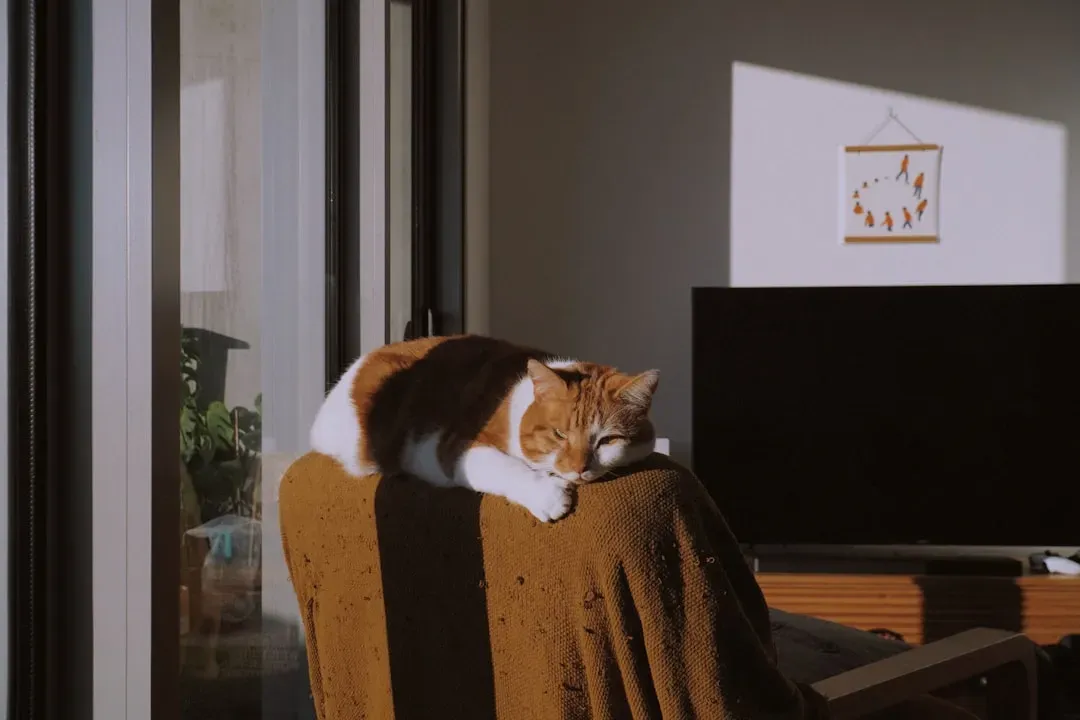
Many human engineered devices produce sound in the ultrasonic range, including cell phones, smart TVs, and security cameras. Our cats hear at these ultrasonic frequencies and their health may be at risk, as inaudible sounds have been found to affect endocrine and cardiovascular function, sleep-wake cycles, seizure susceptibility and behavior in laboratory animals. Ultrasonic noise has been linked to Feline Audiogenic Reflex Seizures.
Mechanical whining noises from things like refrigerators, air conditioners, fans, and vacuum cleaners may be especially annoying to cats. Think about that next time your cat acts strangely around certain appliances. They might be experiencing genuine discomfort from sounds you cannot even perceive.
Conclusion: Respect the Ears
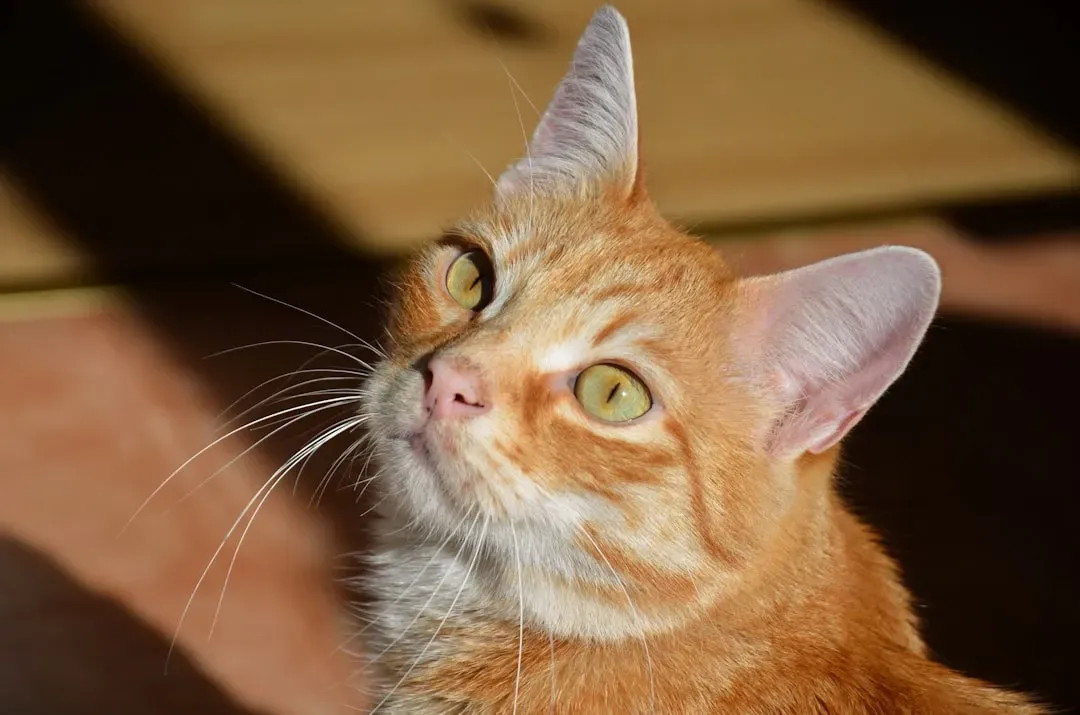
Your cat's auditory system is nothing short of extraordinary. From their remarkable frequency range to their sophisticated neural processing, cats experience a sonic world far richer and more complex than ours. Auditory function is a sense that is central to life for cats, being important in situational awareness of potential predators, pursuit of prey, and for communication.
Next time your cat seems to ignore you, remember they've already processed every word, analyzed your tone, measured the distance to your location, and made a calculated decision about whether responding serves their interests. That's not rudeness - that's advanced cognitive processing. Maybe the real question isn't whether cats understand us, but whether we truly understand them.
What surprised you most about your cat's hearing abilities? Share your thoughts in the comments below.