The Truth About Your Cat's 'Stares': They're Communicating, Not Just Judging You
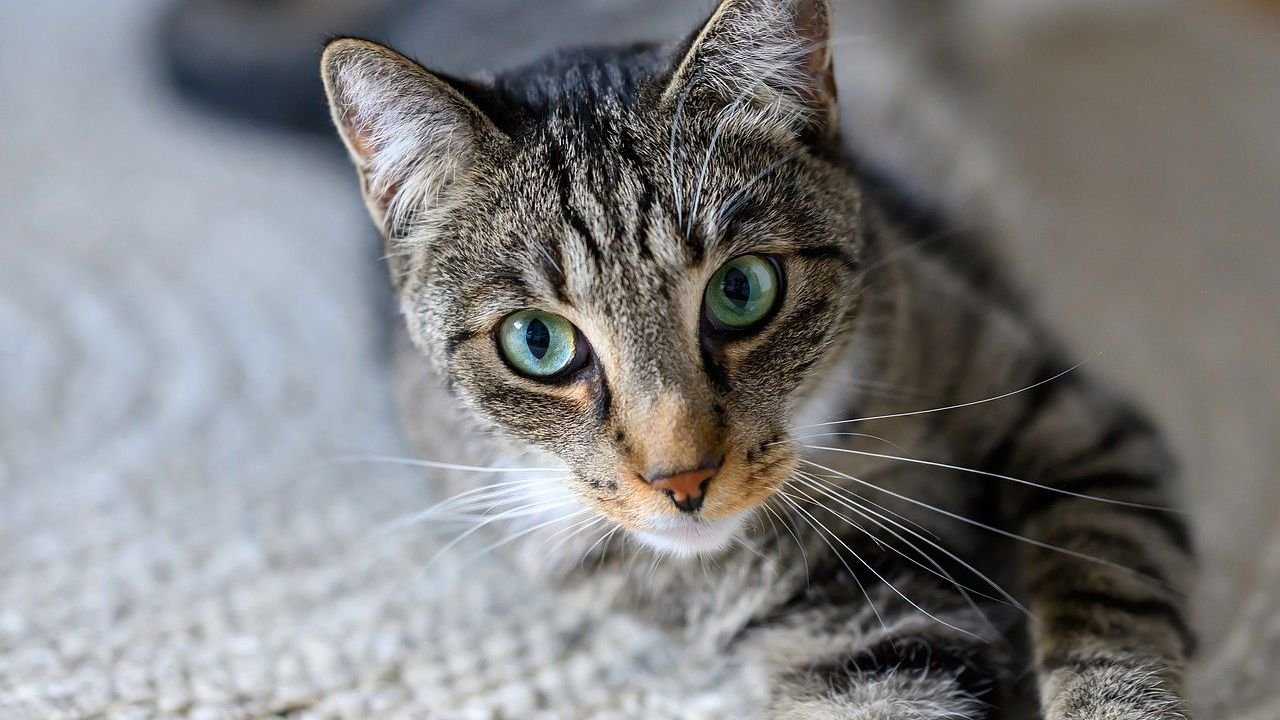
You've probably felt it before. That intense, unblinking gaze from across the room, piercing through the darkness at three in the morning, or locked onto you while you're trying to finish an important email. It's easy to assume your cat is silently judging your life choices or plotting something vaguely sinister. The internet certainly loves that narrative.
Here's the thing, though. Your cat isn't silently critiquing your Netflix habits or planning world domination. They're talking to you. Yes, really. Through those seemingly mysterious stares, your feline companion is using one of their most sophisticated communication tools. Honestly, once you understand what's really happening behind those eyes, your entire relationship with your cat might shift. Let's dive in.
It's Not a Glare, It's a Conversation Starter
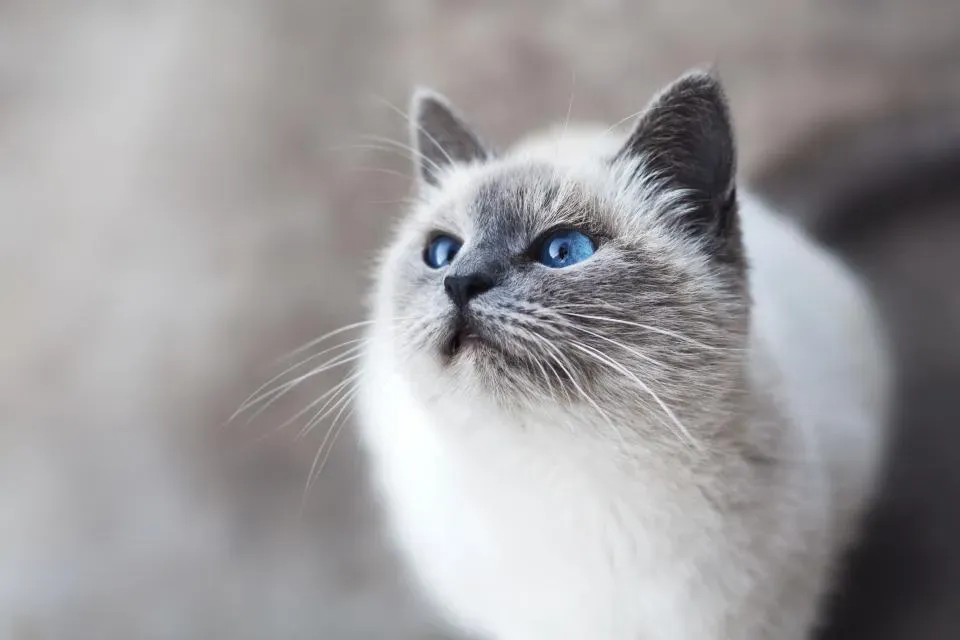
Most of the time, a cat's gaze is actually a sign of curiosity, affection, or attention-seeking behavior, and cats are masters of non-verbal communication, with their eyes revealing a lot about their feelings and needs. Think of it as their way of tapping you on the shoulder without opposable thumbs.
Cats use eye contact to communicate with each other and with their owners, and when a cat stares at you, it may be a sign that they are seeking your attention or trying to tell you something. Sometimes they're checking in on you because you're part of their world. Other times, well, they want something specific, like dinner or playtime.
The Slow Blink Is Actually a 'Cat Kiss'
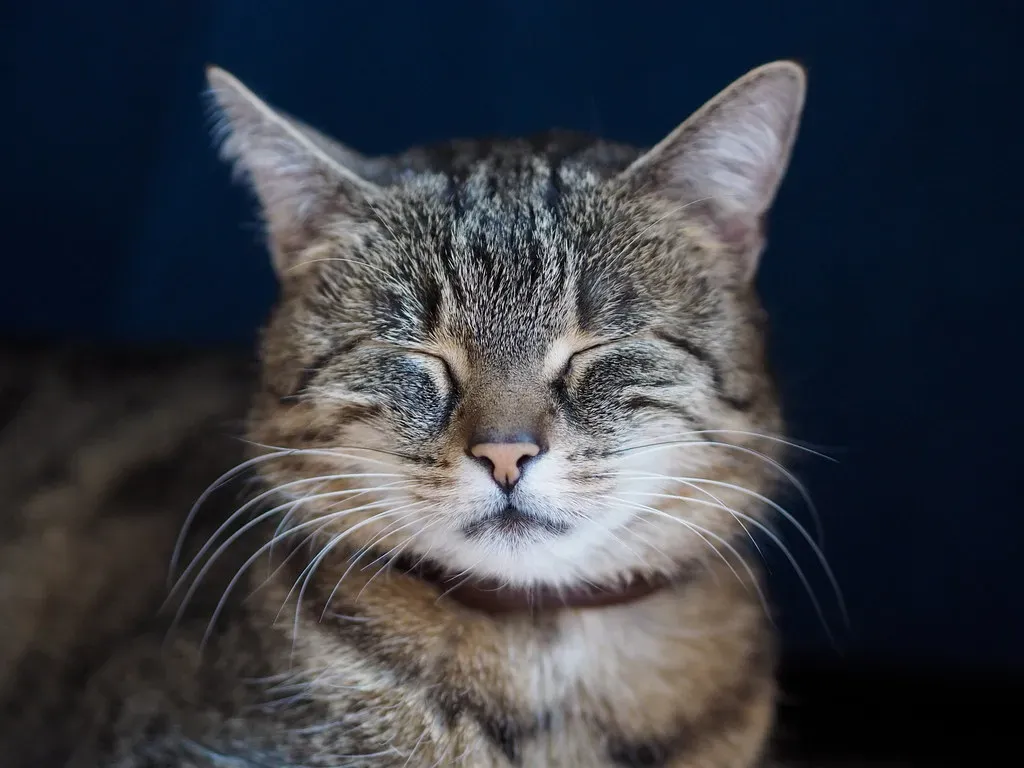
One of the most heartwarming ways cats communicate through their eyes is the slow blink, often referred to as a 'cat kiss,' which studies have shown is a sign of affection and trust. When your cat looks at you with half-closed eyes and blinks slowly, they're essentially saying they feel completely safe with you.
In the wild, cats are both predators and prey, so anytime the animal's eyes are closed, it can't spot potential threats nearby and is vulnerable, but when your cat makes himself vulnerable by closing his eyes in your presence, you have officially made it inside your pet's circle of trust. Research found that cats were more likely to slow blink after their owners slow blinked at them, and a researcher slow blinked at cats they didn't know, which led to the cats approaching the researcher's outstretched hand.
Sometimes They're Just Tracking Their 'Prey' (Spoiler: That's You)
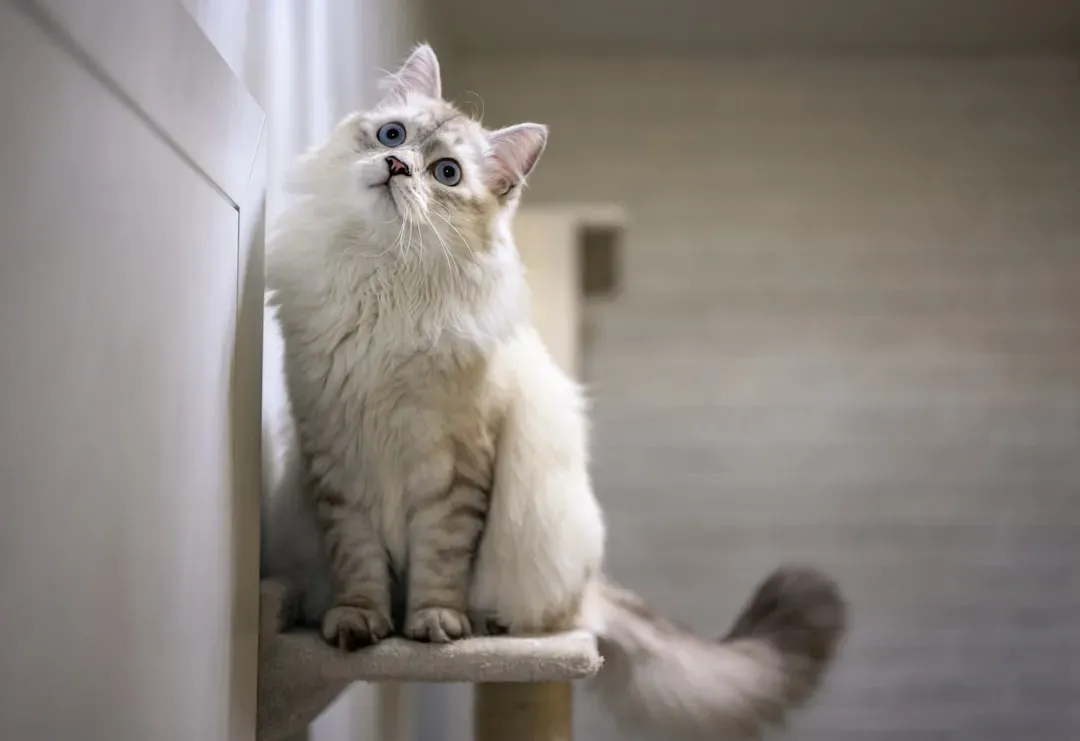
Let's be real, your cat still carries the instincts of their wild ancestors. At its core, staring is a natural feline behavior that stems from their instincts, as in the wild, cats stare intently to assess their surroundings, monitor prey, or identify potential threats. Your sudden movements, strange behaviors, or even the way you scratch your nose might trigger their observation mode.
Sometimes, these naturally curious creatures might just be wondering what you're doing, because humans do not speak the same language as cats, so there are a lot of things that people do that cats may find very baffling. They're not being creepy. They're just trying to figure you out in their own unique way.
Hunger Has a Very Specific Stare
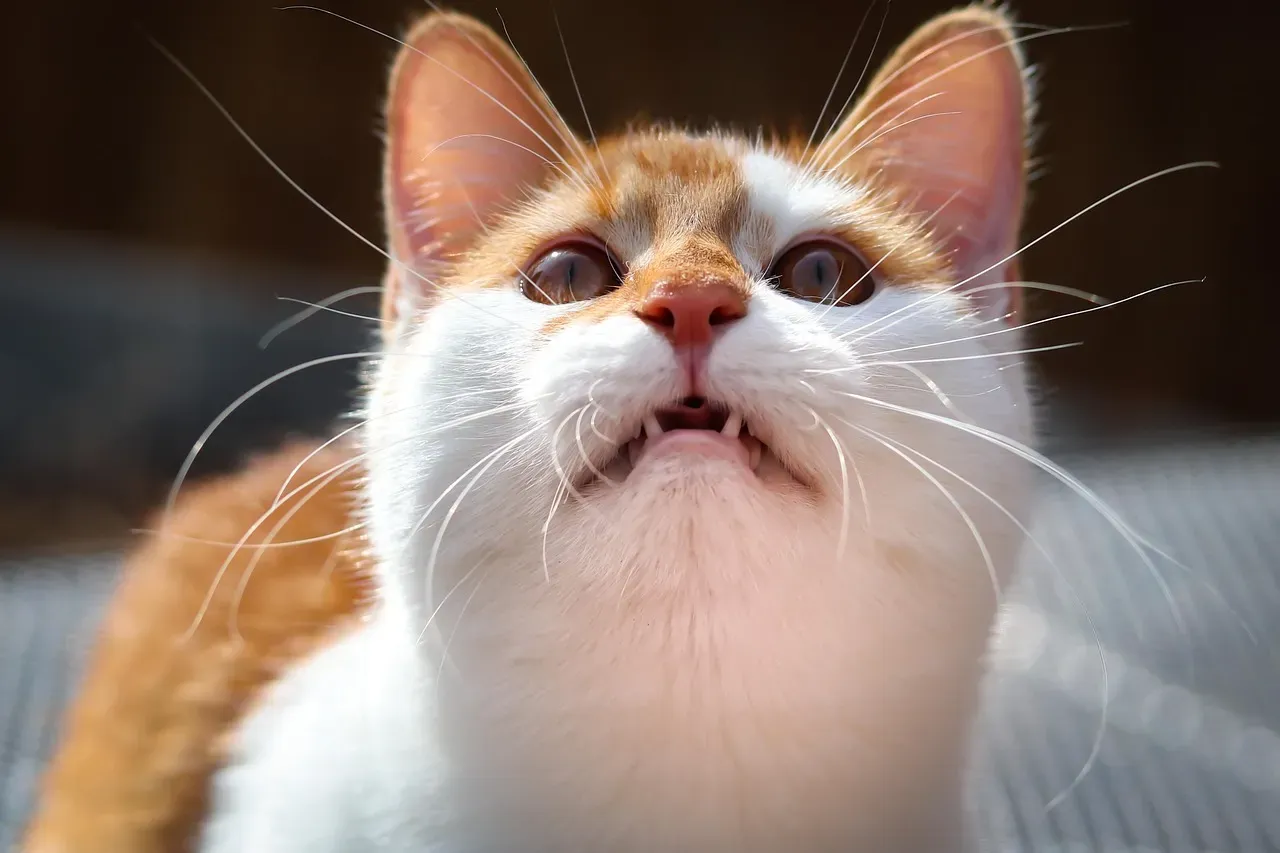
Some cats have been known to stare at their pet parents when it's feeding time, and once you make eye contact, the cat may vocalize and rub on you, then walk or run toward their food bowl or where the food is kept. If you've ever been guilt-tripped by a pair of feline eyes near dinnertime, you know exactly what this looks like.
This behavior isn't just cute or annoying, it's calculated, as cats are intelligent and observant animals who learn what actions lead to results, with research showing that cats can manipulate humans using visual cues. Your cat has essentially trained you to respond to their stare. Clever little creatures, aren't they?
Fear and Anxiety Also Show Through Their Eyes
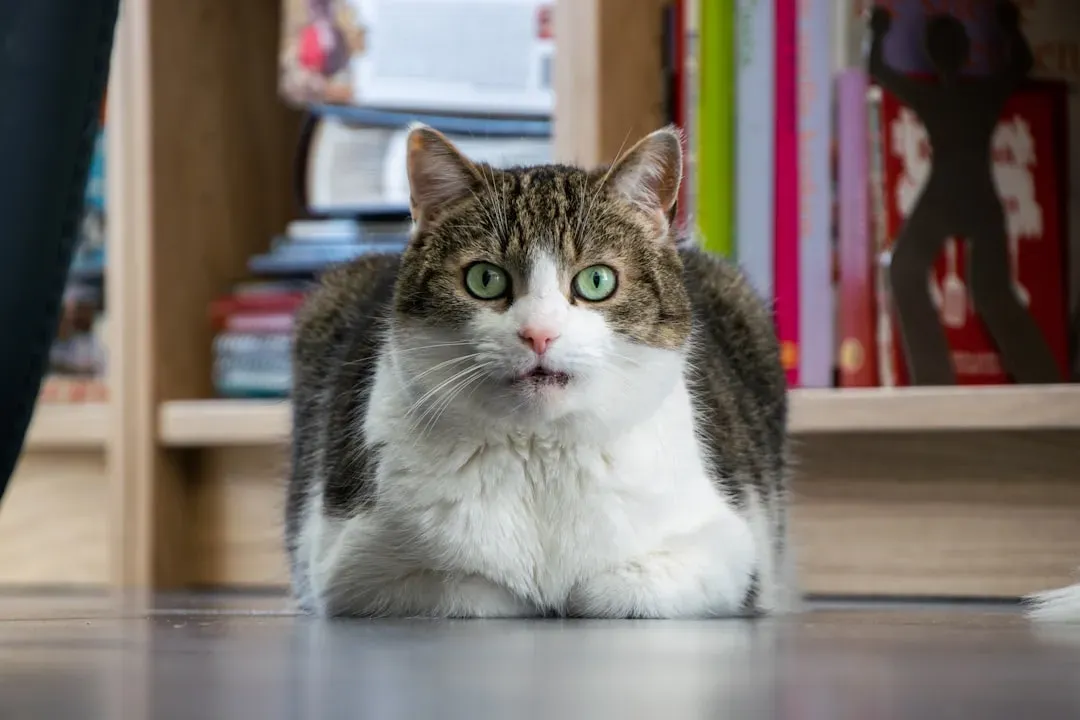
Not all stares are friendly. Sometimes a cat stares at a person out of fear, as the cat is staring to keep his eyes on the stimulus he's worried about. A cat may stare because of fear or anxiety in their body language, keeping their eyes on the stimulus they're worried about.
When a cat gives a hard, unblinking stare paired with stiff body language and piloerection along the back and tail, he is telling the other party that if they do not back off, there will be a confrontation, as the hard, unblinking gaze is a threat. If your cat's body looks tense and their pupils are dilated while they stare, give them space. They're telling you they need it.
They're Monitoring Their 'Secure Base' (That's You)
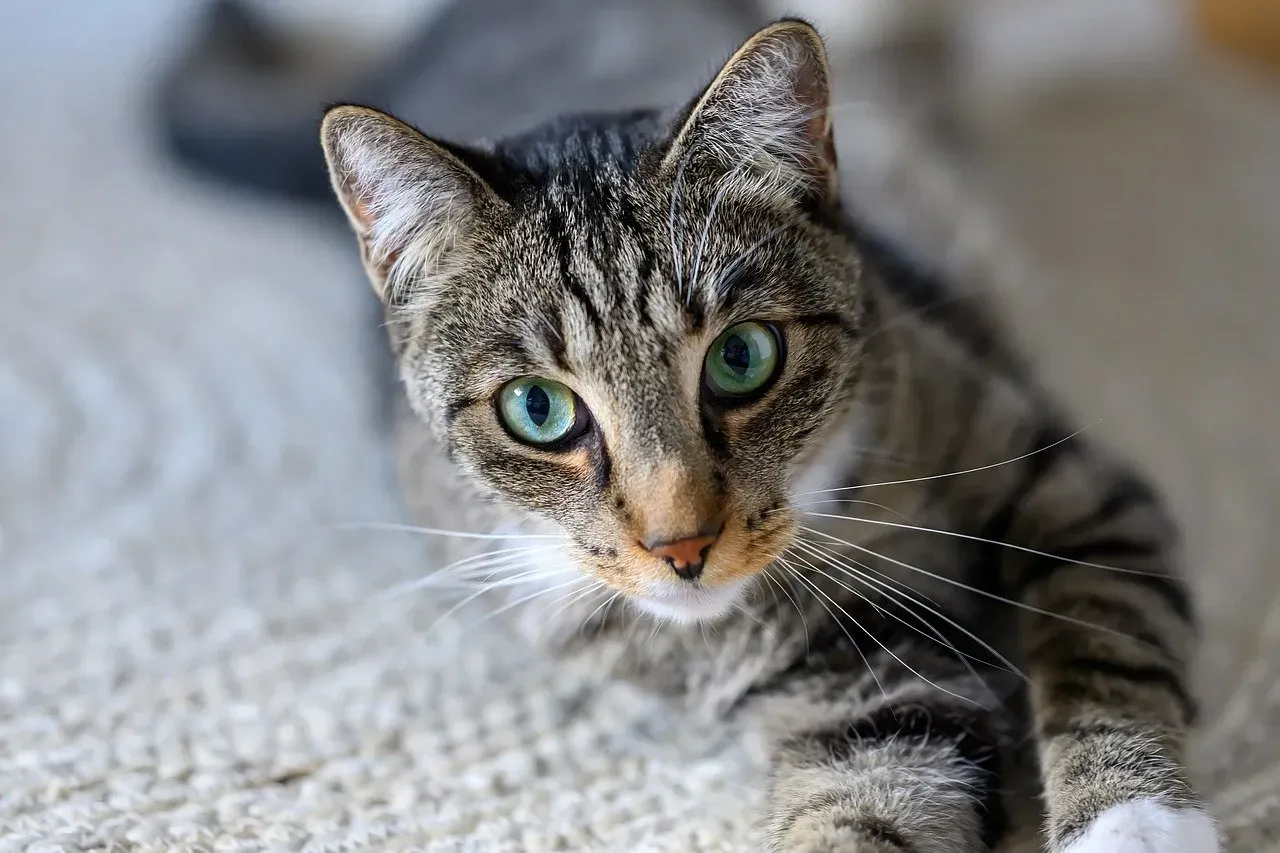
Cats stare at owners to monitor their 'secure base' and update mental maps of their environment, as a landmark study found that roughly two-thirds of cats demonstrate secure attachment, using owners as a source of safety, with cat staring being attachment-driven vigilance, not aggression. So when your cat watches you from across the room, it's not ominous. It's actually kind of sweet.
They're keeping tabs on you the same way you might glance over to check on someone you care about. Cats watch their owners to monitor their secure base, with research showing that a majority demonstrate secure attachment to their caregivers. Honestly, that shifts the whole "creepy stare" narrative, doesn't it?
Staring Can Mean They Want to Play
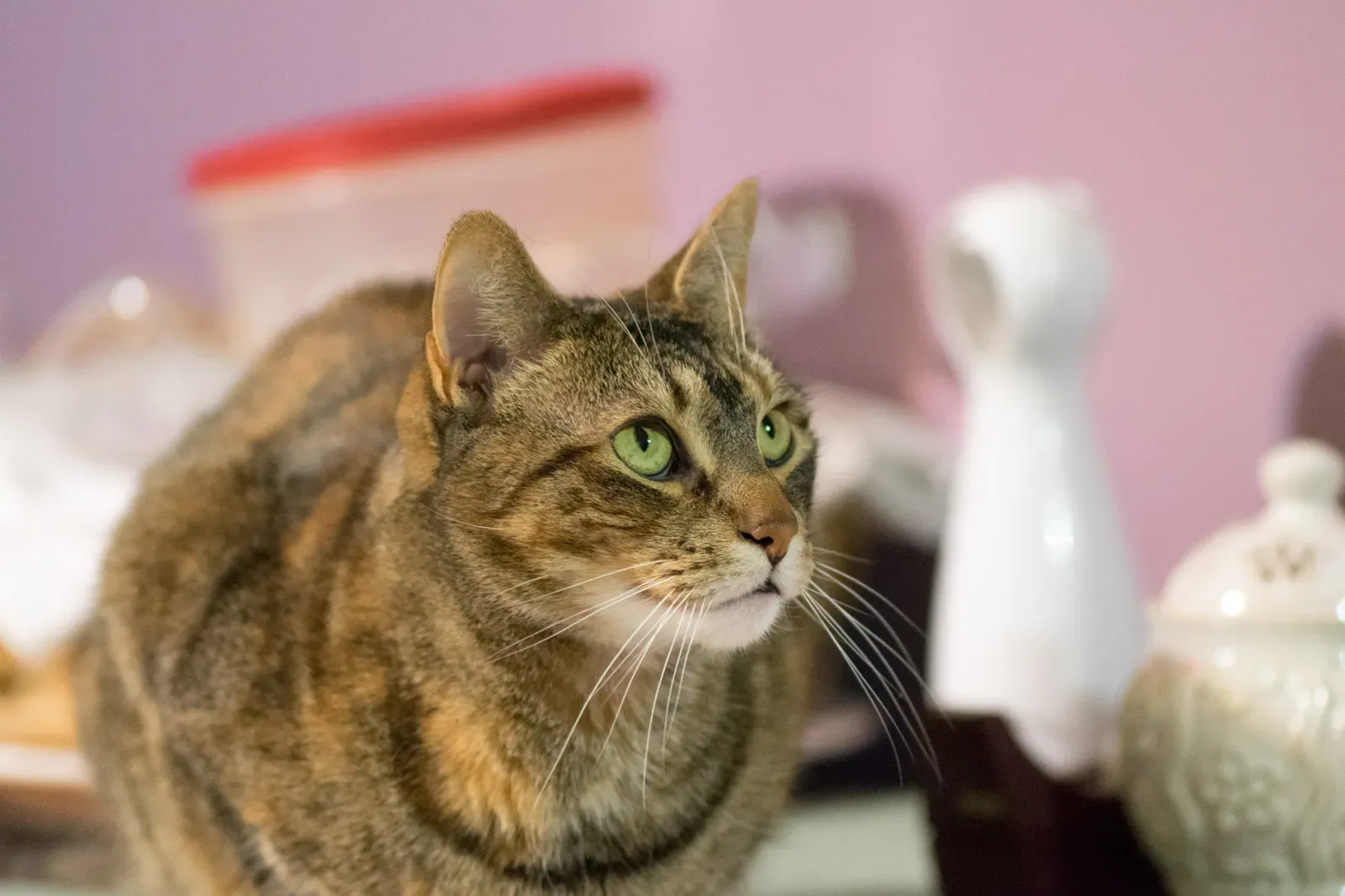
Some cats may crouch down and stare at you with their pupils dilated and tail swishing back and forth, then sprint toward you to swat at your foot, which is an example of a kitty that's looking for playtime with you. This is basically your cat issuing a play invitation. They're gearing up for the pounce.
Staring is part of a cat's natural predatory instinct as they lock onto a target before pouncing, so if your cat crouches while staring, they may be gearing up for a playful attack. Grab a toy, engage with them, and watch that intensity transform into pure entertainment. Playtime stares are some of the most energetic and endearing.
You Might Be Accidentally Reinforcing the Staring
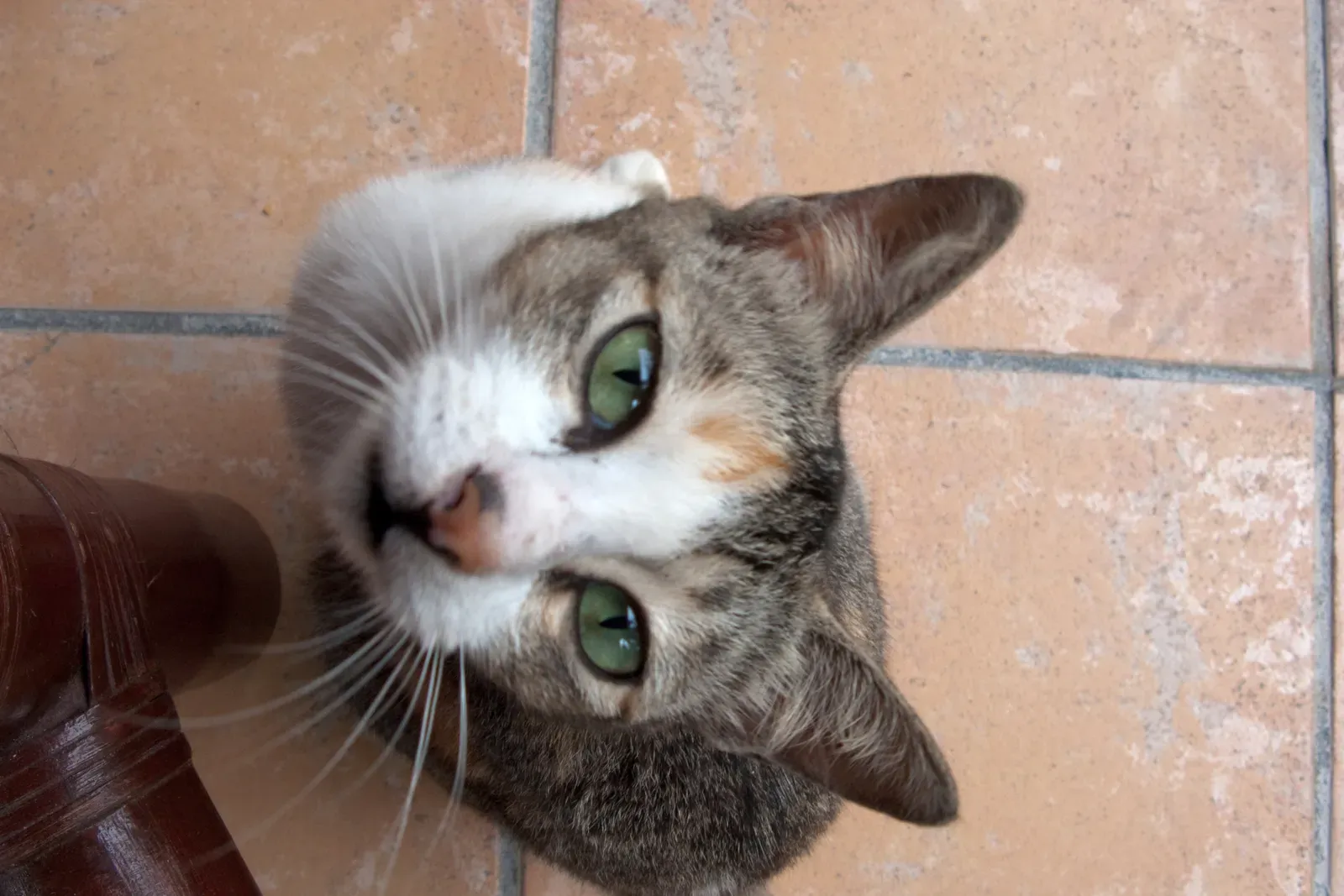
Here's where things get a bit awkward. You may be unintentionally training your cat to stare at you, as many pet parents respond by feeding, talking to or petting them, and in doing so, cats learn that staring leads to something fabulous, with the more you offer the desired attention immediately following their staring, the more likely they are to do it.
Think of staring as a subtler version of your cat meowing incessantly or pawing at your leg. They've learned it works. If you want to reduce the behavior, try not rewarding it every single time. Easier said than done, I know, especially when those big eyes are locked on yours.
The Stare Without Blinking: What It Really Means
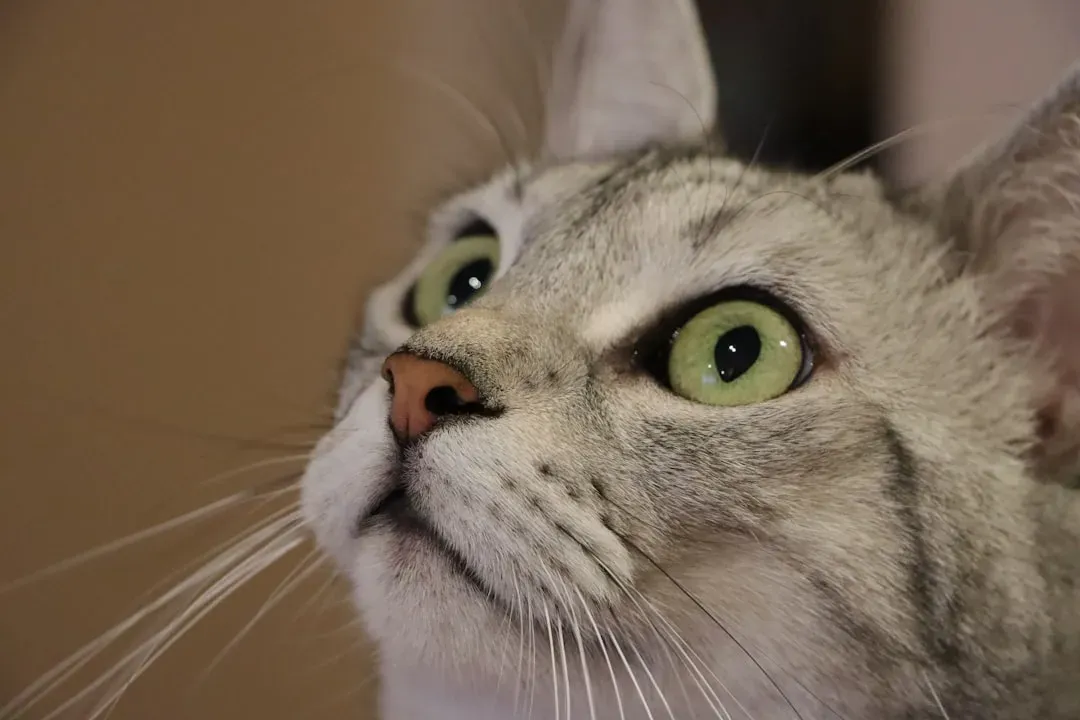
It can mean a variety of things when your cat stares at you without blinking, and in general, cats blink much less than we do because they have a third eyelid that keeps their eyes moisturized, with extended staring potentially meaning your cat is hungry, curious, afraid, or confused. Context is everything here.
An unblinking stare into their eyes is typically seen as a threat and as a challenge, but when your cat looks at you and slow blinks, they are relaxing their guard, as a cat in the middle of a slow blink is vulnerable at that moment. Pay attention to the rest of their body language. Are they relaxed or tense? That tells you almost everything you need to know.
How to Respond to Your Cat's Stare
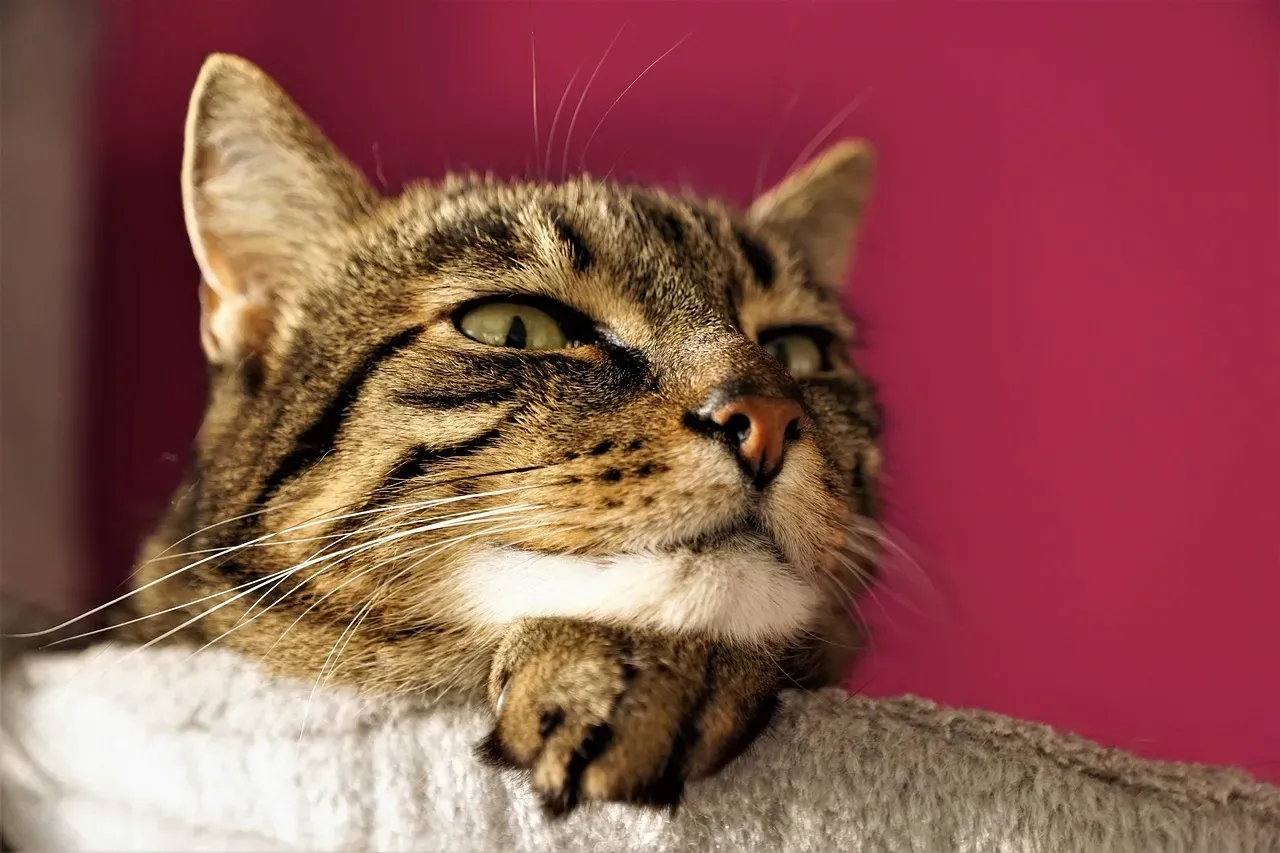
How you respond to a staring cat depends on their body language, as once eye contact is made, determine what the rest of their body is telling you. Is the tail swishing aggressively? Are the ears flattened? Is the body loose and relaxed? These cues matter more than the stare itself.
If the cat is showing you affection or seeking attention or play, you can also make eye contact and slow-blink back to the cat. If the cat seems afraid or aggressive, avert your gaze, keep still, and perhaps take a few steps back to give the cat more space, not attempting to look at, talk to, or pet the cat. Reading the room, or in this case the cat, is crucial.
Conclusion: Your Cat Is Speaking, You Just Need to Listen
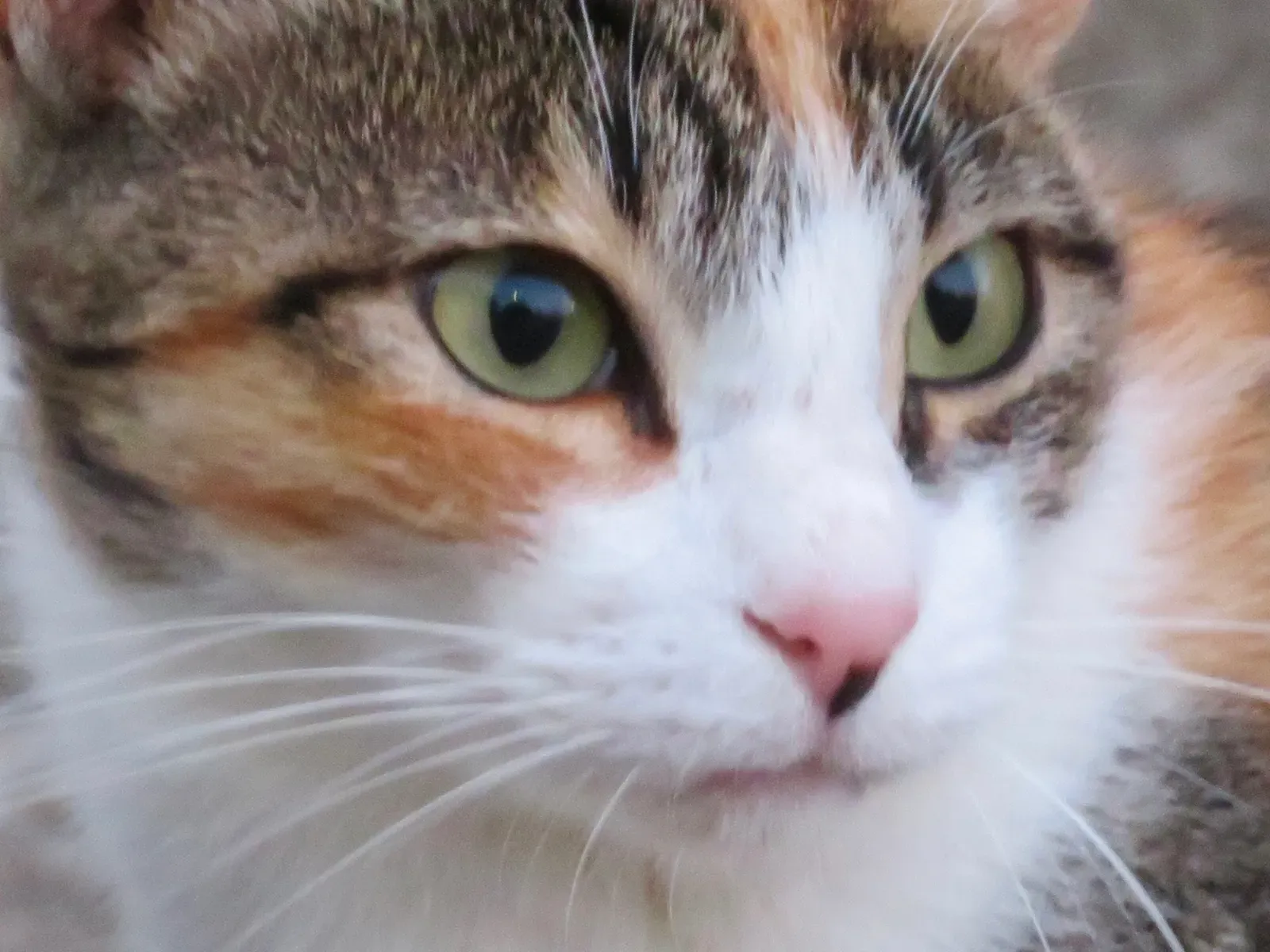
By paying attention to the context and their accompanying body language, you can respond in ways that meet their needs and deepen your bond. Those stares aren't mysterious judgments or sinister plots. They're communication. Your cat is telling you they trust you, need something, want to play, or simply find you interesting.
The next time you catch your cat staring, try slow blinking back. See what happens. You might just start a conversation neither of you knew you could have. What do you think about your cat's stares now? Have you noticed patterns you hadn't picked up on before?