Ever wondered what your feline friend gets up to when you close the door behind you each morning? You might think your cat simply curls up and snoozes the day away, but the truth is far more fascinating. Behind those innocent eyes lies a complex, secret world of exploration, territorial patrols, and finely tuned sensory navigation that would put most GPS systems to shame.
Your home transforms into an adventure playground the moment you leave. That seemingly lazy creature who barely lifts their head when you say goodbye becomes an active explorer, hunter, and strategist. What happens during those unsupervised hours reveals just how remarkable cats truly are. So let’s dive in and discover what your cat is really doing while you’re away.
The Hidden GPS System in Your Cat’s Whiskers
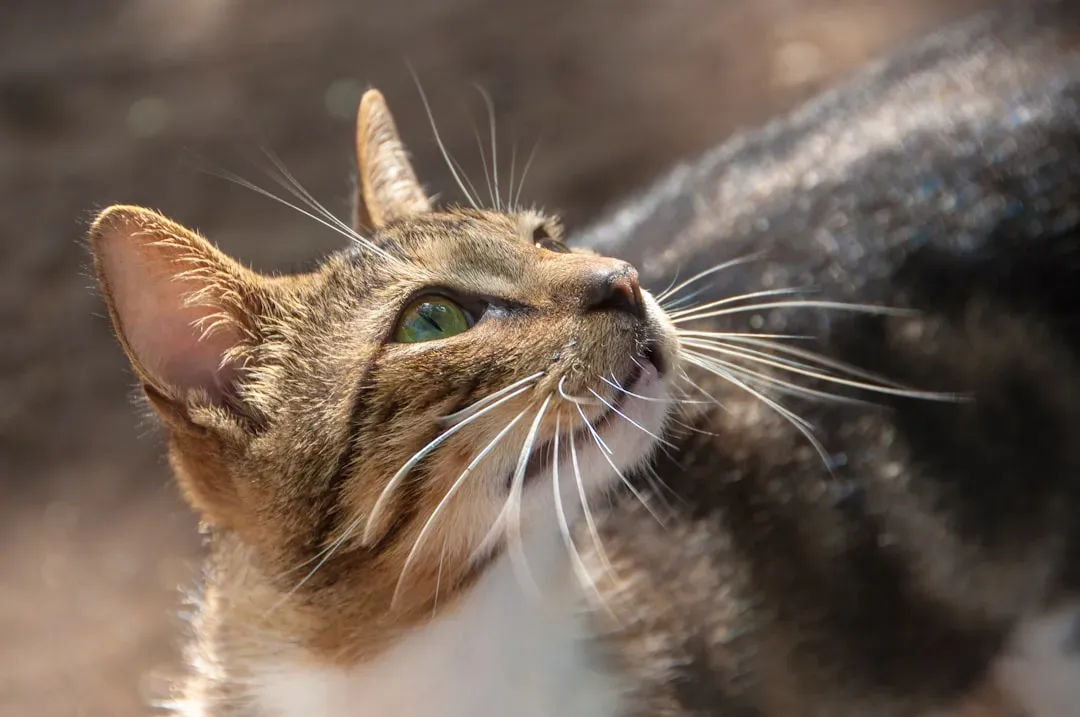
Your cat’s whiskers are extraordinary sensory tools filled with tiny, highly sensitive nerves that help them detect the slightest changes in their environment, enabling them to navigate in darkness, detect prey, and even sense air currents. Think of them as biological radar systems that work even when your cat can’t see properly.
As air currents are disturbed by nearby objects, whiskers vibrate and transmit these movements to the cat’s brain, which is crucial for navigating tight spaces, hunting and avoiding obstacles, especially in low light. This means your cat is essentially feeling their way through your home using invisible air maps. A good portion of a cat’s brain is devoted to processing data from touch sensors, with whiskers occupying almost 40% of the brain’s sensory area, and each individual whisker can be traced back to a specific spot in the brain. That’s serious neurological real estate dedicated to navigation.
Mental Maps: How Your Cat Memorizes Every Corner
Your cat develops a detailed mental map of their territory, remembering safe routes, food sources, shelter spots, and even certain smells. It’s honestly impressive how well they know your home. While you might bump into furniture in the dark, your cat glides through effortlessly because they’ve already cataloged every inch of space.
Their acute senses, particularly their highly developed sense of smell and excellent memory, play pivotal roles in helping them find their way, and when a cat roams, it can map its surroundings through scent markings, which serve as a mental map. Cats have excellent spatial memory and are able to create mental maps of their surroundings, remembering the location of landmarks and familiar objects, with research showing that cats can remember the location of food sources for up to a year. That treat you hid six months ago? Your cat probably still remembers exactly where it was.
The Secret Scent Highway You Can’t See
Your cat uses sweat glands in their cheeks, flanks, paws and tails to leave scent trails behind, which lets them find their way back home using their nose. Every time your cat rubs against your couch or walks across the floor, they’re laying down invisible breadcrumbs.
Cats have a sense of smell 14 times stronger than humans, making scent a major tool in their navigation arsenal, and when they move through their environment, they leave behind pheromones through rubbing, scratching, and urine marking. A cat’s smelling ability has a much stronger range than humans, so they can use these territory markings from miles away to find their way home. Your home is essentially covered in a scent map that only your cat can read.
When You Leave: The Sleep Marathon Begins
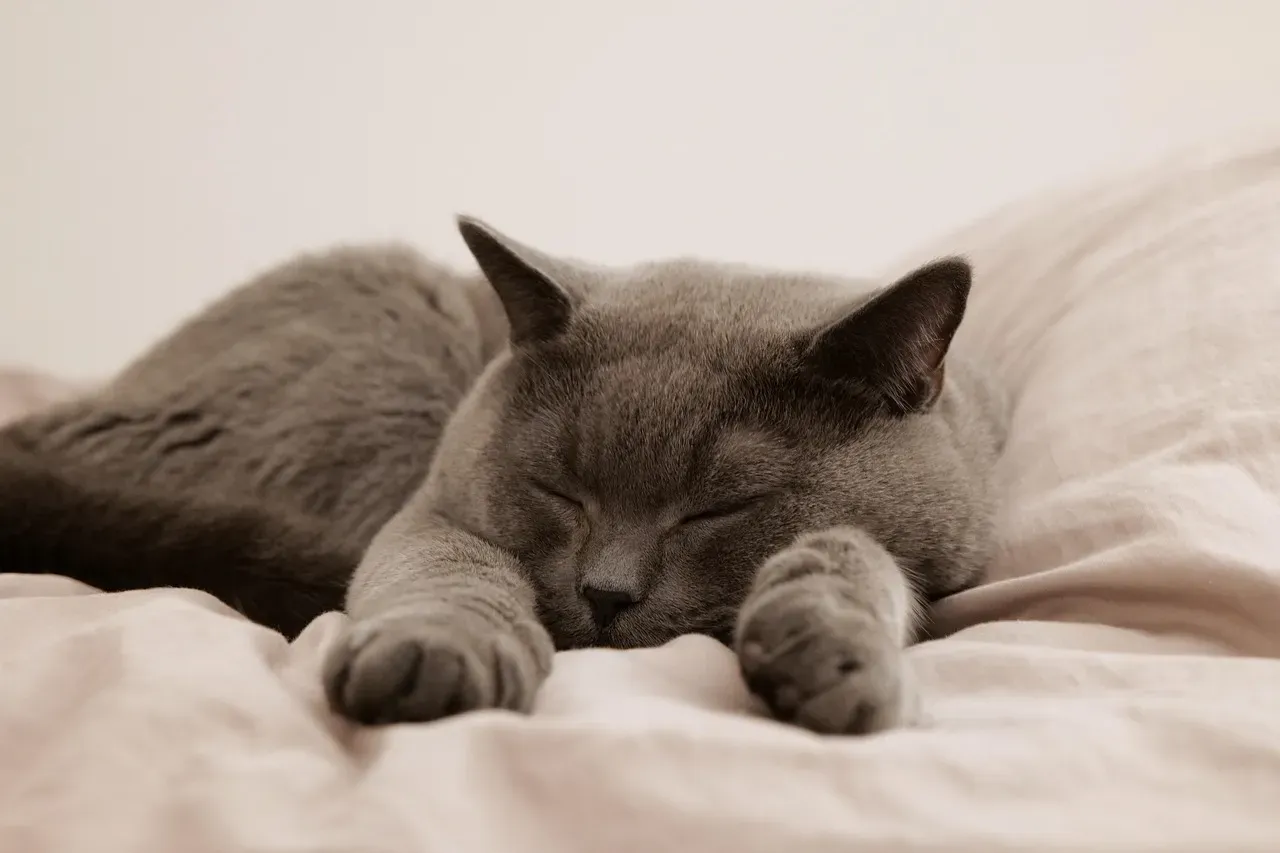
Cats are most active during dawn and dusk and they often spend the majority of their daylight hours lounging or dozing, with felines known for being big sleepers, often up to 16 hours a day. So yes, a lot of that secret life involves napping. Let’s be real, if you could sleep 16 hours a day, you probably would too.
Most cats sleep the majority of their day away, sometimes snoozing for even 20 hours, though baby kittens and older cats tend to sleep the most, but this doesn’t indicate lack of vigilance since three-quarters of their sleep is light and you can tell by the way their whiskers and paws might twitch. The good news is that cats can adapt their sleeping patterns in order to spend more time with their loved ones, sleeping more while you are gone in order to spend more time with you when you are at home. That’s actually quite sweet when you think about it.
Climbing Expeditions to Forbidden Heights
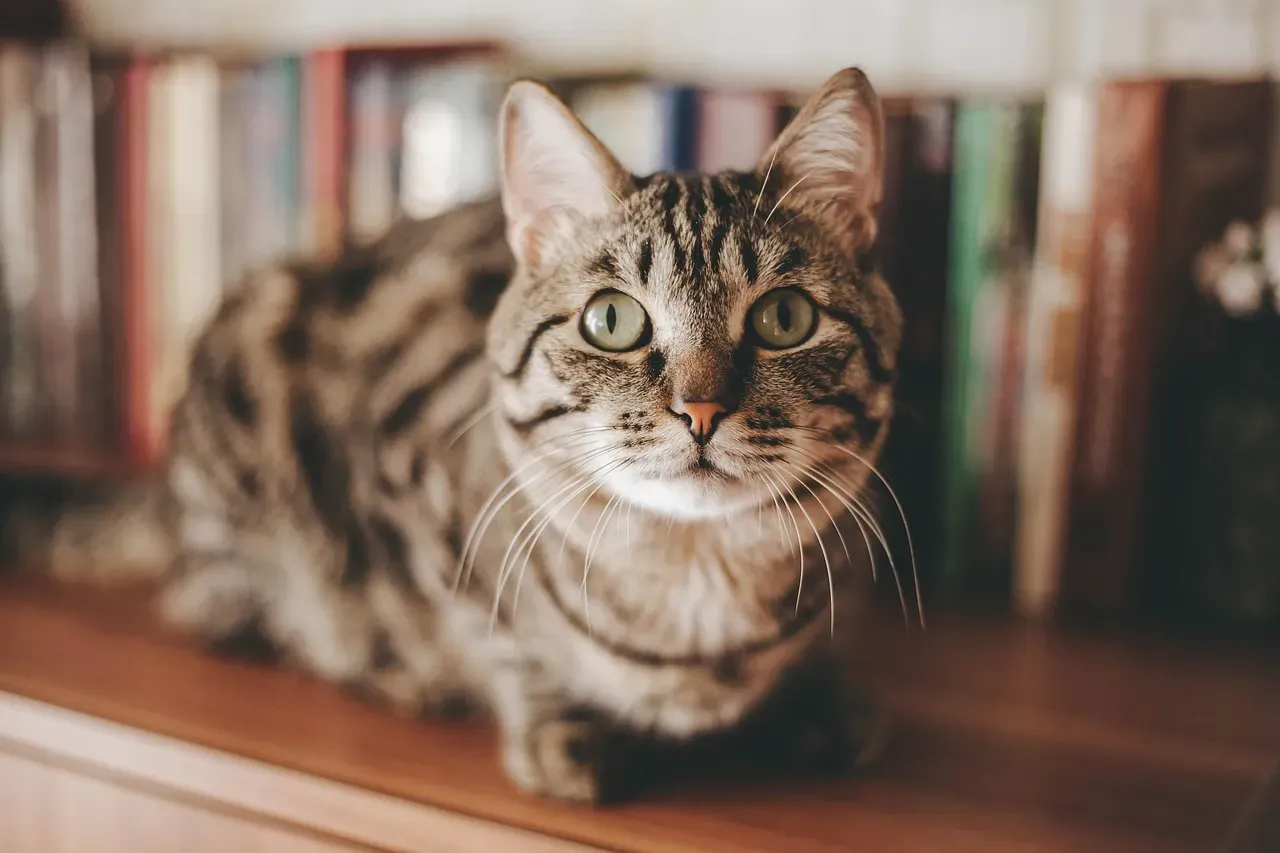
At home alone, kitty may climb on the furniture or fixtures, including bookcases, fridges, kitchen cabinets and curtains, because cats love to climb, which allows them to exercise and strengthen their muscles, to satisfy their curiosity and to get a better view of their surroundings. Ever come home to find paw prints on top of your refrigerator? Now you know why.
The vertical world is just as important to your cat as the horizontal one. Spatial targets can become more interesting to your cat when you’re not home, including high places like closets or shelves, as well as nooks and crannies like drawers or boxes, which is natural behavior for a cat that wants to explore new areas and satisfy its curiosity. Your absence basically gives them permission to explore places they know are off limits when you’re watching.
The Indoor Hunter: Prey Drive Never Sleeps
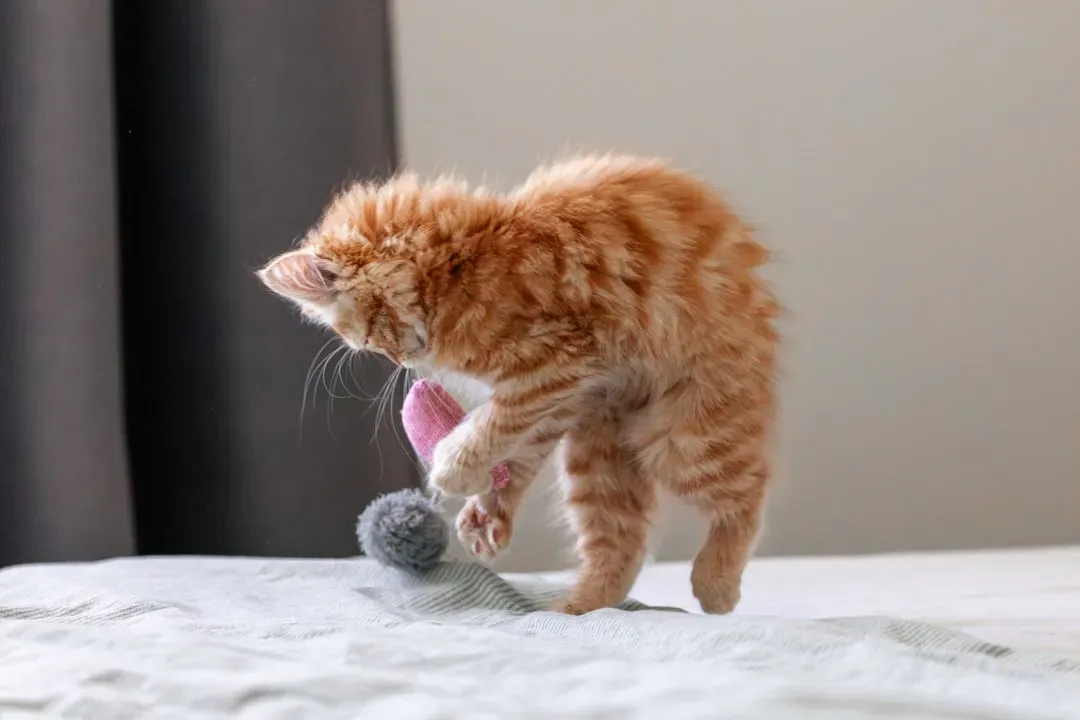
Cats have a natural instinct to hunt and they often engage in play-hunting behaviour to hone their skills and amuse themselves, and when alone at home, they may entertain themselves by hunting toys that mimic prey, such as toy mice or laser pointers, chasing and stalking shadows and small moving objects around the house. That random toy you find in weird places each day? Your cat has been on a hunting mission.
Hunting behavior is hard-wired into your cat’s DNA, with your cat’s wild ancestors developing their hunting skills over millions of years of stalking and chasing prey to feed themselves and their young. Indoor only cats showed more intense reaction than indoor-outdoor cats to artificial stimuli that resembles prey, even though these cats have been completely deprived of experience with live prey. Interestingly, this means your indoor cat might actually have a stronger drive to play-hunt than cats who go outside.
Strategic Hiding Spots and Safe Zones
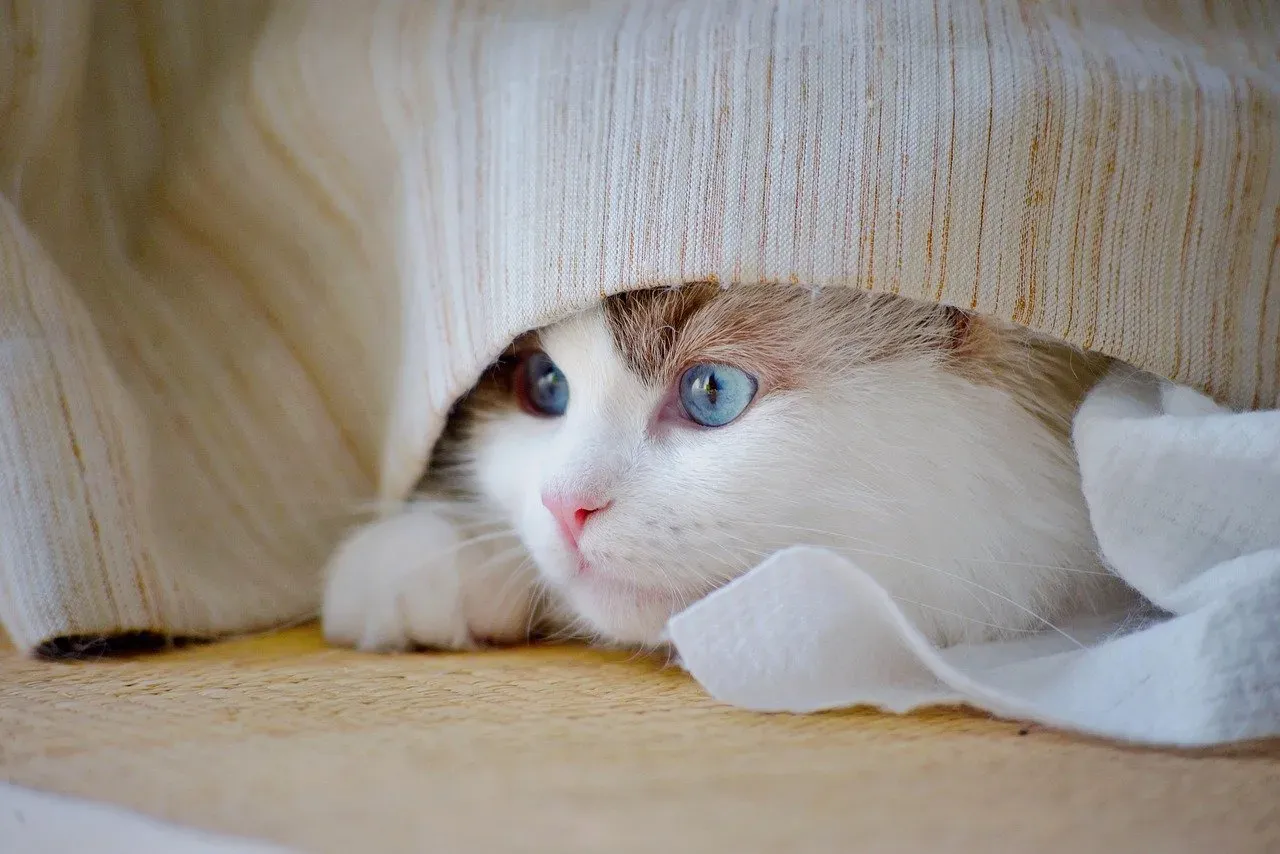
You may arrive home to find that your cat is nowhere to be seen, eventually finding them squeezed into the tiny gap between your headboard and mattress, or tucked up in your wardrobe under a pile of clothes, because hiding provides a sense of security and privacy in a quiet and secluded place where they can be alone. These aren’t random spots. Your cat has carefully selected them.
Cats are inclined to finding cozy and comfortable places to take a nap, often choosing warm and sunny spots, such as windowsills or on top of clothes dryers, or they may have a preference for soft, snuggly places like beds or cushions, or enclosed spaces like under beds or in closets. They rotate between different locations depending on temperature, time of day, and mood. Your home has multiple cat bedrooms you probably don’t even know about.
Window Watching: The Cat Television Channel
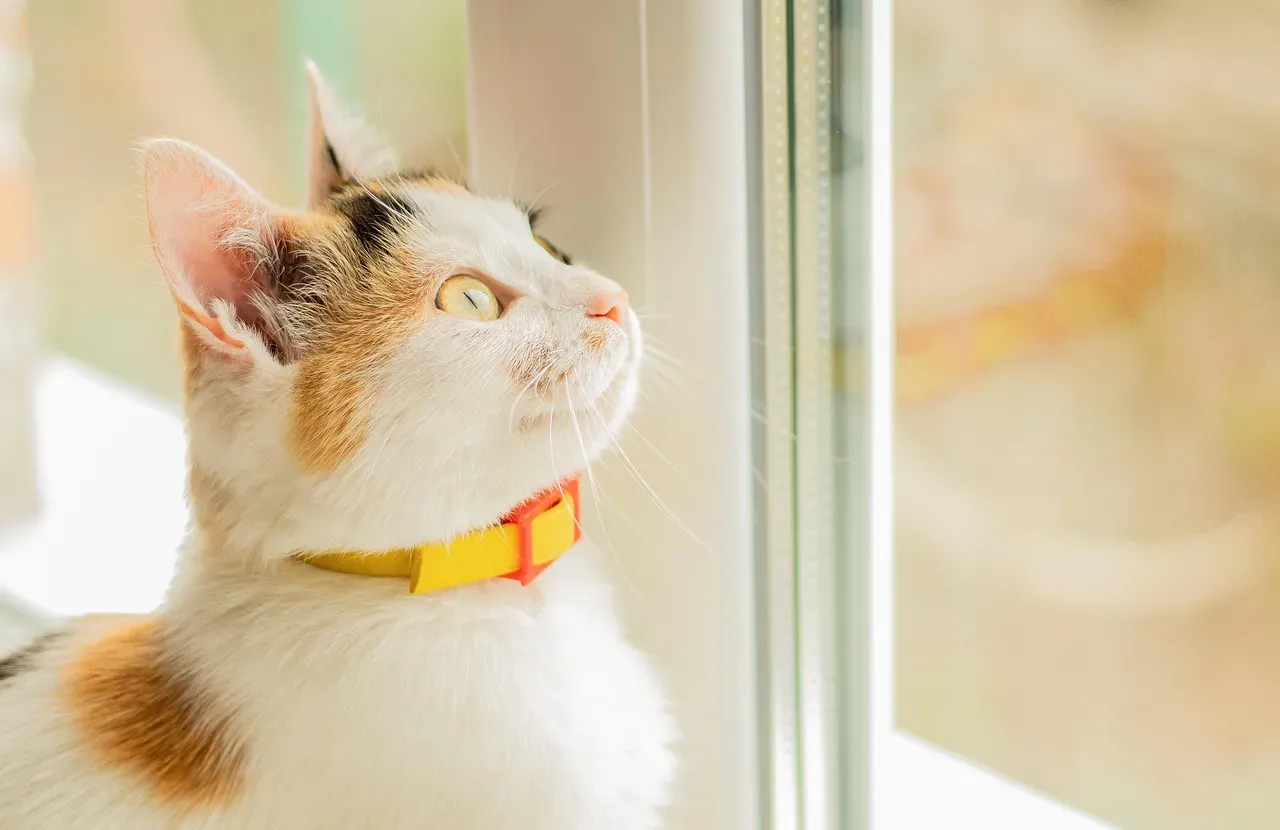
Cats enjoy looking at a variety of things, but as natural hunters, their eyes are particularly drawn to movement. That window you pass without a second thought? To your cat, it’s the most entertaining screen in the house. Birds, squirrels, leaves blowing, passing cars, even shadows hold your cat’s attention for extended periods.
Cats will spend most of their day sleeping, usually in a place of warmth and comfort, and a windowsill is often a favorite place, especially when the sun warms the area. This dual purpose spot offers both entertainment and the perfect napping temperature. I think it’s safe to say your cat has figured out the best seats in the house long before you did.
Territorial Patrols and Routine Checks
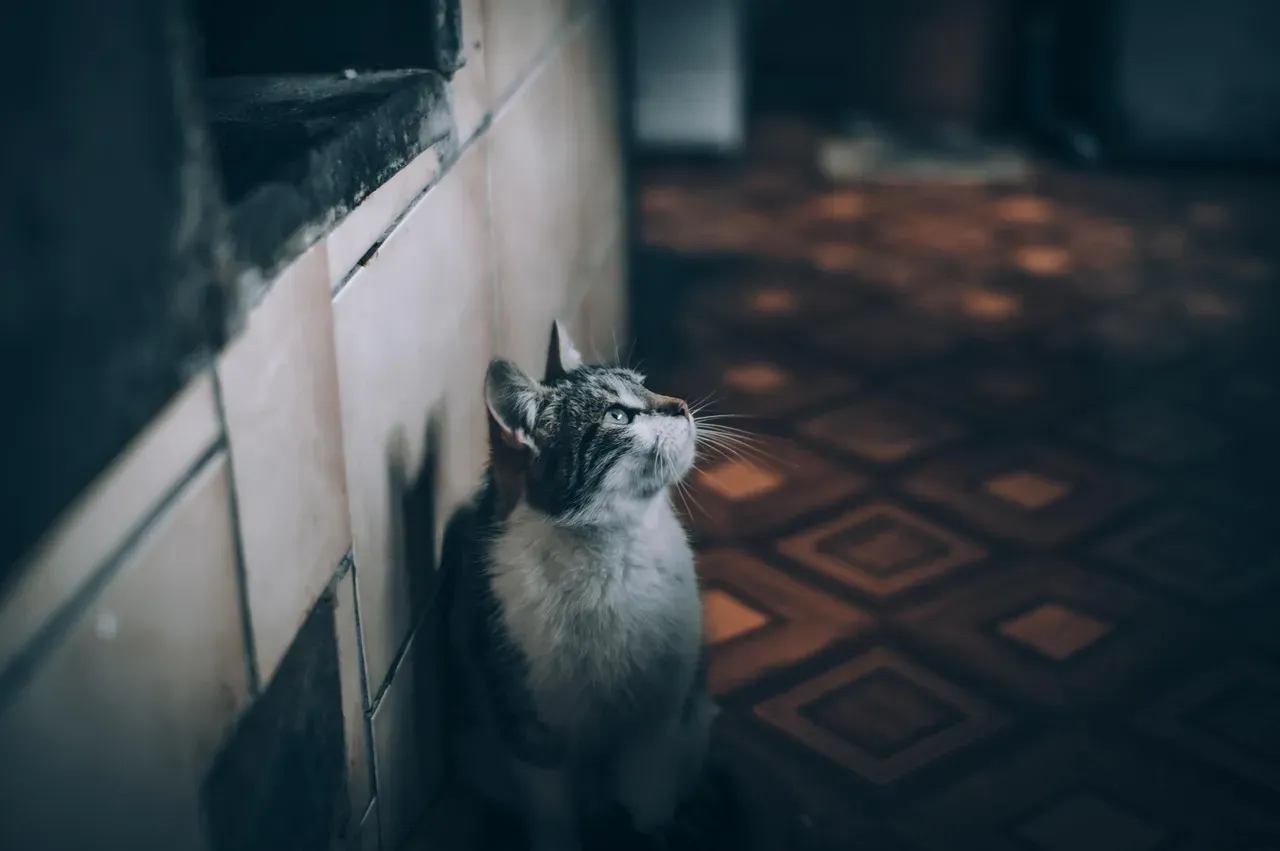
Cats are creatures of habit that value structure and order, and when left alone at home, they often use this time to complete daily rituals, such as napping, playing, observing the surroundings through the window, or taking care of their body hygiene, which is a time for them to regenerate and relax. Your cat isn’t just wandering aimlessly. They’re conducting inspections.
Cats who live indoors will establish both a core territory and a home range, just like kitties who go outside, with the core territory being an area they will protect, while the home range is the space they patrol, investigate, and otherwise use with regularity. Your living room might be core territory while the hallway is part of their patrol route. They take this responsibility seriously.
Playing with Forbidden Objects
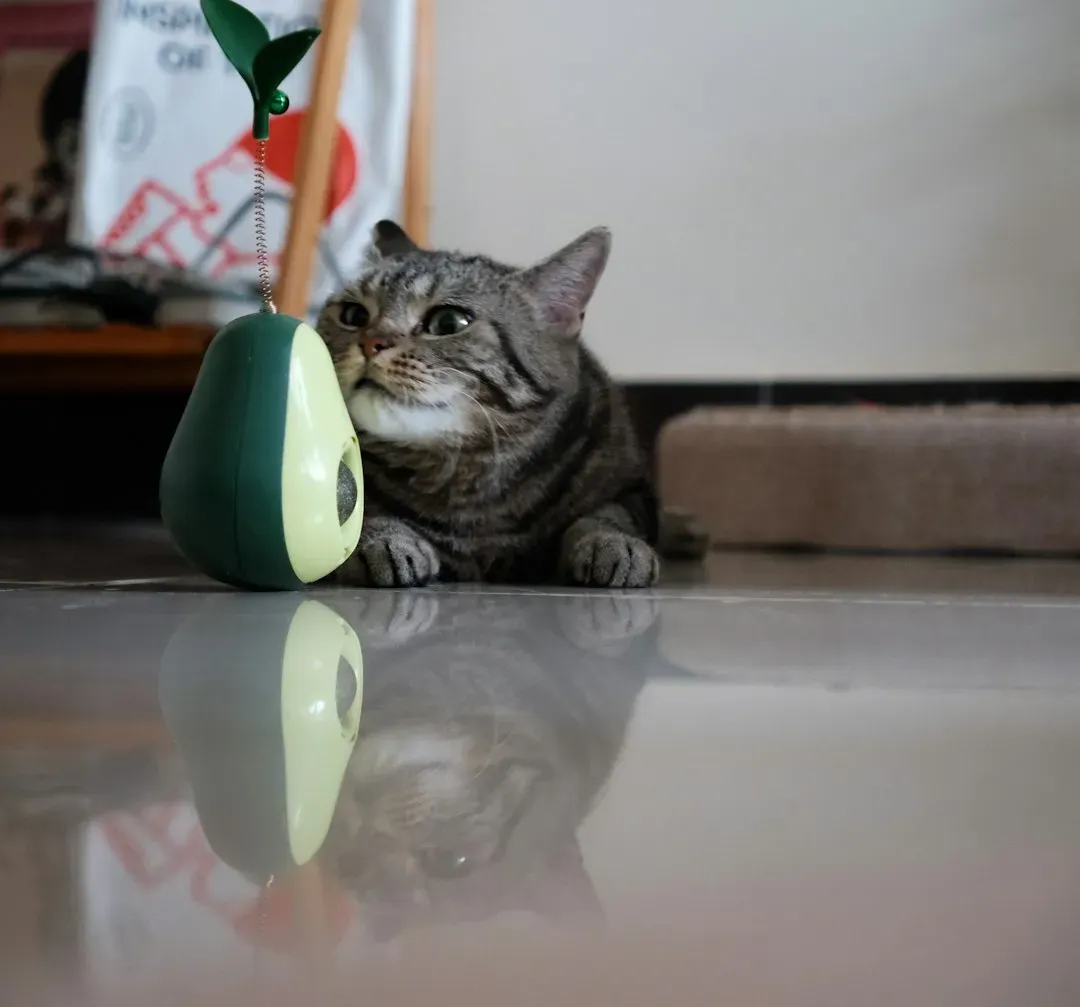
Many studies suggest that house cats are very independent and can keep themselves occupied when their owners are away, and chances are, your feline companion is deciding to play with toys that are usually forgotten, or your cat may start exploring places that are normally out of reach, like that high ledge they always wanted to jump on. You know that thing you told them not to touch? Yeah, they’re touching it right now.
They may crouch down, wiggle their hind end, and then pounce onto their prey, and once they have caught their prey, they may simulate the killing process by biting and shaking the toy or object. Even simple household items become elaborate prey scenarios. That pen on your desk transforms into a dangerous opponent requiring full hunting protocol.
The Truth About Your Cat’s Secret Life
Your cat’s daily routine when you’re away is a carefully orchestrated balance of sleep, exploration, hunting practice, and territorial maintenance. They’re far from bored or lonely in most cases. Rather, they’re engaged in deeply instinctual behaviors that connect them to their wild ancestry while adapted perfectly to your domestic environment.
Understanding this secret life helps you appreciate just how sophisticated your cat really is. Those whiskers aren’t just cute facial features; they’re precision instruments. That seemingly random nap spot was chosen with careful consideration of safety, warmth, and strategic positioning. Every behavior serves a purpose rooted in thousands of years of feline evolution.
So the next time you leave home, remember that your cat isn’t simply waiting for your return. They’re navigating, exploring, hunting, and living a rich sensory experience you can barely imagine. What do you think your cat does most when you’re away? Share your observations in the comments.
Kristina is a young writer from India. An arts graduate and an avid content creator, Kristina is passionate about animals and wildlife. She enjoys exploring topics related to pet care, animal behavior, conservation, and nature, combining thorough research with engaging storytelling.