The Intricate World of Feline Dreams: What Your Cat's Sleep Twitches Really Mean
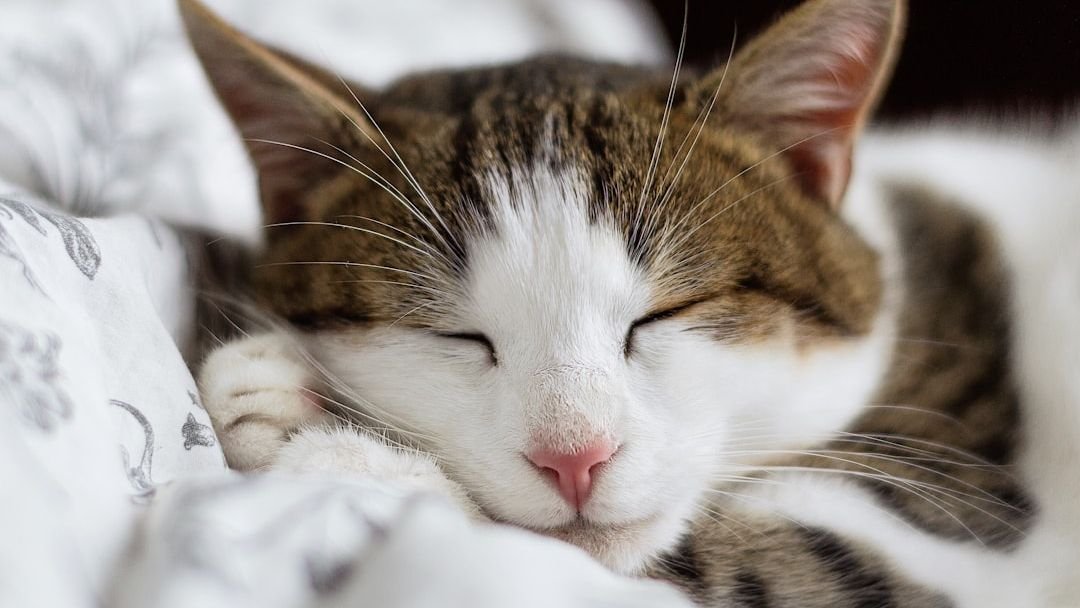
Have you ever found yourself mesmerized by your cat as they sleep, watching their tiny paws paddle against invisible prey or their whiskers quiver in response to some unseen adventure? Those adorable little movements aren't random at all. Your cat is experiencing something remarkably complex that we're only beginning to understand.
Let's be real, though. We spend a surprising amount of time watching our cats sleep. It's kind of hard not to, considering they're basically professional nappers who've perfected the art of snoozing away roughly two-thirds of their entire lives. What's fascinating is that beneath those peaceful, curled-up exteriors, their brains are anything but quiet. So let's dive in.
The Science Behind Those Adorable Twitches
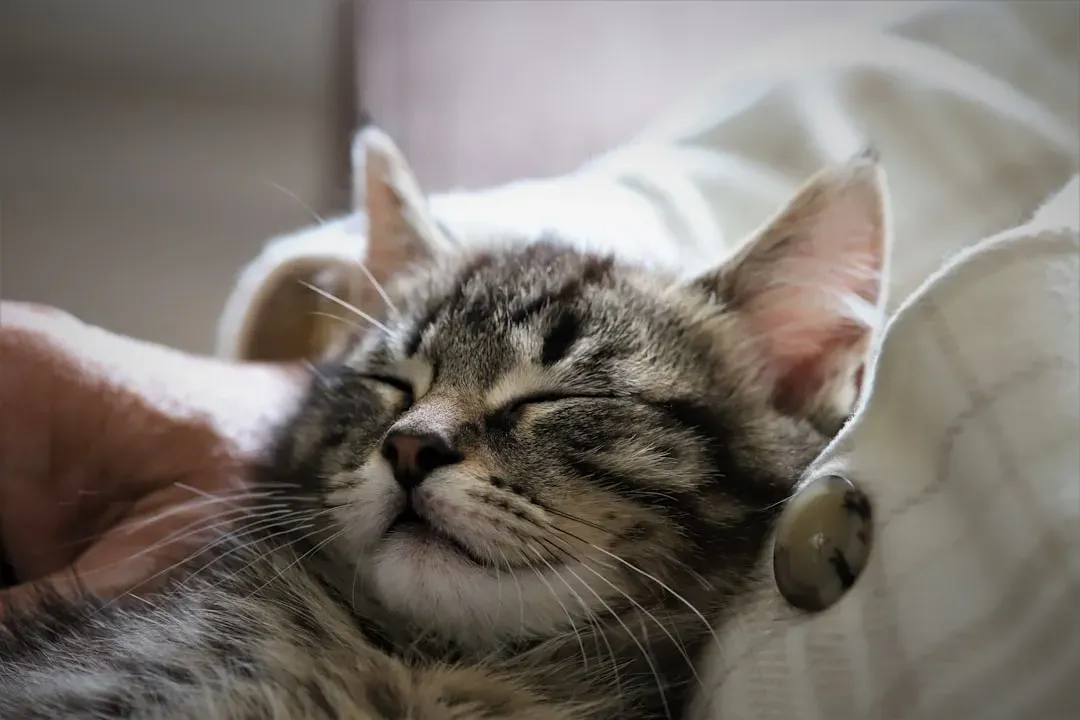
Your cat experiences REM sleep, and during this phase, cats are most likely to dream, experiencing brain activity remarkably similar to humans. Think of it as your cat's brain putting on its own private movie screening. When your cat twitches in their sleep, it's generally just due to signals being sent to their brain during the dreaming phase.
Research from the 1960s by neuroscientist Michel Jouvet found that the pons area of the brain prevents movement during dreams, and cats with damage to this area displayed movements during REM sleep that appeared consistent with hunting. Honestly, it's kind of wild to think about. Your little furball isn't just sleeping; they're practicing their ancient instincts, playing out scenarios that their ancestors needed to survive.
Understanding Your Cat's Sleep Cycles
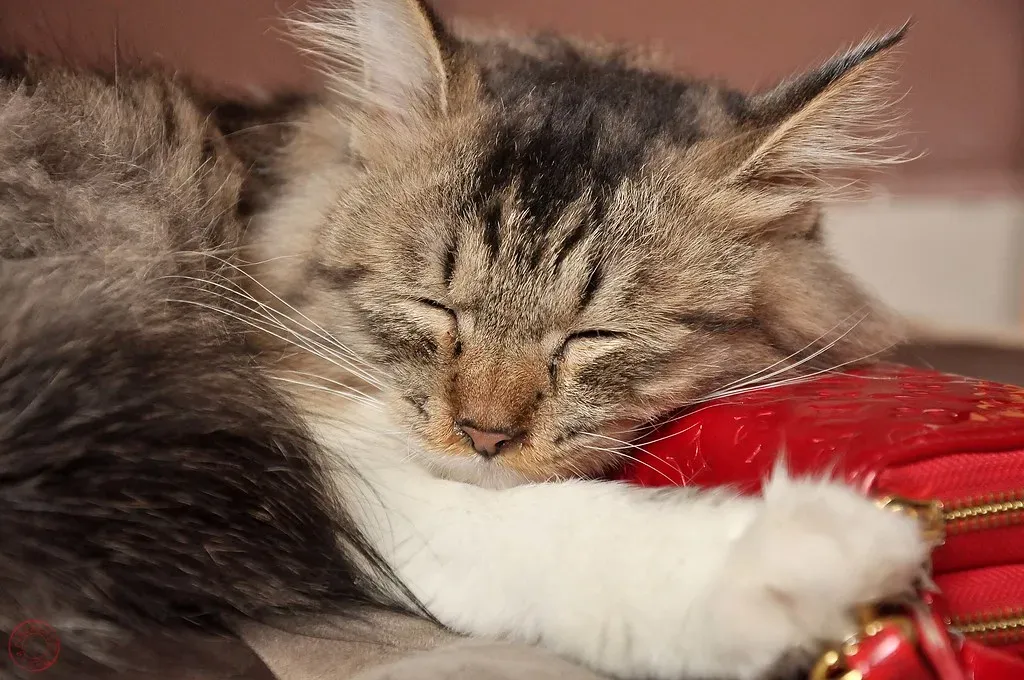
Cats are notoriously good sleepers, clocking an average of twelve to sixteen hours a day, and unlike humans who have one long sleep period overnight, cats have multiple short sleep sessions throughout the day and night, which is called polyphasic sleeping. This sleep pattern makes perfect sense when you consider their wild heritage.
Eventually in the cycle, cats transition from NREM to REM sleep, and during REM sleep, the eyes move behind closed eyelids while cats can twitch or go limp with a loss of muscle tone. This phase lasts only about five to seven minutes, and during light sleep, which lasts an average of twenty-five minutes, cats can relax while still being aware of their environment. It's pretty remarkable that such short bursts of deep sleep can be so restorative.
What Those Little Movements Actually Tell Us
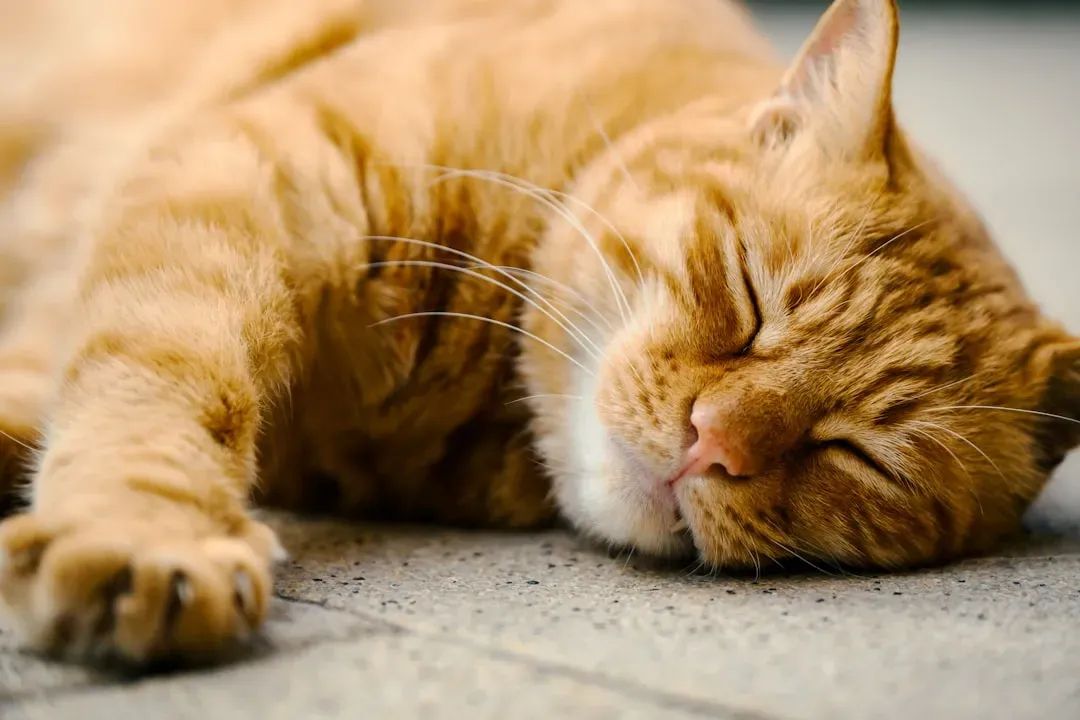
During REM sleep, cats display certain behaviors such as squeaking and twitching of their eyes, ears, and maybe even their tail. You might notice your cat's paws doing that cycling motion like they're running through a field. Cats are likely acting out part of their dreams, whether they're chasing a housemate, stalking a bird, or playing, and as the brain replays these vivid activities, cats may move and twitch as they relive the events.
Here's the thing: these movements aren't just cute. Twitching in REM sleep happens because certain motor neurons remain active, allowing minor movements like paw twitches, whisker flicks, or even vocalizations, and these are normal and often reflect the brain's engagement in dream-related activity. Your cat's brain is essentially experiencing a mild form of controlled chaos.
Dreaming in Technicolor (Or Are They?)
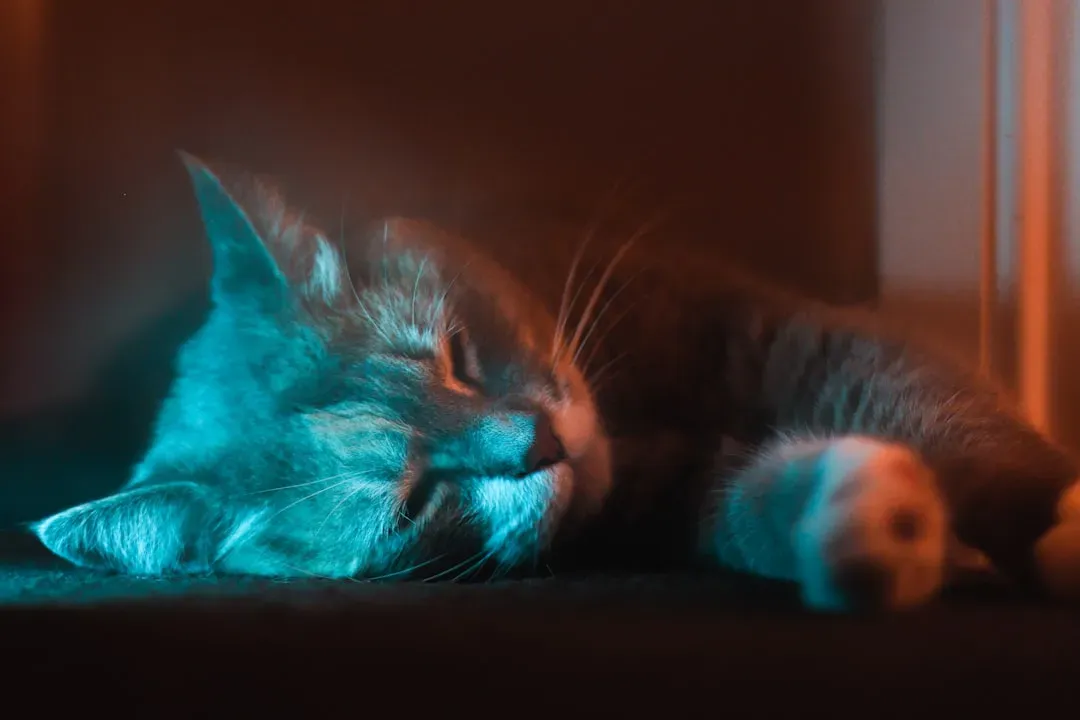
While we can't know for sure, it's safe to assume that when cats dream, they do so in color, but since they are colorblind and only see shades of blue, gray, green, and yellow, cats likely only dream in variations of those four colors. It's hard to say for sure, but the idea that your cat's dream world might look different from ours adds another layer of mystery to their inner lives.
An even more intriguing idea is that animals might dream using more senses than humans do, and because smell is very important for both cats and dogs, their dreams might focus more on odors than ours do, suggesting that cats may dream in smells. Imagine a world where memories and dreams are primarily scented rather than visual. That's possibly how your cat processes their experiences during sleep.
Why Kittens Twitch More Than Adult Cats
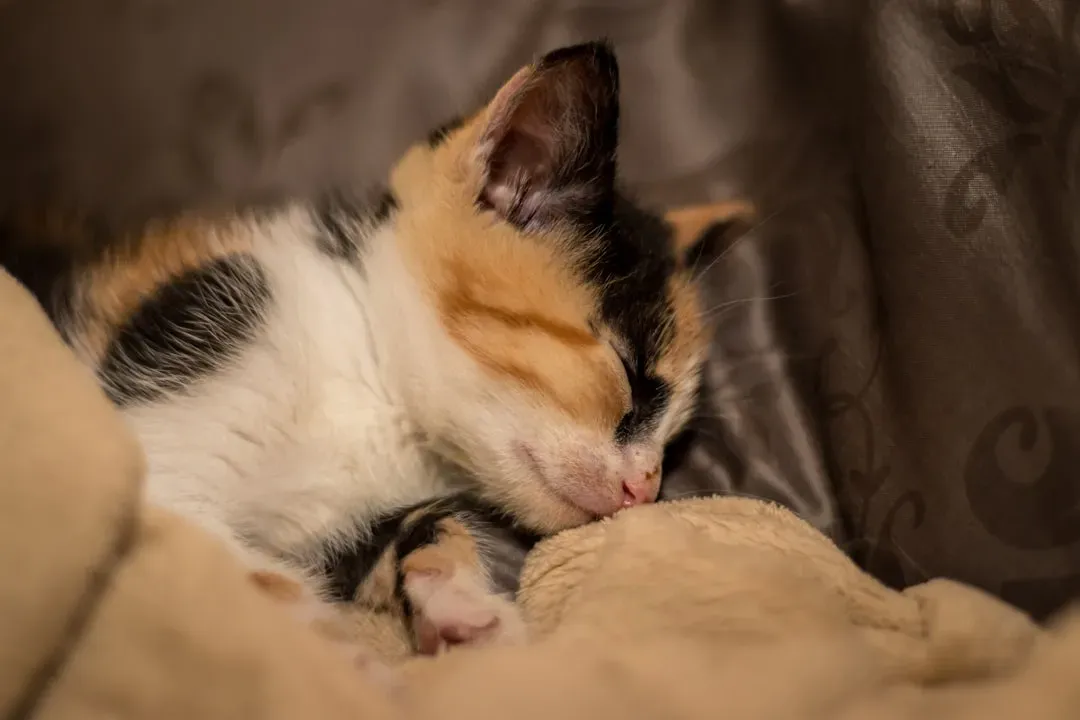
Interestingly, the amount of REM sleep your cat experiences will decrease as they get older, and it's assumed that kittens are much more likely to dream than adult cats, which could also be due to the fact that kittens have a lot more to learn about the world around them. If you've ever watched a kitten sleep, you know they move almost constantly.
Some experts say kittens spend up to eighty percent of their sleep in REM, while adult cats only spend around twenty-five to thirty percent. Twitching helps stimulate and develop their motor skills and neural pathways as they grow. Those little twitchy movements aren't just adorable; they're actually helping your kitten's brain wire itself properly for all those future acrobatic leaps and hunting maneuvers.
What Your Cat Might Actually Be Dreaming About
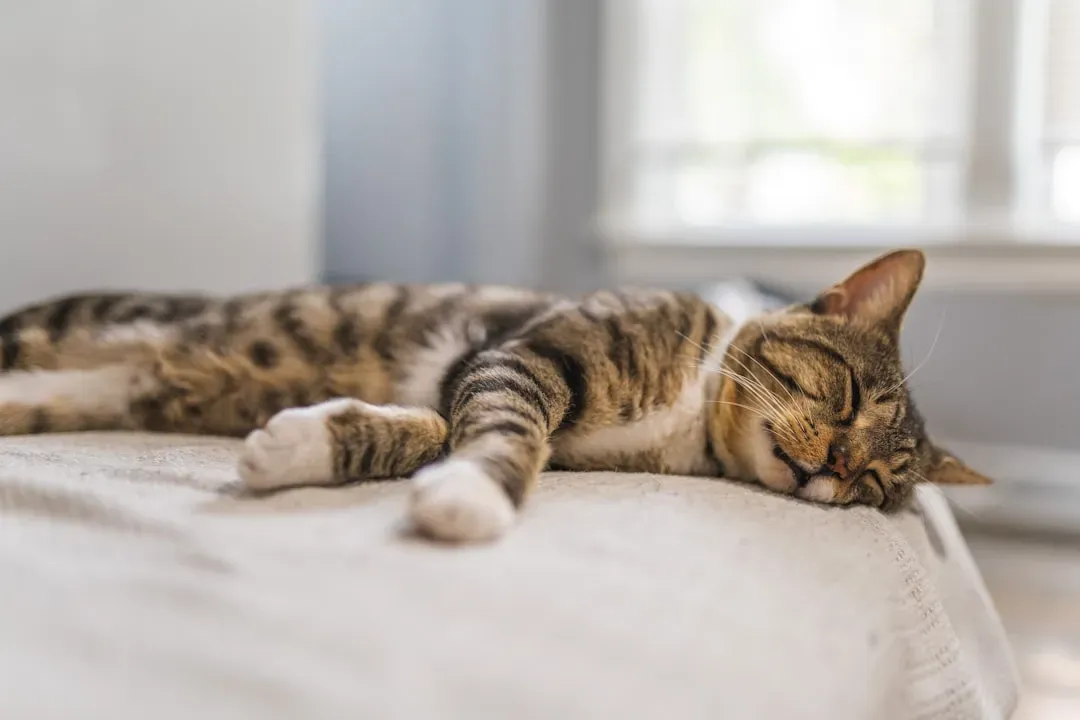
Most mammals use dreams to process the events they've experienced, so it's reasonable to expect that cats relive their daily experiences at night, perhaps with some imaginative additions, and whatever a kitty was interested in during the day likely plays a role in their dreams that night. So if your cat spent the afternoon watching birds at the window, that's probably featuring in tonight's dream feature.
Cats with damage to the brain area that prevents movement during REM sleep displayed movements that appeared consistent with hunting, such as pouncing on imaginary prey or reacting to nonexistent predators, providing some scientific support for the content of cat dreams. Your cat is essentially running hunting simulations while they nap. It's like they have a built-in video game system running in their heads.
The Dark Side: Can Cats Have Nightmares?
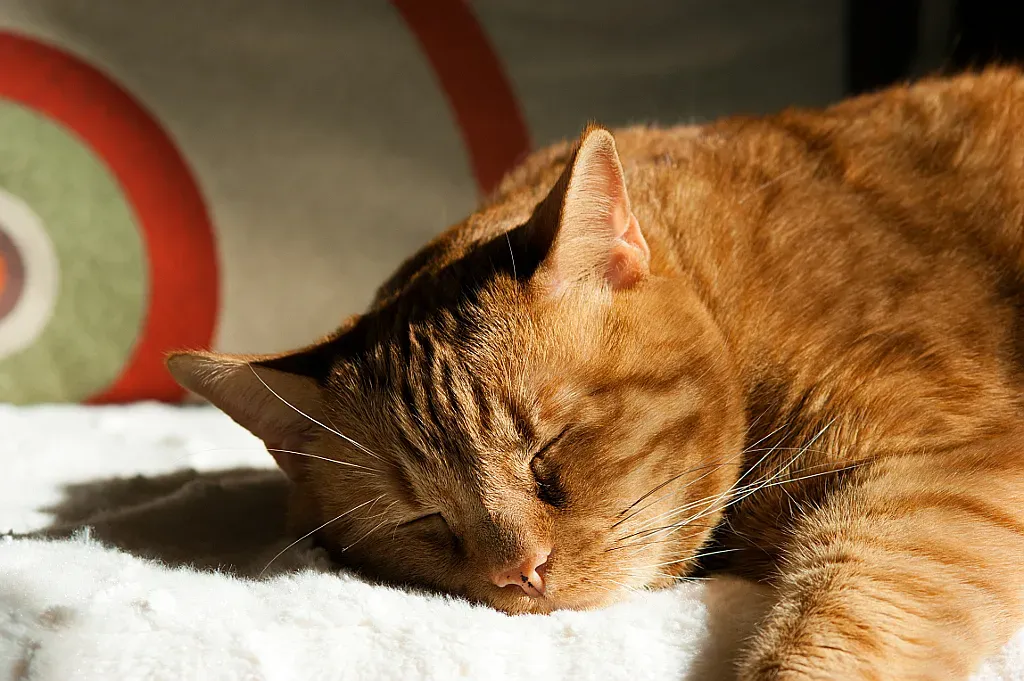
Yes, it's believed that cats have nightmares just like humans do, and if your cat is twitching, whimpering, growling or crying then it's likely your cat's having a nightmare. If a cat has a particularly frightening experience, such as a fight with another cat, a close call with a car, or a fall off a roof, they might even have nightmares.
Never try to wake your sleeping cat during bad dreams as they'll be confused and may lash out at you, and it'll also disturb their natural sleep cycle. I know it's tempting to comfort them, but honestly, it's better to let them work through it. They may wake up and appear distressed, in which case they'll appreciate a cuddle to make them feel safe and loved again.
Normal Twitching vs. Something More Serious
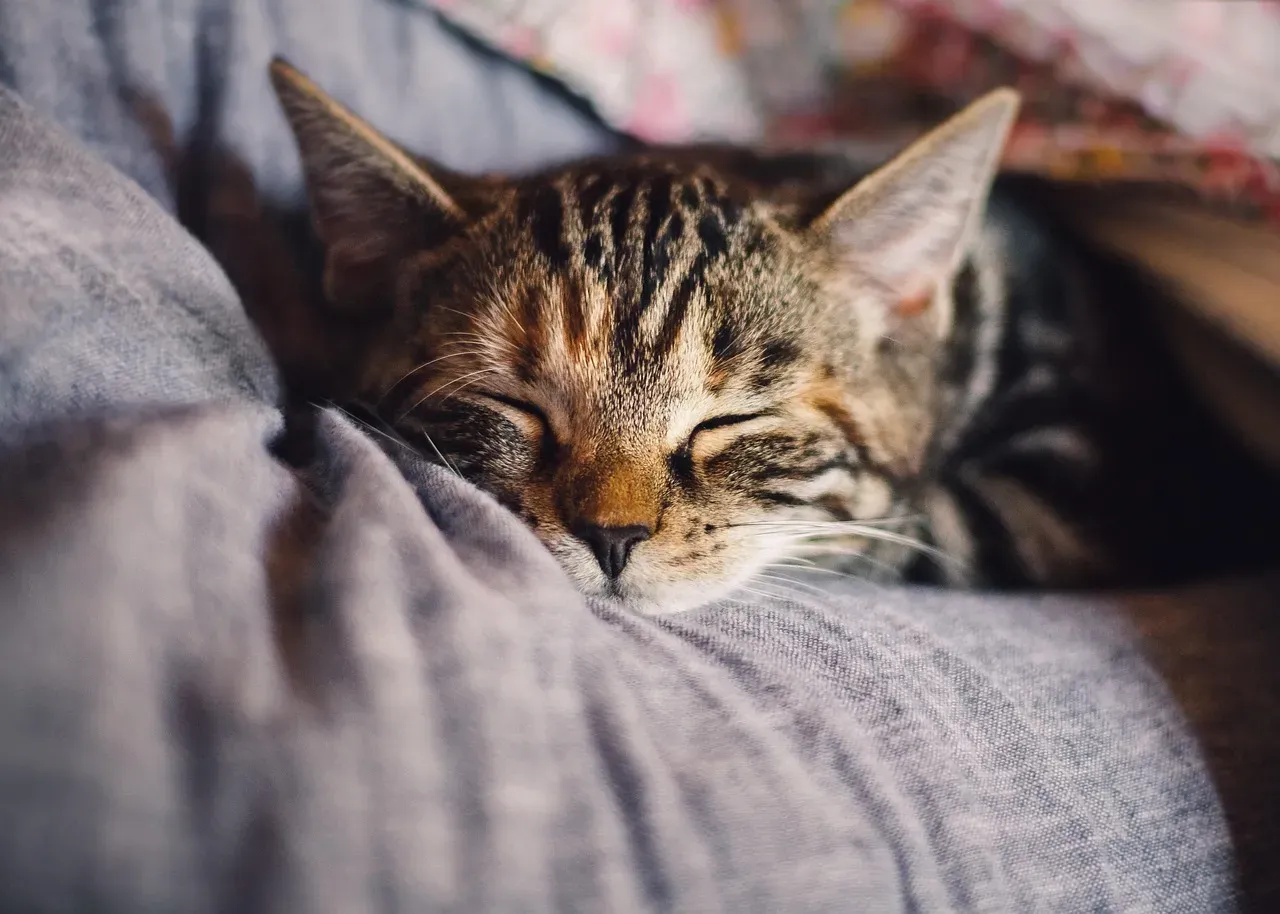
Normal sleep twitches in cats are characterized by small movements, flicks, relaxed breathing, and an ability to wake up quickly, with symptoms including small, sporadic movements like paw flexing or ear flicking, accompanied by relaxed breathing or soft noises, and the cat remains easily rousable if gently woken. These are the dream movements we've been talking about.
Seizures during a cat's sleep are characterized by more intense jerking, a regularity to the movements, stiffened limbs, drooling, vocalizations, uncontrolled urination or defecation, and even a difficulty waking up. Seizures are very unlikely to occur during sleep, and generally there will be additional signs such as their entire body stiffening, lethargy, loss of appetite or vomiting, and if your cat is experiencing these symptoms it's important to take them to your vet as soon as possible.
The Muscle Paralysis Mystery
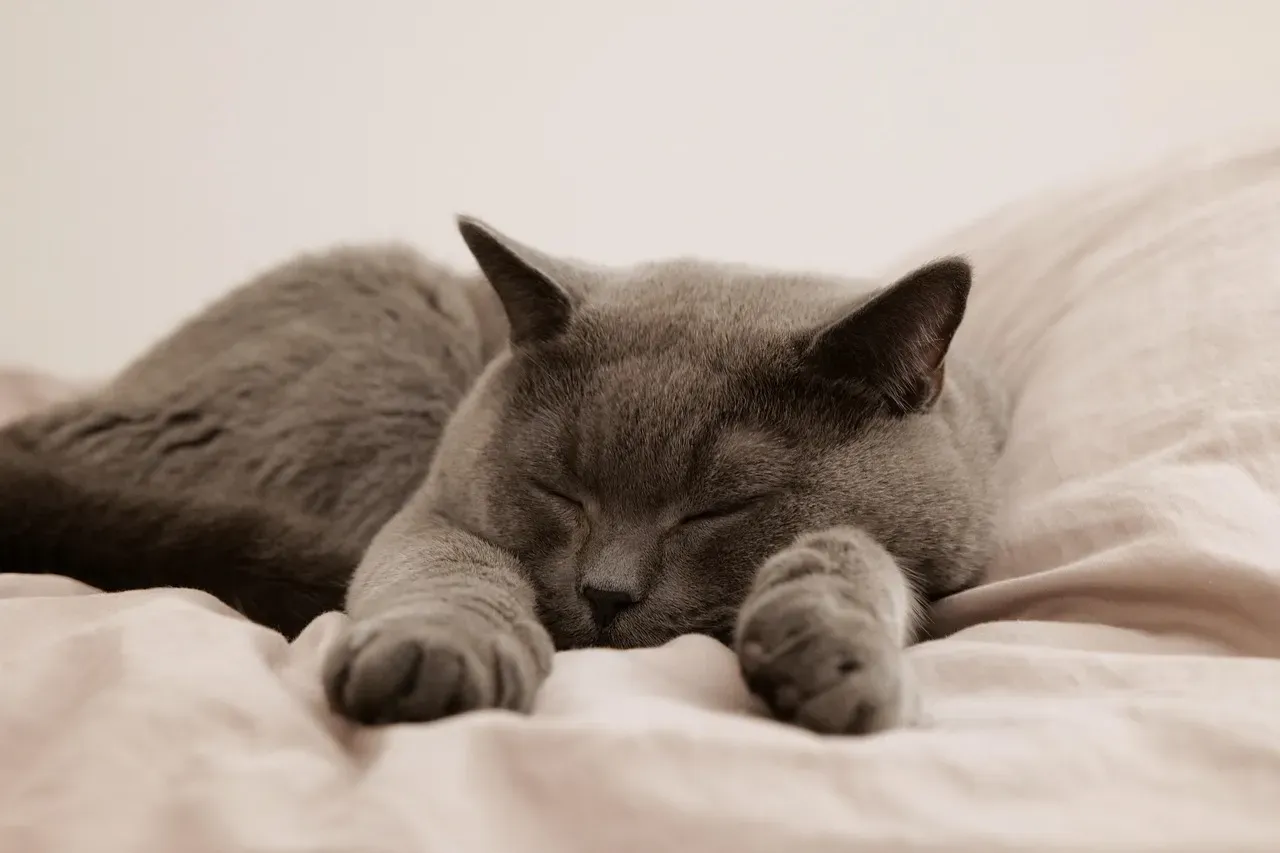
Despite all this twitching, cats also experience a loss of muscle tone, known as atonia, during REM sleep. Thankfully for us and our cats, the brain restricts the movement of the body during REM sleep, and like us, cats appear to experience cycles of paradoxical sleep where there is a loss of muscle tone preventing cats from moving much.
This is actually brilliant biological design. Imagine if your cat fully acted out all their hunting dreams. Your bedroom would be a disaster zone every morning. As much as your cat can dream about climbing the curtains, their brain only allows so much as a little paw to twitch here and there. Thank goodness for small mercies.
Should You Wake a Twitching Cat?
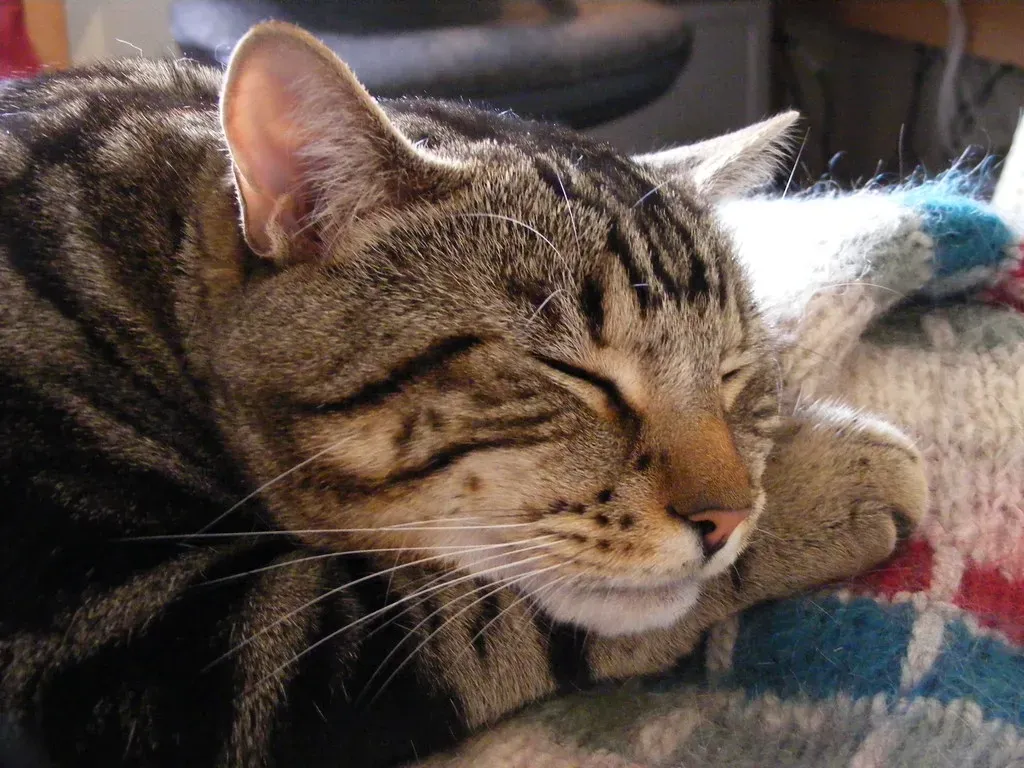
No need to wake your cat up if it's twitching during sleep, as it's likely just normal sleep-related twitching and waking them could disrupt their rest, but only intervene if the twitching seems excessive or accompanied by other concerning symptoms like drooling or odd behavior. Given the importance of good sleep for your cat, you'll want to avoid waking them up while they're in the REM part of their sleep cycle, as disturbing a cat during their REM cycle can cause them to wake up irritable or still tired.
Let them dream. Let them process their day. Let them practice those hunting moves they'll use later when stalking that pesky moth near the ceiling light. It's usually a good idea to provide them with cozy, secluded spaces that they feel safe enough to enter the deep sleep phase.
The Bigger Picture: Why Sleep Matters for Cats
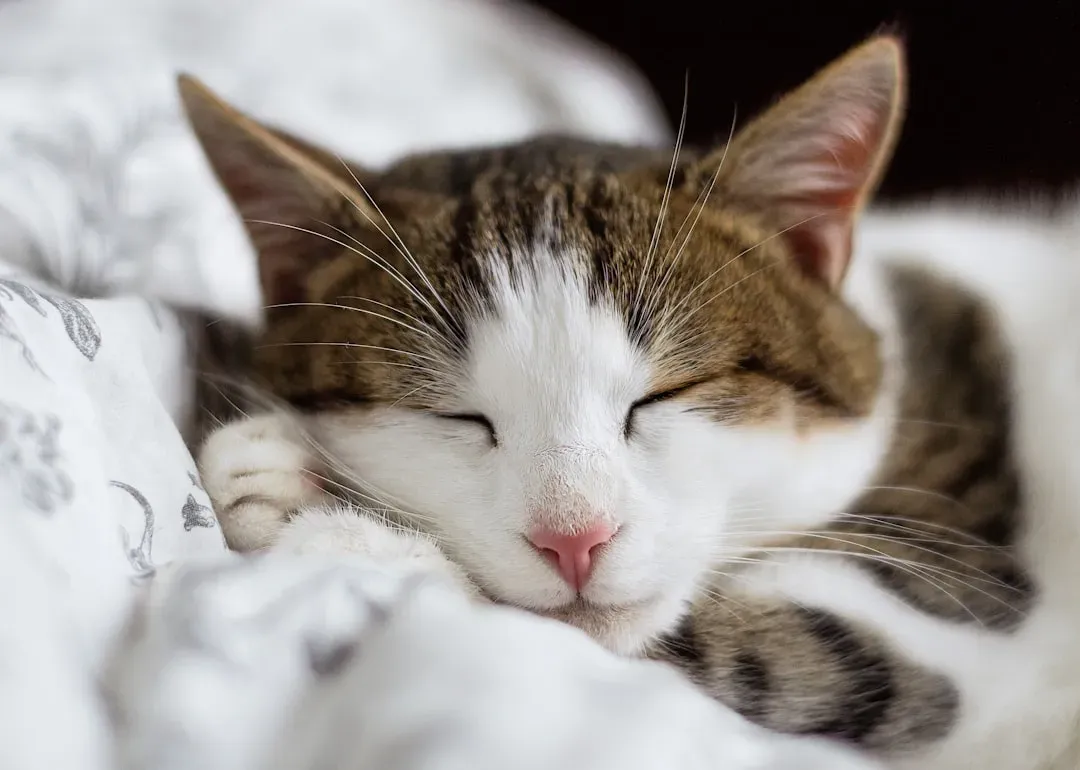
Deep sleep occurs for the rest of the time your cat is sleeping, and this is a crucial stage as it's responsible for the rebuilding and repairing of the body. Sleep isn't just about dreaming. It's essential maintenance time for your cat's entire system. Dreaming is an important phenomenon that helps the brain process the activities of the day, and although the specifics of a cat's dreams are unknown, it's likely that their brain is reviewing the day's activities, consolidating memories, and processing various experiences, helping to reinforce learning, retain memories, and even serve as a form of enrichment.
When you watch your cat sleeping peacefully with those occasional twitches, you're witnessing something genuinely remarkable. You're seeing their brain at work, sorting through experiences, strengthening memories, and quite possibly imagining themselves as the mighty hunter they were born to be - even if the most dangerous thing they caught today was a stray piece of kibble that rolled under the refrigerator.
Those tiny movements, the soft chirps, the paddling paws - they're all part of a complex neurological process that connects your pampered house cat to their wild ancestors and to us as fellow dreamers. What a gift it is to share our homes with these mysterious, twitchy little creatures.
What do you think your cat dreams about most? Tell us in the comments.