You’ve probably never seen one. That’s not surprising. Even scientists struggle to catch glimpses of this elusive feline as it moves through the emerald canopy of Southeast Asian forests like a whisper. The clouded leopard is one of nature’s most secretive creations, a cat that seems to have borrowed features from ancient saber-toothed predators yet remains entirely modern in its struggle for survival.
These wild cats inhabit dense forests from the foothills of the Himalayas through Northeast India and Bhutan to mainland Southeast Asia into South China. Right now, they’re disappearing faster than we can study them, and most people will never know what we’re losing.
A Living Ghost With Saber-Tooth Credentials
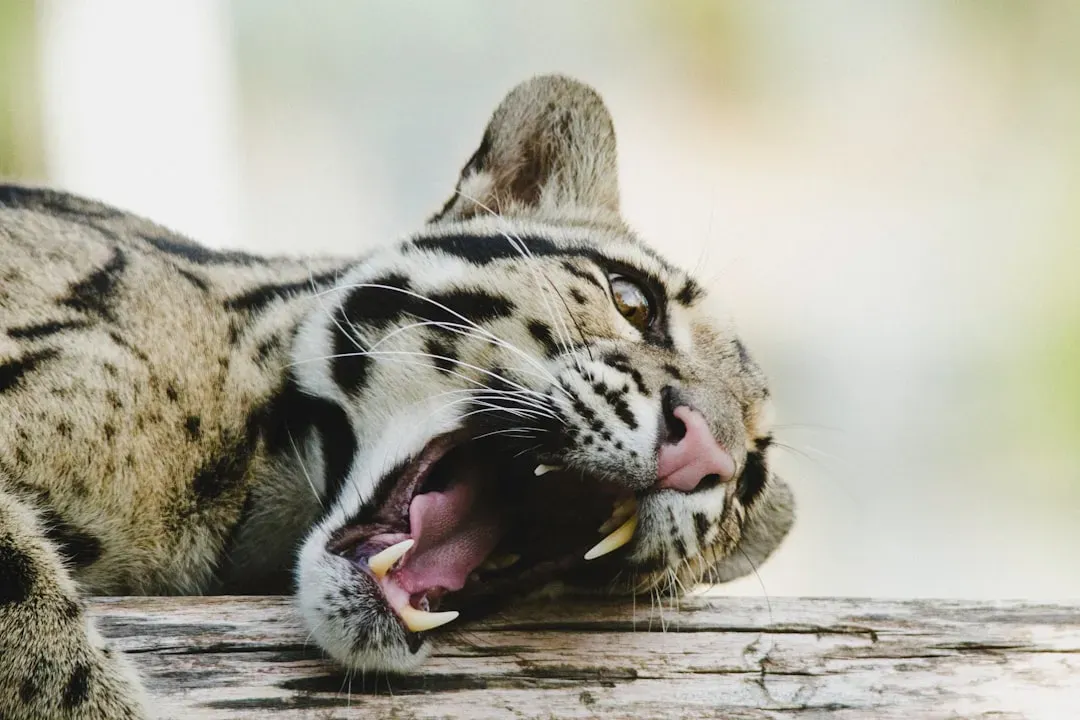
What makes this cat so extraordinary? Picture an animal that sits right between small and big cats, unable to roar like a lion or purr like your house tabby. The clouded leopard is frequently described as bridging the gap between big and small cats due largely to its smaller stature.
Clouded leopards can open their jaws wider than any other cat, and their canine teeth are the longest relative to body size of any feline, with 2-inch-long canine teeth the same size as a tiger’s, even though a tiger is 10 times bigger. Think about that for a second. These teeth hint at an ancient lineage, one that diverged from other big cats millions of years ago. Some researchers believe they’re living echoes of prehistoric predators.
Masters of the Vertical World
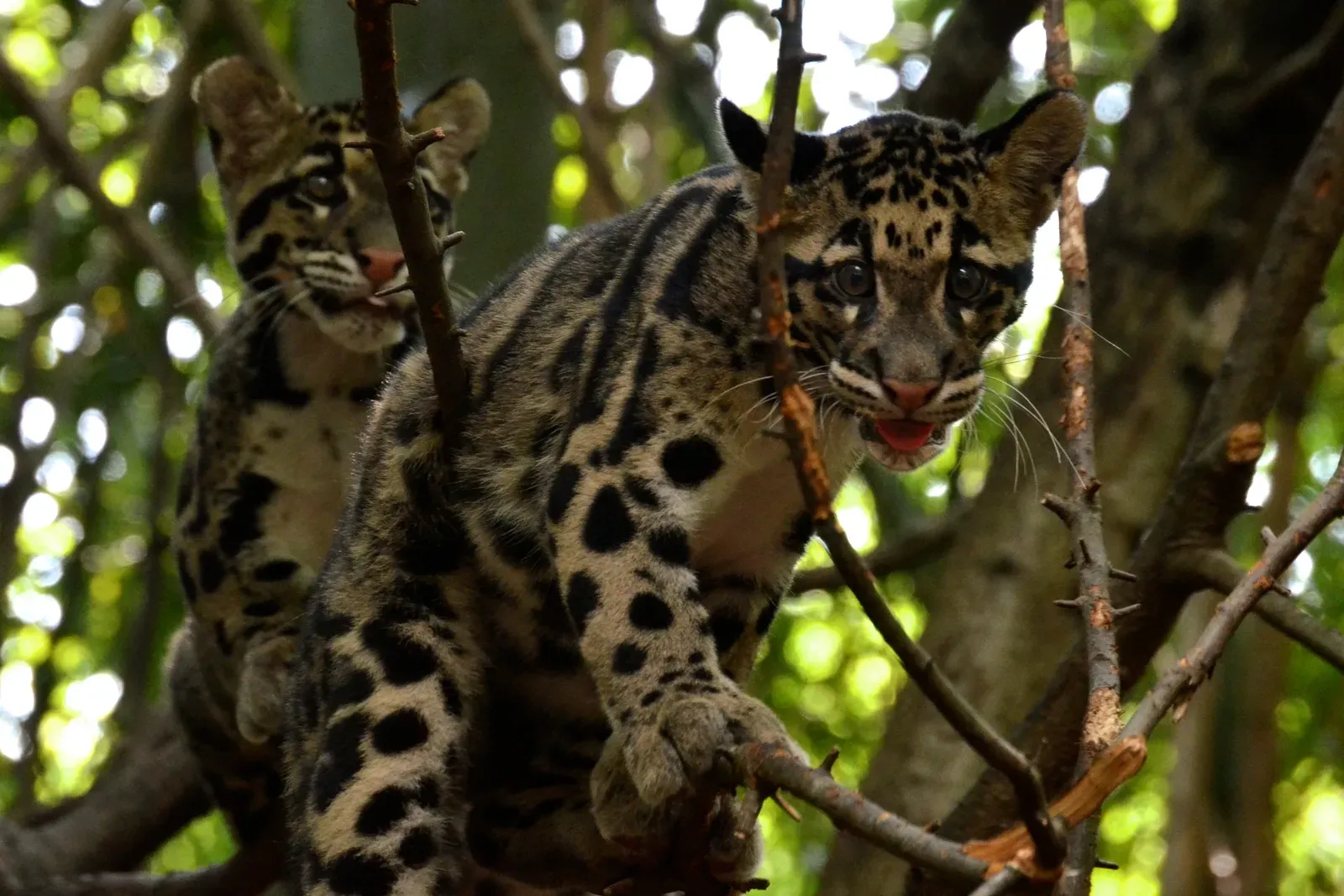
They can climb while hanging upside-down under branches and descend tree trunks head-first. Let’s be real, how many animals can do that? Squirrels, perhaps, and a few others. Yet the clouded leopard manages this feat despite weighing up to roughly fifty pounds.
Their secret lies in specialized anatomy. Clouded leopards have large, dexterous paws with specialized footpads for gripping branches, and specialized anklebones allow varied position for climbing, including climbing headfirst down trees. Their tail, which can be as long as their entire body, works like a counterbalance as they navigate through branches dozens of feet above the forest floor.
The Coat That Gives Them Their Name
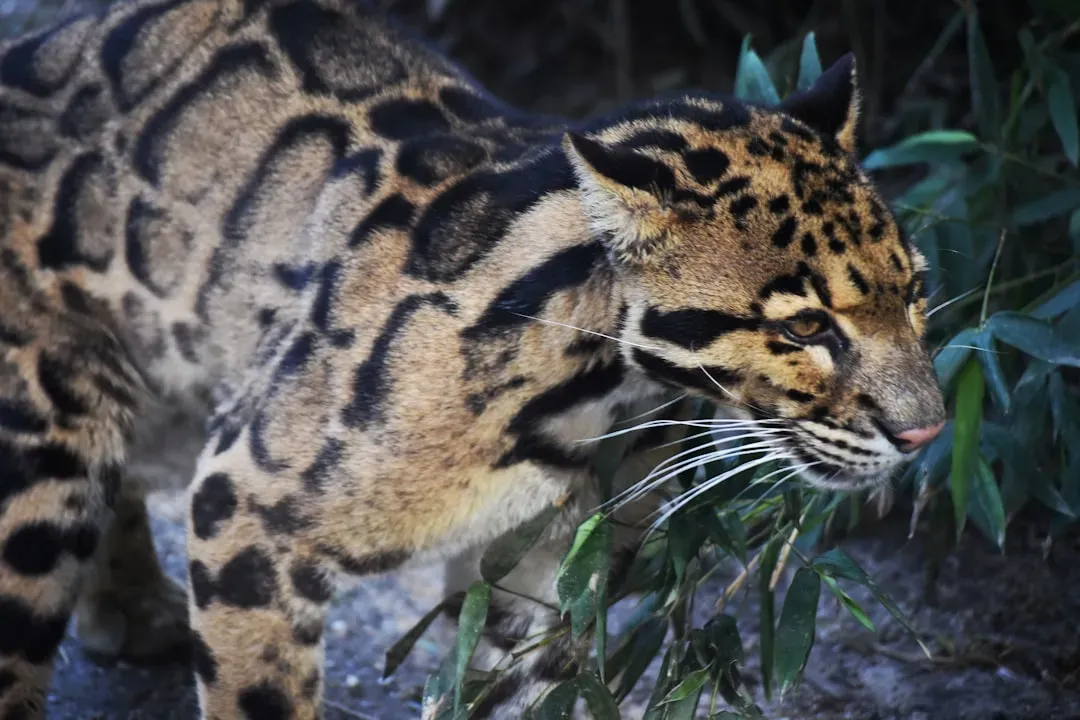
The clouded leopard is named after the distinctive clouds on its coat, with ellipses partially edged in black and the insides a darker colour than the background colour of the pelt, with the base of the fur a pale yellow to rich brown. These aren’t just pretty patterns. In the dappled light filtering through the forest canopy, these markings make the cats nearly invisible.
I’ve always found it fascinating how evolution creates perfect camouflage. The irregular cloud-like blotches break up the cat’s outline completely when sunlight plays through leaves above. The clouded leopard is a medium-sized cat, 60 to 110 cm long and weighing between 11 and 20kg, making them substantial yet agile enough to hunt both in trees and on the ground.
Where Shadows Still Roam
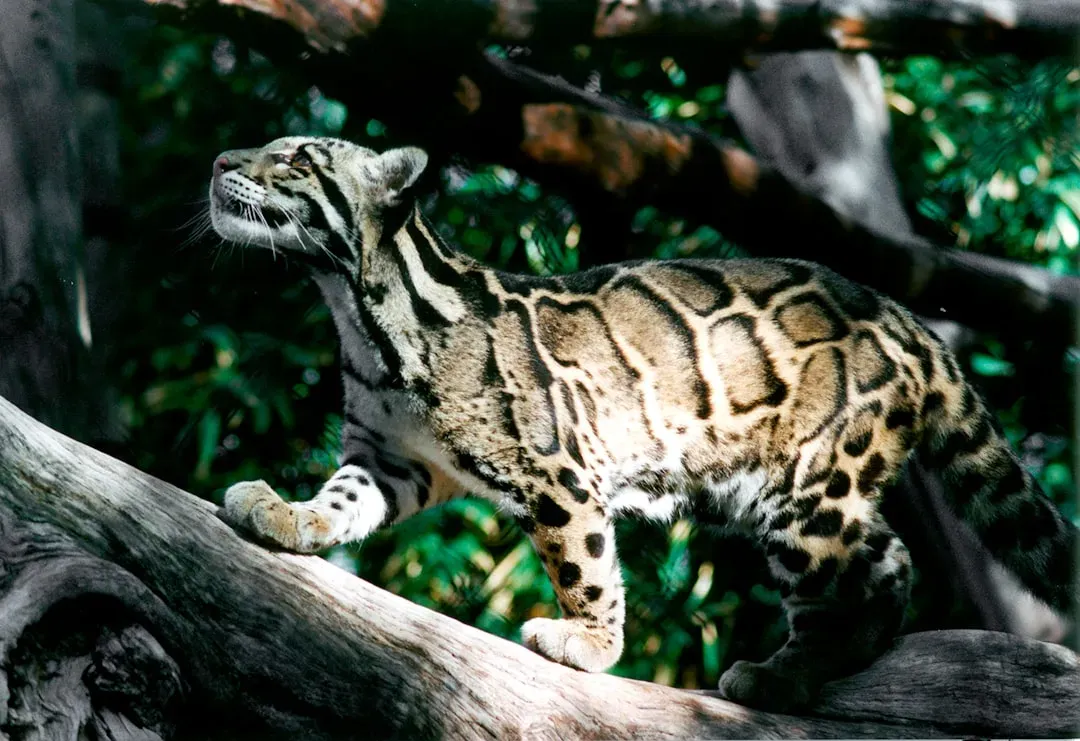
The clouded leopard is found across Southeast Asia and the Himalayas in the following countries: southern China, Bhutan, Nepal, northeast India, Burma, Thailand, Vietnam, Malaysia, Cambodia, Laos, and Bangladesh. That sounds like a wide range, right? The reality is grimmer than it appears.
Today, the clouded leopard is locally extinct in Singapore, Taiwan, and possibly also in Hainan Island and Vietnam. Their habitat is fragmenting like shattered glass across Southeast Asia. They prefer to live in lowland tropical rainforests but can also be found in dry woodlands and secondary forests, and in Borneo, they are reported to live in mangrove swamps.
A Population Vanishing Into Mist
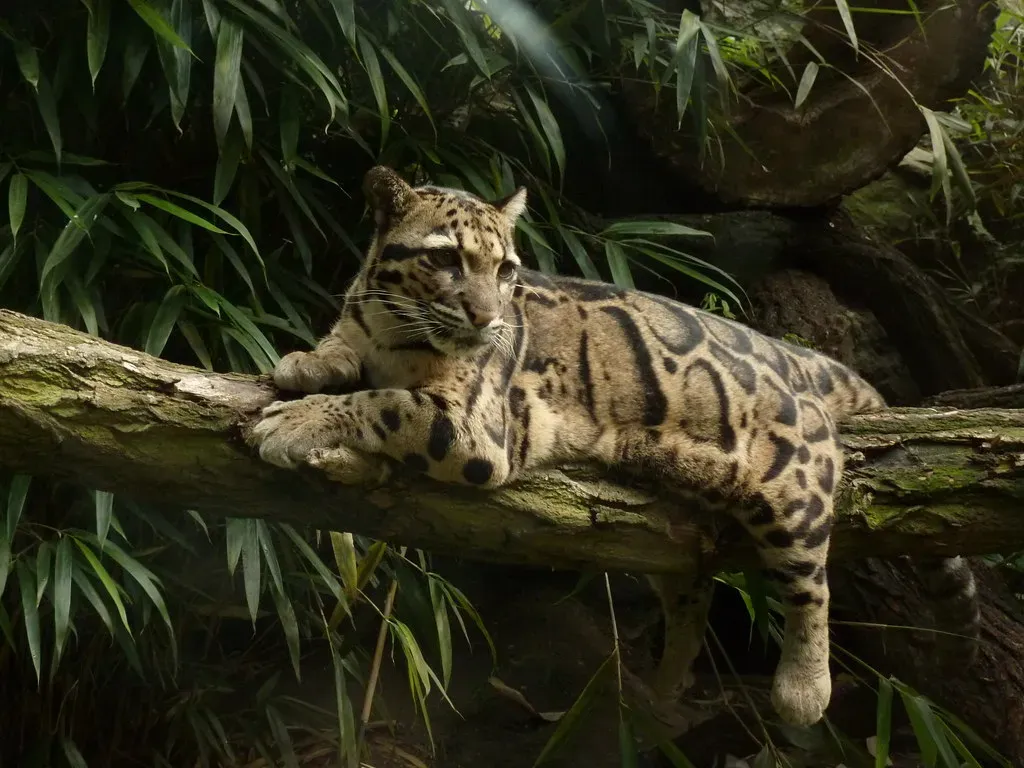
Here’s where things get truly concerning. It is estimated that less than 10,000 adult individuals still live in the wild and there is no single population of this species that includes more than 1,000 leopards. More recent assessments are even bleaker. A new assessment of the mainland clouded leopard’s conservation status has estimated the global population to be between 3,700 and 5,580 mature individuals.
That’s fewer clouded leopards than there are tigers in the wild today. Think about how much attention tigers receive. Meanwhile, clouded leopards slip toward oblivion almost unnoticed. The clouded leopard population is believed to have declined by over 30% in the last 20 years.
The Relentless Appetite for Their Forest Homes
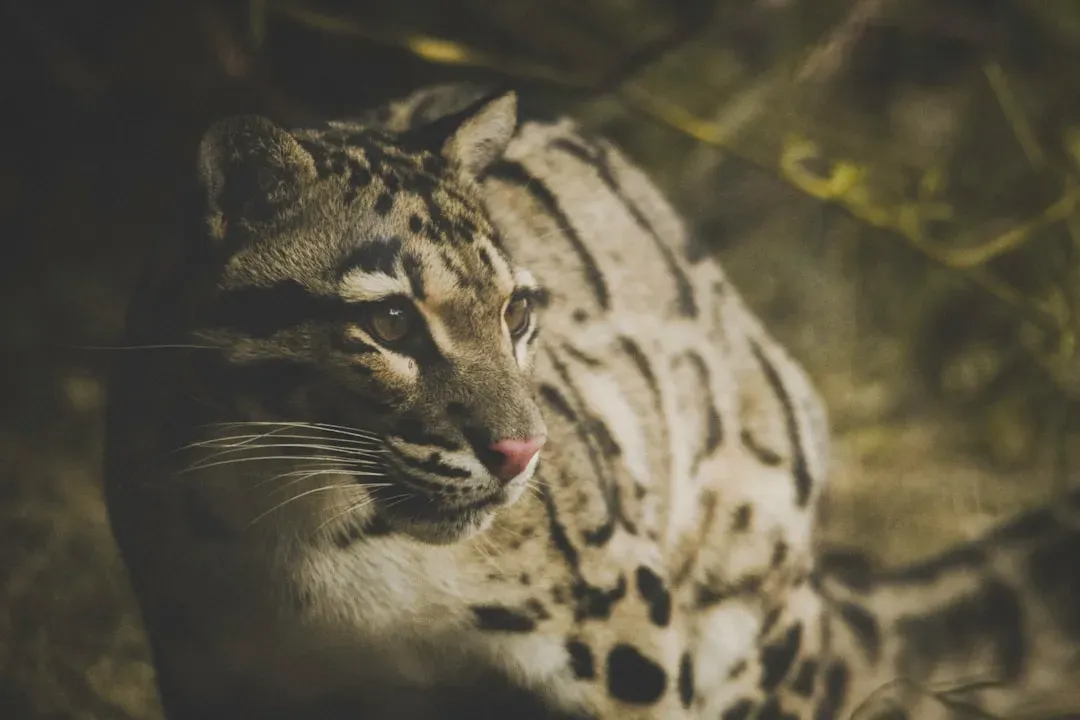
Deforestation in the tropical regions of Southeast Asia is the most serious threat to the clouded leopard, with the species natural habitat fragmented and decreasing at a rate of 10% per year since 1997. Ten percent every single year. That’s staggering when you pause to calculate the cumulative loss.
A major cause of habitat loss comes from the burgeoning palm oil industry, where natural forests are cut down and replaced with a monoculture of oil palm plantations. Your morning chocolate spread or that processed snack might contain palm oil harvested from what was once clouded leopard territory. The connection between our consumption and their survival isn’t abstract, it’s tragically direct.
Hunted for Beauty and Superstition
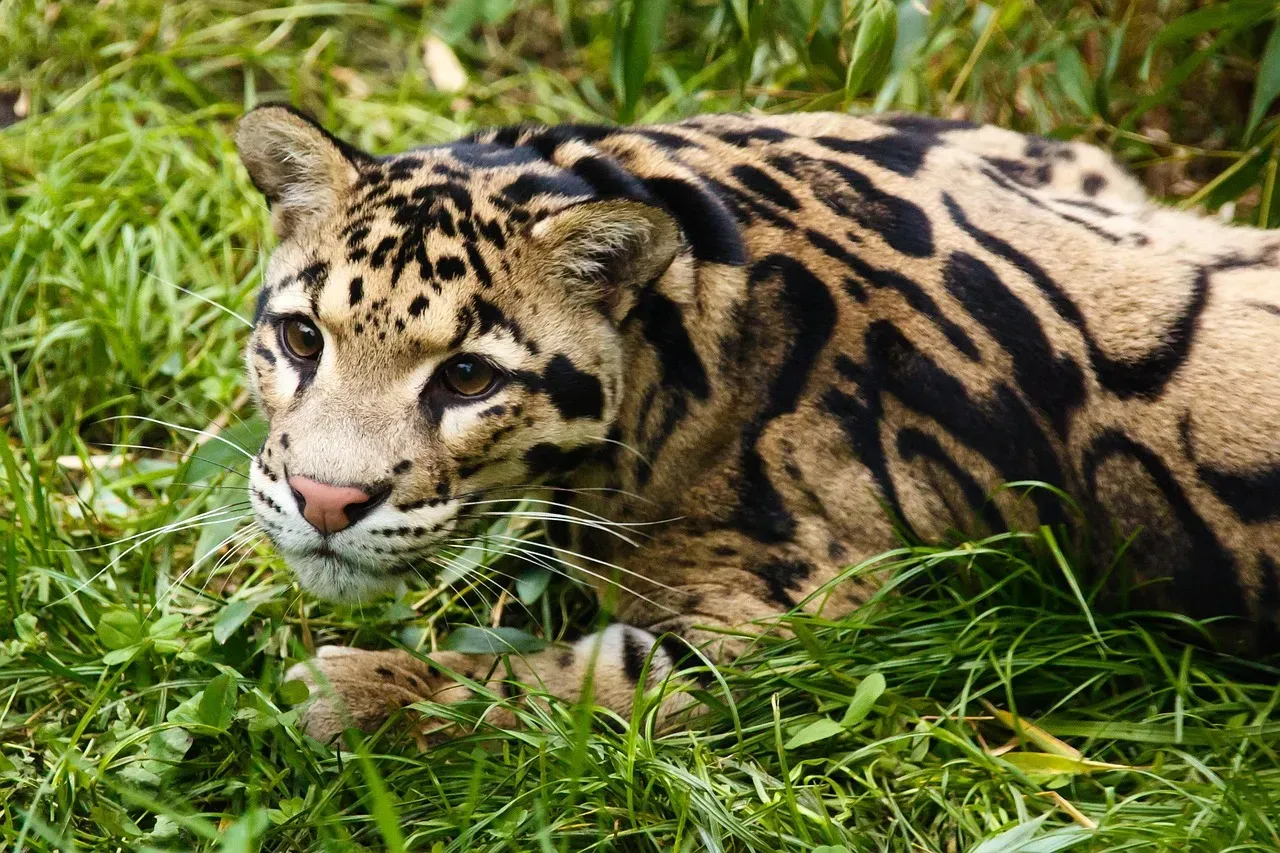
The clouded leopard is widely hunted for its teeth and decorative pelt, and for bones for the traditional Asian medicinal trade, with clouded leopard pelts reported on sale in markets in China, Burma, Laos, Vietnam, Cambodia, Nepal and Thailand. Their stunning coat becomes their death sentence.
In Myanmar, 301 body parts of at least 279 clouded leopards, mostly skins and skeletons, were observed in four markets surveyed between 1991 and 2006, despite the protected status of clouded leopards in Myanmar. The illegal wildlife trade treats these rare cats as commodities. In 2005, more than eighty clouded leopard pelts were for sale in one market in Myanmar, and restaurants in Thailand and China that cater to wealthy Asian tourists also feature clouded leopard meat on their menus.
A Genetic Crisis Brewing in Isolation
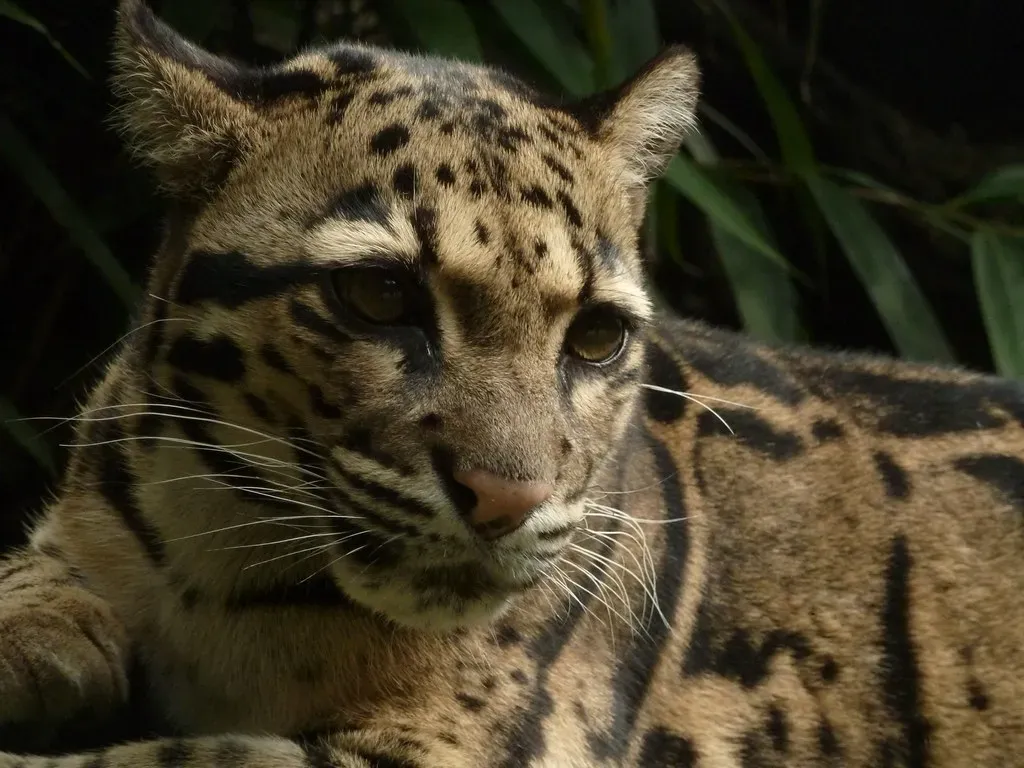
Recent genomic research has revealed something deeply troubling. New genomic evidence indicates that both species of the big cat have low levels of genetic diversity and high rates of inbreeding and negative genetic mutations, factors that could ultimately compromise their long-term survival in the wild.
When populations become fragmented and isolated, they can’t exchange genes. As habitat loss and local extinctions increasingly fragment populations of the big cat, lack of genetic diversity poses a threat to its long-term survival, with inbreeding an issue the conservation community in the region will have to eventually address. Small, isolated groups begin breeding with close relatives, accumulating harmful mutations that weaken the population’s overall fitness.
The Elusive Hunter’s Way of Life
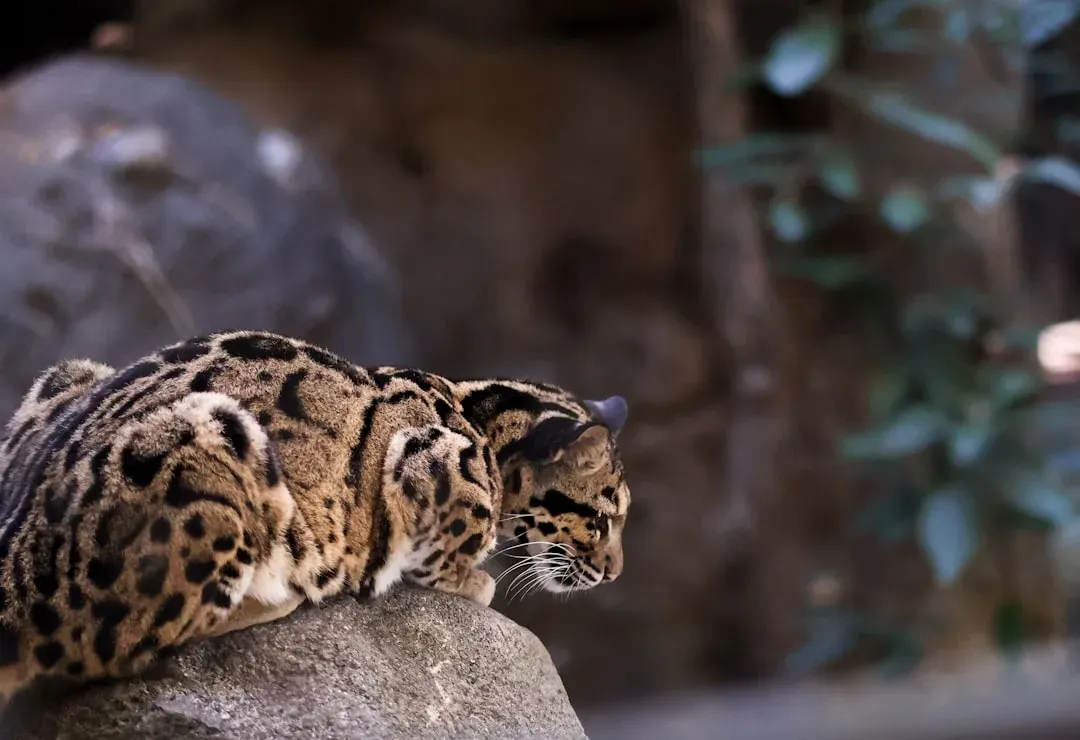
The clouded leopard is solitary and mostly cathemeral, meaning it can be active at any time of day and night, but mostly with slightly higher amounts of activity at night or crepuscule. Honestly, we know shockingly little about how these cats actually live in the wild.
Fewer than 10 clouded leopards in the wild have been radio-collared and studied, meaning 90 percent of what is known about clouded leopards comes from research on captive populations. They hunt gibbons, macaques, deer, wild boar, and smaller prey. When hunting, the clouded leopard stalks its prey or waits for the prey to approach, and after making and feeding on a kill, it usually retreats into trees to digest and rest.
Conservation Efforts Against the Clock
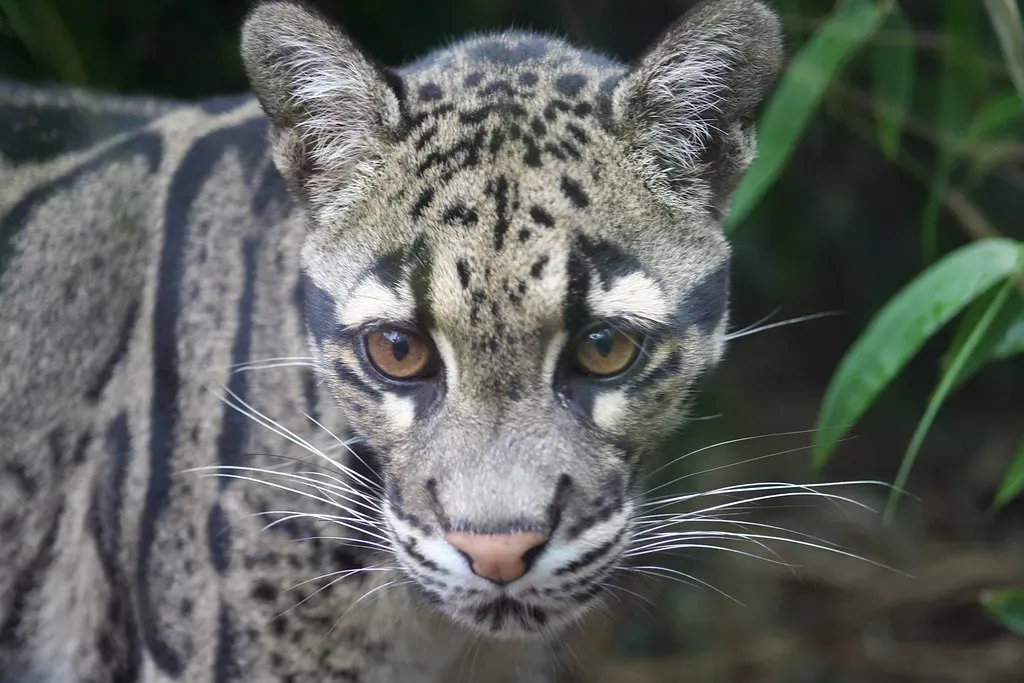
The clouded leopard has been listed as Vulnerable on the IUCN Red List since 2008, with the population threatened by large-scale deforestation and commercial poaching for the wildlife trade. Conservation groups are racing against time, deploying camera traps, training rangers, and working with local communities.
The team has assisted the Thailand Parks and Wildlife Department to arrest over 500 illegal loggers in Thap Lan World Heritage Park, which has prevented further destruction of the clouded leopard’s home. Small victories matter when you’re fighting to save a species. Community engagement programs teach locals about the importance of these cats while providing alternative livelihoods that don’t depend on forest destruction or hunting.
What Hangs in the Balance
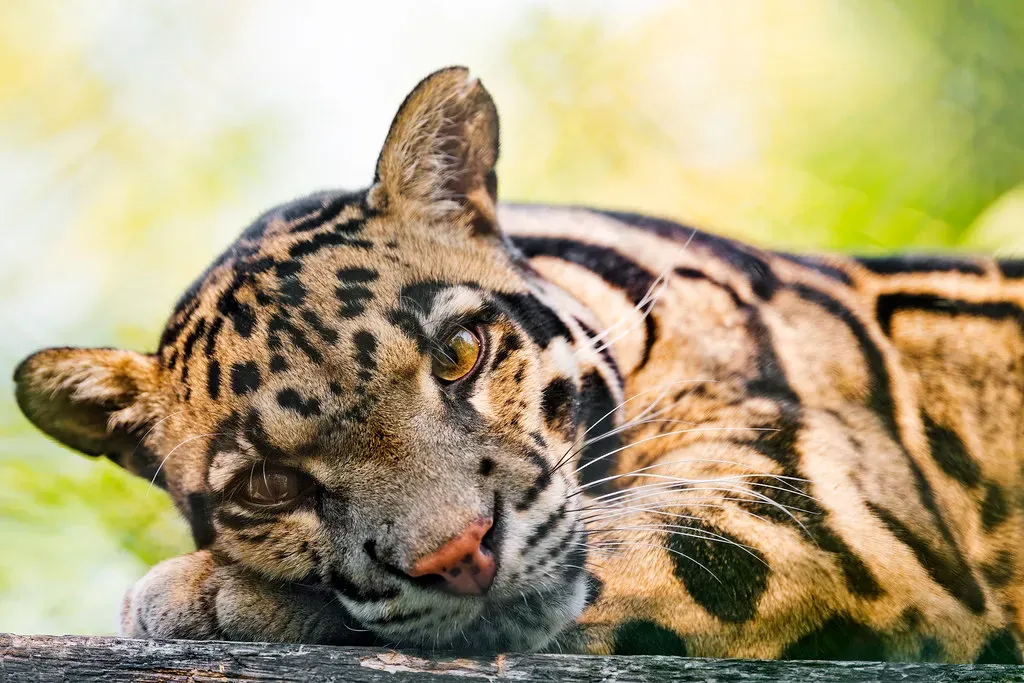
The clouded leopard represents something larger than itself. It’s an indicator species, one whose presence signals a healthy, functioning forest ecosystem. When clouded leopards vanish, it means the entire web of life in those forests is unraveling. We’re watching a ghost fade into nothingness.
These cats have survived for millions of years, outlasting ice ages and continental shifts. Yet they might not survive us. The forests they need continue shrinking, the illegal markets still operate, and habitat corridors that could connect isolated populations remain unprotected. The window for effective conservation action grows narrower each year.
What strikes me most is how few people even know these animals exist. You can walk through a zoo and find crowds around tiger exhibits while the clouded leopard enclosure sits nearly empty. We’re losing something irreplaceable, a creature that evolved extraordinary adaptations over millions of years, and most of humanity won’t even notice until it’s too late.
The fight for the clouded leopard’s survival continues in protected forests across Asia, in breeding programs, and in the work of dedicated conservationists. Whether it’s enough remains an open question. What do you think it will take to save these remarkable cats from disappearing forever?
Kristina is a young writer from India. An arts graduate and an avid content creator, Kristina is passionate about animals and wildlife. She enjoys exploring topics related to pet care, animal behavior, conservation, and nature, combining thorough research with engaging storytelling.