Have you ever woken up at three in the morning to the sound of your cat thundering through the house like they’re training for the Olympics? Maybe you’ve noticed your furry friend suddenly bursting into action just as you’re settling down for the evening, or perhaps they’ve serenaded you with persistent meowing when all you want is sleep. These nighttime shenanigans can feel mysterious, even bizarre, especially when your cat has spent most of the day snoozing peacefully on the couch.
Here’s the thing: your cat’s nocturnal behavior isn’t random or meant to torment you. There’s actually some fascinating biology and instinct at play. From ancient hunting patterns to special eye adaptations, your feline companion is wired differently than you are. Let’s dive into the surprising reasons behind these midnight escapades and discover what really drives your cat’s after-dark activities.
They’re Not Actually Nocturnal (Surprise!)
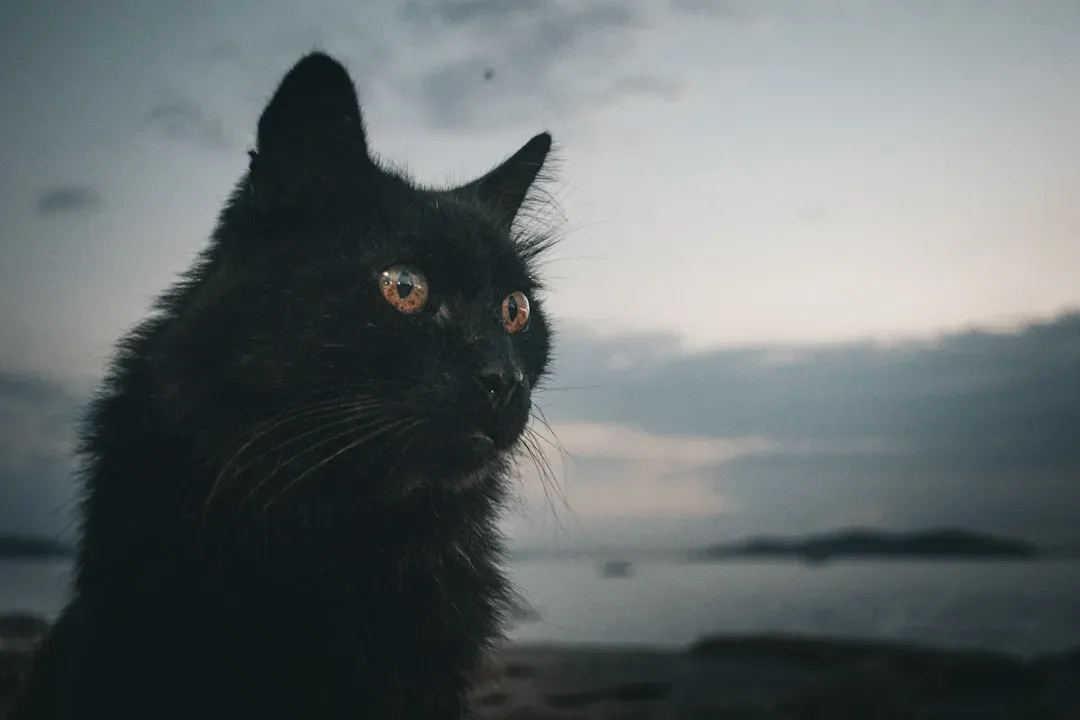
Cats are actually crepuscular, meaning they’re most active during dawn and dusk. This surprises many people who assume cats are completely nocturnal creatures. This is the most natural time for cats to be active since they normally are most active in hunting and exploration at dusk and dawn.
This behavior can be traced back to their wild ancestors, who hunted during these times to take advantage of cooler temperatures and the movement of prey. Even though your modern house cat doesn’t need to stalk mice for survival, those ancient instincts remain deeply ingrained in their DNA. Think of it as their internal alarm clock that simply refuses to be reset, no matter how domesticated they’ve become.
Those Incredible Eyes Are Built for Low Light
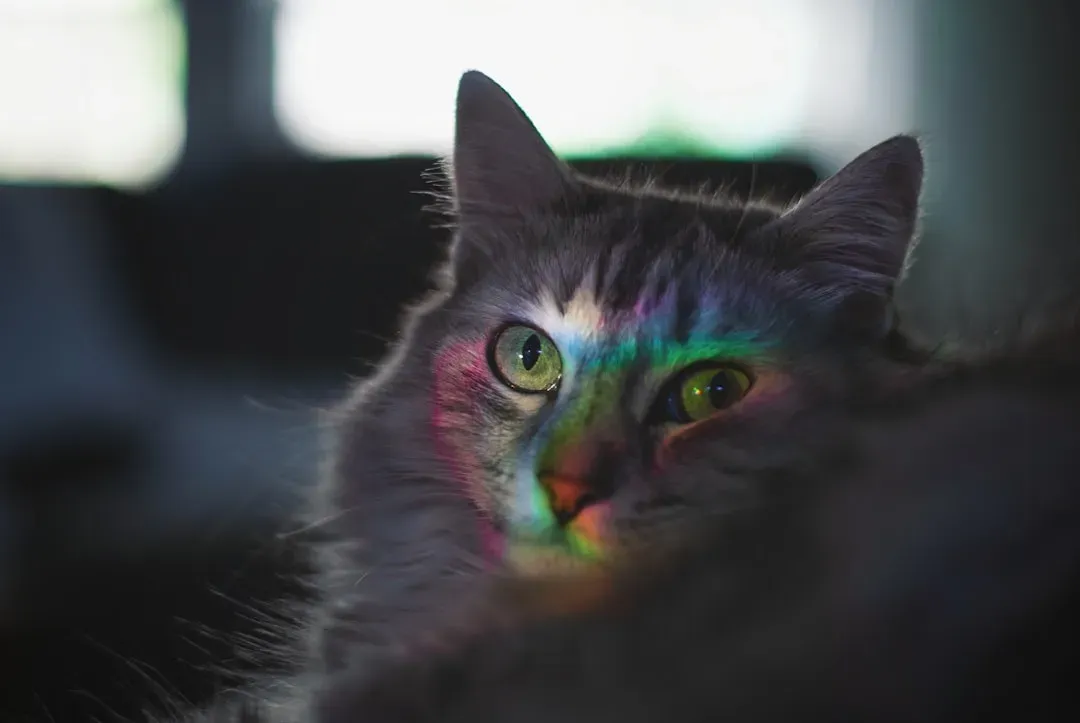
Your cat’s vision in dim conditions is honestly remarkable. Cats require only about one-sixth of the amount of light that humans need to see, which gives them a massive advantage when navigating your darkened hallway at midnight. Cats have a much higher concentration of rod cells compared to humans, which makes their vision more sensitive in low-light environments.
There’s also something called the tapetum lucidum, which sounds like a Harry Potter spell but is actually far more practical. The tapetum lucidum is a reflective layer behind the retina that acts like a mirror, bouncing light back through the retina a second time. This is why your cat’s eyes seem to glow eerily when light hits them at night. Honestly, it’s both cool and slightly unsettling when you catch them staring at you in the dark.
The Infamous Midnight Zoomies Explained
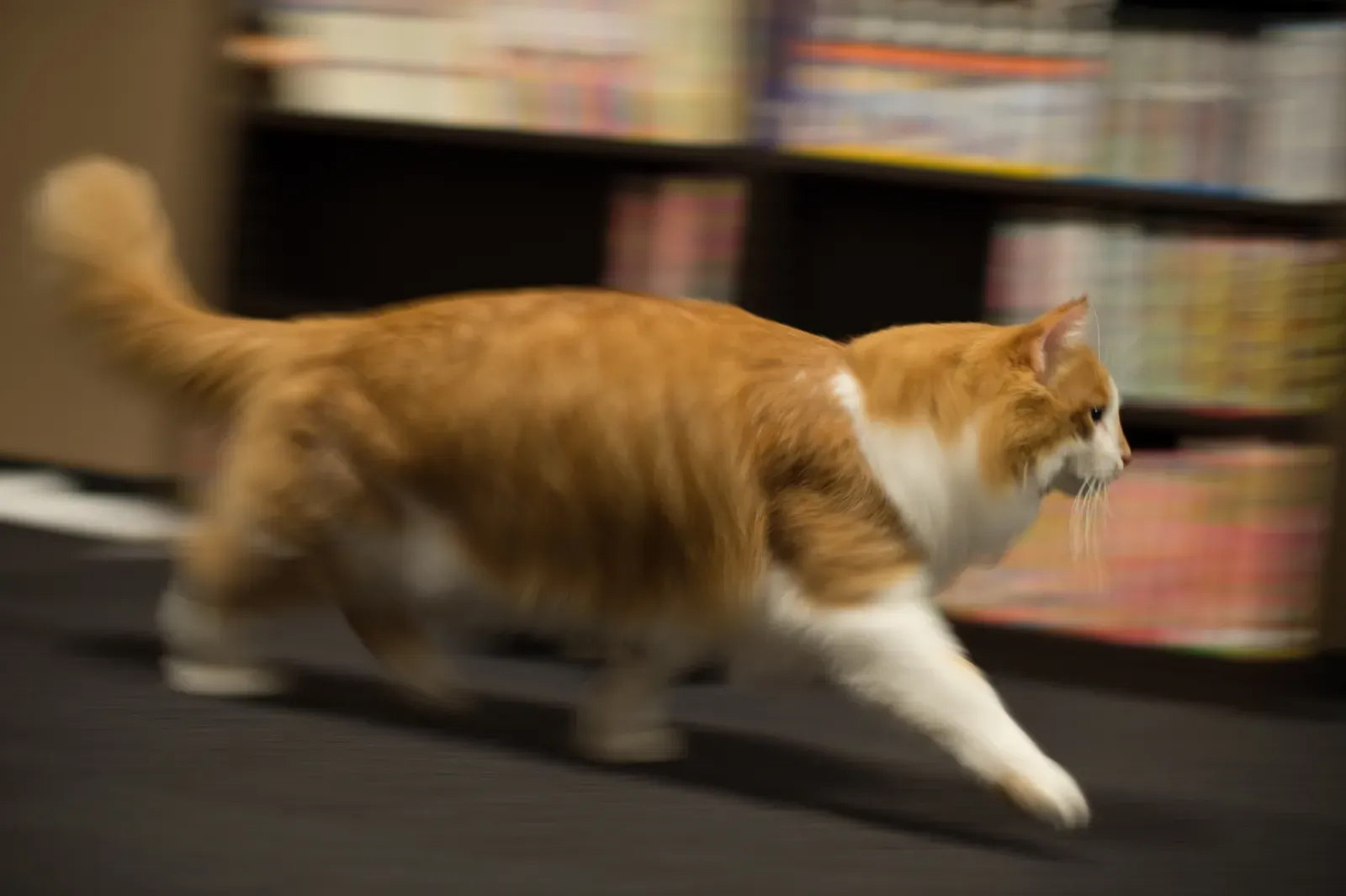
Frenetic random activity periods (FRAPs), also colloquially known as zoomies, are random bursts of energy occurring in cats in which they run frenetically, commonly in circles. If you’ve witnessed this phenomenon, you know exactly how chaotic it can be. Built-up energy eventually comes out in a short, quick rush, especially if your cat has been napping most of the day.
Zoomies are a form of instinctual play behavior that serves as an outlet for pent-up energy and satisfies your cat’s predatory instincts. Your cat isn’t possessed or losing their mind. They’re simply releasing all that stored energy in one explosive burst. Younger cats tend to experience more intense zoomies, though honestly, even older cats can surprise you with occasional midnight sprints.
Boredom During the Day Leads to Nighttime Chaos
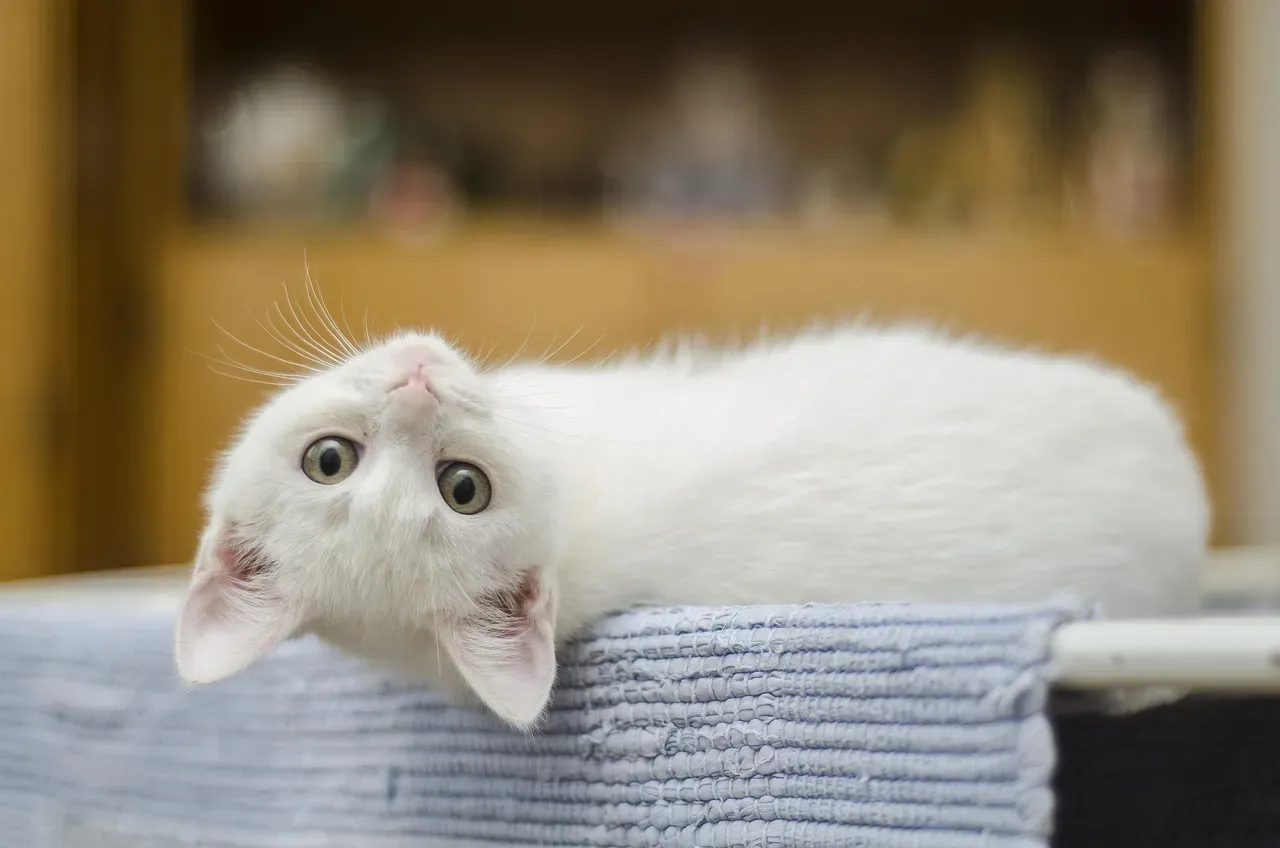
Let’s be real: if you’re at work all day, your cat is probably sleeping through most of it. Since many owners are out at work or school during the day, the cat may spend the daytime hours in rest and relaxation, especially if it is the only pet in the household. Then you come home, and suddenly it’s party time from your cat’s perspective.
If they don’t get enough stimulation during the day, they might become more active at night. This creates a frustrating cycle where your cat essentially flips their schedule to match when you’re available. Cats sleep for an average of 13 to 14 hours a day, leaving plenty of stored energy for when they’re awake, and if they haven’t expended enough energy during the day, they may have zoomies at night.
Hunger Pangs Strike at Inconvenient Times
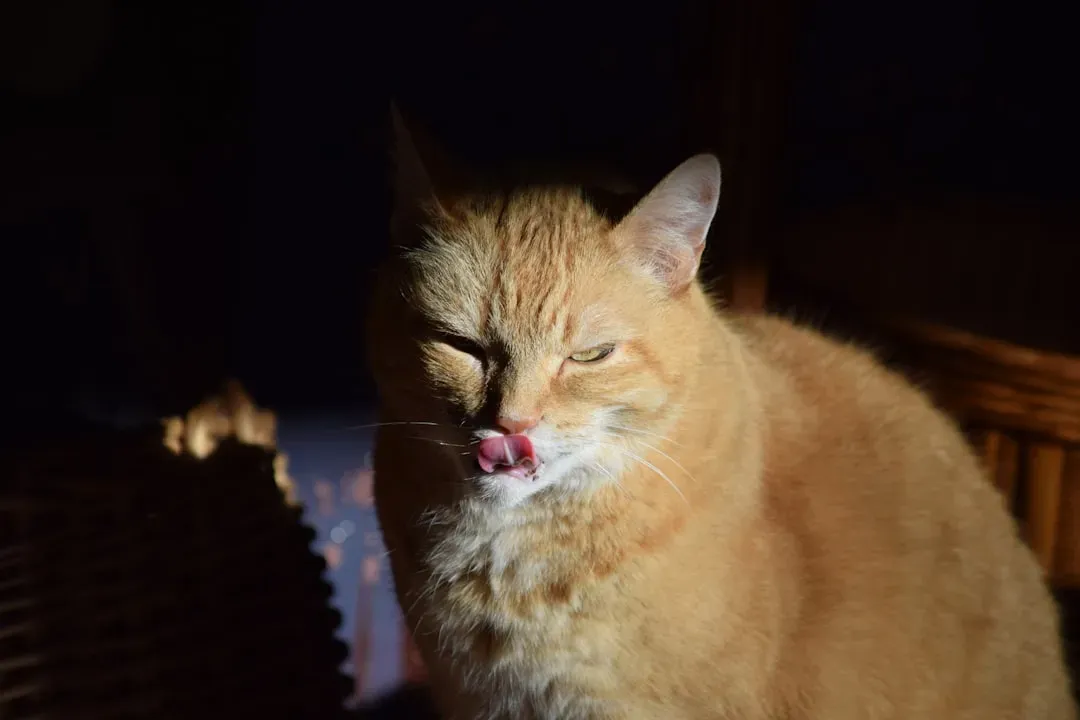
Nocturnal meowing may be a sign that your cat is ravenous and wants you to create the kitty version of a Dagwood sandwich to satisfy their craving. Sometimes it really is that simple. Your cat has an empty stomach and knows exactly how to get your attention about it.
Cats tend to sleep after a big meal, so try feeding your cat their main meal just before your bedtime to encourage them to sleep through the night. This mimics the natural predatory cycle where cats hunt, eat, and then rest. If you’re feeding your cat early in the evening, they might genuinely be hungry by the middle of the night.
Attention-Seeking Behavior That Actually Works
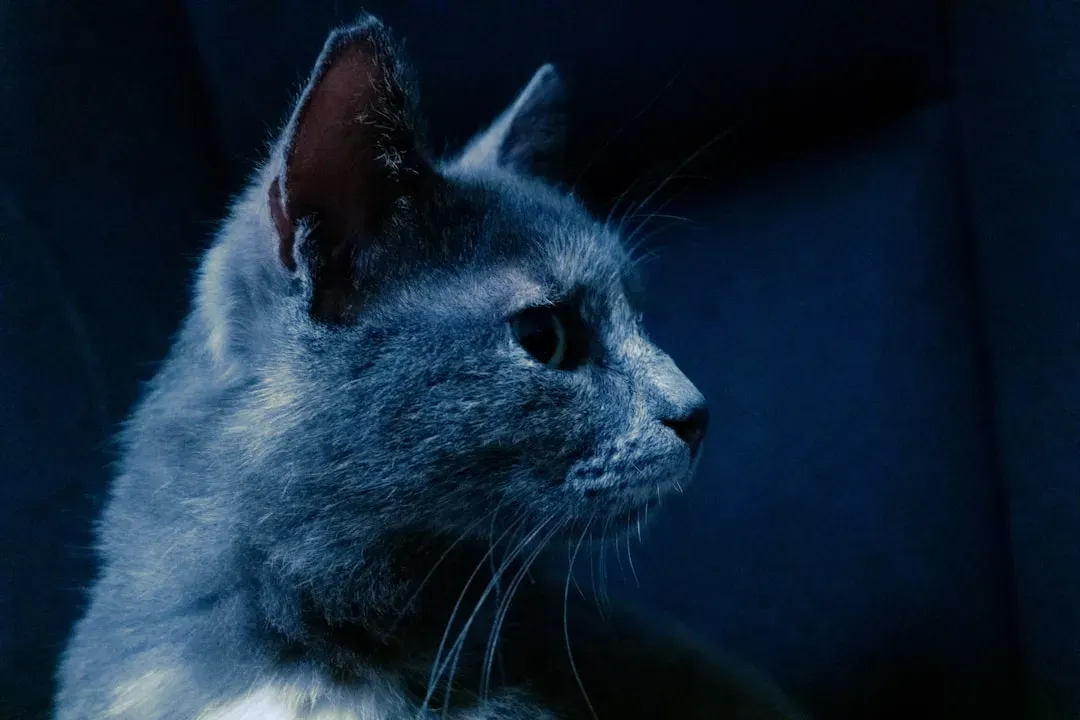
Here’s something you might not want to hear: you’ve probably trained your cat to wake you up. Many people reinforce boisterous nighttime activity without meaning to by getting up to feed, play with, or simply chase them out of the room, teaching the cat that disturbing you gets attention. Cats are incredibly smart about figuring out what works.
Rewarded behaviors become fixed behaviors, which means every time you respond to your cat’s nighttime demands, you’re essentially reinforcing that behavior. I know it’s hard to ignore a persistent meowing cat, especially when you’re exhausted, but responding only guarantees they’ll try again tomorrow night. It’s tough love, honestly, but sometimes necessary.
Medical Issues You Shouldn’t Ignore
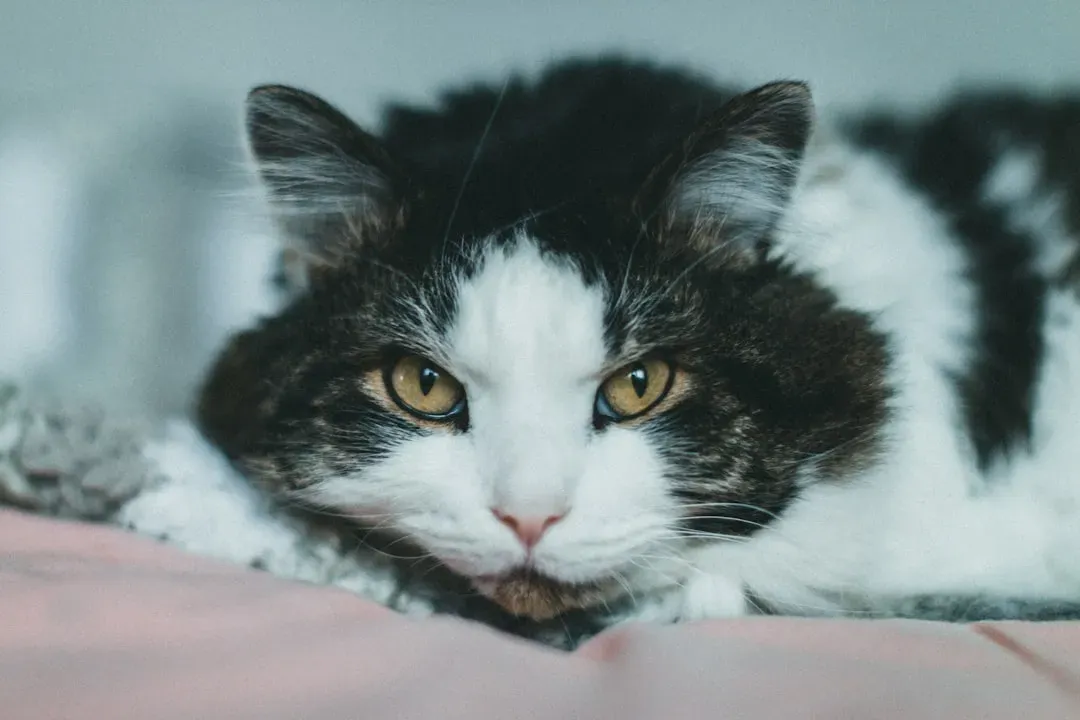
Sometimes excessive nighttime activity signals something more serious. Hyperthyroidism can cause increased energy and restlessness, particularly in older cats. As cats age, their cognitive function and night vision can deteriorate, causing feelings of insecurity, confusion, vulnerability, and disorientation.
Senior cats may be restless at night for different reasons, including changes in their sleep cycles, hearing loss, anxiety, or the onset of cognitive dysfunction, which can lead to vocalizing and increased wakefulness. If your cat’s nighttime behavior suddenly changes or becomes excessive, a veterinary visit is definitely warranted. Pain from arthritis or other conditions can also manifest as increased nighttime activity.
The Natural Hunting Instinct Never Really Fades
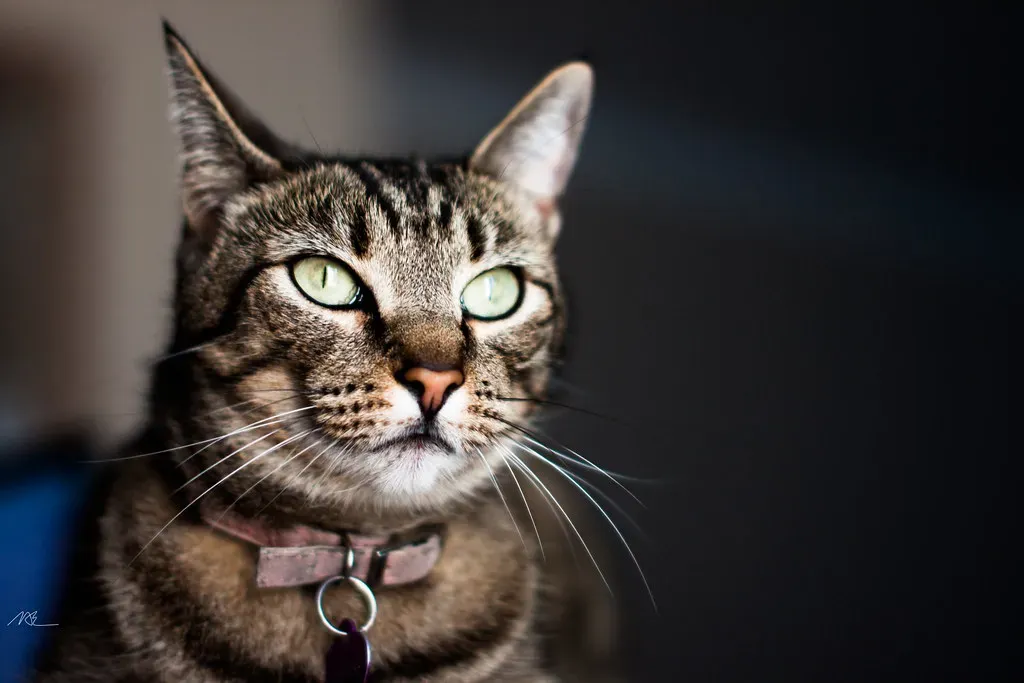
House cats don’t depend on hunting for their source of food, but this doesn’t mean those instincts are gone. Your cat’s brain is still hardwired to stalk, chase, and capture prey, even if that “prey” is just a shadow on your wall or a random dust bunny under the couch.
Birds and mice are very active at dawn, and cats evolved to take advantage of this by developing the ability to see in low-light conditions. This evolutionary adaptation means your cat is biologically programmed to be alert and active exactly when you’re trying to sleep. Their body is essentially telling them it’s prime hunting time, even though the only thing they need to hunt is their food bowl.
Environmental Changes and Anxiety Triggers
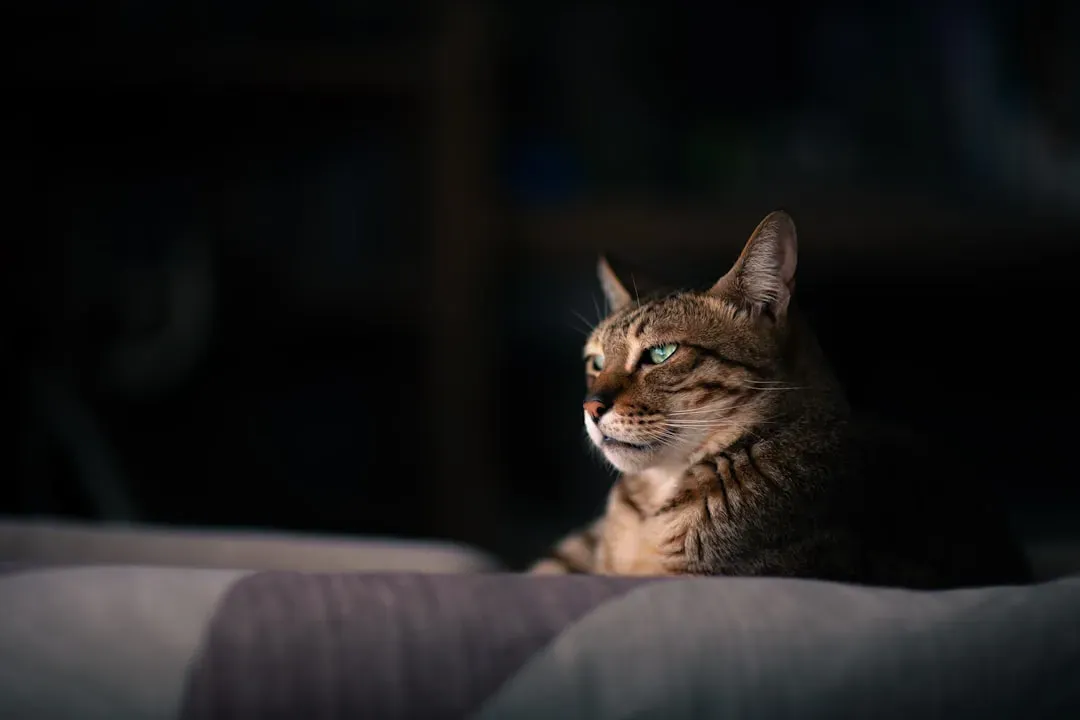
Expanding your family with a kitten, dog, or baby might confound your cat, making them more prone to meowing at night. Cats are sensitive creatures who thrive on routine and predictability. When something disrupts their familiar environment, they can become anxious and vocal about it.
Stress can cause nighttime zoomies, and cats will exhibit other symptoms of anxiety alongside zoomies, such as hiding, excessive grooming, increased vocalization, and change in appetite. Even seemingly minor changes like rearranging furniture or changing their litter brand can trigger stress responses. Some cats handle change better than others, but most prefer consistency over surprise.
Simple Solutions That Actually Help
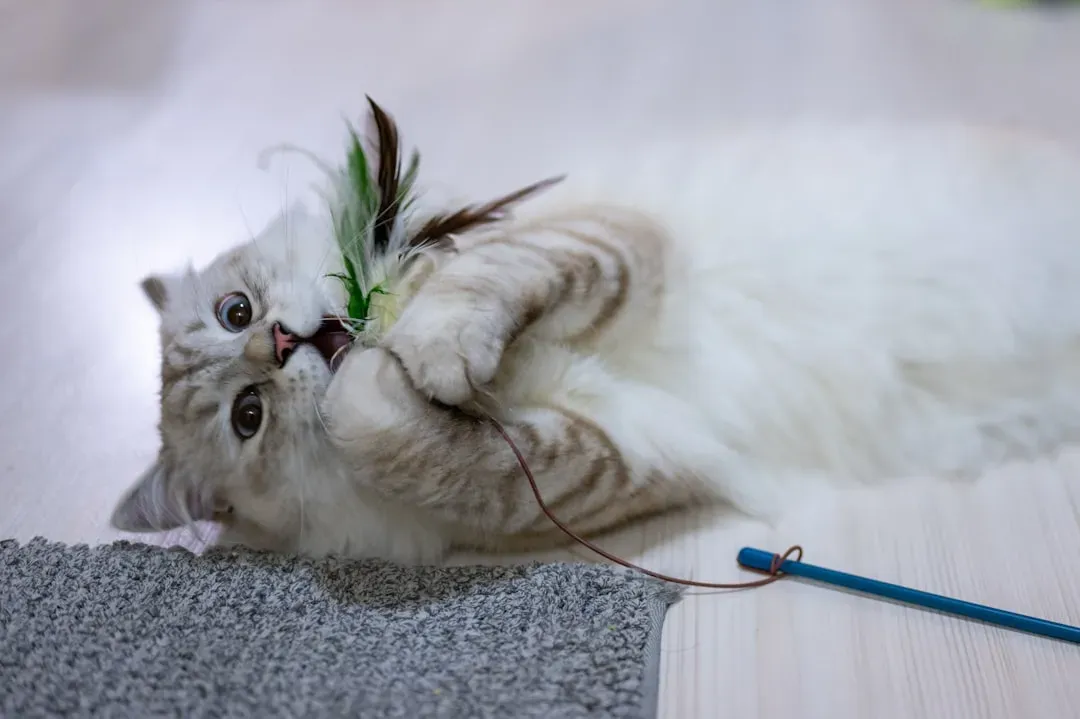
Engaging your cat in interactive play sessions, particularly in the evening using toys that mimic prey, like feather wands or laser pointers, can satisfy their hunting instincts. This helps tire them out before bedtime and addresses that natural predatory drive. The key is making playtime engaging and exhausting.
Encourage your cat to be more active during the day by providing food-filled toys or puzzles and hiding food dishes and toys in assorted locations so your cat gets exercise and mental stimulation while hunting for meals. Creating a consistent evening routine that includes play, followed by feeding, can significantly reduce nighttime disruptions. You might also consider getting a second cat if yours seems lonely, though that’s obviously a bigger commitment.
The Truth About Their Nighttime Adventures
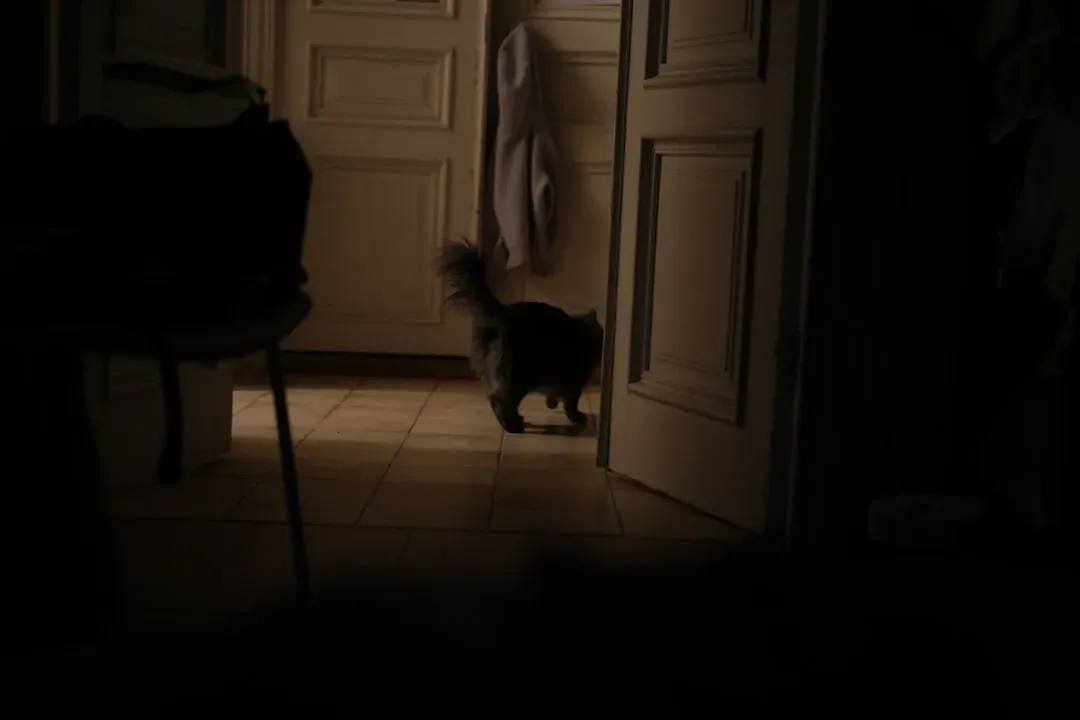
Your cat’s mysterious nighttime behavior isn’t really mysterious at all once you understand the biology and instinct driving it. They’re crepuscular hunters with exceptional night vision, boundless energy from daytime napping, and ancient instincts that refuse to acknowledge your need for eight hours of uninterrupted sleep. Sometimes they’re hungry, sometimes they’re bored, and occasionally they’re genuinely seeking your companionship.
The good news is that with some adjustments to their daytime routine, environmental enrichment, and strategic feeding times, you can usually reduce the midnight mayhem. Understanding why your cat behaves this way is the first step toward finding solutions that work for both of you. After all, those nighttime adventures are just your cat being exactly what nature designed them to be, even if that design doesn’t quite align with your sleep schedule. What strategies have worked for you in managing your cat’s nighttime escapades?
Kristina is a young writer from India. An arts graduate and an avid content creator, Kristina is passionate about animals and wildlife. She enjoys exploring topics related to pet care, animal behavior, conservation, and nature, combining thorough research with engaging storytelling.