Have you ever watched your cat drift off to sleep and wondered what those adorable positions really mean? Maybe your feline friend curls up on your chest at night, or perhaps they sprawl out belly-up in the middle of the living room. These aren’t just random choices. Your cat’s sleeping habits are actually revealing something profound about how they feel around you.
Cats are most vulnerable when they’re sleeping, and where they choose to rest can tell you whether they trust you and feel secure by your side. Let’s be real, understanding these subtle signals can transform the way you see your relationship with your feline companion. Ready to decode what your cat is really telling you through their slumber? Let’s dive in.
When Your Cat Chooses to Sleep Right on Top of You
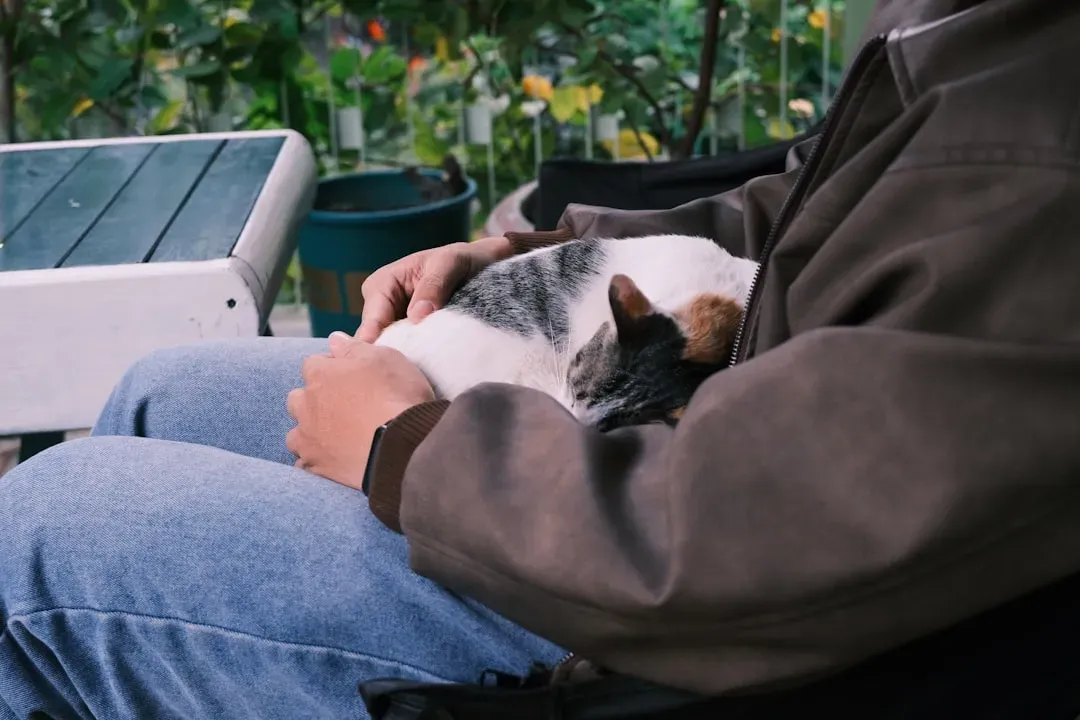
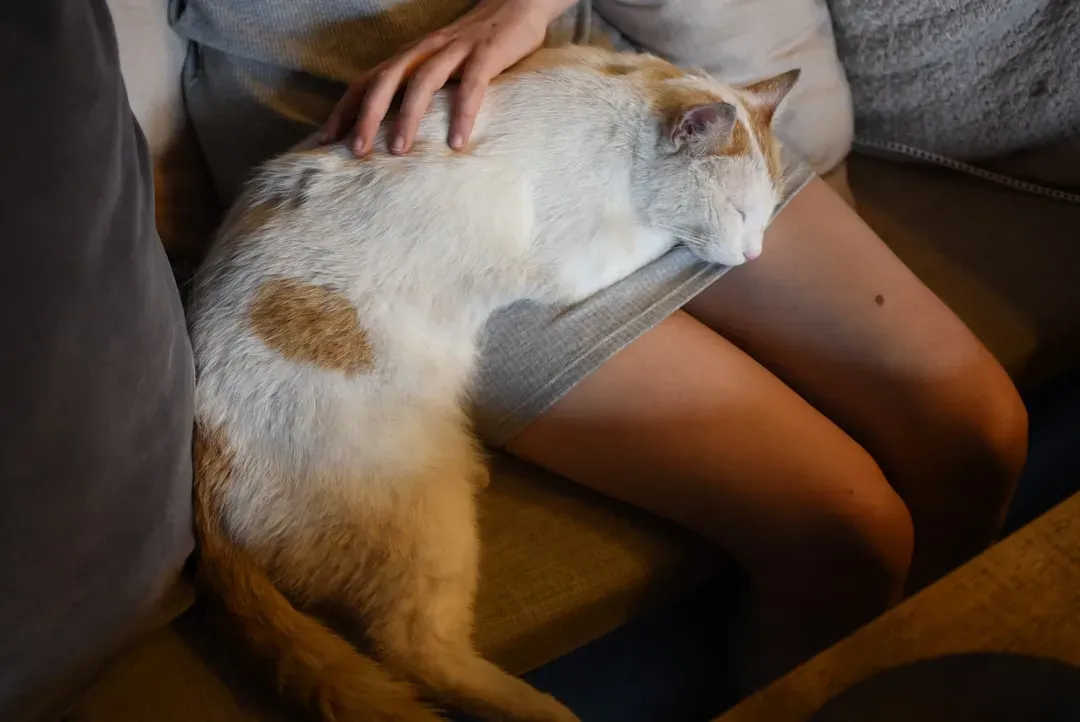
When a cat chooses to rest on you, it’s a sign of deep trust. Think about it from their perspective. In the wild, being asleep means being defenseless. When a cat chooses to sleep directly on you, especially in vulnerable positions like your chest or stomach, it means they feel completely safe, as the rhythmic sound of your heartbeat and breath provides comfort similar to that of a mother cat’s purring.
If you’re wondering why cats lay on you, it could be a sign of trust and affection, as they adjust their sleeping patterns to match yours, seeking the soothing rhythm of your heartbeat and breath, and marking you with their scent, an intimate gesture in the cat world. This is your cat literally claiming you as family. It’s hard to say for sure, but honestly, there’s something special about being chosen as someone’s safe haven.
The Belly-Up Position Is the Ultimate Compliment

If a cat is sleeping with their belly exposed, it means they feel very safe and confident. The stomach is their most vulnerable spot, so exposing it means they feel totally safe with you. This position is basically your cat saying they trust you completely.
Here’s the thing, though. You should probably not try to rub your cat’s belly when they are in this position, as most cats will still attempt to defend themselves when touched in the belly area. Even when they’re showing you this incredible trust, they still have boundaries. It’s one of those quirky contradictions that makes cats so fascinating to live with.
Sleeping Near Your Head Speaks Volumes About Bonding
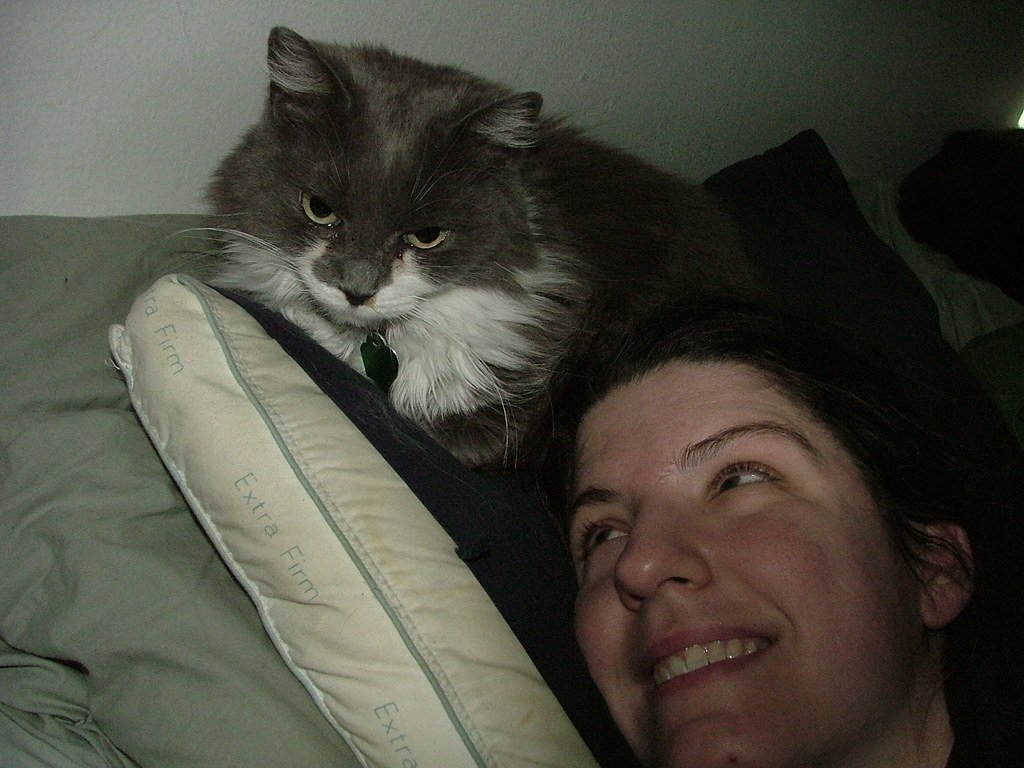
If your cat prefers to sleep close to your head, it’s a behavior rooted in scent, comfort, and emotional bonding. Your head remains relatively still throughout the night, making it an ideal sleeping spot, while its elevated position provides a sense of security. Your cat is drawn to the concentration of your scent there.
Sleeping near your head is a significant sign of trust and affection, as cats that form close social bonds tend to sleep in physical proximity to those they trust, demonstrating strong emotional bonds similar to how socially bonded cats sleep near one another. Honestly, if your cat wraps around your head like a fuzzy hat, you’ve been given one of the highest honors in the feline world.
Curled Up Beside You Shows Affection With Boundaries
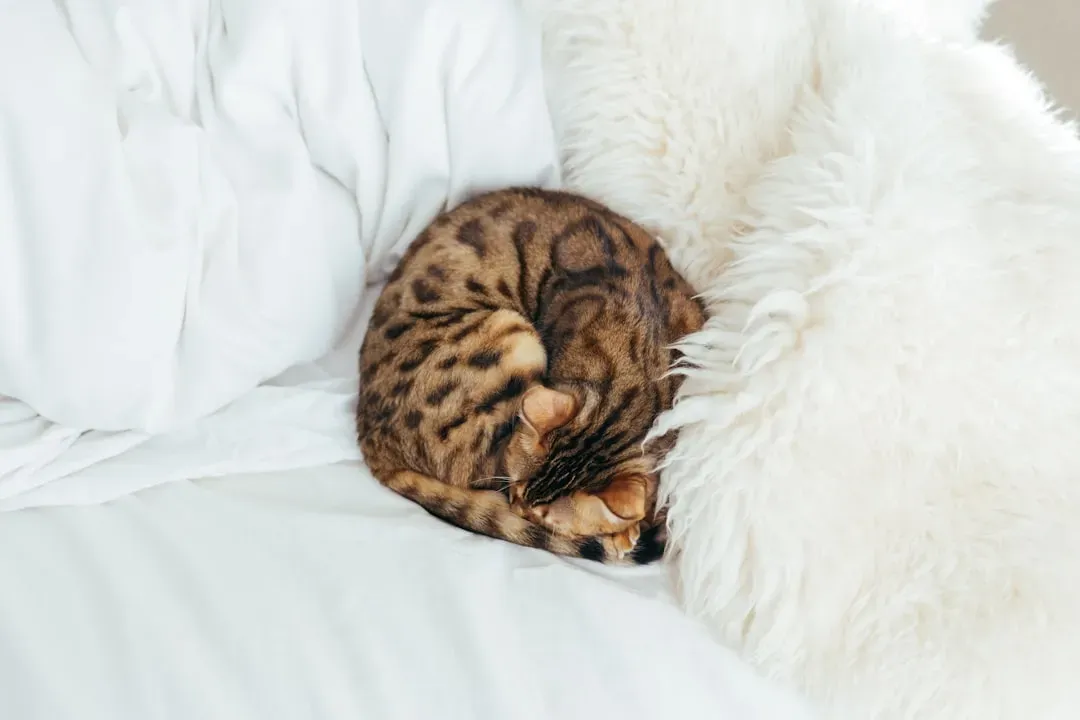
Cat sleeping positions with owner in bed that involve side-by-side contact indicate that your cat views you as an equal, as they aren’t necessarily seeking a parent or a heat lamp, they just enjoy your company, signaling a strong, confident social bond. Not every cat wants to be draped across your chest, and that’s perfectly fine. Some prefer a little personal space while still staying close.
This sleeping arrangement is actually a beautiful middle ground. Your cat feels safe enough to be near you during their most vulnerable time. Yet they’re maintaining their independence, which is very much on brand for most cats. It shows mutual respect and a comfortable coexistence that many pet parents dream of achieving.
The Classic Loaf Position Means Contentment With a Side of Caution

The classic cat body language pose features tucked paws and a perched position, meaning the cat is resting lightly but alert, conserving warmth while staying ready to spring, with a moderate trust signal as your cat feels safe but wants control of their limbs. This isn’t the deepest level of sleep, but it’s still a good sign. In this position, a cat tucks its paws underneath its body, resembling a loaf of bread, and though it’s not the most vulnerable position, it shows contentment and a readiness to rest while staying alert, with trust present but the cat still cautious.
Think of it as meditation mode. Your cat is relaxed enough to take a break, yet aware enough to react if needed. It’s pretty common during daytime naps when the household is bustling with activity.
Stretched Out on Their Side Signals Deep Relaxation
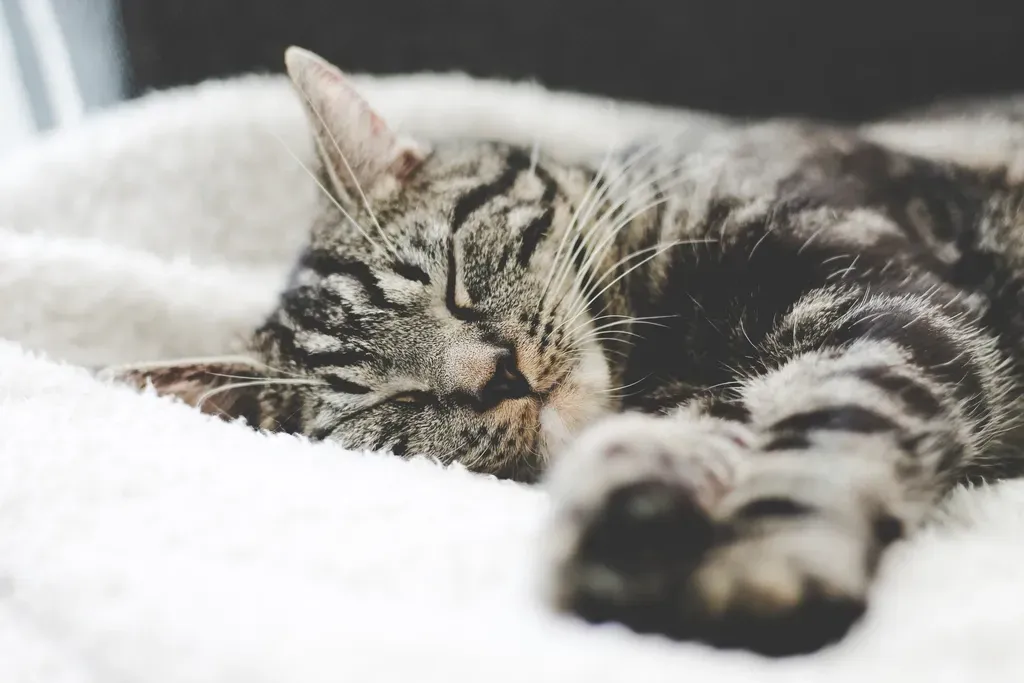
A cat lying on its side with limbs outstretched is in a deep, restful sleep, meaning they’re feeling safe, stress-free, and completely at ease in their environment, typically seen in well-adjusted, confident cats. This is one of those positions where your cat has truly let their guard down. Similar to sleeping on their back, your cat’s vital organs are exposed in this position, which means your cat is very comfortable with you.
If your cat is an avid side sleeper, then this means that they really do trust and feel comfortable around you, as this is one of the cat sleeping positions that leaves your feline friend most vulnerable. When you see your cat sprawled out like this, take it as a massive compliment. They’ve deemed your home a safe haven.
Sleeping at Your Feet Balances Closeness and Independence
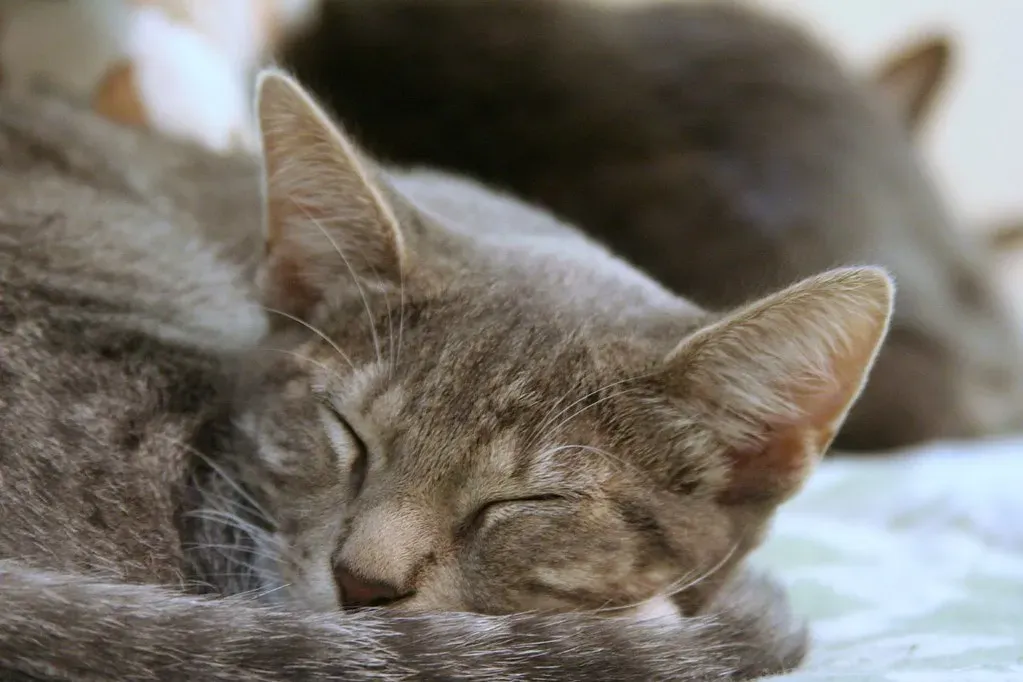
If your cat sleeps near your head, they crave your scent and attention, if they sleep between your legs, they are nesting for warmth and security, while sleeping at the foot of the bed usually means they love you but want to maintain their personal space and a clear view of the room. Some people worry this means their cat doesn’t love them as much. That’s not true at all.
Cats are naturally strategic about where they sleep, as their choice is influenced by security, warmth, alertness, social bonding, and scent familiarity, and they love companionship but on their own terms, preferring sleeping positions that give them both security and freedom. Your cat at your feet still wants to be near you. They’re just keeping their options open, which is totally normal feline behavior.
Tucked Under Blankets Shows a Need for Security
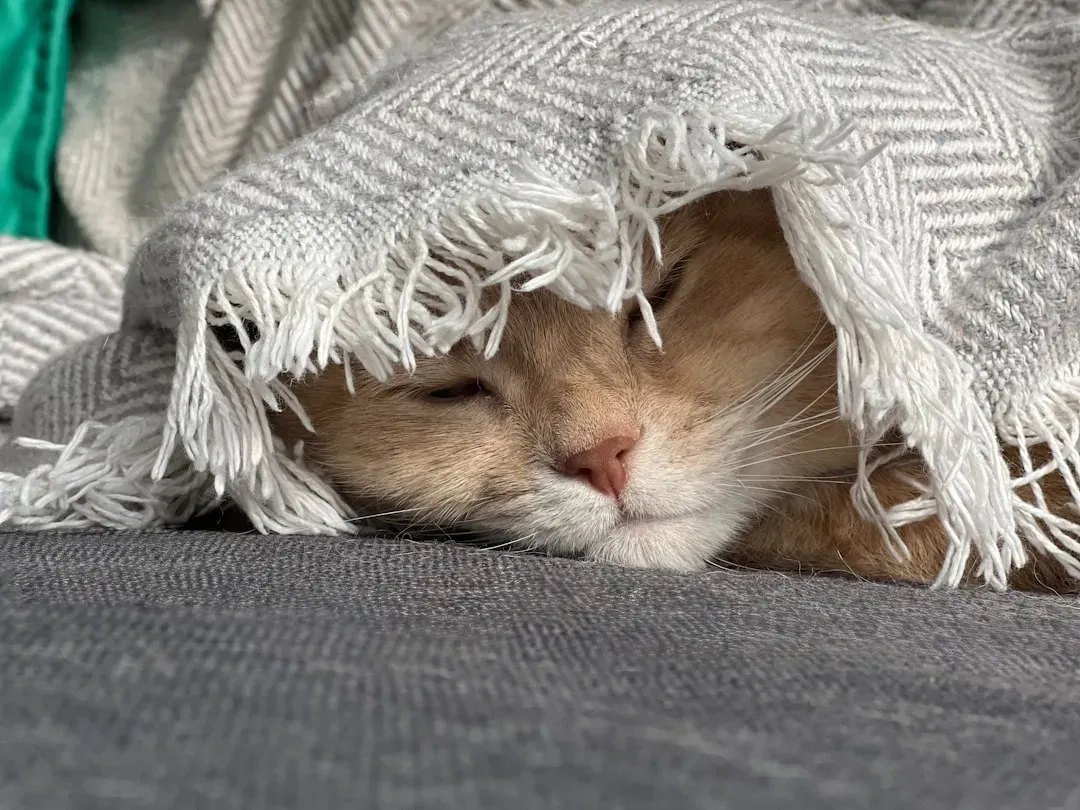
If your cat likes to sleep under the covers, they are probably enjoying the warmth as well as the familiarity and comfort of your scent, as cats can be sensitive to noise and the covers offer an escape from stressful noises, plus some cats like the security of being wrapped or swaddled. This cozy habit is pretty common, especially during colder months or in busier households.
Cats burrowed under blankets, cushions, or duvets are seeking warmth and comfort, as it’s a natural instinct to find secure, enclosed spaces for sleep mimicking dens in the wild, showing a desire for deep, uninterrupted sleep. If your cat burrows into your bed, they’re creating their own little sanctuary where they feel protected and loved.
Sleeping With Other Pets Demonstrates Social Harmony
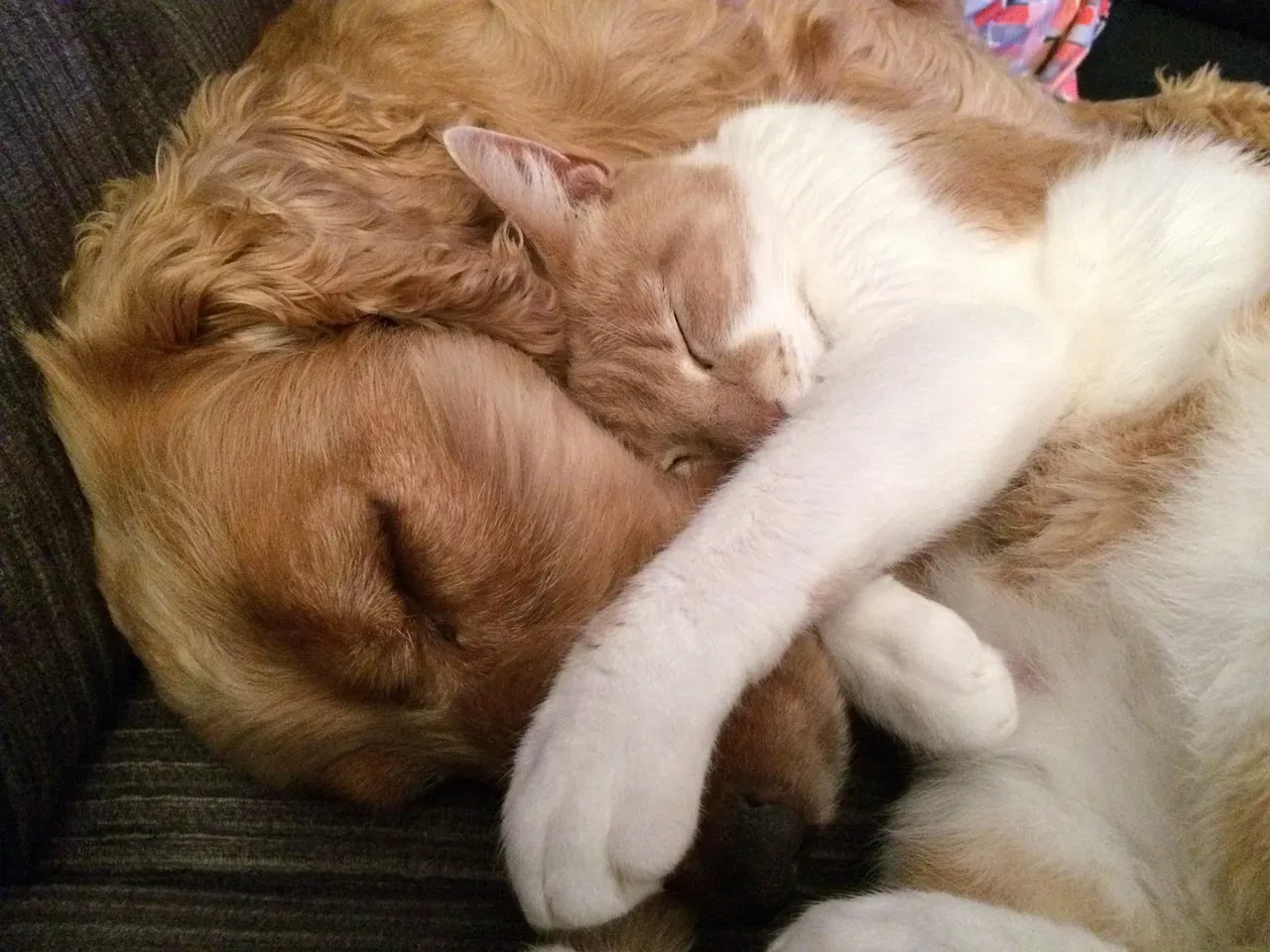
When your cat sleeps with your dog, it often means they’ve formed a bond and seek companionship and warmth. Some cats enjoy each other’s company and may sleep together for warmth and comfort, especially if they are bonded, as cats in the same social group may sleep in close contact, and if your cats sleep together like a pile, it signifies their companionship and bond.
If your cats are sleeping together, it’s a positive indicator of their relationship with one another, as it’s another sign of trust that they feel comfortable with their housemates. This kind of peaceful coexistence doesn’t happen overnight. It takes patience and proper introductions, so if you’re witnessing this in your home, you’ve done something right.
Changes in Sleeping Patterns Might Signal Something More
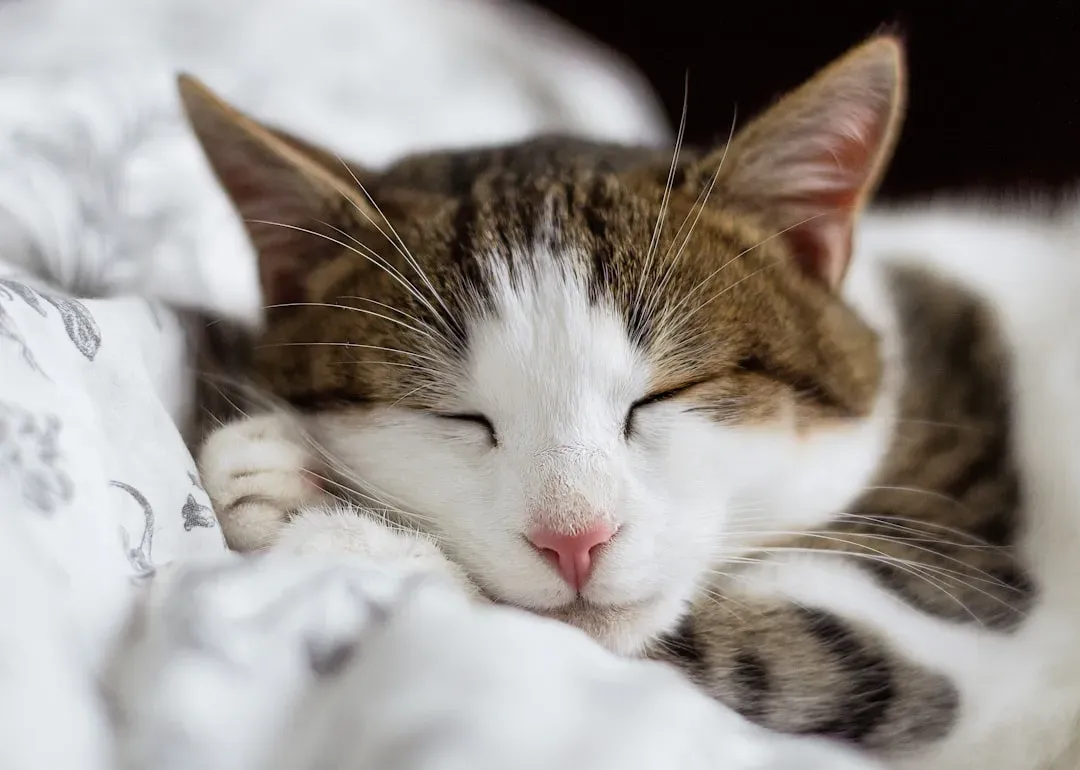
If your cat suddenly changes their sleeping habits, it could be a sign of stress or illness, so monitor your cat’s behavior and consult with your veterinarian if you have concerns. Sudden changes in sleeping positions or locations can signal discomfort or illness, especially if your cat adopts unusual positions or seems unable to get comfortable, which warrants consulting your veterinarian if accompanied by other behavioral changes.
Let’s be real, cats are creatures of habit. When those habits shift dramatically, it’s worth paying attention. Maybe there’s been a change in your household, like a new pet or a move. Or perhaps your cat isn’t feeling well physically. Either way, observing these changes and acting on them shows your cat that you’re looking out for them, which only deepens that bond of trust.
Building Trust Through Respecting Their Sleep
Creating an environment where your cat feels safe enough to sleep peacefully takes effort. If you want your cat to feel more secure and shift into trusting sleeping behaviors, create a calm environment by avoiding loud noises and offering cozy resting spots, respect their space by letting the cat initiate interaction, establish routines with regular feeding and playing times, and use treats and gentle praise to reinforce trust-building moments.
Never disturb your cat during deep sleep, as this helps build feelings of safety. I know it sounds crazy, but resisting the urge to wake your sleeping cat, even for a cute photo, is actually one of the best ways to show them you respect their vulnerability. Over time, these small acts of consideration add up, and your cat will reward you with even more of those trust-filled sleeping positions.
Your cat’s sleeping habits are like a secret language, constantly communicating how safe and loved they feel in your home. From the bold belly-up sprawl to the cautious loaf position, each posture tells a story about your bond. The next time you find your feline friend snoozing nearby, take a moment to appreciate what they’re really telling you. What sleeping position does your cat favor most? Tell us in the comments.
Kristina is a young writer from India. An arts graduate and an avid content creator, Kristina is passionate about animals and wildlife. She enjoys exploring topics related to pet care, animal behavior, conservation, and nature, combining thorough research with engaging storytelling.