You’ve probably noticed your cat staring at you with those intense eyes, or maybe flicking their tail in a way that seems oddly purposeful. It’s easy to feel like you’re missing something important, like there’s a whole conversation happening right in front of you that you’re just not quite catching. Cats aren’t like dogs who wear their hearts on their furry sleeves. They’re far more subtle, communicating through the tiniest shifts in posture, a slight rotation of their ears, or even the speed at which they blink.
Understanding these signals isn’t just about satisfying your curiosity. It’s about building a deeper connection with your feline companion and responding to their needs before they escalate into stress or discomfort. So let’s dive in and decode the secret language your cat has been speaking all along.
Reading the Language of Your Cat’s Tail
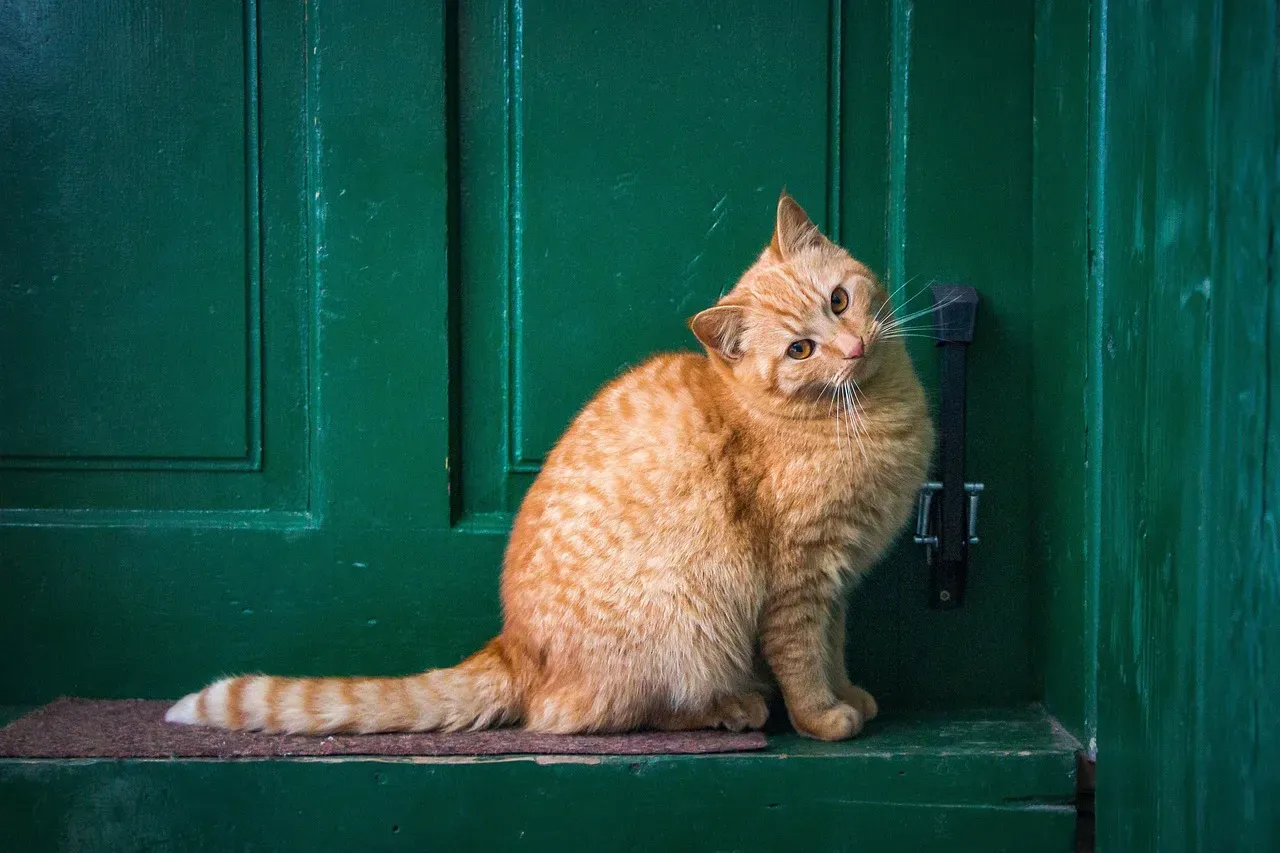
When your cat holds their tail high like a flagpole, it’s the ultimate sign of sociability and confidence, mimicking the posture kittens use to greet their mothers. You’ll often see this when your cat approaches you for attention or strolls into a room feeling secure and content. A tail held high indicates a cat that’s feeling confident, happy, and approachable.
Now, if that upright tail has a slight hook or curve at the tip, you’ve hit the jackpot. When the tail stands upright but curls at the tip like a hook, it’s an extremely positive social signal inviting interaction. This is your cat’s way of saying they’re ready to play or receive some affection. On the other hand, if you notice your cat’s tail is tucked low or wrapped tightly around their body, they’re likely feeling anxious or uncertain. A cat may lower their tail below the level of their back if they are frightened or anxious, and if your cat’s tail is tucked between their legs, then they are really scared or may be experiencing pain.
Decoding the Movement of That Expressive Tail
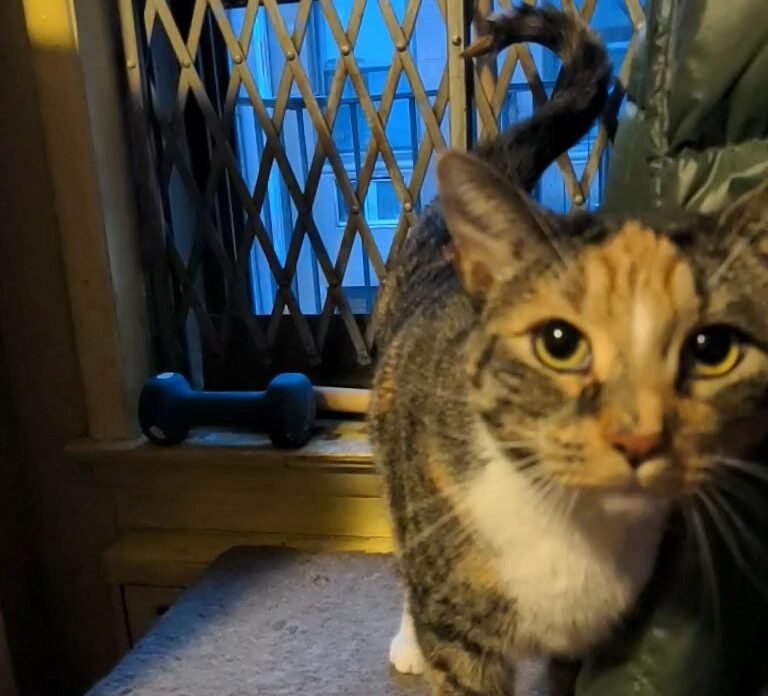
Tail position tells you one thing, but movement reveals the intensity behind the emotion. When a cat bends its tail in the shape of a question mark and you see a back-and-forth swaying tail, your cat is in the zone and has zeroed all their attention on a target of interest but is likely feeling playful. This slow, fluid motion often precedes a playful pounce.
However, if that tail starts thrashing or thumping against the ground, your cat is telling you they’ve had enough. When your cat thrashes their tail or is thumping it on the ground, they are irritated, annoyed, or angry, and if you are petting your cat and they start thrashing their tail, they are trying to tell you to stop. Honestly, ignoring this signal is a quick way to earn yourself a swat or bite. The key is watching the speed and intensity of the movement to gauge just how agitated your feline friend might be.
What Your Cat’s Ears Are Really Saying
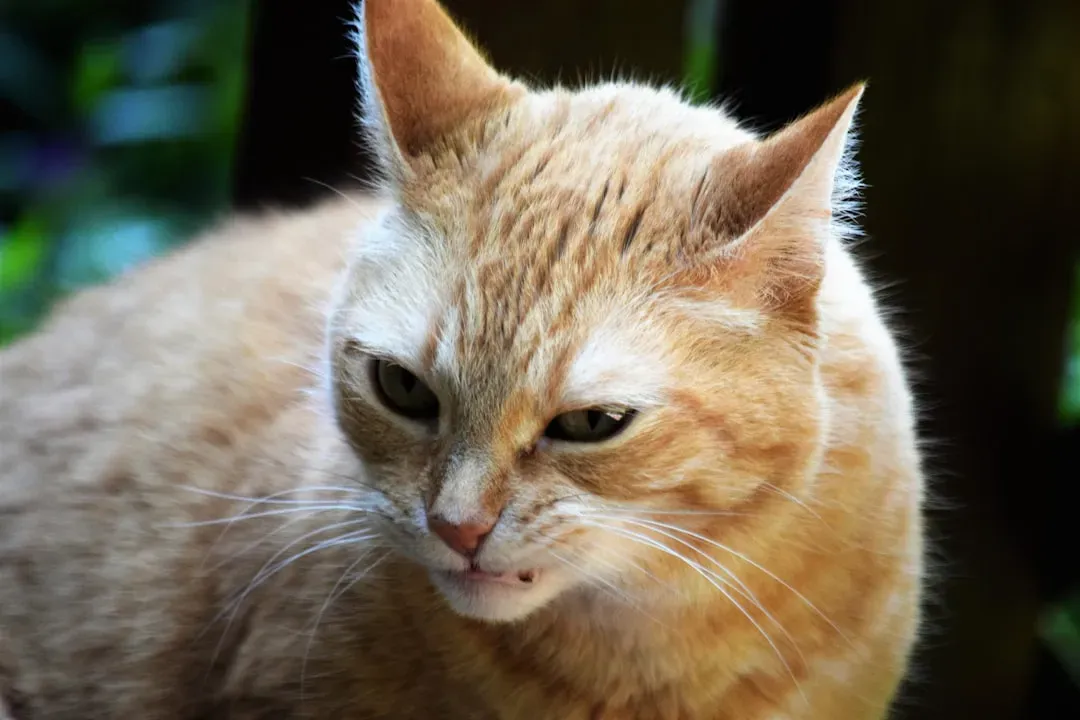
Each ear has over 30 muscles, giving cats full control to swivel, tilt, and rotate, letting felines pick up on the tiniest sounds and shift focus without moving their head. When your cat’s ears are upright and facing forward, they’re alert and interested in what’s happening around them. Ears held naturally means the cat is relaxed, while when a cat’s ears are facing forward and close together, that means the cat is interested in something.
Things change quickly when those ears start rotating sideways. If your cat’s ears are flattened against their head in “airplane mode” – as if they’re about to take off in flight – it means that they’re frightened or nervous, and it could lead to aggressive behavior. Usually, this means your cat is nervous, anxious, or scared, which could be a precursor to them becoming aggressive, and airplane mode ears mean it’s time to back off and give them some space. If you push the interaction when you see those flattened ears, you’re basically asking for trouble.
Understanding Those Mysterious Eye Signals
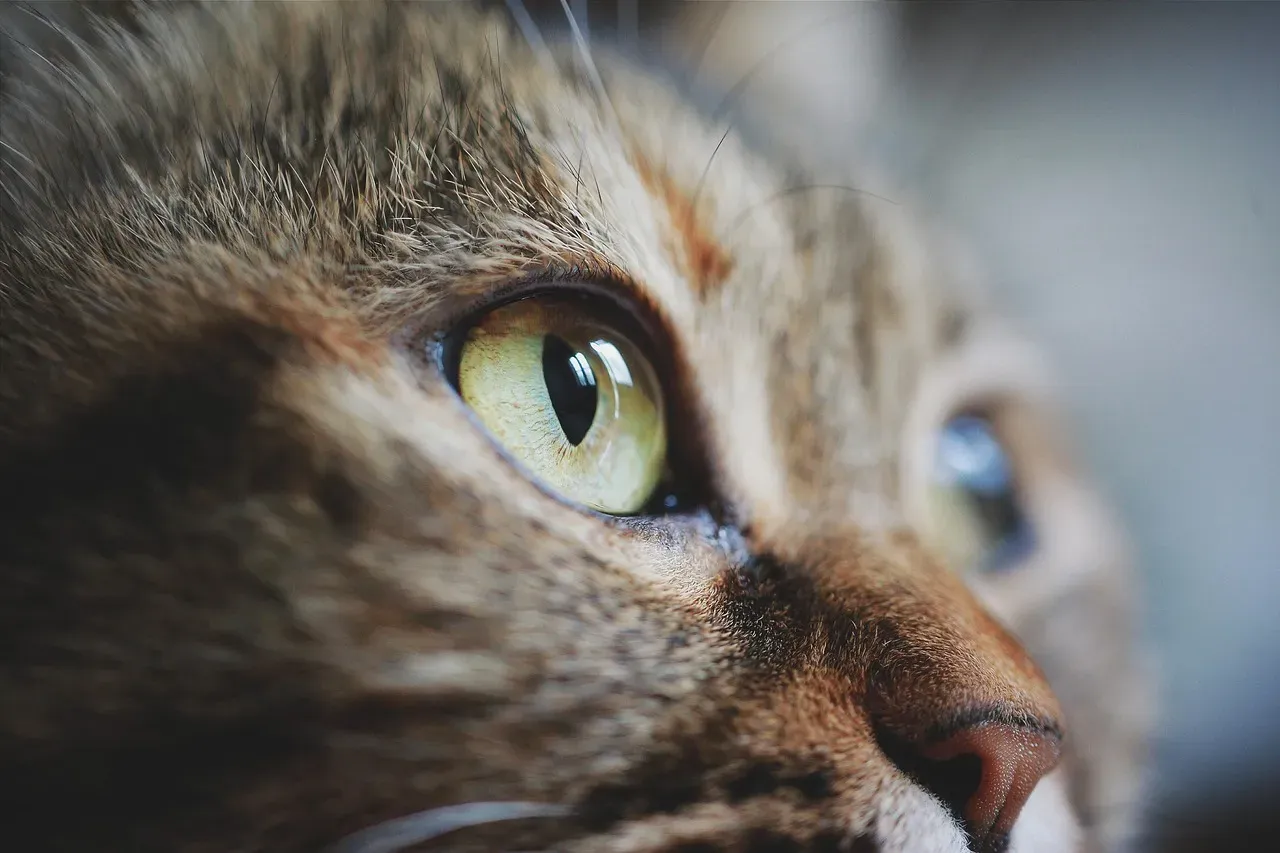
Your cat’s eyes are like windows into their emotional state, and the pupils are particularly revealing. Cat pupils normally enlarge to allow increased light to enter the back of the eye when the surrounding area is dark, and the pupil will also enlarge when your cat is hunting or play hunting to increase their ability to see more clearly, which is also why the pupils enlarge during a fear response – this large pupil is known as “dilated.”
Dilated pupils (saucer eyes) signal fear or excitement, while constricted pupils (slits) often mean anger or aggression. Context matters tremendously here. If your cat has wide pupils while stalking a toy mouse, they’re just excited and ready to play. Yet those same wide pupils combined with a tense body and flattened ears might indicate genuine fear or distress. If your cat looks at you and blinks slowly, it is a sign of trust and affection. Try returning that slow blink – it’s like a kitty kiss and can strengthen your bond.
Deciphering Your Cat’s Unique Vocalizations
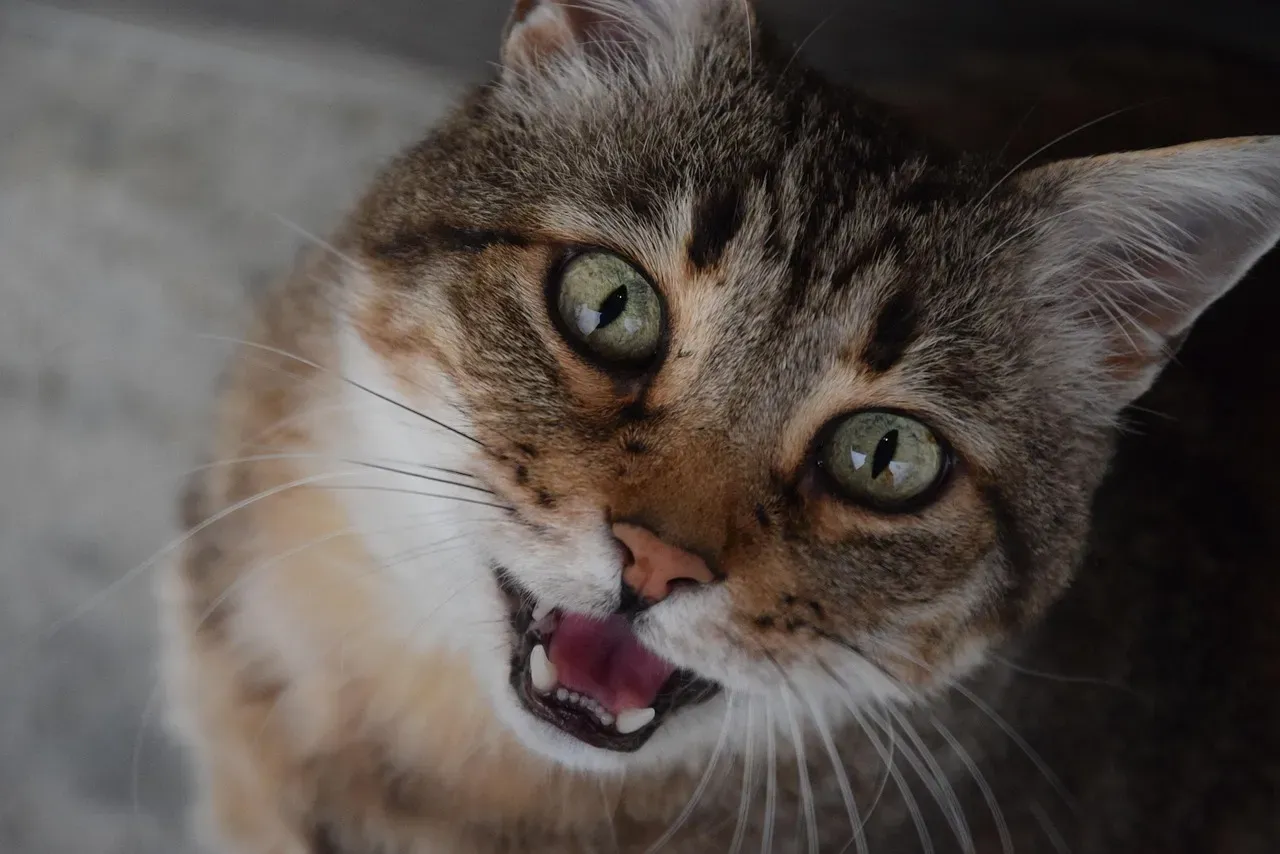
The meow of an adult cat is almost exclusively used to communicate with humans, and not other cats, first uttered by kittens when in need of their mothers, this juvenile vocalization fades away as wild cats mature, but as cats in domesticity tend to think of themselves as our eternal offspring, they maintain this endearing vocalization throughout their adult lives. Your cat has essentially trained you to respond to their meows.
Meowing is one of the most ambiguous types of cat vocalizations because a cat meows for many reasons – meowing could mean almost anything, from hunger to simple chattiness. Pay attention to the tone and pitch. A short, high-pitched meow might be a greeting, while a longer, lower-pitched one could signal frustration or even discomfort. Cats trill to greet and thank their human family members for something, such as a snack or a pet, and it is one of the most common amicable sounds a cat makes.
When Purring Doesn’t Mean What You Think
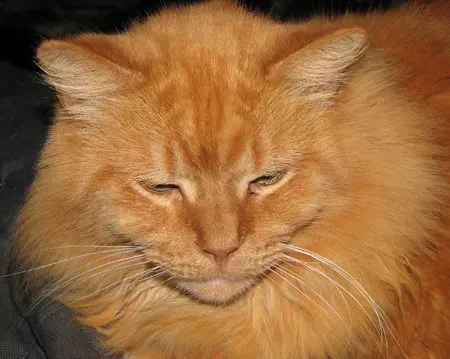
Here’s the thing – purring isn’t always a sign of happiness. Cats may purr for a variety of reasons, including when they are hungry, happy, or anxious, and in some cases, purring is thought to be a sign of contentment and encouragement for further interaction, but cats sometimes purr when they are ill, tense, or experiencing traumatic or painful moments such as giving birth.
We often think that our cats are happy when they purr, and this is only true if their body language is relaxed, so it’s important to watch your cat’s body language as well as looking at the context as this is a better indicator of whether they are happy and comfortable. If your cat is purring but their ears are back and their body is tense, something’s definitely wrong. Trust the whole picture, not just one piece of the puzzle.
Recognizing Stress and Anxiety Through Body Language
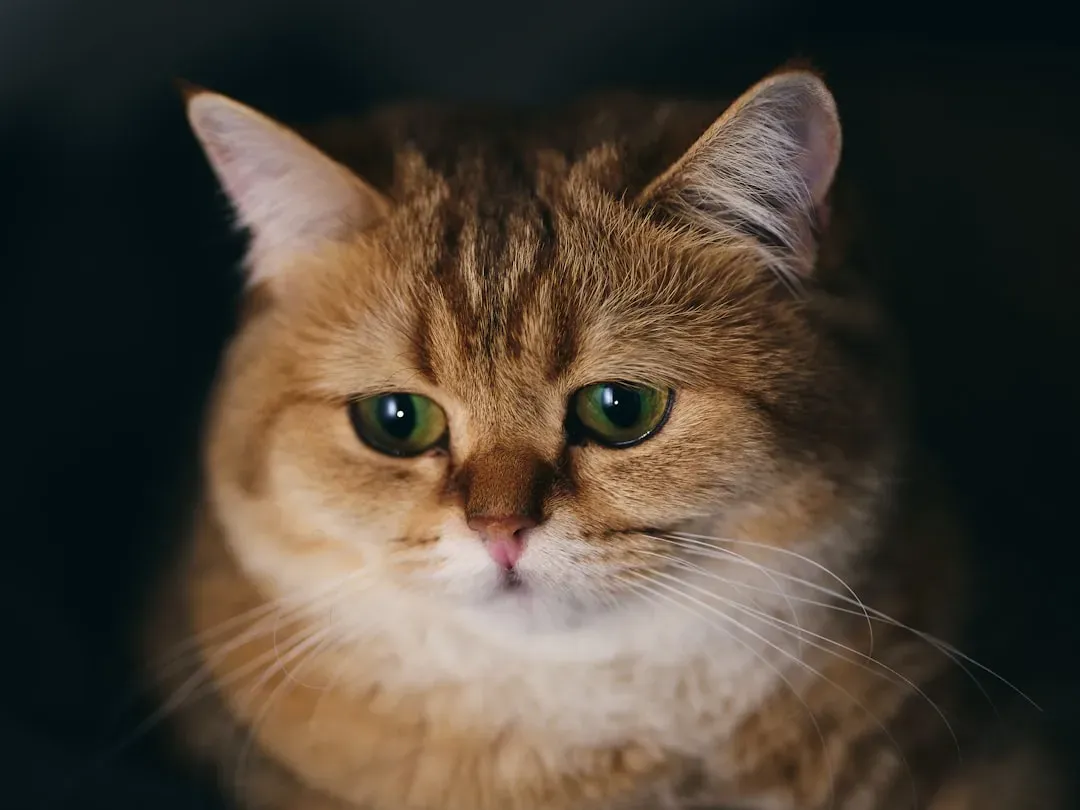
When a cat is feeling stressed, they may have a stiff and tense body held low to the ground. The cat may also engage in displacement behaviors – meaning normal behaviors (such as licking their lips, scratching, grooming, and yawning) that are performed out of context – to cope with underlying stress. These out-of-context behaviors are red flags that shouldn’t be ignored.
An anxious or stressed cat may display certain body language cues such as flattened ears, dilated pupils, a twitching tail, and a hunched posture, and they may also groom themselves excessively, hide, or vocalize more than usual. If you notice these patterns becoming frequent, it’s worth examining what in your cat’s environment might be causing them distress. Maybe it’s a new pet, a change in routine, or even something as simple as rearranged furniture.
How Your Cat Shows Affection in Subtle Ways
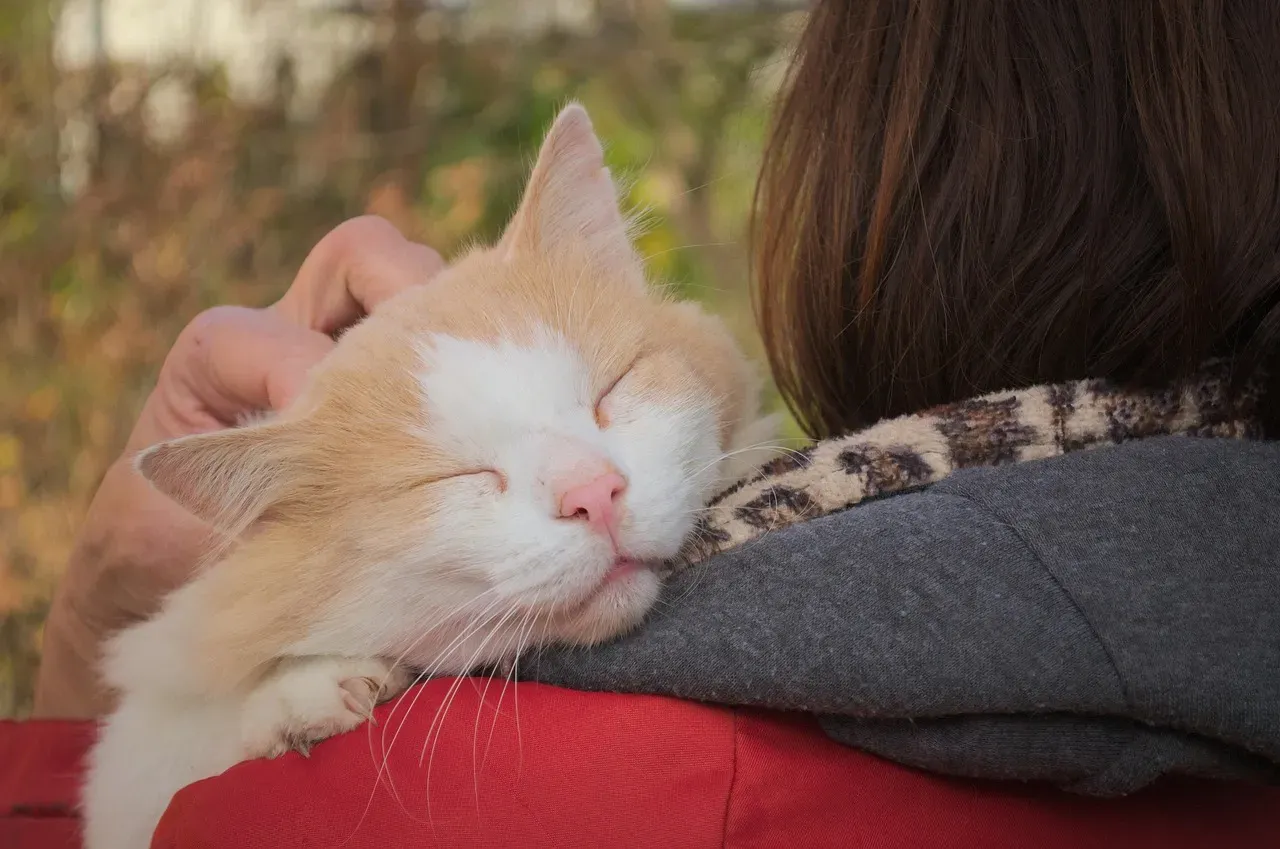
Cats have their own unique ways of showing love that can be easy to miss if you’re not paying attention. When your cat is spending some time cuddling on your lap, you might notice them kneading (aka “making biscuits”), another sign of enjoyment because it mimics feeding behavior in nursing kittens. That rhythmic pushing with their paws is pure contentment.
If your cat is kneading you with their paw, butting their forehead or rubbing against you, or sitting on top of you or next to you, they are showing affection, and this is a great indication of your bond and trust. Cats may greet by curling their tails around people and by intertwining their tails with other cats, and tail wrapping is an affiliative behavior that demonstrates a willingness to interact. When your cat wraps their tail around your leg, consider it a feline hug.
Spotting the Difference Between Play and Aggression
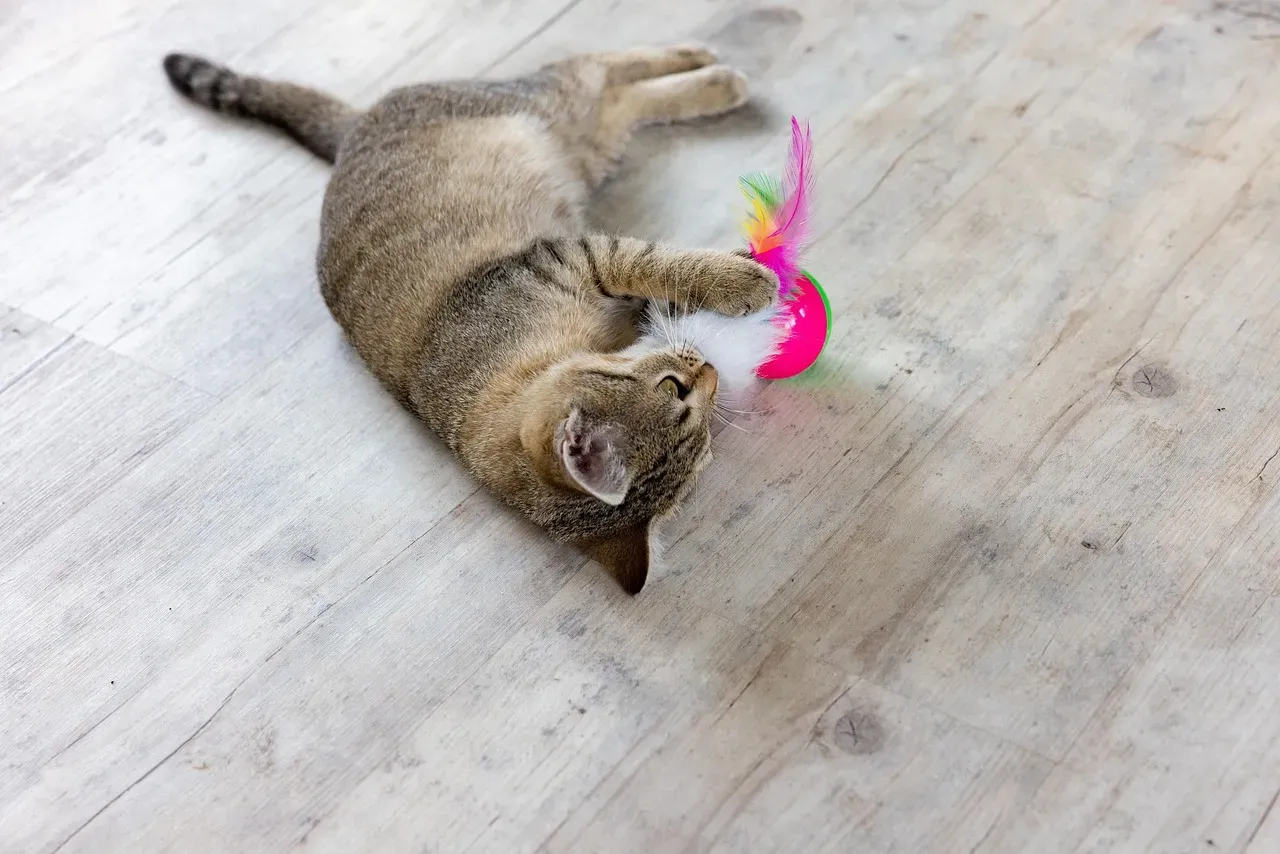
It’s hard to say for sure sometimes whether your cat is playing or genuinely upset, especially when play mimics hunting behaviors. Play mimics hunting behaviors, so cats might appear to be aggressive when they’re simply playing, and playful cats’ pupils might dilate, and their eyes might get really wide, and their tail can get twitchy or flick from side to side, which can also be a sign that they’re annoyed or agitated.
The difference between play behaviors and the “real thing” is that play will be quieter, softer, and more inefficient, and when playing, cats will put themselves into compromising positions (such as rolling on their back), something they wouldn’t do in the face of real danger or if they were hunting actual prey. If your cat’s play seems too intense or aggressive, redirect their energy with appropriate toys rather than your hands or feet. This helps them learn what’s acceptable and keeps everyone safe.
Knowing When Something’s Medically Wrong
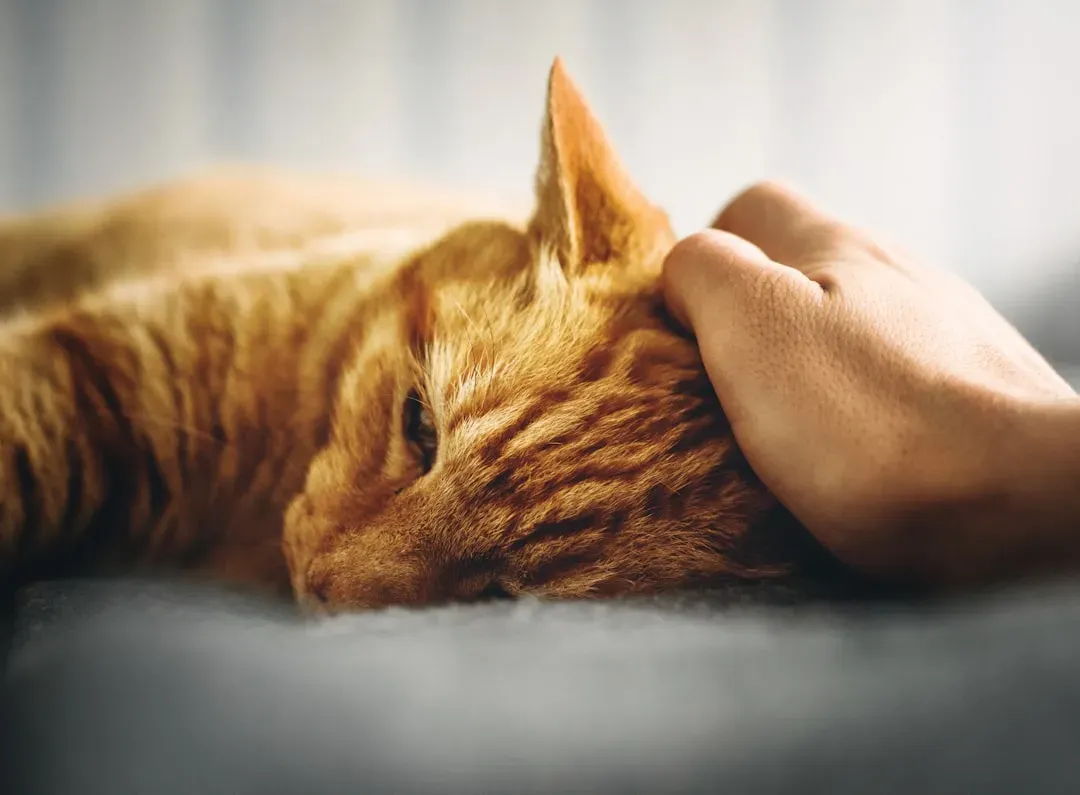
Cats may purr due to pain or illness, and an increase in meowing or yowling may signal emotional or physical distress, so if you see any of these changes (or other changes in your cat’s normal behavior such as hiding, aggression, decreased energy, or changes in appetite, grooming, or sociability), take them to the vet. Cats are masters at hiding pain, so subtle changes in behavior often provide the only clues.
High blood pressure can occur in cats with chronic kidney disease or hyperthyroidism, and if this occurs, you may notice your cat bumping into things they usually see, meowing because they’re disoriented, not eating well, hiding, or other behavior changes. Persistently dilated pupils, changes in vocalization patterns, or unusual body language that doesn’t fit the context should all prompt a veterinary visit. Better safe than sorry when it comes to your cat’s health.
Building Trust Through Proper Communication
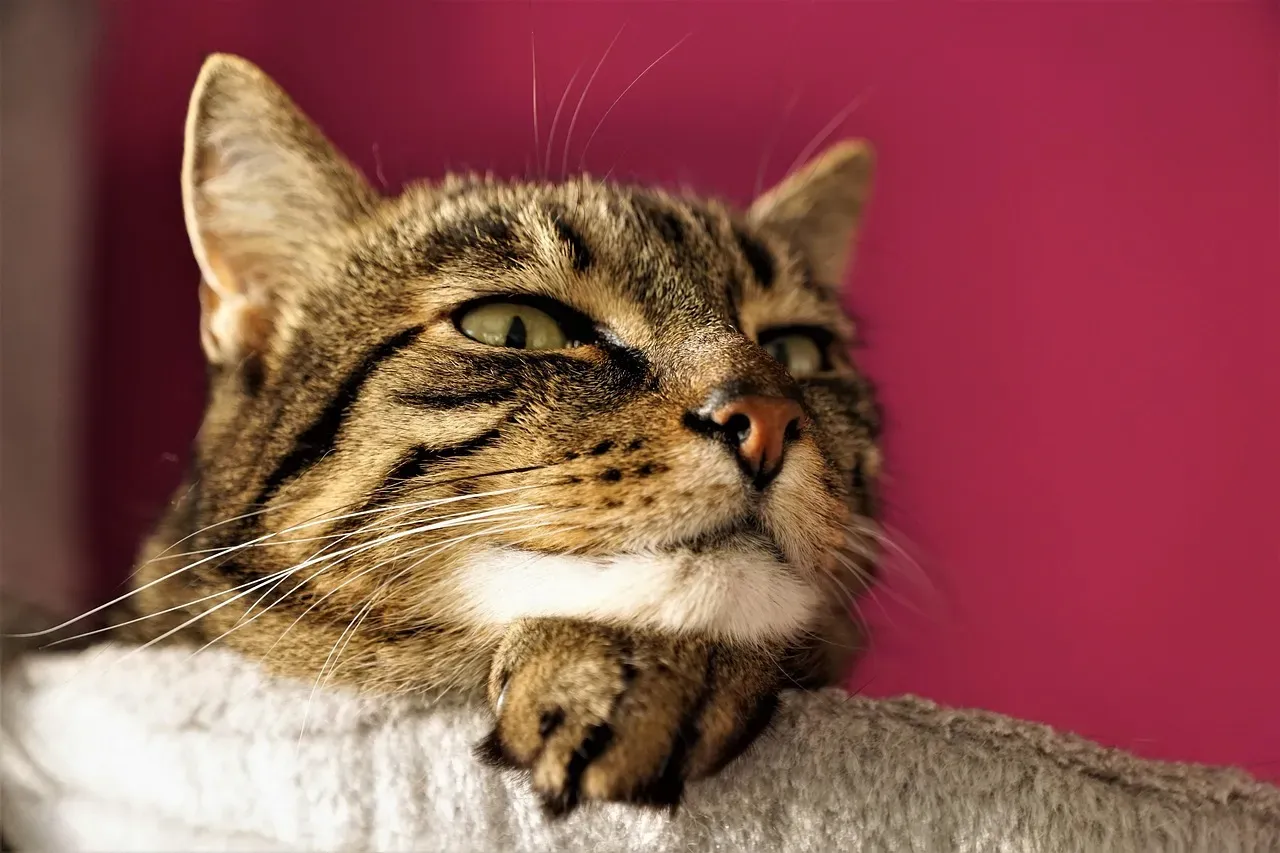
Understanding a cat’s body language is essential for understanding their emotions and needs, which will make you a better cat parent and advocate for your cat’s well-being. The more you observe and respond appropriately to your cat’s signals, the more they’ll trust you and feel secure in your presence.
Reading your cat’s ears helps build trust, and if you notice ears upright and facing you, that’s a green light to interact, but if those triangles start shifting sideways or flattening, take it as a sign to back off, and cats feel safer when humans respect their signals. Respecting your cat’s boundaries isn’t about being distant – it’s about honoring their autonomy. When they know you’ll listen to their “no,” they’ll be more willing to offer enthusiastic “yes” signals in the future. This mutual understanding creates a relationship built on respect rather than obligation.
Cat body language is the primary way that felines communicate, and behavior is always contextual, so pay attention to the cat’s entire body and to what’s going on in the environment, and by paying close attention to our cats’ body language, we can do a better job of attending to their needs and have even stronger, happier relationships with them. The investment you make in learning your cat’s unique signals pays dividends in the quality of your relationship. Every tail flick, ear twitch, and slow blink becomes part of an ongoing conversation that deepens your connection and enriches both your lives. What has your cat been trying to tell you lately?
Kristina is a young writer from India. An arts graduate and an avid content creator, Kristina is passionate about animals and wildlife. She enjoys exploring topics related to pet care, animal behavior, conservation, and nature, combining thorough research with engaging storytelling.