There’s something incredibly special about bringing home a senior cat. Maybe you were drawn to those wise eyes at the shelter, or perhaps you wanted to give an older feline the loving home they deserve. Whatever your reason, you’ve made a beautiful choice. Here’s the thing though: bonding with a senior cat isn’t quite like connecting with a kitten. These mature felines have lived whole lives before meeting you, complete with their own preferences, quirks, and sometimes painful memories. They might need a bit more time to trust you, a bit more patience to feel safe. The good news? When you finally earn a senior cat’s affection, it’s one of the most rewarding experiences you’ll ever have.
The bond you build with an older cat can be profoundly deep precisely because they understand what they’ve been given. Let’s be real, senior cats seem to know when they’ve been given a second chance. The connection that forms is built on mutual respect, understanding, and a kind of quiet gratitude that younger cats haven’t quite figured out yet. So let’s dive in and explore the best ways to strengthen that special relationship with your distinguished new companion.
1. Create a Predictable Daily Routine
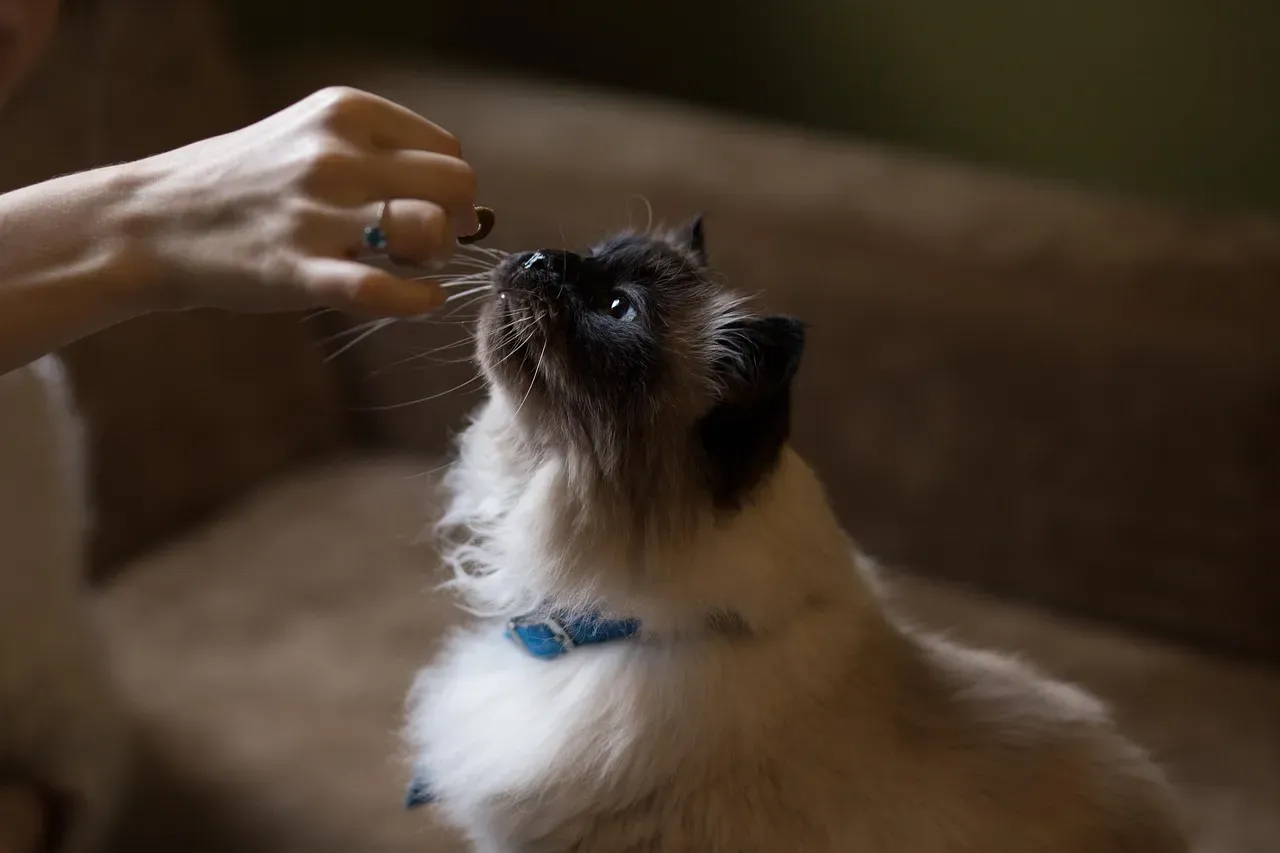
Your senior cat will feel most secure when they know what to expect each day, so establishing predictable routines for feeding, play sessions, and grooming makes a huge difference. Think about it from their perspective: they’ve already been through major upheaval by changing homes. Consistency is like a warm blanket that wraps around their anxious heart. Senior cats especially thrive on predictability, so maintaining a consistent daily schedule becomes even more important as they age.
Try feeding your cat at the same times every morning and evening. Keep their water bowls in the same spots. Creating predictable moments of connection throughout the day, like morning greetings, feeding interactions, and evening relaxation periods, provides natural opportunities for strengthening your bond. The rhythm you establish becomes a language between you, one that says you’re reliable and trustworthy.
2. Respect Their Space and Boundaries
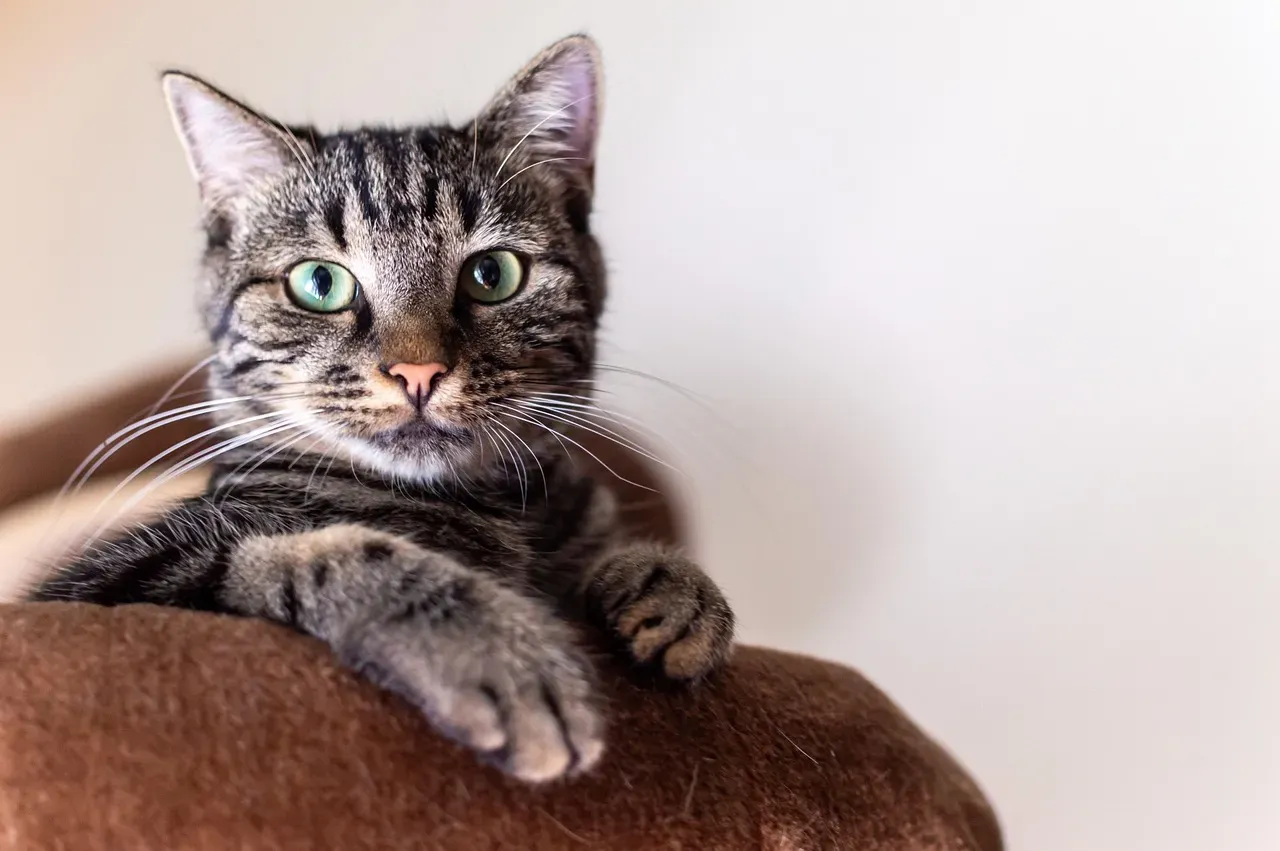
I know it sounds crazy, but sometimes the best way to bond with a senior cat is to leave them alone. Allow your cat to come to you when they feel comfortable, avoid overwhelming them with attention, and let them feel like they have the choice to retreat to a safe space if they want to. Forcing interactions can damage the fragile trust you’re trying to build.
Trust isn’t something you can rush with a cat, as it’s built slowly through consistent, respectful interactions. Watch their body language closely. Tail thrashing? They need space. Ears back? Not the time for cuddles. If your cat signals they want you to back off through tail thrashing, biting, or leaning away, don’t force the interaction, as respecting their space will strengthen their trust and protect your bond. When you honor these boundaries, you’re showing them that their feelings matter.
3. Engage in Gentle Interactive Play
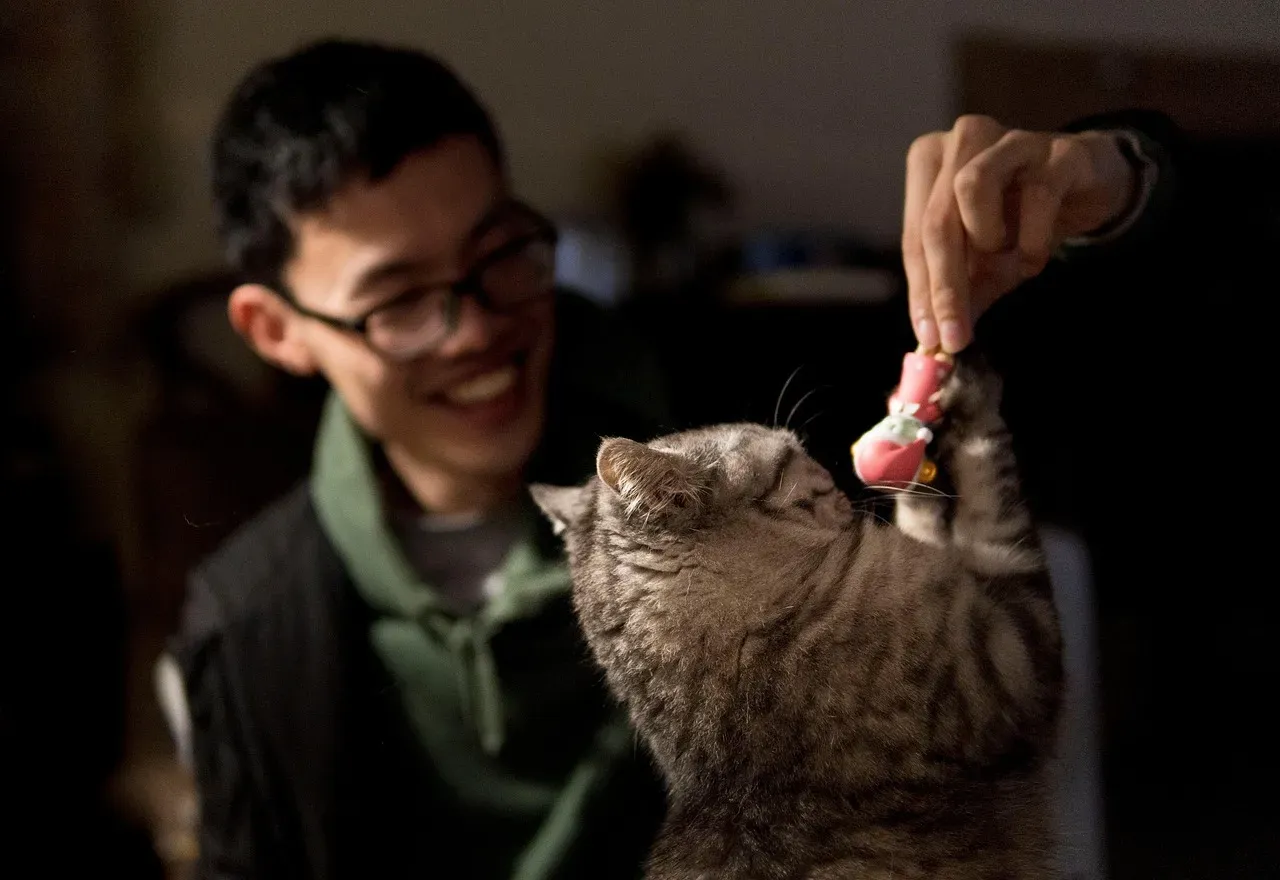
Don’t assume your senior cat has retired from fun. Senior cats still enjoy and benefit from play and enrichment, though they might have shorter endurance and be more selective in how and when they participate. The key word here is gentle. Interactive play is one of the most rewarding ways to bond with your cat, providing them physical exercise while satisfying their natural instincts.
Playing with your cats regularly can significantly improve your bond, and the more you play together, the more they’ll associate fun and excitement with you, so aim for a few short play sessions each day with toys that mimic the hunting experience. Feather wands work beautifully. Laser pointers can be fun too, though always let them catch something tangible at the end. Some cats are very play-motivated and regular sessions can help bring them out of their shell, though you can try play concurrent with food rewards as some cats respond more to toys than treats.
4. Use Food to Build Positive Associations
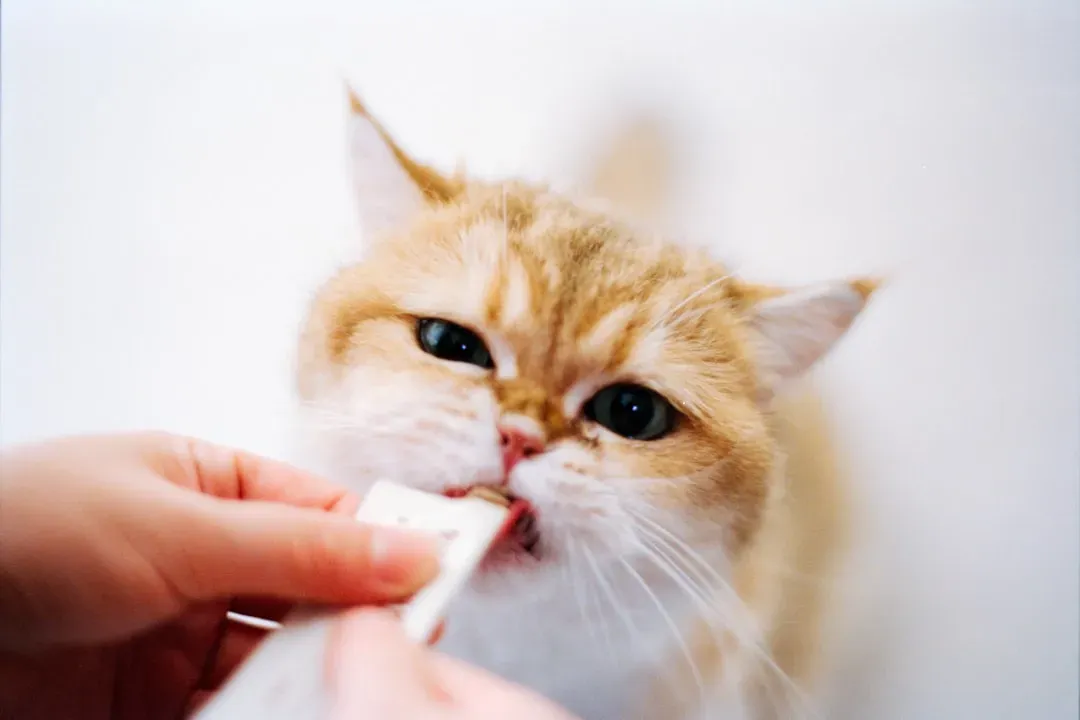
Let’s be honest, the way to any cat’s heart often goes straight through their stomach. Your cat will learn to trust the hand that feeds it, so keeping their bowls full and making sure they see you providing their food helps them learn to trust you. There’s something primal about this connection. You’re the provider, the source of good things.
Getting your cat comfortable enough to eat with you nearby can go a long way toward building trust. Start by sitting across the room during mealtimes, then gradually move closer over days or weeks. Feeding helps cats make positive associations between you and food, and using high value treats like lunch meat or baby food can speed progress significantly. Try hand-feeding occasional treats once they’re comfortable. It creates an intimate moment of vulnerability where they’re literally taking sustenance from your hand.
5. Speak Softly and Move Slowly
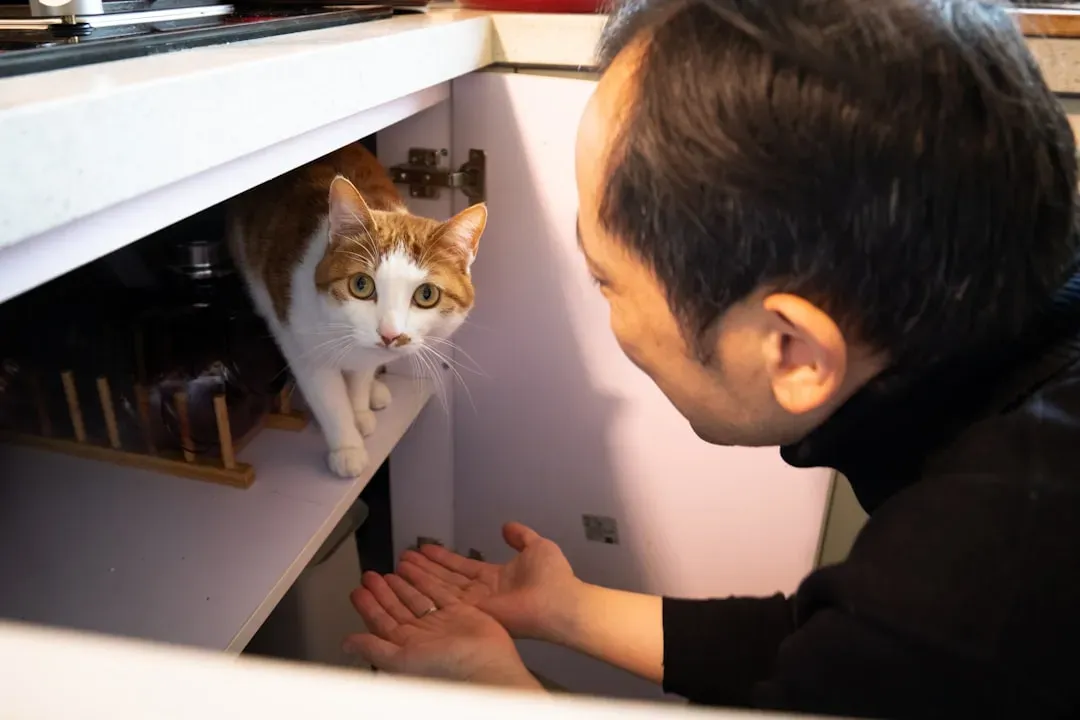
When communicating verbally, always speak in a gentle and reassuring tone so that your cat learns your presence can be linked with safety and comfort. Your voice becomes one of their anchors. Always talk softly and move slowly around the cat, avoiding staring since this can be perceived as a threat, and getting down to the cat’s level when interacting instead of towering over them.
When your cat is lounging and you need to pass by, slow your movement so they can observe and assess there’s no threat, helping them understand there’s no need to run and hide every time you walk by or move. Sudden movements or loud noises can set back weeks of trust-building. Think of yourself as moving through water, deliberately and calmly. Your senior cat is watching, learning that you’re safe.
6. Master the Art of Gentle Grooming
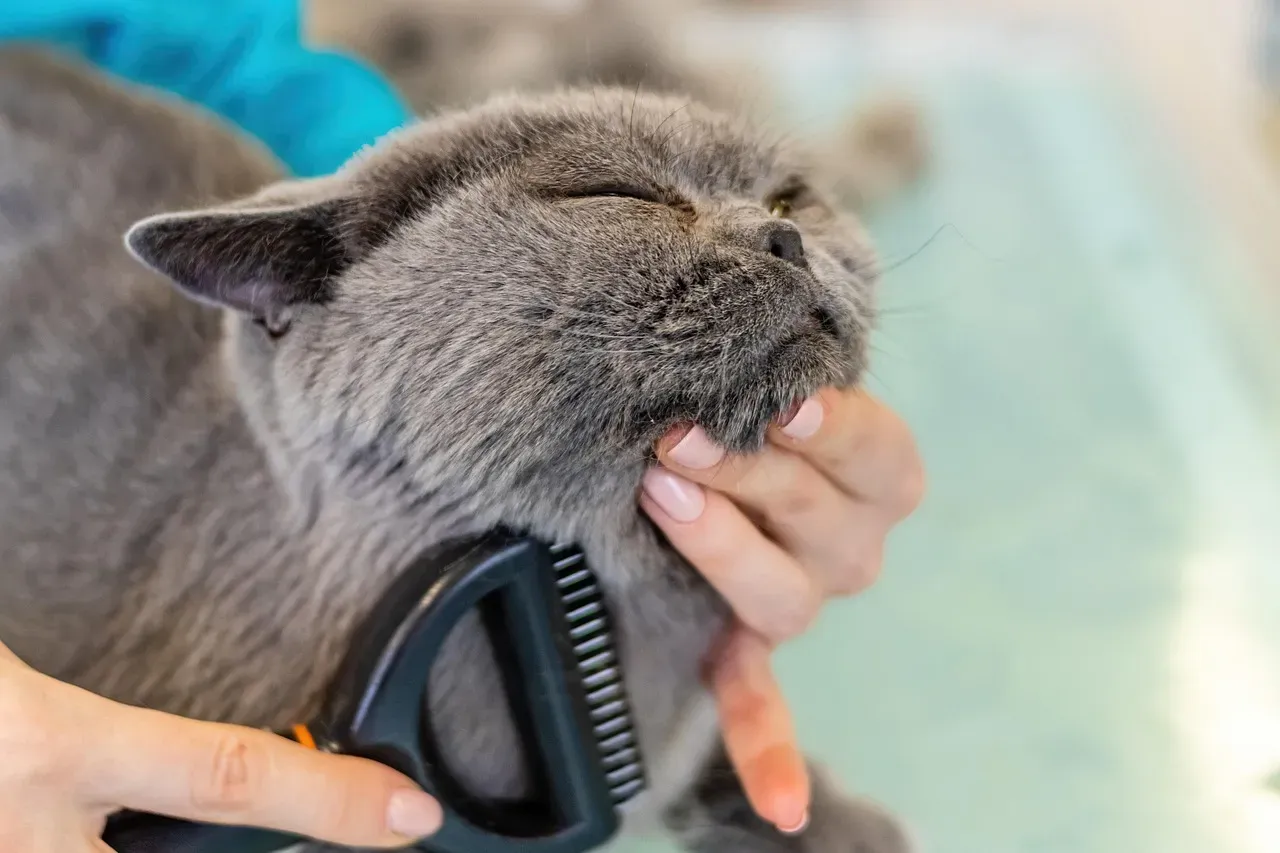
Cats often demonstrate their affection toward one another through grooming, and sometimes grooming can be a way to bond with your cat as a pet parent too. Honestly, grooming sessions can become sacred rituals between you and your senior cat. Mutual grooming represents a significant trust signal in feline social structures, so incorporating gentle brushing into your bonding routines recreates this natural behavior, starting with short sessions while paying attention to comfort levels.
Regular brushing also helps you check for any changes in coat, skin, or weight. Grooming should be a pleasant experience for both you and your cat, so keep brushing sessions short and sweet, stopping before your cat shows signs they’re not interested anymore. Some older cats develop arthritis that makes self-grooming difficult, so your help becomes not just bonding but genuine care.
7. Provide Comfortable Resting Spaces
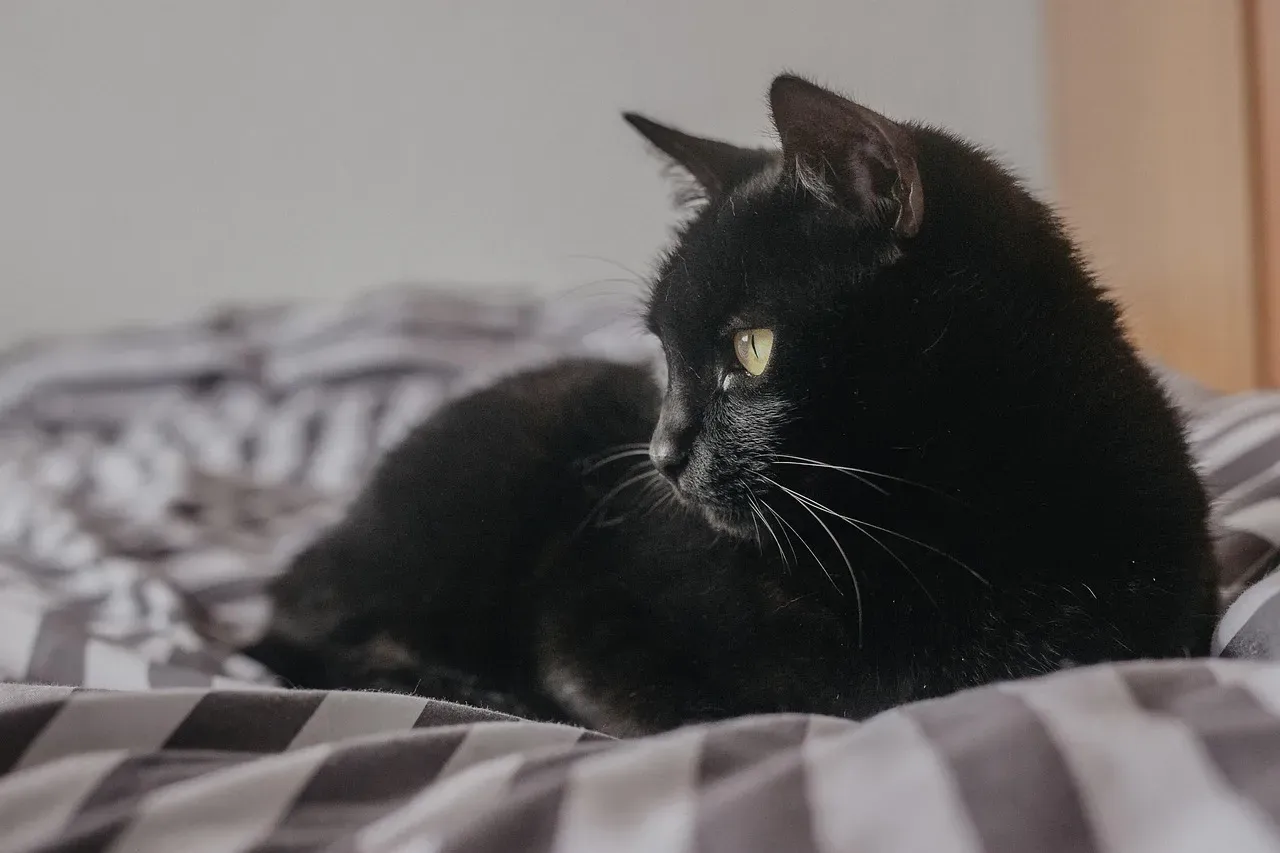
If your senior cat has arthritis or mobility issues, they may require special accommodations like a supportive therapeutic bed, and you’ll need to ensure litter boxes, toys, beds, food, and water are easily accessible without requiring climbing. Comfort becomes increasingly important as cats age. You’re not just providing furniture; you’re showing them their needs matter to you.
All cats appreciate a quiet corner where they can retreat when feeling overwhelmed, so offer a climbing tower, empty box, or another place of refuge. Senior cats especially need these safe havens. Place soft beds in warm spots, ideally where sunlight streams through windows during the day. If your cat loves sunbathing, make sure their favorite window perch is safe and easy to reach. These cozy spaces become associated with the home you’ve created for them.
8. Practice Patience During the Adjustment Period
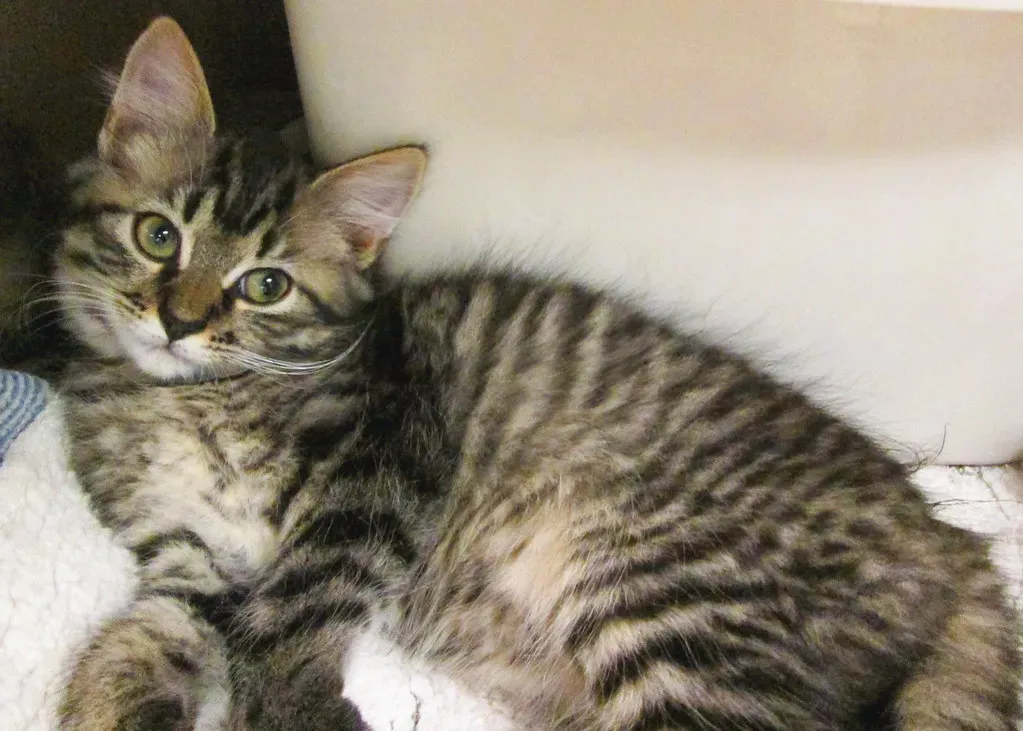
Like any animal, a senior cat needs time to adjust to new surroundings, so when bringing your cat home after adoption, have an area prepared and leave your cat alone for some time so they can get used to the home. It’s hard to say for sure, but most senior cats need anywhere from several weeks to several months to fully settle in. Healing doesn’t happen overnight, as a slow and steady approach works well, and it might take weeks or months for a cat to blossom in a new home.
Every cat adjusts at their own pace. Some might hide under the bed for days. Others might cautiously explore within hours. Remember that your senior cat may be stressed and need time and space to adjust to the new environment and pet parents, so a little bit of patience and love will help both of you through the adjustment period. Don’t take it personally if progress seems slow. You’re asking them to trust again after possibly being let down before.
9. Let Them Initiate Physical Affection
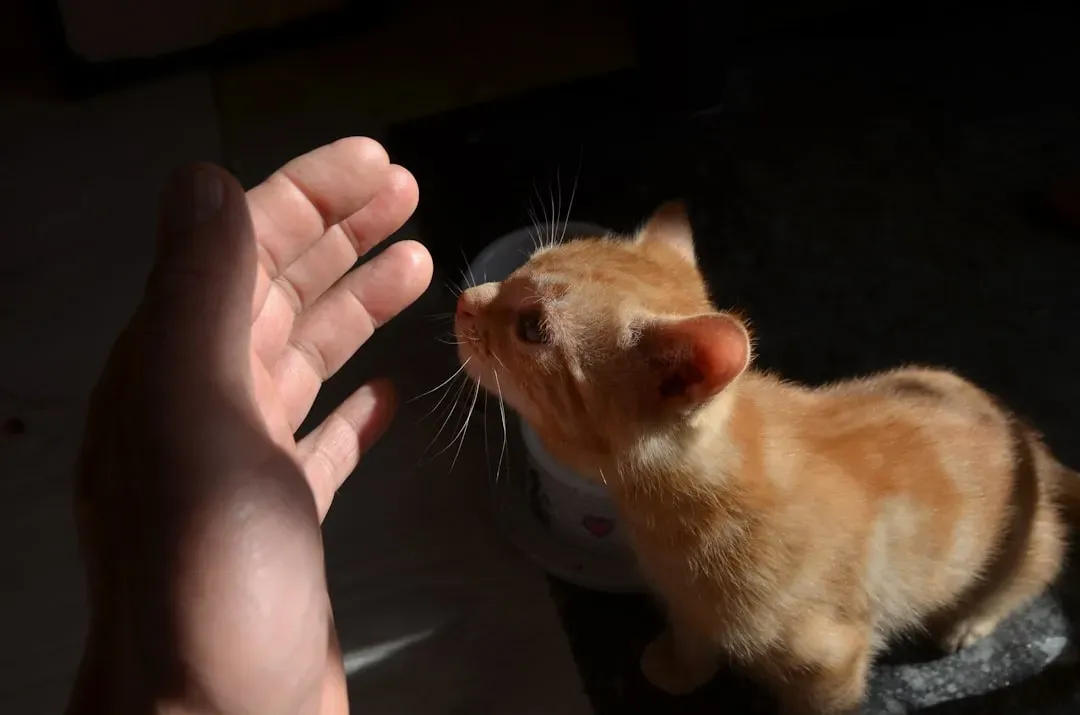
Cats much prefer interaction on their own terms, so waiting for your cat to approach you before giving them a fuss will help them learn to trust you. This might be the hardest rule to follow because senior cats can be so darn adorable. The temptation to scoop them up is intense. Resist it. The first contact with a cat should always be initiated by the cat.
Extending your finger mimics nose-to-nose sniffing that friendly cats would do when approaching each other, and if the cat doesn’t come closer or backs away after sniffing, she’s saying no further interaction is desired, but if she comes closer and rubs against you, she’s communicating comfort. When a cat rubs against you with their head, mouth, or tail, they’re spreading pheromones to mark you as safe. That’s the ultimate compliment.
10. Maintain Consistent Veterinary Care
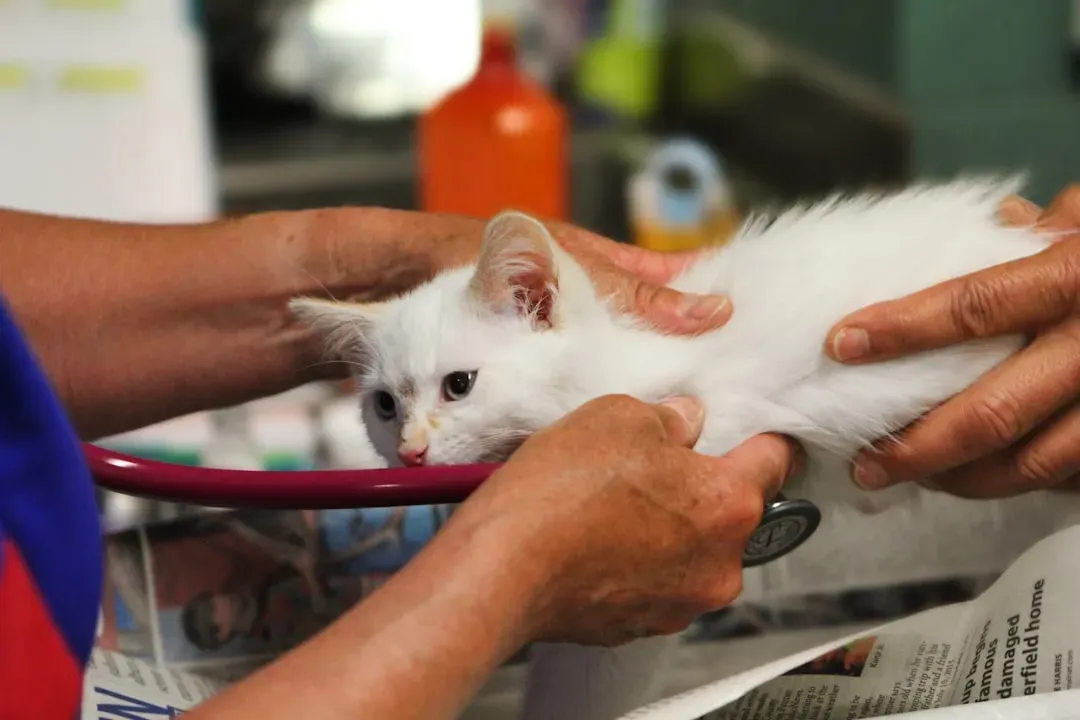
Choosing the right veterinarian is especially important for senior animals, so before bringing your cat home, select a vet you’re comfortable with, call them, visit their clinic, ask questions about care, and set up regular visits at least twice a year. This might not seem like bonding at first glance, but hear me out. A sick or painful cat is likely to hide and withdraw due to instinct, which can come across as not wanting to bond when that’s not actually the case, making preventive care crucial.
Take your newly adopted senior cat to the veterinarian right away for a baseline physical exam, and consider screening lab work to detect or manage health concerns that couldn’t be addressed at the shelter. When your cat feels physically well, they have the emotional energy to connect with you. Regular care shows them you’re invested in their wellbeing for the long haul. The bond you build will be so deep and their trust in you will be strong if you’re kind to them through their life.
Conclusion
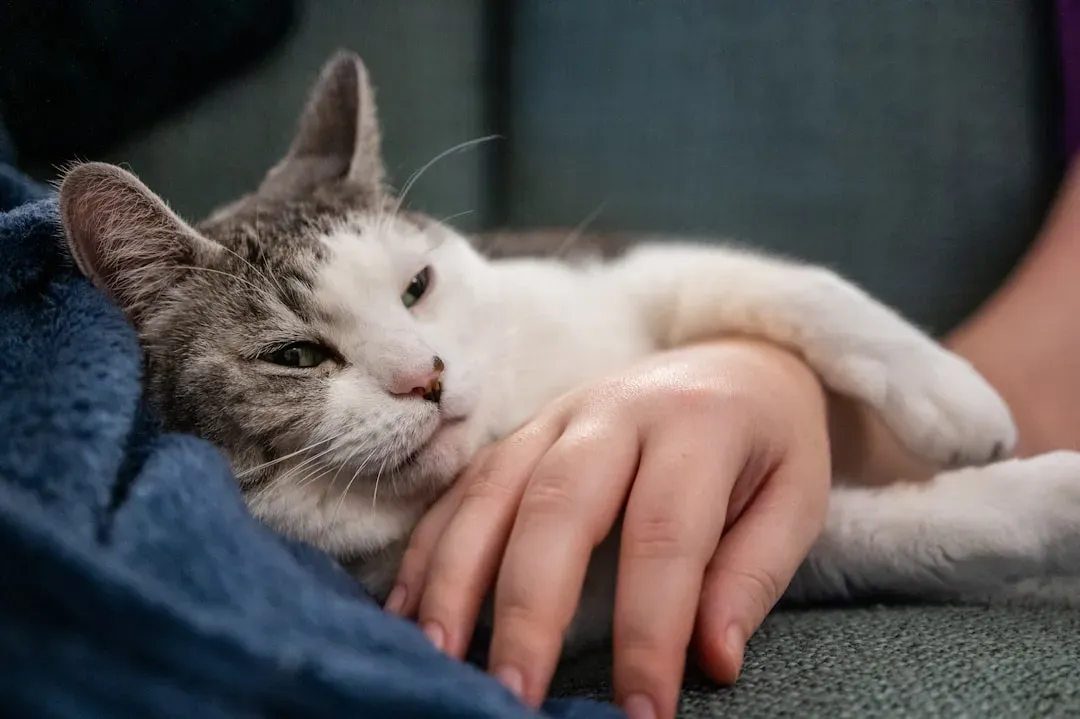
Bringing home a senior cat is one of the kindest things you can do, and you’ll quickly find they’re incredibly thankful for your generosity and have a lot of love to give. The relationship you build with your older feline companion will be unlike any other. It requires more patience, more understanding, and more respect than relationships with younger cats. Yet that’s precisely what makes it so meaningful.
The most rewarding aspect of senior cat adoption isn’t just what you give them but what they give you in return, and there’s something profoundly meaningful about providing a loving home to a cat in their golden years. Every slow blink, every gentle headbutt, every moment they choose to curl up beside you is a gift earned through your consistent kindness. The bond you’re building now will fill your home with quiet joy and deep companionship.
What’s your experience been like bonding with an older cat? Share your story in the comments below.
Kristina is a young writer from India. An arts graduate and an avid content creator, Kristina is passionate about animals and wildlife. She enjoys exploring topics related to pet care, animal behavior, conservation, and nature, combining thorough research with engaging storytelling.