You’ve probably never seen one in the wild. Most people haven’t. These elusive wildcats drift through forests like ghosts, moving so silently that even seasoned naturalists can spend years without a single glimpse. Yet beneath this phantom presence lies a creature fighting one of the most pressing battles in modern wildlife conservation. What makes the lynx’s situation so precarious isn’t just one threat, it’s an intricate web of challenges that tighten with each passing year.
The lynx represents something rare in today’s world: a species so finely tuned to its environment that even slight changes throw everything off balance. Let’s be real, we’re living in an era where nature’s delicate arrangements are unraveling faster than we can track them. So dive into the hidden world of these remarkable hunters and discover why their struggle matters far beyond the forest shadows they call home.
Masters of the Frozen Forest: Evolutionary Perfection Meets Modern Reality
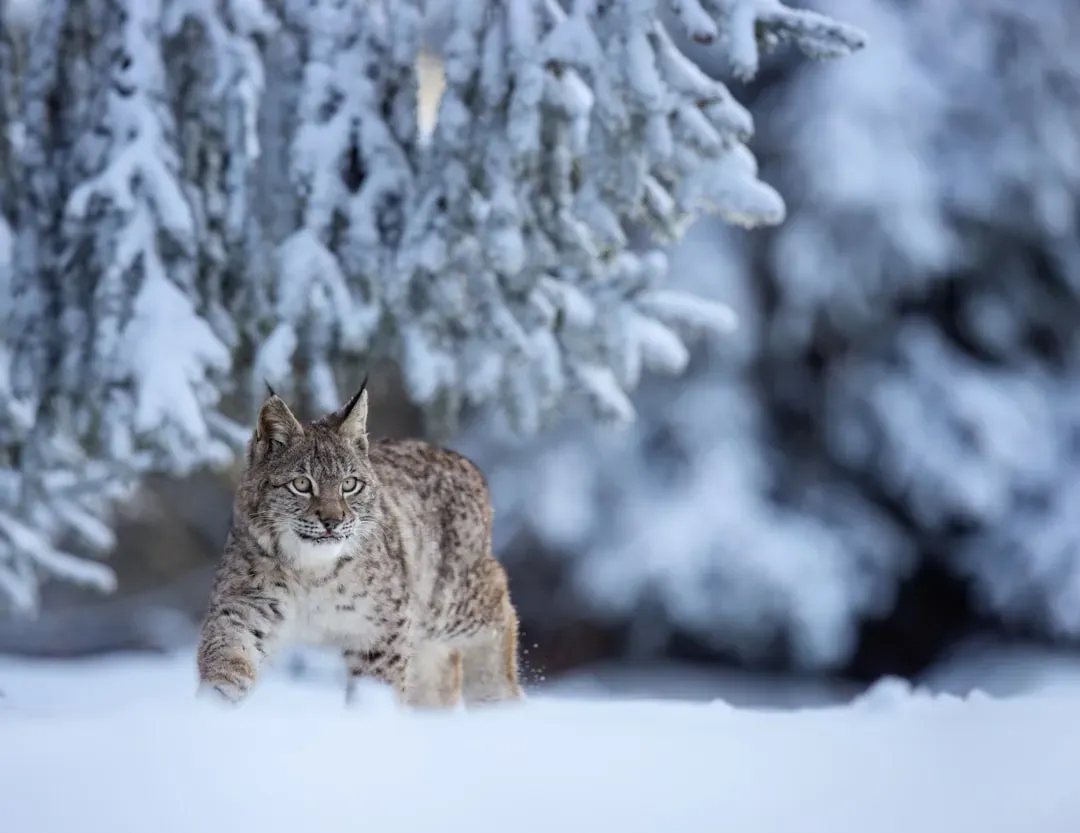
Picture a cat with characteristic tufts of black hair on the tips of their ears, large padded paws for walking on snow, and long whiskers on the face. Four distinct species make up the lynx family: the Canada lynx, Iberian lynx, Eurasian lynx and the bobcat, whose name originated in Middle English via Latin from the Greek word meaning ‘light’ or ‘brightness’, referencing the luminescence of its reflective eyes.
These cats have legs adapted for traveling through snow, with long length allowing movement through deep drifts, and large paws that disperse their body weight across a greater surface area to remain on top. Think of them as nature’s snowshoe wearers, perfectly engineered for environments where other predators flounder. The lynx’s coloring, fur length and paw size vary according to the climate in their range, with those in colder northern climates having thicker, lighter fur as well as larger, more padded paws that are well adapted to snow.
The Deadly Dance: How Lynx Hunt Their Prey
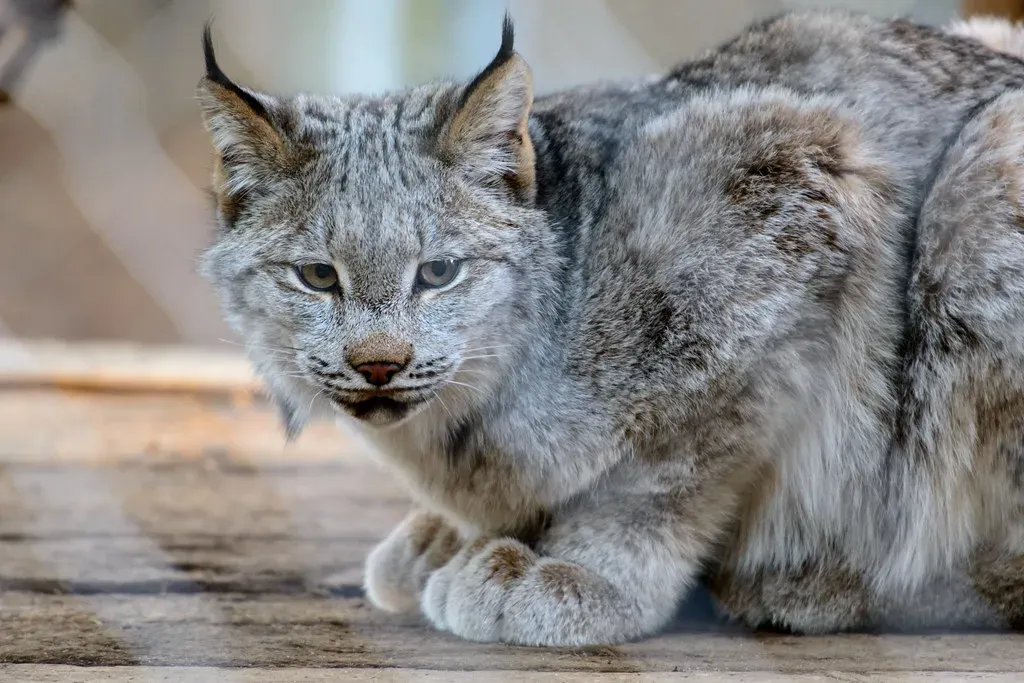
Here’s the thing about lynx: they’re ambush artists. The Canada lynx hunts mainly around twilight or at night when the snowshoe hare tends to be active, waiting for the hare on specific trails or in ‘ambush beds’, then pouncing on it and killing it by a bite on its head, throat or the nape of its neck. No dramatic chases across open ground. Just patience, stealth, and explosive precision.
A typical hunting strategy of felids begins with a crouching approach and ends with a short attack, with long-distance chasing quite rare for lynx, requiring sufficient cover to get close to prey targets. These felines are such well adapted nocturnal hunters that they can spot prey in the darkness from 250 feet away. Their hunting grounds aren’t random either. Lynx killed snowshoe hares, red squirrels, and cricetids more than expected in Engelmann spruce and subalpine fir forests, where snowshoe hare densities were highest.
An Unhealthy Obsession: The Lynx-Hare Connection
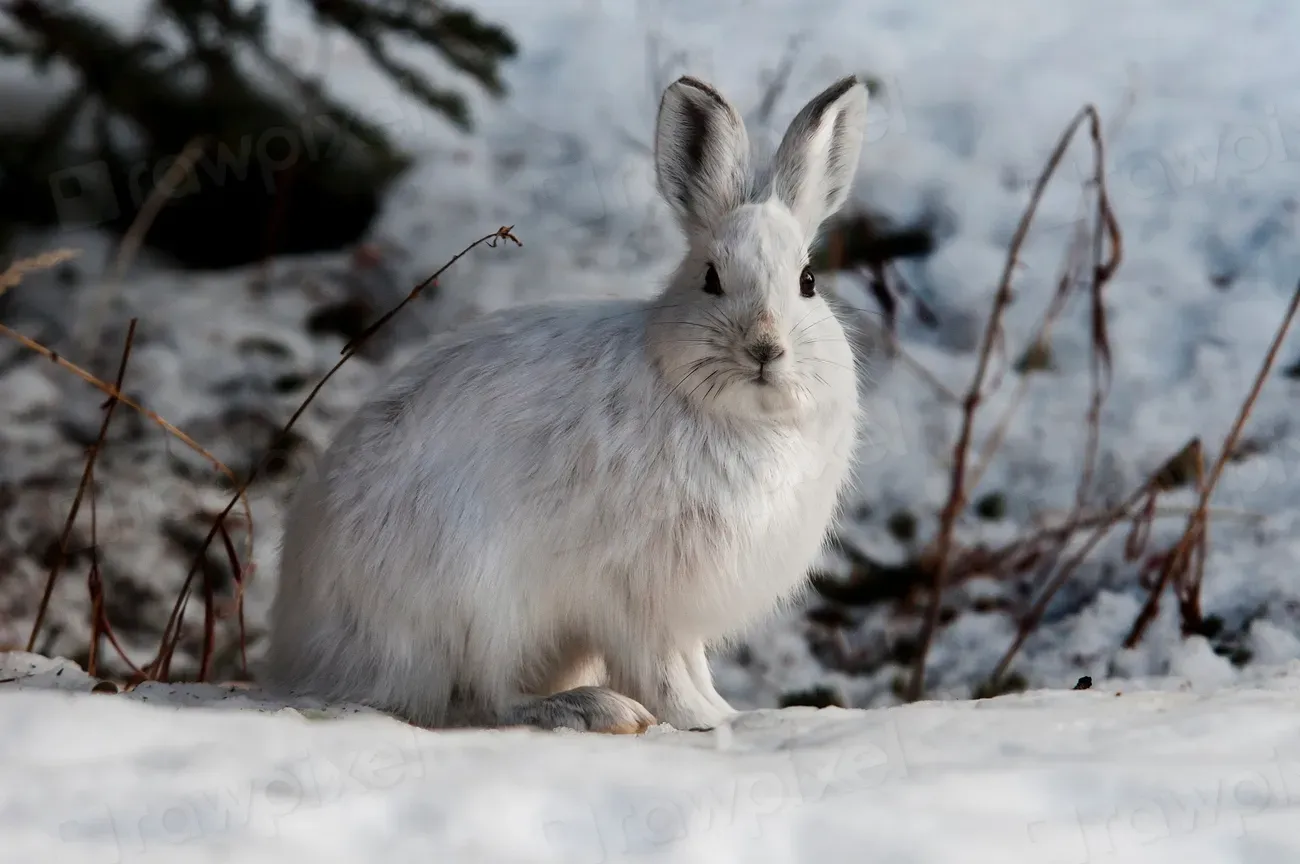
This relationship borders on the obsessive. Lynx rely on snowshoe hare as their main source of prey, with the single species comprising up to 96 percent of their diet, and when hare populations are high, lynx can eat up to one hare per day. Honestly, it’s hard to say for sure, but this level of dietary specialization makes the lynx incredibly vulnerable.
Snowshoe hare numbers rise and fall dramatically in a regular cycle of eight to ten years, with Canada lynx numbers following a year or two later, a relationship borne out by Indigenous knowledge and centuries of fur trapping data. When hares crash, lynx populations plummet. The lynx population decline follows the snowshoe hare population crash after a lag of one to two years, as hares become scarce and lynx continue to eat well initially because they can easily catch the starving hares, but when hares become truly scarce, lynx numbers also decline.
Vanishing Grounds: Habitat Loss in a Changing World
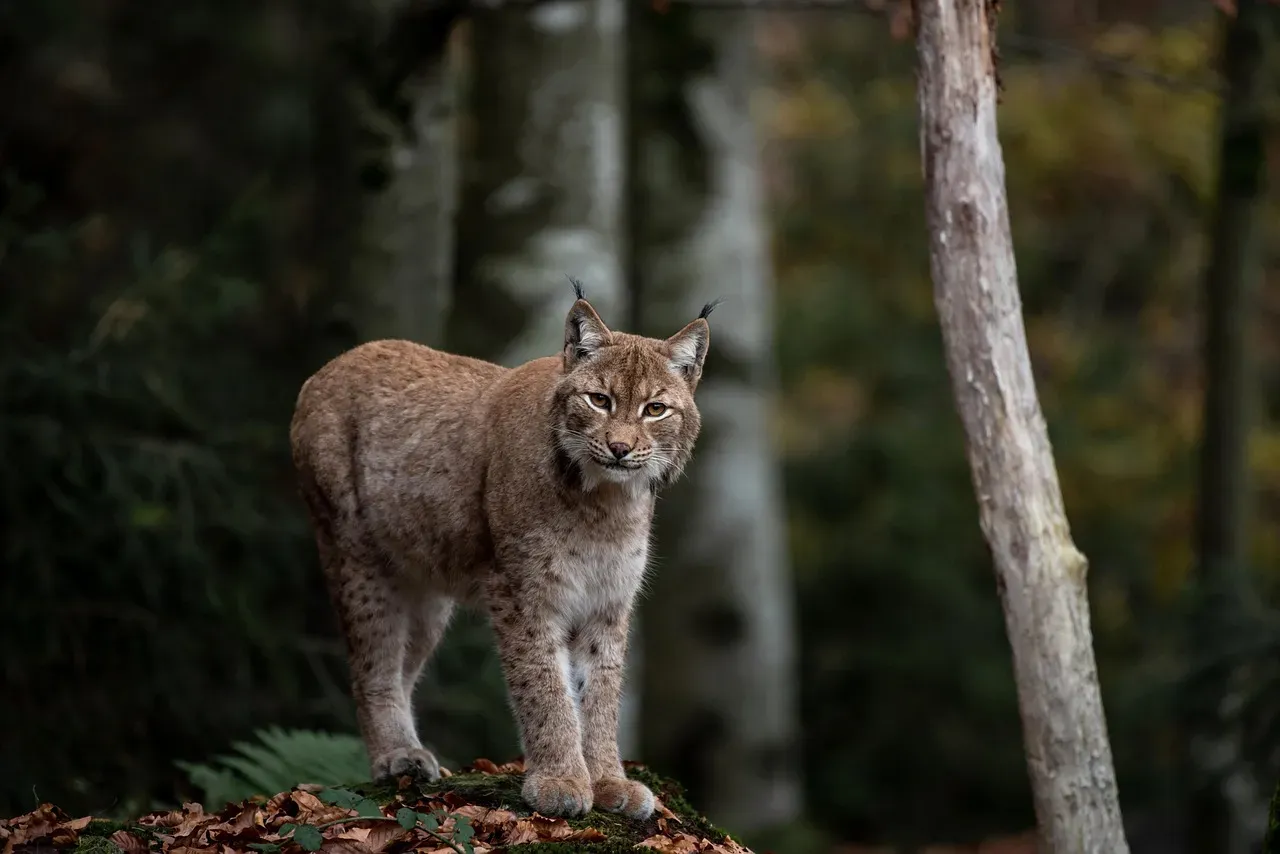
The lynx’s home is disappearing, piece by piece. Increasing urbanization throughout the lynx’s ranges affects the amount of suitable habitat available to them, with bobcats suffering habitat loss when formerly wild areas become more densely populated with humans, and for the Canada lynx, logging affects its home and the home of its primary prey.
Roads slice through wilderness like scars. Roads threaten the lynx by fragmenting its habitat, isolating lynx populations, exposing them to predators, and providing competitor species new access to habitat formerly dominated by the lynx, with snowmobile traffic creating trails that may allow competitors like coyotes, wolves, and cougars access to lynx winter habitat. It’s not just about losing space; it’s about the forest becoming fragmented into islands too small to sustain viable populations.
Let’s be real: even protected lands aren’t immune. In Colorado, these habitats are limited to small, scattered areas on mountain slopes, making lynx especially vulnerable to wildfires, development, and climate change.
When Humans Strike: Vehicles, Traps, and Conflict
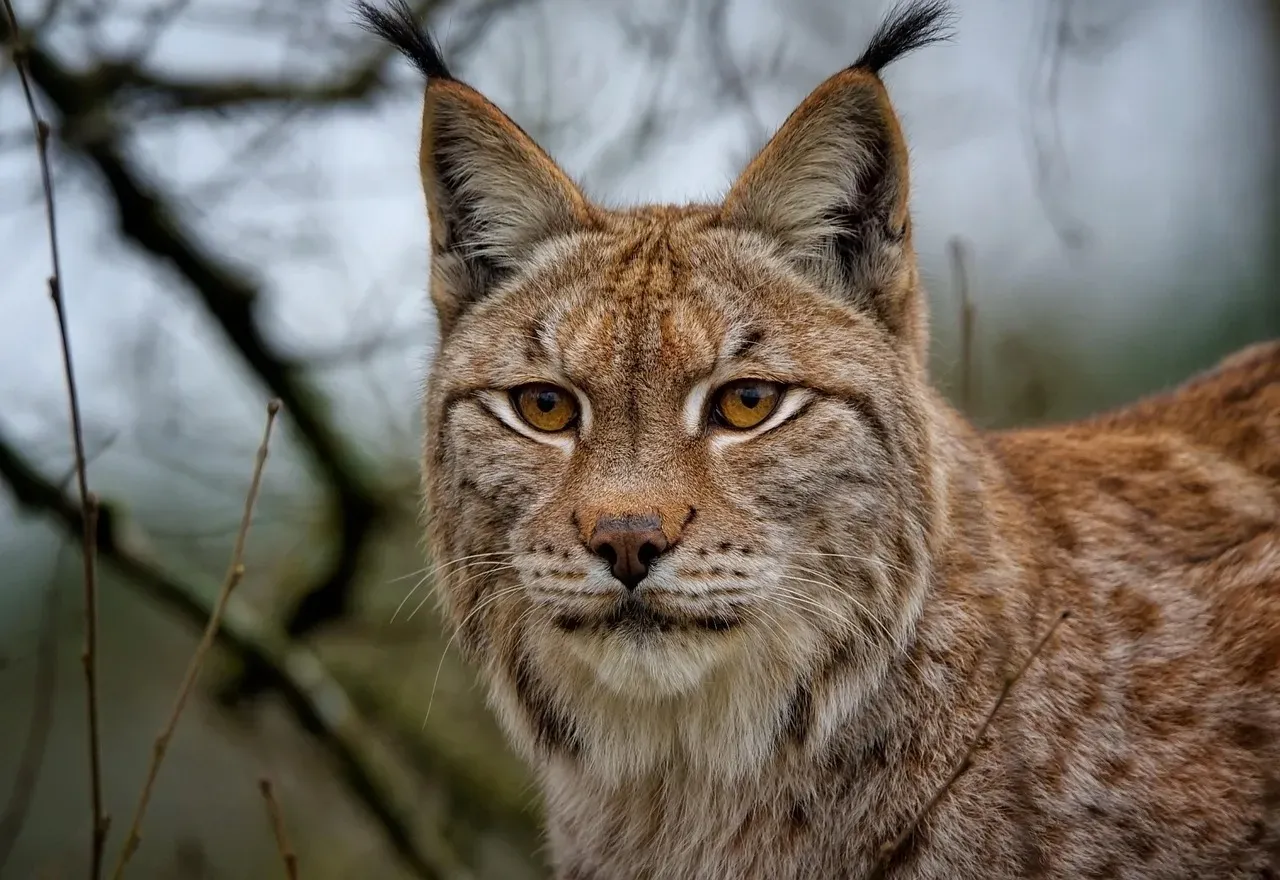
All species of lynx, especially bobcats and the Canada lynx, suffer from vehicle strikes due to road expansion throughout their ranges, with bobcats being adaptable and continuing to live in areas where humans have developed the land, which increases their chances of being hit by vehicles because lynx are mainly active during the night when visibility is low, and the cats can move very fast.
Traps set for other animals become accidental killers. Traps intended for other animals can also lead to accidental lynx mortality. Then there’s the farmer problem. The Eurasian lynx often comes into conflict with farmers, and it’s unsure how much of a threat lynx pose to livestock, but farmers often take lethal measures to protect their animals. Whether the threat is real or perceived, the outcome for lynx is the same: death.
Climate Change: The Silent Predator
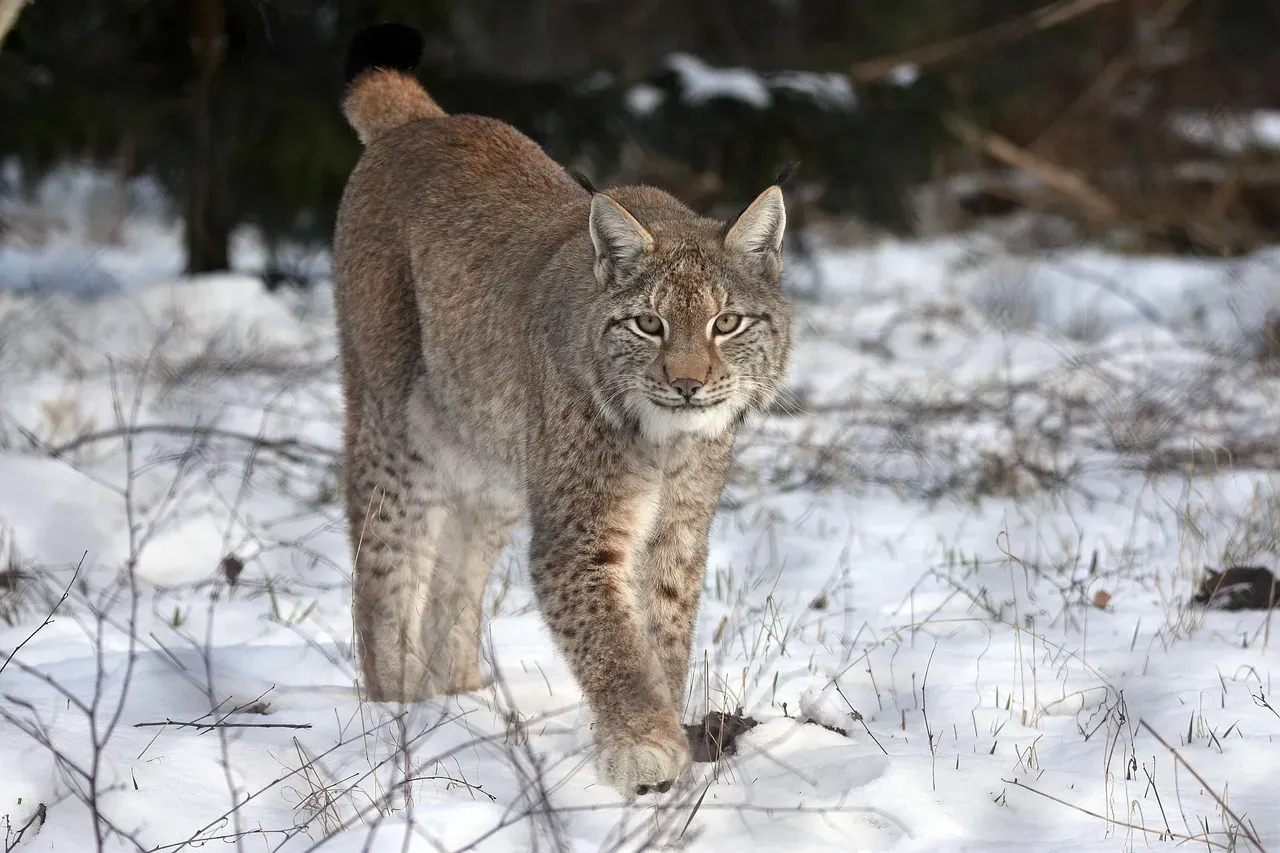
This one hits different. The lynx’s most important requirements – snow, space, hares, and habitat connectivity – are threatened by climate change and various human activities. Snow isn’t just where lynx live; it’s their competitive advantage.
Changes in forest composition due to shifting climate patterns and reduced snow cover alter Canada lynx’s habitat, their ability to hunt snowshoe hares and their prey’s availability. When the snow disappears early or arrives late, bobcats and coyotes move in. Recent research shows that snowshoe hare change their coat color based on photoperiod, not the presence of snow, so hares can now be spotted more frequently with a white coat before snow has come or after it’s melted, making them easy targets for predators, and any crash in the snowshoe hare population has devastating effects on the specialized lynx.
There was a 66 to 73 percent reduction in lynx carrying capacity in study areas because of large, high-severity fires from 2000 to 2020, and the negative synergistic influences of long-term fire suppression, timber harvest, increased drought, longer wildfire seasons, declining mountain snowpack, and increasingly frequent large fires pose considerable challenges to the conservation of Canada lynx.
The Iberian Miracle: Back from the Brink
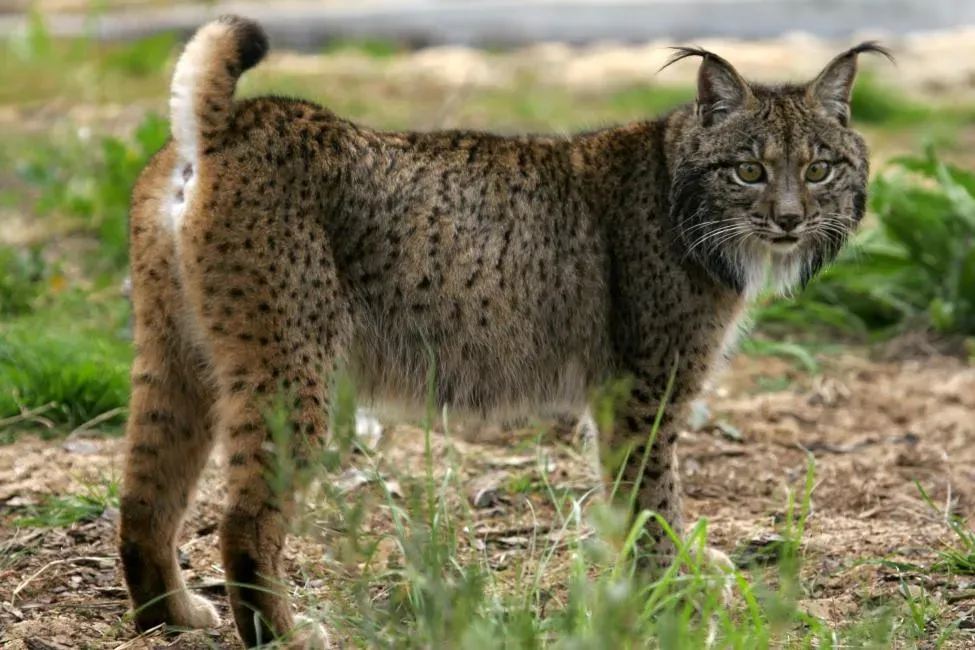
Not all lynx stories are grim. The Iberian lynx has pulled off what might be conservation’s greatest comeback. By the turn of the 21st century, the Iberian lynx was on the verge of extinction, as only 94 individuals survived in two isolated subpopulations in Andalusia in 2002. It was the most endangered cat species in the world, but conservation efforts have changed its status from critical to endangered to vulnerable, and the loss of the species would have been the first feline extinction since the Smilodon 10,000 years ago.
Between 2012 and 2024, the population had increased from a low of 326 individuals to some 2,021, leading to its reclassification as vulnerable on the IUCN Red List. Still, challenges remain. Despite the 2024 reclassification, many conditions that caused its decline persist: habitat continues to be lost or fragmented, rabbit populations remain unstable, reintroduced lynxes face risks from vehicle collisions and human conflict in new territories, and climate change adds further uncertainty.
The Balkan Ghost: Europe’s Rarest Cat
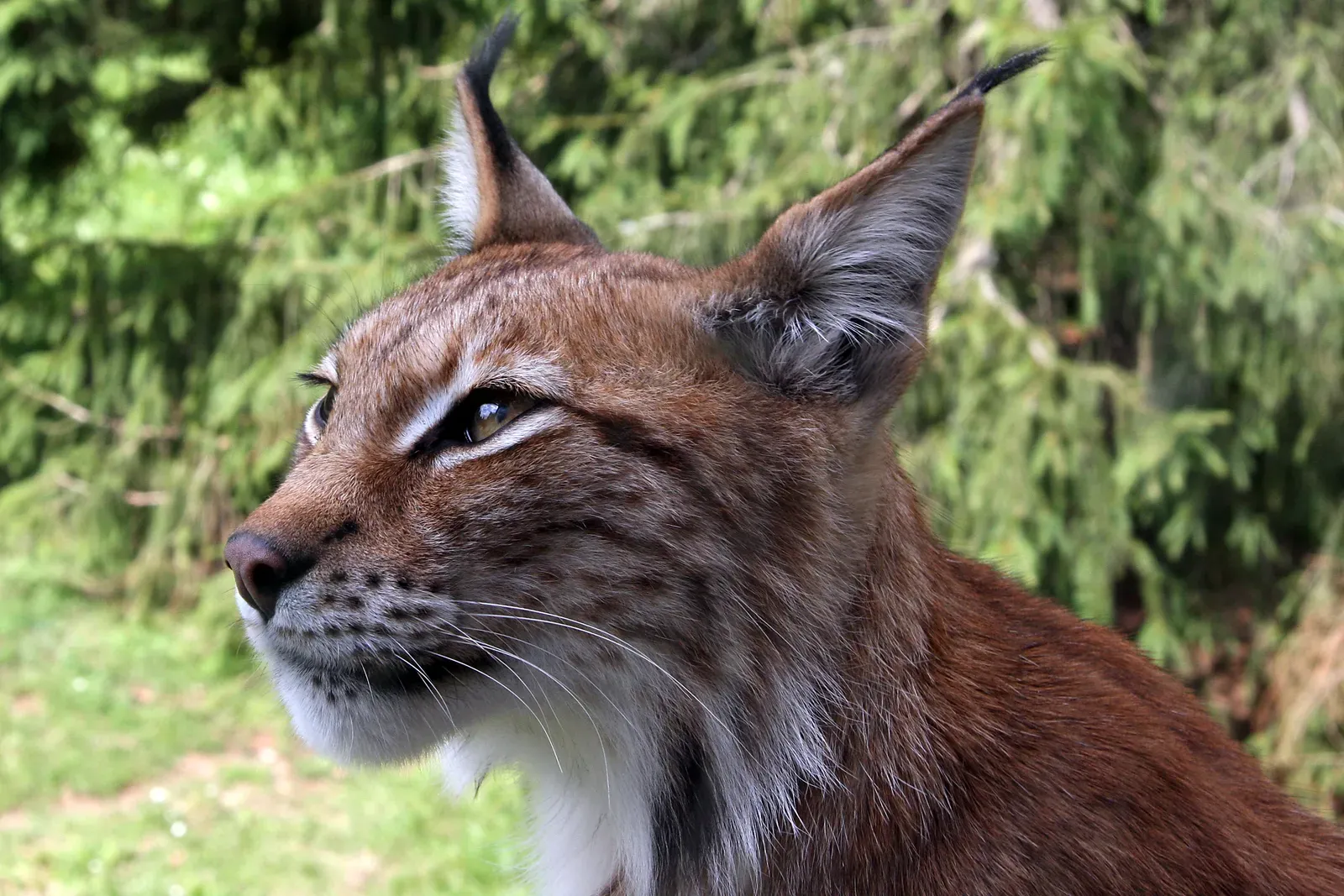
The Balkan lynx survives in the southwestern Balkans with fewer than 50 mature individuals. Think about that: fewer than fifty. You could fit the entire surviving population in a school auditorium. Despite a low number of recaptures, analyses reveal a decline in density over the past decade, from roughly two lynx per 100 square kilometers in 2013 to just over one per 100 square kilometers.
The Balkan lynx is a rare subspecies of the Eurasian lynx, with fewer than 50 individuals remaining, making it one of the rarest cats on earth, with its range confined to the southwest of the Balkans where habitat destruction and direct persecution – including of its prey – are making life very difficult.
Competition in the Snow: When Predators Clash
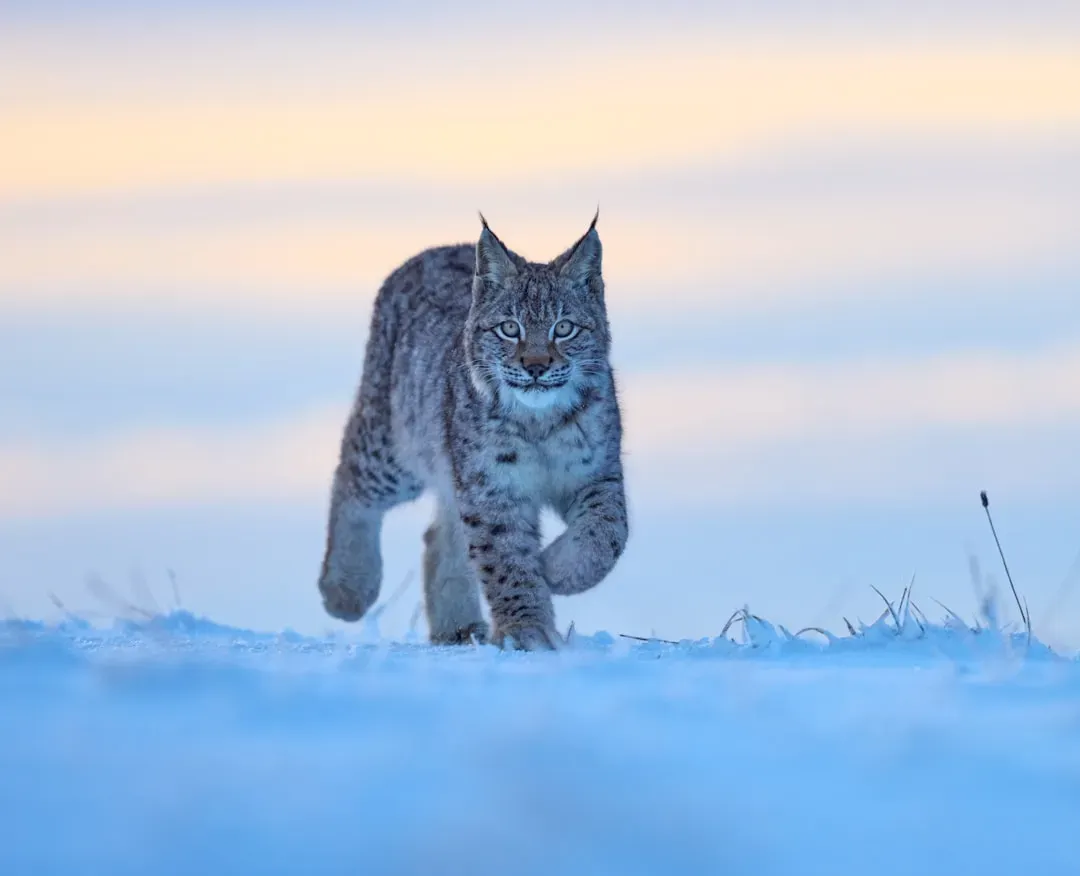
Lynx don’t fight alone for survival. In eastern Canada the lynx is threatened by competition with the eastern coyote, whose numbers in the region have risen in the last few decades. When snow cover decreases, generalist predators gain ground.
The negative influence of bobcats on use of camera sites by lynx suggested that competitive interactions with more warm-adapted competitors may play a role in shaping lynx distribution, with a large decrease in probability of use when bobcats were present, and because overlap of bobcat and lynx increased in snow-off seasons, these results indicated the potential impact of changing climatic conditions on the intensity of biotic interactions. Imagine competing for food with a cousin who’s better adapted to warmer weather. As temperatures rise, you keep losing ground.
Conservation Crossroads: What Can Be Done
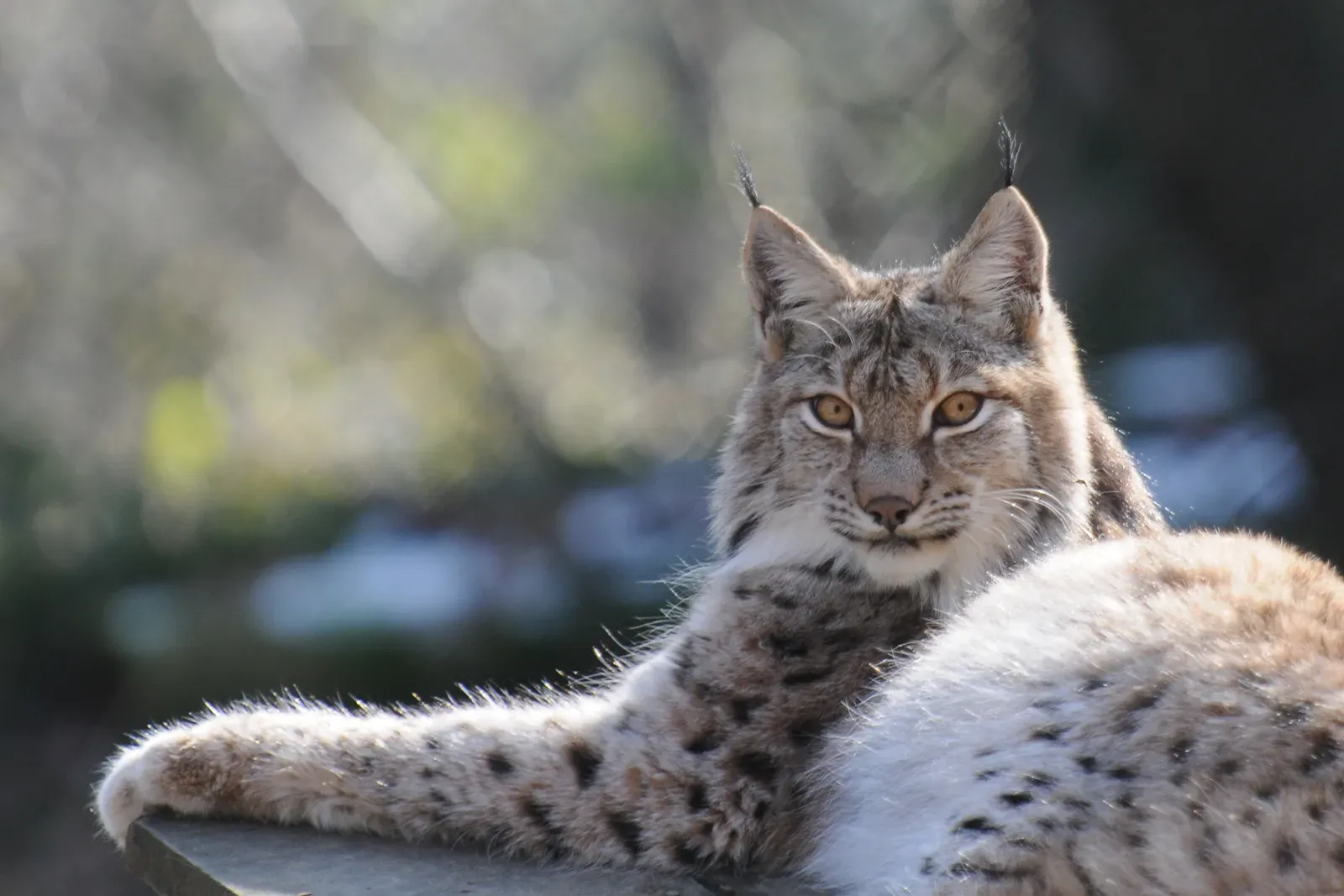
Conservation isn’t about grand gestures anymore. It’s about connected corridors, smart forestry, and understanding what these cats actually need. What Canada lynx and snowshoe hare need now more than ever is connected habitat, as in response to challenges from the changing climate both species may explore new areas, seeking habitat at higher elevations, on colder sheltered slopes, or farther north.
Thanks to a captive breeding program, the Iberian lynx has become one of European conservation’s greatest success stories, with numbers in the wild up from just 94 in 2002 to more than 2,000 today, though further conservation action is still needed, involving ongoing efforts to recover prey populations, enhance habitat quality and connectivity, and release lynx in new areas to connect populations. Protected areas matter. Sixty-two percent of likely lynx habitat overlaps with protected areas, such as wilderness zones and national parks, providing vital refuges from permanent habitat loss caused by development.
Yet protection alone isn’t enough. Long-term recovery requires more than maintaining population numbers; it depends on restoring the ecological and social systems that underpin the lynx’s future.
Looking at the lynx’s struggle, you’re witnessing a microcosm of our planet’s conservation challenges. These cats need deep snow, abundant prey, vast forests, and minimal human interference. Climate change attacks all four simultaneously. Their story isn’t just about one species; it’s about whether we can preserve the intricate relationships that make ecosystems function.
The lynx has survived ice ages and centuries of wilderness. Can it survive us? The answer depends on choices being made right now in forest management offices, climate policy meetings, and land use decisions. What’s most striking is how quickly things can change, both for better and worse. The Iberian lynx proved recovery is possible, yet the Balkan lynx shows how precarious existence becomes when populations drop too low.
So what do you think: can we create a world with room for silent hunters in snowy forests, or will future generations only know lynx from photographs and stories? Tell us in the comments.
Kristina is a young writer from India. An arts graduate and an avid content creator, Kristina is passionate about animals and wildlife. She enjoys exploring topics related to pet care, animal behavior, conservation, and nature, combining thorough research with engaging storytelling.