Have you ever noticed how some cats seem to gravitate toward your grandmother more than your energetic younger siblings? It’s not your imagination. There’s something special happening between felines and older adults that goes beyond simple coincidence. You might wonder what draws these independent creatures to seek out the company of seniors specifically. The answer involves a fascinating combination of temperament, lifestyle compatibility, and mutual understanding that develops between aging cats and aging humans.
While kittens might bounce off the walls and young cats race through hallways at three in the morning, mature felines often seek something different. They’re looking for calm, predictable companionship, something they consistently find with older people. Let’s explore why your cat might prefer sitting on Grandpa’s lap over anyone else’s in the house.
The Shared Appreciation for Quiet Routines
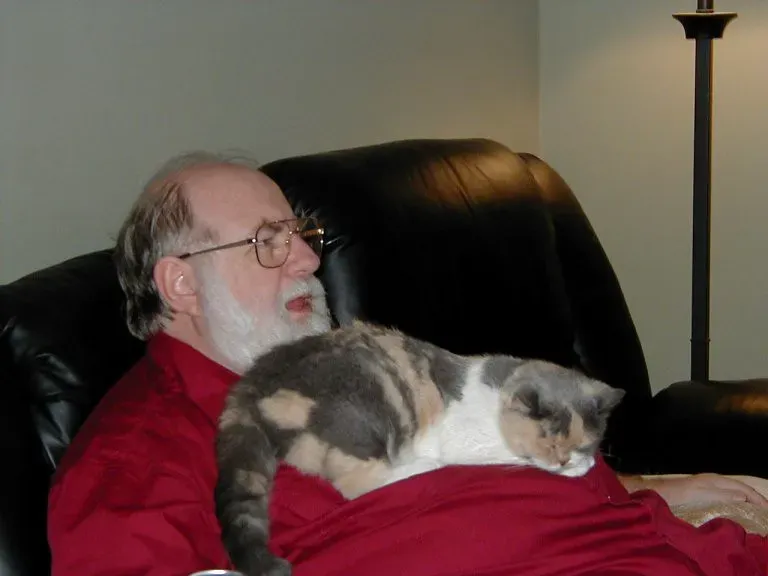
You’ll notice that older cats cherish predictable days more than younger cats do, just as humans become set in their ways as they age. This mutual love of routine creates an instant bond. Senior citizens often follow structured daily schedules, eating meals at consistent times and settling into favorite chairs at predictable moments. Cats thrive on this kind of predictability.
Your older cat doesn’t want surprises or sudden changes in their environment. Neither does your elderly neighbor. When an older person spends their afternoons reading in the same sunny spot, the cat knows exactly where to find them. Most seniors are retired, which means love and attention twenty-four hours a day for cats. This constant availability satisfies a cat’s need for companionship without overwhelming them.
Matching Energy Levels Create Perfect Partnerships
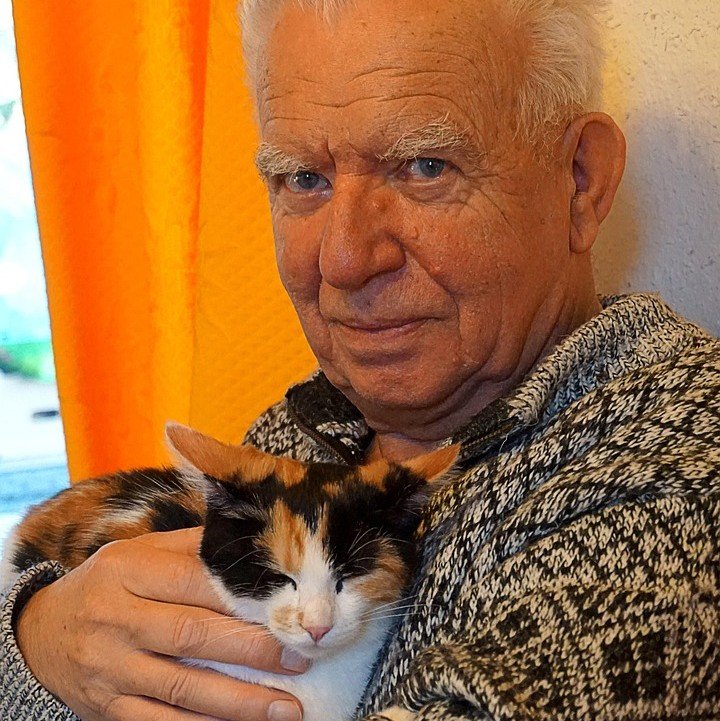
Sitting around and getting affection is a strong, shared, mutual interest between older cats and older people. Think about it this way: a kitten demands high energy play sessions multiple times daily. An elderly person with arthritis or limited mobility simply can’t meet those demands. However, an older cat who prefers gentle petting and long napping sessions? That’s a perfect match.
Most adult cats require only 20 to 30 minutes of playtime per day, and interactive play does not require the owner to be mobile. You can engage your cat with a fishing pole toy while sitting comfortably. Older cats are considerably calmer, so they’re good for elderly and less active people as they won’t be running around their legs. This reduced activity level prevents accidents and creates a peaceful coexistence.
The Absence of Overwhelming Stimulation
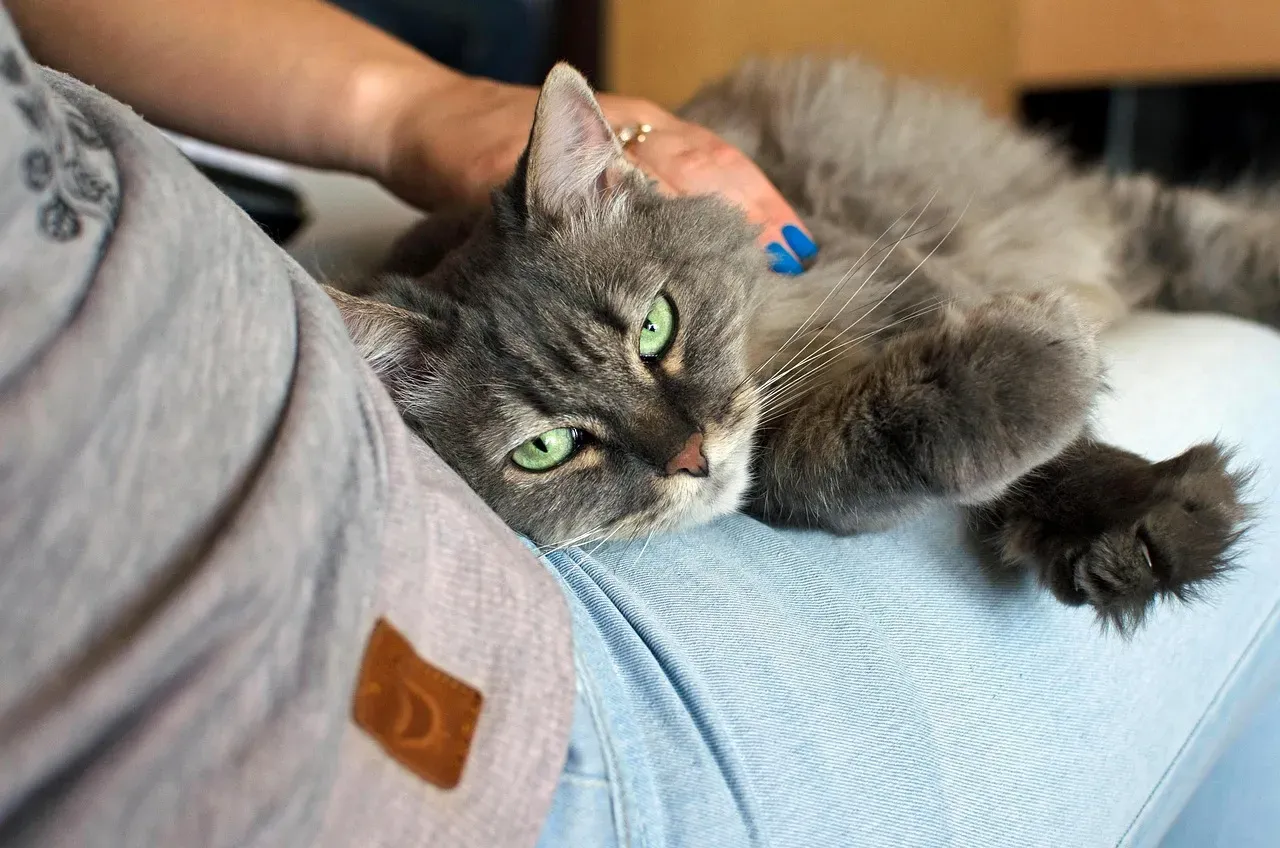
Honestly, households with young children can be chaotic for cats. Cats prefer adults to children because adults usually call to a cat before interacting, allowing the cat to decide whether to respond, while children, especially boys, tend to approach cats directly. Older adults typically move more slowly and speak more softly than younger family members.
Your cat can hear an older person approaching from rooms away, giving them time to decide whether they want interaction or solitude. Seniors generally respect a cat’s need for personal space. They won’t chase the cat around demanding cuddles or pick them up unexpectedly. This respectful approach to interaction makes cats feel safe and in control, which they absolutely love.
Calm Environments Appeal to Feline Sensibilities
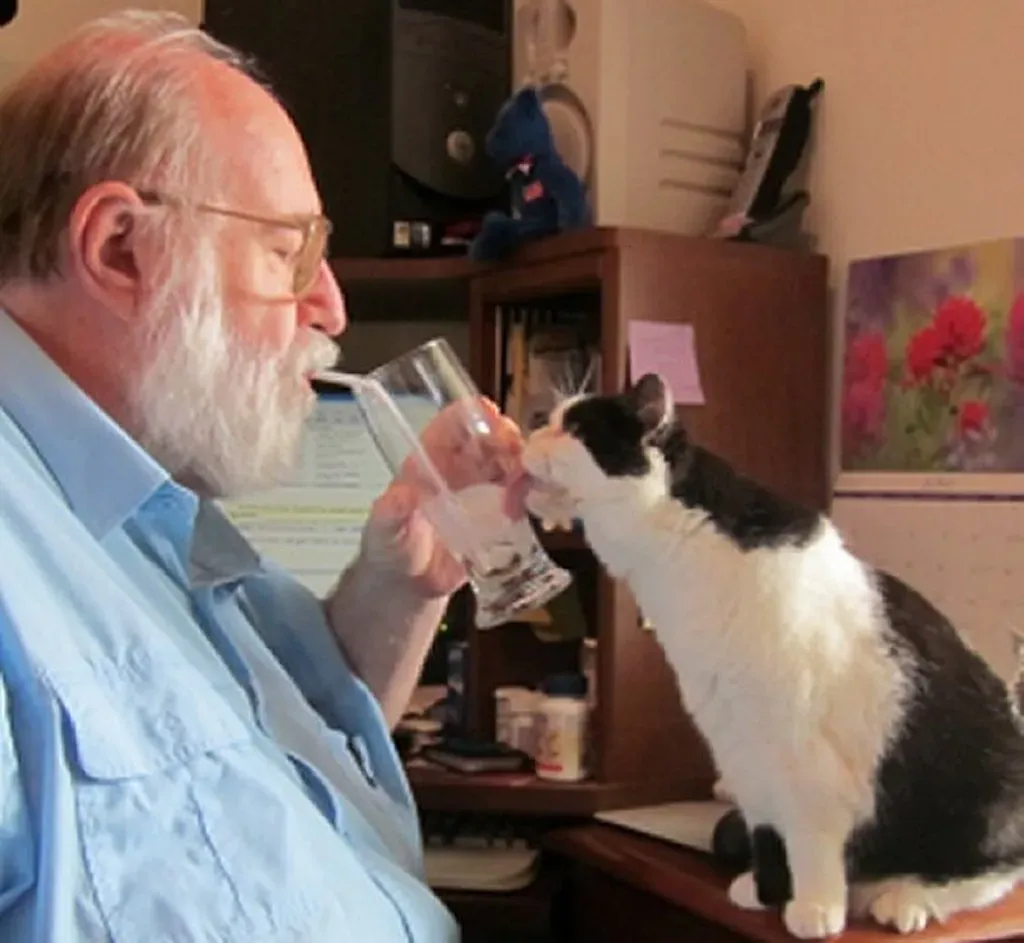
Senior citizens often maintain quieter homes than families with teenagers or young children. There’s less door slamming, fewer visitors dropping by unannounced, and minimal loud music or television at high volumes. It may be harder for aging cats to deal with changes, and sticking to normal routines reassures them. The tranquil atmosphere in many elderly homes provides exactly what mature cats crave.
You’ve probably noticed that cats startle easily at unexpected noises. In a senior’s home, mealtimes happen consistently, visitors are infrequent and expected, and the overall noise level remains manageable. This predictable, peaceful setting allows cats to relax completely. They don’t need to stay on high alert for the next sudden disruption to their nap.
Understanding Physical Limitations Creates Empathy
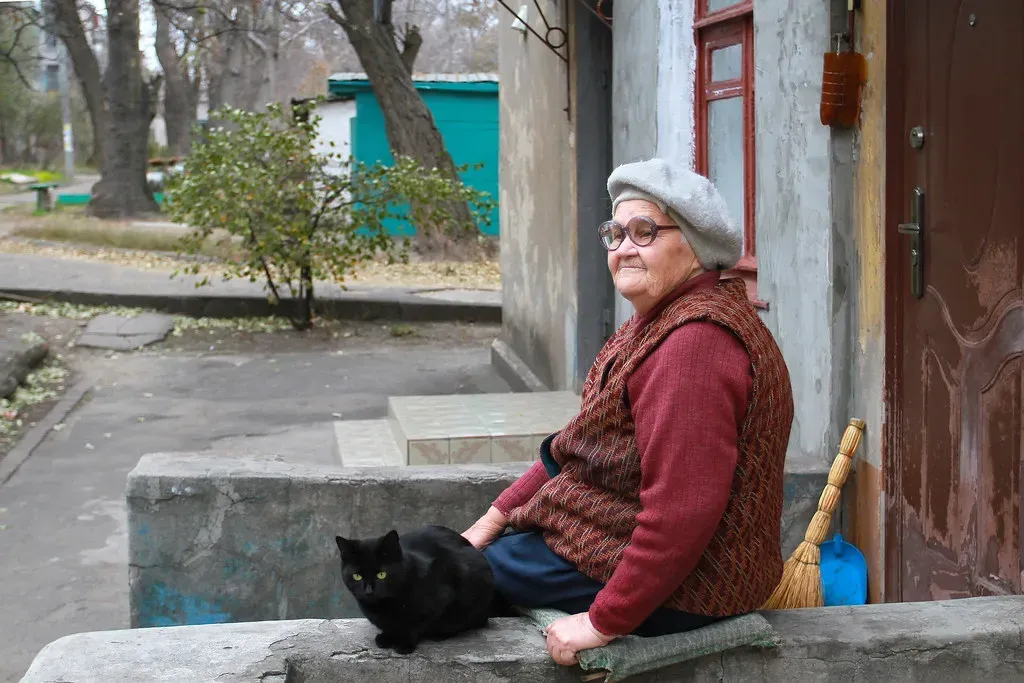
Most elderly people find the slower pace of the older cat more to their liking because they share similar physical constraints. When both your cat and your owner move more carefully due to joint pain, there’s an unspoken understanding between them. Neither expects the other to perform athletic feats anymore.
An older person won’t feel frustrated when their cat can’t jump onto high surfaces anymore. They might even modify the environment with steps or ramps, showing the same consideration they’d appreciate for themselves. Older cats in shelters are often more calm, are more likely to be litter trained, and can provide wonderful companionship. This mutual accommodation creates a deeper bond than you might find in other age pairings.
The Gift of Unhurried Time and Attention
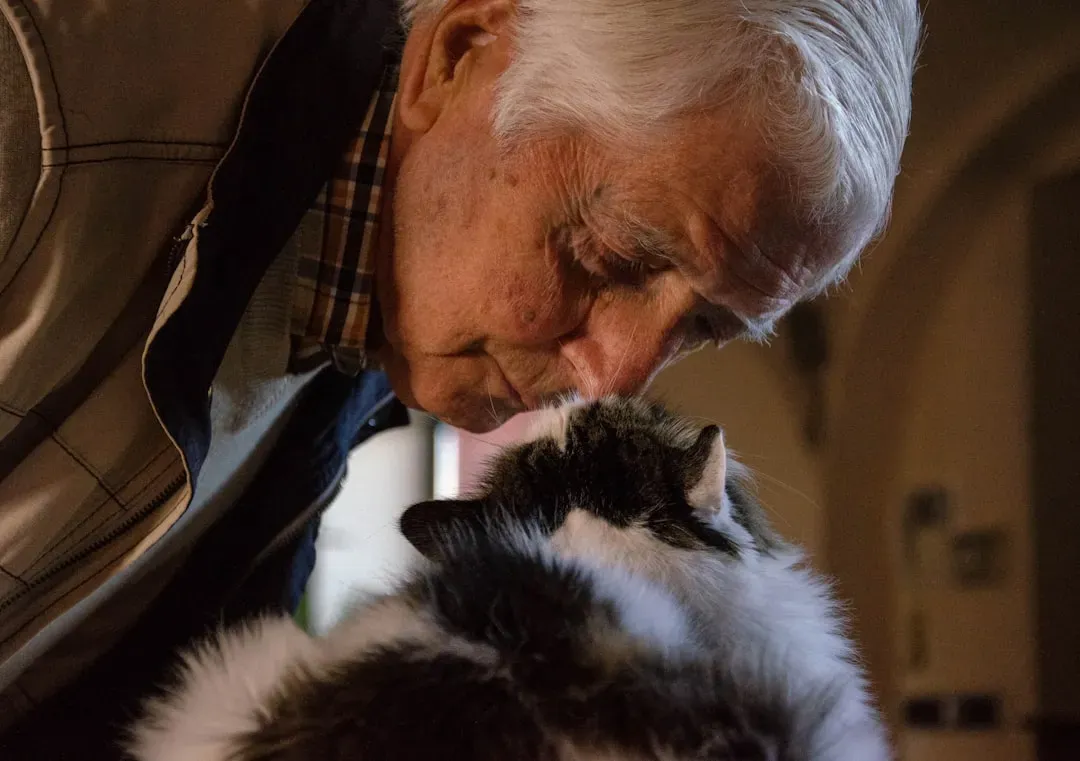
Lots of seniors spend their evenings cuddled up in front of a TV or computer, and from a cat’s perspective, there’s nothing better than spending the night in the lap of a favorite human. Working adults often rush through the door, grab dinner, and collapse exhausted. They might give their cat a quick pet before moving on to the next task.
Retired seniors, however, have the luxury of time. They can spend an entire afternoon with a cat curled beside them while they read or watch television. Cats are very content to spend most of their time sleeping on their owner’s lap or bed. This extended physical contact strengthens the bond between cat and human in ways that quick interactions simply can’t achieve.
Reduced Expectations and Pressure
Younger cat owners sometimes have unrealistic expectations about their pets. They might want an Instagram-worthy companion who performs tricks or tolerates costumes. Older adults typically want simpler companionship without any performance requirements. Your cat appreciates not being forced into situations that make them uncomfortable.
The cat’s personality is established when you adopt an older cat, so the adopter has a real sense of the cat they’re taking home. Senior citizens often adopt mature cats specifically because they value this predictability. There’s no pressure for the cat to be anything other than exactly what they are. This acceptance creates a relationship free from stress or disappointment.
The Health Benefits Create Mutual Well-Being
Cats offer more than just companionship to older adults as feline ownership can ease loneliness, improve health, and even reduce doctor visits. This isn’t just good for humans. When your elderly owner experiences reduced stress and improved mood, the entire household atmosphere becomes more positive. Cats are incredibly sensitive to human emotions and thrive in happier environments.
Studies show that pets help seniors overcome loneliness and depression by providing affection, company, entertainment and a sense of responsibility and purpose. When your owner feels better emotionally, they’re more likely to engage positively with you. This creates a beneficial cycle where both parties experience improved quality of life through their relationship.
Practical Compatibility in Living Arrangements
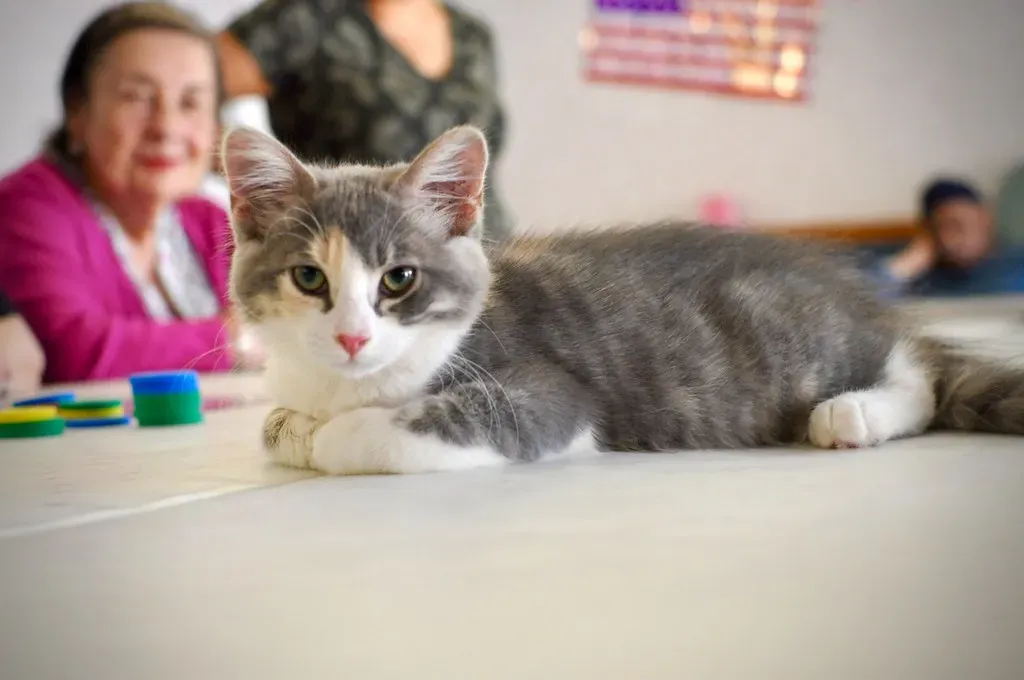
Many older owners simply can’t keep up with a dog’s needs, which makes adopting a cat a much better choice, as cats are happy staying indoors all the time. You don’t require walks in freezing weather or trips outside during rainstorms. For seniors with mobility issues or who live in apartments, this indoor lifestyle works perfectly.
Felines are content to be indoors one hundred percent of the time, and both indoor cats have been indoor cats their entire lives. The practical aspects of cat care align beautifully with the capabilities and limitations of older adults. Litter boxes can be managed indoors, feeding requires minimal physical effort, and cats groom themselves. This practical compatibility removes potential sources of stress from the relationship.
Recognizing and Respecting Life’s Transitions
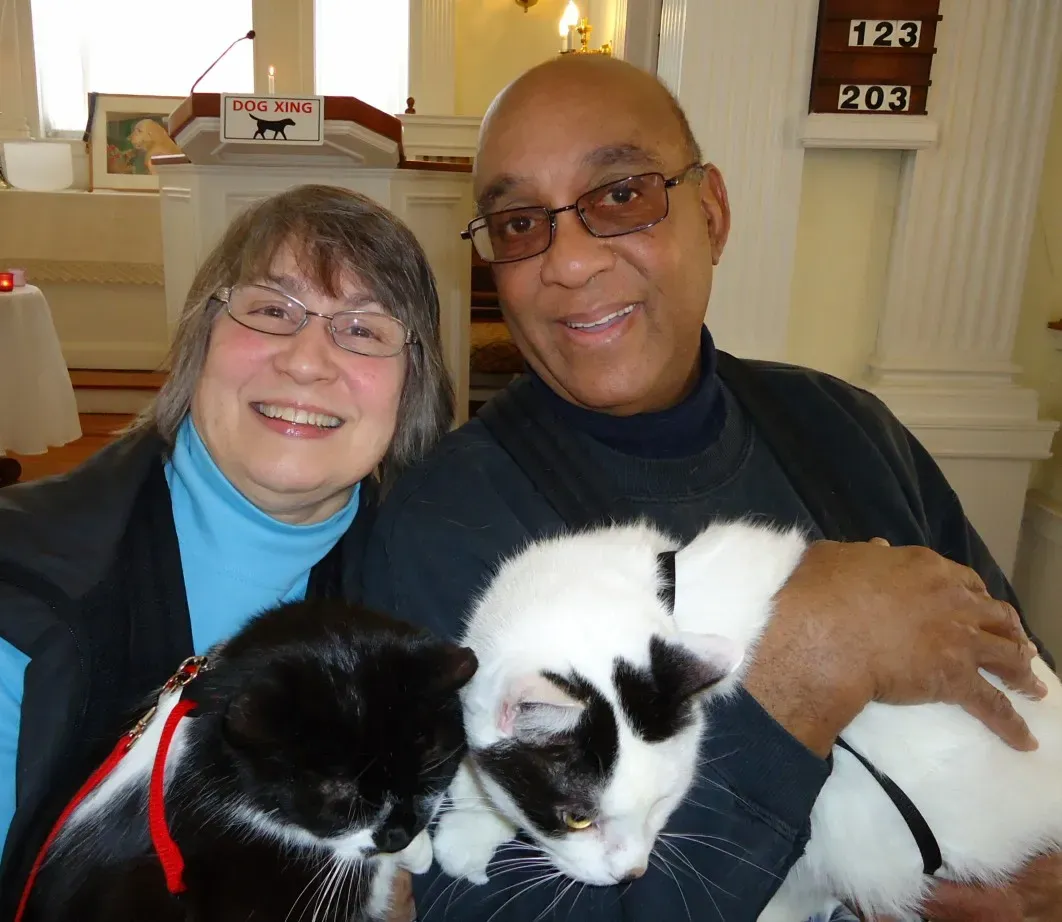
Some cats may need more emotional support as they age and become more dependent on relationships and require more attention. Older adults often have experience with aging processes and understand these changing needs without judgment. They’ve lived long enough to appreciate that everyone, including cats, goes through different life stages requiring different types of support.
Your elderly owner won’t be shocked or frustrated when you sleep more, move slower, or need accommodations for arthritis. They understand firsthand what aging feels like. Senior cats placed with senior people have so much in common, with energy levels, companion expectations, and rewards all in synch. This shared understanding of life’s inevitable changes creates profound empathy and patience that benefits both parties tremendously.
Conclusion: A Bond Built on Mutual Understanding
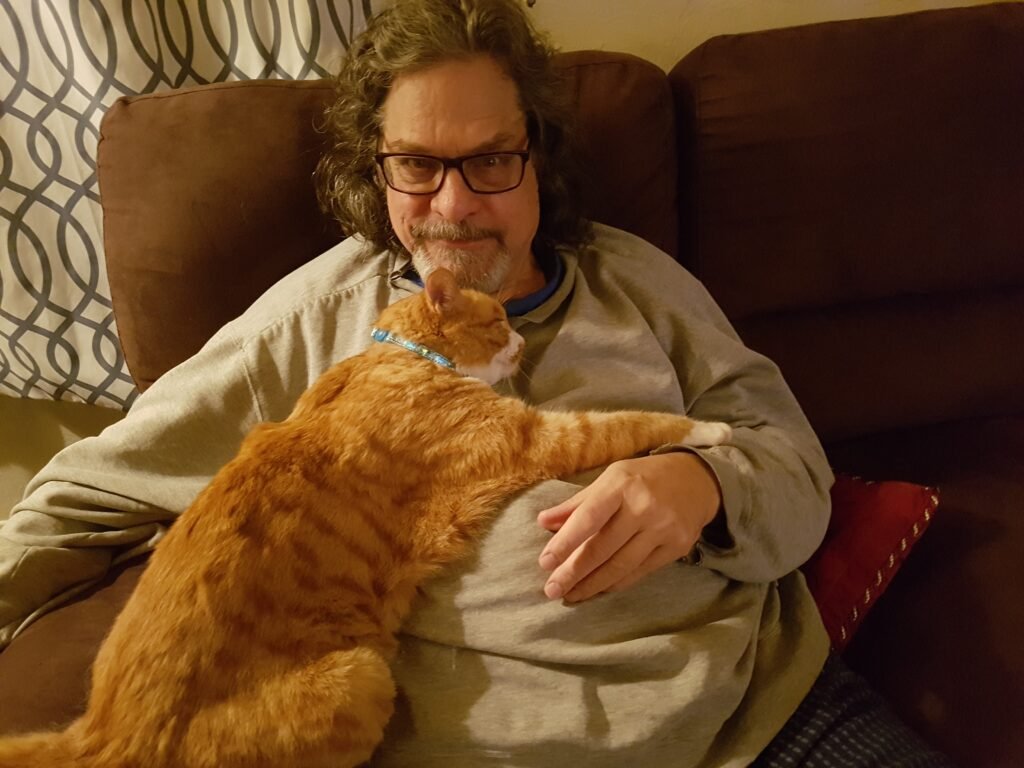
The preference some cats show for older humans isn’t random or coincidental. It’s rooted in shared values around routine, matching energy levels, mutual respect for physical limitations, and an appreciation for unhurried companionship. Both older cats and older people have moved beyond the frantic energy of youth into a stage of life where gentle connection matters more than excitement.
This special relationship benefits both species in measurable ways, from reduced loneliness to improved health outcomes. When you see a cat contentedly snoozing on an elderly person’s lap, you’re witnessing a partnership based on genuine compatibility and mutual understanding. Have you noticed this phenomenon in your own family? The bond between senior cats and senior citizens might just be one of nature’s most perfectly matched friendships.
Kristina is a young writer from India. An arts graduate and an avid content creator, Kristina is passionate about animals and wildlife. She enjoys exploring topics related to pet care, animal behavior, conservation, and nature, combining thorough research with engaging storytelling.