You’ve watched your cat curled up on the couch for the third time today, looking like the ultimate lazy creature. They stretch, yawn, and settle back into yet another snooze session. Here’s the thing though: your feline friend isn’t just being idle. What looks like endless napping is actually a sophisticated energy management system hardwired into their DNA.
Think about it for a moment. While we humans drag ourselves through the day fueled by coffee and willpower, cats have mastered something entirely different. Every one of those seemingly endless catnaps serves a specific purpose, preparing them for their next burst of activity. Whether it’s a sudden dash across the living room or an ambush on an unsuspecting toy mouse, your cat is always ready to spring into action.
The Ancient Blueprint Behind All Those Naps
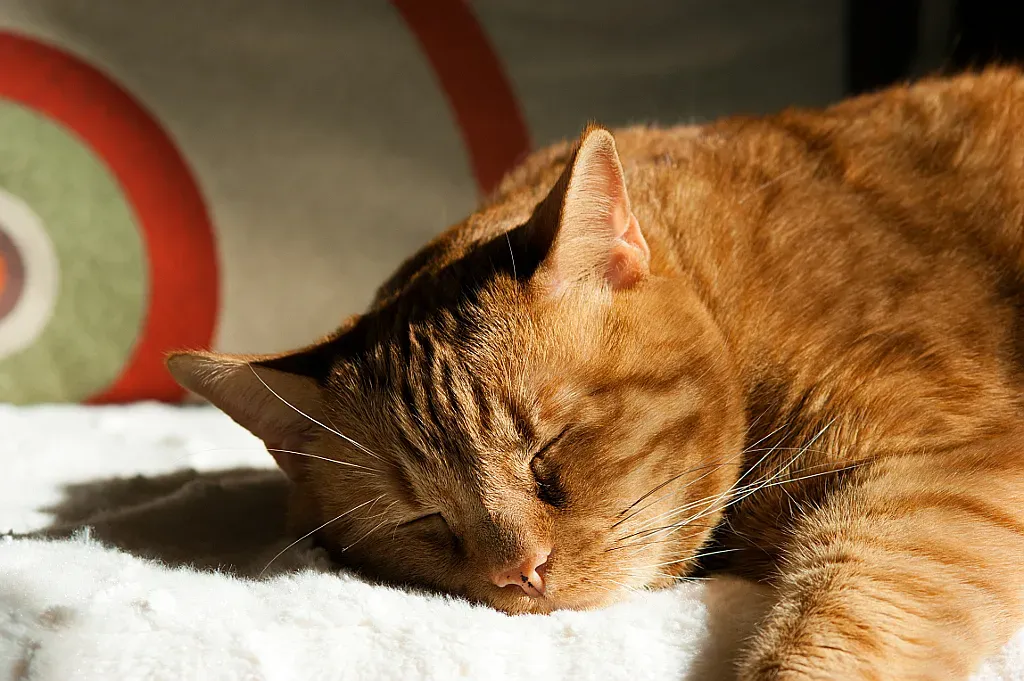
Your cat’s tendency to sleep for extended periods stems from an evolutionary adaptation designed to conserve energy for hunting, chasing, and capturing prey in the wild. Even though your pampered house cat has never had to hunt a day in their life, their body still operates on this ancient programming. Wild cats need to hunt as many as 20 small prey each day, requiring rest between each hunt so they’re ready to pounce quickly when prey approaches.
This behavior isn’t laziness. It’s survival strategy etched into every fiber of their being. Cats in the wild must conserve energy and hunt at any opportunity, even when not hungry, with the best chance to hunt coming after a nap when they’re well-rested. Your indoor cat might only be stalking dust bunnies and toy mice, yet the instinct remains just as strong.
How Much Sleep Are We Actually Talking About
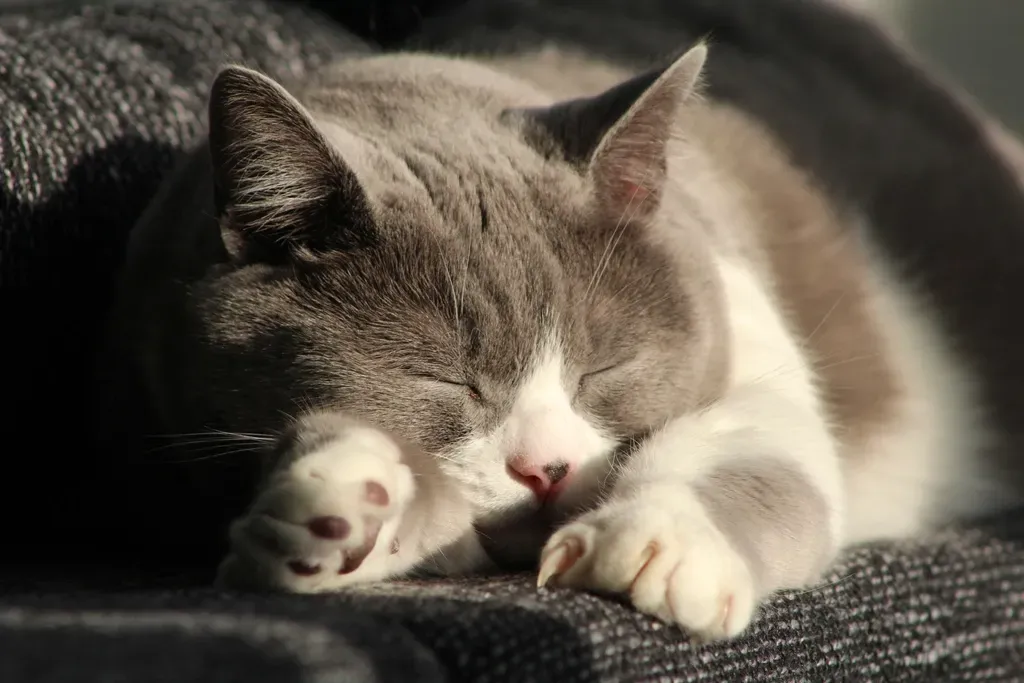
Let’s be real here. Cats sleep between 12 and 16 hours a day, which sounds absolutely ridiculous when you first hear it. Some particularly committed snoozers push that number even higher. Young cats typically sleep around 16 hours a day, while older cats may sleep up to 20 hours.
Compare that to our measly seven or eight hours, and it’s easy to see why we might feel a twinge of jealousy watching them. The difference makes sense, though, when you consider what’s happening beneath the surface. Cats use a lot of energy when they hunt, play, or explore their environment, so it makes sense that they need to conserve energy by sleeping more. They’re not designed for marathon activities like us.
The Secret Cycles Happening While They Snooze
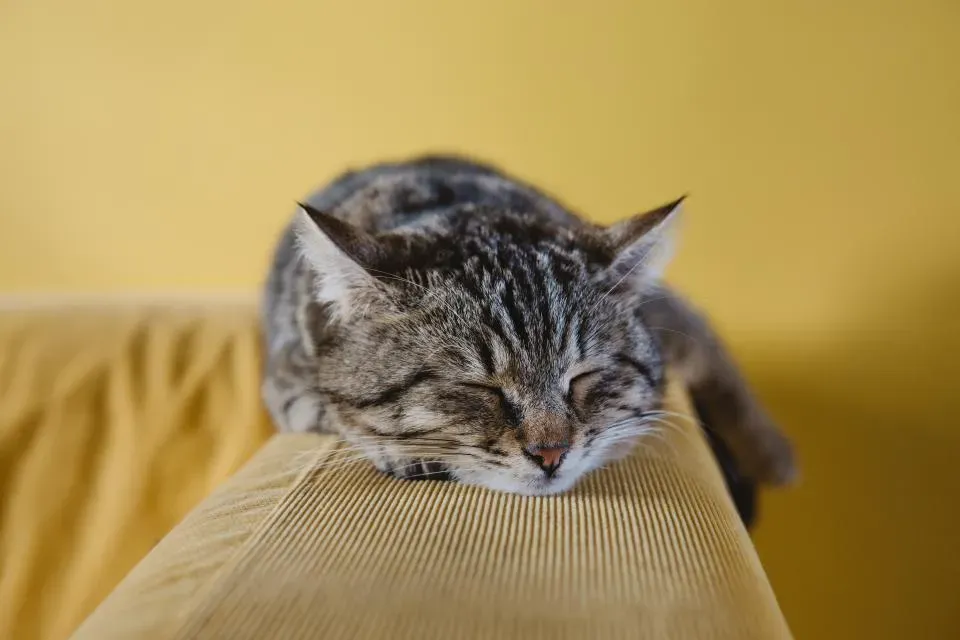
Cats cycle through different stages of sleep, experiencing both non-rapid eye movement (NREM) and rapid eye movement (REM) sleep. During the light NREM phase, they’re in standby mode. Cats can relax while still being aware of their environment, with their eyes partially open or their ears moving in response to sounds.
Then comes the deeper REM phase, where things get interesting. When cats are in REM sleep, they can twitch or go limp with a loss of muscle tone. Cats actually dream about 30 to 40 percent of the time they are sleeping. Next time you see your cat’s whiskers twitching and paws paddling the air, they might be reliving that epic battle with the red laser dot from earlier.
Why Dawn and Dusk Make Cats Go Crazy
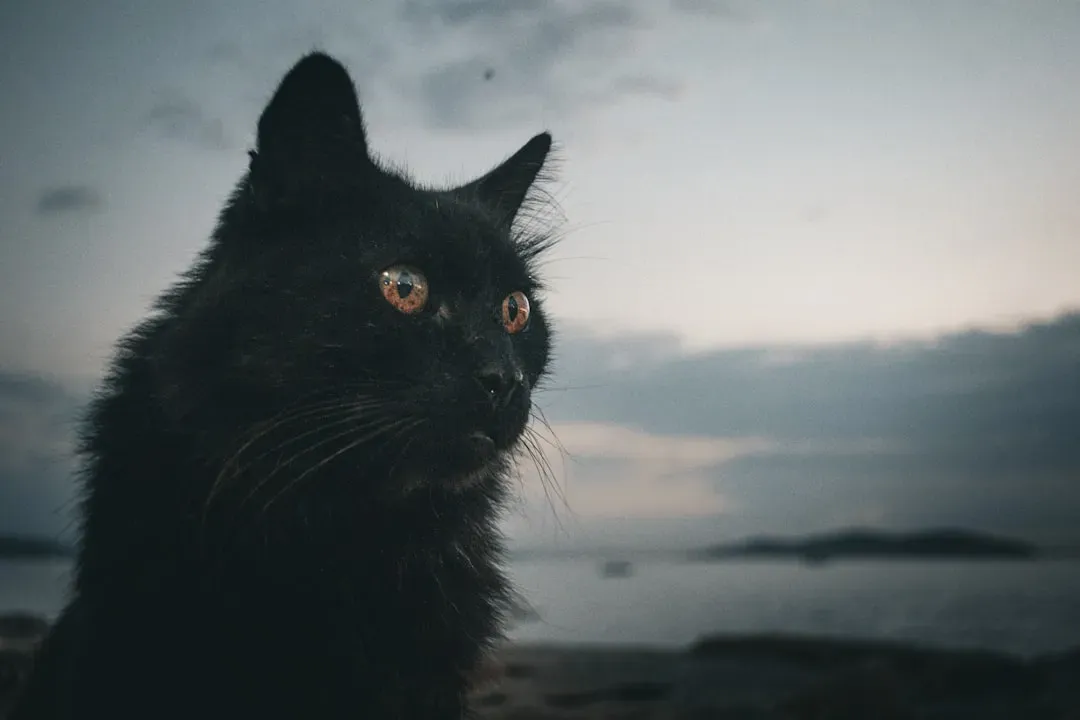
You’ve probably noticed your cat transforms into a miniature tornado right around sunrise or sunset. There’s a scientific reason for this seemingly bizarre behavior. Cats are crepuscular, which means they are most active at dawn and dusk. This isn’t just random timing.
They are more active during the twilight hours of dawn and dusk when their prey is typically more active. Their wild ancestors developed this pattern because hunting was most successful during these times. Your modern cat still follows this ancient rhythm, even if the only thing they’re hunting is their favorite feather toy. The so-called “zoomies” that tear through your house at precisely 5 AM? That’s thousands of years of evolution kicking in.
The Strategic Nature of Cat Napping
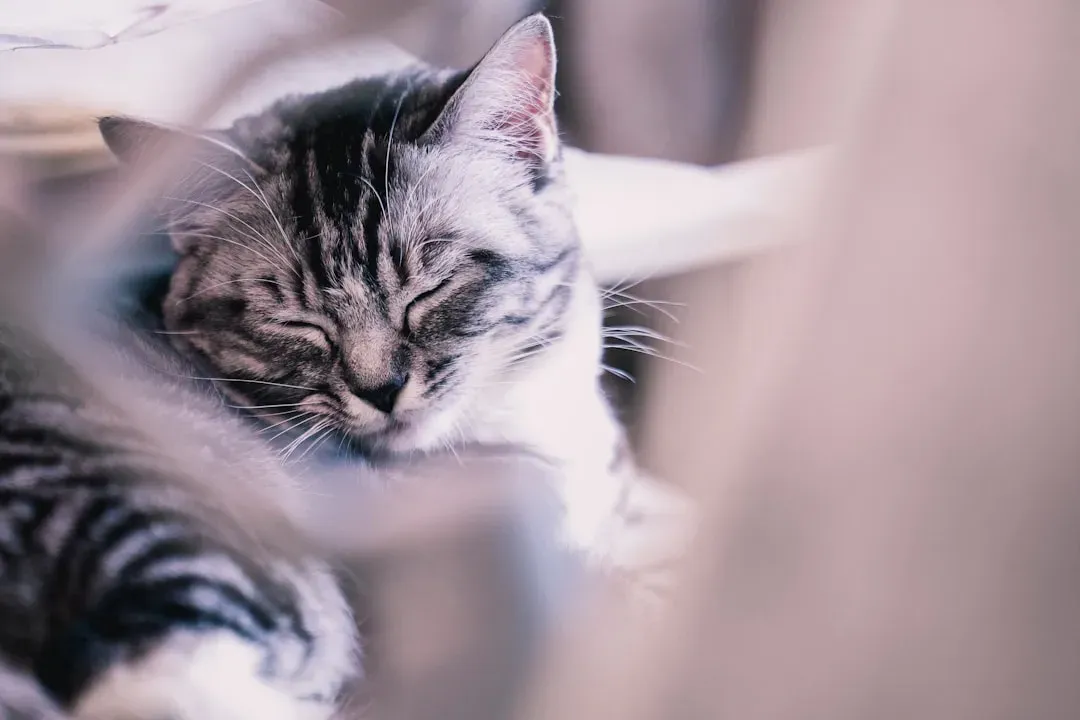
Cats don’t really sleep for long stretches; rather, they take frequent catnaps that last 15 to 30 minutes, allowing them to rest their body and mind without falling into deep sleep. This pattern serves a crucial purpose. These catnaps allow felines to still react quickly to potential threats in their environment.
Think of it like keeping one eye open, metaphorically speaking. Sometimes literally, if you’ve ever caught your cat sleeping with their eyes half-cracked. The polyphasic sleep pattern cats display, which means sleeping in short bursts rather than all day or night, allows them to recharge and be ready to go out and hunt again. Every single nap is a tactical energy boost, perfectly timed for maximum efficiency.
Location, Location, Location
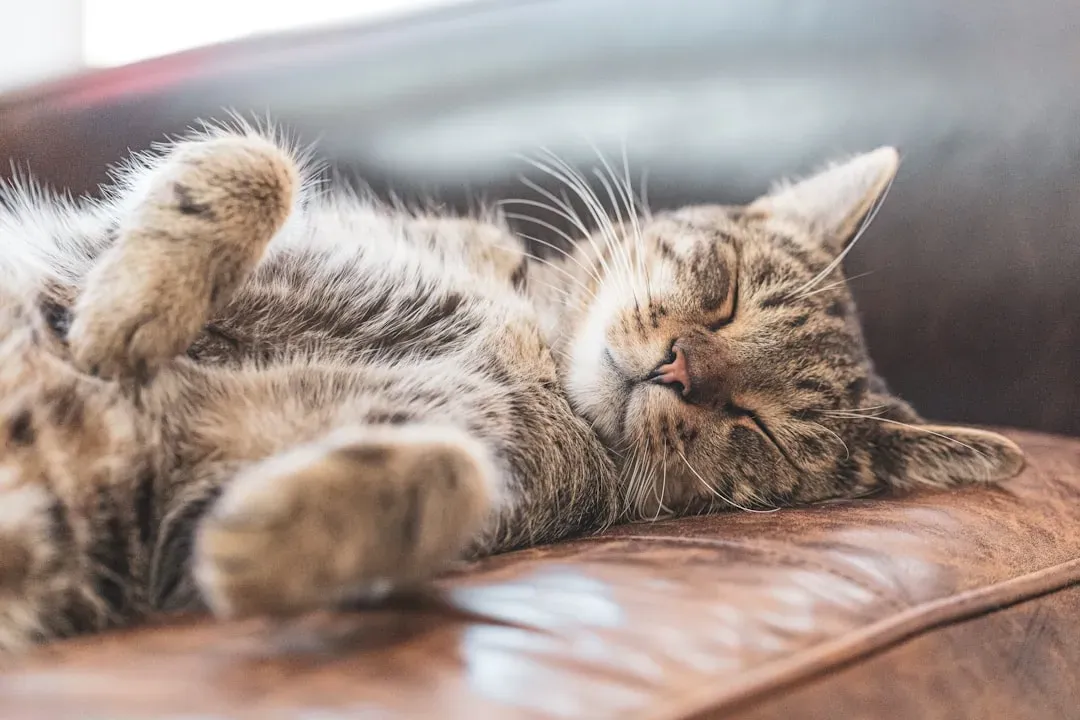
Temperature tends to be the biggest factor in choosing sleep spots, with cats preferring particularly warm or cool locations based on their needs, whether that means snuggling up on fresh laundry, following a patch of sun across the carpet, or spreading out on a cold tile floor. They’re incredibly strategic about this, constantly assessing their environment for the optimal napping zone.
Security matters too. Cats are prey to larger carnivores in the wild, making them particularly sensitive about safety during vulnerable times like sleep, often preferring covered locations where predators can’t easily reach them. That’s why your cat might choose a cardboard box over the expensive cat bed you bought. The box offers walls, a sense of enclosure, and the illusion of invisibility. Pretty smart, honestly.
When Playtime Mimics the Real Hunt
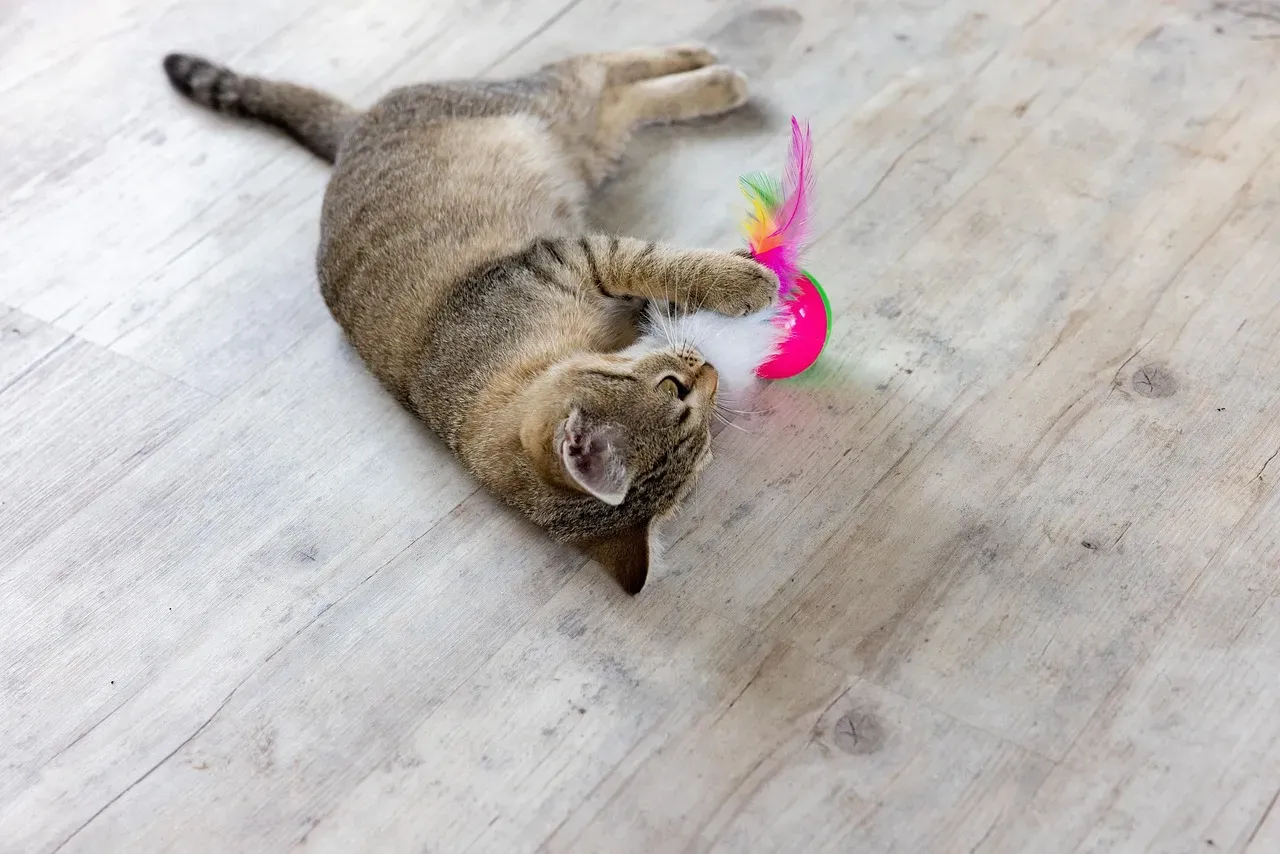
One of the most common indoor behaviors cats exhibit is stalking and pouncing, a direct result of their hunting instincts as they simulate the experience of catching prey. Watch closely next time your cat “plays.” Batting around toys with a single paw serves a real purpose, tiring out their target to slow it down, preserving the cat’s energy and reducing the risk of injury or fatigue.
The motivation to hunt prey is only partly related to hunger, with cats learning to be opportunistic feeders who hunt regardless of whether they’re hungry because waiting until hungry could mean starvation. This explains why your well-fed cat still obsessively stalks that toy mouse. They’re hardwired to practice these skills constantly, and all those naps provide the energy reserves needed for these practice hunts.
The Deep Sleep Recovery Phase
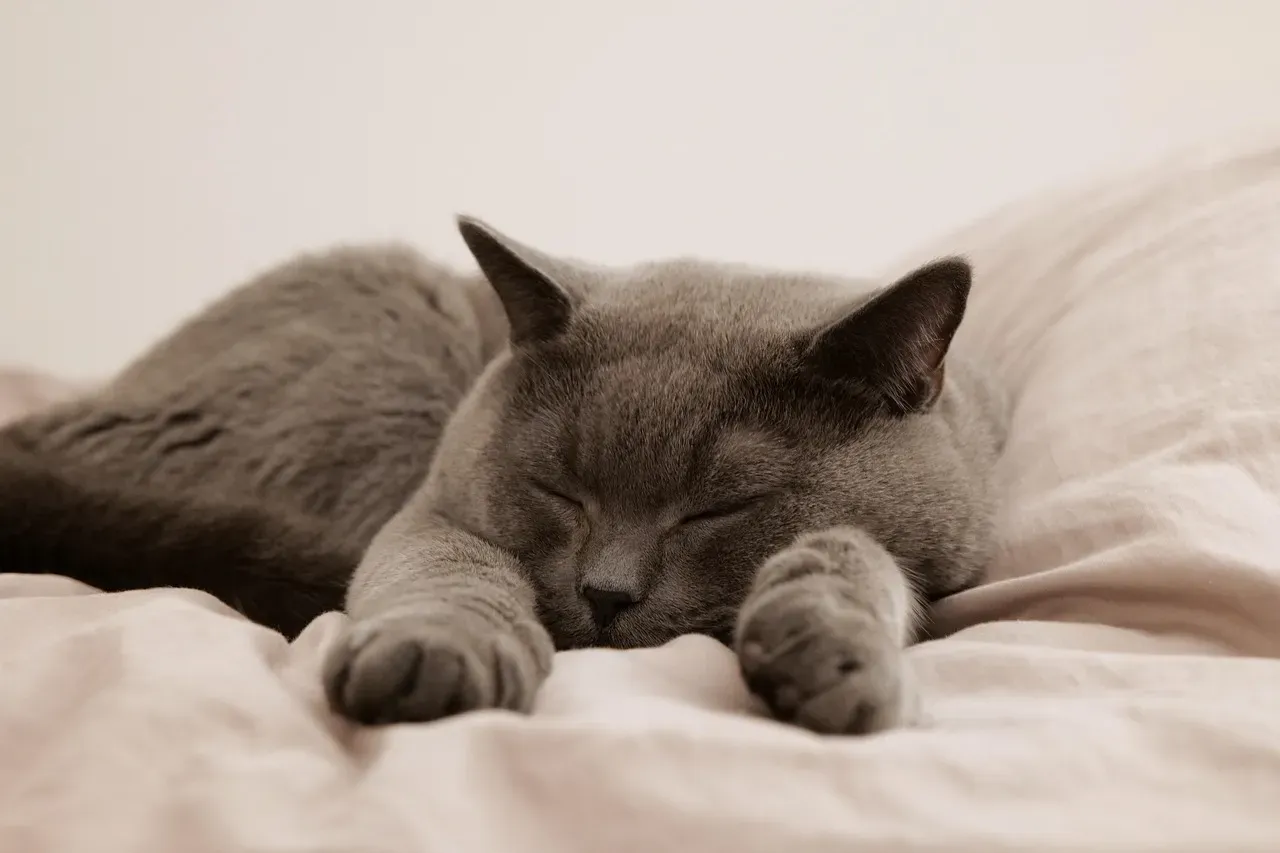
During their deepest sleep periods, something remarkable happens. In the non-REM stage of sleep, cats are tuned out to the world around them, experiencing their deepest form of sleep which is crucial for maintaining health, as they rebuild and repair their bodies during this time. This is when the real magic happens inside their little bodies.
REM sleep lasts only about five to seven minutes, and cats are slow to wake from this deep sleep. It’s brief but incredibly important. During these precious minutes, their brains process everything they’ve experienced. Growth, healing, memory consolidation. All the essential maintenance work happens when they’re completely checked out from the world around them.
Age Changes Everything About Sleep
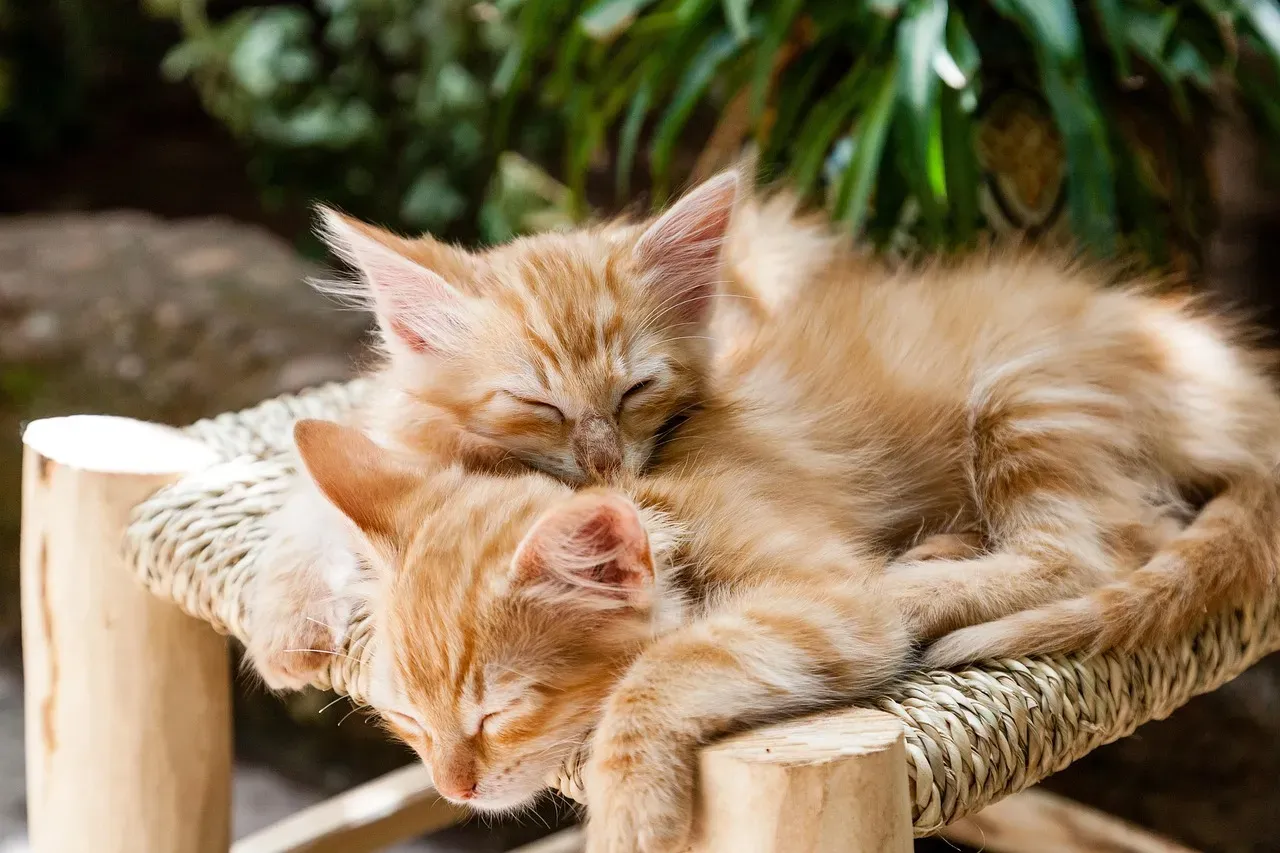
Kittens are sleep champions. Approximately 90 percent of kittenhood is spent snoozing because they need to constantly recharge their batteries as their brain and central nervous system is still developing. If you’ve ever wondered why that playful kitten suddenly crashes hard, now you know. Their bodies are working overtime to grow.
Senior cats snooze a lot too, usually up to 20 hours a day, with this increased amount of sleep occurring because, just like with humans, when cats get older they tire more quickly. Between the hyperactive kitten years and the golden senior years, adult cats find their own rhythm, though it’s still far more sleep than most humans would consider reasonable.
What Your Cat’s Sleep Position Really Means
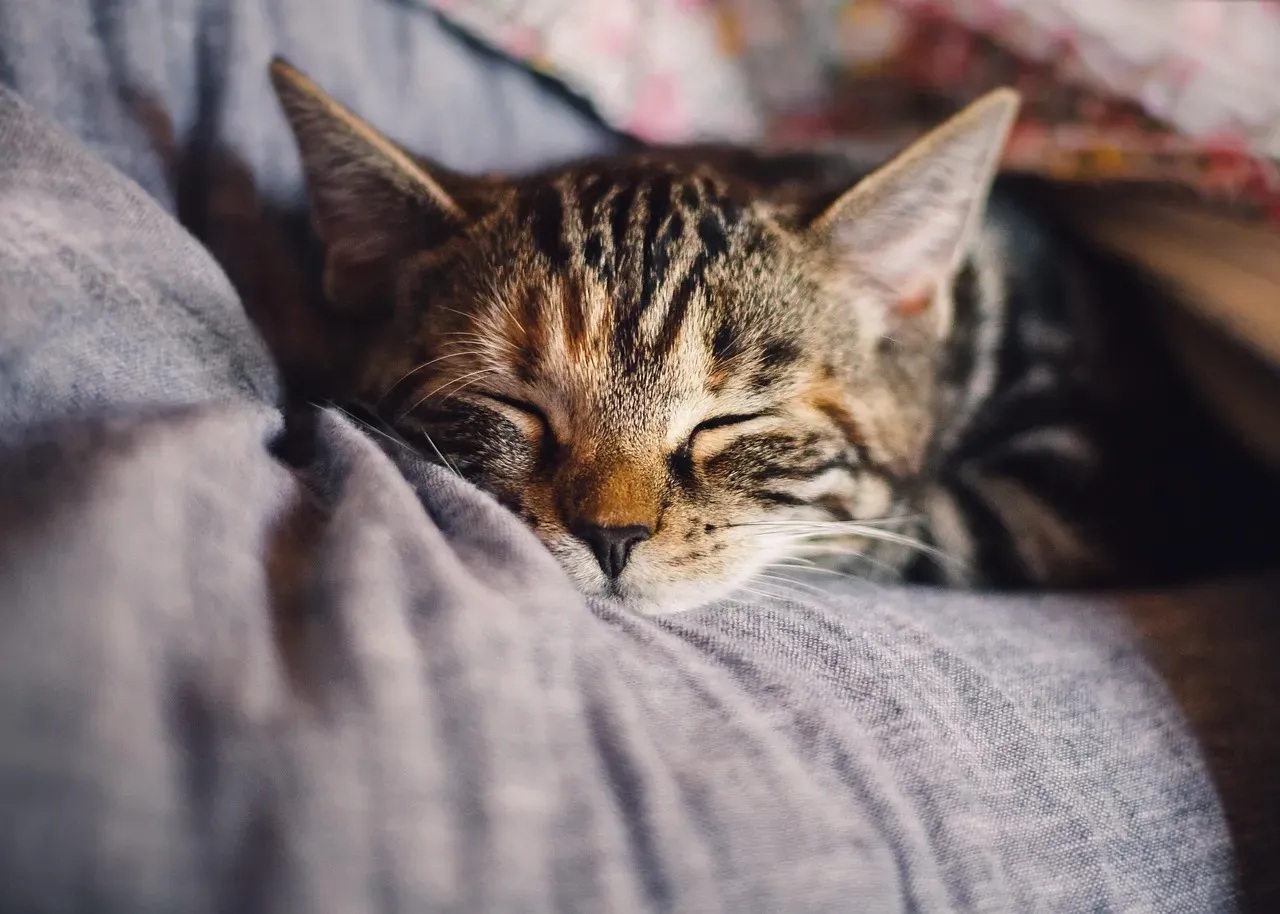
A cat lying on your chest wants to be close and may also be drawn to your voice for comfort. Position matters more than you might think. Sleeping on the back with the belly exposed indicates total relaxation and wellbeing, as the stomach is the most vulnerable part of their body, and lying flat unable to quickly escape exhibits total trust.
A cat curled up in a ball might seek warmth or protect its vital organs, a holdover from wild instincts. Meanwhile, sprawled out like they own the place? That’s pure confidence. A cat sleeping in a sitting position is exposing their belly, which means they feel safe. Every twist, curl, and stretch tells you something about how secure and comfortable they feel in that moment.
Creating the Perfect Sleep Environment
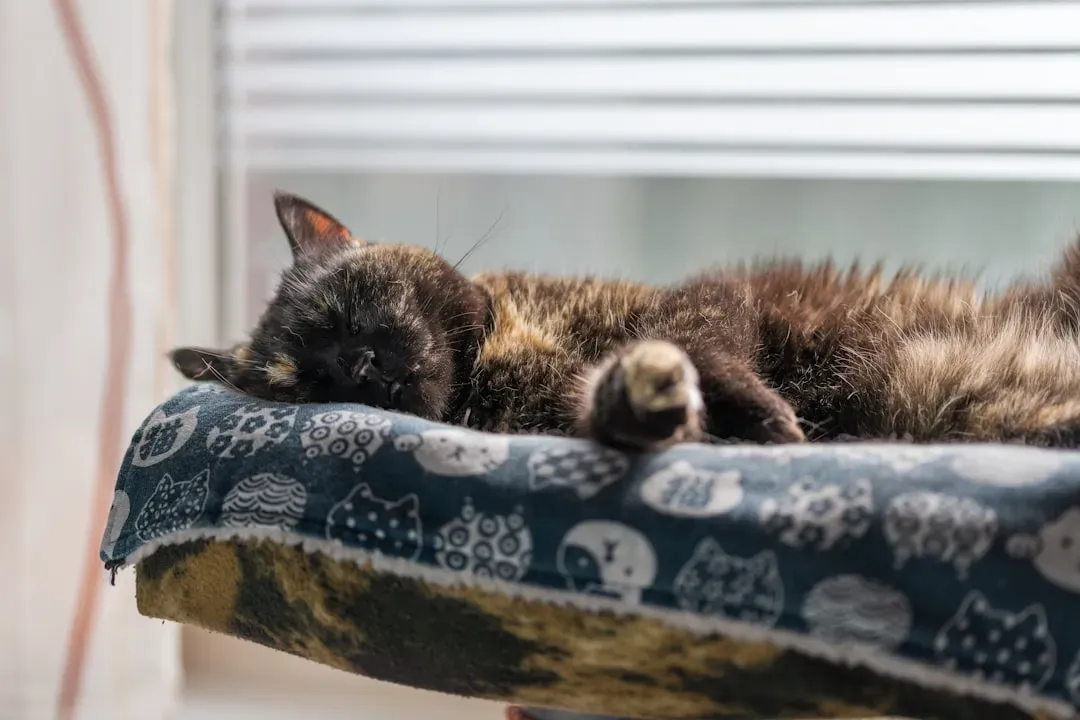
You can actually help optimize your cat’s sleep quality. Cat owners should create a serene and comfortable sleeping environment by offering cozy, quiet bedding areas and maintaining a consistent daily routine, with factors like bedding type, location, and household noise levels all influencing sleep quality. It’s not complicated, but it makes a real difference.
Cats need the ideal napping spot in a quiet area of the home, and they feel safest when off the ground, so adding soft blankets to a cat shelf or window ledge works well. They appreciate having options throughout your home. Multiple comfortable spots give them choices based on temperature, light levels, and how social they’re feeling at any given moment. Respecting their need for quality rest pays off in a happier, healthier cat.
Conclusion: The Method Behind the Madness
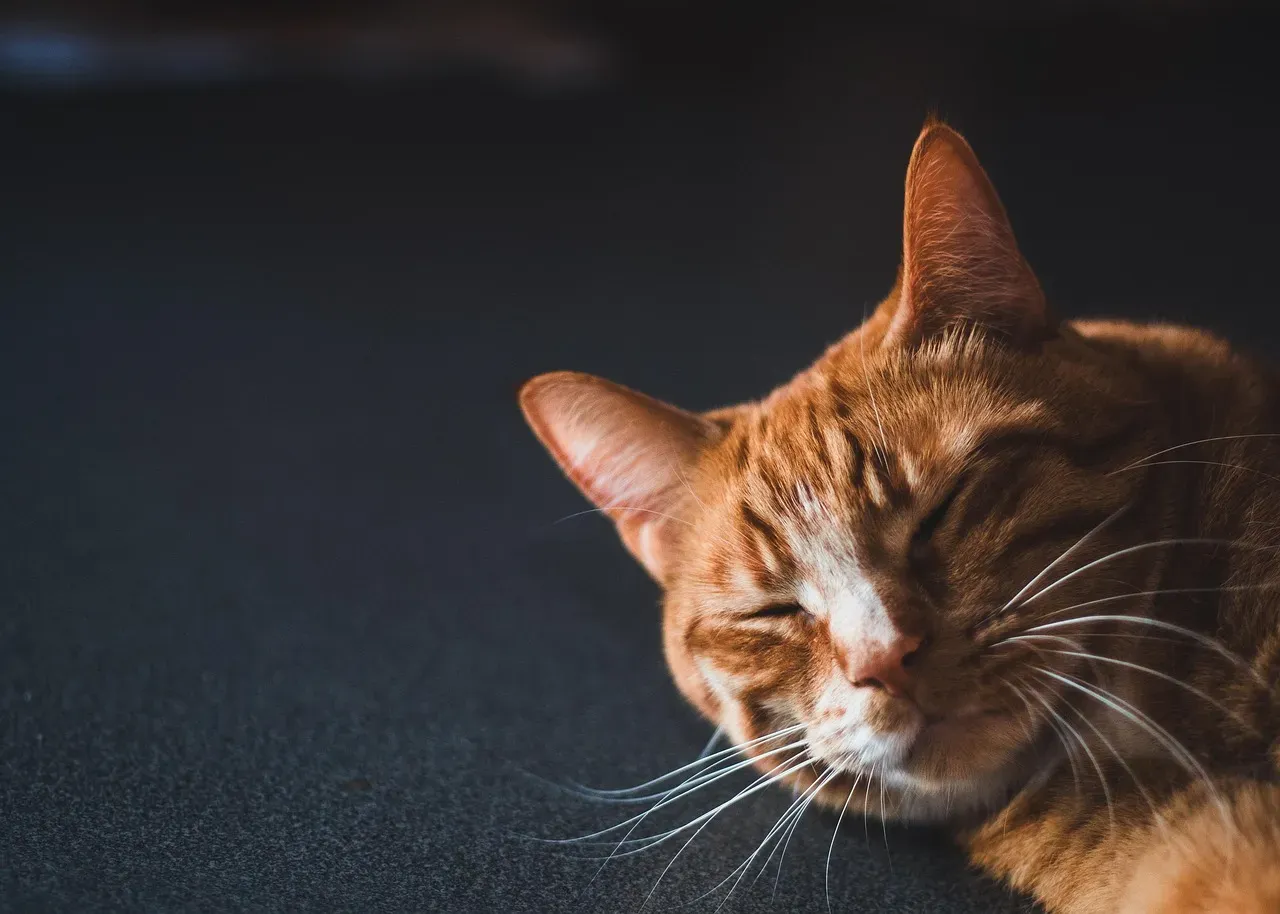
Your cat’s seemingly excessive sleeping habits aren’t about laziness or boredom. They’re executing a finely tuned survival strategy perfected over millennia. Every nap recharges their batteries for the next adventure, whether that’s a daring hunt for a dust bunny or a dramatic leap onto the kitchen counter.
Understanding this changes how we view those long stretches of snoozing. They’re not wasting time. They’re preparing, recovering, and maintaining the razor-sharp reflexes that define them as the efficient little predators they are. So next time you find your cat sprawled across your keyboard for the fifth nap of the day, remember: they’re not being lazy. They’re being strategic.
What’s your cat’s favorite napping spot? Have you noticed patterns in when they sleep versus when they spring into action? Share your observations in the comments below.
Kristina is a young writer from India. An arts graduate and an avid content creator, Kristina is passionate about animals and wildlife. She enjoys exploring topics related to pet care, animal behavior, conservation, and nature, combining thorough research with engaging storytelling.